2027 Pediatric Speech Pathology Online Programs

Co-Founder and Chief Data Scientist
Choosing an online pediatric speech pathology program is not just a question of convenience. The right program must prepare you for graduate-level clinical practice, supervised placements with children, certification requirements, and eventual state licensure as a speech-language pathologist. For students who want to work in schools, pediatric clinics, hospitals, early intervention programs, or family-centered therapy settings, program quality matters.
Pediatric speech pathology focuses on children’s communication, language, speech sound, fluency, voice, social communication, feeding, and swallowing needs. Because speech and language skills affect learning, literacy, relationships, and daily participation, pediatric SLPs often work closely with families, teachers, physicians, and other specialists.
This guide explains what pediatric speech pathology is, how online SLP programs handle coursework and clinical placements, what qualifications you need, and how to compare online programs that can support a pediatric career path.
What are the benefits of pursuing an online pediatric speech pathology program?
- Flexible scheduling: Online programs let you balance coursework with work or family commitments, making it easier to pursue your degree at your own pace.
- Specialized child-focused training: Many programs offer targeted coursework on pediatric speech and language disorders, preparing you to work effectively with children.
- Accessible learning from anywhere: You can study from home or any location, eliminating the need to relocate or commute to campus.
- Diverse clinical opportunities: Online programs often partner with local clinics or schools, allowing you to complete hands-on pediatric practicum experiences in your own community.
List of Pediatric Speech Pathology Online Programs
The programs below offer online speech-language pathology graduate study with preparation that can support pediatric practice. Most SLP master’s programs are not exclusively pediatric; instead, they prepare students across the lifespan while allowing students to pursue pediatric-focused coursework, practicum sites, and clinical interests.
| School and program | Online format and pediatric relevance | Length | Credits and cost | Accreditation note |
| Maryville University – Online M.S. in Speech-Language Pathology | 100% online didactic program with clinical externships, including pediatric settings, designed to meet ASHA and CAA standards. | 5 semesters, roughly ~2 years depending on schedule | 57 credits; total tuition: $57,300 | M.S. SLP program is CAA-ASHA accredited. |
| Pepperdine University – Online M.S. in Speech-Language Pathology | Online coursework with three on-site sessions and 400+ supervised clinical hours covering lifespan populations, including pediatrics. | Full-time = 5 trimesters; Part-time = 8 trimesters | 53 credits; cost per credit: $1,800 | Curriculum designed to meet ASHA/CAA requirements. |
| Pennsylvania Western University (PennWest) – Online M.S. in Speech-Language Pathology | Fully online coursework with some synchronous/placement components; covers SLP practice across ages and is designed for ASHA certification eligibility. | 20 months full-time, approximately 5 semesters + an intersession, or 29 months part-time | 60 credits; cost per credit: $750 | Program is CAA-ASHA accredited. |
| University of Nebraska at Kearney – Online M.S. in Speech-Language Pathology | Online program designed to prepare graduates for speech-language pathology certification/licensure, with coverage of pediatric and adult populations. | Part-time format over 9 semesters | 56 credit hours; cost: $354 in-state, $567 non-resident | Program is CAA-ASHA accredited. |
1. Maryville University – Online M.S. in Speech-Language Pathology
Maryville University’s online M.S. in Speech-Language Pathology is a 100% online didactic program with clinical externships, including pediatric settings. The program is designed to meet American Speech-Language-Hearing Association (ASHA) and Council on Academic Accreditation in Audiology and Speech-Language Pathology (CAA) standards.
- Program length: 5 semesters, roughly ~2 years depending on schedule
- Credits required: 57 credits
- Total tuition: $57,300
- Accreditation: M.S. SLP program is CAA-ASHA accredited.
2. Pepperdine University – Online M.S. in Speech-Language Pathology
Pepperdine University’s online M.S. in Speech-Language Pathology offers full-time and part-time pathways. Students complete online coursework, three on-site sessions, and 400+ supervised clinical hours that cover clients across the lifespan, including pediatric populations.
- Program length: Full-time = 5 trimesters; Part-time = 8 trimesters
- Credits required: 53 credits
- Cost per credit: $1,800
- Accreditation: Curriculum designed to meet ASHA/CAA requirements
3. Pennsylvania Western University (PennWest) – Online M.S. in Speech-Language Pathology (MSSLP)
Pennsylvania Western University’s online M.S. in Speech-Language Pathology features fully online coursework with some synchronous and placement components. The curriculum covers speech-language pathology across ages, offers flexible completion options, and is designed for ASHA certification eligibility.
- Program length: 20 months full-time, approximately 5 semesters + an intersession, or 29 months part-time
- Credits required: 60 credits
- Cost per credit: $750
- Accreditation: Program is CAA-ASHA accredited
4. University of Nebraska at Kearney – Online M.S. in Speech-Language Pathology
The University of Nebraska at Kearney’s online M.S. in Speech-Language Pathology requires 56 credit hours and is designed to prepare graduates for speech-language pathology certification/licensure. The program includes preparation for work with both pediatric and adult populations.
- Program length: Part-time format over 9 semesters
- Credits required: 56 credit hours
- Cost: $354 in-state, $567 non-resident
- Accreditation: Program is CAA-ASHA accredited
What is pediatric speech pathology, and why is it important for children’s development?
Pediatric speech pathology is the area of speech-language pathology that evaluates and treats communication, speech, language, fluency, voice, feeding, and swallowing needs in infants, toddlers, children, and adolescents. Pediatric SLPs help children who have difficulty producing sounds, understanding language, using words and sentences, communicating socially, speaking fluently, or safely eating and swallowing.
Its importance comes from how deeply communication affects childhood development. A child who struggles to understand instructions, express needs, participate in play, or communicate in class may also face challenges with literacy, behavior, confidence, and peer relationships. Early identification and appropriate therapy can reduce barriers before they become larger academic or social problems.
Pediatric speech pathology is also highly collaborative. SLPs often work with parents, caregivers, teachers, occupational therapists, physicians, psychologists, and special education teams. In practice, the goal is not only clearer speech. It is functional communication: helping a child participate more fully at home, in school, and in the community.
Can general SLPs help children with speech issues?
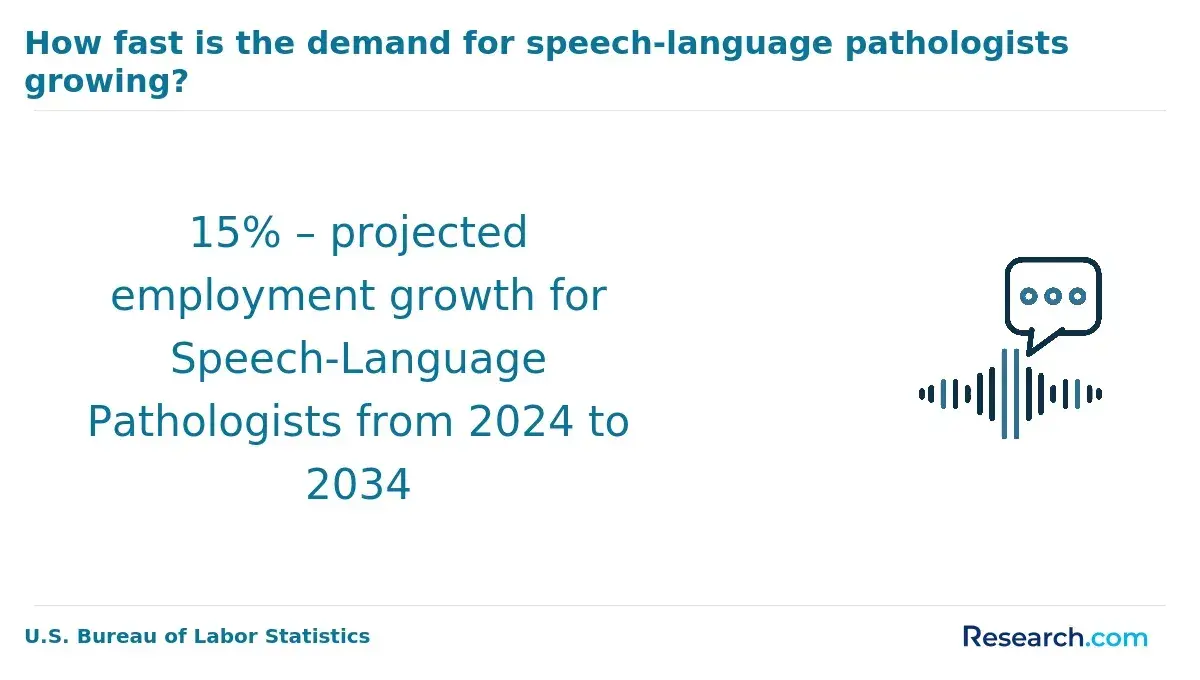
Yes. General speech-language pathologists are trained to evaluate and treat communication disorders across the lifespan, so they can help many children with speech and language concerns. A licensed SLP may work with children on articulation, language comprehension, expressive language, fluency, voice, social communication, and related needs.
The difference is depth of pediatric focus. A pediatric SLP career path typically involves more targeted experience with child development, early intervention, school-based services, family coaching, play-based therapy, and pediatric disorders. This background can be especially valuable when a child has complex developmental needs, multiple diagnoses, feeding or swallowing concerns, or communication challenges tied to autism, hearing loss, genetic conditions, neurological differences, or developmental delays.
Families and students should not assume that “general” means inadequate. The better question is whether the clinician has experience with the child’s specific age, diagnosis, setting, and therapy goals. For aspiring SLPs, pediatric-focused coursework and clinical placements can help build that readiness before entering practice.
How do pediatric speech pathologists help children with communication disorders?
Pediatric speech pathologists help children by identifying the communication barrier, setting measurable goals, delivering evidence-informed therapy, and coaching the adults who support the child every day. The process usually begins with an evaluation of speech sounds, language, fluency, voice, social communication, feeding, swallowing, hearing-related history, developmental milestones, and functional communication needs.
After assessment, the SLP creates an individualized treatment plan. For a child with articulation difficulties, therapy may target accurate sound production and carryover into conversation. For a child with language delays, sessions may focus on vocabulary, grammar, comprehension, narratives, or following directions. For a child who is minimally verbal, therapy may include augmentative and alternative communication (AAC), such as picture-based systems or speech-generating technology.
Common ways pediatric SLPs support children
- Direct therapy: Structured and play-based sessions that target specific communication goals.
- Family coaching: Teaching caregivers how to support communication during meals, routines, reading, and play.
- School collaboration: Coordinating with teachers and special education teams so therapy goals connect to classroom participation.
- AAC support: Helping children use communication systems when speech alone is not enough.
- Progress monitoring: Adjusting goals and strategies based on data, observation, and functional improvement.
Effective pediatric therapy is age-appropriate and practical. A good treatment plan should help the child communicate better outside the therapy room, not only perform well during isolated exercises.
What qualifications do you need to become a pediatric speech-language pathologist?
To become a pediatric speech-language pathologist, you generally need graduate-level SLP education, supervised clinical training, a passing Praxis Examination in Speech-Language Pathology score, state licensure, and professional certification steps. Pediatric specialization usually develops through coursework, clinical placements, mentoring, continuing education, and work experience rather than through a separate entry-level license.
Whether you choose a traditional route or explore accelerated speech pathology programs, confirm that the program can support certification and licensure goals in the state where you plan to practice.
- Earn a bachelor’s degree. Many students major in communication sciences and disorders, speech and hearing science, linguistics, psychology, education, or a related field. Students without a CSD background may need prerequisite coursework.
- Complete a master’s degree in speech-language pathology. A graduate program aligned with ASHA and CAA expectations is the standard preparation for professional practice.
- Finish supervised clinical practicum hours. Students gain hands-on experience with assessment and treatment across settings and populations, including pediatric clients when placements are available.
- Pass the Praxis Examination in Speech-Language Pathology. This exam demonstrates professional knowledge for entry-level practice.
- Obtain state licensure. Licensure requirements vary by state, so students should verify rules for clinical hours, exams, background checks, school credentials, and provisional practice.
- Pursue the CCC-SLP credential from ASHA. The Certificate of Clinical Competence in Speech-Language Pathology is a widely recognized professional credential.
- Build pediatric expertise. Seek pediatric practicum sites, early intervention exposure, school-based experience, AAC training, feeding-related education when appropriate, and continuing education in child-focused assessment and intervention.
What makes pediatric speech pathology online programs a good specialization option for aspiring SLPs?
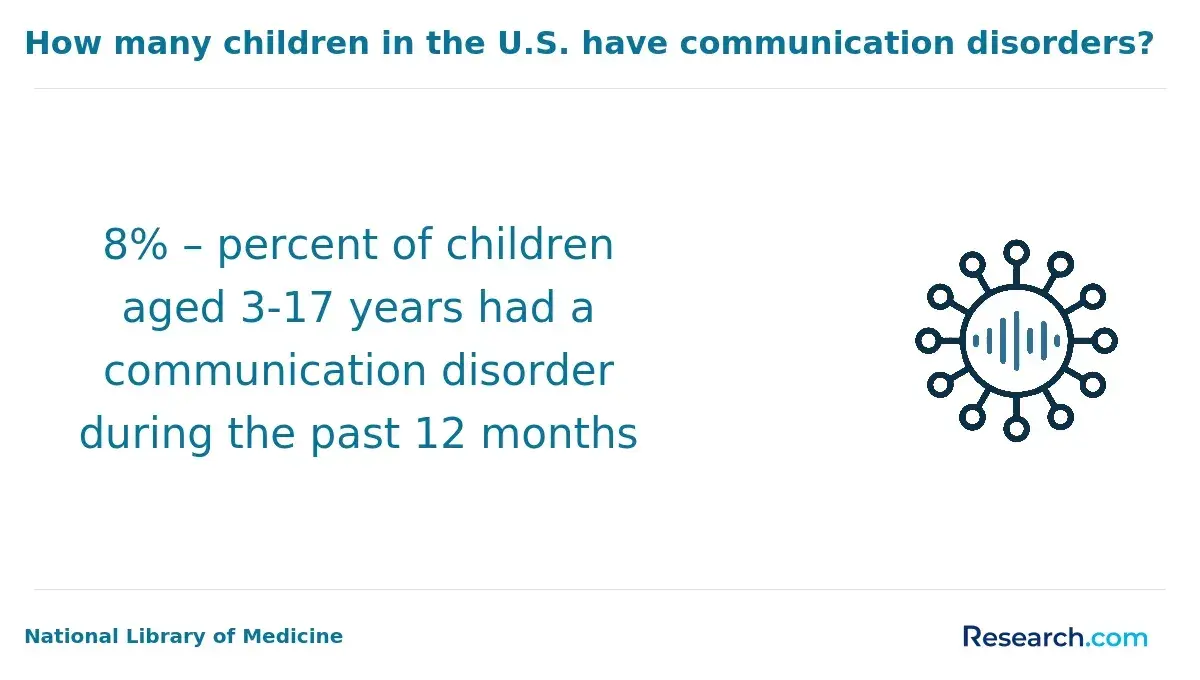
Online SLP programs can be a strong option for aspiring pediatric speech-language pathologists when they combine flexible coursework with rigorous clinical training. They allow students to complete academic requirements remotely while pursuing supervised practicum experiences in approved local or regional settings, including schools, clinics, hospitals, and early intervention environments.
The main advantage is access. Students who cannot relocate, who have work or family obligations, or who live far from campus-based programs may still be able to prepare for an SLP career. For pediatric-minded students, an online format can also make it possible to seek clinical placements in the communities where they may later work.
Why this specialization can make sense
- Clear career direction: Students can focus their electives, clinical interests, research projects, and mentoring on children’s communication needs.
- Flexible learning format: Online coursework can make graduate study more manageable for students balancing other responsibilities.
- Local clinical exposure: When placement support is strong, students may gain experience in nearby pediatric settings.
- Preparation for child-centered work: Pediatric practice requires skills in family communication, play-based therapy, developmentally appropriate assessment, and collaboration with schools and caregivers.
The trade-off is that online students must be especially organized. Clinical placement logistics, synchronous class sessions, technology requirements, and travel for any in-person components can affect the overall fit of a program.
What courses are typically included in online pediatric speech pathology programs?
Online pediatric speech pathology preparation usually sits within a broader master’s curriculum in speech-language pathology. Students study human communication, assessment, treatment planning, research, ethics, and clinical methods across the lifespan, then build pediatric readiness through child-focused courses, practicum choices, and specialty topics.
Common courses include:
- Anatomy and Physiology of Speech and Hearing: How the brain, respiratory system, larynx, articulators, and auditory system support communication.
- Language Development in Children: Typical language growth from infancy through adolescence, including vocabulary, grammar, comprehension, pragmatics, and literacy foundations.
- Speech Sound Disorders: Assessment and treatment of articulation and phonological disorders commonly seen in children.
- Fluency and Voice Disorders: Evaluation and intervention for stuttering, voice quality, resonance, and related communication concerns.
- Augmentative and Alternative Communication (AAC): Communication supports for children who are nonverbal, minimally verbal, or unable to rely on speech alone.
- Early Intervention and Family-Centered Practice: Therapy approaches that involve caregivers and build communication into everyday routines.
- Clinical Methods and Practicum: Supervised experience in assessment, goal setting, documentation, treatment, and professional decision-making.
Students interested in pediatrics should look beyond course titles. Ask whether assignments use pediatric case examples, whether faculty have child-focused expertise, whether AAC and early intervention are meaningfully covered, and whether the program can support pediatric clinical placements.
How do clinical placements work in online SLP programs, especially those focused on pediatrics?
Clinical placements are the hands-on portion of an online SLP program. Even when academic coursework is delivered online, students must complete supervised clinical experiences that develop real assessment and treatment skills. Accredited programs structure these experiences to meet ASHA’s clinical hour requirements.
For pediatric-focused students, placements may take place in schools, pediatric clinics, hospitals, private practices, early intervention programs, or other approved settings. The student works under a qualified supervising SLP, observes and provides services, documents clinical work, receives feedback, and gradually takes on more responsibility as skills develop.
What to ask before enrolling
- Who finds placements? Some programs coordinate sites directly; others expect students to help identify possible locations.
- Are pediatric sites available near you? Availability can vary by region, and competition for school or clinic placements may be high.
- What happens if a placement falls through? Ask about backup procedures and whether delayed placements can extend time to graduation.
- Are there in-person requirements? Online does not always mean fully remote. Some programs require campus visits, intensives, or on-site sessions.
- Will the placement support licensure in your state? State rules may affect school-based credentials, supervision, documentation, or post-graduate requirements.
Clinical placement quality is one of the most important factors in choosing an online program. A strong pediatric placement can help students practice child-centered therapy, family communication, classroom collaboration, behavior support, and documentation in realistic settings.
How can students choose the best pediatric speech pathology online program for their goals?
The best online pediatric speech pathology program is the one that meets accreditation expectations, fits your schedule and budget, supports clinical placements, and prepares you for licensure where you intend to work. Do not choose based on online convenience alone. In SLP education, clinical training and licensure alignment are just as important as coursework.
Use the factors below to compare programs carefully:
- Accreditation: Confirm that the program is accredited by the Council on Academic Accreditation (CAA) under ASHA standards when applicable.
- Pediatric preparation: Look for child-centered coursework, pediatric faculty expertise, school-based preparation, early intervention content, AAC training, and pediatric practicum opportunities.
- Clinical placement support: Ask how placements are arranged, who approves supervisors, and whether the program has experience placing students in your state or region.
- Program format: Compare full-time, part-time, synchronous, asynchronous, and accelerated options. A faster program is not always better if it limits your ability to complete clinical work well.
- Licensure alignment: Verify that the program can support certification and licensure requirements in the state where you plan to practice.
- Total cost: Compare tuition, fees, travel for in-person sessions, technology requirements, books, clinical expenses, and lost income if you reduce work hours.
- Student support: Review advising, faculty access, placement coordination, technical support, Praxis preparation, and career services.
When comparing the best online SLP programs, prioritize evidence of outcomes and support. Ask programs about graduation expectations, clinical placement timelines, Praxis preparation, and how they help students pursue pediatric settings. A program that looks inexpensive or flexible may not be the right fit if it leaves you struggling to secure required clinical experiences.
What are the challenges of specializing in pediatric speech-language pathology?
Pediatric speech-language pathology can be highly rewarding, but it is not an easy specialization. Children’s communication needs are often connected to development, behavior, family routines, medical history, education plans, and emotional well-being. Progress may be fast for some children and gradual for others, which requires patience and careful clinical judgment.
Common challenges include:
- Emotional demands: Supporting children and families through developmental or communication challenges can be difficult, especially when gains are slow.
- Behavioral and attention needs: Some children may have trouble participating in structured tasks, so SLPs must adapt sessions without losing therapeutic purpose.
- Family expectations: Caregivers may have different hopes, concerns, or levels of availability, making communication and coaching essential.
- Complex caseloads: Pediatric SLPs may work with children who have overlapping speech, language, sensory, motor, cognitive, medical, or educational needs.
- Documentation and collaboration: School and clinical settings often require detailed notes, progress data, meetings, reports, and coordination with other professionals.
- Keeping therapy functional: Sessions must be engaging, but they also need to produce measurable communication gains that carry over into daily life.
A speech pathologist degree with strong pediatric coursework and clinical training can help students prepare for these realities. The work requires flexibility, creativity, and resilience, but it also offers a direct way to help children communicate, participate, and build confidence.
Other Things You Need to Know About Pediatric Speech Pathology Online Programs
Completing an online pediatric speech pathology program in 2026 typically takes two to three years, depending on part-time or full-time enrollment. Programs usually include coursework and clinical placements to prepare students for a career in helping children with communication disorders.
References
- PennWest Global Online. (n.d.). Tuition and Fees (Graduate). PennWest
- Pepperdine University. (2025). Pepperdine College of Health Sciences, Speech-Language Pathology 2025-2026 Academic Catalog. Pepperdine.
- Speech Pathology Master's Programs. (n.d.). How to Choose an Online Speech Pathology Program. Speech Pathology Master's Programs.
- United States Bureau of Labor Statistics. (2025). Occupational Employment and Wage Statistics Query System. BLS.
- United States Bureau of Labor Statistics. (2024, April 3). Occupational Employment and Wages | 29-1127 Speech-Language Pathologists. BLS.
- United States Bureau of Labor Statistics. (2025, August 28). Occupational Outlook Handbook | Speech-Language Pathologists. BLS.