2027 Evening and Weekend Online SLP Programs

Co-Founder and Chief Data Scientist
Choosing an online speech-language pathology program is not just a scheduling decision. It affects where you can complete clinical hours, how quickly you can qualify for licensure, how much support you receive, and whether the program fits around work or caregiving responsibilities.
Evening and weekend online SLP programs are designed for students who cannot attend a traditional weekday, daytime graduate program but still need rigorous academic preparation and supervised clinical training. These pathways can be a practical route into speech-language pathology for teachers, healthcare workers, parents, career changers, and other adult learners who need flexibility without sacrificing professional standards.
This guide explains how these programs are structured, who they serve best, what admissions and clinical requirements to expect, how long part-time study usually takes, and how to evaluate whether a flexible SLP program is reputable and realistic for your life.
What are the benefits of enrolling in an evening and weekend online SLP program?
- Evening and weekend online SLP programs allow working adults, parents, and career changers to pursue graduate training without leaving their jobs or relocating.
- Entry-level SLPs earn around $65,000–$70,000, while experienced clinicians in specialized roles can exceed $95,000, depending on setting and region.
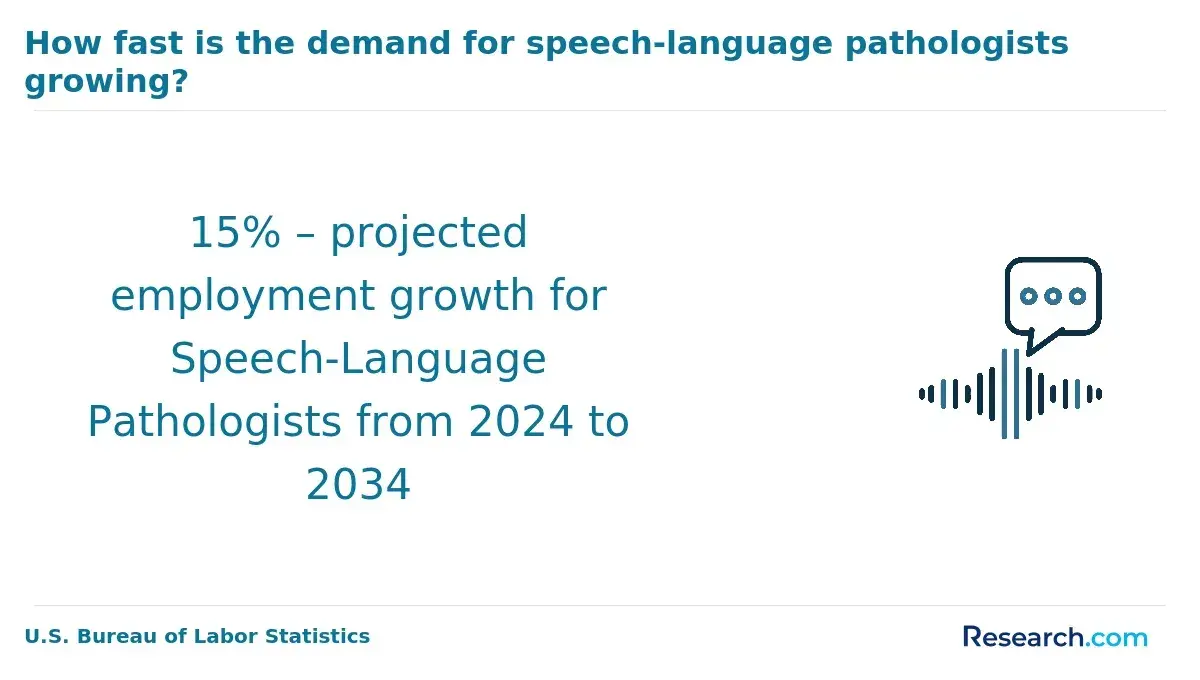
- Employment for speech-language pathologists is expected to grow 18% between 2023 and 2033.
What are evening and weekend online SLP programs?
Evening and weekend online SLP programs are flexible graduate pathways in speech-language pathology that schedule coursework outside the standard weekday classroom model. They are usually part-time or reduced-load master’s programs built for students who need to keep working, caring for family, or living outside commuting distance of campus.
In practice, these programs may combine live evening classes, recorded lectures, online assignments, virtual labs, and occasional weekend or campus-based intensives. The goal is not to make the degree easier; it is to make the delivery format more manageable for adult learners.
Students still study the core areas expected in speech-language pathology preparation, including speech and hearing science, anatomy and physiology, phonetics, language development, assessment, intervention planning, counseling, and clinical documentation. Programs also include supervised clinical experiences, which are essential for professional preparation.
Most universities structure these programs as two- to four-year tracks, depending on credit load. Some include hybrid requirements, such as limited on-campus clinical immersions once or twice per semester. Before enrolling, students should confirm how often they must attend live sessions, travel to campus, or be available for daytime clinical placements.
Who are these flexible programs designed for?
Flexible SLP programs are best suited for students who have the academic ability and motivation to complete graduate-level clinical training but need a schedule that works around existing responsibilities. They are especially useful for applicants who cannot pause their income, relocate, or attend daytime classes several days a week.
- Working professionals: Teachers, classroom aides, nurses, rehabilitation assistants, and therapy support staff often use evening programs to transition into speech-language pathology while staying employed. Their current work settings may also help them connect coursework to real communication, learning, or patient-care needs.
- Parents and caregivers: Evening lectures, weekend labs, and recorded course materials can make graduate school more realistic for students managing childcare, eldercare, or family schedules. However, clinical placements may still require weekday availability, so applicants should ask about practicum scheduling before committing.
- Career changers: Students with undergraduate backgrounds in education, linguistics, psychology, biology, or related fields may need prerequisite coursework before beginning advanced clinical classes. Some schools offer bridge or leveling sequences, while some accelerated SLP programs combine prerequisites and graduate coursework into a more streamlined path.
These programs are not automatically easier than campus-based degrees. Students need strong time management, reliable internet access, a quiet study environment, and enough schedule flexibility to complete clinical hours. The best fit is someone who needs flexibility but can still protect substantial weekly time for reading, assignments, group work, and practicum preparation.
How do evening and weekend schedules work in practice?
Flexible SLP programs usually blend structured live learning with self-paced online work. The exact schedule varies by university, but applicants should expect a predictable weekly rhythm rather than a fully open, on-demand format.
- Synchronous evening classes: Students may log in 2–3 nights a week for live lectures, case discussions, group activities, and faculty feedback. These sessions are important because SLP training requires interaction, clinical reasoning, and communication practice—not just reading and quizzes.
- Weekend intensives: Some programs schedule full-day Saturday sessions every few weeks for diagnostics, treatment planning, counseling practice, simulation, or lab-based skills. These sessions can be demanding, but they help students apply theory before entering clinical placements.
- Asynchronous coursework: Recorded lectures, readings, quizzes, discussion boards, and case assignments let students complete part of the work on their own schedule. This format is useful for reviewing technical material such as anatomy, phonetics, or assessment procedures.
- Local practicum coordination: Clinical hours are often arranged in the student’s region through schools, hospitals, clinics, private practices, or telepractice settings. Placements are typically supervised by qualified clinicians, often ASHA-certified supervisors, and must meet the program’s standards.
A common misconception is that “evening and weekend” means all requirements happen outside business hours. Coursework may be scheduled that way, but clinical sites frequently operate during weekday daytime hours. Students should ask each program how placements are assigned, whether the school finds sites or expects students to help identify them, and how much daytime availability is normally required.
What are the main benefits of studying speech-language pathology online?
The main benefit of an online SLP program is access. Students who live far from a campus, cannot relocate, or need to remain employed may be able to pursue graduate training without putting their lives on hold. For the right learner, the format can reduce barriers while still providing a structured path toward clinical preparation.
- Geographic access: Online coursework can help students in rural, underserved, or distant areas enroll in programs they otherwise could not attend. Some of the cheapest online SLP master’s programs may also reduce relocation and commuting expenses, though students should compare total tuition, fees, and placement costs carefully.
- Lower indirect costs: Students may save on housing, transportation, parking, and lost wages if they can keep working. This does not mean online programs are always cheaper, but the overall cost of attendance may be more manageable.
- Preparation for technology-supported care: Online students often become comfortable with teletherapy platforms, digital documentation, video-based feedback, online assessment tools, and learning management systems. These skills can be useful in schools, clinics, private practice, and remote service delivery.
- Flexible pacing: A part-time course load can reduce overload and help students retain information while balancing work and family demands. The trade-off is that the degree may take longer to complete.
- Broader peer networks: Online cohorts often include students from different regions and professional backgrounds, which can expose learners to varied service settings, client populations, and career goals.
The best online format depends on how you learn. Students who need frequent in-person interaction may prefer a hybrid program with campus intensives. Students who are highly self-directed may do well in a mostly online model with strong faculty access and clear deadlines.
How do these programs ensure quality clinical training and supervision?
Quality clinical training is the most important part of any SLP program, including online and weekend formats. Coursework can be delivered remotely, but students still need supervised practice with real or simulated clients, feedback from qualified clinicians, and documented progress toward required competencies.
- Local placement networks: Programs may partner with schools, hospitals, outpatient clinics, rehabilitation centers, early intervention providers, and private practices to place students near their communities. Strong programs explain how placements are approved, how supervisors are vetted, and what happens if a local site falls through.
- Virtual simulation labs: Simulations allow students to practice interviewing, assessment selection, treatment planning, documentation, and clinical decision-making before working with clients. Simulated cases are not a substitute for supervised practicum, but they can make early clinical experiences safer and more effective.
- Structured supervision: Faculty and site supervisors may observe live sessions, review recordings, hold case conferences, and provide written feedback. This supervision helps students connect theory to practice and build competence across age groups, communication disorders, and service settings.
- Telepractice exposure: Many speech pathology graduate programs now include both in-person and telepractice experiences. This combination can prepare students for schools, healthcare facilities, private practice, and remote therapy models.
Applicants should not assume every online program offers the same clinical support. Before enrolling, ask whether the program secures placements, whether students must find their own sites, how far students may need to travel, what types of clients are typically available, and how the program handles supervision problems or site cancellations.
What admission requirements should applicants prepare for?
Admission requirements for evening and weekend online SLP programs are generally similar to those for full-time campus programs. Schools want evidence that applicants can handle graduate science coursework, clinical training, professional communication, and the ethical responsibilities of client care.
- Bachelor’s degree: Applicants usually need a bachelor’s degree, often in Communication Sciences and Disorders or a related discipline. Students from unrelated majors may need additional prerequisite or leveling coursework.
- Prerequisite courses: Common requirements include phonetics, speech and hearing science, anatomy, language development, and related foundational subjects. Missing prerequisites can lengthen the time to graduation.
- Recommendation letters: Strong letters should speak to academic readiness, communication skills, professionalism, reliability, and potential for clinical work.
- Personal statement: Applicants should explain why they are pursuing SLP, how they understand the demands of the field, and how they plan to manage a flexible but rigorous program.
- GRE scores: Some programs still require GRE scores, though many programs have waived this requirement post-2024. Applicants should verify the current policy for each school rather than assuming it is optional.
Students without a Communication Sciences and Disorders background should look closely at pre-professional tracks, bridge programs, or conditional admission options. Some schools listed among the easiest SLP grad schools to get into may offer built-in prerequisite modules, but “easier to enter” does not mean lower clinical expectations. Applicants still need to meet academic and practicum standards before graduating.
Which universities offer reputable evening or weekend SLP options?
Reputable evening or weekend SLP options are typically offered by universities that combine flexible delivery with recognized academic oversight, transparent clinical training, and clear student outcomes. Instead of choosing a program only because it fits your schedule, evaluate whether it can actually support your path to graduation, certification, and licensure.
- Hybrid weekend programs: These programs combine online coursework with scheduled campus visits for labs, skills practice, simulations, or clinical intensives. They can be a good fit for students who want flexibility but still value face-to-face training.
- Evening online cohorts: These programs use live virtual classes after standard work hours, often with smaller discussion-based sessions. They may appeal to working professionals who want regular faculty interaction and peer accountability.
- Accelerated hybrid formats: These options may use year-round coursework or condensed terms to shorten the overall timeline while preserving some flexibility. Students should be realistic about workload before choosing this route.
When comparing universities, confirm Council on Academic Accreditation (CAA) accreditation status, clinical placement support, faculty accessibility, graduation requirements, Praxis exam pass rates, employment outcomes, student support services, and total cost. Also ask whether the program has experience placing students in your state, because licensure expectations and clinical site availability can vary by location.
A reputable program should be able to answer practical questions clearly: Who finds your practicum sites? How are supervisors approved? How often do students travel to campus? What happens if your work schedule conflicts with clinical hours? What technology is required? Clear answers are a sign of mature program design.
How long does it take to finish a part-time or flexible SLP degree?
The time it takes to complete a part-time or flexible speech-language pathology (SLP) degree typically ranges from 3 to 5 years, depending on course load, prerequisite needs, clinical placement availability, and whether the program runs during summer terms. By comparison, most traditional full-time SLP master's programs require about 2 years of continuous study.
Many evening and weekend online SLP programs use a cohort model, which means students move through a planned course sequence together while taking one or two courses each semester. This structure can help working students stay on track, but it may also limit how much they can speed up or slow down.
Students who already hold a bachelor’s degree in communication sciences and disorders often finish faster because they have completed more prerequisites. Students entering from another field may need leveling courses before or during the master’s sequence. Those enrolling through accelerated SLP programs online may finish in as little as 2.5 to 3 years if they maintain continuous enrollment.
Clinical availability can also affect timing. Even if coursework is online, practicum hours must be completed in approved settings, and placements may depend on site schedules, supervisor availability, background checks, health requirements, and local demand.
What career outcomes can graduates expect after completing these programs?
Graduates of flexible SLP programs can pursue the same broad career paths as graduates of traditional programs, provided they complete the required degree, clinical training, exams, certification steps, and state licensure requirements. Employers generally care more about accreditation, competency, supervised experience, and licensure eligibility than whether coursework was delivered online or on campus.
- School-based SLPs: These clinicians support students with speech sound disorders, language delays, literacy-related needs, social communication challenges, fluency disorders, and other communication needs in K–12 or early intervention settings.
- Medical SLPs: Medical roles may involve hospitals, rehabilitation centers, skilled nursing facilities, outpatient clinics, or long-term care settings. Clinicians may work with swallowing, cognitive-communication, voice, motor speech, and neurogenic communication disorders.
- Private practice or telepractice clinicians: Some graduates eventually work in private clinics, home-based services, or online therapy settings. These roles often require strong documentation, business, scheduling, and compliance skills in addition to clinical competence.
Career mobility can improve with experience, specialization, and additional training. Some SLPs focus on voice, fluency, swallowing rehabilitation, augmentative and alternative communication, pediatric language, autism services, or adult neurogenic disorders. Others move into supervision, administration, consulting, or program leadership.
Students should be cautious about salary claims and job promises. Outcomes depend on location, setting, licensure status, demand, experience, and specialization. A strong program should provide transparent employment information and prepare students for both entry-level practice and long-term professional development.
How can working professionals balance life, work, and an online SLP education successfully?
Balancing an online SLP program with work and family is possible, but it requires planning before the first term begins. The workload is substantial because students must manage graduate coursework, clinical preparation, group projects, documentation, exams, and eventually practicum schedules.
- Build a weekly study plan: Reserve fixed blocks for reading, lectures, assignments, and exam preparation. Treat these blocks like work shifts or clinical appointments rather than optional study time.
- Plan for clinical hours early: Ask your employer and family members in advance about possible schedule changes once practicum begins. Evening coursework may fit around work, but clinical placements may require daytime availability.
- Use digital systems consistently: Shared calendars, task managers, cloud storage, reminder apps, and peer study groups can help prevent missed deadlines and reduce mental overload.
- Communicate with faculty and supervisors: Successful students ask questions early, attend office hours, and alert advisors when work or family obligations may interfere with program requirements.
- Protect recovery time: Burnout can affect clinical judgment, academic performance, and personal well-being. Build in rest, realistic course loads, and support from family, classmates, or counseling services when needed.
The flexibility of evening and weekend SLP formats can make graduate education more accessible, but flexibility does not remove the intensity of clinical training. The students who succeed are usually those who choose a program that matches their schedule honestly, understand the practicum demands, and create a support system before the workload peaks.
Other Things You Should Know About Evening and Weekend Online SLP Programs
The 2027 Evening and Weekend Online SLP programs typically require completion of 60–75 credit hours. These hours include both core and elective courses essential for developing the necessary skills and knowledge for a career in speech-language pathology.
Admission requirements for the 2027 Evening and Weekend Online SLP Programs typically include a completed application, a bachelor's degree, official transcripts, letters of recommendation, a personal statement, and GRE scores. Some programs may also require an interview or prior coursework in communication sciences or disorders.
The 2027 Evening and Weekend Online SLP Programs offer virtual office hours, online forums, and one-on-one mentorship to ensure robust student support and connection. These resources are designed to facilitate communication between students and faculty, enhancing the learning experience in a remote environment.
References
- Bureau of Labor Statistics. (2024). Speech-language pathologists. U.S. Department of Labor. https://www.bls.gov/ooh/healthcare/speech-language-pathologists.htm#tab-6
- Bureau of Labor Statistics. (2024). Occupational employment and wages, May 2023: Speech-language pathologists. U.S. Department of Labor. https://www.bls.gov/oes/2023/may/oes291127.htm
- Data USA. (n.d.). Speech-language pathology. https://datausa.io/profile/cip/speech-language-pathology
- Data USA. (n.d.). Speech-language pathologists (SOC 29-1127). https://datausa.io/profile/soc/speechlanguage-pathologists
- Salary.com. (n.d.). Speech and language pathologist salary. https://www.salary.com/research/salary/benchmark/speech-and-language-pathologist-salary
- Zippia. (n.d.). Speech-language pathologist jobs: Demographics and industry statistics. https://www.zippia.com/speech-language-pathologist-jobs/demographics/