2027 Are Online Fashion Design Degrees Respected by Employers?

Co-Founder and Chief Data Scientist
The rise of online education has brought significant interest in online fashion design degrees, with enrollment in digital programs increasing by over 40% in recent years. Employers' attitudes toward these degrees are evolving as online learning becomes more prevalent and reputable institutions adopt rigorous standards. Understanding how employers currently perceive online fashion design credentials is essential for prospective students weighing their educational options. This article aims to clarify the factors that influence employer respect for online degrees, providing a balanced overview of trends and credibility without delving into specific program details.
Key Benefits of Online Fashion Design Degrees Respected by Employers
- Employers increasingly recognize online fashion design degrees from accredited institutions as equivalent to traditional programs, with 87.4% of employers that capture new hires' degree modality reporting they hired new college graduates with online degrees in NACE's Job Outlook 2024 survey.
- Graduates develop practical skills such as digital sketching, fabric technology, and trend forecasting that align closely with current market demands, enhancing their job readiness.
- Data shows that online fashion design degree holders experience a 15% higher employment rate within six months post-graduation compared to non-degree holders in the same field.
Which accrediting bodies make an online fashion design degree legitimate?
Accreditation is essential for ensuring the quality and employer recognition of an online fashion design degree. It guarantees that the program meets rigorous academic standards, facilitates credit transfer between institutions, and enhances career prospects. Understanding online fashion design degree accreditation standards involves recognizing the main types of accreditation that establish a program's legitimacy and value in the job market:
- Regional Accreditation: This is the most widely respected form of institutional accreditation in the United States, granted by one of seven regional accrediting commissions such as the Middle States Commission on Higher Education. Institutions like the Fashion Institute of Technology hold regional accreditation. It offers the highest credibility, allows for smooth credit transfer to other regionally accredited colleges, and is strongly preferred by employers in competitive fields like fashion.
- National Accreditation: Usually awarded to vocational or specialized schools, national accreditation carries less prestige than regional accreditation. While recognized, it may limit credit transferability to regionally accredited institutions and generally suits students aiming for specific trades. Career advancement in broader fashion industry roles may be more restricted with this type of accreditation.
- Programmatic Accreditation (e.g., NASAD accreditation for fashion design programs): The National Association of Schools of Art and Design (NASAD) is a key programmatic accrediting body recognized by the U.S. Department of Education. NASAD accreditation is prestigious for art and design programs, increasing the recognition of coursework among NASAD-accredited institutions and signaling quality to employers and graduate schools. Notable schools with NASAD accreditation include Parsons The New School for Design and the Fashion Institute of Design & Merchandising.
For students evaluating programs, selecting an online fashion design degree from an appropriately accredited institution is crucial. This choice assures quality education and maximizes the value of the degree when applying for jobs or further studies. To learn more about programs that combine quality with flexibility, consider exploring options such as a 1 year online masters degree.
Does university reputation affect employer views of online fashion design degrees?
University reputation plays a significant role in shaping employer perceptions of online fashion design degrees. Employers often use the university's standing as a key indicator of program quality and graduate preparedness, especially in competitive fields like fashion design. This university reputation impact on online fashion design degrees is evident through several important factors that influence credibility and hiring decisions.
- Institutional Prestige: Degrees from well-known institutions such as LIM College, Parsons, or the Academy of Art University tend to hold more weight. These schools are frequently ranked highly by respected sources, signaling to employers that their graduates have received a rigorous and relevant education.
- Alumni Success: Employers consider the track record of successful alumni working in the fashion industry as evidence of a program's practical value. Graduates who thrive in top brands or start their own ventures reflect positively on their alma mater.
- Accreditation Status: Accreditation from reputable bodies like the Middle States Commission on Higher Education or the Accreditation Council for Business Schools and Programs reassures employers of a program's academic rigor and commitment to continuous improvement. Employer perception of accredited online fashion design programs is often stronger when such credentials are present.
- Industry Partnerships: Collaborations with leading fashion brands and opportunities for internships or capstone projects enhance students' real-world experience. Schools with these connections demonstrate a commitment to preparing job-ready graduates.
While a strong university reputation can open doors, employers also increasingly prioritize hands-on skills, creative portfolios, and relevant work experience. Even graduates from lesser-known programs can distinguish themselves by showcasing technical expertise and industry-quality portfolios. For those seeking reputable options, it can be useful to explore the best degrees for seniors online, which include recognized online fashion design programs. This balance of reputation and tangible skills ultimately shapes hiring outcomes in the fashion industry.
Do employers treat online and on-campus fashion design degrees equally?
Employer perceptions of online fashion design degrees have improved markedly over the past decade, narrowing the divide with traditional on-campus credentials. As online education quality has increased and reputable schools have expanded their remote offerings, the stigma surrounding online degrees has significantly lessened.
Today, many employers view online credentials either neutrally or positively, especially when the degree comes from accredited, well-known institutions. Research indicates that a substantial portion of recruiters and employers no longer prioritize whether a degree was earned online or on campus, signaling broader acceptance in the job market.
When assessing candidates, hiring managers emphasize key factors such as program accreditation, the reputation of the awarding university, and the applicant's practical experience rather than focusing solely on the mode of study.
In a hands-on and portfolio-based discipline like fashion design, the quality of work and demonstrated skills often carry more weight than the diploma format. Accreditation remains a critical element; a degree from an unaccredited online program may be viewed skeptically or dismissed.
However, online degrees from recognized institutions with strong reputations and physical campuses are frequently regarded as equivalent to traditional degrees. Graduates can further improve their standing by pursuing internships, building comprehensive portfolios, and selecting programs with industry connections.
By prioritizing accredited schools and practical experience, students holding online fashion design degrees can present a compelling profile that employers respect on par with traditional credentials.
Fashion Sales Channel Penetration: Online Share

Do employers trust online fashion design degrees from AI-powered virtual classrooms?
AI-powered virtual classrooms are significantly enhancing the quality and credibility of online fashion design education. Technologies like adaptive learning systems tailor course content to individual students' pace and learning style, ensuring a more personalized and effective educational experience.
Virtual simulations and 3D modeling environments allow learners to experiment with design concepts, fabrics, and prototyping in highly realistic digital settings, fostering both creativity and technical skills vital to today's fashion industry.
Additionally, AI tutors and generative tools such as ChatGPT and Midjourney support students in developing innovative portfolios and refining creative ideas efficiently. These advancements not only replicate but often improve traditional hands-on experiences by integrating industry-relevant technology, which can strengthen the practical skills and technical competencies of online learners.
Employer perception of online fashion design degrees from AI-powered classrooms is becoming increasingly positive, albeit with some reservations. Many hiring managers now value graduates who demonstrate proficiency in digital prototyping, virtual simulations, and AI-assisted creative processes, as these skills align closely with current professional demands.
Research indicates that AI-enhanced digital portfolios are beginning to meet industry standards, contributing to a growing acceptance of online credentials. However, skepticism lingers around the sufficiency of tactile experience and concerns over curriculum consistency and originality in fully online programs.
Employers still prioritize portfolio quality, internship experience, and innovation capacity regardless of degree format. As AI integration in education becomes more standardized and collaborations with industry grow, confidence in these online degrees is expected to improve when graduates clearly showcase both creative vision and technical mastery.
What skills do employers value from online fashion design graduates?
Online fashion design graduates stand out in the job market by mastering a blend of specialized professional skills and versatile soft skills highly valued across the industry. Their ability to combine technical expertise with strong communication and problem-solving makes them competitive candidates for many roles.
These competencies reflect the digital fashion design skills employers value and highlight the benefits of completing a remote, technology-driven program. Below are some of the most sought-after skills typically developed in online fashion design degree programs:
- Digital Design Proficiency: Graduates gain hands-on experience with industry-standard software such as Adobe Illustrator, Photoshop, and CLO 3D, enhancing their ability to create and refine designs efficiently. These technical skills needed for fashion design jobs help streamline workflows and support virtual prototyping, which reduces material waste and promotes sustainable practices.
- E-commerce and Digital Retail Knowledge: Online programs focus on equipping students with a solid understanding of platforms like Shopify, Magento, and BigCommerce. This knowledge allows graduates to optimize product listings, analyze sales data, and implement effective digital retail strategies essential for success in today's market.
- Social Media and Digital Marketing: Fashion brands increasingly depend on digital channels for marketing and engagement. Students develop skills in content creation, brand storytelling, and social media management using tools like Hootsuite and Buffer, enabling them to build brand presence and drive sales.
- Creative Problem-Solving: The remote learning environment encourages independence and innovation as students manage projects and troubleshoot challenges solo. Employers highly regard this adaptability and resourcefulness for navigating the ever-changing fashion industry.
- Collaboration and Communication: Online courses often incorporate virtual teamwork, strengthening graduates' ability to communicate in digital spaces. Effective collaboration and project management skills are critical for working with diverse teams worldwide.
- Business and Entrepreneurial Acumen: These programs frequently include business fundamentals like branding, marketing, and trend analysis, preparing graduates to contribute to commercial success or launch their own ventures. For students weighing their options, exploring a fastest online master's degree path can offer an accelerated route to gaining these vital skills.
Do professional certifications help validate online fashion design degrees?
Earning professional certifications can significantly enhance the credibility of an online fashion design degree by providing industry-specific validation of a graduate's skills and expertise. These certifications demonstrate commitment to professional standards and practical competencies that employers in the fashion sector actively seek.
Below are the main ways professional certifications strengthen the value of online fashion design degrees in the eyes of employers:
- Industry-Recognized Skill Validation: Certifications like the Fashion Designer Certificate from IAP Career College or Parsons Fashion Design Certificate confirm mastery of key areas such as garment construction, color theory, and creative entrepreneurship. This validation signals to employers that graduates possess current and relevant practical skills imperative for the fashion workplace.
- Portfolio Enhancement: Many certification programs emphasize project-based learning, encouraging students to develop strong portfolios showcasing their creative and technical abilities. Such portfolios provide tangible evidence of job-ready competencies, directly addressing employer demand for proof of hands-on experience.
- Accreditation and Quality Assurance: Obtaining certifications from accredited institutions like LIM College (accredited by ACBSP and MSCHE) or The Fashion Design Institute assures employers that the education aligns with rigorous academic and industry standards, enhancing the overall trustworthiness of the degree.
- Career Advancement Opportunities: Professional credentials offered by organizations such as eCornell or AAFCS can open doors to specialized roles and leadership positions. Certified graduates are often perceived as ambitious professionals prepared for growth and higher responsibility within the fashion industry.
- Employer Trust and Professional Recognition: As reported by Upskillist, ongoing commitment to professional development via certifications fosters greater employer trust in online education credentials and facilitates recognition in a global marketplace, meeting the evolving expectations of hiring managers.
When I spoke with a professional who completed an online fashion design program, he shared how pursuing additional certification transformed his career outlook. At first, he was uncertain whether his online degree alone would help him compete with candidates from traditional schools.
The process of earning a recognized certification involved rigorous hands-on projects and portfolio reviews, which he found both challenging and rewarding. "I felt that the certification filled the gaps between theory and practice, giving me something concrete to show potential employers," he explained.
This external validation not only boosted his confidence but also helped him secure interviews and eventually a role in a well-known design firm. Reflecting on his journey, he emphasized that while his online degree laid the foundation, the professional certification was the key to bridging credibility concerns and gaining industry respect.
Do online fashion design graduates earn the same salaries as on-campus graduates?
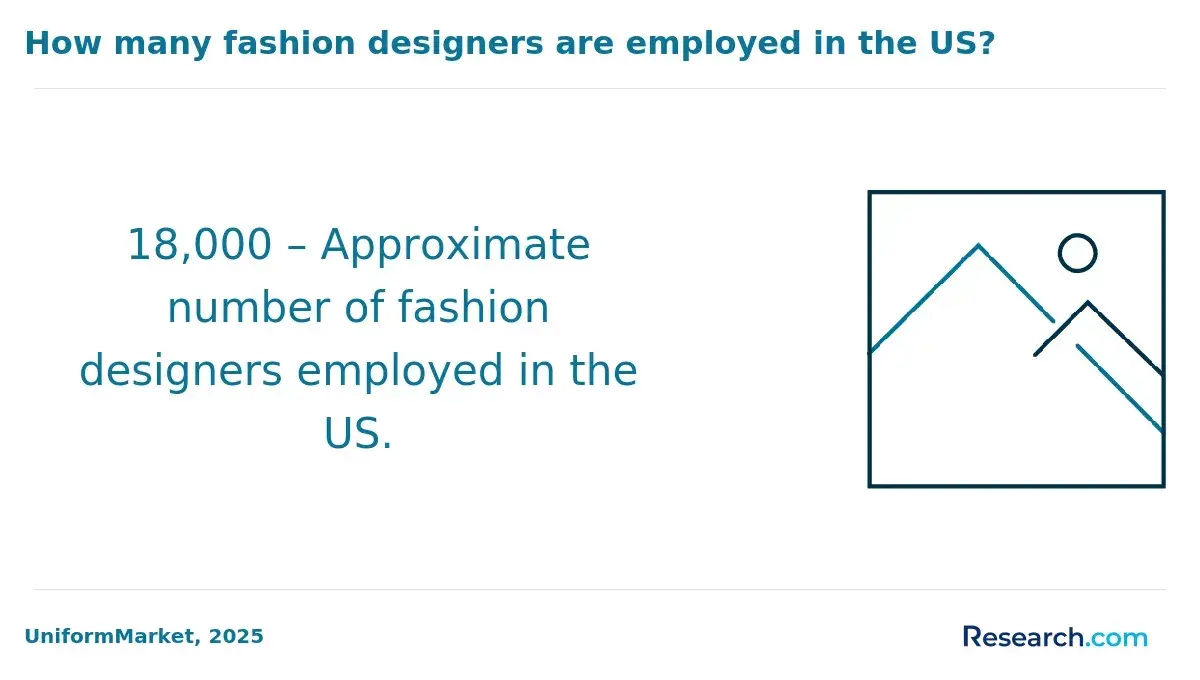
Data from the U.S. Bureau of Labor Statistics indicates there is no significant, consistent salary difference between online and on-campus fashion design graduates in the United States; both typically start with comparable salaries, with a median annual wage of $80,690 in 2024. Industry trends reveal that employers value skills and experience more than the delivery format of the degree.
Several key factors influence whether graduates achieve parity in earnings; these elements determine the impact of an online fashion design degree on salary outcomes compared to a traditional degree:
- Portfolio and Practical Experience: A strong creative portfolio and hands-on experience weigh heavily in hiring decisions. Online programs that emphasize project-based learning and internships can help graduates match the earnings of their on-campus peers.
- Accreditation and Program Reputation: Degrees from regionally accredited and well-regarded institutions, whether earned online or in person, carry more credibility with employers, supporting similar salary levels regardless of delivery method.
- Networking and Industry Connections: On-campus students often benefit from face-to-face networking opportunities and career fairs, which can lead to better starting salaries. However, some online programs are enhancing virtual networking and internships to close this gap.
- Location and Cost of Living: Salary variations mainly depend on geographic region and demand within local fashion industries. Graduates working in key fashion hubs tend to earn more, and this factor is independent of whether the degree was completed online or on-campus.
- Employer Perception: While skepticism toward online degrees has lessened, some employers may still prefer traditional credentials. Nevertheless, if an online degree is from a recognized school and supported by strong skills, this preference rarely affects salary offers.
Students interested in finding affordable online programs that also accept financial aid options may consider exploring cheap online universities that accept fafsa as part of their planning.
Overall, understanding these factors helps clarify the fashion designer salary comparison online vs traditional degree as well as the average salary for online fashion design degree graduates.
How do online fashion design degrees impact career growth and promotions?
Earning an online fashion design degree can significantly influence long-term career advancement and promotion opportunities across various industries, including retail, merchandising, and design consultancy. As the fashion world increasingly values digital skills and creativity honed through accredited online programs, graduates find themselves better positioned to compete for higher-level roles and leadership positions.
Below are the main ways online fashion design degrees support professional growth and facilitate upward mobility:
- Flexible, Work-Compatible Learning: Online programs enable students to balance education with full-time jobs or internships, allowing them to gain real-world experience alongside their studies. This flexibility is crucial for professionals seeking promotions without interrupting their careers.
- Industry-Relevant Technical Skills: Students learn modern design software, garment construction, and production techniques, equipping them with practical expertise highly sought by employers. These technical competencies are often essential for advancing to senior creative or technical roles.
- Global Networking Opportunities: Online courses connect learners with industry professionals and peers worldwide, building valuable networks critical for accessing internships, collaborations, and job opportunities that lead to career progression.
- Portfolio Development: Project-based assignments help students create diverse and compelling portfolios, which play a key role in securing promotions, leadership roles, or freelance work within the fashion industry.
- Affordability and Accelerated Completion: Eliminating relocation and commuting costs makes education more accessible and allows for faster degree completion. This efficiency enables graduates to reach promotion milestones and earning potential more quickly.
- Expanded Career Pathways: Graduates pursue diverse roles such as design, merchandising, styling, production, and entrepreneurship, reflecting positive employer perceptions and enhanced career mobility.
When I asked a professional who completed an online fashion design degree about her experience, she shared that balancing her job and studies was initially challenging but ultimately rewarding. Through the program, she developed a unique portfolio that caught the attention of a top retail brand, leading to a promotion within her company. She noted, "The structured projects pushed me creatively and technically, giving me confidence to apply for higher positions." The global network she built during the course also introduced her to mentors who guided her career decisions and opened doors she hadn't anticipated. Reflecting on her journey, she emphasized that the degree was a turning point, allowing her to transition smoothly into leadership and take on more strategic responsibilities that had previously felt out of reach.
What companies actively hire graduates from online fashion design programs?
Employers across the fashion, retail, and technology sectors are increasingly open to hiring candidates with online fashion design degrees, reflecting a broader acceptance of remote learning and digital skill sets in creative industries. This shift aligns with the evolving demands of modern careers that embrace innovation and flexibility.
Below are key types of companies and industry sectors actively hiring graduates from online fashion design programs, illustrating the diverse career paths available:
- Fashion retailers and brands: Major retail and brand companies employ online fashion design graduates in roles such as apparel designer, brand manager, and product developer. These organizations appreciate digital design skills, trend analysis, and the ability to collaborate remotely with teams across marketing, production, and merchandising.
- E-commerce and fashion tech firms: Online retailers and fashion tech startups regularly hire graduates for positions like creative designer, personal stylist, and digital merchandiser. The ability to work with virtual design tools and manage online product launches is highly prized, especially as the industry shifts toward digital-first business models.
- Media and content companies: Digital publications, blogs, and content studios seek fashion design graduates for editorial, styling, and content creation roles. Skills in digital garment visualization, SEO for fashion commerce, and online audience engagement offer strong career opportunities, supporting those pursuing remote fashion designer jobs in New York and other locations.
- Sustainable fashion and resale platforms: Companies focused on sustainable fashion and resale value candidates who understand both design and the ethical dimensions of the industry. Graduates are often hired as stylists, curators, or sourcing specialists, with remote work and flexible schedules becoming standard.
Recent industry data reveals that over 70% of employers in creative and fashion sectors now regard online degrees as equally credible to traditional ones, provided candidates demonstrate strong portfolios and digital proficiency. This growing acceptance expands opportunities at various companies hiring online fashion design graduates.
For those exploring career options or seeking remote roles, resources like the top careers for introverts can offer valuable guidance on fitting roles in this evolving field.
What future trends will shape online fashion design degrees’ credibility?
Technology, accreditation standards, and employer attitudes are continuously evolving, shaping how online fashion design degrees are perceived in today's job market. These changes drive greater acceptance and recognition of online credentials as competitive and credible alternatives to traditional programs. Key trends are emerging that will further solidify the legitimacy and value of online fashion design education for prospective students and employers alike.
Among these important future developments are:
- AI-Driven Learning Validation: Artificial intelligence tools are now integrated into fashion design courses to assess student performance and verify skill mastery. Technologies like CLO 3D and Browzwear allow students to produce realistic digital garments and receive immediate feedback, boosting employer confidence in graduates' practical abilities.
- Global Accreditation Collaboration: Collaboration among international accrediting bodies ensures consistent quality standards, making online fashion design degrees from reputable institutions indistinguishable from on-campus qualifications. This growing global recognition enhances employer trust and broadens career opportunities worldwide.
- Increased Employer Partnerships: Internship programs and capstone projects connect students directly with industry professionals, offering valuable real-world experience. Over 85% of employers regard hands-on training as vital for hiring in fashion, which strengthens the appeal of graduates from programs with strong employer collaborations.
- Skill-Based Hiring: The fashion sector is shifting focus from traditional degrees to demonstrated skills, portfolios, and certifications. Online programs emphasize these elements, aligning their curricula with employer expectations and improving graduate employability in both physical and digital fashion industries.
- Technology-Enabled Learning and Networking: Flexible online platforms provide affordable access to interactive digital tools and global peer networks. These resources help students stay current with industry trends and build professional connections critical for career advancement.
Here's What Graduates of Respected Online Fashion Design Programs Have to Say About Their Degree
- Maynard : "Completing my online fashion design degree was a game-changer for my career. The flexibility allowed me to balance work and study while building a strong portfolio that employers valued highly. Within months of graduating, I secured a position at a leading fashion house, something I hadn't imagined possible without a traditional campus experience. This program truly prepared me with both practical skills and industry insight, making the job search less daunting and more successful."
- Anya : "The reflective nature of studying fashion design online helped me grow not just as a designer but as a community advocate. The ability to connect with diverse peers virtually gave me new perspectives on sustainable and inclusive fashion. Now, I lead a nonprofit fashion initiative that empowers young people from underserved neighborhoods, combining my professional skills with a passion for social impact. This degree opened doors I didn't know existed beyond the fashion industry. "
- Carlos: "From a professional standpoint, earning an online fashion design degree enabled me to continually upskill without interrupting my job. I appreciated how the curriculum was tailored to current industry trends, allowing me to advance within my company rapidly. The credentials gave my resume a competitive edge, and my employer recognized my commitment to growth, promoting me to a senior design role within two years. The online format didn't hinder my networking but actually expanded it through virtual workshops and industry connections."
Other Things You Should Know About Respectable Online Fashion Design Degree Programs
In 2027, employers are increasingly recognizing online fashion design degrees, assessing factors like curriculum rigor, accreditation, and portfolio quality. Networking and industry connections remain crucial for success, and students are encouraged to engage in internships and collaborations to enhance their job prospects.
Yes, an online degree can help if it provides solid design skills and real-world experience. Employers focus on portfolios and relevant internships when hiring. Completing an accredited, comprehensive online program can open job opportunities in fashion design roles.
In 2027, employers primarily assess a candidate’s skills, creativity, and portfolio quality alongside their degree. While an online fashion design degree is respected, demonstrating practical skills and a strong portfolio often outweighs the degree's source in the hiring process.
References
- Employers See Online Degrees as Comparable to In-person Degrees https://www.naceweb.org/talent-acquisition/candidate-selection/employers-see-online-degrees-as-comparable-to-in-person-degrees
- Best Certifications for Fashion Designers in 2025 (Ranked) https://www.tealhq.com/certifications/fashion-designer
- How can fashion design graduates get a job? https://www.voguebusiness.com/story/fashion/how-can-fashion-design-graduates-get-a-job-debunking-the-dream-survey
- How Indian Fashion Startups Are Revolutionizing D2C https://www.pearlacademy.com/blog/fashion/fashion-design-salary-india-abroad
- The Fashion Design Institute https://www.thefashiondesigninstitute.com/us/en/accreditations
- New Trends in Fashion Design: Digital Fashion Leads the Change https://drpress.org/ojs/index.php/ijeh/article/view/27609
- The Impact of AI and Machine Learning on Elearning Platforms for HR Training https://blogs.psico-smart.com/blog-the-impact-of-ai-and-machine-learning-on-elearning-platforms-for-hr-training-168501
- Benefits of Fashion Design Courses & Career Growth Insights https://www.itm.edu/blog/idm-benefits-of-fashion-design-courses-and-more/
- Full article: Employees’ perceptions of the fairness of AI-based performance prediction features https://www.tandfonline.com/doi/full/10.1080/23311975.2025.2456111
- Fashion Design Institutes vs. Online Courses: Which is Right for You? - The Design Village https://www.thedesignvillage.org/fashion-design-institutes-vs-online-courses-which-is-right-for-you/
- Empower. (2025). As apparel prices heat up, spending cools 22%. https://www.empower.com/the-currency/play/clothing-shoes-spending-news
- ECDB. (2025). Global Fashion Industry. https://ecdb.com/resources/sample-data/market/ww/fashion