
2027 One-Year Online Communication Management Master's Degree Programs: Accelerated Options, Costs & Outcomes

Co-Founder and Chief Data Scientist
Many professionals with unrelated undergraduate degrees face challenges when seeking to enter the communication management field swiftly while maintaining flexibility for their ongoing careers. With employers increasingly valuing advanced digital communication skills, the demand for accelerated online communication management master's programs has surged.
Recent data shows that enrollment in fully online communication management graduate programs grew by over 35% in recent years, reflecting a shift toward remote learning and expedited credentialing. This article examines the availability, costs, and career outcomes of one-year online communication management master's degrees to guide prospective students in making informed, efficient educational decisions.
Key Things to Know About One-Year Online Communication Management Master's Degree Programs
- Online communication management master's programs offer flexible scheduling, allowing working professionals and recent graduates to balance studies with employment or personal commitments effectively.
- The accelerated one-year format enables rapid skill acquisition, equipping students for timely career transitions or advancement within competitive communication fields.
- International applicants benefit from virtual global networking opportunities, connecting with diverse cohorts and industry leaders to enhance cross-cultural communication competencies and job prospects.
What Exactly Is a One-Year Online Communication Management Master's Degree Program, and How Does It Differ from a Standard Graduate Format?
A one-year online communication management master's degree program offers an accelerated alternative to the typical two-year or part-time graduate schedules. These programs condense approximately 30 to 36 credits into an intensive timeline by utilizing back-to-back semesters or quarter systems.
Students usually carry heavier course loads per term, completing rigorous academic work without the extended summer or winter breaks traditional formats allow. This compressed calendar suits learners seeking faster degree completion without sacrificing academic quality.
Well-recognized examples of this accelerated option include the University of Southern California's online Master of Communication Management, Syracuse University's online Master of Science in Communication, and Northwestern University's online Master of Arts in Communication. USC's model incorporates intensive quarterly courses focused on project-based learning, while Syracuse adapts weekend and evening classes to accommodate working professionals.
These one-year online communication management master's degree programs provide flexible yet demanding curricula tailored to diverse student needs.
Those who benefit most from such an accelerated communication management degree versus traditional graduate timeline include individuals aiming to quickly enhance career prospects. The combined pressures of multiple simultaneous courses require a high level of discipline and commitment, appealing especially to those who thrive in fast-paced learning environments.
- Working Professionals: Able to maintain employment while pursuing an award, these programs offer the flexibility necessary for busy schedules and career growth.
- Career Changers: Candidates can efficiently learn core communication management skills needed to transition into new roles without long educational gaps.
- Recent Graduates: Those re-entering the workforce rapidly after undergraduate studies choose the one-year format to avoid prolonged time out of employment.
- Time-Conscious Learners: Accelerated courses provide immersive periods of learning that maintain momentum and focus without extended breaks.
- Self-Motivated Individuals: The demanding pace suits those with strong self-discipline capable of juggling heavy academic workloads in compressed semesters.
Prospective students should also explore outcomes data such as employment rates and salary trajectories for accelerated graduates, as well as admissions standards, including GPA requirements and relevant professional experience. For some, alternative options like 1 year PhD programs online no dissertation offer similarly accelerated educational paths worth considering.
Which Accredited Universities Currently Offer Legitimate One-Year Online Communication Management Master's Programs?
Accreditation is a decisive factor when evaluating one-year online communication management master's programs. Regional accreditation, issued by one of six U.S. accrediting bodies, offers greater recognition and ensures academic rigor compared to national accreditation. This distinction is essential for graduates seeking credit transferability, employer acceptance, and professional credibility.
Additionally, programmatic accreditation or endorsements from specialized bodies such as the Accrediting Council on Education in Journalism and Mass Communications (ACEJMC) further validate program quality.
Five regionally accredited universities, each representing a major U.S. region, provide accelerated or one-year online master's degrees in communication management or closely related fields:
- University of Southern California (Western Region): USC's one-year online Master of Communication Management, accredited by the WASC Senior College and University Commission (WSCUC), features a rigorous curriculum valued at approximately $63,468 total tuition.
- Syracuse University (Northeastern Region): The S.I. Newhouse School offers an accelerated online Master of Science in Communication, accredited by the Middle States Commission on Higher Education (MSCHE), with tuition around $50,000.
- The University of Texas at Austin (Southern Region): UT Austin's online Master of Arts in Communication can be completed in one year. The program is accredited by the Southern Association of Colleges and Schools Commission on Colleges (SACSCOC), with tuition near $30,000 for in-state students.
- University of Illinois at Urbana-Champaign (Midwestern Region): Its 12-month online Master of Science in Strategic Brand Communication holds accreditation from the Higher Learning Commission (HLC), with tuition estimated at $35,000.
- Florida State University (Southeastern Region): FSU provides a one-year online Master's in Strategic Communication, regionally accredited by SACSCOC, costing about $22,000 for in-state students.
Prospective students should utilize authoritative resources like Peterson's or the U.S. Department of Education's College Navigator to verify accreditation and program specifications before enrolling. Regional accreditation enhances degree acceptance by employers and academic institutions, while specialized accreditations confirm adherence to industry standards, aiding graduates' employability and career advancement.
Financial aid options and admissions standards-including GPA thresholds, prerequisite coursework, and relevant professional experience-vary among programs but generally maintain competitive criteria. The depth of curriculum and academic rigor in compressed academic schedules reflect the demands of accelerated learning formats.
Employment outcomes for graduates of one-year online communication management master's programs are positive, with favorable salary trajectories and professional advancement within communication-focused industries. For those considering expedited paths in related fields, exploring a 2 year psychology degree online can provide additional career flexibility.
How Much Does a One-Year Online Communication Management Master's Program Typically Cost in Tuition and Fees?
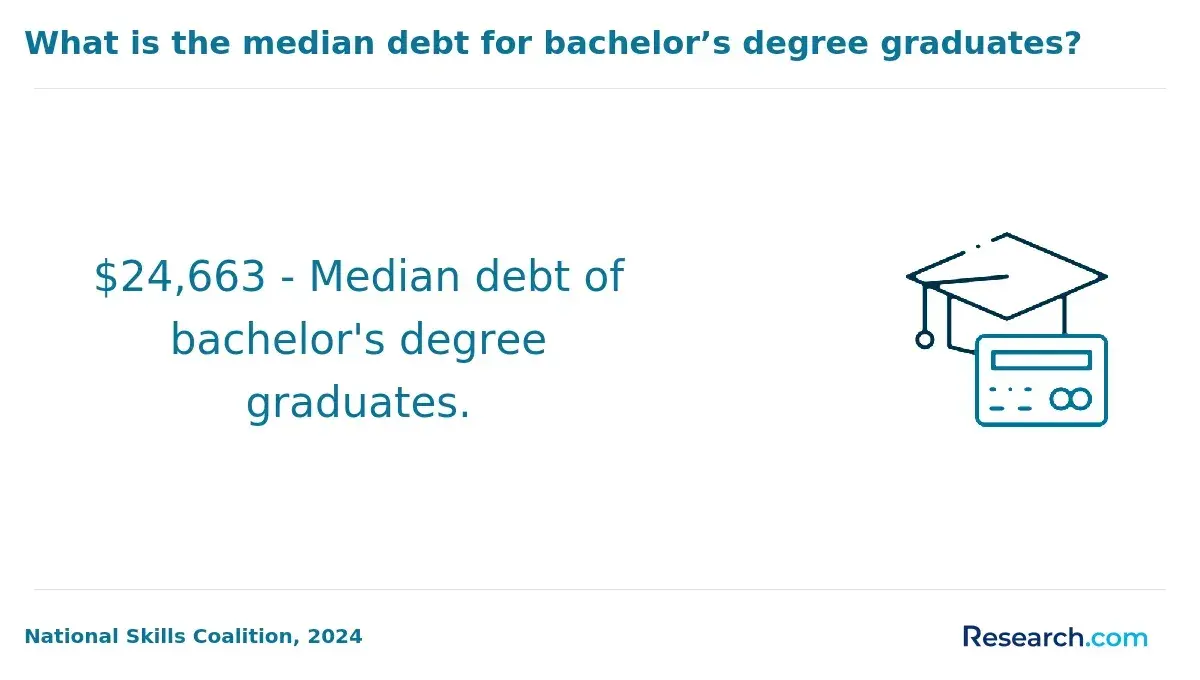
Tuition for one-year online communication management master's programs varies significantly between public and private institutions. Public universities usually charge between $12,000 and $25,000 for the full accelerated curriculum, while private schools often set tuition from $25,000 to $45,000.
These amounts cover only tuition and exclude supplementary fees, which can considerably raise the total cost.
- Tuition Fees: Tuition costs represent the core expense, with public universities offering lower in-state rates. Out-of-state students generally face higher charges, and private institutions tend to have a wider price spectrum.
- Technology and Course Materials Fees: Online programs frequently add technology fees, often ranging from $200 to $600 annually, to support digital platforms. Additionally, course materials such as textbooks and licensed software may cost upwards of $500 depending on the curriculum requirements.
- Proctoring and Exam Fees: To maintain academic integrity, some schools require remote proctoring, costing between $50 and $150 per exam, contributing to overall expenses.
- Residency Requirements: Although most accelerated programs stress flexibility, certain degrees mandate brief on-campus residencies for workshops or networking. These visits can entail travel and lodging costs typically between $1,000 and $2,000.
- Cost Transparency and Planning: Prospective students are encouraged to ask institutions for full cost-of-attendance disclosures, including hidden fees and available financial aid. According to NCES data, graduate tuition has increased around 3% annually over the past five years, making thorough budgeting essential.
A professional who recently enrolled in an online communication management master's degree to transition careers shared that estimating the total cost was more complex than anticipated. Although tuition was clear upfront, unexpected fees like proctoring and technology charges added up.
He noted, "Balancing the tuition and the extra expenses required careful planning, and I had to reach out multiple times to the school's financial office for clarity." Despite these hurdles, he valued the program's flexibility, mentioning that the investment felt worthwhile as it aligned with his goal to establish a new career without relocating or pausing employment.
What Financial Aid and Scholarship Options Are Available for One-Year Communication Management Master's Students?
Graduate students enrolled in accelerated one-year online communication management master's programs often qualify for federal financial aid, including Direct Unsubsidized and Grad PLUS loans. Submitting the FAFSA early is essential, as these programs may follow nontraditional start dates that affect aid timing.
Work-study opportunities are rarer in fully online or fast-paced formats, but some schools might still offer limited positions depending on enrollment status.
Supplementing federal aid, merit-based scholarships reward students with strong academic achievements or leadership qualities in communication management fields. Many departments also provide fellowships that include tuition waivers or stipends to attract highly qualified applicants to accelerated tracks.
Additionally, working professionals should investigate employer tuition reimbursement programs, which can considerably offset costs for online accelerated degrees.
Prospective students are advised to communicate directly with each program's financial aid office to explore available scholarships and deadlines. Leveraging tools like the College Board Scholarship Search can uncover additional private funding sources tailored to accelerated communication management master's students.
A recent trend shows nearly 85% of graduate applicants for federal aid receive some form of assistance, highlighting the importance of early planning.
- Federal Student Loans: Accelerated graduate students can access Direct Unsubsidized and Grad PLUS loans, with early FAFSA submission critical due to varying academic calendars.
- Merit-Based Scholarships: Awards based on academic or leadership excellence are often distributed by communication management departments to support talented students.
- Departmental Fellowships: Many programs offer fellowships that provide tuition discounts or stipends to encourage enrollment in accelerated tracks.
- Employer Tuition Reimbursement: Working students should verify employer benefit options that help cover tuition for accelerated online degrees.
- Financial Aid Resources: Contacting financial aid offices and using the College Board Scholarship Search can identify extra funding suited to individual needs.
For those interested in related graduate business education, check out best online eMBA programs to compare accelerated formats and aid resources.
What GPA, Prerequisites, and Professional Experience Do One-Year Communication Management Master's Programs Require?
Most one-year online communication management master's programs expect applicants to hold at least a 3.0 GPA on a 4.0 scale, although this threshold can shift depending on the institution's selectivity and reputation. Admissions committees often weigh an applicant's undergraduate credentials in context, recognizing that grading standards vary across universities.
Foundational coursework is typically required, often including subjects like strategic communication, media studies, or business fundamentals. Candidates lacking these prerequisites may need to complete specific courses before or early in the program to ensure adequate preparation.
Professional experience is a significant asset, especially since many programs waive GRE or similar test requirements when candidates demonstrate relevant work history. Experience in communications, public relations, marketing, or related sectors can enhance an application by showcasing practical skills and dedication to the field.
Since criteria differ widely among programs, applicants are advised to consult individual admissions pages directly rather than assuming uniform expectations.
- GPA Requirements: A minimum 3.0 GPA is common but flexible, with institutional reputation influencing admissions decisions.
- Prerequisite Courses: Key foundational classes must be completed prior to or during early semesters to build a durable knowledge base.
- Professional Experience: Demonstrated career history can substitute for standardized testing requirements and reflects field readiness.
- Test Waivers: Many programs waive standardized exams for applicants showing strong relevant experience, easing admissions barriers.
- Diverse Criteria: Admissions standards vary widely; direct review of each program's guidelines is essential.
About 65% of accelerated communication management programs have recently adopted greater flexibility regarding GPA and testing to attract experienced professionals. Reflecting on her experience, a professional who advanced her career through an online communication management master's recalled the initial uncertainty over her GPA and lack of certain prerequisite courses.
She appreciated her program's support, noting, "I worried my nontraditional background might slow me down, but they helped me identify and complete essential courses upfront." Her relevant work history allowed her to bypass GRE testing, which she found "a huge relief."
She emphasized that understanding these nuanced admission elements early helped her confidently manage the accelerated pace.
Are GRE or GMAT Scores Still Required for Accelerated Online Communication Management Master's Admissions?
Many accelerated online communication management master's programs have moved away from requiring GRE or GMAT test scores since the COVID-19 pandemic. This shift aims to reduce barriers and increase accessibility for a wider variety of applicants.
While some programs still request standardized tests, most offer options to waive them based on relevant work experience, academic history, or a professional portfolio.
Applicants should regularly check each program's official admissions webpage, as requirements can change quickly and vary between schools.
- Rising Adoption of Test-Optional Policies: An increasing number of communication management master's programs waive GRE/GMAT scores, particularly for candidates with substantive professional experience or strong undergraduate credentials.
- Waivers Linked to Work Experience: Many schools allow applicants with two to five years of relevant communication roles to bypass testing, valuing practical experience as a key qualification.
- High Academic Standards Influence Waivers: Programs frequently exempt applicants with undergraduate GPAs of 3.0 or higher, trusting prior academic achievement to forecast graduate success.
- Professional Portfolios as Alternatives: Some institutions permit submission of portfolios showcasing strategic communication projects and campaigns instead of traditional test scores, emphasizing demonstrated skills.
- Keep Updated Through Official Sources: Because policies can shift from year to year, prospective students must consult individual university admissions pages to confirm current testing expectations.
Reflecting this trend, a recent Council of Graduate Schools survey found over 60% of master's degree programs across fields have adopted test-optional admissions standards to foster broader diversity and inclusion.
How Are Courses Structured and Delivered in a One-Year Online Communication Management Master's Program?
One-year online communication management master's programs typically integrate both synchronous and asynchronous learning to enhance accessibility and maintain academic quality. Synchronous sessions include live virtual classes or discussions at set times, fostering real-time interaction with instructors and peers.
Asynchronous components allow students to engage with lectures, readings, and assignments flexibly, meeting the needs of professionals balancing diverse schedules and time zones in accelerated formats.
These accelerated terms usually compress the required credit hours, often ranging from 12 to 15 per term, into a four to five-month semester. Students generally dedicate 15 to 20 hours weekly to coursework, encompassing multimedia materials, discussions, and assessments.
This intensive workload demands discipline but supports faster degree completion without compromising rigor.
Capstone projects, practicums, or thesis work remain key to demonstrating mastery. In one-year formats, these culminating experiences are carefully timed to begin midway and continue through the final term, blending applied learning with research under tight schedules.
- Synchronous and Asynchronous Balance: Programs blend live interactive sessions with flexible, self-paced coursework to support full-time professionals and international learners alike.
- Compressed Credit Load: Students handle 12-15 credit hours per term, equating to double or triple the pace of traditional programs.
- Weekly Study Expectations: An estimated 15-20 hours per week are required to stay current with readings, assignments, and participation.
- Culminating Projects Integration: Capstones, practicums, or theses start mid-program and extend through completion, emphasizing real-world application within an accelerated timeline.
- Growing Preference for Hybrid Delivery: Recent surveys indicate over 60% of communication management students seek hybrid learning models to balance career and study demands effectively.
What Core Curriculum and Specialization Tracks Are Covered in a One-Year Online Communication Management Master's Degree?
One-year online communication management master's degree programs feature a core curriculum that builds a strong foundation in communication theories, strategic planning, and management principles. These core courses commonly include organizational communication, digital media strategies, research methods, and ethical considerations.
This accelerated format compresses the core learning into a shorter period, demanding intensive study compared to traditional two-year programs.
Specialization tracks in accelerated communication management programs enable students to customize their education to specific career goals. Popular concentrations include corporate communication, crisis communication, marketing communication, and digital content management.
These tracks provide targeted coursework and practical skills, enhancing readiness for specialized roles and increasing professional impact.
Though the depth of curriculum in one-year online communication management curriculum remains comprehensive, the faster pace reduces elective flexibility and requires strong time management. This format suits professionals aiming to advance swiftly without a prolonged break from their careers.
Moreover, reputable programs consistently revise their courses to align with current industry practices, emerging technologies, and ethical standards.
- Core Communication Foundations: Courses emphasize strategic message design, organizational dynamics, and communication theory, forming a solid base for advanced study and real-world applications.
- Specialization Tracks: Focused concentrations like crisis communication or digital media provide specialized skills, preparing students for targeted roles within the communication management field.
- Accelerated Curriculum Intensity: The one-year format delivers both core and specialization content rapidly, requiring effective time management while maintaining academic rigor.
- Industry-Aligned Curriculum Updates: Programs regularly update content to keep pace with evolving communication technologies, ethical considerations, and employer demands.
Prospective students should weigh program structure alongside options for financial aid, tuition, and total cost of attendance to select the best fit for their goals. Those interested in affordable options may also explore the cheapest online master's degree in psychology as a comparative example of accelerated online study pathways.
How Do One-Year Online Communication Management Programs Balance Academic Rigor With Accelerated Completion?
Many prospective students worry that one-year online communication management master's programs compromise academic rigor to achieve faster completion. However, evidence from learning outcome assessments and employer surveys shows that compressed programs can maintain quality through thoughtful design and support.
Programs adopting cohort models foster peer collaboration and consistent engagement, ensuring students remain academically challenged. Block scheduling and intensive, focused modules allow in-depth study without overwhelming workload peaks, balancing speed with comprehension.
This approach is a proven method for balancing academic rigor with accelerated one-year online communication management programs.
Faculty qualifications also underscore program quality. Most accelerated programs feature instructors with terminal degrees and real-world communication management experience. This blend of scholarship and industry insight enriches learning and aligns coursework with current professional standards.
Moreover, robust student support services such as dedicated academic advising, tutoring centers, and career coaching further uphold academic success and graduate preparedness. Maintaining quality in accelerated online communication management master's degrees depends greatly on these comprehensive supports.
Prospective students should seek programs with strong alumni networks and transparent job placement data. These indicators signal effective preparation and positive employment outcomes, a critical quality proxy when direct academic comparisons are unavailable.
Such metrics demonstrate how well the curriculum and program structure translate into career advancement despite the compressed timeline. For those comparing options, consulting resources like the best online degree programs can offer valuable insights and verified data for decision-making.
- Innovative Program Design: Cohort models and block scheduling create structured learning communities and manageable timeframes. These elements balance accelerated pacing with opportunities for meaningful interaction and mastery of complex subjects.
- Experienced Faculty: Qualified instructors who combine academic credentials and communication management expertise maintain rigorous standards aligned with industry expectations.
- Comprehensive Student Support: Tailored advising, tutoring, and career services help students navigate the accelerated format successfully and prepare for post-graduate careers.
- Quality Indicators: Look for programs with strong alumni engagement and published employment data, as these provide insights into the program's effectiveness beyond course completion.
What Technology Tools and Software Skills Are Students Expected to Learn in an Online Communication Management Master's Program?
One-year communication management master's programs equip students with key technological skills aligned with current industry demands. Mastery of these tools enhances graduates' abilities to implement strategic communication, analyze data, and produce engaging digital content, meeting rising employer expectations for versatile professionals.
- Content Management Systems (CMS): Students engage with platforms like WordPress and Drupal, gaining hands-on experience in creating and maintaining digital content critical for marketing and public relations roles.
- Data Analytics Software: Instruction includes tools such as Google Analytics and Tableau, allowing students to interpret audience behavior and optimize communication efforts through data-driven insights.
- Social Media Management Tools: Training on Hootsuite and Sprout Social prepares students to efficiently manage social channels by scheduling posts, monitoring engagement, and generating performance reports.
- Design and Multimedia Software: Proficiency in Adobe Creative Cloud applications like Photoshop, Illustrator, and Premiere Pro enables creation of impactful visual narratives essential for brand communication.
- Technical Requirements and Access: Students need updated computers, reliable broadband of at least 25 Mbps, and software licenses. Many programs offer complimentary or discounted access to professional software, lowering financial barriers to technical proficiency.
According to recent research, 78% of communication managers prioritize candidates' software expertise as a key hiring factor, emphasizing the importance of these skills for career success.
Can Students Pursue a One-Year Online Communication Management Master's Degree While Working Full-Time?
Completing a one-year online communication management master's program demands a significant weekly time commitment, typically between 15 and 20 hours when enrolled in a 30-36 credit accelerated curriculum. Each credit often entails 3 to 6 hours per week for readings, assignments, discussions, and projects.
Many working professionals successfully juggle full-time jobs alongside their studies by utilizing strategies like rigorous time-blocking, negotiating flexible work schedules, and choosing asynchronous classes that allow for self-paced learning. Institutional surveys indicate that up to 40% of enrolled students maintain full-time employment, demonstrating that balancing work and accelerated coursework is achievable with proper planning and support.
Prospective students are encouraged to discuss their time management concerns with admissions counselors, focusing on understanding both workload demands and available flexibilities.
- Weekly Time Expectations: Clarify how many hours per week are generally needed to complete coursework, including study, assignments, and collaborative projects, to realistically plan your schedule.
- Schedule Flexibility: Ask if courses offer asynchronous options or extended deadlines to accommodate working professionals' varying availability.
- Employer Support Recommendations: Inquire whether programs provide advice or resources to help negotiate workplace accommodations, such as reduced hours or telecommuting.
- Student Demographics: Request data on how many current or former students balance full-time employment with accelerated study to gauge program compatibility with your lifestyle.
- Academic Support Services: Determine what tutoring, advising, or peer mentoring supports exist to assist with managing an intensive curriculum.
What Graduates Say About Their One-Year Online Communication Management Master's Degree Program
- Farah: "Choosing an online communication management master's degree was a game-changer for me when I decided to switch from marketing to corporate communications. The flexibility of the program allowed me to balance work and study, while the reasonable tuition made it an affordable investment in my future. Since graduating, I've seen a significant boost in my confidence and skill set, which has opened doors to leadership roles I hadn't thought possible."
- Ellis: "Reflecting on my journey, pursuing an online communication management degree was both a practical and enriching experience. The program's affordability relieved financial stress, and its comprehensive curriculum equipped me with advanced strategies that directly improved my team's collaboration and messaging. It's been rewarding to witness how this qualification has elevated my career trajectory over time."
- Sharma: "When I enrolled in an online communication management master's program, I was looking for career advancement without disrupting my full-time job. The online format offered unmatched convenience, and the cost was much more manageable than traditional programs. Earning my degree accelerated my promotion and enhanced my ability to lead diverse communication projects with greater expertise."
Other Things You Should Know About Communication Management Degrees
Graduates of one-year online communication management master's programs often experience a positive effect on their salary and career trajectory. Employers value the specialized skills gained, such as strategic planning and digital communication expertise, which can open doors to higher-level management roles. While salary increases vary, earning a master's degree typically leads to better job prospects and faster career advancement in communication-focused industries.
Many employers recognize the efficiency and rigor of one-year online communication management master’s programs. They often value graduates who demonstrate strong time management and a commitment to continuous learning, although traditional programs may be favored for their extensive networking opportunities.
One potential drawback is the fast pace of one-year programs, which can be demanding and leave less time for in-depth exploration of topics or internships. Students may also face limited opportunities for networking compared to longer, campus-based programs. Additionally, some programs may have fewer electives, reducing customization options for individual career paths.
References
- Online Master’s in Communication Management Programs in 2025 https://www.mastersincommunications.org/online-communication-management/
- Disruption in PR Education: Online Master’s Degree Programs in Public Relations and Strategic Communication https://www.academia.edu/129849997/Disruption_in_PR_Education_Online_Master_s_Degree_Programs_in_Public_Relations_and_Strategic_Communication
- 22 Master's Degree Communication Studies Scholarships available https://www.hotcoursesabroad.com/study/international-scholarships/all/master-s-degree/communication-studies/cid/98/ka.1/scholarship.html
- Online MSc While Working | CU Online Guide for 2026 https://www.onlinecu.in/blog/cu/can-i-do-online-msc-while-working-full-time.php
- Essential Digital Skills for Media Students and Graduates https://al-fanarmedia.org/2025/04/essential-digital-skills-for-media-students-and-graduates/
- Leadership by changing perspectives https://businesspf.hs-pforzheim.de/en/studies/master/corporate_communication_management_public_relations_msc/faq
- How Long is a Master’s in Communication Program? Full-Time vs Part-Time https://www.mastersincommunications.com/faqs/length-of-masters-in-communication-programs
- Master's in Communication Management and Analysis: Studies: University of Hohenheim https://www.uni-hohenheim.de/en/communication-management-masters-studies


