2027 Competency-Based Online Communication Management Master's Degrees

Co-Founder and Chief Data Scientist
Many prospective students face uncertainty about how competency-based education (CBE) in online communication management master's programs differs from traditional credit-hour models. This uncertainty complicates decisions, especially for career changers who need flexible pacing and recognition of prior learning. According to the National Center for Education Statistics, nearly 60% of graduate students consider program flexibility a top priority when selecting a degree.
This growing demand highlights the need for clear guidance on admissions, duration, costs, and curriculum structures specific to CBE approaches. This article explores these facets, helping readers navigate competency-based communication management master's degrees effectively and align them with their career goals.
Key Benefits of Competency-Based Online Communication Management Master's Degree
- Competency-based online communication management master's degrees offer flexible pacing, allowing working professionals to balance study with career and personal commitments effectively.
- This model accelerates skill acquisition by focusing on mastery of practical competencies rather than credit hours, enabling faster program completion for experienced learners.
- Students benefit from access to global networking opportunities through virtual cohorts, fostering diverse professional connections crucial for career advancement in communication fields.
What is a competency-based communication management master's degree, and how does it work?
Prospective students considering competency-based online communication management master's programs benefit from understanding how competency-based education (CBE) differs from traditional credit-hour models. This educational approach focuses on verifying practical skills and knowledge mastery rather than tracking time spent in class. Below are key features that define how CBE functions in graduate communication management programs.
- Mastery Over Seat Time: Unlike traditional credit-hour systems, CBE programs evaluate learners on demonstrated skills and knowledge. Students advance by proving competency in specific areas rather than by accumulating class hours.
- Self-Paced Learning Modules: These programs provide structured yet flexible learning units, allowing students to accelerate through familiar content and devote more time to challenging topics, which suits working professionals and recent graduates alike.
- Frequent Assessments: Learners complete projects, exams, and practical assignments to demonstrate mastery before progressing to new competencies. This ensures thorough understanding and skill acquisition throughout the program.
- Mentor and Faculty Support: Despite the independent study nature of CBE, students receive ongoing guidance and feedback from mentors or faculty advisers, enhancing their learning experience and helping them stay on track.
- Alignment With Adult Learners: Enrollment in CBE programs among adult graduate students grew over 15% from 2017 to 2022, reflecting a rising demand for flexible options that accommodate work and life responsibilities.
Competency-based online communication management master's programs emphasize practical skills development, making them an appealing alternative to traditional models. For those exploring further educational options, including PhD programs online may also offer accelerated pathways suited to individual needs.
What are the admission requirements for a competency-based online communication management master's program?
Prospective students aiming for a competency-based online communication management master's degree should be aware of specific admission criteria that differ from traditional programs. These standards ensure candidates possess the skills and background necessary to succeed in a flexible, self-paced educational environment. Below are the key application requirements typically encountered.
- Bachelor's Degree and Academic Transcripts: A bachelor's degree from an accredited institution is essential. Applicants must usually submit official transcripts for review, verifying prerequisite coursework and academic achievement, which may factor into GPA requirements for competency-based communication management programs.
- Professional Experience: While prior work in communication management or related fields may not be mandatory, it is often preferred. Demonstrating relevant experience can highlight practical competencies and readiness for this specialized master's program.
- Standardized Test Waivers: Unlike many traditional graduate programs, competency-based education (CBE) frequently waives GRE or GMAT exams. This policy reflects a focus on demonstrated knowledge and skills instead of standardized test scores, increasing accessibility for applicants.
- Letters of Recommendation and Personal Statements: Candidates typically provide letters recommending their professional abilities and academic potential. Personal statements evaluate motivation and alignment with the program's outcomes, strengthening the holistic review of the applicant.
- Holistic Application Review: Admissions committees consider academic records, professional achievements, competencies, and personal goals. Emphasizing relevant communication management experience and skills can greatly improve an applicant's competitiveness.
Applicants seeking affordable study options might explore the cheapest online colleges that accept FAFSA, making advanced education more accessible.
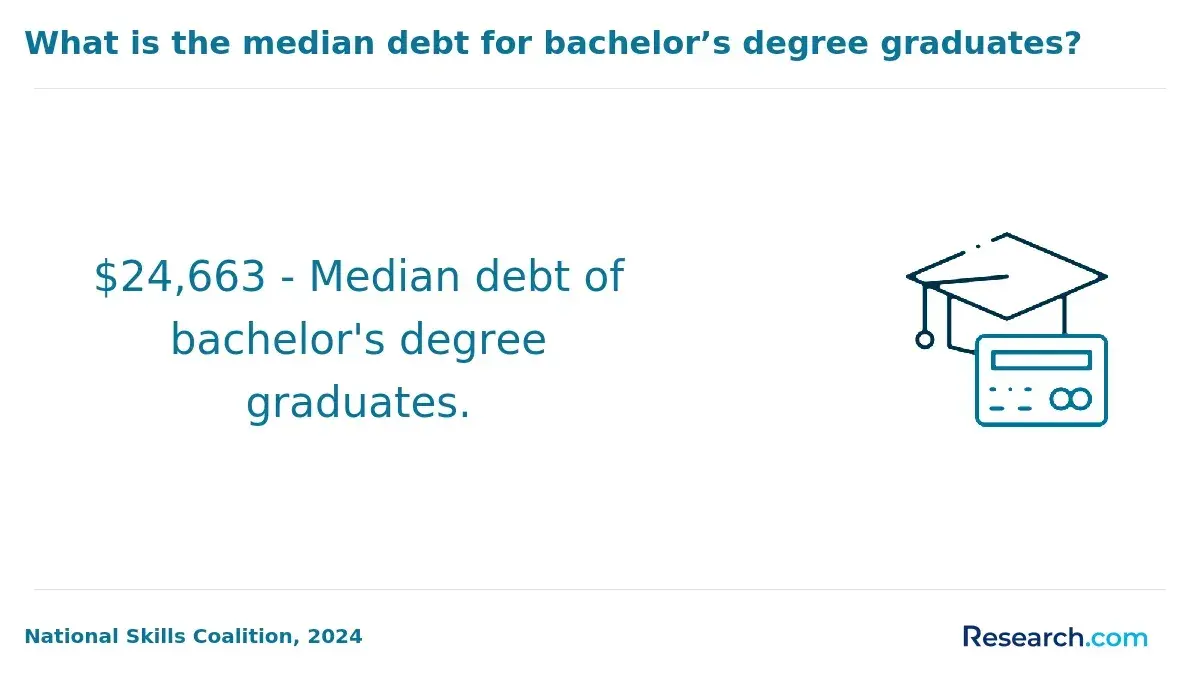
What is the minimum GPA requirement for a communication management competency-based master's program?
When applying to competency-based online communication management master's programs, understanding GPA expectations can help applicants gauge their eligibility. While undergraduate GPA is one factor, these programs often offer flexibility through alternative assessments. Consider the following important points:
- Common GPA Standards: Many accredited communication management CBE master's programs typically look for an undergraduate GPA near 3.0 on a 4.0 scale, reflecting consistent academic achievement.
- Consideration for Lower GPAs: Applicants with GPAs below this benchmark may still qualify if they demonstrate substantial experience or notable accomplishments in communication management, showing their practical expertise.
- Alternative Assessment Methods: Portfolios, competency-based evaluations, and interviews are frequently utilized to assess skills and knowledge, allowing candidates to compensate for less competitive GPAs.
- Emphasis on Competency: These programs focus on mastery of skills rather than traditional grade metrics, so demonstrated competencies often carry more weight in admissions decisions.
- Program-Specific Policies: Admission criteria vary between institutions, so reviewing individual program requirements and consulting admissions advisors helps clarify expectations tailored to each candidate.
A professional pursuing a competency-based online communication management master's degree shared that while initially worried about his 2.8 GPA, he found reassurance in the program's emphasis on his extensive work in digital communications and a detailed project portfolio. He described the admissions process as "a conversation, not just numbers," appreciating how submitting real-world examples of his skills played a crucial role. This approach helped him overcome doubts and confidently transition into a new career path.
How long does it take to complete a competency-based communication management master's degree online?
Prospective students considering a competency-based online communication management master's degree should carefully evaluate the program's flexible scheduling and pace. CBE programs allow learners to advance by demonstrating competence, which offers control over how quickly they complete their studies. Here are several factors to keep in mind regarding program duration and structure:
- Flexible Self-Paced Progression: Students progress by mastering required competencies rather than accumulating traditional credit hours. This method lets learners pace their education based on availability and mastery level, impacting how long the degree takes.
- Typical Completion Timeframes: The typical duration of online competency-based communication management programs varies widely. Highly driven learners can finish as fast as 12 months, while those balancing work or family commitments often take up to 3 years to graduate.
- Subscription-Based Tuition Advantages: Many programs use a subscription model, charging monthly or per term, which financially benefits students who complete coursework sooner by lowering overall tuition expenses.
- Prior Learning Assessments and Transfer Credits: Students who have previous experience or coursework in communication management may accelerate completion by earning credit or bypassing certain competencies through PLA or transfer credit options.
- Realistic Timeline Planning: Considering weekly work hours, family duties, and familiarity with communication management topics helps set achievable deadlines, promoting steady, manageable progress toward the degree.
Those exploring pathways in this field might also explore what bachelors degree should I get to lay a strong foundation for advanced study and career growth.
How much does a competency-based online communication management master's degree cost?
For those considering a competency-based online communication management master's degree, knowing how tuition charges are structured can influence your planning and budgeting. Tuition commonly follows two models that shape the payment experience and overall cost. Here are the main aspects to consider:
- Subscription-Based Tuition: This method charges a flat rate each term regardless of how many courses or competencies are completed. It encourages learners to progress swiftly, as finishing more competencies faster can reduce total tuition expenses.
- Per-Competency or Per-Credit Pricing: Instead of a flat fee, some programs charge by each competency or credit hour. Fees usually range from several hundred to a few thousand dollars per unit, allowing payment to align directly with your completed work.
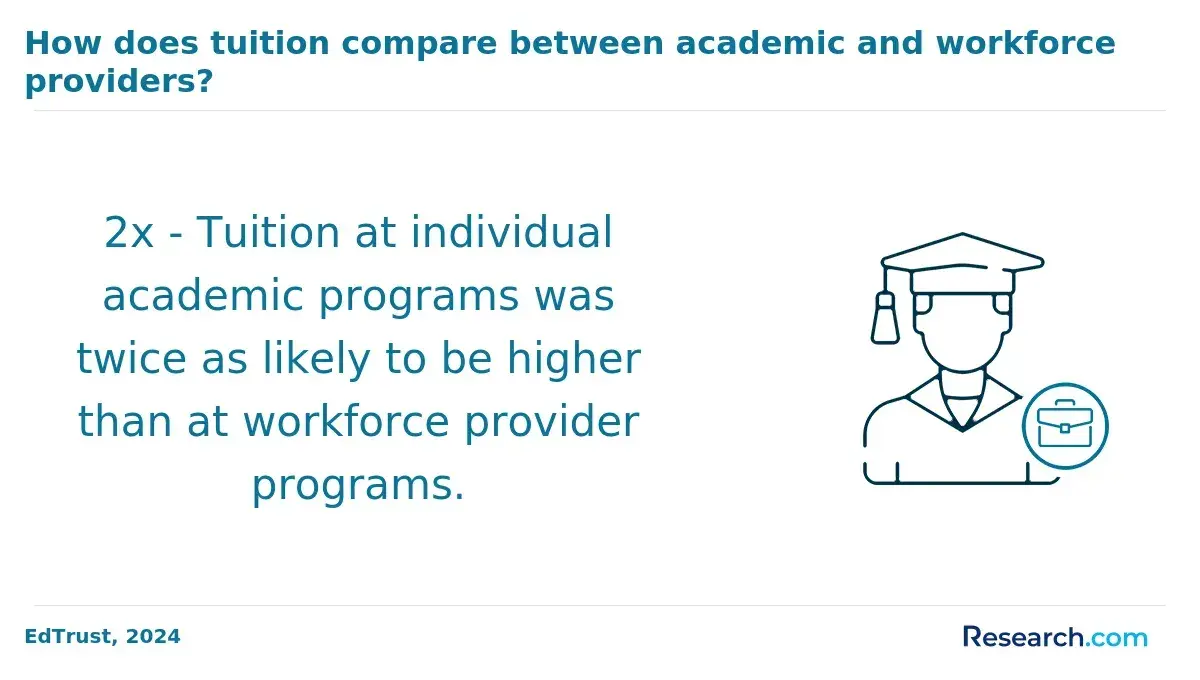
- Lower Than Traditional Programs: Competency-based degrees often cost less overall than conventional master's programs because accelerated pacing and streamlined administration reduce expenses and shorten time to degree.
- Financial Aid Opportunities: Eligible students can apply for federal loans, employer tuition reimbursement, and targeted scholarships for communication management graduate students that help minimize out-of-pocket costs.
- Comprehensive Cost Considerations: Beyond tuition, students should factor in technology fees, course materials, and the opportunity costs of dedicating time to study instead of work to understand total investment accurately.
Reflecting on her experience, a professional who transitioned careers after earning an online communication management master's degree recalled the initial uncertainty around managing expenses. "At first, I wasn't sure how much I'd actually spend because the subscription model felt different from traditional tuition," she shared.
"But once I understood that accelerating my learning pace could save money, I felt motivated to push through. Balancing study time with work was challenging, though the financial aid options eased my worries considerably." Her journey highlights that while upfront costs might vary, strategic planning and support resources can make a competency-based degree affordable and rewarding.
Which accrediting bodies recognize competency-based communication management master's programs?
When assessing competency-based online communication management master's programs, accreditation plays a vital role in ensuring educational quality, employer acceptance, and access to federal financial aid. Below are essential points to consider regarding accreditation for these programs.
- Regional Accreditation: This form of accreditation verifies the overall institution's quality and stability, with key bodies including the Higher Learning Commission (HLC), Southern Association of Colleges and Schools Commission on Colleges (SACSCOC), and WASC Senior College and University Commission (WSCUC). These accreditors confirm that competency-based education (CBE) programs meet academic standards.
- Programmatic Accreditation: Discipline-specific organizations, such as the Accrediting Council on Education in Journalism and Mass Communications (ACEJMC), assess the rigor and relevance of communication and management-focused CBE programs, ensuring they align with industry expectations and learning outcome criteria.
- Impact on Aid and Employment: Accreditation status determines eligibility for federal financial aid, an important consideration for many students, while also influencing employer recognition of the degree's legitimacy and the graduate's skills.
- Verification of Accreditation: Prospective students should confirm accreditation by consulting the U.S. Department of Education's Database of Accredited Postsecondary Institutions and Programs (DAPIP), which offers current and reliable accreditation information.
- Caution Against Unrecognized Accreditors: Some programs claim accreditation from dubious or unapproved accrediting bodies, which can jeopardize financial aid options and the degree's value in the job market, making thorough research indispensable.
What core competencies and curriculum areas are covered in a communication management CBE master's program?
Prospective students seeking a competency-based online communication management master's degree should recognize that these programs emphasize clearly defined, measurable learning outcomes aligned with industry standards and professional expectations. This focus shapes the curriculum and assessment methods, preparing graduates for practical challenges in the field. Below are some core competency domains typically integrated into such programs:
- Analytical Reasoning and Strategic Thinking: Students develop the ability to critically evaluate communication challenges, interpret data effectively, and formulate strategies that support organizational goals in real-world contexts.
- Leadership and Team Collaboration: Emphasis is placed on cultivating leadership skills and mastering interpersonal communication necessary for managing diverse teams and collaborative projects successfully.
- Domain-Specific Technical Skills: Coursework includes instruction on digital media tools, content creation platforms, and analytics software, enabling students to design and execute communication campaigns with technical proficiency.
- Ethical Practice and Professional Standards: Programs explore issues such as transparency, cultural sensitivity, and regulatory compliance, fostering integrity and accountability in professional roles.
- Applied Projects and Real-World Assessments: Replacing traditional exams, students complete projects that simulate workplace scenarios, validating their competencies through practical application rather than rote learning.
The curriculum is structured around competency units with clear learning objectives, assessed through assignments, case studies, and portfolio work. Reviewing each program's competency framework is essential for ensuring alignment with individual career goals and the evolving demands of communication management professionals.
What delivery formats and technology platforms are used in online communication management CBE programs?
Technology infrastructure plays a vital role in delivering competency-based online communication management master's programs, shaping how students engage with learning materials and demonstrate their skills remotely. A clear understanding of online learning delivery formats in communication management CBE degrees helps prospective students gauge program flexibility and tech requirements. Key features commonly found in these programs include:
- Learning Management Systems (LMS): Programs typically utilize leading LMS platforms such as Canvas or Blackboard, or proprietary systems. These platforms organize course content, assessments, and communication tools, supporting competency-based education through adaptive technology platforms that track student progress efficiently.
- Asynchronous Learning: Central to CBE models, asynchronous components let students access lectures, readings, and assignments on their own schedules. This self-paced design accommodates diverse lifestyles and helps learners balance studies with work or family obligations.
- Synchronous Components: While largely self-paced, some programs incorporate live sessions or virtual labs via video conferencing. These provide real-time interaction opportunities, fostering networking and immediate feedback that enrich the online learning experience.
- Accessibility and Mobile Compatibility: High-quality CBE communication management programs prioritize accessibility features like screen reader support, captioned videos, and keyboard navigation. Mobile compatibility further allows students to study effectively on smartphones and tablets.
- Technical Support Services: Robust 24/7 technical assistance, tutorials, and troubleshooting resources are vital for addressing connectivity or platform issues quickly, ensuring a smooth learning process for remote students.
Prospective students seeking affordable master degree programs should request demos or free trial periods of these platforms before enrolling. Doing so helps determine whether the delivery system suits their preferred learning style and available devices, increasing their chances for success in competency-based online communication management programs.
How are students assessed, and how is mastery demonstrated in communication management CBE programs?
For prospective students exploring competency-based online communication management master's degrees, understanding how assessment differs from traditional exams is essential. Mastery is typically demonstrated through practical, evidence-based assignments tailored to real-world scenarios. The following points highlight the distinctive features of competency-based assessment methods in communication management master's programs.
- Performance Tasks and Simulations: Students engage in assignments that replicate authentic communication management challenges, such as creating strategic communication plans or managing crisis responses. These tasks require application of skills rather than memorization of facts under timed conditions.
- Role of Faculty Evaluators: Experienced faculty or designated competency assessors evaluate submissions using standardized rubrics aligned with professional communication management standards, ensuring assessments reflect industry expectations.
- Capstone Projects and Portfolios: Programs often include comprehensive projects or portfolios that demonstrate mastery over multiple competencies, showcasing readiness for professional roles.
- Resubmission and Growth Opportunities: When mastery is not initially shown, students receive detailed feedback and are encouraged to resubmit work, emphasizing continuous learning rather than penalization.
- Employer-Relevant Evidence of Competency: This evidence-based approach often carries greater weight with employers than traditional letter grades, highlighting a graduate's practical effectiveness from day one.
Demonstrating mastery in communication management CBE online degrees provides a robust alternative to traditional credit-hour models, ensuring that graduates possess directly applicable skills. For those evaluating educational investments, understanding cost structures is vital-especially when comparing to other fields. For example, prospective students might also consider an accounting degree, which offers a different set of affordability factors while weighing career outcomes.
What transfer credit and prior learning assessment options exist for communication management CBE programs?
For students pursuing a competency-based online Communication Management master's degree, prior learning assessment (PLA) offers a valuable way to leverage existing skills and knowledge for academic credit. This approach rewards mastery gained through professional experience, certifications, or earlier coursework, allowing learners to accelerate their progress and reduce costs. Here are some essential points about PLA in these programs:
- PLA Methods: Common assessment techniques include portfolio reviews, standardized tests such as CLEP and DSST, and institution-specific challenge exams. These evaluate demonstrated competencies outside traditional classes.
- Work Experience and Certifications: Documented professional achievements, relevant certifications, and applicable job roles can often be converted into course credits after thorough evaluation.
- Transfer Credit Limits: Most programs cap the amount of credit earned through PLA or transferred coursework, usually allowing up to half of the degree requirements to be fulfilled this way.
- Time and Cost Benefits: Utilizing PLA credits can significantly shorten degree completion time and lower tuition expenses by decreasing required coursework.
- Preparation and Application: Prospective students should collect detailed documentation of prior learning, including resumes, certifications, and work examples. Early communication with admissions offices about PLA policies and submission deadlines is crucial for maximizing credit opportunities.
What career outcomes and professional opportunities does a communication management CBE master's degree unlock?
For students considering a competency-based online communication management master's degree, understanding how this credential translates into career growth is crucial. The following points highlight how graduates can use their skills and qualifications to gain an edge in today's job market.
- Employer Preference for Skills Over Credentials: Many organizations now prioritize verified competencies rather than just traditional degrees. Competency-based education allows graduates to present clear evidence of their abilities through portfolios, which can distinguish them during hiring processes in communication roles.
- Relevant Job Titles and Compensation: Graduates often secure positions such as communication manager, corporate communications specialist, public relations director, and digital content strategist. Annual salaries for these roles typically range from $65,000 to $110,000, with variations depending on sector and experience.
- Industries Actively Seeking Competency-Based Graduates: Sectors like technology, healthcare, finance, nonprofits, media, government, and multinational companies value candidates with advanced communication management skills demonstrated via CBE programs.
- Utilizing Competency Portfolios: By showcasing completed projects and documented skills, graduates provide tangible proof of their expertise, increasing hiring managers' trust, especially in results-driven workplaces.
- Networking and Professional Associations: Engagement in professional groups such as the International Association of Business Communicators and strong alumni networks connected to CBE programs can open doors to mentorship, development, and exclusive career opportunities.
What Graduates Say About Their Competency-Based Online Communication Management Master's Degrees
- Jasmine: "Choosing a competency-based online communication management master's program was the perfect fit for my busy schedule. I appreciated how the flexible pacing let me advance through material as I mastered it, which kept me motivated and efficient. The affordable tuition was an added bonus that made pursuing this degree without financial strain possible."
- Sandra: "Reflecting on my experience, the competency-based structure truly changed how I approached learning. It wasn't just about completing courses but about truly understanding the core skills needed in communication management. The professional growth I gained has already made a significant impact on my career advancement and confidence in leadership roles."
- Thea: "The decision to enroll in a competency-based online communication management master's program was driven by my need for practical skills that apply directly to my work. The clear cost structure gave me peace of mind financially, while the program's focus on mastering competencies ensured I was job-ready upon graduation. Overall, it has proven to be a valuable investment in my professional future."
Other Things You Should Know About Communication Management Degrees
A competency-based online master's in communication management allows self-paced study, focusing on mastery of skills rather than time spent in class. Traditional programs emphasize scheduled courses, offering a more structured environment. Both paths are respected but cater to different learning preferences and career goals.
Competency-based communication management master's programs provide personalized mentoring, virtual office hours, and interactive discussion forums. These services are designed to offer personalized guidance and ensure students can successfully achieve their learning outcomes in the 2027 programs.
The primary advantage of a competency-based master's degree is flexibility, enabling students to progress quickly by proving their expertise. This model offers personalized pacing and often reduces time and cost compared to conventional programs. On the downside, CBE programs require strong self-motivation and discipline, and some employers or institutions may be less familiar with this format, potentially affecting recognition in certain contexts.
References
- Master in Corporate Communication Management https://www.obsbusiness.school/en/masters-online/master-in-corporate-communication-management
- Self-Paced Learning: What to Expect From a CBE Program https://www.umassglobal.edu/blog-news/self-paced-learning-expect-a-cbe-program
- How Long is a Master’s in Communication Program? Full-Time vs Part-Time https://www.mastersincommunications.com/faqs/length-of-masters-in-communication-programs
- Master of Arts in Communication Management | UPF-BSM https://www.bsm.upf.edu/en/master-arts-communication-management
- 5 Types of Content You Can Deliver Through Your LMS http://www.seeklms.com/blog/5-types-of-content-you-can-deliver-through-your-lms/
- Leadership by changing perspectives https://businesspf.hs-pforzheim.de/en/studies/master/corporate_communication_management_public_relations_msc/admission_and_application
- What is the Best Accreditation for MBA Programs? | UMGC https://www.umgc.edu/blog/what-is-the-best-accreditation-for-mba-programs
- Online masters’ in communication: career outlook, skills, jobs | edX https://www.edx.org/masters/online-masters-in-communication