2027 Online MS in Psychology - Forensic Psychology for Work in Parole Support Organizations: Compare Degree Fit and Hiring Requirements
Audited and Verified:
Our Editorial and Data Verification Process
Research.com uses government datasets, official education statistics and primary institutional information to support its career and degree guides. Our review process checks factual accuracy, occupational definitions, source dates and the requirements associated with the credentials discussed.
How This Article Was Fact-Checked
Our editorial team verifies salary estimates, employment projections, education requirements and program information against original data providers and official organizations. Salary figures are checked against the relevant occupational definitions and reporting periods. Information about licensure, accreditation and required in-person training is reviewed separately.
Fact-checked and verified on:

Co-Founder and Chief Data Scientist
If you want to help people returning from incarceration, an online MS in forensic psychology may sound like a direct route into parole support. But employers hire for specific duties - case coordination, referrals, housing support, program evaluation, or supervision - and those duties do not all require a master's degree.
For prospective students, career changers, and community or justice-system workers, this guide compares the degree with hiring requirements and more direct alternatives. You'll learn what to verify in job postings and programs before committing time and money.
Key Things You Should Know
- Degree fit: A forensic psychology MS can strengthen research, evaluation, and justice-system knowledge, but it does not itself qualify you for clinical practice or guarantee a parole support job.
- Hiring threshold: Many support and coordination jobs consider applicants with a bachelor's degree or relevant experience; probation or parole officer positions commonly specify a bachelor's degree and additional agency screening or training.
- Best first comparison: Check three things in local postings - required education, accepted experience, and mandated credentials - before comparing the cost of a master's with supervised experience or targeted training.
What Is an Online Forensic Psychology Master's Degree for Parole Support Work?
An online MS in forensic psychology studies psychological science in legal and justice settings. Depending on the program, students may examine behavior relevant to corrections, research methods, ethics, and the interpretation of evidence. The degree is academic preparation, not a parole-support credential: programs differ in whether they offer a thesis, applied project, internship, or any direct experience with reentry services.
Parole support organizations may be nonprofits, contracted service providers, or community programs that help people meet practical needs after release. Their staff may coordinate referrals, document service participation, connect clients with housing or employment resources, and work with public agencies. That work differs from a parole officer's authority to supervise compliance and from a clinician's authority to diagnose or treat.
If you do not yet have a bachelor's degree, compare the full route to employment before planning a master's. A relevant bachelor's program - including distance learning bachelor's degrees in addiction psychology - may help you seek support roles, but neither a concentration nor an online format substitutes for an employer's experience requirements.
Is a Forensic Psychology Master's Degree a Good Fit for Parole Support Organizations?
It is a good fit when the target job calls for advanced justice-related research, program design, evaluation, or leadership - and the program lets you demonstrate those skills. It is a weaker first investment if you primarily need eligibility for an entry-level service role, local referral knowledge, or a regulated counseling credential.
The comparison below starts with the work you want to do, rather than the appeal of a degree title. Requirements still depend on the employer and jurisdiction.
| Target work | Potentially useful route | Key limitation to check |
| Reentry intake, referrals, and case coordination | Relevant bachelor's study plus supervised human-services experience | Some employers prioritize direct service experience or specific training over a master's |
| Program evaluation or justice-focused research | Forensic psychology MS with strong methods and an approved applied project | A degree without usable research work may offer limited evidence of readiness |
| Substance-use treatment or psychotherapy | A qualifying counseling, social-work, or other state-recognized pathway | A nonclinical forensic psychology MS generally does not establish treatment eligibility |
For organizations focused on recovery, review addiction recovery occupations and education alongside actual job postings. Recovery support, substance-use counseling, and program management have different training and credential rules. An employee already coordinating reentry services may gain more immediately from evaluation training or employer-supported professional development than from another degree.
What Education Do Parole Support Employers Require?
There is no universal education requirement for "parole support." A nonprofit's resource navigator, a government probation or parole officer, and a licensed therapist working with justice-involved clients are different jobs. Read the required qualifications separately from preferred qualifications, then check whether experience can substitute for education.
As an occupational reference point, the US Bureau of Labor Statistics describes a bachelor's degree as typical entry-level education for probation officers and correctional treatment specialists. That category is not a hiring rule for every nonprofit reentry position; public agencies may also require background screening, training, and other conditions. Conversely, a master's degree does not waive an agency's specific requirements.
Applicants moving from a different field should document relevant work: maintaining confidential records, coordinating services, communicating across agencies, de-escalating within a support role, or evaluating programs. If you need an undergraduate foundation, compare the full cost and curriculum of options such as inexpensive undergraduate substance use counseling degree choices; verify separately whether a particular program meets any state credential requirements.
Possible nonclinical targets include reentry program coordinator, case coordinator, victim-services program worker, corrections-program analyst, and research or evaluation assistant. Employers may value a forensic psychology MS for these roles, but openings can also require direct service experience, data skills, public-sector eligibility, or knowledge of local systems. Job titles alone are unreliable: compare the duties and required qualifications in each posting.
A graduate working in parole support might track referrals, summarize service-use patterns, prepare grant reports, or improve an intake process under organizational supervision. They should not present coursework about risk assessment as permission to administer restricted psychological tests or make independent clinical judgments. Similarly, a probation or parole officer is hired and trained under an agency's rules, not appointed through the MS.
The Bureau of Labor Statistics publishes occupation-wide pay and outlook information for categories such as probation officers and correctional treatment specialists and social and human service assistants. Those categories can provide labor-market context, but neither figure represents the pay or job prospects of forensic psychology MS graduates specifically.
If your aim is to enter support work promptly, compare master's study with affordable bachelor's study in psychology online and supervised experience before assuming the higher credential will improve your first job offer.
Course titles vary. A program relevant to parole support would ideally combine research design and statistics with the psychology of behavior in legal settings, ethics, cultural responsiveness, and evidence-based approaches to reentry or rehabilitation. Coursework on trauma, substance use, or mental health can improve referral literacy; it does not by itself train a student to diagnose or provide therapy.
Look beyond the catalog title to the work students complete. A useful methods assignment might evaluate whether an organization's referral process reaches clients as intended, using authorized, appropriately protected data.
An applied project should specify its supervisor, data permissions, and boundaries; access to client records or publication of findings cannot be assumed. Ask whether the program offers relevant electives, a thesis or capstone, and a feasible way to work with a local organization.
If the goal is counseling rather than nonclinical support, compare the forensic curriculum with clinical counseling master's course sequencing. Overlapping subject matter does not mean the programs provide equivalent supervised practice or meet the same licensure criteria.
The meaningful difference is not simply where lectures take place. Compare access to faculty feedback, research supervision, local justice-system partners, and approved applied experiences. An online program may suit someone already employed by a community organization if it permits a workplace-based project; a campus program may offer easier access to a nearby research team. Neither arrangement guarantees a placement.
Check whether courses are asynchronous, require live attendance, or include group meetings, campus visits, or scheduled fieldwork. A working student should ask who finds and approves a site, what supervision is required, and whether their current job can qualify. These obligations can make an advertised online program less flexible than it first appears.
If your education plan still starts at the undergraduate level, accelerated online psychology degrees are a separate comparison: confirm accepted credits and remaining requirements before assuming a faster bachelor's will shorten the entire path to parole support employment.
Applicants generally need a completed bachelor's degree, but programs set their own rules for majors, grades, prerequisite coursework, recommendations, statements, and tests. A criminal justice, social work, or other non-psychology background may be relevant rather than disqualifying. Check whether the specific program requires introductory psychology, statistics, or research methods, and whether missing preparation can be completed before or after admission.
For a parole-support goal, an application is stronger when it connects prior experience to a defined purpose: for example, moving from resource navigation into program evaluation. Experience does not automatically replace formal prerequisites. Request a written explanation of any waiver or conditional-admission decision, and verify that the degree and curriculum you are applying to are the ones described by an admissions adviser.
If you have not completed a bachelor's, resolve that eligibility issue first. Depending on your intended undergraduate route, online substance use counseling bachelor's aid resources may help you compare financing; financial aid availability and later MS admission must be checked independently.
Time and total cost depend on required credits, course availability, enrollment pace, fees, and whether a thesis or applied experience extends beyond coursework. Do not compare programs using advertised tuition alone. Request a term-by-term plan and an itemized estimate that includes mandatory charges, possible travel, and any continuation fees; then ask which costs apply at your intended pace.
For a shorter route, compare the actual curriculum and total charges in costs of one-year forensic psychology master's pathways. Speed is valuable only if the schedule accommodates your work and the program still provides evidence of skills your target employer wants.
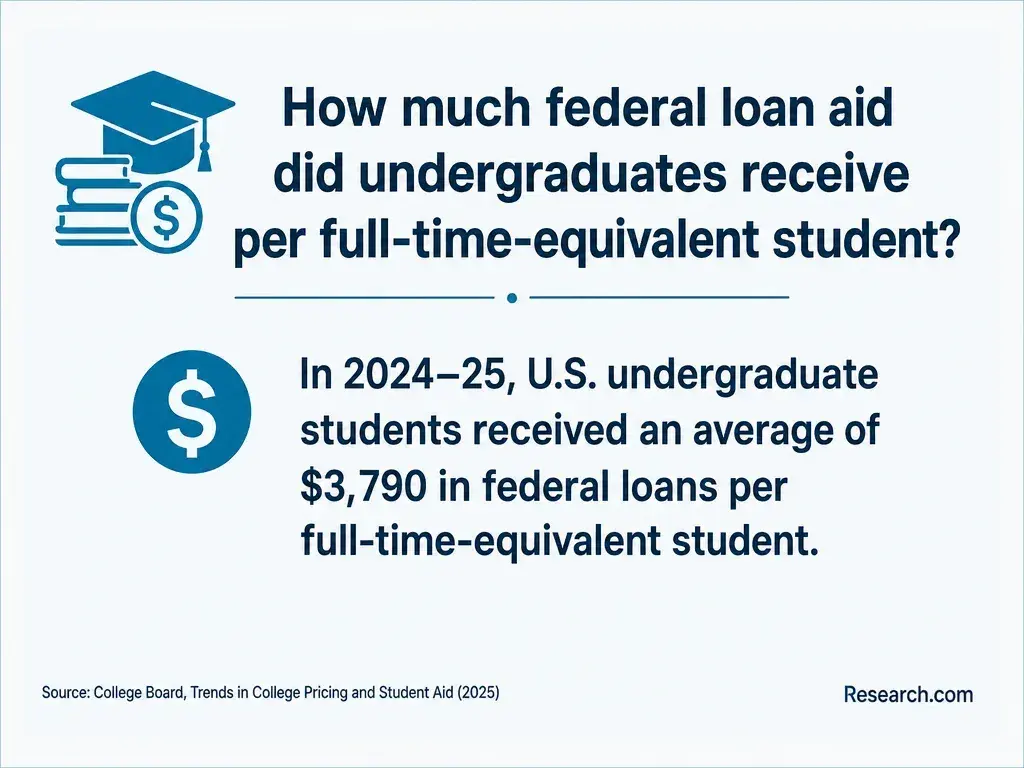
Estimate the decision's opportunity cost as well: time away from paid work or supervised service experience may matter more than a difference in tuition. Check employer education assistance and federal aid eligibility with the responsible offices rather than treating either as assured funding.
Most nonclinical parole support tasks do not require a psychology license, but particular jobs may require another credential. Employers might specify training or certification for peer support, substance-use services, or other specialized work; rules vary by state and role. A support worker must also follow employer policies on confidentiality, referrals, safety, and documentation.
A forensic psychology MS does not independently authorize diagnosis, psychotherapy, restricted psychological assessment, expert forensic evaluation, or use of a protected psychologist title. Those goals require an applicable professional education and licensing pathway, which may include additional supervised experience and examinations. Check the relevant state board and the exact duties of the intended position before enrolling.
If treatment is your goal, compare qualifying programs and their total expense - not just shared course topics. Accredited counseling program affordability comparisons can inform an initial shortlist, but you must verify each program's recognition and eligibility in the state where you intend to practice.
How Do You Choose a Reputable Online Forensic Psychology Program?
Start with the requirements of several jobs you would actually apply for. Then compare programs on methods training, relevant faculty and projects, scheduling, total cost, and evidence of graduate outcomes. Confirm the institution's recognized accreditation and the precise degree awarded. Do not assume APA accredits a general or nonclinical psychology MS, or that institutional accreditation establishes clinical licensure eligibility.
Before committing, ask the program for a current catalog and direct answers to these decision-critical questions:
- Which required courses teach research and evaluation skills applicable to reentry services?
- Can a student complete an approved, supervised nonclinical project with a local organization, and who arranges it?
- What live sessions, campus visits, fees, and additional terms could affect the proposed schedule and total cost?
- What outcomes are reported for this specific program, and how were graduates counted?
Compare the answers against graduate psychology tuition and program value, but make the final judgment on the work you intend to do. If local employers mainly seek a bachelor's degree and service experience, take the more direct route first. If you already have that foundation and need advanced evaluation skills, a well-matched MS may be worth considering.
Other Things You Should Know About Psychology
Often, yes. Ask about screening, training, supervision, and permitted tasks. Volunteering can build local knowledge, but it does not automatically count as an academic placement or satisfy a job's paid-experience requirement.
Only with the organization's permission and any required academic or ethics review. Agree on data access, privacy protections, and what may be shared before starting; removing names alone may not make a project permissible.
That is a program and employer decision. Obtain approval in advance for the site, supervisor, learning objectives, and distinction between ordinary job duties and assessed academic work.
Bring examples of confidential documentation, service coordination, respectful communication, or evaluation work that you are authorized to discuss. Explain your referral and professional boundaries without disclosing identifiable client details.
- Building a Trauma-Informed Workforce - NCBI https://www.ncbi.nlm.nih.gov/books/NBK207194/
- Probation/Parole Officer Careers | NC DAC https://www.dac.nc.gov/careers/probationparole-officer-careers
- DAPIP | Homepage - Office of Postsecondary Education (OPE) https://ope.ed.gov/dapip/
- Arrest and Conviction Records: Resources for Job Seekers, Workers and Employers https://www.eeoc.gov/arrestandconviction
- Fair Chance Employment - LaborStandards | seattle.gov https://www.seattle.gov/laborstandards/ordinances/fair-chance-employment
- Parole Officer | Department of Corrections and Community Supervision https://doccs.ny.gov/employment/parole-officer
- Fair Chance Act | Washington State https://www.atg.wa.gov/fair-chance-act
- Re-Entry Specialist | jamescitycountyva.gov https://www.jamescitycountyva.gov/DocumentCenter/View/32690/Re-Entry-Specialist-PDF
- Training and Technical Assistance Center | samhsa.gov https://www.samhsa.gov/technical-assistance
- Field Education | Criminal Justice and Criminology | ECU https://criminal-justice.ecu.edu/undergraduates/field-education/