2027 Is Demand for Mobile App Development Degree Graduates Growing or Declining?

Co-Founder and Chief Data Scientist
Facing uncertainty about job prospects after earning a mobile app development degree, many graduates struggle to justify their chosen path. The rapid evolution of technology demands continuous adaptation, raising concerns about industry stability. However, employment for mobile app development professionals is projected to grow 28% from 2020 to 2030, significantly faster than the average for all occupations. This growth reflects increasing reliance on mobile platforms across various sectors. This article will examine current demand trends and employment outlooks for mobile app development degree holders, offering insights to help prospective students and professionals make informed career decisions amid shifting market dynamics.
Key Things to Know About the Demand for Mobile App Development Degree Graduates
- Employment for mobile app development degree graduates is increasing, with a 15% growth in related tech jobs projected through 2030, driven by expanding mobile device usage worldwide.
- Job growth is particularly strong in sectors like healthcare, finance, and entertainment, where demand for specialized apps continues to rise, reflecting industry-specific needs.
- Graduates who focus on emerging fields such as AI integration and cross-platform development often experience better long-term career prospects compared to generalist mobile app developers.
What Factors Are Driving Demand for Mobile App Development Degree Professionals?
Prospective students assessing the long-term value and stability of a mobile app development degree benefit from knowing the core factors driving workforce demand. These factors reveal what employers prioritize and how the job market evolves over time. Key drivers include:
- Industry Growth: Rapid expansion of mobile technology and widespread use of smartphones and tablets fuel ongoing demand for apps across sectors like healthcare, finance, entertainment, and education. Employers seek graduates who can innovate within these digital ecosystems.
- Technological Advancement: Emerging tools such as 5G, artificial intelligence (AI), augmented reality (AR), and Internet of Things (IoT) increase complexity and opportunity within app development, requiring up-to-date skills in cutting-edge methodologies.
- Evolving Employer Skill Requirements: Beyond coding, firms value expertise in user experience (UX) design, cybersecurity, and cross-platform development, pushing graduates to develop comprehensive and versatile skills. Accredited mobile app development degree programs emphasize this well-rounded training to meet employer expectations.
- Demographic Shifts: Younger generations' adoption of diverse mobile platforms shapes demand for apps tailored to varying preferences and accessibility needs, broadening the scope of developer expertise required.
- Regulatory and Policy Changes: Data privacy laws like GDPR and CCPA compel companies to hire developers familiar with compliance standards, ensuring apps meet legal requirements and user security demands.
Professionals choosing a degree should also consider affordability and program quality; for example, resources like the cheapest online MBA listings can guide related financial decisions.
Which Mobile App Development Occupations Are Seeing the Highest Growth Rates?
Growth rates are a vital indicator for students evaluating career paths in mobile app development, as they highlight strong hiring demands and potential job security. According to the U.S. Bureau of Labor Statistics, overall employment is expected to grow around 5% through 2032, making technology-related jobs significantly faster-growing than average. This information sets the context for understanding which mobile app development occupations are experiencing the highest growth rates in the US job market.
- Mobile Software Developers: Projected to grow by approximately 22% over the next decade, driven by increasing smartphone usage and demand for enterprise mobile solutions. These roles typically require bachelor's degrees in computer science or related fields.
- Mobile App Testers and QA Analysts: Expected to grow near 16% as rigorous testing becomes crucial for meeting user expectations and regulatory compliance. Many professionals in this area hold associate degrees or relevant certifications.
- Mobile UX Designers: Anticipated growth is around 18%, fueled by the need for seamless and intuitive user interfaces. Degrees in design or computer science are common among these specialists.
- Mobile Security Specialists: This occupation is growing rapidly at a rate close to 20%, reflecting rising concerns about data privacy and cyber threats. Cybersecurity or IT qualifications are generally required.
The top growing mobile app development roles and skills in North America emphasize the importance of relevant education and training. Prospective students might explore options like a business degree online to complement their technical expertise and expand career flexibility.
Which Industries Hire the Most Mobile App Development Degree Graduates?
Knowing which industries most actively hire mobile app development graduates helps students target their skills and education toward sectors offering growth and stability. Several key fields consistently seek professionals with mobile app development expertise.
- Technology: This sector is the largest employer for mobile app development graduates, offering roles like app developers, software engineers, and UX/UI designers. The continuous evolution of platforms and software innovation fuels demand for new and improved mobile applications.
- Financial Services: Banks and fintech firms rely heavily on mobile apps for secure transactions, online banking, and investment tools. Graduates skilled in security measures and streamlined user experiences are highly valued in this industry.
- Healthcare: With telemedicine and health-monitoring apps on the rise, healthcare providers need developers who understand mobile technology and can navigate regulatory compliance to create effective patient care solutions.
- Retail and E-commerce: Companies in this sector hire mobile app developers to enhance shopping apps through personalization, mobile payments, and customer engagement tools. Creativity and insight into consumer trends are key assets.
- Entertainment and Media: This industry employs mobile app developers to build apps for streaming, gaming, and interactive content. The growth in digital media consumption drives demand for engaging mobile experiences.
How Do Mobile App Development Job Opportunities Vary by State or Region?
Location plays a significant role in the availability and competitiveness of job opportunities for mobile app development graduates. Various geographic factors shape the demand, influencing where candidates may find the best prospects for growth and employment.
- High-Demand States: California, Washington, and Massachusetts lead in offering numerous roles due to their established tech sectors. These states attract both startups and major corporations, resulting in a robust job market for mobile app developers.
- Industry Concentration: Urban tech hubs like the San Francisco Bay Area and Seattle concentrate companies and talent, which intensifies competition but also opens up higher salary and career advancement opportunities than many other places.
- Urban vs. Rural: While metropolitan areas provide abundant jobs and networking possibilities, rural regions typically see fewer openings. However, less competition in these areas can be advantageous for some candidates.
- Cost of Living: Expensive locales may offer more positions but come with higher living expenses that can impact overall job attractiveness. Conversely, states like Texas and North Carolina present growing tech markets combined with more affordable living costs, appealing to many graduates.
- Remote and Hybrid Work: Increasing flexibility in work arrangements expands access beyond traditional tech clusters. This trend allows graduates nationwide to pursue opportunities without relocating, diversifying employment options across the country.
According to the U.S. Bureau of Labor Statistics, the software development field, including mobile app development, is expected to grow substantially over the next decade. Recognizing regional differences enables job seekers to better align their search with areas offering the strongest prospects and favorable conditions.
How Does Degree Level Affect Employability in Mobile App Development Fields?
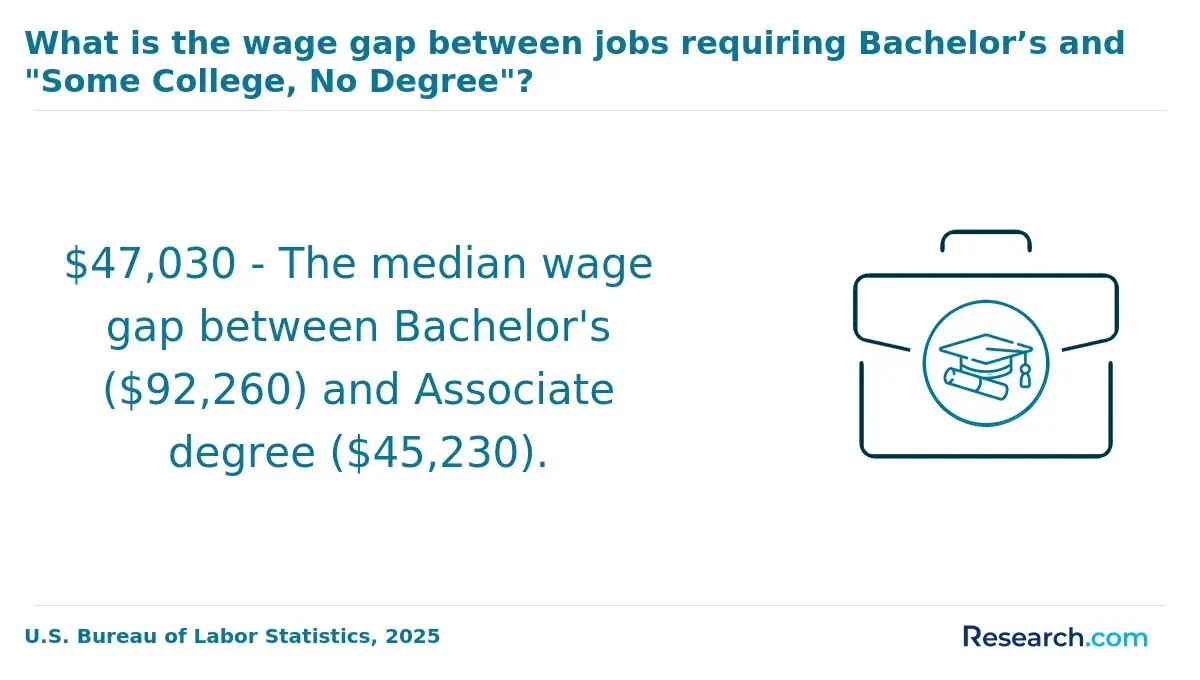
Education level plays a crucial role in shaping career opportunities, advancement potential, and competitiveness within mobile app development fields. Different degrees offer varying pathways and access to job roles, making it important to understand how employability varies by education level. Below is a comparison of four common degree tiers impacting mobile app development employment opportunities by education level in the US.
- Associate Degree: Often designed for entry-level positions like junior developers or app testers, this degree builds fundamental programming abilities. While it offers frequent employment chances, especially in smaller firms or support roles, growth opportunities can be limited.
- Bachelor's Degree: The most prevalent qualification, bachelor's holders typically qualify for roles such as software developers, UX/UI designers, or project coordinators. They generally enjoy a 17% higher employment rate in computer-related jobs compared to those with only an associate degree.
- Master's Degree: Advanced degree holders pursue specialized technical roles, leadership positions, or focus areas like cybersecurity and AI integration. This degree enhances employability for senior roles and managerial tracks, reflecting greater professional competitiveness.
- Doctorate Degree: Rare but impactful, a doctorate suits careers in research, innovation, and academia. Those with this level of education contribute to cutting-edge technologies and advanced development strategies.
For professionals considering further education, exploring options like an executive online MBA can provide strategic career benefits within the tech and development sectors.
What Skills Are Employers Seeking in Mobile App Development Graduates?
Recognizing the skills employers prioritize is essential for those seeking to thrive in mobile app development careers. These competencies help graduates stand out and contribute effectively to fast-paced, innovative teams. The following core skills frequently emerge as top requirements in this field:
- Programming Language Expertise: Mastery of languages such as Swift, Kotlin, Java, and JavaScript is crucial for crafting native or hybrid apps across different platforms, enabling developers to adapt to diverse project demands.
- User Interface and Experience Design: Developers need an eye for clean, accessible design to create apps that users find intuitive and engaging, boosting overall satisfaction and repeat usage.
- Cross-Platform Development: Knowledge of frameworks like React Native and Flutter allows developers to produce applications that function smoothly on multiple operating systems, improving efficiency and reducing time to market.
- Debugging and Problem-Solving: The ability to quickly diagnose and fix code issues ensures app stability and reliability, traits highly valued by employers aiming for seamless user experiences.
- Version Control Proficiency: Familiarity with tools like Git facilitates collaborative coding efforts and streamlines project management, making teamwork both effective and organized.
When asked about the skills employers seek, a mobile app development graduate shared that the transition from academics to professional roles was intense and required adapting to unexpected challenges. He recalled, "Initially, juggling multiple coding languages and design requirements felt overwhelming." He emphasized how crucial quick problem-solving was during tight deadlines, explaining that "being able to debug efficiently was often what separated success from failure on projects." Collaboration was another key aspect, as he found that clear communication with teammates using version control systems streamlined processes and reduced errors. This hands-on experience gave him a deep appreciation for the practical skills that are most valued once outside the classroom environment.
How Does Job Demand Affect Mobile App Development Graduate Salaries?
Fluctuations in job demand play a crucial role in shaping starting salaries, wage growth, and long-term earning potential for mobile app development graduates. For instance, the U.S. Bureau of Labor Statistics projects a 22% growth in median annual wages for software developers-a close proxy for mobile app developers-between 2020 and 2030. These dynamics directly influence compensation trends in this field. Below are several key ways demand affects salaries:
- Higher Starting Salaries: When demand for skilled graduates is strong, employers compete to attract talent by offering more lucrative starting pay, which can jump-start career earnings early on.
- Quicker Wage Growth: Robust demand often leads to faster raises and promotions as companies strive to retain talent amid a competitive labor market.
- Expanded Job Opportunities: A high demand environment offers graduates more employment options, enabling them to negotiate better compensation packages and benefits.
- Labor Shortages Driving Benefits: In tight markets, companies may enhance not only base pay but also benefits and bonuses, further increasing overall compensation.
The interplay between supply and demand significantly affects career trajectories and salary potential for mobile app development graduates, with high demand providing a financial edge and oversupply potentially limiting wage growth over time.
How Is AI Changing Demand for Mobile App Development Professionals?
Advancements in artificial intelligence are transforming workforce demands in mobile app development, with AI expected to influence nearly 40% of software development tasks by 2025. This shift is reshaping the kinds of roles and skills that employers seek in this rapidly evolving field.
Key impacts of AI on the mobile app development profession include:
- Automation of Routine Tasks: AI streamlines basic coding and debugging processes, allowing developers to dedicate more time to complex and innovative app features, thus increasing productivity and job value.
- Specialized Roles Emergence: The rise of AI-powered apps creates demand for professionals skilled in machine learning, data analytics, and AI integration, expanding career opportunities beyond traditional coding positions.
- Evolving Skill Sets: Developers must now master AI frameworks, natural language processing, and computer vision technologies in addition to conventional programming languages to stay relevant and competitive.
- Shifting Hiring Preferences: Employers increasingly favor candidates who combine mobile app development expertise with proficiency in AI tools and cloud platforms, driving a premium on multidisciplinary knowledge.
When asked about how AI influences demand, a graduate of a mobile app development degree program shared her experience adapting to these changes. She described initial challenges grappling with AI concepts but emphasized that embracing these technologies opened doors to innovative projects and collaborations. "Learning AI wasn't easy at first," she explained, "but it's made my work more engaging and future-proof. I feel more confident knowing my skills align with what employers want." Her story highlights how integrating AI knowledge strengthens career resilience and broadens professional horizons in today's mobile app landscape.
Is Mobile App Development Considered a Stable Long-Term Career?
Long-term career stability is an important consideration for students and professionals choosing a mobile app development path, ensuring consistent income and opportunities for growth. Several key factors influence how sustainable and secure a career in this field can be over time.
- Employment Trends: Continuous growth in demand for mobile applications driven by widespread smartphone use and digital transformation across sectors leads to positive long-term career prospects for mobile app development graduates. This sustained demand supports ongoing job stability.
- Industry Dependence: Many industries such as healthcare, finance, and retail rely heavily on mobile app development roles for customer engagement and operational efficiency. This broad industry reliance shields developers from downturns in any single market.
- Adaptability: Keeping pace with evolving technologies, new platforms, and programming languages is essential. Developers who adapt maintain relevance in a rapidly shifting tech environment, whereas failure to reskill can limit job stability over time.
- Career Growth and Reskilling: Opportunities to transition into related roles like UX design, project management, or software architecture, as well as upskill in AI or cloud computing, enhance long-term security. These pathways add flexibility that helps withstand economic fluctuations.
The evolving U.S. job market continues to reward those who combine technical skills with adaptability, making mobile app development a resilient career choice. For students considering educational options, exploring the easiest college majors with high pay can also provide valuable insight when weighing the costs and benefits of a mobile app development degree or alternative areas of study.
Is a Mobile App Development Degree Worth It Given the Current Job Demand?
The demand for graduates with a mobile app development degree is increasing in the United States, reflecting robust growth in the tech industry. Employment for software developers, including mobile app developers, is projected to grow much faster than average over the next decade due to expanding smartphone adoption and the rising integration of mobile applications across sectors. This positive employment outlook suggests that the degree holds tangible value for those entering the workforce. However, the level of hiring activity can vary by region and specific technology focus within mobile app development.
Long-term career prospects for mobile app development graduates in North America depend heavily on factors beyond the degree itself. Success requires alignment of technical skills with employer demands, including expertise in programming, user experience, security, and cross-platform solutions. A degree provides essential knowledge, but practical experience through internships and projects is equally important for standing out in a competitive market. Prospective students should also consider cost-efficiency, exploring options such as an easiest associate degree programs that can offer quicker entry points into the field while building foundational skills.
What Graduates Say About the Demand for Their Mobile App Development Degree
- Timothy: "Pursuing a mobile app development degree was a game-changer for me. The knowledge I gained translated directly into better job opportunities and a significant salary boost, making the investment absolutely worthwhile. Now, I'm able to lead projects that have a real impact, which I find incredibly rewarding."
- Joselito: "Choosing to study mobile app development was not an easy decision at first, but looking back, it was one of my best. The return on investment has been clear through the steady career growth and skill diversification I've experienced. It's opened doors I hadn't even considered before entering this field."
- Xavier: "The mobile app development degree provided me with a strong technical foundation and practical skills that employers truly value. It gave me confidence in my craft and helped me move into leadership roles more quickly than I expected. Reflecting on this journey, I appreciate how essential that education was for my professional advancement. "
Other Things You Should Know About Mobile App Development Degrees
In 2027, industry trends such as the growing popularity of wearable technology, smart home devices, and AI integration are significantly influencing the demand for mobile app development graduates. As these technologies advance, companies seek skilled developers to create innovative applications that cater to these sectors, thus increasing job prospects for graduates.
In 2027, the most sought-after skills for mobile app development graduates include proficiency in programming languages like Swift and Kotlin, experience with cloud-based solutions, and expertise in UX/UI design. Employers value candidates who stay updated with the latest technological advancements.
A strong portfolio showcasing completed projects is essential for demonstrating practical skills to potential employers. It provides evidence of coding proficiency, creativity, and problem-solving abilities. Graduates are encouraged to include a variety of apps that highlight their experience with different platforms, technologies, and user interfaces.
References
- Salary Trends: Mobile App Developers, Programmers/Analysts and Project Managers - The THOR Group https://thorgroup.com/blog/salary-trends-mobile-app-developers-programmers-analysts-and-project-managers/
- 5 Essential Skills Every App Developer Should Have | Bilue https://bilue.com.au/article/5-essential-skills-every-app-developer-should-have
- AI in Mobile App Development: Transforming User Experience - Silver Touch Technologies CA https://www.silvertouch.ca/blog/ai-in-mobile-app-development/
- The Growing Demand for Skills in Mobile App Development https://ait.edu.au/blog/demand-for-mobile-app-developers
- Software & systems https://www.careerpilot.org.uk/job-sectors/software-systems/job-profile/app-developer
- Master's degree in mobile application development: objectives and career opportunities https://www.ece.fr/en/faq-all-the-answers-to-your-questions/master-in-mobile-application-development-objectives-fees-job-opportunities/
- The Future of Mobile App Development: Answering the Why’s and How’s | Computek College https://computek.edu/the-future-of-mobile-app-development-answering-the-whys-and-hows/
- A Guide to Mobile App Development Skills & Career Success https://sundancecollege.com/blog/a-guide-to-mobile-app-development-skills-career-success/
- Mobile App Developer Job Titles in 2025 - Most Popular Titles by Career Level https://www.tealhq.com/job-titles/mobile-app-developer
- Is App Development Worth It in 2025? | Career Scope & Opportunities https://stellarcode.io/blog/is-app-development-worth-it-in-2025