
2027 Are Online Mobile App Development Degrees Respected by Employers?

Co-Founder and Chief Data Scientist
Online mobile app development degrees have surged in popularity as technology careers expand rapidly. Research shows that over 60% of employers now view online education credentials as comparable to traditional degrees, reflecting a shift in acceptance. This article aims to clarify how employers currently perceive online mobile app development qualifications and what criteria affect their credibility. Understanding these dynamics is essential for prospective students weighing their educational options. The analysis draws on expert insights and recent data to provide an objective overview, helping readers navigate the evolving landscape of online technical education and employment prospects.
Key Benefits of Online Mobile App Development Degrees Respected by Employers
- Employers increasingly regard online mobile app development degrees as credible, with 67% of hiring managers expressing trust in graduates from accredited online programs, reflecting a shift in perception.
- Graduates develop essential technical skills including coding, UX/UI design, and app testing-skills that 85% of employers prioritize when recruiting mobile developers.
- Holding an online degree in mobile app development correlates with improved career outcomes, as 58% of graduates report faster job placements and higher starting salaries compared to those without formal credentials.
Which accrediting bodies make an online mobile app development degree legitimate?
Accreditation is essential for ensuring the quality and employer recognition of online mobile app development degrees. It verifies that a program meets established academic and professional standards, increasing the legitimacy of the qualification for both students and employers. Understanding the different types of accreditation helps students identify which programs offer the most recognized and valuable credentials.
Below are the main types of accreditation relevant to online mobile app development programs:
- Regional Accreditation - This is the most widely respected form of accreditation in the U.S., granted by recognized agencies like the Higher Learning Commission (HLC) and the Middle States Commission on Higher Education. Regional accreditation ensures academic rigor and facilitates easy credit transfer between institutions. Degrees from regionally accredited schools are preferred by major employers and are often necessary for government or professional roles. For example, Arkansas State University's online mobile app development program holds regional accreditation, ensuring broad recognition and transferability.
- National Accreditation - Agencies such as the Distance Education Accrediting Commission (DEAC) provide national accreditation, mainly for career-focused, technical, or vocational schools. While nationally accredited degrees qualify graduates for entry-level roles, they may face restrictions with respect to graduate school admissions and credit transfers to regionally accredited institutions.
- Programmatic Accreditation - Specialized accreditors like ABET (Accreditation Board for Engineering and Technology) focus on specific programs in technology and computer science. Programmatic accreditation guarantees that the curriculum aligns with industry standards, supporting eligibility for professional certifications. Graduates from ABET-accredited mobile app development programs often experience better job placement rates and higher salaries, making this a key factor in accreditation for online mobile app development degrees in the US.
For prospective students, selecting a program accredited by recognized accrediting agencies for mobile app development programs is critical for ensuring career advancement. Additionally, understanding these accrediting bodies helps in evaluating options that align with goals such as further education or certification. To explore top opportunities following accredited training, researching the top paying certificate programs can be especially valuable.
Does university reputation affect employer views of online mobile app development degrees?
University reputation plays a significant role in shaping employer perceptions of online mobile app development degrees. Employers often associate degrees from prestigious institutions with higher quality, credibility, and value, which influences their hiring decisions.
This university reputation impact on mobile app development careers stems largely from the institutional prestige that well-known, highly ranked universities carry. When reputable public and private institutions offer online programs, many employers view these degrees similarly to traditional ones, especially as some schools treat online and on-campus diplomas equally.
Accreditation status is another crucial factor for employers considering online mobile app development degrees. Accredited programs signal that the curriculum meets established educational and industry standards, making graduates more competitive in the job market.
Additionally, strong alumni success stories enhance the reputation of online programs. Employers take note when graduates from certain programs demonstrate career achievements, as this reflects the program's effectiveness in preparing students for the tech industry.
Partnerships between universities and technology companies also boost program credibility. Collaboration on real-world projects or internships assures employers that graduates have practical skills aligned with current industry needs. These factors combine to elevate the standing of some of the best online mobile app development schools in the US in the eyes of recruiters and hiring managers.
However, while university reputation often opens doors, employers ultimately prioritize candidates' skills and experience. In the fast-evolving field of mobile app development, demonstrable technical expertise and a strong portfolio often carry more weight than the mode of education. This balance between prestige and practical ability shapes hiring decisions across the industry.
Do employers treat online and on-campus mobile app development degrees equally?
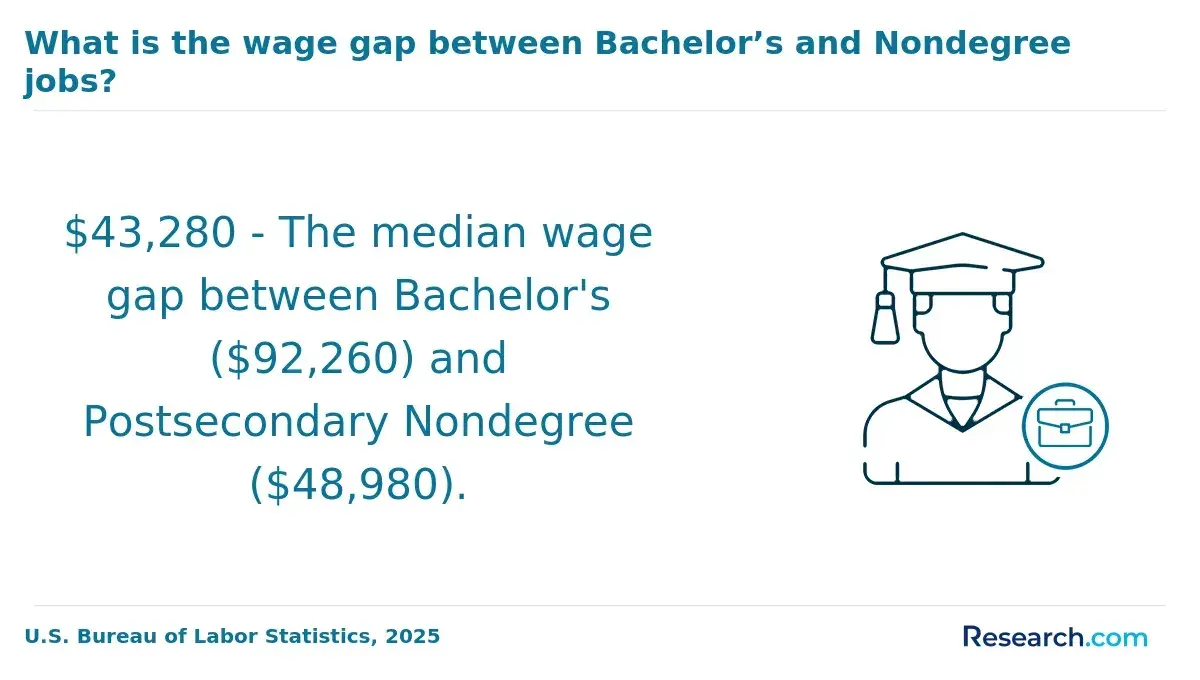
Employers have become considerably more accepting of online mobile app development degrees in recent years, reflecting a notable shift in attitudes toward remote education. According to recent surveys, over half of employers now regard graduates from online programs as equally qualified compared to those from traditional on-campus settings. This change is driven by the increasing availability of accredited online degrees from reputable institutions and the growing normalization of remote work environments.
Nevertheless, acceptance varies, with some employers-particularly in the United States-still showing a mild preference for in-person credentials, often linking them to stronger communication and leadership abilities.
When evaluating candidates for mobile app development roles, most employers prioritize skills, practical experience, and the reputation of the awarding university over whether the degree was earned online or on-campus. Accreditation remains a crucial factor, with degrees from accredited institutions almost universally accepted.
In the tech industry especially, hands-on coding skills, a strong project portfolio, and real-world problem-solving experience generally carry more weight than the mode of study. That said, U.S. hiring managers tend to scrutinize online degrees more closely than global counterparts, with a significant percentage expressing reservations about their equivalency.
Still, data shows no difference in starting salaries between graduates of online and traditional programs, and many organizations actively hire applicants with online degrees. To maximize credibility, graduates should choose accredited, well-known programs and develop comprehensive portfolios showcasing their practical skills and experience.
Do employers trust online mobile app development degrees from AI-powered virtual classrooms?
AI technologies such as adaptive learning systems, virtual simulations, and AI tutors significantly enhance the quality and credibility of online mobile app development degrees. Adaptive learning platforms customize coursework to match each student's individual strengths and weaknesses, ensuring mastery of essential programming skills and frameworks.
Virtual simulations provide a practical, hands-on environment where students can code, debug, and deploy apps in scenarios that closely resemble real-world challenges. Meanwhile, AI tutors offer immediate, focused feedback, accelerating skill acquisition and helping learners overcome obstacles swiftly.
These tools collectively enable online programs to deliver a rich, interactive educational experience that bridges theory with practical application, allowing students to build strong portfolios showcasing real projects that are highly valued by employers.
These advancements have positively shifted employer perception toward online mobile app development degrees, especially when combined with industry-recognized certifications and demonstrable skills. Surveys reveal that over 60% of U.S. hiring managers now consider online technology degrees to be as rigorous or more so than traditional campus programs, provided practical training is included.
Nevertheless, skepticism lingers among some employers, particularly those less familiar with AI-powered learning models or who favor degrees from established brick-and-mortar institutions. Leading online programs address these concerns by integrating mentorship from experienced developers, offering career support, and cultivating industry partnerships.
As the mobile app market expands rapidly, the credibility of online degrees enhanced by AI tools is expected to strengthen further, aligning with increased employer demand for skilled app developers.
What skills do employers value from online mobile app development graduates?
Online Mobile App Development graduates stand out in the job market due to their strong mix of technical skills for mobile app development graduates and essential soft skills. Employers highly value these professionals for their ability to deliver innovative solutions and collaborate effectively within dynamic and often remote teams.
The most in-demand skills employers seek in candidates with online mobile app development degrees reflect both their programming expertise and problem-solving abilities mobile app developers develop throughout their studies.
- Programming languages: Online programs emphasize proficiency in languages such as Swift, Kotlin, Dart, and JavaScript. This foundation enables graduates to build versatile applications across platforms, making them adaptable to evolving technology demands.
- Cross-platform development: Mastery of frameworks like React Native and Flutter enables graduates to efficiently create apps for iOS and Android using a single codebase. Employers appreciate this skill because it helps streamline production and reduce costs.
- User interface (UI) and user experience (UX) design: Graduates learn to design intuitive and accessible interfaces, enhancing app usability and market appeal. Strong UI/UX skills directly impact customer satisfaction and product success, making this expertise highly prized.
- Cybersecurity: Online degrees increasingly incorporate lessons on data privacy, encryption, and secure coding practices. Companies prioritize developers who can build safe applications that protect sensitive user information amid rising cyber threats.
- Agile development and project management: Collaborative online coursework helps students develop skills in agile methodologies and project coordination. These abilities are essential for managing tasks, meeting deadlines, and adapting to feedback in fast-paced tech environments.
- Problem-solving and communication: Remote learning environments foster independent problem-solving and clear digital communication. These soft skills are crucial for effective teamwork and project delivery, making graduates more competitive.
For those considering further education, exploring cheap online masters degrees can offer additional ways to sharpen both technical and interpersonal skills, enhancing career prospects in mobile app development.
Do professional certifications help validate online mobile app development degrees?
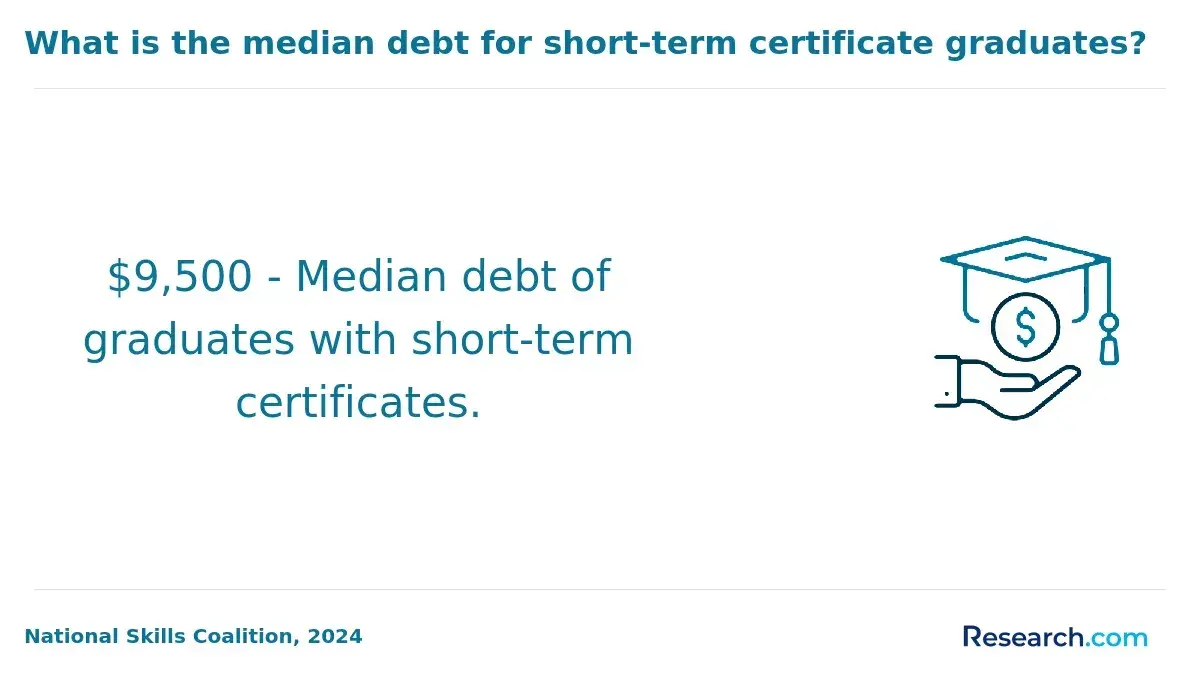
Earning professional certifications can significantly enhance the credibility of an online mobile app development degree by providing industry-recognized validation of a graduate's technical skills and practical abilities. These certifications demonstrate competencies specifically aligned with employer expectations, helping bridge the gap between academic knowledge and real-world application.
The following points outline the main ways professional certifications strengthen the value of online mobile app development degrees in the eyes of employers.
- Industry-Recognized Validation: Certifications like the Associate Android Developer (Google), Certified iOS App Developer (Certiport), and GIAC Mobile Device Security Analyst (GMOB) provide independent proof of a candidate's proficiency with essential tools, languages, and best practices, signaling relevant technical expertise beyond the diploma.
- Demonstration of Practical Skills: Many certifications require hands-on projects and exams that test real-world abilities. For example, Oracle Java ME Mobile Application Developer and App Development with Swift (Apple) certifications validate that candidates can effectively build, test, and deploy functional mobile applications.
- Career Advancement Opportunities: Professionals with certifications often have a competitive edge for advanced roles such as lead developer or software engineer. Employers in mobile app development frequently prioritize candidates with up-to-date certification credentials that reflect current industry standards.
- Enhanced Employer Confidence in Online Credentials: Certifications help reassure employers who may be uncertain about the rigor of online degrees. Surveys such as the 2023 CompTIA study show that over 90% of employers trust IT certifications as reliable measures of technical skill regardless of degree delivery format.
- Specialization and Differentiation: Certifications allow graduates to focus on specific platforms or skills, such as Android, iOS, security, or UI design, helping them stand out and better match the specialized needs of employers in a competitive job market.
- Portfolio and Project Verification: Requirement of portfolio projects in many certification programs offers concrete evidence of applied skills, which is invaluable during hiring and interviews, especially for early-career professionals or those transitioning to mobile app development.
When I spoke with a professional who pursued an online mobile app development program, he shared how earning certifications profoundly impacted his job prospects. Initially, he faced skepticism from potential employers who questioned the value of his online degree alone.
However, after obtaining certifications such as the Associate Android Developer and completing portfolio projects, he noticed a distinct shift in employer responses. "It felt like those certifications spoke louder than my degree at interviews," he explained. The preparation process was intense, requiring extensive hands-on coding and application testing, but this rigor gave him confidence and tangible proof of his skills.
He also mentioned the emotional boost of seeing his certified accomplishments recognized on his resume, which helped him secure a position as a junior developer sooner than expected. His experience underscores how professional certifications can effectively validate online mobile app development credentials and support career growth in a challenging job market.
Do online mobile app development graduates earn the same salaries as on-campus graduates?
There is no significant evidence to suggest that online mobile app development graduates earn less than their on-campus counterparts. National and industry-wide trends indicate that employers focus more on a candidate's skills and practical experience than on where their degree was earned.
Several key factors influence salary outcomes for mobile app development graduates, whether online or traditional, and understanding these can help clarify the salary comparison for online vs on-campus mobile app development degrees:
- Employer Perception: Over time, many employers have come to value online degrees similarly to on-campus ones, especially when the programs are accredited and reputable. This shift supports salary parity as employer focus leans toward the quality of education rather than its delivery method.
- Skill Acquisition: Salary potential is closely tied to the specific coding languages, app design, and development skills acquired during the program. Graduates from online programs emphasizing practical skills can be just as competitive in the job market as those from traditional schools.
- Industry Demand: The technology sector's continuous growth fuels high demand for skilled mobile app developers, driving salaries upward across the board. This strong demand helps equalize earnings regardless of whether the degree was earned online or through campus.
- Location and Experience: Variations in salary often depend more on geographic location and professional experience than education mode. Developers in tech hubs or with extensive portfolios typically command higher incomes.
Prospective students looking for accredited programs can refer to a list of best colleges online to explore respected options that support strong career outcomes.
How do online mobile app development degrees impact career growth and promotions?
Earning an online Mobile App Development degree can significantly influence long-term career advancement and promotion opportunities across a wide range of industries. As mobile technology continues to reshape business operations, professionals with specialized skills in mobile app development are increasingly valued for their ability to drive innovation and growth.
This foundation supports a variety of professional benefits, and the following points highlight the main ways online Mobile App Development degrees promote career growth and advancement.
- Access to High-Demand Roles: Mobile app development is a rapidly expanding field with growing employment opportunities. Graduates gain skills that prepare them for diverse industries such as healthcare, finance, and education, making them competitive candidates for sought-after technical positions that often lead to faster promotions.
- Expanded Earning Potential: Professionals with an online Mobile App Development degree frequently command higher salaries, particularly when specializing in emerging technologies like AI or cybersecurity. This credential signals advanced expertise to employers, enhancing candidates' negotiating power for leadership roles and lucrative projects.
- Flexible Career Pathways: The versatility of mobile app development enables graduates to explore various roles including front-end and back-end development, UI/UX design, and project management. This flexibility allows for both vertical promotions and lateral moves into new areas, broadening professional growth opportunities.
- Opportunities for Entrepreneurship and Freelancing: Equipped with core app development skills, graduates can confidently launch startups or work independently as consultants and freelancers. These experiences foster leadership qualities and a diverse income base, which employers recognize as valuable assets.
- Industry-Relevant Skills and Continuous Learning: Online programs emphasize up-to-date curricula that reflect current industry standards, ensuring graduates stay competitive. This continuous learning prepares professionals to take on advanced roles and remain eligible for promotions in evolving workplaces.
- Cross-Industry Mobility: Mobile app development skills are transferable across sectors like fintech, healthcare tech, and education technology, facilitating career shifts that can lead to new leadership positions or specialized roles.
When I spoke with a professional who completed an online Mobile App Development program, she emphasized how the degree fundamentally transformed her career trajectory. Before enrolling, she felt stuck in a stagnant role with limited advancement opportunities. The flexibility of the online format allowed her to continue working while acquiring new skills tailored to market demands.
She recalled, "The hands-on projects and updated coursework helped me build a robust portfolio that employers really noticed." After graduation, she secured a promotion within months and took on leadership responsibilities, including managing app development teams and spearheading innovative projects.
Facing challenges such as balancing work, study, and family, she credits the program's real-world approach for boosting her confidence and technical competence. Reflecting on her journey, she said, "Earning this degree opened doors I hadn't imagined, and it truly accelerated my professional growth."
What companies actively hire graduates from online mobile app development programs?
Employers across a variety of industries are increasingly open to hiring candidates who hold online mobile app development degrees, recognizing the growing need for skilled developers in today's digital economy. As the demand for mobile solutions expands, companies actively seek professionals with relevant expertise, regardless of their educational delivery method.
This openness is reflected in the diversity of companies hiring graduates from online mobile app development programs, which span multiple sectors and roles, offering wide-ranging career opportunities for degree holders:
- Tech startups: These companies emphasize practical skills and innovation, often valuing the updated technical knowledge and portfolio experience that online graduates possess. Roles frequently include mobile app developer, UI/UX designer, and product engineer, where rapid iteration and creativity are crucial.
- Large corporations and enterprise IT departments: Established businesses in finance, healthcare, and retail sectors hire mobile app developers to build and maintain complex enterprise mobile platforms. Graduates from online mobile app development programs are prized for their proficiency in modern frameworks and their adaptability to evolving work arrangements, including remote and hybrid models.
- Consulting firms and digital agencies: These organizations rely on mobile app developers to create tailored solutions for a variety of clients. Online degree holders are valued for their ability to independently learn new technologies and contribute effectively to multidisciplinary teams focused on app design, development, and deployment.
- Remote and freelance opportunities: Remote work platforms and freelance contracting agencies increasingly match online program graduates with mobile development projects. These roles often include contract developer, app tester, and integration specialist, offering competitive hourly rates ranging approximately from $41 to $88.[1]
These examples highlight why top us companies hiring mobile app developers view online credentials as credible, particularly when combined with strong portfolios or internships. For prospective students interested in pursuing such degrees, selecting among the best online nationally accredited universities ensures programs recognized by employers for quality and rigor.
What future trends will shape online mobile app development degrees’ credibility?
Technology, accreditation standards, and employer attitudes are continuously evolving, shaping how online mobile app development degrees are perceived in the job market. These changes are driving increased recognition and value for such degrees as mobile app development remains an expanding industry with growing demand for skilled professionals. The following key trends are expected to further strengthen the legitimacy and recognition of online mobile app development programs among both employers and academic institutions:
- AI-Driven Learning Validation: Artificial intelligence and machine learning technologies personalize coursework, automate skill assessments, and validate competencies through adaptive testing and analytics. This ensures that students demonstrate practical, real-world abilities, making online credentials more trustworthy and aligned with workplace expectations.
- Global Accreditation Collaboration: Accrediting organizations are collaborating internationally to establish unified standards for mobile app development education. This promotes higher academic quality and allows degrees earned online to be recognized across borders, enabling graduates to compete in global markets with increased employer confidence.
- Employer Partnerships and Real-World Projects: Many programs are partnering with tech companies to provide internships, capstone projects, and mentorship opportunities. These collaborations align curricula with industry needs, giving employers assurance that graduates possess relevant, hands-on skills vital for today's job market.
- Skill-Based Hiring Practices: Employers are shifting focus toward portfolios, project outcomes, and specific technical skills rather than relying solely on degree prestige. This benefits online graduates who can showcase demonstrated expertise in mobile app development, especially as cross-platform and emerging technology skills gain importance.
Here's What Graduates of Respected Online Mobile App Development Programs Have to Say About Their Degree
- Jamie : "Completing my online mobile app development degree opened doors I never thought possible. The flexibility of learning from home allowed me to balance family life while gaining the skills that employers actively seek. Since graduating, I've secured a position at a leading tech startup, where I'm able to contribute to innovative projects daily. This degree not only advanced my career but also boosted my confidence to lead collaborative teams in fast-paced environments. "
- Maria : "Reflecting on my journey, earning an online degree in mobile app development was a transformative experience. It gave me the technical foundation and problem-solving skills needed to pivot into a high-demand industry. Beyond just employment, it empowered me to start my own consultancy helping local nonprofits develop apps to engage their communities better. This degree truly broadened my professional horizon and personal impact."
- Rajesh: "As a veteran transitioning back to civilian life, pursuing an online mobile app development degree was strategic and rewarding. The program's career resources and hands-on projects prepared me to enter the tech field with confidence. Since graduating, I have rapidly advanced from junior developer to project lead, gaining mentorship opportunities that continue to fuel my growth. The degree gave me a competitive edge and a renewed sense of purpose in a dynamic industry."
Other Things You Should Know About Respectable Online Mobile App Development Degree Programs
In 2027, online mobile app development degrees generally provide adequate preparation for entry-level positions, but effectiveness depends on the curriculum's quality and the skills acquired. Employers tend to value portfolio work and practical experience, so degrees that emphasize these aspects are likely to enhance job prospects.
In 2027, employers typically assess the quality of an online mobile app development program by considering its accreditation status, curriculum relevance, graduate outcomes, and industry partnerships. They may also review portfolios or projects completed by graduates to gauge practical skills.
References
- Top Careers in Web and Mobile App Development - Baker College https://www.baker.edu/about/get-to-know-us/blog/top-careers-for-web-and-app-development-graduates/
- 10 High-Income Skills To Start Learning in 2025 https://www.imd.org/blog/learning-and-development/high-income-skills/
- Remote Mobile App Developer Jobs | Turing Jobs https://www.turing.com/jobs/remote-mobile-app-developer
- Opportunities And Challenges Using AI In Personalized Online Education https://elearningindustry.com/opportunities-and-challenges-using-ai-in-personalized-online-education
- A Guide to Mobile App Development Skills & Career Success https://sundancecollege.com/blog/a-guide-to-mobile-app-development-skills-career-success/
- How to Become a Mobile App Developer in 2025? Essential Skills https://www.netguru.com/blog/mobile-developers-skills
- Superagency in the workplace: Empowering people to unlock AI’s full potential https://www.mckinsey.com/capabilities/mckinsey-digital/our-insights/superagency-in-the-workplace-empowering-people-to-unlock-ais-full-potential-at-work
- Full article: Employees’ perceptions of the fairness of AI-based performance prediction features https://www.tandfonline.com/doi/full/10.1080/23311975.2025.2456111
- Graduate Mobile Application Developer jobs https://www.milkround.com/jobs/mobile-application-developer
- The Impact of AI and Machine Learning on Elearning Platforms for HR Training https://blogs.psico-smart.com/blog-the-impact-of-ai-and-machine-learning-on-elearning-platforms-for-hr-training-168501


