
2027 One-Year Online Gerontology and Aging Master's Degree Programs: Accelerated Options, Costs & Outcomes

Co-Founder and Chief Data Scientist
Many working professionals with unrelated undergraduate degrees face difficulty finding accelerated, flexible options to shift into gerontology and aging careers. Traditional master's programs often require two years, which may not align with personal or financial constraints. Online master's degrees in gerontology and aging offer an attractive solution, particularly with accelerated one-year tracks.
Interestingly, employment in gerontology-related fields is projected to grow 19% from 2024 to 2034, reflecting rising demand for skilled specialists. This article explores accelerated online program options, associated costs, and career outcomes to guide readers in choosing a path that fits their professional goals and schedules.
Key Things to Know About One-Year Online Gerontology and Aging Master's Degree Programs
- Online gerontology and aging master's programs offer flexible schedules ideal for working professionals balancing employment and studies, ensuring career progression without interrupting income streams.
- Accelerated one-year formats enable rapid skill acquisition, allowing career changers to enter the aging services field more quickly compared to traditional two-year programs.
- These programs provide international applicants access to diverse global networking opportunities, fostering cross-cultural professional connections vital for expanding careers in aging sciences.
What Exactly Is a One-Year Online Gerontology and Aging Master's Degree Program, and How Does It Differ from a Standard Graduate Format?
A one-year online gerontology and aging master's degree program offers an accelerated graduate path designed to compress the traditional two-year or part-time timeline into roughly 12 months. These programs use an intensive course-load structure, often with continuous enrollment or shorter, consecutive semesters, allowing students to complete the same credit hours in a condensed timeframe.
For instance, the University of Southern California delivers its one-year online Master of Science in Gerontology in four 11-week sessions, while the University of Central Florida blends online and in-person components in an accelerated hybrid format. The University of Maryland Global Campus also provides a fully online, year-long accelerated master's degree with no summer breaks.
This intensity demands strong time management and a capacity to handle a heavier course load each term compared to traditional programs. The format is ideal for individuals seeking to fast-track their education while maintaining career or personal commitments. \
- Accelerated Curriculum: Condensed terms require students to manage heavier course loads or back-to-back short sessions, preserving academic rigor without sacrificing content depth.
- Flexible Learning Environment: Fully online or hybrid formats maximize accessibility for remote learners and reduce the time and cost related to commuting.
- Career-Focused Outcomes: Graduates gain updated expertise quickly, positioning themselves for advanced roles within aging services, healthcare, or policy sectors.
- Admission Requirements: Programs generally require a minimum GPA, relevant prerequisite coursework, and sometimes professional experience to ensure readiness for the accelerated pace.
- Ideal Candidates: Those balancing work or family obligations, switching careers, or looking to expedite their education and employment prospects benefit most from this format.
Prospective students should also explore financial aid options and compare total cost of attendance, as tuition structures for accelerated gerontology and aging graduate program differences can vary widely. For additional insights on accessing related online degrees, consider resources like the pharmacy school online guide, which highlights affordability and online learning models applicable across disciplines.
Which Accredited Universities Currently Offer Legitimate One-Year Online Gerontology and Aging Master's Programs?
Regionally accredited universities across the United States offer legitimate one-year or accelerated online master's programs in Gerontology and Aging that meet rigorous academic standards. Regional accreditation is vital because it ensures the degree's quality and recognition by employers and academic institutions, which is especially important in fields like Gerontology, where evidence-based practice is critical.
In contrast, nationally accredited programs often have less stringent criteria and may not be accepted for licensure or graduate education. Prospective students should also check for specialized accreditations such as the Council on Social Work Education (CSWE) for social work-related tracks or the Commission on Accreditation of Healthcare Management Education (CAHME), though bodies like AACSB and ABET focus on business and engineering and typically do not apply to Gerontology programs.
Students seeking the best one-year online gerontology and aging master's programs accredited by recognized institutions can verify program credentials and cost through reliable databases like the U.S. Department of Education's College Navigator or Peterson's. Additionally, applicants looking for broader education options might explore resources listing nursing colleges with high acceptance rates to assess alternative healthcare-related fields.
- University of Southern California (Western Region): Offers an accelerated online Master of Arts in Gerontology that can be completed in 12 months, regionally accredited by the WASC Senior College and University Commission (WSCUC). Tuition is approximately $50,000 for the full program.
- University of Florida (Southern Region): Provides a 12-month online Master of Science in Aging and Life Course with accreditation from the Southern Association of Colleges and Schools Commission on Colleges (SACSCOC). Total tuition is about $12,000 for in-state students.
- University of Illinois Chicago (Midwestern Region): Features a 12-month accelerated Master of Science in Gerontology online, accredited by the Higher Learning Commission (HLC), with tuition around $20,000.
- Rutgers University (Northeastern Region): Offers an accelerated online Master of Science in Aging Studies, accredited by the Middle States Commission on Higher Education (MSCHE), charging near $25,000 in tuition.
- University of Alaska Anchorage (Alaska/Pacific Region): Offers a one-year online Master of Science in Aging Studies, regionally accredited by the Northwest Commission on Colleges and Universities (NWCCU), with tuition close to $19,000.
Admissions standards differ by program but typically include a minimum GPA, prerequisite coursework, and relevant professional experience. The compressed pacing demands strong time management, reflecting higher academic rigor compared to traditional timelines.
Prospective students should consider curriculum depth and flexibility to align with career goals. Outcome data often highlight improved job placement rates, salary advancement, and professional growth for graduates of accelerated Gerontology and Aging master's degrees.
How Much Does a One-Year Online Gerontology and Aging Master's Program Typically Cost in Tuition and Fees?
Tuition for one-year online gerontology and aging master's programs varies widely between public and private universities. Public institutions typically charge between $10,000 and $20,000 for the entire program when considering in-state rates. Private schools often have higher costs, with tuition and fees ranging from $20,000 to $40,000.
It is important to remember that these figures represent base tuition only and do not cover ancillary expenses that students may encounter.
- Technology and Course Fees: Many programs impose additional technology fees to maintain online learning systems, which usually amount to $200-$600 annually. Required course materials like textbooks, specialized software, or access to databases can add an extra $500-$1,000 depending on the curriculum.
- Proctoring and Exam Fees: Some programs mandate remote exam proctoring to uphold academic integrity. Fees for this service typically range from $50 to $150 per exam and should be factored into total costs.
- Residency or Campus Requirements: Though uncommon for accelerated one-year options, a few programs request brief campus residencies for orientations or final projects. These visits can generate additional expenses, commonly between $500 and $2,000 for travel and lodging.
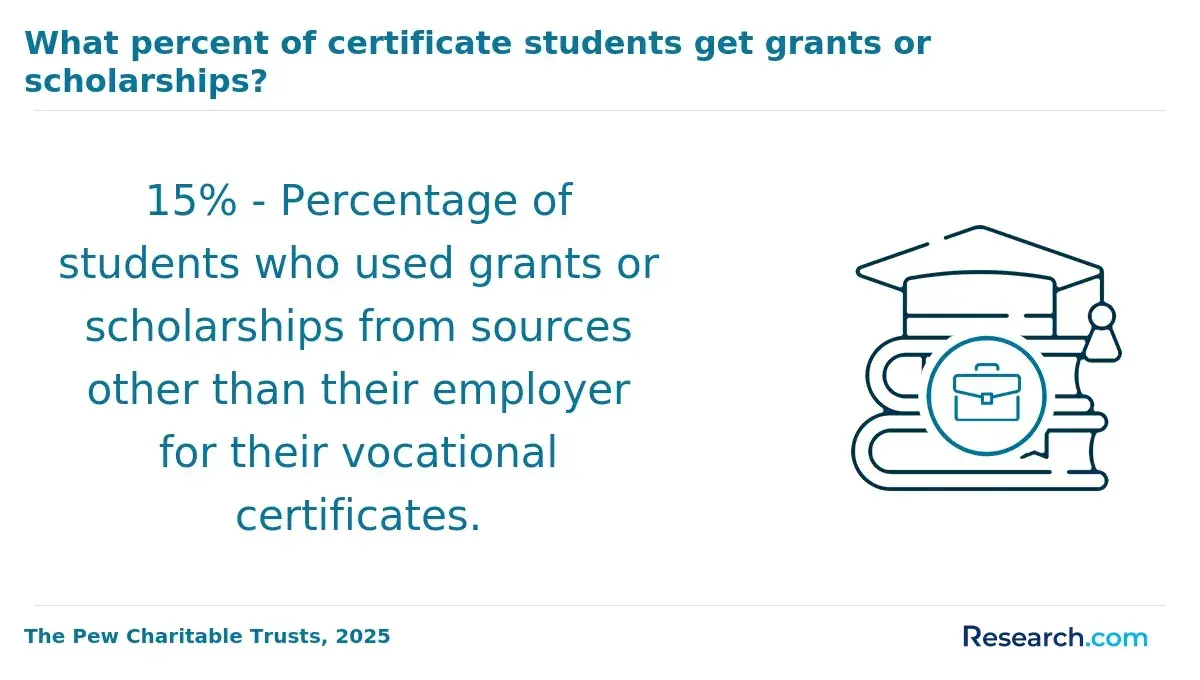
- Financial Aid and Net Price Variability: Applicants are encouraged to use institutional net price calculators and consider scholarship opportunities. According to the National Center for Education Statistics, graduate students receive on average $11,000 in annual financial aid, which may substantially lower overall costs.
- Comprehensive Cost Disclosures: It is advisable to request a full cost-of-attendance statement from each school, detailing tuition, fees, living expenses, and other potential charges before enrollment.
There has been a noticeable rise in private institutions offering accelerated online gerontology and aging master's degrees, increasing the diversity in pricing and emphasizing the need for careful financial planning.
A professional who pursued an online gerontology and aging master's degree to change careers shared that navigating the financial expectations was initially overwhelming. He emphasized the importance of transparent cost estimates, stating, "I underestimated the additional fees beyond tuition, especially the technology and exam costs."
However, he found that using net price calculators helped him anticipate aid opportunities, allowing him to budget realistically. Balancing the accelerated coursework with financial concerns felt challenging, but having a clear understanding of expenses "made the process less stressful and more manageable."
What Financial Aid and Scholarship Options Are Available for One-Year Gerontology and Aging Master's Students?
Graduate students in accelerated gerontology and aging master's programs often qualify for federal loans such as Direct Unsubsidized and Graduate PLUS loans. Some may also be eligible for Federal Work-Study, though opportunities can be limited due to condensed course timelines. Early submission of the FAFSA is crucial, as unique start dates in these one-year online gerontology and aging master's programs can impact aid disbursement schedules.
- Federal Financial Aid Eligibility: Students typically have access to federal graduate loans and, occasionally, work-study funding. To maximize aid options, submitting the FAFSA well ahead of program commencement is vital for timely access to funds.
- Merit-Based Scholarships: Numerous institutions provide scholarships geared towards academic or professional achievements linked to aging studies. These awards can significantly offset tuition but often require separate applications or recommendations.
- Departmental Fellowships: Some programs offer competitive fellowships featuring tuition remission or stipends. These often include responsibilities like research or teaching and provide essential financial support.
- Employer Tuition Reimbursement: Students employed in healthcare, social services, or aging-related sectors should investigate whether their employers offer tuition reimbursement, which can help cover part-time study costs.
- Scholarship Search Tools and Advising: Prospective students are encouraged to engage with program financial aid offices and use resources such as the College Board's Scholarship Search to discover additional funding aimed at accelerated gerontology and aging master's degrees and related fields like nursing, including the most affordable online nurse practitioner programs.
In 2024, about 62% of graduate applicants who completed the FAFSA received federal aid, highlighting the importance of timely application, especially for those in accelerated graduate programs.
What GPA, Prerequisites, and Professional Experience Do One-Year Gerontology and Aging Master's Programs Require?
Most accelerated one-year gerontology and aging master's programs require applicants to hold a minimum undergraduate GPA of approximately 3.0 on a 4.0 scale. Admissions reviews often consider the academic rigor and reputation of the applicant's previous school, allowing some flexibility for candidates with strong professional backgrounds.
Foundational coursework typically includes biology, psychology, sociology, and health sciences. When prerequisites are missing, schools often offer bridge courses or summer sessions to get students up to speed before fully enrolling.
- Minimum GPA Standards: Programs usually expect a GPA near 3.0 but assess transcripts contextually, balancing grades with the reputation of the undergraduate institution and applicants' work history.
- Prerequisite Courses: Key introductory courses in relevant fields are generally required. Candidates lacking these may need to complete additional classes, either before starting or during early stages of the program.
- Value of Professional Experience: Many schools emphasize work in healthcare, aging services, or social support, often waiving standardized tests to recognize practical expertise alongside academic credentials.
- Program Variability: Admissions standards differ widely across schools. Prospective students should carefully examine specific program requirements rather than assume uniform criteria, as some include interviews or personal statements focused on career goals.
- Recent Admissions Trends: Nearly 40% of aging master's programs have adopted holistic admissions approaches since 2020, considering leadership potential and professional accomplishments beyond traditional metrics.
When talking with a professional who completed an online master's in gerontology and aging, she noted that meeting GPA requirements felt intimidating, especially coming from a less well-known university. However, her extensive healthcare experience helped offset concerns during admissions. She appreciated that the program allowed her to complete missing prerequisites via summer courses, which reduced stress and prepared her thoroughly.
Reflecting on the process, she said, "The combination of my work background and the school's flexible approach made the application manageable, and ultimately, it helped me thrive in the accelerated format." This balance between academic standards and practical experience was crucial in her successful enrollment and progress.
Are GRE or GMAT Scores Still Required for Accelerated Online Gerontology and Aging Master's Admissions?
Many one-year online gerontology and aging master's programs have moved toward test-optional or test-free admissions, a shift largely influenced by the COVID-19 pandemic's disruption of standardized testing. This approach aims to expand access and reduce application barriers for a more diverse pool of candidates.
Nevertheless, certain programs still request GRE or GMAT scores, particularly if an applicant's undergraduate GPA is below the institution's threshold or when the admissions committee seeks additional academic evidence. Waivers are commonly offered for candidates with substantial relevant professional experience, prior graduate coursework, or other notable academic accomplishments.
Applicants are encouraged to emphasize a robust professional portfolio or work history in aging services, healthcare, or social work, which many programs accept as a meaningful alternative to standardized tests. Demonstrating applied expertise and dedication can significantly bolster an application.
Because admissions criteria can change regularly, prospective students should consult each program's official admissions webpage for the most accurate and up-to-date testing policies and waiver options.
- Test-Optional Admissions Policies: Post-pandemic, numerous accelerated gerontology and aging programs waive GRE or GMAT requirements to foster greater inclusivity and flexibility among applicants.
- When Test Scores Are Still Required: Programs may insist on test scores if an applicant's academic background does not meet minimum standards or to differentiate candidates in highly competitive applicant pools.
- Waivers Based on Experience: Relevant professional experience or specialized graduate coursework often qualifies candidates for exemptions from submitting standardized test scores, emphasizing practical skills over exam performance.
- Importance of Reviewing Policies: Admission requirements evolve frequently; verifying current test policies on each program's website is essential prior to applying.
- Recent Statistics: A recent survey found that over 60% of graduate health science programs no longer require GRE or GMAT scores, indicating a sustained trend toward test-optional admissions.
How Are Courses Structured and Delivered in a One-Year Online Gerontology and Aging Master's Program?
One-year online gerontology and aging master's programs commonly use a blend of synchronous and asynchronous delivery methods to balance interaction and flexibility. Synchronous sessions feature live lectures, discussions, or group projects scheduled weekly, fostering real-time engagement. Meanwhile, asynchronous materials allow students to study recorded lectures and complete assignments at their own pace, accommodating various time zones and personal commitments. .
Terms are typically compressed into 6 to 8 weeks with enrollment ranging from 9 to 12 credit hours per term. Students can expect to dedicate 20 to 30 hours weekly for coursework, including readings, discussions, essays, and exams. The condensed schedule requires effective time management and continuous participation to succeed in this rigorous format.
Capstone projects, practicums, or theses serve as critical components of these programs, often scheduled in the final term. These applied learning experiences enable students to demonstrate their mastery of gerontology and aging concepts through real-world applications. Practicums may involve partnerships with community agencies or virtual settings tailored for online learners.
- Accelerated Term Structure: Courses are condensed into 6-8 week sessions with 9-12 credits, demanding high weekly commitment to meet intensive coursework deadlines.
- Synchronous vs. Asynchronous Delivery: Programs combine live interactive classes with self-paced assignments to ensure both engagement and schedule flexibility for working professionals.
- Capstone and Practicum Integration: Applied projects typically conclude the curriculum, allowing students to integrate theory with professional practice within one year.
- Weekly Study Expectations: Students should anticipate 20-30 hours weekly managing varied assignments and participating in active discussions and group work.
- Trend in Accelerated Programs: Enrollment in accelerated gerontology master's programs increased by 15% nationwide between 2021 and 2023, reflecting demand for rapid career advancement.
What Core Curriculum and Specialization Tracks Are Covered in a One-Year Online Gerontology and Aging Master's Degree?
One-year online gerontology and aging master's curriculum tracks generally deliver a concentrated core of foundational courses designed to cover the biological, psychological, and social dimensions of aging. These programs integrate essential topics such as healthcare systems, policy analysis, and research methodologies critical to understanding aging processes. The condensed format requires students to engage in accelerated learning but maintains a rigorous academic standard comparable to traditional programs.
Specialization options in accelerated gerontology and aging programs allow students to focus on areas like clinical gerontology, aging services administration, geriatric healthcare, and community-based aging support. These tracks enable graduates to develop targeted competencies that improve career readiness in specialized fields, including leadership roles, policy development, and clinical assessment of older adults.
Compared to the standard two-year master's degrees, one-year programs compress coursework and practical experiences into a shorter timeline, which limits elective choices and reduces time for internships or research. Despite this, curriculum depth is preserved through updated course content that reflects current industry standards.
Many schools consult advisory boards composed of aging professionals and faculty experts to ensure academic rigor and relevance. For applicants exploring accelerated healthcare pathways, related options like fast-track LPN programs are also worth consideration within a broader career planning context.
- Core Curriculum Components: Includes biological, psychological, and social perspectives on aging, healthcare systems, policy analysis, and research methods foundational to advanced gerontology study.
- Specialization Tracks: Options such as clinical gerontology, aging services administration, and community support foster focused expertise and enhance tailored career opportunities.
- Accelerated vs. Traditional Formats: Accelerated programs compress standard content into a faster timeline, balancing depth with intensity but sometimes limiting elective and internship flexibility.
- Curriculum Updates and Industry Alignment: Frequent curriculum reviews by experts ensure content stays current with advances in gerontology research and professional practice standards.
How Do One-Year Online Gerontology and Aging Programs Balance Academic Rigor With Accelerated Completion?
One common concern about one-year online gerontology and aging master's programs is that their compressed timelines sacrifice academic rigor. However, evidence from learning outcome studies and employer surveys suggests these accelerated formats maintain or even enhance student mastery. Programs achieve this through carefully designed structures that support deep engagement despite shorter completion times.
Key academic strategies include cohort-based learning, block scheduling, and intensive modules. Cohort models help students progress together, fostering collaboration and peer accountability that support comprehension in condensed terms. Block scheduling divides the curriculum into focused segments, allowing students to dedicate concentrated effort without being overwhelmed.
Intensive modules concentrate on complex topics in shorter bursts, reinforcing understanding while maximizing efficiency. These features exemplify how accelerated gerontology and aging master's degree course structures differ positively from standard timelines.
Faculty qualifications remain vital for maintaining quality in accelerated programs. Instructors typically hold terminal degrees and possess professional experience in aging-related fields, ensuring authoritative and relevant instruction.
Comprehensive student support services, including personalized academic advising, tutoring tailored to specific coursework, and career coaching. Prospective students should also evaluate programs with active alumni networks and transparent job placement data, which provide practical measures of program effectiveness and real-world impact.
- Cohort-Based Learning: Students advance in consistent groups that promote peer support and accountability, which improve mastery despite time constraints.
- Intensive Block Scheduling: Focused course delivery in shorter intervals allows deeper engagement without cognitive overload.
- Qualified Faculty: Experienced instructors with advanced degrees and gerontology expertise guarantee a rigorous educational experience.
- Comprehensive Student Support: Services such as advising, tutoring, and career coaching help students navigate accelerated programs and prepare for career success.
- Outcome Transparency: Programs sharing employment statistics and fostering active alumni communities demonstrate academic quality and career relevance.
Costs and financial aid options for accelerated programs can vary widely, so prospective students should review tuition structures carefully. Additionally, investigating admission standards such as GPA requirements, prerequisite coursework, and relevant professional experience is important.
For those comparing studies or considering related fields, it is helpful to explore resources about medical billing and coding online schools, which sometimes offer financial aid guidance applicable across healthcare education.
What Technology Tools and Software Skills Are Students Expected to Learn in an Online Gerontology and Aging Master's Program?
Students pursuing one-year online gerontology and aging master's degrees gain proficiency in essential technological and analytical tools vital for research and professional practice. A reliable computer with updated operating systems, high-speed internet (typically 25 Mbps or above), and the ability to install specialized software are basic prerequisites before enrollment. Some programs provide free or discounted licenses for key platforms, alleviating the cost burden on students.
- Statistical Software Proficiency: Mastery of SPSS, SAS, or R equips students to handle complex datasets, perform advanced statistical analyses, and interpret findings critically-skills highly regarded by research organizations and healthcare employers.
- Qualitative Analysis Tools: Platforms like NVivo facilitate coding and thematic examination of qualitative data, essential for exploring the experiences of older adults and developing tailored care strategies.
- Health Informatics Systems: Familiarity with electronic health records and data visualization tools prepares students for roles in clinical environments and public health, enhancing their competitiveness in long-term care sectors.
- Remote Collaboration Software: Proficiency with Zoom, Microsoft Teams, and learning management systems such as Blackboard or Canvas supports effective online learning and virtual teamwork in accelerated programs.
- Data Privacy and Security Knowledge: Understanding HIPAA compliance and data protection technologies is crucial for safeguarding sensitive health information while working with aging populations.
Recent data show that over 70% of gerontology employers prioritize candidates with demonstrated technical competencies alongside academic achievements.
Can Students Pursue a One-Year Online Gerontology and Aging Master's Degree While Working Full-Time?
Completing a one-year online gerontology and aging master's degree typically involves earning 30 to 36 credits within 12 months, requiring about 20 to 30 weekly hours dedicated to coursework, including lectures, assignments, and exam preparation. Working students often adopt time-blocking to allocate consistent study periods daily, rely on asynchronous classes for flexibility, and benefit from employer policies like flexible hours or remote work options.
Institutional surveys suggest that 40-50% of students enrolled in accelerated gerontology and aging programs balance full-time employment alongside their studies. Prospective students should consult admissions offices to clarify workload expectations, scheduling formats, and available support. Key questions to consider include:
- Weekly Time Commitment: Ask for an average breakdown of hours per week needed for coursework, including live sessions and independent study.
- Course Scheduling: Determine if classes are offered asynchronously or require fixed attendance to manage personal and work obligations.
- Employer Support Resources: Inquire whether the program provides tools or documentation to facilitate employer understanding and accommodation.
- Peak Workload Periods: Learn about assignment pacing and if workload peaks at certain times, impacting work-life balance.
- Academic Assistance: Explore tutoring, advising, or tech support offered to help meet the challenges of accelerated formats.
What Graduates Say About Their One-Year Online Gerontology and Aging Master's Degree Program
- Julius: "Choosing to pursue an online gerontology and aging master's degree was a pivotal decision for me, as I wanted to switch careers from corporate management to healthcare. The flexible schedule and lower cost compared to traditional programs made it a practical option without compromising quality. Since graduating, I've gained meaningful roles in community eldercare services, which truly align with my passion for helping older adults."
- Nathan: "Reflecting on my experience, the biggest draw of the online gerontology and aging program was how it allowed me to continue working full-time while enhancing my expertise. The affordable tuition was a huge relief, especially since I funded my education independently. Professionally, the degree opened doors to leadership positions in aging research, where I now contribute to innovative policy development."
- Lahari: "From a professional standpoint, completing an online master's in gerontology and aging has been invaluable in advancing my career in social services. I appreciated how the program's cost was reasonable, which made it easier to commit without financial strain. The comprehensive curriculum deepened my understanding of aging populations, enabling me to design more effective programs tailored to seniors' needs."
Other Things You Should Know About Gerontology and Aging Degrees
Graduates of 2027 one-year online gerontology and aging master's programs typically find roles in healthcare, senior care management, and policy advising. The accelerated format equips them with essential skills in elder care, policy analysis, and program management, often leading to competitive roles with comparable salaries to traditional degree holders.
Employer perception of one-year online gerontology and aging master's degrees has generally improved, especially as online education gains acceptance. Many employers value the focused curriculum and demonstrated ability to manage an intensive schedule. However, some traditional or academic employers may still prefer degrees from longer, on-campus programs, particularly if accreditation differs or the online program lacks a well-established reputation.
To enroll, candidates typically need a bachelor's degree in a related field like health sciences, along with a minimum GPA set by the institution. Some programs may require relevant work experience or completion of prerequisite courses specific to aging studies.
References
- Online Applied Gerontology Degree to Improve Older Adult Care https://online.brenau.edu/resources/article/quality-of-life-for-older-adults/
- Aging Studies Scholarships and Financial Assistance https://hss.mnsu.edu/academic-programs/aging-studies/scholarships-and-financial-assistance/
- MSc Gerontology and Global Ageing (Online) | Find a course | University of Stirling https://www.stir.ac.uk/courses/pg-taught/gerontology-global-ageing-online/
- Online Bachelor's Degree: Gerontology & Aging Services https://www.umgc.edu/online-degrees/bachelors/gerontology-aging-services
- Course List https://www.idea.edu/programs/curriculum/gerontology/masters-degree
- Gerontology https://www.bircham.edu/gerontology.html
- Scholarships & Grants - Gerontology Program https://gerontology.charlotte.edu/scholarships/
- Online Gerontology Degrees: Compare Schools & Get Program Info https://www.edumed.org/online-schools/gerontology-degrees/
- Gerontology careers: What can you do with a master’s degree? | University of Idaho https://www.uidaho.edu/newsroom/gerontology-degree-careers
- Master of Nursing with a specialization in Aging (Nursing) https://www.ualberta.ca/en/graduate-programs/master-of-nursing-with-a-specialization-in-aging-nursing.html


