2027 One-Year Online Materials Science & Engineering Master's Degree Programs: Accelerated Options, Costs & Outcomes

Co-Founder and Chief Data Scientist
Many professionals with unrelated undergraduate degrees face the challenge of entering the materials science & engineering field quickly without sacrificing quality or flexibility. The growing demand for skilled engineers in industries such as aerospace and electronics requires accelerated education solutions.
However, navigating online master's programs can be confusing, especially when considering cost, duration, and career outcomes. Recent data shows that 45% of online materials science & engineering master's students complete degrees within 18 months, reflecting a trend toward faster, flexible learning paths. This article explores one-year online programs, their costs, and employment prospects to guide informed decisions.
Key Things to Know About One-Year Online Materials Science & Engineering Master's Degree Programs
- Online materials science & engineering master's programs offer working professionals flexible schedules, enabling them to balance employment while advancing technical expertise in under a year.
- Accelerated formats reduce time-to-degree by up to 50%, allowing recent graduates and career changers to quickly acquire specialized skills needed for evolving industry demands.
- International applicants gain access to diverse global networks through virtual collaboration, broadening professional connections and enhancing cross-cultural opportunities in materials science & engineering fields.
What Exactly Is a One-Year Online Materials Science & Engineering Master's Degree Program, and How Does It Differ from a Standard Graduate Format?
A one-year online materials science & engineering master's program structure compresses a graduate curriculum into three to four consecutive terms within a single calendar year, significantly accelerating the educational timeline compared to traditional two-year programs. This accelerated format demands heavier course loads each term and often includes summer sessions, requiring students to maintain strong time-management skills and commitment.
Notable institutions offering these programs include Northeastern University, the University of Southern California's Viterbi School of Engineering, and the University of Florida, all of which combine rigorous academics with practical, project-based learning. Unlike part-time or evening formats that extend over several years with lighter semester loads, the one-year online master's allows students to quickly deepen their expertise and return to the workforce faster.
The approach is especially suited for those with a solid undergraduate background in engineering or related fields who seek rapid career advancement or a change in professional direction. Applicants should carefully assess admissions standards such as GPA requirements, prerequisite coursework, and relevant professional experience.
The curriculum's depth, accreditation by recognized bodies, and the academic rigor of an intensified pace all contribute to maintaining quality comparable to longer programs. Graduates often experience strong employment outcomes, improved salary trajectories, and better professional advancement opportunities. Prospective students might also explore related advanced options, such as PhD programs, to continue their education.
- Accelerated Coursework Intensity: Students face an increased number of classes per term compared to traditional programs, with minimal breaks between semesters, requiring exceptional time management and dedication.
- Condensed Semester Scheduling: The program runs consecutively through shortened terms, including summer, to complete all requirements within 12 months.
- Ideal Candidates: Full-time professionals, recent graduates aiming for fast re-entry into the workforce, and career changers seeking quick specialization benefit most from this format.
- Comparable Academic Rigor: Workload and project expectations match those of longer degree options, ensuring rigorous training aligned with industry and research standards.
- Program Examples: Northeastern University, University of Southern California, and University of Florida offer exemplar accelerated online master's programs.
Which Accredited Universities Currently Offer Legitimate One-Year Online Materials Science & Engineering Master's Programs?
When exploring accredited one-year online materials science and engineering master's programs, regional accreditation is critical. Regionally accredited universities are preferred as they guarantee academic rigor and broad recognition by employers and institutions, unlike national accreditation, which is often associated with for-profit schools.
For materials science and engineering graduates, earning a degree from a regionally accredited institution enhances career opportunities and qualifications for advanced certifications. Programmatic accreditation also plays a role, with the Accreditation Board for Engineering and Technology (ABET) being a leading authority specific to engineering disciplines. Although ABET primarily accredits undergraduate programs, its standards influence graduate curriculum quality.
Other accrediting bodies, such as AACSB or CAHME, focus on business or healthcare management, generally not relevant to materials science and engineering degrees. Prospective students can rely on trusted databases like Peterson's or the U.S. Department of Education's College Navigator to identify legitimate accelerated materials science and engineering master's degrees with proper accreditation.
- University of Southern California (West Region): Offers a one-year online master's in materials science & engineering, aligned with ABET standards. Tuition is approximately $60,000.
- Virginia Tech (East Region): Provides a one-year online master's focused on practical applications with an approximate cost of $25,000 for in-state students.
- University of Illinois Urbana-Champaign (Midwest Region): Features an accelerated online program focusing on nanomaterials, costing about $40,000 in tuition.
- Texas A&M University (South Region): Offers a fast-paced, one-year online master's emphasizing metallurgy and polymers for around $30,000.
- Oregon State University (Pacific Northwest Region): Provides a one-year online master's program centered on sustainability and materials innovation, with tuition near $35,000.
These accredited one-year online materials science and engineering master's programs balance rigorous curriculum within compressed schedules. Admission criteria often include a strong GPA, prerequisite coursework, and relevant professional experience. Prospective students can explore financial aid options and detailed tuition structures through university websites or consult resources on online certificates for additional educational pathways.
How Much Does a One-Year Online Materials Science & Engineering Master's Program Typically Cost in Tuition and Fees?
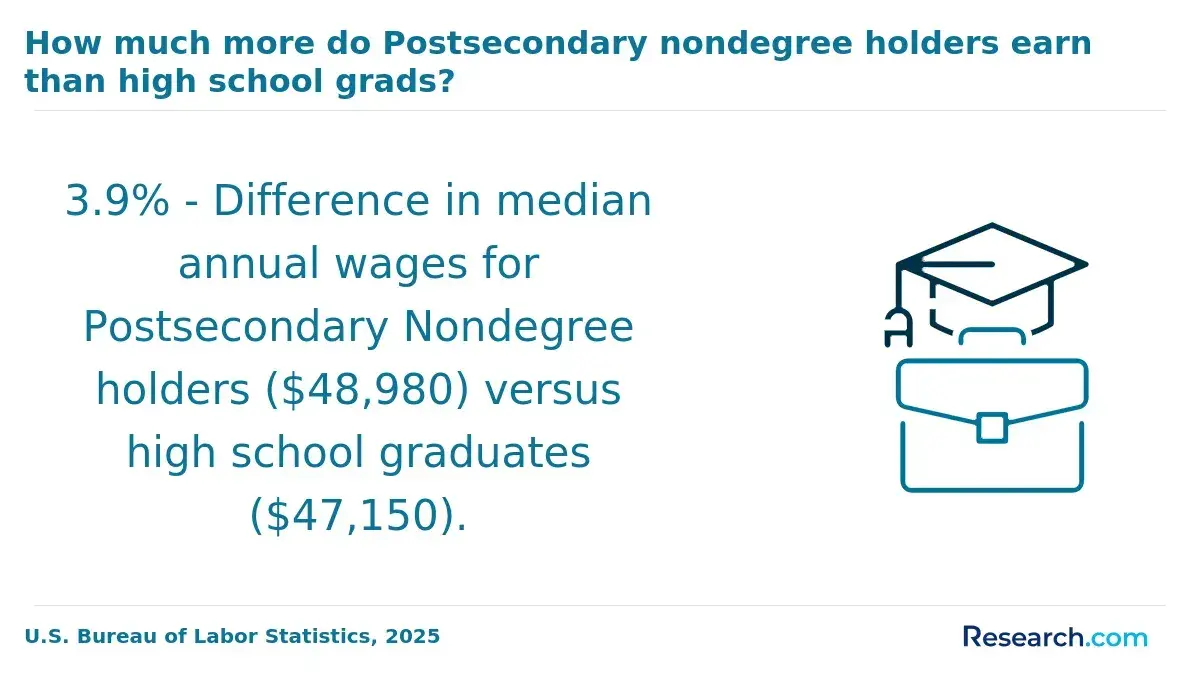
Tuition for a one-year online materials science & engineering master's program varies widely by institution type. Public universities generally charge between $15,000 and $30,000 for the full degree, with in-state residents paying approximately $500 to $1,500 per credit hour.
Out-of-state students typically face nearly double these rates. Private universities often set a flat tuition rate ranging from $30,000 to over $50,000, usually without in-state discounts but occasionally offering greater financial aid options.
Recent data show a rise in universities offering comprehensive online calculators that help students budget for accelerated degrees more accurately.
- Tuition Variation by Institution Type: Public institutions charge differential tuition based on residency, making costs lower for in-state students. Private schools maintain uniform tuition fees regardless of residency status, which can result in higher overall expenses.
- Technology and Course Materials Fees: Additional mandatory fees cover digital learning platforms and specialized software, generally amounting to $200-$1,000 annually. Course materials like textbooks or licenses may add several hundred dollars beyond tuition.
- Proctoring and Exam Fees: Remote testing services often require extra charges between $50 and $150 per exam. Some programs include these expenses within tuition, but it's essential to verify this ahead of enrollment.
- Residency or In-Person Requirements: Accelerated programs occasionally require brief campus visits or lab work, which can incur travel and lodging costs ranging from a few hundred to several thousand dollars, depending on location.
- Cost Transparency and Financial Planning: The National Center for Education Statistics highlights that many students underestimate total expenses. It's highly recommended to request a complete cost-of-attendance statement from prospective schools, encompassing tuition, fees, and any additional living costs.
A professional who enrolled in an online materials science & engineering master's program to facilitate a career shift shared that navigating unexpected fees was initially stressful. "I budgeted for tuition but didn't realize how much additional costs like proctoring fees and required travel for lab sessions would add up," he explained.
The process involved carefully reviewing each school's detailed cost disclosures and talking with financial aid advisors to avoid surprises. Despite the challenges, he noted that the investment was worthwhile, helping him transition smoothly into a new industry with confidence.
What Financial Aid and Scholarship Options Are Available for One-Year Materials Science & Engineering Master's Students?
Graduate students in accelerated one-year online materials science & engineering master's programs remain eligible for federal financial aid, including loans and, at times, work-study opportunities. The Free Application for Federal Student Aid (FAFSA) must be completed early, as the compressed program start dates influence aid awarding and disbursement timing. Awareness of this is essential for managing finances in fast-paced curricula.
- Federal Loans and Work-Study: Despite the shortened timeline, graduate applicants can access federal loans and limited work-study options; however, loan limits and payment schedules may differ from traditional programs due to accelerated pacing.
- Merit-Based Scholarships: Many universities award scholarships based on academic merit or research experience specific to materials science & engineering students, which often require separate submissions and help defray tuition costs substantially.
- Departmental Fellowships and Assistantships: Fellowships and teaching or research assistantships may cover tuition partially or fully and sometimes provide stipends. Availability varies, so contacting departmental offices is highly recommended.
- Employer Tuition Reimbursement: For working professionals, employer tuition assistance remains a valuable resource, often enabling cost-effective enrollment while maintaining employment.
- Scholarship Search and Financial Aid Consultation: Utilizing tools such as the College Board's Scholarship Search and consulting with financial aid offices can uncover additional funding sources tailored to one-year online materials science & engineering master's students.
According to the National Center for Education Statistics, more than 85% of graduate students benefit from some form of financial aid. Prospective students should leverage all available options to ease expenses during an accelerated master's study. Exploring pathways like the online clinical mental health counseling financial aid models may also offer insights into flexible funding approaches applicable in technical fields.
What GPA, Prerequisites, and Professional Experience Do One-Year Materials Science & Engineering Master's Programs Require?
Most one-year online materials science & engineering master's programs expect applicants to hold a minimum undergraduate GPA of about 3.0 on a 4.0 scale. However, admissions committees typically consider grade context, evaluating the reputation of the prior institution and the challenge level of completed coursework rather than rigid cutoffs.
Foundational courses in calculus, physics, chemistry, and introductory materials science or engineering are usually prerequisites. Candidates lacking these may need to finish them either before starting or concurrently with the program to keep pace with advanced classes.
- Minimum GPA Requirements: A 3.0 GPA is a common benchmark, yet schools often review transcripts holistically, factoring in institutional differences and academic rigor.
- Essential Coursework: Calculus, general physics, chemistry, and basic materials science concepts form the standard prerequisite foundation that supports mastery of graduate material.
- Professional Experience Impact: Relevant industry or research experience can enhance eligibility, especially at programs that waive GRE requirements; practical skills may help offset lesser academic metrics.
- Variability Among Programs: Admission criteria differ widely; some programs emphasize research capacity while others prioritize real-world experience, so applicants should consult each program's admissions page thoroughly.
- Admissions Trends: Over 60% of accelerated STEM master's degrees now accept candidates without GRE scores when applicants demonstrate strong professional backgrounds or higher GPAs.
A professional who completed an online materials science & engineering master's shared that balancing prerequisite gaps and professional life was challenging yet rewarding. She remarked that "navigating missing coursework alongside a full-time job required careful planning, but the program's flexibility made it manageable."
Her prior work experience in labs and internships strengthened her application and supported grasping complex topics during the accelerated timeline. "The admissions team's openness to holistic review helped me see that my nontraditional background was a strength, not a setback."
Are GRE or GMAT Scores Still Required for Accelerated Online Materials Science & Engineering Master's Admissions?
Admissions for accelerated online Materials Science & Engineering master's programs have shifted significantly, with many schools embracing test-optional or test-free policies since the pandemic. These updated approaches prioritize a holistic review that weighs undergraduate performance, relevant work experience, and career achievements more heavily than GRE or GMAT scores.
However, some programs still require standardized tests, particularly when applicants have weaker academic records or limited experience. Waivers are commonly offered to candidates who demonstrate strong academics, possess advanced degrees, or have substantial industry experience.
A robust professional portfolio or extensive work history in Materials Science & Engineering can often replace standardized test requirements. This reflects the growing emphasis on practical expertise and problem-solving skills necessary for success in accelerated, fully online formats.
Because admissions criteria vary widely and may change frequently, applicants should carefully check each program's official admissions webpage for the latest requirements before applying.
- Test-Optional Policies: Many programs have reduced reliance on GRE/GMAT scores to broaden access and adapt to pandemic conditions.
- Testing Exceptions and Waivers: Some institutions still request test scores if academic credentials or work experience are insufficient but offer waivers for proven professional accomplishments or prior graduate studies.
- Portfolio as a Substitute: Demonstrated expertise in Materials Science & Engineering or related fields is increasingly accepted in place of exams, highlighting applied skills over standardized testing.
- Frequent Policy Changes: Admissions standards evolve often; reviewing each program's current policies is vital to ensure accurate application preparation.
- Statistical Insight: A recent survey found that over 65% of online STEM master's programs have adopted test-optional admissions, indicating a lasting shift away from traditional exam requirements.
How Are Courses Structured and Delivered in a One-Year Online Materials Science & Engineering Master's Program?
One-year online Materials Science & Engineering master's programs employ a mix of synchronous and asynchronous learning methods to balance real-time engagement with flexible study schedules. This hybrid approach supports accelerated formats by allowing students to attend live lectures and discussions while accessing recorded content to fit their individual pacing.
- Synchronous vs Asynchronous Learning: Accelerated programs often include live sessions for immediate interaction, feedback, and networking opportunities, alongside asynchronous materials like recorded lectures and assignments that students can complete at their convenience within deadlines, accommodating diverse schedules.
- Compressed Semester Structure: To complete the curriculum in one year, students typically enroll in 12 to 15 credit hours per term, with terms shortened to 8-12 weeks instead of the usual 15. This entails studying over 20 hours weekly, covering extensive readings, labs, and project work.
- Assignment Cadence and Workload: Weekly quizzes, problem sets, and lab reports are scheduled tightly to reinforce fast-paced learning. Virtual collaboration tools facilitate group projects, simulating real-world teamwork crucial in Materials Science & Engineering careers.
- Capstone Projects and Practicums: These programs culminate with capstone projects, practicums, or research theses that apply theoretical knowledge practically. Careful time management is essential as students balance these significant projects alongside ongoing coursework within the one-year timeframe.
- Recent Trends in Online Delivery: A recent National Center for Education Statistics report found that over 65% of online graduate engineering students prefer hybrid synchronous/asynchronous formats, reflecting a growing demand for interactive yet flexible accelerated programs.
What Core Curriculum and Specialization Tracks Are Covered in a One-Year Online Materials Science & Engineering Master's Degree?
One-year online materials science & engineering master's degree programs feature a rigorous core curriculum designed to build foundational knowledge efficiently. Typical core courses cover physical metallurgy, thermodynamics of materials, electronic properties, and materials characterization techniques. These courses establish a comprehensive understanding of how material structures correlate with their properties and performance.
Accelerated materials science & engineering specialization tracks online offer focused expertise tailored to specific career goals. Popular tracks include biomaterials, nanotechnology, electronic materials, and polymers. Selecting a specialization allows students to deepen their skills in niche subfields, enhancing readiness for roles in research, development, or industry-specific sectors like aerospace or biomedical engineering.
Compared to traditional two-year programs, these accelerated one-year formats compress coursework and reduce electives to maintain academic rigor while demanding a fast-paced learning commitment. The curriculum depth remains intact, though students navigate a more intensive schedule with limited breaks, requiring strong time management.
Reputable programs regularly update their curricula in collaboration with faculty, industry professionals, and alumni advisory boards. This continuous review ensures alignment with evolving materials science & engineering industry standards, covering emerging technologies, sustainability, and manufacturing challenges to keep learning relevant and graduates competitive.
- Core Curriculum Foundations: Covers essential topics like metallurgy, thermodynamics, and materials characterization to establish a comprehensive understanding of material properties and behaviors.
- Specialization Tracks: Options such as biomaterials and nanotechnology provide focused expertise that prepares students for niche areas within the broader materials science & engineering field.
- Accelerated Curriculum Structure: Condenses two years of study into one, preserving academic rigor while requiring an intensive, fast-paced learning commitment.
- Industry-Relevant Curriculum Updates: Ensures course offerings stay current through continuous review, meeting the demands of modern materials science challenges and employer expectations.
Prospective students should carefully evaluate tuition structures, financial aid options, and total costs associated with accelerated materials science & engineering master's programs. For those comparing disciplines, understanding 'how much does a master's in psychology cost' can provide a useful perspective on graduate education expenses and financing strategies.
How Do One-Year Online Materials Science & Engineering Programs Balance Academic Rigor With Accelerated Completion?
One-year online Materials Science & Engineering master's program academic rigor remains strong despite concerns about compressed timelines. Studies of learning outcomes and employer surveys reveal that programs incorporating strategic design elements maintain high standards.
These accelerated materials science & engineering master's degree completion strategies rely on cohort models, block scheduling, and intensive modules to ensure mastery of material within a shorter duration. Cohort models create a collaborative atmosphere where students progress together, fostering consistent pacing and peer support. Block scheduling divides courses into focused timeframes that help students concentrate on key topics without distraction. Intensive modules further condense essential content into immersive sessions.
Faculty qualifications significantly contribute to academic rigor. Instructors typically hold advanced degrees and have active research or professional experience in Materials Science & Engineering. Complementing teaching, comprehensive student support such as academic advising, tutoring, and career coaching helps students manage the accelerated pace effectively.
- Cohort-Based Learning: Groups of students advance through the curriculum together, encouraging steady engagement and mutual support vital for mastering complex subjects within an accelerated format.
- Block Scheduling and Intensive Modules: Focused course blocks enhance concentration and depth, ensuring quality content delivery without extending program length.
- Qualified Faculty: Experienced instructors maintain rigorous academic standards through their deep expertise and ongoing involvement in materials science research.
- Comprehensive Support Services: Tutoring, advising, and career resources provide essential assistance to help students succeed in demanding accelerated settings.
- Alumni and Placement Data: Established networks and transparent employment outcomes demonstrate program effectiveness and graduate readiness for professional roles.
Prospective students seeking accelerated Materials Science & Engineering programs should also review tuition structures and financial aid options carefully, as cost-of-attendance varies significantly. Admissions standards often include GPA minimums, prerequisite coursework, and relevant professional experience to ensure preparedness for the intense academic environment.
Accreditation status remains a critical factor for quality assurance and future career prospects. Employment rates, salary growth, and professional advancement data from graduates of these programs further reflect their value. For those interested in exploring comparative costs and options, reviewing top data science programs can provide useful insights into related accelerated graduate education opportunities.
What Technology Tools and Software Skills Are Students Expected to Learn in an Online Materials Science & Engineering Master's Program?
One-year materials science & engineering master's programs emphasize mastery of specialized software essential for industry demands. Students develop skills in simulation, data analysis, and material characterization tools, enabling them to handle complex material behaviors and innovate effectively in fast-paced sectors.
- Simulation and Modeling Software: Programs often focus on platforms like ANSYS, COMSOL Multiphysics, and Materials Studio, which allow students to perform detailed finite element and molecular dynamics analyses critical for research and development.
- Data Analysis and Programming Tools: MATLAB and Python proficiency is commonly taught to manage large datasets and create bespoke algorithms, skills highly sought after by employers for driving automation and enhancing material insights.
- Characterization and Imaging Software: Software used with scanning electron microscopy (SEM) and X-ray diffraction is vital for understanding material structures. Many courses provide virtual labs or software licenses to ensure hands-on training remotely.
- Technical and Connectivity Requirements: Students typically need a computer with at least 16GB of RAM and a multi-core processor alongside reliable high-speed internet to efficiently run simulation software and participate in online collaboration.
- Access to Licensed Software: Leading programs often include free or discounted access to industry-standard software suites, reducing financial hurdles and aligning education with professional standards.
Recent industry data show that approximately 75% of materials science employers prioritize applicants with proven skills in simulation and data analytics tools, emphasizing the critical role these proficiencies play in accelerated master's programs.
Can Students Pursue a One-Year Online Materials Science & Engineering Master's Degree While Working Full-Time?
One-year online materials science & engineering master's programs typically require completing 30 to 36 credit hours within a year, demanding about 20-30 hours of study weekly, depending on course load. For instance, a 9-credit term can involve 18-27 hours per week dedicated to lectures, assignments, and projects. Many students working full-time employ time-blocking techniques, setting specific study periods around their job schedule to maintain efficiency.
Employer flexibility with adjusted or remote work hours often plays a critical role in helping students balance their responsibilities. Additionally, the asynchronous nature of many accelerated programs allows learners to access coursework on their own schedules, reducing conflicts with professional commitments.
Data from institutions offering accelerated STEM master's degrees indicate that 40-50% of enrollees continue full-time employment during their studies. Prospective students should inquire about workload and flexibility before beginning their program.
- Expected Weekly Workload: Understand the average hours per credit or course to gauge weekly study demands and plan effectively.
- Course Format Flexibility: Ask about the mix of asynchronous versus synchronous sessions and flexibility in exam scheduling to accommodate working schedules.
- Support Services for Professionals: Investigate resources like academic advising tailored to students balancing careers alongside their studies.
- Employer Partnerships: Explore whether the program collaborates with companies to provide accommodations or support for employed students.
- Impact of Accelerated Pacing: Consider how the compressed timeline influences opportunities for research, internships, or deeper academic engagement.
What Graduates Say About Their One-Year Online Materials Science & Engineering Master's Degree Program
- Leah: "Choosing an online materials science & engineering master's degree was a game-changer for me as I was looking to pivot from a purely mechanical background into new, advanced materials sectors. The flexibility allowed me to maintain my full-time job without sacrificing the quality of education. I was pleasantly surprised by how cost-effective the program was compared to traditional on-campus options, making this career transition more accessible than I anticipated."
- Aditi: "Reflecting on my journey, the online materials science & engineering program offered an invaluable blend of rigorous coursework and practical applications tailored for working professionals. The affordability was a critical factor for me since I was funding the degree independently, and it didn't compromise the depth of knowledge I gained. Ultimately, this degree opened doors to leadership roles in materials innovation that I hadn't thought possible before."
- Candice: "Professionally, pursuing an online materials science & engineering degree was the strategic move that set me apart in a competitive job market. I appreciated how the program's structure allowed me to apply what I learned directly to my projects in real time, which accelerated my career growth. The tuition was reasonable, especially considering the return on investment and the advanced skills I developed throughout the course."
Other Things You Should Know About Materials Science & Engineering Degrees
Most one-year online materials science & engineering master's programs require between 30 and 36 credit hours to complete. These programs condense coursework that normally spans two years into an accelerated format, often involving intensive study and full-time enrollment. The credits usually cover advanced topics in materials characterization, processing, and design, along with electives tailored to specific industry needs.
Graduates of one-year online materials science & engineering master's degrees often see a salary increase ranging from 10% to 25%, depending on their prior experience and industry sector. The degree can accelerate career progression by qualifying holders for specialized roles in research, development, and quality control within industries like aerospace, automotive, and biotechnology. Employers value the up-to-date technical knowledge and problem-solving skills that graduates demonstrate.
Students should evaluate the program's accreditation, industry connections, and flexibility to ensure it aligns with their career goals. Additionally, understanding the technological requirements and self-motivation needed for online learning can help ensure a successful academic experience.
References
- I work full-time. Can I pursue a master’s degree? https://gradadm.seas.upenn.edu/faqs/i-work-full-time-can-i-pursue-a-masters-degree/
- 38 master Scholarships in material science https://www.applykite.com/search/scholarships/master/all/material-science
- Materials Science and Engineering https://psl.eu/en/education/master-s-degree-materials-science-and-engineering
- Online Engineering Master's Programs No GRE or GMAT Required https://www.onlineengineeringprograms.com/faq/no-gre-online-engineering-programs
- Is it possible to complete a Master's degree while working full-time? https://academia.stackexchange.com/questions/142827/is-it-possible-to-complete-a-masters-degree-while-working-full-time
- ABET Materials Science and Engineering https://www.iit.edu/engineering/about/abet-accreditation/materials-science-and-engineering
- Tuition & Financial Aid https://online.seas.upenn.edu/degrees/tuition-financial-aid/
- Master’s in Materials Science Online https://www.wpi.edu/academics/online/study/material-science-ms
- AI Application in Material Science and Engineering | EIT Deep Tech Talent Initiative https://www.eitdeeptechtalent.eu/courses/ai-application-in-material-science-and-engineering/
- Which Programming Languages Should You Learn for a Career in Materials Science? https://materialssciencejobs.co.uk/career-advice/which-programming-languages-should-you-learn-for-a-career-in-materials-science-