
2027 Return on Investment (ROI) of an Addiction Psychology Degree Program

Co-Founder and Chief Data Scientist
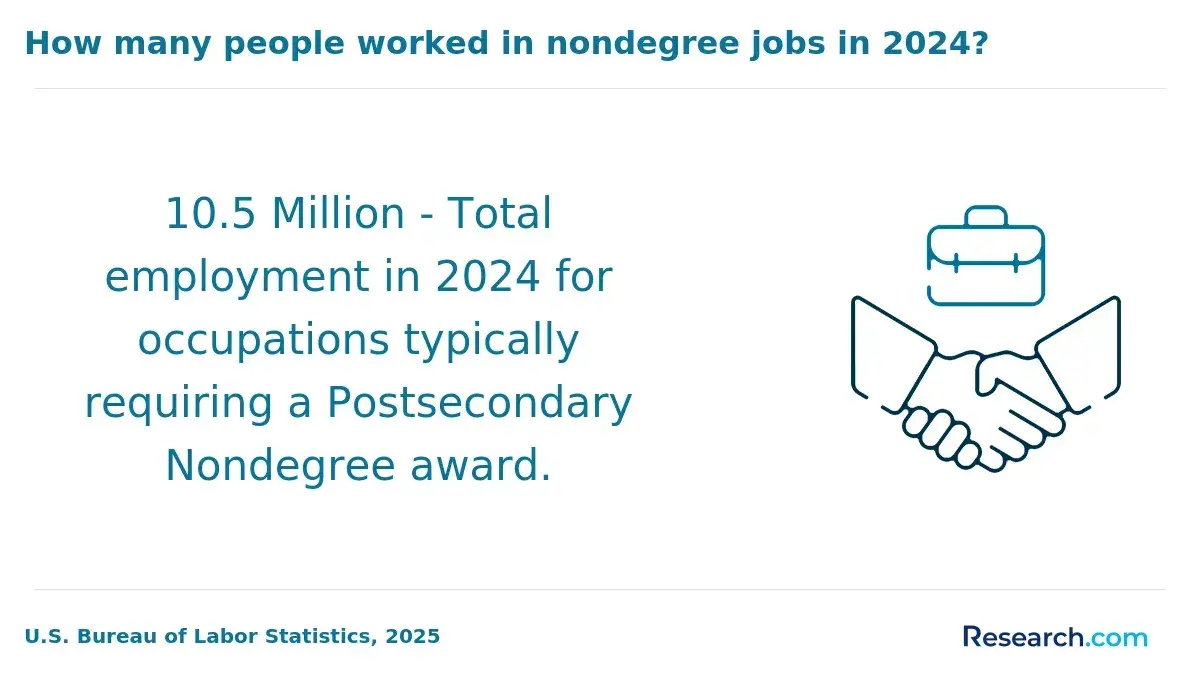
Many individuals pursuing a degree in addiction psychology face uncertainty about whether the investment will lead to stable employment and financial growth. With the U. S. Bureau of Labor Statistics projecting a 23% growth in substance abuse counselors' employment from 2022 to 2032, demand for addiction psychology professionals is increasing rapidly. However, costs and time commitments remain concerns.
This article explores the return on investment of addiction psychology degree programs, analyzing job prospects, salary expectations, and education expenses to help prospective students make informed decisions about their career and financial future.
Key Things to Know About Addiction Psychology Degree ROI
- Graduates of addiction psychology programs often see a median salary increase of 15-20% compared to related social work fields, reflecting improved earning potential.
- Career advancement opportunities include licensure as clinical counselors, boosting job stability in healthcare and rehabilitation sectors with 8% projected growth through 2030.
- The degree provides flexibility to work in diverse settings such as hospitals, schools, and community agencies, supporting sustained long-term salary growth.
How Is ROI Calculated for a Addiction Psychology Degree Program?
Return on investment (ROI) in higher education quantifies the financial benefit a student gains compared to the time and cost invested in earning a degree. For those considering addiction psychology, ROI helps evaluate if the career opportunities and salary prospects justify the overall educational expenses.
Several essential factors influence the calculation of ROI for an addiction psychology degree program, including:
- Tuition and Fees: These are the direct costs, covering tuition, textbooks, and supplies. Higher expenses increase the initial financial outlay that a student's future earnings must offset.
- Opportunity Cost: Time spent studying is time not spent working for pay. Estimating lost wages during the program helps reveal the full financial commitment involved in pursuing this degree.
- Time to Completion: The program's duration affects when students can enter the workforce or advance in their careers, impacting the timeline for realizing financial returns.
- Post-Graduation Salary: Expected earnings after graduation are a critical ROI factor. Higher salaries enable quicker recovery of educational investments and improved lifetime income.
- Career Advancement and Long-Term Earnings: The potential for promotions and wage increases over a professional lifetime also shapes the overall financial benefit of the degree.
Careful calculation of ROI for addiction psychology degree programs requires balancing the cost versus salary outcomes to ensure a worthwhile investment. Prospective students often compare this with alternative paths, including accelerated options like edd online programs, to optimize time and cost efficiencies.
How Much Does a Addiction Psychology Degree Program Cost?
Calculating the full expenses of an addiction psychology degree is vital to accurately assess its return on investment, especially as graduate tuition and fees have risen substantially, with average student debt nearing $66,000. These financial considerations play a crucial role in determining whether the degree's benefits justify the costs involved.
Several significant expenses shape the overall cost and ROI of this advanced degree:
- Tuition and fees: This is the primary financial burden, varying greatly depending on whether the program is delivered online or in person, as well as the type of institution. Costs can fluctuate widely, impacting budget planning.
- Books and materials: Though typically less costly than tuition, expenses for textbooks, software licenses, and certification fees accumulate over the course of the program and should not be overlooked.
- Living or relocation expenses: Students often need to factor in housing, transportation, and daily expenses, particularly if study requires moving to a new city or region.
- Opportunity cost: Time commitment often means lost wages or reduced working hours, affecting immediate income and the ability to save while studying.
- Hidden or indirect costs: Application fees, health insurance, background checks, and travel required for clinical placements contribute to the total investment but may be underestimated initially.
A graduate I spoke with shared that, beyond the expected expenses, managing the sometimes unpredictable costs of internships and certification processes was a major challenge. He explained, "Balancing part-time work while covering unexpected expenses like background check renewals and licensing exams really stretched my budget." He also mentioned the emotional toll of juggling these financial pressures with academic demands, emphasizing that careful financial planning and flexibility are crucial for anyone pursuing this degree.
What Financial Aid Is Available for Addiction Psychology Degree Programs?
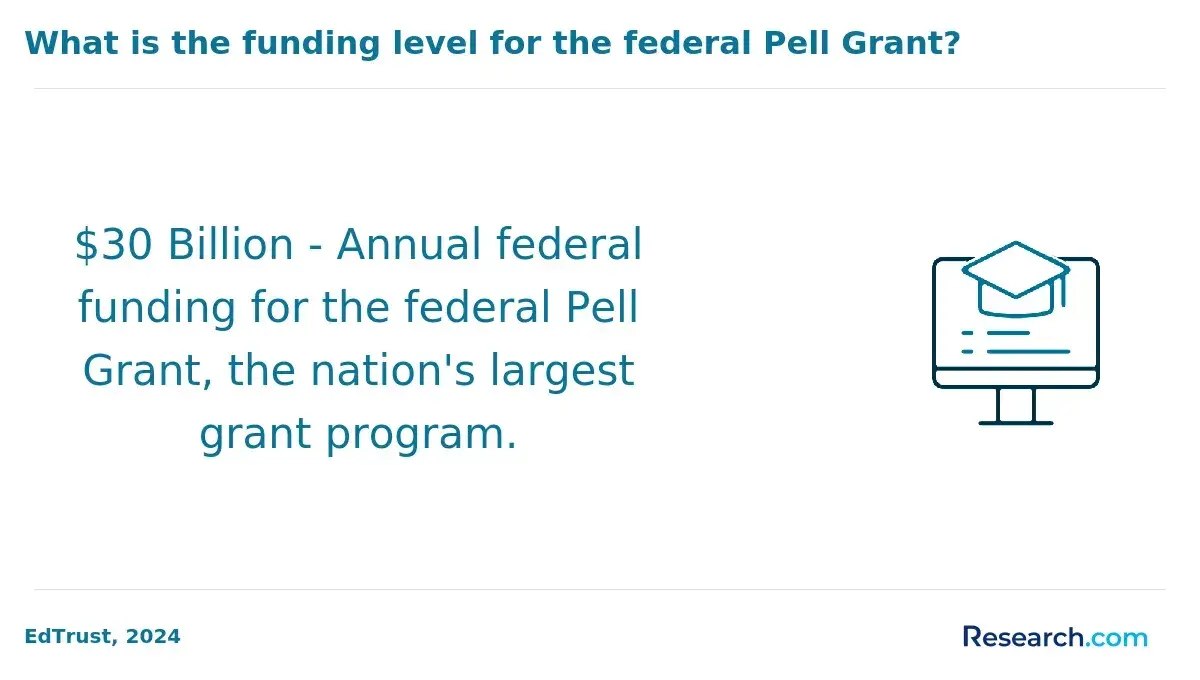
Financial aid substantially reduces initial expenses in addiction psychology degree programs, enhancing long-term return on investment by lowering student debt. Approximately 85% of graduate students depend on financial support to afford their education, underscoring its importance in managing costs effectively.
Below are several common types of financial aid that can impact total educational costs and future repayment burdens:
- Scholarships: These awards do not require repayment and directly cut tuition fees, minimizing the need to borrow and improving net financial outcomes after completing the degree.
- Grants: Usually awarded based on financial need, grants decrease out-of-pocket expenses, reducing loan amounts and thereby enhancing overall ROI.
- Fellowships: Designed for graduate students involved in research or clinical activities, fellowships provide financial stipends or cover tuition costs, offsetting expenses without increasing debt.
- Employer Tuition Assistance: Employees may receive funding from their workplaces that covers some or all tuition expenses, effectively lowering personal education costs and associated debt.
- Federal Loans: Offering lower interest rates and more flexible repayment options than private loans, these loans can make borrowing manageable, though they still influence ROI through eventual debt repayment.
How Long Does It Take to Complete a Addiction Psychology Degree?
The time invested in completing an addiction psychology degree directly impacts its return on investment by influencing opportunity costs, the timing of income generation, and overall educational expenses. Longer study periods delay workforce entry and increase financial burden, while shorter programs help students start earning sooner and reduce costs. Several factors affect how long it takes to finish this degree, shaping its ultimate financial value.
Key elements that influence duration and ROI include:
- Enrollment status: Full-time students often finish more quickly, but part-time enrollment allows simultaneous employment, providing an income stream during studies even though the program takes longer.
- Program format: Online or accelerated courses can streamline completion by offering flexibility and faster-paced curricula, helping reduce total time and expenses.
- Transfer credits: Previous relevant coursework can shorten the degree timeline and cut tuition costs, improving ROI by decreasing time spent in school.
- Practical requirements: Internships and thesis projects are integral but can extend program length depending on their complexity and time demands.
- Scheduling flexibility: Evening or weekend classes support working professionals by allowing income retention, which can offset the financial impact of longer completion periods.
When I spoke with a graduate of an addiction psychology degree about her experience, she shared that balancing fast-track academic demands with life responsibilities was challenging but rewarding. She explained, "Completing my master's in about three years meant juggling weekend classes and an intense internship, which was exhausting at times." Yet, she emphasized that this approach allowed her to maintain a part-time job, easing financial stress. She reflected, "I realized that it wasn't just about finishing quickly but making sure I absorbed the material and gained hands-on experience." This careful balance ultimately helped her enter the field confident and prepared, demonstrating that time to completion is deeply personal and linked to individual goals and circumstances.
Is ROI Higher for Online or On-Campus Addiction Psychology Programs?
The ROI of addiction psychology degree programs varies significantly depending on whether the program is online or on-campus, driven by differences in cost, flexibility, and career outcomes. With more than 40% of graduate students now enrolling in online formats, this mode of delivery reflects the increasing acceptance and accessibility of remote learning options.
Here are some key points that highlight these differences:
- Tuition and fees: Online addiction psychology degree ROI often benefits from lower tuition rates compared to on-campus programs, although some online programs may charge technology or resource fees that slightly increase costs.
- Opportunity cost: Online formats typically enable students to balance work and study more easily. This flexibility reduces income loss during the program and improves overall financial outcomes.
- Time to completion: Many online programs offer accelerated or customizable pacing, allowing students to finish their degree faster than traditional schedules often permit.
- Networking and career services: On-campus programs generally provide stronger face-to-face networking opportunities and immediate access to career support resources, which can be critical when launching a career.
- Employer perception and earnings: Although some employers still prefer on-campus degrees, the gap is narrowing as the quality and recognition of online education improve, which can impact long-term earning potential positively.
Prospective students interested in maximizing their ROI through flexibility and speed may find resources such as the fastest online psychology degree programs useful when exploring options tailored to their schedules and career goals.
When comparing on-campus addiction psychology program value with online alternatives, potential students should weigh these factors carefully to align their investment with personal circumstances and professional objectives.
What Is the Average Salary After Earning a Addiction Psychology Degree?
Post-graduation salary is a key driver of return on investment (ROI) for those pursuing an addiction psychology degree, as higher earnings accelerate recouping education costs. The average salary after earning an addiction psychology degree typically falls between $45,000 and $75,000 annually, which significantly impacts the financial value of the degree.
Several factors influence typical earnings with addiction psychology degree and therefore affect overall ROI:
- Industry: Professionals employed in healthcare settings or private practice often receive higher salaries compared to those working in nonprofit organizations or community services, which may offer lower pay but different benefits.
- Geographic location: Urban areas or regions with strong demand for mental health services tend to provide increased salaries, making location an important consideration for maximizing ROI.
- Prior experience: Candidates with clinical or counseling backgrounds before or during their degree frequently command better starting salaries, positively affecting their financial returns.
- Specialization: Expertise in focused areas such as adolescent addiction or dual diagnosis can open higher-paying opportunities in the addiction psychology field.
- Career level: Entry-level positions provide lower pay, while advanced roles involving supervision or specialized clinical responsibilities generally offer increased earnings.
Prospective students evaluating financial commitments might also explore affordable online mft programs to complement their addiction psychology education and broaden career options.
Does a Addiction Psychology Degree Lead to Promotions?
Promotions significantly enhance the return on investment (ROI) of a addiction psychology degree by providing salary increases, expanded responsibilities, and greater career mobility. These benefits collectively improve both the financial and professional outcomes for degree holders.
A notable workforce trend is the growing emphasis on credential-based promotions in healthcare and social services. Employers increasingly require advanced degrees or certifications for leadership positions, making a addiction psychology degree a strategic asset for career advancement.
Key ways a addiction psychology degree may influence promotion prospects and ROI include:
- Credential Requirements: Many supervisory and management roles demand formal qualifications. Holding a addiction psychology degree meets these prerequisites, making candidates eligible for higher-level positions.
- Leadership Preparation: The degree equips students with foundational knowledge essential for specialized clinical roles and leadership tasks, which employers highly value when promoting staff.
- Employer Tuition Support: Some organizations offer tuition reimbursement programs, reducing the net cost of the degree and improving overall ROI for students pursuing career advancement.
- Internal Promotion Policies: Companies may prioritize employees with relevant degrees during promotions, making education a critical factor alongside work experience.
- Combination of Experience and Education: A addiction psychology degree strengthens the professional profile, helping candidates compete more effectively for roles that require both practical experience and formal education.
For working professionals and career changers evaluating the practical value of investing in this field, understanding these promotion pathways is essential. This degree aligns well with evolving industry demands for credentials, especially in competitive healthcare roles. Prospective students should also consider fields listed among the majors that make the most money when comparing potential returns.
Ultimately, a addiction psychology degree can play a vital role in supporting career advancement and improving the financial benefits of one's educational investment, especially in environments focused on promotions with addiction psychology qualifications.
Which Industries Offer the Best ROI for Addiction Psychology Graduates?
Return on investment (ROI) for addiction psychology graduates varies by industry due to differences in salary levels, opportunities for career advancement, and the demand for specialized skills. These factors collectively influence the long-term financial and professional benefits graduates can achieve. Considering the top industries for addiction psychology degree ROI helps identify the best career paths for addiction psychology graduates.
Several industries typically offer strong ROI for those with an addiction psychology degree:
- Healthcare: This sector offers high compensation growth and promotion potential, with clear pathways to advanced clinical and administrative roles. Demand for addiction specialists remains steady as healthcare systems integrate behavioral health services.
- Behavioral health organizations: These organizations utilize specialized skills and provide job stability through both public and private programs, offering consistent employment and opportunities to advance.
- Government/public health: Providing stable employment with comprehensive benefits, this sector values addiction psychology expertise for public programs focusing on prevention and rehabilitation.
- Social services/nonprofits: Though salaries may be moderate, these roles offer steady job demand and meaningful impact by addressing addiction issues in communities directly.
- Pharmaceutical and research sectors: These industries offer specialized roles that leverage addiction psychology knowledge for developing treatment methods, often providing competitive salaries and opportunities to contribute to innovative solutions.
Students and professionals evaluating degree options should also consider related best online certificate programs to enhance their qualifications and improve career prospects in these sectors.
Does Accreditation Affect ROI for a Addiction Psychology Degree?
Accreditation in addiction psychology degree programs signifies that a curriculum and faculty meet rigorous standards set by recognized accrediting agencies. This validation ensures the program maintains quality education aligned with professional requirements, which significantly impacts return on investment (ROI). Programs with accreditation tend to be favored by employers, who increasingly seek graduates from these recognized programs for addiction counseling roles. Additionally, accreditation often serves as a prerequisite for licensure, which is necessary to practice professionally in many states and substantially affects earning potential and career stability.
Beyond immediate job prospects, accreditation offers long-term financial and career benefits. Accredited programs typically allow students access to federal and state financial aid, helping reduce education costs. Credits earned are more easily transferable between institutions, providing students with greater flexibility to continue education or pivot specialties. Moreover, employer trust tied to accreditation can translate into better salary offers and enhanced career mobility across different roles and locations. Meeting licensure eligibility requirements through an accredited program also supports ongoing professional advancement in addiction psychology.
Is a Addiction Psychology Degree Worth It?
Financial and career factors shape the return on investment (ROI) of an addiction psychology degree, with costs and duration of study playing significant roles. Programs generally require two to four years, which can postpone income generation during this time. Graduates, such as mental health counselors specializing in addiction, report median annual earnings near $48,000, with opportunities for salary increases in specialized or leadership positions. Employment prospects in this field are expected to grow at a rate exceeding the average, reflecting rising demand for addiction treatment professionals.
The value of an addiction psychology degree varies based on individual circumstances. Online or part-time program options help reduce lost wages by enabling students to work while enrolled, and financial aid availability can lower upfront expenses. Those aiming for clinical licenses or administrative roles may see stronger returns due to increased earning potential. However, weighing the overall cost and time commitment against alternative psychology careers remains important, especially when considering personal goals and evolving industry demand.
What Graduates Say About The ROI of Their Addiction Psychology Degree
- Marjorie: "Choosing to pursue an addiction psychology degree as a traditional student was a calculated investment in my future. Even though the average cost hovered around $25,000, I viewed it as a worthwhile expense given the strong demand for qualified professionals in this field. Since graduating, the degree has opened doors to impactful roles in clinical settings where I can truly make a difference."
- Ezra: "I opted for an online addiction psychology program because balancing work and study was essential for me. The tuition was slightly more affordable than traditional routes, which made the financial commitment less daunting. Reflecting back, the long-term ROI is clear-this degree has significantly enhanced my credibility and career advancement opportunities."
- Helen: "As a part-time student, I grappled with the cost of addiction psychology studies, which typically averages around $20,000 to $25,000, but I knew the professional growth would outweigh these expenses. Completing the program has not only elevated my expertise but also expanded my network within the addiction treatment community, proving the investment to be valuable and practical."
Other Things You Should Know About Addiction Psychology Degrees
Experience significantly impacts the ROI for addiction psychology degree holders in 2027. As professionals gain more experience, they can qualify for higher-paying positions, enhancing their earnings potential. This increased income generally translates to a higher ROI over time, as the initial educational expenses are offset by greater financial returns.
Yes, geographic location influences the ROI of an addiction psychology degree. Areas with higher demand for mental health services, such as urban centers or states with significant substance abuse issues, typically offer better salaries and job availability. Conversely, rural areas might have fewer opportunities or lower pay, affecting the overall return.
In 2027, graduates with a degree in Addiction Psychology can expect roles such as substance abuse counselor, addiction specialist, or behavioral health therapist. These positions are found in settings like rehab centers, outpatient clinics, and hospitals, contributing directly to the program's ROI.
References
- 35 Best Bachelor’s Programs in Addiction Counseling https://addiction-counselor.org/degrees/bachelors/
- How to Find Financial Aid for Psychology School | All Psychology Schools https://www.allpsychologyschools.com/financial-aid/
- The 23 Highest Paying Jobs with a Psychology Master's Degree - Psych Degree Starter https://psychdegreestarter.com/resources/highest-paying-jobs-with-psychology-masters/
- The Benefits of a Psychology Degree https://www.onlineu.com/magazine/benefits-of-psychology-degree
- Careers https://www.stcloudstate.edu/programs/addictions-counseling/careers.aspx
- Online Psychology Degrees: Programs, Costs & Career Paths https://careersinpsychology.org/online-psychology-degrees/
- Raising the Bar: The Impact of Accreditation on Psychology Training | SoMAP - The Society of Modern Applied Psychology https://thesomap.org/raising-the-bar-the-impact-of-accreditation-on-psychology-training/
- What Do Substance Abuse & Addictions Counselors Do? https://www.psychology.org/careers/substance-abuse-addiction-counseling/
- Is an Addiction Counseling Degree Worth It? Real ROI by State https://www.addiction-counselors.com/blog/is-addiction-counseling-degree-worth-it-roi-analysis/
- How to Become an Addiction Counselor [A Complete Guide] https://beal.edu/how-to-become-an-addiction-counselor/


