
2027 Addiction Psychology Degree Levels Explained: Bachelor's vs Master's vs Doctorate

Co-Founder and Chief Data Scientist
Many individuals seeking a career in addiction psychology face uncertainty about which degree level aligns with their goals. For example, a bachelor's degree may open entry-level positions, but limited advancement opportunities could stall growth. Current data reveals the addiction psychology field is projected to grow 22% from 2020 to 2030, emphasizing rising demand for qualified professionals. Understanding the distinctions between bachelor's, master's, and doctorate degrees is crucial for navigating job prospects and specialization paths. This article explains these degree levels to help prospective students and professionals make informed decisions aligned with their career ambitions and long-term success.
Key Things to Know About Addiction Psychology Degree Levels
- Bachelor's degrees provide foundational knowledge and entry-level skills, master's deepen specialization and research capabilities, while doctorates emphasize advanced theory, clinical expertise, and original research contributions.
- Bachelor's graduates often enter supportive roles; master's holders qualify for counseling and supervisory positions, whereas doctorate holders access leadership, policy-making, and academic career pathways.
- Completion time varies: bachelor's typically 4 years, master's 1-3 years additional, doctorates require 4-7 years post-bachelor's, incurring progressively higher tuition and living expenses.
How Are Addiction Psychology Degree Levels Structured Academically?
Knowing the academic structure of addiction psychology degree levels helps students choose the program best suited to their career goals and experience. Each level varies in curriculum design, scope, and learning outcomes, which influences the depth of knowledge and professional preparation. Consider these key academic distinctions across degree levels:
- Coursework Intensity: Bachelor's programs offer foundational coursework covering basic addiction studies and general psychology, suitable for entry-level roles. Master's degrees present advanced theories and clinical assessment with more rigorous demands. Doctorate programs focus on specialized, cutting-edge topics requiring extensive study.
- Research Requirements: At the bachelor's level, research involvement is minimal or introductory. Master's students typically complete significant research projects or theses. Doctoral candidates engage in original, in-depth dissertation work that contributes new knowledge to the field.
- Academic Rigor Progression: Programs evolve from introducing core concepts to applying advanced clinical practices and finally to producing original research and leadership in addiction psychology.
- Independent Study Expectations: Bachelor's students usually follow structured lectures. Master's candidates gain experience through clinical practicums and supervised research. Doctoral students undertake extensive independent inquiry and self-directed learning.
When evaluating programs, prospective students should also explore related fields such as online speech pathology programs to consider interdisciplinary opportunities. This overview highlights the academic curriculum differences in addiction psychology degree levels important for aligning education with long-term career advancement.
What Do You Learn in a Bachelor's Degree in Addiction Psychology?
A bachelor's degree in addiction psychology lays a strong foundation for those seeking entry-level roles or planning advanced study in the field. It equips students with essential knowledge and skills through a carefully structured curriculum. The following points highlight key learning components typically covered in a bachelor's degree curriculum in addiction psychology.
- Core Coursework: Students study a range of subjects including psychology fundamentals, human development, and abnormal behavior, with specialized courses in counseling techniques, addiction assessment, and neurobiological effects of substances.
- General Education: Broad-based education in areas such as communication, ethics, and critical thinking supports the development of well-rounded professionals prepared to navigate complex healthcare environments.
- Experiential Learning: Practical experience through supervised internships or fieldwork is integral, allowing students to apply theoretical knowledge, interact with patients, and refine treatment planning skills.
- Skill Development: The program emphasizes cultivating essential competencies such as patient communication, clinical reasoning, and research methods, preparing graduates for diverse addiction treatment settings.
- Career and Graduate Preparation: Beyond immediate workforce readiness, the degree serves as a gateway to advanced study, enhancing critical thinking and providing a foundation for master's or doctoral programs in addiction psychology or related fields.
Students interested in expanding their expertise might also consider pursuing an accredited online business degree to complement their addiction psychology background with managerial skills applicable to healthcare or social services organizations.
What Specializations Are Available in a Addiction Psychology Master's Degree?
Specialization options in master's programs play a crucial role by helping students tailor their studies to fit particular career objectives, industries, or skill sets within addiction psychology. These focused areas enable learners to develop expertise aligned with their professional ambitions, whether in hands-on practice, advocacy, or research.
- Clinical Treatment: Concentrates on therapeutic methods, diagnosis, and client care, often covering behavioral interventions, pharmacology, and ethical considerations. Graduates typically pursue roles as clinical therapists or counselors.
- Counseling: Focuses on support techniques for individuals and groups affected by addiction, emphasizing motivational interviewing and relapse prevention skills, suitable for careers in direct client support and group facilitation.
- Neuropsychology: Examines brain functions related to addictive behavior by integrating neuroscience with psychological assessment, preparing students for research or clinical positions specializing in brain-behavior relationships.
- Prevention and Education: Involves creating and executing programs to reduce substance abuse risk within communities, leading to roles in public health, education, and outreach initiatives.
- Research Methodologies: Develops capabilities in experimental design, data analysis, and program evaluation, equipping students for research analyst or policy development roles focused on addiction science.
What Types of Doctoral Degrees Exist in Addiction Psychology?
Choosing the right doctoral degree in addiction psychology shapes your career path, licensing potentials, and skills development. Recent data from 2022 indicate that over 60% of psychology doctoral candidates pursuing clinical work opt for professional doctorates, while research-oriented doctorates represent approximately 35% of graduates. Below are the primary types of doctoral degrees in this field:
- Professional Doctorates: These degrees, such as the PsyD, concentrate on clinical practice. Students gain hands-on experience with therapy, substance use disorder assessment, and treatment. Their coursework emphasizes applied methods and supervised internships to prepare for licensure and direct patient care.
- Research-Focused Doctorates: Typically PhDs, these programs prioritize advancing scientific understanding of addiction. Candidates engage in in-depth research, complete dissertations, and study psychological theories extensively. Graduates often pursue roles in academia, research institutions, or policymaking.
- Specialized Interdisciplinary Tracks: These programs combine addiction psychology with fields like public health, social work, or neuroscience. They cater to those interested in multifaceted approaches addressing addiction through prevention, community outreach, or healthcare administration.
When asked about his experience, a graduate of a doctorate addiction psychology program described the journey as both demanding and rewarding. He recalled feeling overwhelmed by balancing rigorous coursework with research obligations but found that developing close mentorship relationships helped manage the pressure. He also emphasized the importance of adaptability, as the program challenged him to integrate diverse perspectives and practical skills. Reflecting on his path, he noted that the challenges ultimately deepened his commitment and prepared him well for the complexities of working in the field.
What Are the Admission Requirements for Each Addiction Psychology Degree Level?
Knowing the admission criteria for various addiction psychology degree levels is vital for students and professionals deciding which program best matches their qualifications and career aims. These requirements differ widely among bachelor's, master's, and doctoral programs, impacting application preparation and success.
Bachelor's
- Educational Background: A high school diploma or its equivalent is required, often alongside a GPA of about 2.5 to 3.0, depending on the program's selectivity.
- Standardized Tests: SAT or ACT scores may be requested but are not universally mandatory and vary by school policy.
- Coursework Prerequisites: Minimal prerequisite classes usually focus on general education rather than specific addiction psychology content.
- Additional Materials: Personal statements or essays might be optional but can enhance the application.
Master's
- Undergraduate Degree: Applicants need a completed bachelor's, typically in psychology or a related field, with a GPA near or above 3.0.
- Recommendation Letters: Strong references from academic or professional sources are often required to demonstrate readiness for advanced study.
- Statement of Purpose: A clear essay outlining career goals, relevant experience, and motivation to pursue addiction psychology is usually asked for.
- Relevant Coursework and Experience: Prior courses in behavioral sciences and counseling experience can strengthen the application.
Doctorate
- Prior Degree and GPA: Holding a master's degree with a higher GPA threshold (commonly 3.5 or above) is standard for eligibility.
- Recommendations and Research Proposal: Multiple letters of recommendation plus a research proposal or writing sample highlighting academic and clinical competency are essential.
- Professional Experience: Demonstrated background in clinical or addiction psychology work is often necessary to meet program expectations.
- Prerequisite Coursework: Formal classes related to clinical psychology or addiction studies are typically required before admission.
How Long Does Each Addiction Psychology Degree Level Take to Complete?
Completion times for addiction psychology degrees typically vary: about four years for a bachelor's, two to three additional years for a master's, and four to seven years for doctoral studies. Knowing these timeframes helps prospective students align education plans with their career objectives. The National Center for Education Statistics notes that the average bachelor's degree completion time is approximately 5.1 years, reflecting real-world factors like part-time study and course load changes. Several important elements can impact how long it takes to finish each program, including:
- Enrollment Status: Full-time students generally finish faster, while part-time attendance extends the duration due to fewer courses per term.
- Credit Transfer: Previously earned credits from other programs or institutions can shorten degree completion by fulfilling some requirements early.
- Prior Experience: Relevant work or coursework may reduce study time by allowing waivers or testing out of certain classes.
- Program Format: Online, hybrid, or in-person structures influence scheduling flexibility, which can speed up or slow down progress.
- Additional Requirements: Thesis options, clinical practicums, or research involvement may add time but provide valuable hands-on experience for future careers.
A graduate of an online master's degree program in addiction psychology shared her experience with the duration question. She mentioned that balancing work, family, and coursework was both challenging and rewarding. "The flexibility of the online format allowed me to manage my time, but the rigorous clinical assignments required careful planning," she explained. She found that although the program officially needed about three years, her personal commitment and occasional course overloads helped her finish sooner than expected. Reflecting on her journey, she said, "Timing varies a lot, but staying organized and motivated made it possible to overcome obstacles and complete the degree within my goals." This insight highlights how individual circumstances greatly shape the time needed to earn addiction psychology credentials.
How Much Does Each Addiction Psychology Degree Level Cost?
Examining the total cost of an addiction psychology degree at each level helps prospective students compare programs effectively and plan their finances. Below is an overview of typical costs and factors affecting tuition and fees across degree levels.
- Bachelor's Degree: Tuition per credit typically ranges from $200 to $600, with total program costs between $20,000 and $60,000 for 120 to 130 credits. Mandatory fees and expenses for textbooks or technology can add several hundred dollars annually. Part-time study may extend payment periods but usually retains similar per-credit expenses.
- Master's Degree: Tuition generally falls between $400 and $1,000 per credit, with total costs from $15,000 to $45,000 for 30 to 60 credits. Additional fees such as practicum or licensing exam expenses may increase the financial commitment. Full-time enrollment shortens program duration, while part-time options provide flexibility but risk higher cumulative costs. Average tuition and financial aid for addiction psychology degrees at this level should be carefully reviewed.
- Doctoral Degree: These are often the most expensive, with tuition per credit ranging from $600 up to $1,200. Total expenses may reach $40,000 to $100,000 or more, depending on course requirements and research-related fees. Extended completion times, especially for part-time students balancing work and study, can substantially raise overall costs.
Prospective students may also want to explore related fields and options by reviewing marriage and family therapy online programs accredited to understand alternative pathways and financial planning strategies in behavioral health education.
What Financial Aid Options Are Available for Addiction Psychology Degrees?
Financial aid plays a critical role in making bachelor's, master's, or doctoral addiction psychology programs more affordable and accessible. Approximately 85% of full-time undergraduate students received some form of financial aid in the 2020-21 academic year, reflecting how essential these resources are for many pursuing higher education. Below is an overview of key financial aid programs for addiction psychology degrees.
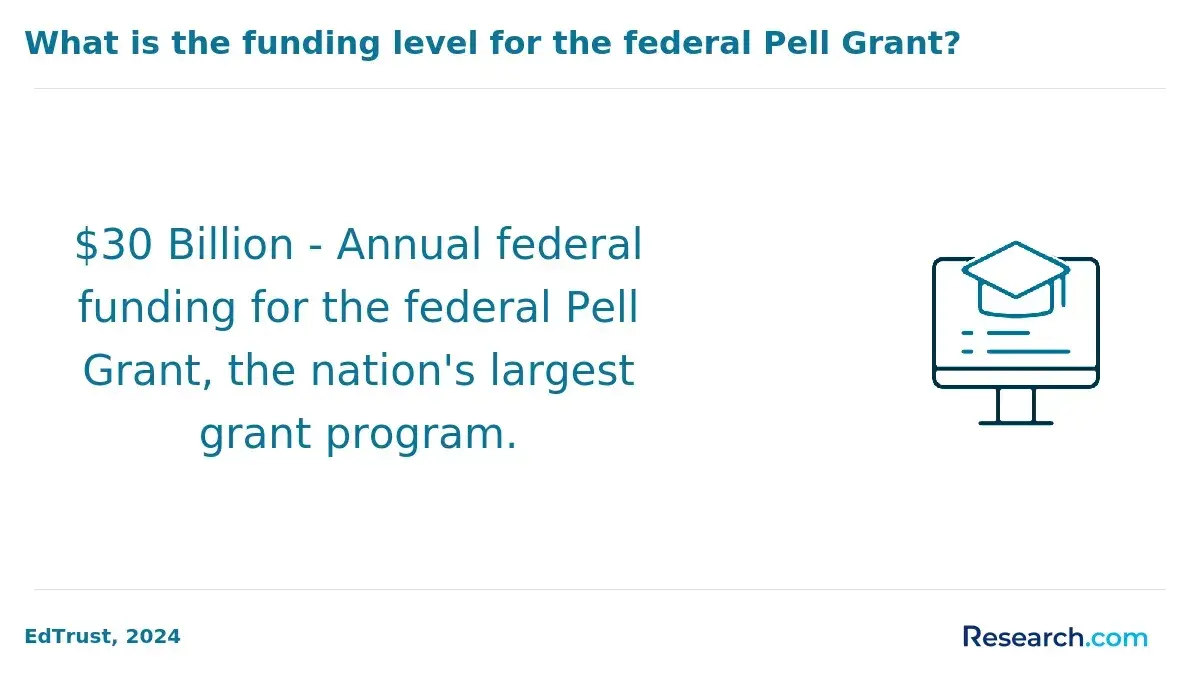
- Grants: These are funds based on financial need that typically do not require repayment, such as the Pell Grant. Grants help reduce the overall cost burden, making it easier for students to focus on their studies.
- Scholarships: Often merit-based or targeted toward psychology and healthcare fields, scholarships offer direct financial support without repayment obligations. They are competitive but provide valuable relief for students at all degree levels.
- Federal Loans: These loans usually have lower interest rates and flexible repayment options compared to private loans. They help bridge funding gaps while allowing students to manage debt responsibly after graduation.
- Private Loans: Available when federal aid is insufficient, private loans usually come with higher interest rates and stricter borrowing terms, so careful consideration is important.
- Work-Study Programs: These programs enable students to earn money through part-time jobs related to their field of study, allowing practical experience alongside financial support.
- Employer Tuition Assistance: Particularly beneficial for working professionals pursuing graduate degrees, some employers offer tuition reimbursement or assistance to encourage further education.
- Military Education Benefits: Active duty members, veterans, and eligible family members may access tuition support through various military education programs, providing significant financial aid.
Prospective students evaluating addiction psychology financial aid options should explore all these avenues to reduce long-term debt and maximize funding. Those comparing degree paths may also consider field earnings potential, such as data available on highest paying college majors, to align their academic investment with career goals.
What Careers Are Available at Each Addiction Psychology Degree Level?
Career opportunities in addiction psychology grow as students advance through degree levels. Recognizing these options helps students plan their education and professional path effectively.
Bachelor's
- Case Manager: Entry-level role focused on coordinating client care and support services within addiction treatment settings. It offers critical hands-on experience working directly with individuals facing substance use challenges.
- Behavioral Health Technician: Assists licensed professionals by monitoring patient behavior and supporting therapeutic activities. This position lays the groundwork for understanding clinical operations in addiction psychology.
- Substance Abuse Counselor Assistant: Supports licensed counselors by facilitating outreach efforts and helping implement treatment plans, often serving as a stepping stone toward advanced roles.
Master's
- Licensed Addiction Counselor: Provides direct therapeutic services, including counseling and developing individualized care plans. Licensure typically required, enabling deeper clinical involvement.
- Clinical Social Worker: Specializes in addiction treatment through comprehensive mental health support and advocacy, often coordinating intervention programs.
- Program Coordinator: Oversees addiction treatment initiatives and assists in research efforts to evaluate program effectiveness and improve patient outcomes.
Doctorate
- Clinical Psychologist: Offers specialized addiction treatment using advanced clinical methods and evidence-based practices, often in private or institutional settings.
- University Faculty: Engages in teaching, mentoring, and conducting significant research to shape future professionals in the addiction psychology field.
- Policy Advisor: Influences public health strategies and treatment protocols through research and leadership in addiction-focused organizations or government agencies.
Those comparing addiction psychology degree careers by education level may also consider augmenting their credentials with online certificate programs to enhance specialized skills and job prospects.
How Do Salaries Compare Among Bachelor's vs Master's vs Doctorate Addiction Psychology Graduates?
Salary expectations play a significant role in choosing between bachelor's, master's, and doctorate degrees in addiction psychology, as they reflect varying levels of responsibility, expertise, and career progression. Below is a comparison of typical salary ranges for graduates at each educational level.
- Bachelor's Degree: Graduates with a bachelor's in addiction psychology generally earn between $35,000 and $50,000 annually. These roles often include entry-level positions such as case managers or assistant counselors, which involve foundational duties and limited specialization.
- Master's Degree: Those holding a master's degree typically see salaries ranging from $50,000 to $70,000. This degree allows access to clinical positions like licensed addiction counselors or behavioral therapists, which require more advanced training and credentials.
- Doctorate Degree: Doctoral graduates often command salaries starting at $80,000, with many professionals earning above $100,000. Their advanced education prepares them for leadership, research, and independent clinical practice roles, such as licensed psychologists or program directors.
What Graduates Say About Their Addiction Psychology Degree Level
- Erik: "Pursuing a bachelor's degree in addiction psychology was a game-changer for me, even though the average cost of about $20,000 per year made me pause initially. But I realized it was an investment in my future, and graduating opened doors to meaningful roles in community health services that I wouldn't have otherwise accessed. I couldn't be more enthusiastic about the choice I made."
- Donnavie: "Reflecting on my master's journey in addiction psychology, the decision was driven by a passion to deepen my understanding despite the program's cost averaging around $30,000. The financial commitment was significant, but it has clearly paid off by advancing my career into clinical practice and enhancing my ability to impact lives. It's a path I recommend to those ready for such a meaningful challenge."
- Reed: "Completing my doctorate in addiction psychology was both a professional and personal milestone, despite the substantial tuition fees often exceeding $40,000 annually. The rigorous training and research opportunities have allowed me to contribute to the field at a policy-making level and have truly shaped my career trajectory in academia. The investment was daunting but ultimately worthwhile."
Other Things You Should Know About Addiction Psychology Degrees
In most U.S. states, a bachelor's degree in addiction psychology alone is generally insufficient to become a licensed addiction counselor. Licensing typically requires at least a master's-level degree or specific certification combined with supervised clinical experience. However, a bachelor's degree can qualify graduates for entry-level roles such as case management or support specialist positions while they pursue further education.
Graduates with a doctorate in addiction psychology in 2027 can pursue advanced roles such as university teaching positions, leading clinical research, or high-level administrative roles in healthcare settings. This degree offers the opportunity to shape policy and implement evidence-based practices in addiction treatment.
Most doctoral programs in addiction psychology require completion of a dissertation that involves original research contributing to the field. This process demonstrates a student's ability to conduct independent study and advance knowledge related to addiction treatment or theory. Some professional doctorates may offer alternative final projects, but a dissertation remains the standard in PhD programs.
References
- What Substance Abuse Counselor Salaries are Like in California https://www.allpsychologyschools.com/substance-abuse-counseling/salary/california/
- Psychology Major | Psychology Degree | Colleges and Schools https://www.bestpsychologydegrees.com/associates-bachelors-masters-and-doctorate-degrees-in-psychology/
- Is an Addiction Counseling Degree Worth It? Real ROI by State https://www.addiction-counselors.com/blog/is-addiction-counseling-degree-worth-it-roi-analysis/
- Educational Requirements by Field of Practice in Psychology https://www.verywellmind.com/how-long-does-it-take-to-become-a-psychologist-2794935
- Psychology Career Center https://www.psychologydegree411.com/careers/
- Psychology, Addictions Specialization, PhD https://catalog.ncu.edu/preview_program.php
- Financial Assistance for Psychology Students https://mastersinpsychologyguide.com/articles/financial-assistance/
- Do You Need a Master’s to Pursue a PsyD? https://www.calsouthern.edu/articles/do-you-need-a-masters-to-pursue-a-psyd/
- Master’s vs Doctorate in Psychology: Which Path Is Right for You? | Meridian University https://meridianuniversity.edu/content/masters-vs-doctorate-in-psychology-which-path-is-right-for-you
- Addiction and Mental HealthMSc https://www.londonmet.ac.uk/courses/postgraduate/addiction-and-mental-health---msc/


