2027 One-Year Online Nursing Education Master's Degree Programs: Accelerated Options, Costs & Outcomes

Co-Founder and Chief Data Scientist
Working professionals with non-nursing backgrounds often face hurdles when seeking to enter nursing education but need programs that fit their busy schedules. Many aim to transition quickly without sacrificing quality or accreditation. According to recent data, 38% of online nursing education master's students enroll in accelerated formats to complete their degrees within one year, balancing work and study efficiently.
This article explores accelerated online nursing education master's programs, focusing on costs, program structures, and career outcomes. It aims to equip prospective students with clear, actionable insights to select the best pathways for a swift, effective career pivot into nursing education.
Key Things to Know About One-Year Online Nursing Education Master's Degree Programs
- Online nursing education master's programs offer working professionals flexible schedules, allowing recent graduates and career changers to balance studies with employment or personal commitments effectively.
- Accelerated formats enable students to acquire advanced nursing education skills within one year, significantly shortening traditional timelines and facilitating faster career progression.
- International applicants benefit from access to a diverse global network of peers and faculty, enhancing cross-cultural collaboration and broadening professional opportunities worldwide.
What Exactly Is a One-Year Online Nursing Education Master's Degree Program, and How Does It Differ from a Standard Graduate Format?
A one-year online nursing education master's degree provides a fast-track graduate option designed to be completed in about 12 months, contrasting with traditional two-year or part-time nursing education master's degree accelerated programs. These accelerated options condense the curriculum into intensive, continuous semesters with limited breaks, allowing students to complete academic and clinical requirements rapidly.
Programs such as the University of Texas at Tyler's online Master of Science in nursing education, Johns Hopkins University's accelerated master's track, and Walden University's MSN in nursing education illustrate this model by offering streamlined coursework and flexible scheduling. Compared to standard formats, these one-year programs require managing multiple classes and clinical hours simultaneously.
Ideal candidates include working professionals seeking career advancement, career changers aiming to expedite their transition into nursing education roles, and motivated students wanting quick degree completion without compromising academic quality. Applicants should be ready for rigorous scheduling and strong time management demands.
- Course-Load Intensity: Requires a full academic workload every term, including simultaneous coursework and clinical practice, intensifying the student's responsibility compared to traditional part-time options.
- Condensed Semester Structure: Back-to-back or shortened semesters reduce breaks, enabling faster degree completion but necessitating careful balance of academic and personal commitments.
- Comparison to Standard Formats: Traditional master's programs span two or more years with lighter loads and greater flexibility, extending time to graduation but easing workload pressure.
- Typical Candidates: Working adults seeking rapid career advancement, career changers targeting swift professional transitions, and driven students prioritizing accelerated educational timelines.
- Program Examples: Institutions like the University of Texas at Tyler, Johns Hopkins University, and Walden University highlight available one-year online nursing education master's options.
For those considering further health-focused graduate studies, exploring an accelerated MA program may also offer valuable insights into fast-paced educational pathways.
Which Accredited Universities Currently Offer Legitimate One-Year Online Nursing Education Master's Programs?
Selecting a regionally accredited university is critical for prospective students seeking accelerated, one-year online nursing education master's programs. Regional accreditation ensures institutions meet rigorous academic standards nationwide, influencing eligibility for licensure, federal financial aid, and credit transfer.
Unlike national accreditation, which often covers vocational or for-profit schools, regional accreditation is favored by employers and graduate schools. Specialized accreditations such as the Commission on Collegiate Nursing Education (CCNE) or Accreditation Commission for Education in Nursing (ACEN) further validate the quality of nursing education programs.
Across the five major U.S. regions, leading universities offer accelerated online nursing education master's degrees. These programs combine flexibility with a strong curriculum to accommodate working professionals, often completing the degree in about a year. When comparing options, prospective students should assess tuition, financial aid, admissions criteria, and curriculum rigor to best match their career goals.
- Northeast: Georgetown University: Offers an online Master of Science in Nursing Education completing in approximately one year, accredited by the Middle States Commission and CCNE. Tuition is about $70,000 total, emphasizing leadership and instructional design.
- South: University of Florida: Provides an online MSN in Nursing Education with SACSCOC regional and CCNE programmatic accreditation. The accelerated track finishes in 12 months with tuition near $25,000 for residents.
- Midwest: University of Illinois at Chicago: Features an online Nursing Education master's accredited by HLC and CCNE, completed in 12 to 15 months. Tuition ranges from $20,000 to $25,000 depending on residency.
- West: University of Washington: Offers an online MSN focused on nursing education accredited by NWCCU and CCNE. The program can be completed in about one year with tuition around $40,000 and emphasizes evidence-based teaching practices.
- Plains: University of Kansas: Provides a CCNE-accredited online Master of Science in Nursing Education with HLC regional accreditation. The program is designed for one-year completion with tuition approximately $28,000.
Students seeking one-year online nursing education master's programs with regional accreditation should verify program validity through resources like the U.S. Department of Education's College Navigator or Peterson's database. These platforms enable comparisons of costs, accreditation status, and outcomes.
For those interested in advanced nursing practice degrees, exploring options related to DNP programs may also be valuable.
How Much Does a One-Year Online Nursing Education Master's Program Typically Cost in Tuition and Fees?
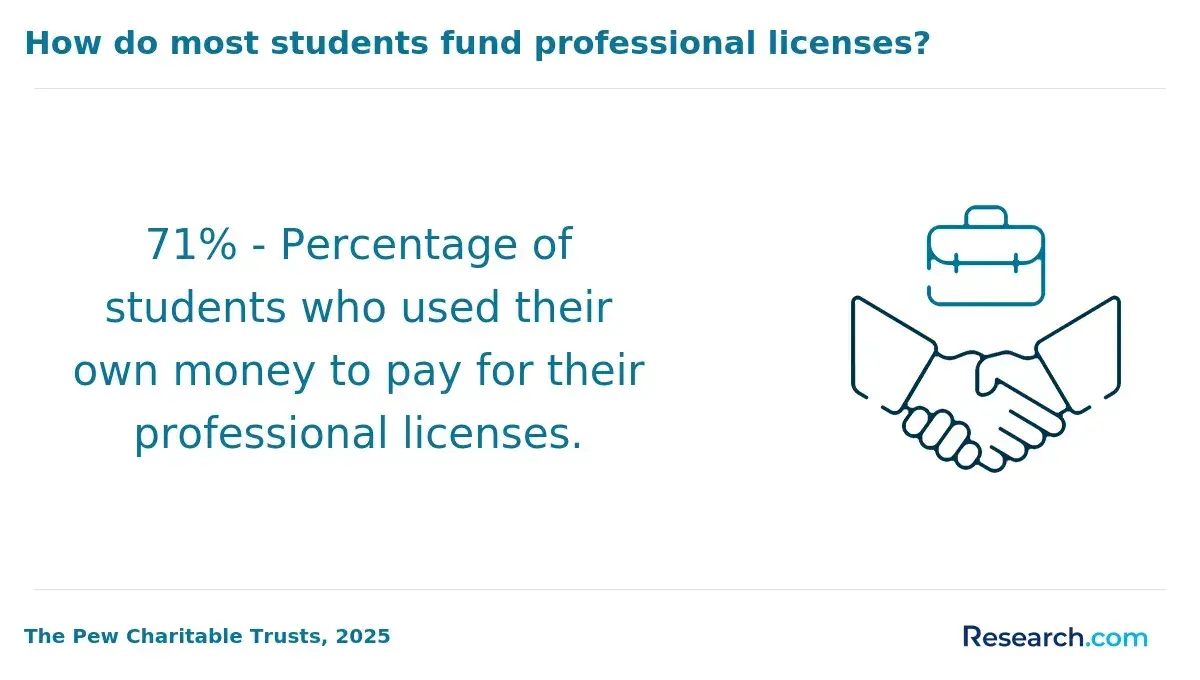
Tuition for a one-year online nursing education master's degree typically ranges from $15,000 to $30,000 at public universities, while private institutions generally charge between $30,000 and $50,000. Elite private programs may exceed these amounts. These costs cover base tuition only; students should anticipate additional fees and expenses as part of the total investment.
- Technology and Course Materials: Online programs often include technology fees between $300 and $800 annually. Course materials, such as textbooks and specialized software, can add $500 to $1,200 depending on the curriculum's requirements.
- Exam and Proctoring Fees: Some courses charge for proctored online exams, with fees typically ranging from $50 to $150 per test. These optional costs can accumulate over multiple exams during the program.
- Residency or Practicum Costs: A limited number of accelerated programs require brief on-campus residencies or clinical practicums, which may incur travel and lodging expenses not covered by tuition.
- Comprehensive Cost Transparency: Prospective students should request detailed cost disclosures and use each school's net price calculator to understand all charges, including hidden fees and potential living costs, to avoid surprises.
Studies from the National Center for Education Statistics indicate that master's level nursing programs adhere closely to these cost ranges, though figures vary widely by institution. Enrollment in accelerated nursing education master's programs has grown by 20% in the last three years, signaling increasing interest in fast-tracked advanced practice roles.
A professional who pursued an online nursing education master's to transition careers shared that managing unexpected expenses was their biggest challenge. "I budgeted for tuition and basic fees, but the technology and software costs added up quickly, and a brief residency meant I had to arrange last-minute travel," he said.
He recommended that prospective students carefully examine all financial requirements upfront. The flexibility of the online format helped him keep working full-time while completing coursework, though balancing these demands required discipline and precise financial planning throughout the one-year timeline.
What Financial Aid and Scholarship Options Are Available for One-Year Nursing Education Master's Students?
Graduate students enrolled in accelerated nursing education master's programs can access federal financial aid options, including Direct Unsubsidized Loans and Graduate PLUS Loans, by filing the FAFSA. Because these programs often start outside traditional academic cycles, it's important to submit applications early to meet timing requirements. Additionally, federal work-study opportunities may offer part-time employment to assist with living expenses during the program.
Merit-based scholarships aimed at one-year online nursing education master's financial aid options help ease tuition costs by rewarding academic excellence, clinical experience, and leadership. Departmental fellowships and teaching assistantships frequently provide stipends or tuition reductions in exchange for research or instructional support, which can be common supplements in accelerated program funding.
Many employers in healthcare sectors support continued education through tuition reimbursement programs, often requiring employment commitment after degree completion. Prospective students should discuss eligibility details with their HR departments to maximize these benefits.
Contacting financial aid offices early is vital for navigating diverse funding mechanisms. Utilizing resources like the College Board's Scholarship Search can uncover additional grants and scholarships tailored to nursing education candidates. Currently, around 60% of nursing graduate students use some form of financial aid, highlighting the importance of exploring various funding sources before enrollment.
- Federal Financial Aid: Includes Direct Unsubsidized and Graduate PLUS Loans accessed through FAFSA; early application is key due to accelerated program schedules.
- Merit-Based Scholarships: Awards awarded for academic and professional achievements reduce tuition for accelerated nursing education master's programs.
- Departmental Fellowships: Teaching assistantships and fellowships provide financial support in return for research or instructional duties.
- Employer Tuition Reimbursement: Healthcare employers often fund part or all graduate tuition to encourage staff advancement.
- Scholarship Search Tools: Platforms like the College Board Scholarship Search help locate external funding opportunities specific to nursing education.
Students interested in accelerated nursing education pathways can also review NP programs online for additional guidance on affordable options.
What GPA, Prerequisites, and Professional Experience Do One-Year Nursing Education Master's Programs Require?
Most one-year online nursing education master's programs require applicants to hold a cumulative GPA around 3.0 on a 4.0 scale, although individual institutions may weigh undergraduate transcripts differently. Admissions committees often consider the rigor and relevance of prior coursework rather than relying solely on the GPA, allowing candidates with diverse academic histories a fair evaluation.
- Typical GPA Standards: A minimum cumulative GPA near 3.0 is standard, especially in nursing or related fields. Some programs may offer conditional entry or ask for remedial coursework if the GPA is slightly lower.
- Prerequisite Coursework Requirements: Essential foundation classes usually include anatomy, physiology, pharmacology, and statistics. If these courses haven't been completed, many programs allow students to finish them before or alongside the master's curriculum.
- Value of Professional Experience: Clinical nursing experience, often at least one to two years, tends to be highly valued. In many cases, such experience can replace the need for standardized tests like the GRE.
- Institutional Differences: Admission expectations vary widely; some programs emphasize leadership and professional accomplishments more than GPA or predefined courses.
- Recent Trends in Admissions: A recent survey by the National League for Nursing found that over 60% of programs now weigh professional experience equally with academic performance in admissions decisions.
A professional who advanced her career after completing an online nursing education master's reflected that navigating the GPA and prerequisites felt manageable but required careful planning. She explained, "Although my GPA was just at the threshold, the admissions team appreciated my steady improvement and clinical hours."
Addressing missing prerequisite classes meant balancing work and study simultaneously, which was challenging but rewarding. Her experience highlighted that programs often look beyond numbers to consider commitment and growth, a perspective that encouraged her throughout the application and enrollment process.
Are GRE or GMAT Scores Still Required for Accelerated Online Nursing Education Master's Admissions?
Many online nursing education master's programs, especially those offering accelerated one-year tracks, have moved away from requiring GRE or GMAT scores. This shift, driven in part by challenges during the COVID-19 pandemic, aligns with a wider move toward test-optional or test-free admissions policies in graduate education.
Some programs still require standardized test scores, but often provide waivers for applicants meeting certain conditions. Common waiver criteria include holding an advanced degree, maintaining a competitive undergraduate GPA (generally 3.0 or above), or having extensive professional experience in the nursing or education fields. Admissions committees increasingly assess candidates through a holistic review, emphasizing qualities beyond test results.
A robust professional portfolio or documented healthcare and educational work history frequently serves as an alternative to standardized testing. This flexibility benefits career changers and international applicants who may face barriers related to U.S.-centric exams. Relevant certifications, prior coursework, clinical experience, and strong recommendations can strengthen applications without test scores.
Because policies vary widely and evolve regularly, prospective students should consult each program's official admissions website for the latest information. Staying current ensures applicants understand specific requirements and prepare accordingly.
- Test-Optional Adoption: Accelerated nursing education master's programs have increasingly eliminated GRE/GMAT requirements, responding to a national trend that favors reducing reliance on standardized tests for graduate admission.
- Waiver Opportunities: Applicants with advanced degrees, high GPAs, or significant nursing or educational experience often qualify for test score waivers, facilitating smoother entry paths.
- Portfolio Alternatives: Demonstrated professional expertise and documented achievements can replace standardized test submissions in many programs, broadening access for diverse candidates.
- Policy Variability: Admission standards differ by institution and shift frequently; checking official program pages helps applicants avoid missteps.
- Recent Trends: A recent survey found over 60% of nursing master's programs adopting test-optional policies, reflecting the growing emphasis on holistic application assessment.
How Are Courses Structured and Delivered in a One-Year Online Nursing Education Master's Program?
One-year online Nursing Education master's programs utilize a mix of synchronous and asynchronous delivery methods to support busy students balancing coursework with professional and personal commitments. Synchronous components often include scheduled live lectures or discussions, encouraging real-time engagement and collaboration. Asynchronous elements provide flexibility through recorded sessions, reading assignments, and online activities that students can complete on their own schedules within set deadlines.
The accelerated format compresses typical semesters, requiring students to handle 12 to 15 credit hours per term instead of the usual 6 to 9. This intensified pace demands about 20 to 25 hours weekly devoted to studying, assignments, and participation. To maintain continuous progress, programs assign frequent quizzes, papers, and discussion posts with staggered deadlines throughout the term.
Capstone projects, thesis work, or clinical and teaching practicums are key program components designed to integrate theory and practice. These hands-on experiences are scheduled near the end of the program to ensure students gain practical skills essential for their professional roles while completing their degree within a year.
- Synchronous vs. Asynchronous Delivery: These programs balance interactive, live virtual classes with flexible, self-paced study, allowing students to engage actively without sacrificing the convenience needed for working professionals.
- Compressed Credit Loads: Students undertake an increased credit load of 12-15 credits per term and must commit to 20-25 hours weekly for readings, assignments, and participation to keep pace.
- Frequent Assignments: Regular quizzes, discussions, and papers maintain steady learning momentum, preventing backlog and reinforcing comprehension in short intervals.
- Practicums and Capstones: Clinical or teaching practicums and capstone projects provide essential practical experience, typically scheduled during the final semester, to apply theoretical knowledge effectively.
According to recent surveys, over 65% of students in accelerated online Nursing Education master's programs report improved time management skills due to the program's intensive structure.
What Core Curriculum and Specialization Tracks Are Covered in a One-Year Online Nursing Education Master's Degree?
The one-year online nursing education master's degree core curriculum focuses on delivering essential pedagogical theories and clinical practice for nurse educators. Students engage in courses covering advanced teaching and learning principles, curriculum development, educational technology integration, and assessment strategies. These core subjects equip graduates to design robust nursing education programs and strategically evaluate student outcomes in an accelerated timeline.
Specialization tracks in accelerated nursing education master's programs typically include options like Simulation-Based Learning, Adult-Gerontology Education, and Leadership in Nursing Education. These focused pathways help students build expertise tailored to distinct educational settings, such as clinical simulation labs, academic institutions, or healthcare organizations catering to adult populations.
Pursuing a specialization not only enhances career readiness but also addresses emerging workforce demands in nursing education subfields. The curriculum depth in one-year online nursing education master's programs matches that of traditional two-year formats but is delivered through a compressed, fast-paced schedule.
With reduced breaks and overlapping coursework, these accelerated programs require strong time management and a commitment to efficiently absorb dense material. While traditional programs may provide more time for reflection and practical experience, the accelerated design prioritizes rapid preparation for timely workforce entry.
Reputable nursing education master's programs continuously update their course content to align with current accreditation standards and industry best practices. This includes adopting evidence-based teaching methods, integrating new technology platforms, and responding to feedback from academic and clinical stakeholders.
- Core Curriculum Focus: Covers teaching theories, curriculum design, assessment methods, and educational technology essential for effective nurse educator roles.
- Specialization Tracks: Offer focused pathways such as simulation, adult-gerontology, and leadership, enhancing skills for targeted nursing education careers.
- Accelerated Curriculum Depth: Matches traditional programs' rigor but compresses content into a shorter timeframe, requiring greater intensity and time management.
- Curriculum Updates and Alignment: Programs regularly revise courses to incorporate best practices and maintain accreditation compliance with current nursing education standards.
Prospective students interested in an accelerated career path may also investigate options like a fast-track medical LPN program to complement their nursing education advancement.
How Do One-Year Online Nursing Education Programs Balance Academic Rigor With Accelerated Completion?
One-year online nursing education master's degree programs maintain academic rigor despite accelerated timelines, as demonstrated by learning outcome assessments and employer surveys indicating graduates' competencies match those of traditional programs. These accelerated nursing education master's degree completion strategies benefit from thoughtfully structured curricula designed to balance speed with depth.
Core design features include cohort models, block scheduling, and intensive instructional modules. Cohort models build strong peer support networks and allow faculty to monitor individual progress closely. Block scheduling segments content into focused periods, enabling students to concentrate on fewer subjects at a time without sacrificing mastery.
Intensive modules offer immersive learning experiences delivered in condensed timeframes to deepen understanding of essential concepts. Faculty qualifications are pivotal for program quality. Instructors typically hold terminal degrees and engage actively in clinical or academic environments.
Comprehensive student support services such as academic advising, tutoring, and career coaching provide essential resources that facilitate success in these demanding accelerated nursing education programs. Prospective students should also examine programs with transparent job placement statistics and robust alumni networks, which serve as reliable indicators of program effectiveness and graduate readiness for nursing education careers.
- Cohort Models and Peer Support: These create a structured learning community, enhancing engagement and accountability throughout the accelerated program timeline.
- Block Scheduling and Intensive Modules: Focused, time-bound instructional segments enable thorough exploration of material despite the compressed schedule.
- Faculty Expertise: Instructors' terminal degrees and active professional involvement maintain high academic and practical standards.
- Comprehensive Student Services: Advising, tutoring, and career coaching offer critical support tailored to accelerated program demands.
- Alumni Networks and Job Placement Data: Strong connections and transparent employment outcomes demonstrate program quality and professional preparation.
For those evaluating accelerated options, reviewing tuition structures, financial aid, and total cost-of-attendance alongside admissions requirements like GPA and prerequisite coursework is crucial. Detailed accreditation and curriculum depth assessments help distinguish programs that combine convenience with academic rigor.
Many students seeking flexible pacing benefit from exploring the best self-paced degree options, including the self-paced degree resources available online.
What Technology Tools and Software Skills Are Students Expected to Learn in an Online Nursing Education Master's Program?
One-year online nursing education master's programs require mastery of several specialized technology platforms and tools that align with current professional expectations. Proficiency in these applications enables graduates to effectively manage coursework and prepare for roles in an increasingly digital clinical and academic environment
Students generally need reliable hardware, including a webcam and headset, plus a stable internet connection, preferably at speeds of 25 Mbps or higher, to fully participate in synchronous sessions. Many programs offer complimentary or discounted access to essential software licenses as part of enrollment, easing financial and technical burdens.
- Learning Management Systems (LMS): Familiarity with platforms like Canvas, Blackboard, or Moodle is essential for delivering course materials, organizing assignments, and facilitating virtual classroom discussions, mirroring the digital infrastructure common in nursing education.
- Data Analysis Software: Skills in tools such as SPSS, SAS, or R enable students to analyze clinical data and research findings, which supports evidence-based teaching and quality improvements in healthcare education.
- Simulation and Virtual Reality Tools: Mastery of applications like Laerdal or vSim provides opportunities to design and implement realistic clinical scenarios, enhancing hands-on training critical for nursing competencies.
- Video Conferencing and Collaboration Platforms: Competence with Zoom, Microsoft Teams, and Google Meet is necessary for live instruction, teamwork, and faculty interaction in an online format.
- Hardware and Connectivity Requirements: Students must possess a reliable computer setup with necessary peripherals and internet speed to access course content and synchronous sessions smoothly.
Recent data indicate that over 85% of nursing education programs now incorporate simulation and digital data tools, reflecting a strong trend toward tech-savvy competencies sought by employers.
Can Students Pursue a One-Year Online Nursing Education Master's Degree While Working Full-Time?
Completing a one-year online nursing education master's program demands a weekly commitment of approximately 30 to 40 hours, reflecting the credit load of 12 to 15 hours per term. This accelerated format condenses material typically found in two-year programs, requiring focused time management. Working students often succeed by using techniques such as time-blocking, allocating daily dedicated periods for study, and relying on employer-provided flexibility, including modified hours or remote work.
Many programs offer asynchronous coursework, allowing students to engage with lectures and assignments on flexible schedules, which is crucial for those balancing unpredictable jobs. Data from several institutions indicate that 40% to 60% of enrollees pursue these degrees while maintaining full-time employment, underscoring the practicality of this approach.
Prospective students should inquire of admissions about the program's accommodation options, including part-time enrollment, faculty availability outside standard hours, and arrangements for clinical or practicum components to ensure realistic workload management.
- Weekly Time Commitment: Students should plan for 30 to 40 hours per week spent on coursework and study for 12-15 credits, requiring discipline and consistency.
- Time Management Strategies: Techniques like time-blocking and asynchronous class formats support balancing academic responsibilities with full-time jobs effectively.
- Employer Support: Flexible work policies, such as adjusted schedules or telecommuting, significantly aid students in managing their dual roles.
- Full-Time Employment Rates: Nearly half of students enrolled in accelerated nursing education programs maintain full-time employment, reflecting broad accessibility.
- Admissions Questions: Seek clarity on part-time options, faculty accessibility during off-hours, and scheduling of clinical hours to assess fit and feasibility.
What Graduates Say About Their One-Year Online Nursing Education Master's Degree Program
- Raquel: "Choosing an online nursing education master's degree was a strategic move for me to switch from clinical nursing to teaching future nurses. The flexibility of the program fit perfectly with my busy schedule, and the tuition was surprisingly affordable compared to traditional programs. Since graduating, I've been able to step into a rewarding academic role that allows me to impact nursing care on a broader level."
- Juno: "Reflecting on my journey, pursuing an online master's degree in nursing was a crucial investment in my career advancement. The cost was reasonable enough to manage without excessive debt, and the program's content was rich with up-to-date educational strategies. This degree opened doors to leadership positions that I otherwise wouldn't have qualified for, significantly boosting my confidence and professional standing."
- Abbey: "I was drawn to online nursing education because it allowed me to continue working full-time while upgrading my skills. The financial aspect was a key factor for me; the program's affordability made it feasible without sacrificing quality. Today, I'm proud to say this master's degree has not only enhanced my teaching abilities but also expanded my career opportunities in academic nursing."
Other Things You Should Know About Nursing Education Degrees
Most one-year online nursing education master's programs require between 30 and 40 credit hours to complete. These programs compress the coursework typically spread across two years into a shorter timeline, demanding a more intensive study schedule. The exact number of credits varies based on the institution and the inclusion of practicum or capstone projects.
Graduates of one-year nursing education master's programs often experience an increase in salary and expanded career opportunities. The degree qualifies nurses to take on educator roles in academic or clinical settings, which typically offer higher compensation than staff nursing positions. Many employers value the advanced credentials, which can lead to promotions and leadership roles in nursing education departments.
Yes, financial aid options such as scholarships, grants, loans, and work-study programs are available for 2027 one-year online Nursing Education master's degree programs. Students should check with the program's financial aid office and explore federal and state aid resources for eligibility and application processes.
References
- 39 Scholarships for Nursing Students https://www.allnursingschools.com/financial-aid/nursing-scholarships/
- What is a Master’s in Nursing (MSN) Degree? https://nursinglicensemap.com/nursing-degrees/masters-in-nursing/what-is-msn/
- What Is the Role of Technology in Nursing Education? | NursingEducation https://nursingeducation.org/insights/role-of-technology/
- How an Accelerated ABSN Degree Online Enhances a Nursing Career https://my1053wjlt.com/how-an-accelerated-absn-degree-online-can-enhance-your-nursing-career/
- Working While in Nursing School: Can You Balance Both? - Madonna https://absn.madonna.edu/blog/working-while-in-nursing-school/
- Nursing MS Online https://www.umassd.edu/programs/nursing-ms-online/
- Master of Science in Nursing Education https://www.niagara.edu/programs/ms-ed-nursing-education/
- Online Nursing Education: Your Complete Guide - Felician https://absn.felician.edu/blog/online-nursing-education/
- Accelerated Nursing Programs https://www.aacnnursing.org/students/nursing-education-pathways/accelerated-programs
- Online Master of Science in Nursing (MSN) Tuition Costs & Aid | SHU https://onlineprograms.sacredheart.edu/programs/masters-nursing/tuition/