2027 One-Year Online Nursing Informatics Master's Degree Programs: Accelerated Options, Costs & Outcomes

Co-Founder and Chief Data Scientist
Many professionals with unrelated undergraduate degrees face frustration when seeking a swift transition into the growing field of nursing informatics. Balancing full-time work and education poses a significant challenge, especially when program durations typically span two or more years.
According to recent data, 68% of online nursing informatics master's students choose accelerated tracks to meet urgent career goals in health IT and data management. This article explores one-year online nursing informatics master's programs, focusing on accelerated options, cost implications, and employment outcomes to guide prospective students toward effective, time-efficient decisions.
Key Things to Know About One-Year Online Nursing Informatics Master's Degree Programs
- Online nursing informatics programs offer flexible scheduling, allowing recent graduates and working professionals to balance studies with employment or personal commitments.
- Accelerated one-year formats enable rapid acquisition of specialized skills, appealing especially to career changers seeking swift transitions into informatics roles.
- International applicants benefit from virtual peer networks and faculty expertise, fostering global collaboration and diverse professional connections.
What Exactly Is a One-Year Online Nursing Informatics Master's Degree Program, and How Does It Differ from a Standard Graduate Format?
A one-year online nursing informatics master's degree accelerated program offers a fast-tracked path for completing graduate studies within approximately 12 months. This format compresses the traditional two-year or part-time curriculum into intensive, back-to-back semesters or terms, demanding a significantly heavier course load per session. Unlike standard programs that allow for flexible pacing and breaks, these accelerated options require full-time enrollment with continuous study.
For example, Duke University's online nursing informatics master's program can be completed in one year through accelerated coursework. The University of Tennessee Health Science Center offers a carefully structured sequence of 7-week courses to facilitate rapid progression. Regis University also delivers an online accelerated nursing informatics master's track designed to blend rigor with efficiency.
Students in such programs must manage frequent assignments and projects with excellent time management skills. These formats primarily benefit working professionals, career changers, and those who want a quick re-entry into the workforce after graduation. Tuition varies by institution, and prospective students should explore financial aid options and detailed cost-of-attendance estimates specific to accelerated nursing informatics programs.
Admissions criteria often include GPA requirements, prerequisite coursework, and relevant professional experience, reinforcing the program's advanced academic standards. Completing a nursing informatics master's degree online in one year can significantly impact employment outcomes, salary growth, and career advancement.
- Accelerated Curriculum Structure: These programs condense the full graduate curriculum into shorter semesters or multiple terms within a year, requiring students to handle larger workloads weekly compared to traditional programs.
- Intensive Course Load: Students take more credits per term and engage in fast-paced learning modules, balancing practical and theoretical components simultaneously.
- Examples of Programs: Duke University, University of Tennessee Health Science Center, and Regis University offer respected online nursing informatics master's degrees in accelerated formats.
- Target Audience: Working professionals, career changers, and students seeking rapid workforce reintegration benefit most from this rigorous, time-efficient approach.
- Differences from Standard Formats: Traditional programs usually span two years or more with part-time options, while one-year online nursing informatics master's programs demand continuous full-time study.
For those considering accelerated healthcare degrees, it can be helpful to compare options with other fields, such as PharmD online programs, which also offer accelerated pathways for fast-tracked professional careers.
Which Accredited Universities Currently Offer Legitimate One-Year Online Nursing Informatics Master's Programs?
Verifying institutional accreditation is essential when considering one-year online nursing informatics master's degree programs. Regional accreditation is the gold standard in U.S. higher education, ensuring rigorous academic quality and ease of credit transfer. Regionally accredited universities undergo thorough reviews by agencies such as the Higher Learning Commission (HLC) or the Southern Association of Colleges and Schools Commission on Colleges (SACSCOC).
In contrast, nationally accredited schools often focus on vocational training and may offer limited recognition from employers or other institutions. For one-year online Nursing Informatics master's programs accredited in the United States, regional accreditation is especially important for academic and professional credibility.
Programmatic accreditation by the Commission on Collegiate Nursing Education (CCNE) is particularly critical for nursing informatics students, as it guarantees that programs meet standards relevant to clinical and informatics careers. While accreditation bodies like AACSB or CAHME oversee business and healthcare management programs, students pursuing nursing informatics should prioritize CCNE or nursing-specific approvals.
This ensures eligibility for certifications and professional advancement in accelerated Nursing Informatics master's degrees online. Below are five regionally accredited universities offering accelerated or one-year online nursing informatics master's programs, one from each major U.S. region, citing institutional accreditation and program details:
- Northeast - Drexel University: Drexel offers a CCNE-accredited Master of Science in Nursing with a nursing informatics specialization. The program typically finishes in about 12 months full-time, with tuition around $1,250 per credit.
- South - University of South Carolina: This CCNE-accredited online Master's in Nursing Informatics can be completed in 12 to 18 months. Online tuition runs approximately $700 per credit.
- Midwest - Rush University: Rush's fully online MSN in Nursing Informatics is CCNE-accredited and designed for full-time completion within one year, with tuition near $1,200 per credit.
- West - University of Nevada, Reno: UNR's MSN nursing informatics program holds regional accreditation by NWCCU and CCNE approval. The accelerated program costs about $460 per credit for residents and $750 for nonresidents.
- Pacific - San Jose State University: San Jose State's online MS in Nursing with an informatics track is CCNE-accredited and regionally accredited by the WASC Senior College and University Commission, with a 12-month duration and tuition close to $850 per credit.
Prospective students are advised to consult reliable databases such as Peterson's or the U.S. Department of Education's College Navigator to verify accreditation and program details. These trusted resources help confirm program legitimacy and compare offerings. Accreditation status impacts eligibility for federal financial aid, licensure requirements, and future educational opportunities.
For those exploring advanced nursing degrees, certain pathways like DNP programs online may also be worth considering for further career advancement in nursing informatics.
How Much Does a One-Year Online Nursing Informatics Master's Program Typically Cost in Tuition and Fees?
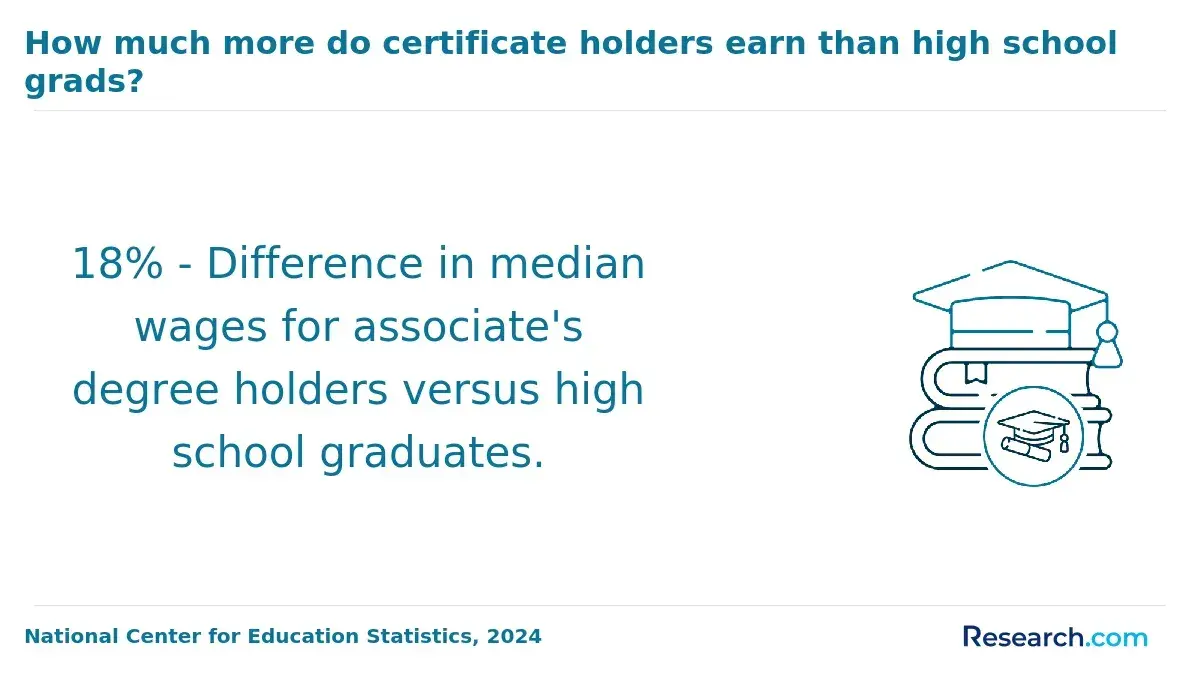
The cost of a one-year online nursing informatics master's program varies notably between public and private colleges. Public universities usually charge tuition and fees ranging from $12,000 to $25,000 for accelerated programs. Private schools often have higher tuition, with prices typically spanning from $30,000 to $50,000, reflecting increased services and resources offered.
- Tuition and Fees: Tuition is the primary expense, with public institutions generally providing lower rates for in-state students. Additional fees, such as registration and student activity charges, typically add $1,000 to $3,000 to the overall cost.
- Technology and Course Materials: Many programs require technology fees for access to online platforms and technical support, generally between $200 and $800 annually. Textbooks and specialized software costs can add another $500 to $1,000.
- Proctoring and Exam Fees: Some programs mandate remote proctoring or in-person exams, which usually cost an extra $50 to $200 per session.
- Residency or Campus Visits: Although most accelerated programs are fully online, a few require short on-campus residencies or intensives. Such visits could lead to travel and lodging costs of around $500 to $1,500.
- Financial Aid Effects: According to the National Center for Education Statistics, the average net price for full-time graduate students in public schools is about $18,000 after aid. However, costs vary widely, so it's important to get detailed cost disclosures from each program to understand your true expenses.
A professional who enrolled in an online nursing informatics master's program to pivot careers described budgeting as one of his biggest challenges. "Estimating the total cost wasn't straightforward," he shared, noting unexpected expenses like exam proctoring fees and software purchases.
Although the tuition was manageable, coordinating financial aid and accounting for travel to a required campus residency proved stressful. He emphasized the value of requesting a full cost breakdown upfront, as it helped him plan more realistically and reduce surprises during the program.
What Financial Aid and Scholarship Options Are Available for One-Year Nursing Informatics Master's Students?
Graduate students pursuing one-year online nursing informatics master's programs often qualify for federal financial aid, including loans and work-study options. Due to accelerated start dates, applicants should submit the Free Application for Federal Student Aid (FAFSA) promptly, adjusting to earlier deadlines to ensure timely funding.
Beyond federal aid, merit-based scholarships and departmental fellowships provide non-repayable financial support, usually awarded based on academic excellence, leadership, and experience. Availability and criteria vary by institution, so early inquiries are recommended.
Employer tuition reimbursement programs represent a valuable resource for working professionals seeking accelerated nursing informatics master's degrees. Many healthcare employers financially back continued education aligned with career growth, covering partial or full tuition costs.
Prospective students should connect with financial aid offices at their target programs for tailored advice and explore tools like the College Board's Scholarship Search to find scholarships fitting graduate nursing students. Recent statistics reveal that nearly 80% of graduate students in health-related fields utilize some form of financial aid, highlighting the importance of detailed financial planning for accelerated nursing informatics degrees.
- Federal Aid and FAFSA Timing: Eligibility includes federal loans and work-study; completing FAFSA early considering unique start dates prevents delays.
- Merit-Based Scholarships and Fellowships: Awards based on academic and professional merit differ by school and require early applications.
- Employer Tuition Reimbursement: Healthcare professionals should investigate employer programs supporting accelerated degrees relevant to career advancement.
- Consult Financial Aid Offices: Direct contact with financial advisors helps identify program-specific aid and streamline applications.
- Use Scholarship Search Tools: Resources like the College Board's database aid in locating additional graduate nursing scholarships.
For insights into funding options, students can refer to the most affordable nursing programs that combine cost efficiency with quality education.
What GPA, Prerequisites, and Professional Experience Do One-Year Nursing Informatics Master's Programs Require?
Most accelerated nursing informatics master's programs expect applicants to hold at least a 3.0 GPA on a 4.0 scale, but admissions committees often weigh the difficulty of coursework and the credibility of the undergraduate institution. This means candidates with slightly lower GPAs from well-regarded schools may still be competitive.
Foundational classes in nursing, statistics, and computer science or information technology typically serve as prerequisite knowledge. Applicants missing these may be required to complete additional courses prior to starting the program.
- Minimum GPA Requirements: Programs generally look for undergraduate GPAs around 3.0, though exceptions exist based on academic rigor and institutional reputation.
- Prerequisite Coursework: Essential classes often include nursing fundamentals, statistics, and IT-related subjects; applicants lacking these must pursue bridge courses to prepare appropriately.
- Professional Experience: Clinical nursing exposure is highly valued and can sometimes replace standardized tests like the GRE, especially when applicants demonstrate familiarity with electronic health record systems.
- Variation Across Programs: Admission standards differ widely, so reviewing each program's admissions details is crucial to avoid incorrect assumptions.
- Current Trend: A recent analysis found nearly 65% of nursing informatics master's candidates possess more than two years of professional experience upon entry, underscoring the growing focus on practical skills.
One professional who successfully completed an online nursing informatics master's reflected on the admissions journey, mentioning that although her GPA was borderline, her extensive clinical background and strong recommendation letters made a significant difference. She recalled being nervous about prerequisite gaps but appreciated the program's support in securing tailored preparatory courses.
"It was a balancing act," she shared, "managing work while filling academic holes, but it ultimately reinforced my confidence entering the program." This experience highlights how perseverance and documented experience can help applicants navigate varied admission requirements in accelerated nursing informatics programs.
Are GRE or GMAT Scores Still Required for Accelerated Online Nursing Informatics Master's Admissions?
Many online nursing informatics master's programs have shifted to test-optional or test-free admissions following the COVID-19 pandemic, aiming to reduce barriers and emphasize candidates' overall qualifications rather than relying solely on standardized exams like the GRE or GMAT.
Some programs still request GRE or GMAT scores, primarily for applicants whose undergraduate GPA is below a certain threshold or who lack relevant professional experience. These test requirements serve to provide additional context during holistic application reviews.
Applicants with substantial nursing informatics or healthcare experience often receive waivers from submitting test scores, especially if they present a strong portfolio demonstrating skills in data management, clinical workflows, or health information systems. Admissions committees tend to value practical expertise that standardized tests cannot fully capture.
Because admissions policies vary significantly and are frequently updated, it is important for prospective students to consult the official requirements on each program's website before applying.
- Test-Optional Policies Increasingly Common: Many accelerated online nursing informatics master's programs no longer mandate GRE or GMAT submissions, reflecting a broader post-pandemic move toward more flexible admission criteria.
- Conditional Test Requirements: Programs that continue to require test scores often do so for applicants with lower academic performance or limited relevant experience, ensuring an accurate assessment of readiness.
- Waivers Based on Professional Credentials: Substantial work history and a comprehensive professional portfolio can often replace standardized test requirements, highlighting practical competencies in healthcare technology and informatics.
- Stay Informed Through Official Channels: Since admission policies frequently evolve, prospective students should review each school's admissions page to confirm current expectations regarding testing or waivers.
- Recent Adoption Trends: As of 2023, over 60% of accelerated online nursing informatics master's programs have implemented fully test-optional admissions, marking a 25% increase since 2020.
How Are Courses Structured and Delivered in a One-Year Online Nursing Informatics Master's Program?
One-year online nursing informatics master's programs combine synchronous and asynchronous learning to support accelerated study schedules. Live lectures and discussions provide real-time interaction with instructors and peers, while asynchronous materials give students the flexibility to engage with coursework on their own time. This blended approach suits busy professionals balancing education with other commitments.
Because these programs compress typical semester lengths, students often enroll in 9 to 12 credit hours per term. Weekly study commitments average between 20 and 30 hours, with frequent assignments due multiple times weekly. This rigorous pacing is designed to maintain steady progress and avoid backlog amid the fast-moving curriculum.
Capstone projects, practicums, or thesis requirements are essential components in many nursing informatics master's programs. These elements are integrated within the one-year timeline, sometimes replacing elective courses.
Practicums typically involve remote partnerships with healthcare organizations to gain applied experience. Meanwhile, capstones require supervised research or project work that demonstrates critical thinking and practical skills.
- Synchronous and Asynchronous Learning: These programs blend live sessions for immediate interaction with on-demand content that allows students to work flexibly, striking a balance necessary for accelerated formats.
- Compressed Semester Structure: Students take 9-12 credits in shorter terms, expecting 20-30 hours of weekly study, with an intense schedule of assignments to maintain continuous learning.
- Capstone and Practicum Integration: Real-world projects occur alongside coursework, often replacing electives and enabling practical experience within the accelerated one-year framework.
- Frequent Assignments: Multiple weekly deadlines encourage steady engagement and reduce cramming, essential in a fast-paced academic environment.
- Recent Trends: A recent study found that over 65% of accelerated online nursing informatics master's programs now employ hybrid synchronous-asynchronous models to enhance flexibility and student outcomes.
What Core Curriculum and Specialization Tracks Are Covered in a One-Year Online Nursing Informatics Master's Degree?
One-year online nursing informatics master's programs feature a core curriculum for one-year online nursing informatics master's programs focused on essential health information technology, clinical decision support, and data management skills. These accelerated formats compress traditional two-year material into an intensive schedule, maintaining academic rigor while demanding strong dedication and time management from students.
Specialization tracks in accelerated nursing informatics master's degrees allow students to concentrate on subfields like healthcare cybersecurity, data analytics, or clinical systems implementation. These focused areas enhance career readiness by equipping graduates with practical skills aligned with industry demands and niche job markets.
Reputable programs undergo regular curriculum review and updates, ensuring alignment with evolving healthcare informatics standards, regulatory requirements, and technological advances. This ongoing revision helps graduates remain competitive and well-prepared for fast-changing professional environments.
- Core Foundation Courses: Typically include healthcare data standards, electronic health records, clinical decision support, and health IT project management. These courses build a critical framework for integrating technology with clinical practice.
- Specialization Tracks: Options such as data analytics, health system interoperability, or nursing informatics leadership deepen expertise in targeted areas, improving job prospects in specialized roles.
- Accelerated Curriculum Structure: Intensive scheduling compresses content from two years into one, focusing on high-impact topics and hands-on application without sacrificing depth.
- Curriculum Review and Industry Alignment: Collaboration with healthcare experts ensures that programs reflect contemporary best practices and regulatory updates.
- Impact on Career Readiness: Specialized tracks prepare graduates for roles like informatics analyst or health IT consultant, enhancing employability and professional growth in competitive sectors.
Prospective students interested in fast-tracking their healthcare technology education may also explore related LPN programs as part of broader career planning.
How Do One-Year Online Nursing Informatics Programs Balance Academic Rigor With Accelerated Completion?
One-year online nursing informatics master's degree programs often raise concerns about whether the accelerated pace might compromise academic rigor. However, evidence from research and employer surveys shows that when programs integrate thoughtful curriculum structure and strong student support, the quality remains consistently high despite the compressed format. Programs noted for their rigor balance accelerated timelines with comprehensive coursework.
Accelerated nursing informatics master's degree curriculum structure frequently employs cohort models and block scheduling to enhance learning. Cohorts foster peer collaboration and accountability, while intensive modules concentrate study periods, allowing deep immersion in complex topics. These design elements help students engage critically and thoroughly within a shortened timeframe.
Faculty qualifications play a vital role in upholding academic standards. Leading programs hire instructors with doctoral degrees and extensive clinical and informatics experience, ensuring students receive instruction blending theory with real-world application. Alongside this, robust advising, tutoring, and career coaching services offer personalized guidance crucial for success in demanding accelerated courses.
Prospective students are advised to consider programs with strong alumni networks and published job placement data, as these outcomes serve as valuable indicators of program quality and graduate readiness. High employment rates and positive employer feedback confirm that compressed programs produce competent nursing informatics professionals.
- Cohort Models and Peer Support: Small, structured groups encourage collaboration and sustained motivation throughout the year, facilitating accountability and deeper learning in demanding coursework.
- Block Scheduling and Intensive Modules: Concentrated study periods allow students to focus intensively on key subjects, balancing compressed timelines with comprehensive curriculum coverage.
- Qualified Faculty Expertise: Instructors with advanced degrees and practical informatics experience ensure academic rigor and relevant instruction in both theory and application.
- Dedicated Student Services: Advising, tutoring, and career coaching provide personalized support crucial for navigating fast-paced programs and preparing for workforce entry.
- Alumni Outcomes and Job Placement: Graduates' success in obtaining nursing informatics roles signals program quality, making available employment statistics a valuable evaluation tool.
Applicants interested in accelerated programs should also consult specific admissions standards, including GPA requirements, prerequisite coursework, and professional experience expectations. For additional resources and to explore options without application fees, prospective students can visit the Majuba College online application page, which offers comprehensive listings for streamlined entry pathways into nursing informatics studies.
What Technology Tools and Software Skills Are Students Expected to Learn in an Online Nursing Informatics Master's Program?
One-year nursing informatics master's programs emphasize mastery of key software and technology essential for healthcare data management and clinical decision support. Students develop skills with electronic health record systems, data analytics platforms, and programming languages that align with employer expectations for tech-savvy professionals who improve patient care through data-driven insights.
A reliable computer and high-speed internet connection are typically required to access virtual labs and collaborative tools. Also, many accelerated programs offer free or discounted software licenses to ensure practical experience without extra cost.
- Electronic Health Record Systems: Training on widely used platforms like Epic, Cerner, or Meditech equips students to efficiently handle digital patient records and clinical workflows, a critical skill for healthcare employers prioritizing compliance and workflow optimization.
- Data Analytics and Visualization: Instruction in tools such as Tableau, Power BI, and SQL enables extraction of actionable insights from complex datasets, supporting evidence-based clinical and operational decisions.
- Clinical Decision Support Software: Familiarity with CDSS enhances students' ability to assist clinicians in treatment planning and error reduction, connecting nursing expertise with technology.
- Programming Fundamentals: Basic knowledge of Python or R empowers students to automate data processes and contribute to innovative health informatics projects.
- Software Access and Licensing: Many programs provide complimentary or subsidized licenses for essential applications during enrollment, reducing financial barriers and facilitating hands-on learning.
Recent research highlights that nursing informatics graduates with software proficiency experience approximately 20% higher employment rates, reflecting strong employer demand in the evolving healthcare technology sector.
Can Students Pursue a One-Year Online Nursing Informatics Master's Degree While Working Full-Time?
Completing a one-year nursing informatics master's program while working full-time typically requires about 12 to 15 credit hours per semester, which translates to roughly 30 to 40 hours of study weekly. This includes time spent on readings, assignments, discussions, and projects, making it vital to balance work and academic demands effectively.
Many students use strict time-blocking techniques, carving out dedicated study hours outside regular job times. Flexibility from employers, such as adjusted work hours or remote options, often helps accommodate academic schedules. Additionally, most programs deliver asynchronous coursework, allowing students to engage with materials at their convenience.
Institutional reports indicate that about 40% to 60% of enrollees maintain full-time employment during their studies, highlighting the program's appeal for professionals seeking advancement without career interruptions.
Prospective students should consult admissions counselors with these questions to assess fit:
- Workload Expectations: What are the typical weekly study hours, and is the credit load flexible according to work commitments?
- Course Scheduling Flexibility: Are courses fully asynchronous, or do some require real-time attendance?
- Employer Support Resources: Does the program provide documentation or support to help negotiate workplace accommodations?
- Student Support Services: Are there advising or time management resources tailored for working professionals?
What Graduates Say About Their One-Year Online Nursing Informatics Master's Degree Program
- Caryn: "Choosing an online nursing informatics master's degree was a strategic decision for me to make a career switch from bedside nursing to healthcare technology. The flexibility of the program allowed me to continue working full-time without interruption, and the tuition was surprisingly affordable compared to traditional programs. Since graduating, I've been able to step into a clinical analyst role, which has opened doors to innovative projects I'm passionate about."
- Cristina: "Reflecting on my journey, pursuing an online nursing informatics master's degree was both a challenge and a rewarding investment. The cost was manageable with financial aid, and the curriculum was tailored to develop critical thinking in health data management. This program truly transformed my professional trajectory, equipping me with skills that employers highly value in the evolving healthcare landscape."
- Joanna: "My motivation to enroll in an online nursing informatics master's degree stemmed from a desire to enhance patient care through technology integration. The program's reasonable pricing and convenient online format made it accessible without sacrificing quality. Post-graduation, the degree significantly boosted my credibility and led to a leadership position where I influence tech adoption in clinical settings."
Other Things You Should Know About Nursing Informatics Degrees
Completing a one-year online nursing informatics master's program in 2027 equips students with skills in health data management, information technology implementation, and clinical practice integration, preparing them for roles that blend both healthcare and technology to improve patient outcomes and operational efficiencies.
Graduates of one-year online nursing informatics master's programs often see a significant boost in salary and career opportunities. This degree equips nurses with specialized skills in health data management and technology integration, which are highly valued in clinical, administrative, and IT roles. Many employers recognize the credential as a pathway to leadership positions, including nurse informatics specialist or clinical analyst roles.
Students in accelerated one-year online nursing informatics master's programs may face challenges such as maintaining a balanced work-life-study schedule due to the condensed curriculum. These programs require consistent dedication, quick adaptation to new content, and strong self-discipline to successfully manage the intensified coursework.
To enroll in a 2027 online nursing informatics master's program, candidates typically need a bachelor's degree in nursing and an active RN license. Some programs may also require prior work experience in healthcare settings and passing the Graduate Record Examination (GRE).
References
- Discover the Best Online Nursing Informatics MSN Programs https://www.edumed.org/online-schools/nursing-rn-programs/masters-msn/nursing-informatics/
- Nursing Informatics | Online Nursing Informatics Program | University of Phoenix https://www.phoenix.edu/online-nursing-degrees/nursing-informatics-masters-degree.html
- 50+ Scholarships & Resources for Nursing Master's Students https://www.onlinemastersdegrees.org/student-resources/nursing/
- Get Your Goals Quickly: Key Elements to Think About When it Comes to Pursuing an Accelerated Online Nursing Degree in Indiana https://www.idsnews.com/article/2025/08/sponsor-get-your-goals-quickly-key-elements-to-think-about-when-it-comes-to-pursuing-an-accelerated-online-nursing-degree-in-indiana
- Generalist Entry Master’s in Nursing (MSN) for Non-Nurses: Clinical Nurse Leader Admissions https://www.rushu.rush.edu/college-nursing/programs-admissions/masters-entry-nursing-msn-non-nurses/masters-entry-nursing-msn-non-nurses-admission-guidelines
- Nursing Informatics MSN Degree & Post-Master's Certificate https://www.medicaltechnologyschools.com/nursing-informatics
- How an Accelerated ABSN Degree Online Enhances a Nursing Career https://my1053wjlt.com/how-an-accelerated-absn-degree-online-can-enhance-your-nursing-career/
- Online MSN Nursing Informatics Degree Program | STU https://online.stu.edu/degrees/healthcare/msn/nursing-informatics/