2027 One-Year Online Patient Safety Master's Degree Programs: Accelerated Options, Costs & Outcomes

Co-Founder and Chief Data Scientist
Professionals seeking to shift careers into patient safety often face time constraints and financial concerns, complicating their pursuit of advanced education. An accelerated online master's program can bridge this gap, offering efficient learning without disrupting work or personal commitments. With healthcare organizations increasingly prioritizing patient safety, demand for qualified leaders is rising-job growth in related roles is projected at 15% over the next decade.
This article explores one-year online patient safety master's degree programs, detailing accelerated options, associated costs, and career outcomes to guide prospective students in making informed decisions that align with their goals and schedules.
Key Things to Know About One-Year Online Patient Safety Master's Degree Programs
- Online programs offer working professionals flexible schedules, enabling students to balance employment and study while completing a master's degree in one year.
- Accelerated formats provide intensive, focused training that allows recent graduates and career changers to rapidly develop specialized patient safety skills.
- International applicants gain access to diverse, global networks of peers and faculty, enhancing cross-cultural collaboration and career opportunities worldwide.
What Exactly Is a One-Year Online Patient Safety Master's Degree Program, and How Does It Differ from a Standard Graduate Format?
A one-year online patient safety master's degree accelerated format offers a compressed alternative to the traditional two-year or part-time master's programs. By condensing coursework into a full-time, intensive study schedule, these programs enable students to complete their degree in a single year.
This accelerated timeline usually involves managing heavier course loads per term and navigating condensed semesters with limited breaks, distinguishing it sharply from the standard graduate experience.
Examples of such programs include Johns Hopkins University's Master of Applied Science in Patient Safety and Healthcare Quality, which delivers core competencies through immersive synchronous and asynchronous learning within 12 months. The University of Illinois Chicago's Master of Science in Patient Safety and Healthcare Quality accelerates progress with five consecutive 8-week terms, while the University of South Florida structures courses across three semesters in one year, emphasizing leadership and practical application.
This format caters mainly to working adults, career changers, and recent graduates seeking rapid workforce re-entry. The accelerated path demands strong time management skills and relevant background knowledge. For individuals exploring related healthcare studies, research also covers PharmD programs, expanding career options in health sciences.
- Accelerated Curriculum Intensity: Students often juggle multiple courses simultaneously, facing weekly deadlines that mimic healthcare professionals' work rhythms.
- Condensed Semester Structure: Fast-paced back-to-back terms or trimesters minimize downtime and sustain continuous academic engagement.
- Targeted Professional Outcomes: Graduates often experience faster career advancement with specialized skills in patient safety and healthcare quality improvement.
- Ideal Student Profiles: Designed for motivated working adults, career changers, and recent graduates able to commit full-time to handle the demanding pace.
- Practical Application Emphasis: Programs frequently incorporate real-world case studies, capstones, and projects to bolster immediate professional practice.
Which Accredited Universities Currently Offer Legitimate One-Year Online Patient Safety Master's Programs?
Several regionally accredited universities across the United States offer legitimate one-year or accelerated online patient safety master's programs. Regional accreditation ensures institutions maintain rigorous academic standards valued by employers and academic peers, distinguishing them from nationally accredited, often vocational or for-profit schools.
For graduates pursuing careers in patient safety, this distinction is crucial as regional accreditation carries more weight in healthcare and educational fields. Specialized accreditations like those from the Commission on Accreditation of Healthcare Management Education (CAHME) or the Association to Advance Collegiate Schools of Business (AACSB) further enhance program credibility, especially in healthcare quality and administration.
Prospective students should consult trusted platforms such as Peterson's or the U.S. Department of Education's College Navigator to confirm accreditation and explore programs tailored to their goals. Below are examples of top accredited universities offering one-year online patient safety degrees across various U.S. regions:
- University of Southern California (Western Region): USC's accelerated online Master of Science in Health Care Quality and Patient Safety can be completed in 12 months. Regionally accredited by WASC, the program emphasizes data-driven practices with tuition near $60,000.
- University of Minnesota (Midwestern Region): This one-year online Master's in Quality Improvement and Patient Safety, accredited by the Higher Learning Commission, costs about $30,000 and integrates leadership with practical patient safety science.
- Johns Hopkins University (Northeastern Region): Offering a 12-month online Master of Applied Science in Patient Safety, JHU holds Middle States accreditation. Tuition runs around $55,000 with a strong focus on risk management and healthcare systems.
- Emory University (Southeastern Region): Emory's online Master of Medical Science in Patient Safety and Healthcare Quality is completed in one year, regionally accredited by the Southern Association of Colleges and Schools, with tuition near $45,000 and financial aid options.
- University of Arizona (Southwestern Region): UA's online Master of Public Health with specialization in patient safety is accredited by the Higher Learning Commission, costs about $34,000, and covers healthcare policies and safety protocols.
Admissions criteria frequently include minimum GPA, relevant professional experience, and certain prerequisite courses. Accelerated programs demand dedication due to compressed schedules but offer quicker career advancement. Students can also review options for related degrees, including some of the easiest online DNP programs, which may complement patient safety expertise in healthcare practice.
How Much Does a One-Year Online Patient Safety Master's Program Typically Cost in Tuition and Fees?
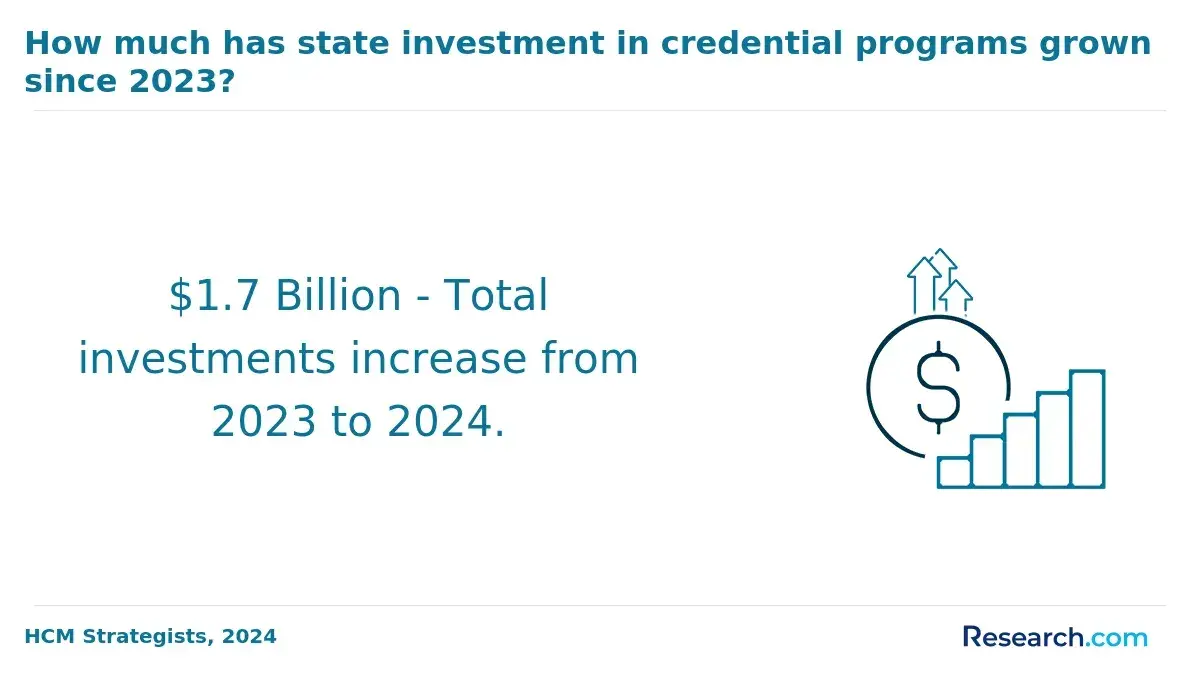
Data from the National Center for Education Statistics reveals that graduate tuition has increased by about 3% annually over the past five years, making it crucial for applicants to request a detailed cost-of-attendance report from each school before enrollin
- Tuition at Public vs. Private Institutions: Annual tuition for one-year online patient safety master's programs tends to differ significantly by institution type. Public universities generally charge between $15,000 and $30,000 for in-state students in accelerated tracks, while private colleges often range from $35,000 to $55,000. This gap reflects factors such as resource availability and institutional prestige.
- Technology and Online Learning Fees: Many programs require additional fees to cover online platform maintenance, software access, and technical support. These charges usually fall between $300 and $1,200 per year, an important budget consideration for distance learners.
- Course Materials and Textbooks: Students should plan on spending roughly $500 to $1,500 for textbooks, proprietary databases, and other specialized resources essential for successfully completing patient safety coursework.
- Proctoring and Exam Fees: Remote exam proctoring is common, with fees typically ranging from $50 to $150 per required exam. Programs often require multiple assessments, so these costs can accumulate over the duration of the degree.
- Residency Requirements or Practical Components: Although most accelerated patient safety master's programs are fully online, some include short on-campus residencies or simulation labs. Associated travel and lodging expenses could range from $500 up to $2,000 depending on the program's location and length.
A professional who pursued an online patient safety master's degree to pivot his career described the financial planning process as both "challenging and eye-opening." He noted, "Balancing tuition with additional fees like technology and proctoring was something I hadn't fully anticipated at first."
The need to factor in unexpected expenses, such as travel for a mandatory residency, pushed him to carefully evaluate budgets and seek financial advice. He emphasized that while the accelerated format demanded intense focus, understanding the full financial commitment beforehand was key to managing stress throughout the program.
What Financial Aid and Scholarship Options Are Available for One-Year Patient Safety Master's Students?
Students pursuing one-year patient safety master's financial aid options should prioritize completing the FAFSA early, especially since accelerated programs may begin outside typical academic calendars. Federal financial aid includes loans and Federal Work-Study awards that help ease tuition payments and expenses during study. Awareness of program-specific deadlines ensures no aid opportunities are missed.
Merit-based scholarships serve as another critical funding source, often awarded for academic merit, leadership skills, or professional achievements in accelerated patient safety master's programs. These scholarships can significantly reduce overall costs, but eligibility requirements vary by institution.
Departmental fellowships provide tuition remission or stipends, frequently linked to minimum enrollment and satisfactory academic standing. Employer tuition reimbursement programs also support working students, requiring continued employment and enrollment documentation. Prospective students should contact their program's financial aid office for tailored guidance and application details.
External scholarship searches, including tools like the College Board's Scholarship Search, can uncover additional funding aligned with healthcare graduate studies. Approximately 60% of graduate students recently reported receiving some type of financial aid, emphasizing the importance of exploring multiple avenues. Those interested in related options might also consider affordable nursing programs.
- Federal Financial Aid and FAFSA: Timely FAFSA submission is crucial to access federal loans and work-study funds; accelerated programs' unique start dates require early filing to meet deadlines.
- Merit-Based Scholarships: Scholarships based on academic or professional success help lower costs; eligibility varies among programs.
- Departmental Fellowships: Fellowships may offer tuition discounts or stipends contingent on minimum enrollment and academic progress.
- Employer Tuition Reimbursement: Working students can seek employer assistance, typically requiring proof of continued employment and course enrollment.
- External Scholarship Searches: Using resources like the College Board's Scholarship Search reveals additional financial aid opportunities tailored to graduate healthcare students.
What GPA, Prerequisites, and Professional Experience Do One-Year Patient Safety Master's Programs Require?
Graduate-level programs in patient safety often require applicants to maintain a minimum GPA close to 3.0 on a 4.0 scale. However, admissions committees examine transcripts in context, considering differences in institutional grading standards and course difficulty to gauge academic aptitude accurately.
Prerequisite courses typically cover foundational topics such as health sciences, statistics, and quality improvement methodologies. Applicants missing these may need to complete bridge courses or preparatory modules before starting the full curriculum, ensuring they are well-prepared for the pace and rigor of accelerated programs.
Professional experience frequently plays a pivotal role in admissions decisions. Many programs waive standardized tests like the GRE for candidates with relevant backgrounds in healthcare, quality assurance, or safety roles. This practical experience often signals applicants' readiness for leadership in patient safety and can compensate for other academic gaps.
Since requirements vary significantly across institutions, prospective students should review each program's admissions criteria closely instead of assuming uniformity. A noticeable trend in recent years is programs adopting holistic reviews that weigh academic records alongside professional expertise to support diverse candidates, including career changers and international students.
- Minimum GPA Expectations: Most programs expect around a 3.0 GPA but assess it with respect to institutional grading practices, ensuring fairness in evaluation.
- Prerequisite Coursework: Essential foundational classes usually include health sciences and statistics; programs often offer options to address gaps before enrollment.
- Professional Experience Importance: Relevant work in healthcare or quality fields can enhance applications and sometimes replace GRE requirements.
- Variation in Admissions: Policies differ widely, so applicants must consult each program's guidelines carefully.
- Holistic Review Trends: Increasingly, programs balance GPA with experience to broaden access to qualified applicants.
A healthcare professional who completed an online patient safety master's program reflected on her journey, noting, "I worried my GPA might be borderline, but the admissions team valued my decade of experience working directly in hospital quality assurance." She shared how completing a short statistics refresher helped her feel ready for the coursework and that the waiver of the GRE reduced her application stress significantly. Her story highlights how aligning prerequisites and relevant experience can make an accelerated program both accessible and rewarding.
Are GRE or GMAT Scores Still Required for Accelerated Online Patient Safety Master's Admissions?
Since the COVID-19 pandemic, an increasing number of accelerated online patient safety master's programs have adopted test-optional admissions, minimizing reliance on GRE or GMAT scores. Instead, these programs emphasize candidates' academic records, professional experience, and holistic qualifications to better reflect real-world readiness and diversity.
Some programs still require standardized tests but frequently offer waivers for applicants who demonstrate significant work experience or hold advanced degrees. These exceptions prioritize practical expertise over exam performance, particularly for candidates returning to school or career changers. International applicants may face distinct requirements based on their previous education and English proficiency.
- Test-Optional Admissions Growing: The shift away from mandatory GRE/GMAT scores aligns with broader trends in healthcare master's programs, making accelerated online formats more accessible to working professionals and nontraditional students.
- Waivers Offered for Relevant Experience: Many institutions grant test score exemptions to applicants with substantial patient safety-related work history or graduate education, recognizing professional competence as a key predictor of success.
- Programs Still Requiring Testing: A subset of programs targeting recent undergraduates or those with limited work background maintain standardized testing requirements, often detailing these policies clearly online.
- Regularly Check Admissions Pages: Since test policies evolve rapidly, prospective students should consult each school's official admissions site to confirm current criteria and waiver options before applying.
- Portfolio Strength Can Substitute Testing: Well-crafted resumes, letters of recommendation, and statements emphasizing relevant patient safety experience frequently serve as effective alternatives to test scores during admissions reviews.
A 2023 survey by the Council of Graduate Schools revealed that 72% of U.S. master's programs in healthcare fields have embraced test-optional policies, underscoring a widespread movement toward more flexible admissions in patient safety education.
How Are Courses Structured and Delivered in a One-Year Online Patient Safety Master's Program?
One-year online patient safety master's programs commonly employ a hybrid delivery model combining synchronous and asynchronous learning to suit accelerated formats. Synchronous sessions feature live lectures and real-time discussions that encourage interaction with faculty and peers, while asynchronous coursework gives students flexibility to study on their own schedule. This blended format supports the intensive pace and workload typical of compressed timelines.
Terms usually last between 12 to 16 weeks, with students enrolling in 9 to 12 credit hours per term. Weekly study commitments generally range from 20 to 30 hours, reflecting the rigor and depth expected within the condensed schedule. Assignments, such as case studies, quizzes, and projects, are often assigned weekly or biweekly to ensure consistent progress through the curriculum.
- Credit Load and Time Commitment: Students face heavier course loads compared to traditional programs, requiring strong time management skills to balance synchronous activities, independent study, and practical assignments within shorter semesters.
- Capstone and Practicum Integration: Many programs include a capstone project or practicum in the final term, emphasizing hands-on experience with real-world patient safety challenges, allowing students to apply their learning directly.
- Thesis Options: Though less frequent in accelerated tracks, some offer a thesis pathway, demanding extensive research completed alongside coursework within the one-year framework.
- Weekly Engagement and Flexibility: Asynchronous modules provide adaptability for students juggling professional and personal responsibilities, while synchronous sessions maintain vital peer and instructor engagement.
Recent studies indicate that nearly 70% of prospective students rank flexible delivery models as a key factor when choosing accelerated healthcare master's programs, underscoring the importance of balancing academic rigor with adaptability.
What Core Curriculum and Specialization Tracks Are Covered in a One-Year Online Patient Safety Master's Degree?
One-year online patient safety master's degree curriculum essentials focus on providing foundational courses that equip students with critical knowledge in healthcare risk management, safety culture, and data analytics for health outcomes. These compressed programs require a rigorous study pace to deliver content typically spread over two years, offering faster degree completion with less elective flexibility. Curriculum depth remains substantial, ensuring students gain the expertise necessary to tackle real-world safety challenges despite the accelerated timeframe.
Specialization tracks in accelerated patient safety master's programs allow students to tailor their education to specific career paths such as healthcare quality improvement, clinical risk management, healthcare informatics, or regulatory compliance. These concentrations deepen student expertise and enhance readiness for targeted roles like patient safety officer or compliance analyst, increasing professional opportunities in specialized healthcare subfields.
Top programs continually review and update their curriculum based on the latest patient safety regulations, technological advances, and industry best practices. This ongoing revision helps maintain alignment with current patient safety standards and emerging research, ensuring graduates remain competitive and well-prepared to lead quality initiatives in healthcare systems.
- Foundational Core Courses: Essential topics include risk assessment, safety culture development, and quality metrics, building a comprehensive base of knowledge and skills fundamental to patient safety practice.
- Specialization Tracks: Focused areas such as healthcare informatics and clinical risk management allow tailored learning experiences that support career advancement in specific safety fields.
- Curriculum Compression: These programs compact two years of coursework into a single year, demanding intensive study but enabling faster entry into the workforce with robust professional preparation.
- Industry-Relevant Updates: Curricula are regularly revised to incorporate new patient safety research, technology innovations, and evolving healthcare regulations to stay current and rigorous.
- Career Readiness: The combination of core and specialization coursework prepares graduates for leadership and operational roles, reflecting an emphasis on practical skills and professional success.
Applicants interested in this accelerated pathway should understand admissions requirements, often including GPA thresholds, prerequisite coursework, and relevant professional experience. For those exploring nursing pathways, resources clarify whether do you have to take the TEAS test to get into nursing school might apply as part of preparation before entering patient safety graduate studies.
How Do One-Year Online Patient Safety Programs Balance Academic Rigor With Accelerated Completion?
One-year online patient safety programs often face skepticism about whether accelerated timelines compromise academic rigor. However, many programs address this concern through well-designed structures ensuring comprehensive learning without sacrificing depth. Cohort learning models build community and accountability, enabling students to collaborate closely despite the compressed schedule. Block scheduling and intensive modular course formats help concentrate coursework into manageable, focused timeframes, maintaining both pace and thoroughness.
Faculty qualifications are crucial in upholding standards. Programs led by experienced professionals with clinical and research expertise maintain rigorous assessments and apply real-world scenarios to the curriculum. Additionally, robust student support-including personalized academic advising, tutoring, and career coaching-helps students navigate challenges effectively, fostering success and retention. These combined elements confirm that accelerated patient safety master's degree curriculum challenges can be met without loss of rigor.
Prospective students should seek programs that are transparent about alumni networks and publish employment outcomes, as these data points reflect program quality and marketplace reputation. Graduates from these programs frequently demonstrate strong job placement, positive employer feedback, and notable career progression. For those also interested in expanding healthcare credentials, exploring related pathways such as medical coding and billing certification can be advantageous.
- Cohort Learning Models: Structured peer engagement fosters collaboration and accountability, enhancing student participation and motivation within the shortened timeframe.
- Modular Scheduling and Intensity: Concentrated course blocks focus on essential competencies while maintaining academic depth suitable for accelerated timelines.
- Qualified Faculty Leadership: Instructors with clinical and scholarly expertise ensure rigorous standards and relevant applied learning throughout the curriculum.
- Comprehensive Student Support: Academic advising, tutoring, and career services provide crucial assistance that supports student achievement and program completion.
- Employment and Alumni Metrics: High job placement rates and active alumni communities provide evidence of program effectiveness and long-term value in the patient safety profession.
What Technology Tools and Software Skills Are Students Expected to Learn in an Online Patient Safety Master's Program?
One-year patient safety master's students gain expertise in essential software and analytical tools that meet employer demands for data-driven healthcare improvement. Mastery of these applications supports roles focused on enhancing clinical outcomes through technology integration and interdisciplinary collaboration.
- Risk Management Software: Coursework includes training on platforms like RL Solutions and Quantros used for incident reporting and compliance oversight, enabling students to identify safety risks and enforce preventive measures effectively.
- Data Analysis Tools: Programs emphasize proficiency in SPSS, SAS, or R to analyze patient safety data, helping graduates assess trends and inform evidence-based strategies for reducing errors.
- Electronic Health Record Systems: Familiarity with EHR software such as Epic and Cerner is integral, allowing students to extract and interpret safety metrics crucial for accurate patient data management.
- Collaboration Platforms: Given the importance of teamwork, students develop skills in communication tools like Microsoft Teams and Zoom to facilitate timely interprofessional coordination.
- Technical Prerequisites and Software Access: Reliable computers with sufficient processing power and stable high-speed internet are typically required. Many programs offer free or discounted access to vital licensed software, lowering technical barriers for students.
Recent surveys show that 78% of healthcare employers prioritize candidates with demonstrated competence in healthcare analytics and patient safety technologies, highlighting the value of these proficiencies in today's job market.
Can Students Pursue a One-Year Online Patient Safety Master's Degree While Working Full-Time?
One-year online patient safety master's programs typically require 12 to 15 credit hours per semester, amounting to roughly 30 to 45 hours of study weekly. This time includes attending virtual classes, completing assignments, and participating in group work. Many working students successfully manage this workload by using time-blocking techniques to allocate dedicated study periods and by choosing programs that offer asynchronous courses for flexibility.
Some employers also provide support through flexible schedules or tuition reimbursement. Surveys reveal that between 40% and 60% of accelerated program enrollees maintain full-time employment while studying. Prospective students should discuss the following with admissions counselors before enrollment:
- Weekly Time Commitment: Request clarification on expected study hours each week based on credit load and course intensity to prepare effectively.
- Program Flexibility: Explore the availability of asynchronous or recorded classes that accommodate varied work schedules.
- Employer Collaboration: Inquire whether partnerships exist with employers offering flexible work options or financial assistance.
- Support Services: Assess the availability of academic advising and time-management resources tailored to working professionals.
- Workload Peaks: Understand if specific modules require intensified effort so you can plan your work-life balance accordingly.
What Graduates Say About Their One-Year Online Patient Safety Master's Degree Program
- Ann: "Choosing an online patient safety master's degree was a strategic decision to transition from a clinical role to healthcare quality assurance. The flexibility allowed me to balance work and study without relocating or pausing my career, and the program's affordability made the shift financially feasible. Since graduating, I've seen a clear promotion path open up that aligns with my passion for reducing medical errors and improving patient outcomes."
- William: "Reflecting on my experience, the biggest draw of the online patient safety master's program was the opportunity to gain specialized knowledge without sacrificing my full-time job. While the cost was a consideration, the investment felt justified given the depth of expertise I acquired and the subsequent recognition from my employer. Professionally, the degree empowered me to lead safety initiatives confidently and influence institutional policies."
- Vivian: "My motivation to pursue an online patient safety master's degree stemmed from a desire to elevate my existing healthcare career by acquiring evidence-based skills in risk management. The program was reasonably priced compared to traditional routes, which made continuing education more accessible. This degree has since enhanced my credibility within the field and expanded my network, directly contributing to new job opportunities and leadership roles."
Other Things You Should Know About Patient Safety Degrees
Most one-year online patient safety master's degree programs require between 30 and 36 credit hours. This compressed format usually condenses core courses and electives into an intensive schedule, allowing students to complete the program in 12 months. Applicants should verify credit hour requirements as they can vary slightly depending on the institution's curriculum design.
Graduates of one-year online patient safety master's degrees often see a positive impact on their salary and career opportunities. The specialized knowledge and skills gained prepare students for leadership roles in healthcare quality improvement, risk management, and regulatory compliance. Many employers recognize this credential as a mark of advanced expertise, which can lead to promotions and increased earning potential.
The accelerated format can be demanding due to the fast pace and heavy workload, which may challenge students balancing work or personal commitments. Additionally, some programs might limit elective choices, reducing opportunities for specialization. Prospective students should also ensure that the program holds proper accreditation to avoid issues with credential recognition by employers or professional bodies.
References
- Human Factors for Patient Safety https://www.staffs.ac.uk/course/human-factors-patient-safety-msc
- 25 Public Health Scholarships and Tips to Apply https://www.publichealthdegrees.org/resources/scholarships/
- Master of Science in Health Quality https://healthsci.queensu.ca/hqprograms/programs/master-science-health-quality
- MSN in Healthcare Quality and Safety https://www.snhu.edu/online-degrees/masters/ms-in-nursing-patient-safety-and-quality
- Master's of Science - Health Informatics and Analytics https://hia.charlotte.edu/admissions/overview/masters-science/
- Essential Patient Safety Course (EPSC) - ESAIC https://esaic.org/professional-growth/educational-courses/epsc/
- Fully online Master’s in Patient Safety launched | Imperial News | Imperial College London https://www.imperial.ac.uk/news/221013/fully-online-masters-patient-safety-launched/
- 50 Top Scholarships for Students of Medical & Health Programs https://www.edumed.org/financial-aid/scholarships/