2027 Online BA in Psychology - General Psychology: Choosing a Degree for Employee Development Without an HR Major
Audited and Verified:
Our Editorial and Data Verification Process
Research.com uses government datasets, official education statistics and primary institutional information to support its career and degree guides. Our review process checks factual accuracy, occupational definitions, source dates and the requirements associated with the credentials discussed.
How This Article Was Fact-Checked
Our editorial team verifies salary estimates, employment projections, education requirements and program information against original data providers and official organizations. Salary figures are checked against the relevant occupational definitions and reporting periods. Information about licensure, accreditation and required in-person training is reviewed separately.
Fact-checked and verified on:

Co-Founder and Chief Data Scientist
You may already coach coworkers, explain new procedures, or help run training - yet lack the degree or experience requested for employee development roles. An online BA in general psychology can build useful knowledge of learning, motivation, and research, but it is not the only route into workplace training.
This guide is for people considering that degree instead of an HR major or shorter training. It explains what employers may value, where psychology coursework falls short, and how to judge whether the time and cost will advance your particular career.
Key Things You Should Know
- An HR major is not generally required for employee development; relevant training experience, communication skills, and evidence that your programs work may matter more than the major's name.
- A general psychology BA can support this work through learning theory, motivation, statistics, and research methods, but you may need separate practice in instructional design and workplace training tools.
- Before enrolling, compare the credits and cost you would need to finish with a shorter route, such as employer-supported projects or targeted coursework; a bachelor's program commonly requires about 120 semester credits in total, though school requirements vary.
What is an online BA in general psychology for employee development?
It is a broad undergraduate psychology degree delivered primarily online, not a degree that automatically specializes in HR or organizational training. General psychology examines behavior and the evidence used to explain it. For employee development, its most useful applications are understanding how adults learn, evaluating whether training changes workplace behavior, and communicating findings without overstating them.
A BA may allow room for electives in education, communication, business, or organizational psychology. That flexibility makes it worth comparing psychology major options at online colleges, but confirm each school's actual course list: an appealing elective may be unavailable online or may not count toward the major. A BS may emphasize additional science or quantitative work; neither degree title alone establishes better preparation for a training job.
Can you work in employee development without an HR major?
Yes. Training and development specialists come from varied educational backgrounds, and employers may value experience teaching, coaching, creating materials, or measuring results. A retail supervisor who trains new hires, for example, already has experience to document. Their next gap may be designing accessible lessons and assessing learning - not necessarily completing another major.
Start with job postings for the role you want. Separate required qualifications from preferences, then compare them with work you can demonstrate: a training needs assessment, a revised onboarding guide, or an evaluation plan. Seek permission before using workplace materials in applications, and remove confidential employee information.
If you already hold a bachelor's degree, compare targeted courses and employer-supported projects with a second BA. A graduate degree is a different investment; psychology master's fees and total study costs matter only if the specific roles you seek justify that additional study.
What careers can an online psychology bachelor's degree lead to?
The closest match is a training and development specialist role: identifying skill gaps, organizing instruction, helping deliver it, and checking whether employees can use what they learned. Related entry points include training coordinator, onboarding coordinator, and learning-program assistant. Titles differ by employer; some specialist jobs expect prior training experience or familiarity with learning-management systems.
A psychology BA can also support applications for nonclinical research or program-support positions, but those jobs draw on different skills. If your interest is helping people with substance use rather than developing employees, investigate substance use counseling education and degree options separately. Counseling responsibilities and credentials can be state-regulated; workplace training experience does not substitute for them.
Online study can make a BA possible without relocating or leaving a job, but delivery mode does not determine flexibility. An asynchronous lecture may fit around shifts while a live seminar, group project, or supervised experience may not. Campus study may make it easier to attend office hours, join research teams, or build local employer connections; online students should ask how they access comparable opportunities.
Compare the scheduled obligations - not just the word "online", before choosing a pace. Schools offering routes for speeding up an online psychology degree may use shorter terms that demand more intensive weekly work. If you are employed or caregiving, ask for sample syllabi, live-meeting times, internship policies, and the procedure for reducing your course load.
Expect introductory psychology, statistics, research methods, and coursework on topics such as learning, cognition, development, and social behavior, alongside general education. Requirements vary. For employee development, statistics and methods help you evaluate training evidence; learning and cognition help you design instruction; social psychology can illuminate teamwork and group dynamics.
Look beyond course titles for assignments that let you practice presenting evidence, designing accessible materials, or interpreting survey results. Organizational psychology and education electives can help, but they may not replace hands-on instruction in needs assessment, instructional design, learning-management systems, or employment-related rules.
Choose electives for your target work rather than a specialization that merely sounds distinctive: short-duration undergraduate forensic psychology programs, for instance, address a substantially different interest than employee development.
First-year applicants generally submit proof of secondary-school completion and the materials required by the institution. Transfer applicants usually provide transcripts from every college attended; schools set their own GPA, application, and major-entry policies. Work experience in training may strengthen your sense of direction, but it does not automatically award academic credit.
If you have prior coursework, request a written degree audit before committing. Ask which credits satisfy general education, psychology major, statistics, and residency requirements - not just how many credits are accepted. Compare psychology program transfer policies, then obtain the admitting school's evaluation of your own record. A transferred course can count as an elective without replacing a required course.
A bachelor's degree commonly totals about 120 semester credits; a full-time student starting without college credit often plans around four academic years. Your remaining time depends on accepted credits, required course sequences, term offerings, and how many courses you can realistically take while working. An accelerated calendar does not necessarily reduce the number of credits.
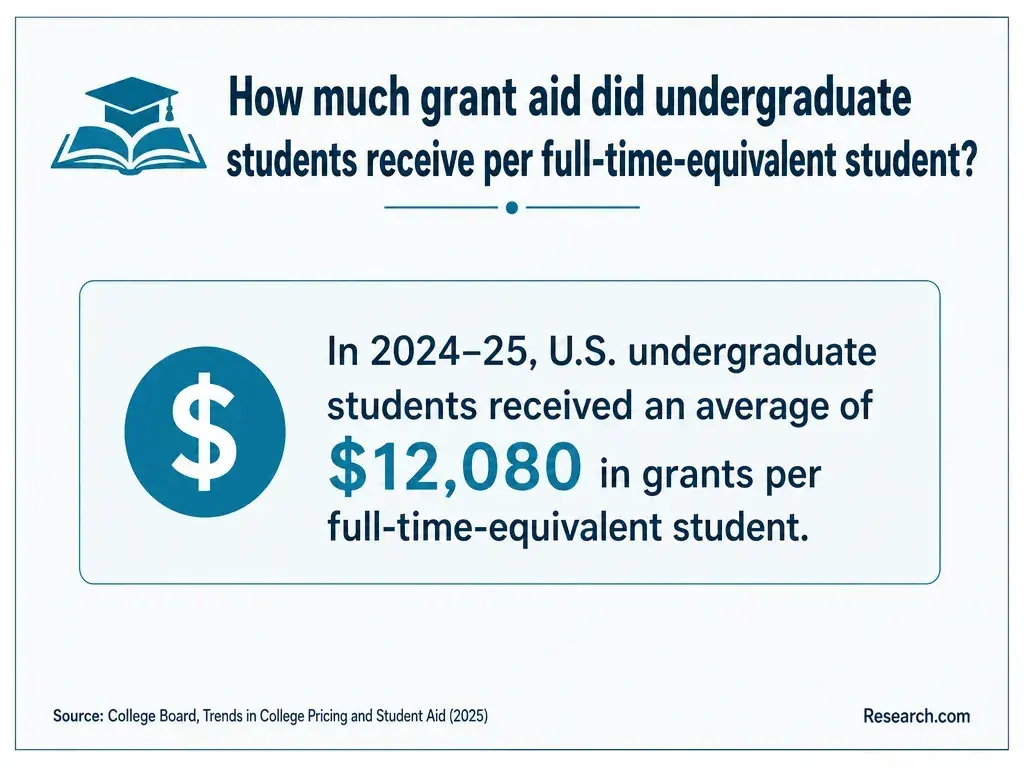
For cost, request a term-by-term estimate showing tuition, required fees, books or software, and any travel or unpaid experience. Calculate it from the credits you still need, not the advertised per-credit rate alone. Use budget-conscious psychology program comparisons to identify schools to investigate, then verify charges, financial-aid conditions, and employer reimbursement rules with each school and employer. If your current role offers training projects, include the income and experience you could gain by postponing or avoiding a second degree.
No license is required simply to earn a psychology BA or to perform ordinary, nonclinical employee-training duties. The degree does not authorize psychotherapy, diagnosis, independent psychological assessment, or use of a protected professional title. If "employee development" means providing mental health counseling through an employee assistance program, that is a different career decision.
For that goal, investigate state licensing-board requirements and qualifying professional programs rather than assuming psychology coursework will count. Clinical counseling degree formats and completion estimates can help frame the additional training commitment, but a program's curriculum and your state's rules - not its online format or speed, determine whether it meets your intended credential requirements.
There is no reliable single salary for "psychology BA graduates": pay follows the occupation, location, employer, and experience. The US Bureau of Labor Statistics reports a median annual wage of $65,850 for training and development specialists in May 2024 and projects 11% employment growth for that occupation from 2024 to 2034. These are occupation-wide figures, not starting-pay estimates or outcomes promised by a psychology program.
Use postings in your market to check whether entry-level training roles accept your experience and whether higher-paying openings require specialized tools or a track record of program design. Do not compare employee-training wages directly with counseling wages without accounting for different duties and credentials. If counseling is the actual goal, low-cost substance use counseling undergraduate degree pathways are a separate comparison, subject to state-specific credential rules.
How can you choose an accredited online psychology program?
Confirm that the institution holds accreditation recognized by the US Department of Education or the Council for Higher Education Accreditation, and check that it applies to the school awarding the degree. Do not expect APA accreditation for a general psychology BA; APA accreditation covers specified professional psychology training programs, not broad undergraduate majors.
Then test each program against your employee-development goal. Request a degree audit and sample course schedule; identify relevant electives and opportunities to complete a supervised, nonclinical workplace project; and ask what online students receive from advising and career services. Compare the resulting cost and schedule with targeted training and your current employer's development opportunities.
If you are considering a clinical career instead, fast-track mental health counseling master's planning belongs to a separate, license-focused evaluation. Choose the psychology BA when you need the bachelor's credential and can use its broad scientific training, not simply because its title sounds relevant to working with people.
Other Things You Should Know About Psychology
Possibly. Ask the instructor whether it meets the assignment, and obtain employer permission before using workplace information. Employee surveys or identifiable records may require additional review and safeguards.
Policies vary by institution. Ask the registrar for the exact diploma wording and whether the transcript identifies the delivery format.
It may, but employers set their own eligibility, reimbursement, grade, and repayment rules. Get the policy in writing before enrolling.
Only with appropriate permission and privacy protections. A description of your process and a sample you created may demonstrate your skills without disclosing someone else's comments.
- Requirements Related to the Practice of Counseling - NCBI https://www.ncbi.nlm.nih.gov/books/NBK259170/
- Transfer Credits for Online Programs | Simmons University https://www.simmons.edu/academics/undergraduate-studies/online/transfer-credits
- Pursuing a Career in I/O Psychology | apa.org https://www.apa.org/education-career/guide/subfields/organizational/education-training
- Undergraduate and Graduate Tuition and Fees | Purdue Global https://www.purdueglobal.edu/tuition-financial-aid/undergraduate-graduate-tuition-and-fees/
- How to Transfer College Credits | California Southern University https://www.calsouthern.edu/admissions/transferring-credits/
- How to choose an accredited online university that fits your goals | Inside Capella | Capella University Blog https://www.capella.edu/blog/inside-capella/how-to-choose-an-accredited-online-university-that-fits-your-goals/
- Tuition & Financial Aid - Counseling@NYU https://counseling.steinhardt.nyu.edu/admissions/tuition-financial-aid/
- What Do Training and Development Specialists Do | Franklin University https://www.franklin.edu/career-guide/training-and-development-specialists/what-do-training-and-development-specialists-do
- APA Accreditation Process https://accreditation.apa.org/accreditation-process
- Online Undergraduate Degree Tuition & Financial Aid | Berklee Online https://online.berklee.edu/degrees/about/undergraduate-degree-tuition-financial-aid