
2027 Most Popular Concentrations in Sports Management Degrees

Co-Founder and Chief Data Scientist
Choosing the right concentration within sports management is essential as the industry diversifies and job roles become more specialized. With the sports sector expected to grow by over 10% in the next decade, employers increasingly seek candidates skilled in niche areas such as sports marketing, analytics, or facility management to meet evolving demands.
This article explores the most popular concentrations in sports management degrees, helping prospective students identify which specialization aligns with their career ambitions. Understanding these options ensures informed decisions about education pathways and future professional opportunities in this competitive field.
Key Benefits of Popular Concentrations in Sports Management Degrees
- Specialized concentrations in sports management improve job placement by aligning skills with roles in sports marketing, facility management, and athlete representation, sectors growing at 9% annually.
- Students develop advanced competencies in data analytics, contract negotiation, and event coordination, critical for leadership roles in a competitive sports industry.
- Industry demand favors graduates with focused knowledge, as teams and organizations seek professionals capable of innovative revenue generation and fan engagement strategies.
What Are the Most Popular Sports Management Concentrations in 2027?
Interest in specialized sports management study paths is rising as students and professionals seek focused expertise that aligns with the shifting demands of the sports industry workforce. Evolving organizational needs and technological advancements continue to shape how incoming talent approaches their careers within this dynamic field.
Among the top sports management concentrations in the United States today, several stand out for their relevance and growth potential:
- Event Management: This concentration remains fundamental, training students to efficiently coordinate tournaments, conferences, and sporting events. It develops crucial skills in logistics, budgeting, and stakeholder collaboration.
- Sports Marketing: Driven by the intensified competition for fan engagement and brand visibility, this concentration focuses on digital promotion strategies. Expertise in marketing across multiple platforms has become a critical asset for sports entities aiming to expand their audience.
- Coaching and Athletic Administration: Popular among those targeting leadership roles within athletic departments, this concentration includes programs like Concordia University-Irvine's M.S. in Coaching & Athletic Administration, which has graduated over 237 students. It prepares professionals for the operational and strategic management of athletic programs.
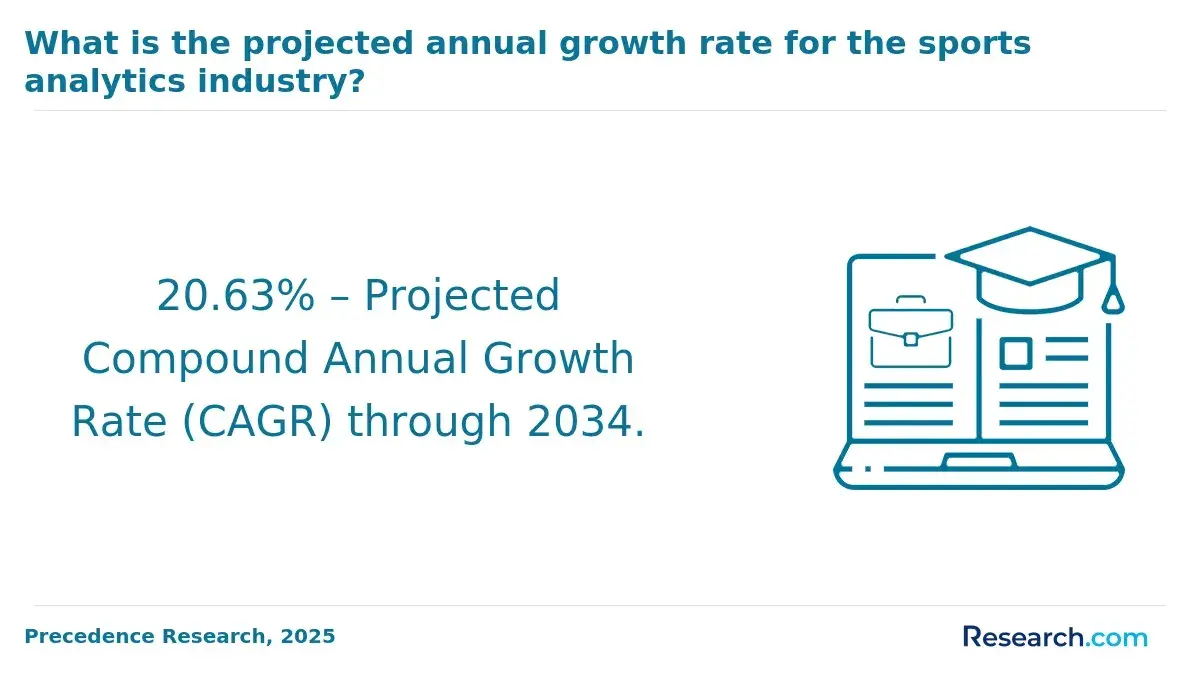
- Sports Analytics and Data Management: Reflecting the growing importance of data, this trending concentration addresses the skills gap in player evaluation and fan behavior analysis. Organizations increasingly rely on data-driven insights to inform strategy and performance.
- Sports Law and Organizational Management: This area attracts students interested in sports governance, contract negotiation, and compliance. Graduates are well equipped to handle legal and administrative aspects that significantly influence institutional success.
Prospective students targeting the most in-demand sports management specializations today can explore accelerated paths through accelerated degree programs online, offering streamlined education that meets evolving industry needs efficiently.
What Skills Are Required for the Top Sports Management Concentrations?
Skill development is essential for success in specialized sports management study paths, as evolving industry expectations continuously reshape the competencies students must build. To remain competitive, aspiring professionals need to master a combination of soft and hard skills tailored to their chosen concentration.
- Organizational and Event Management: Strong organizational abilities, vendor coordination, and budget management expertise are critical for planning and executing successful sporting events, supporting efficient logistics and stakeholder communication.
- Leadership and Coaching: Essential communication and leadership skills for sports management concentrations like coaching and athlete development enable professionals to motivate teams, deliver constructive feedback, and understand sport-specific performance metrics.
- Sports Analytics and Business Acumen: Critical thinking and business acumen in sports management careers are vital for those working in analytics, requiring proficiency in statistical analysis, data interpretation, and strategic decision-making within sports organizations.
- Media Relations and Communication: Strong writing abilities and media literacy allow professionals to craft compelling narratives and manage reputations effectively across digital platforms and traditional media.
- Legal Knowledge and Compliance: Analytical thinking and regulatory knowledge equip individuals to handle contract negotiations, liability issues, and industry regulations with attention to detail.
Students interested in advancing these diverse skills can explore options like online college classes open enrollment to access flexible programs that meet workforce demands.
Do Different Sports Management Concentrations Have Different Admission Requirements?
Different sports management concentrations generally do not have vastly different admission requirements, as most programs maintain uniform baseline standards across their specializations.
However, requirements can vary slightly depending on the complexity of the concentration and the specific skills needed. For example, programs with an emphasis on analytics might require stronger quantitative coursework, while event management tracks could prioritize documented professional experience.
This variation often reflects how schools evaluate candidates rather than strict admission barriers, accommodating the diverse skill sets relevant to each concentration. Such differentiation aligns with common practices in sports management admission requirements by university, where the core criteria remain consistent but nuanced preferences influence admissions decisions.
Typical differences among concentrations include minimum GPA thresholds, prerequisite coursework, and sometimes portfolio or resume submissions showcasing relevant experience. Undergraduate programs at institutions like Wayne State University and the University of Connecticut exemplify this approach by enforcing standard admission protocols with recommended preparatory courses in economics or psychology for certain tracks.
Graduate programs, such as the University of San Francisco's master's program, maintain uniform minimum GPA requirements but weigh applicant materials differently based on specialization focus. These criteria exist not to gatekeep but to guide applicants toward the most suitable track within sports management.
Prospective transfer students will find transfer student prerequisites for sport management programs emphasize similar foundational requirements, helping ensure success across all concentrations. Students curious about career outcomes might also explore what majors make the most money in related fields to inform their decisions.
Do Specific Sports Management Concentrations Require Accredited Programs?
Accreditation plays a vital role in ensuring the quality of specialized sports management studies and can impact a student's qualifications for careers or certifications in the field. Choosing a program with proper accreditation affects how employers and professional bodies recognize your credentials.
- Program-Level Accreditation: Accreditation like COSMA evaluates entire degree programs, not individual concentrations, meaning the overall program's status is what employers and certifiers consider.
- Curriculum Standards: Accredited programs must allocate significant credit hours to core sports management subjects, guaranteeing a well-rounded foundation across marketing, finance, legal issues, and administration.
- Employer Preferences: Many organizations prefer candidates from accredited programs, as they trust these programs provide thorough preparation for specialized roles.
- Graduate Program Requirements: Master's-level sports management programs typically demand a minimum credit load and require that at least half of the courses come from the sports management department itself, ensuring academic rigor.
Is the Quality of Online Sports Management Concentration Tracks the Same as On-Campus Programs?
As more students weigh online against on-campus sports management options, program quality increasingly shapes their choices. Evaluating core factors helps determine whether the learning experience meets professional standards, regardless of format.
- Curriculum Standards: Both formats offer frameworks ensuring comprehensive industry knowledge when aligned with academic norms.
- Accreditation: Institutional recognition remains the benchmark for program credibility and employer acceptance.
- Faculty Expertise: Experienced instructors drive consistent learning outcomes across delivery methods.
- Learning Outcomes: Well-structured programs prioritize measurable skills and knowledge, independent of modality.
- Technology and Support: Online programs depend on reliable digital platforms and accessible advising to foster student engagement.
- Hands-on Opportunities: On-campus options often integrate face-to-face collaboration and practical projects, while online tracks utilize interactive tools for experiential learning.
One graduate from a popular sports management concentration shared insights after completing a hybrid program combining in-person and online classes. She found the blend both challenging and rewarding, noting, "Balancing self-paced online modules with the energy of live campus workshops pushed me to stay disciplined, yet benefited from real-time feedback."
She described moments where "digital discussions felt almost as dynamic as classroom debates," but also valued "the networking and hands-on events that only on-campus sessions provided." Her experience underscored that quality hinges on thoughtful program design and student commitment rather than format type alone.
Which Sports Management Concentration Is the Hardest to Complete?
Sports management concentrations differ in difficulty based on factors like course rigor, required skill sets, workload intensity, and the overall curriculum design. Programs demanding deeper technical knowledge and broad interdisciplinary study typically pose greater challenges for students.
- Comprehensive Legal Knowledge: Sports law requires grasping both abstract legal theories and their practical application in areas such as contracts, collective bargaining, and intellectual property.
- Advanced Terminology: Mastery of specialized legal jargon and regulatory frameworks goes beyond standard sports management coursework, increasing complexity.
- Prerequisite Coursework: Students must first complete foundational studies in business and accounting before tackling advanced sports law classes, elevating the academic burden.
- Professional Credentialing: Many roles in sports law require additional licenses or bar certification, adding external pressures beyond academic requirements.
What Careers Can You Get with Each Sports Management Specialization?
Sports management concentrations offer tailored expertise that aligns graduates with targeted career opportunities, helping them match their skills with industry demands. Recognizing how each specialization connects to specific roles enables students to select paths best suited to their ambitions.
- Sports Marketing and Promotion: Graduates often become marketing managers, brand strategists, or public relations specialists, crafting campaigns that increase fan engagement and forge corporate sponsorships within professional and collegiate sports.
- Event Management and Facility Operations: Careers include managing venues, coordinating events, and overseeing gameday logistics at stadiums and arenas, ensuring seamless execution of sports tournaments and promotional activities.
- Sports Finance and Business Operations: Typical roles cover financial analysis, budgeting, and business development within franchises, focusing on revenue growth and operational efficiency in sports organizations.
- Coaching and Player Development: Graduates work as athletic trainers, coaches, or scouts, combining fieldwork with management to develop athletes across youth, collegiate, and professional levels.
- Sports Administration and Leadership: Positions include athletic directors and general managers who direct sports programs, emphasizing strategic planning and organizational oversight.
A professional with a sports marketing and promotion background shared how navigating early career choices felt like a balancing act between passion and practicality. "Deciding which role to pursue was daunting—whether to dive into brand management or focus on sponsorship deals," he recalled.
He emphasized that gaining hands-on experience through internships helped clarify his interests and build confidence. "It wasn't just about knowing marketing theory but applying it in the fast-paced sports world that shaped my career direction." This journey highlights how exploring different roles within a specialization can be both challenging and rewarding for those entering the field.
What Market Trends Are Shaping the Top Sports Management Concentrations in 2027?
Staying informed about evolving industry trends helps students select sports management concentrations that align with market needs and enhance career prospects. Demand for specific skills and expertise shifts as technology, consumer habits, and business strategies change within the sports sector.
- Data Analytics and Sports Intelligence: The rise of analytics is reshaping decision-making in sports organizations. Graduates with strong quantitative abilities are sought after for roles in player assessment, revenue optimization, and enhancing fan interactions.
- Event Management and Operations: Managing live sports events and venues remains critical, requiring hands-on competence in logistics and coordination. Such roles offer immediate employability in organizing tournaments and ensuring smooth operations.
- Sports Marketing and Digital Media: The digital shift in sports consumption drives the need for expertise in social media, content creation, and global brand strategies. Skills in these areas open pathways into marketing roles within diverse international markets.
- Entrepreneurship and Sports Business: Increasing interest in launching sports-related startups encourages focus on innovation and business development. This trend fosters opportunities for those aiming to create ventures within the dynamic sports ecosystem.
What Are the Average Salaries for Popular Sports Management Concentrations?
Salary prospects in sports management vary widely depending on the specific concentration chosen, making it essential for students to evaluate these differences. This insight helps align career goals with financial expectations, particularly when examining how roles differ by specialization and location.
Considering sports management salary by state and concentration can reveal significant disparities, such as higher earnings in states like Connecticut compared to Minnesota. Here are some of the highest-paying sports management careers and locations:
- Sport Performance Analyst: Averaging $75,189 annually, these professionals use data analytics to improve athlete performance. Their specialized technical skills and the growing focus on data-driven strategies have increased demand and compensation.
- Sports Field Management: Facility and field managers earn about $72,018 per year managing the operations of sports venues. Their role requires administrative and technical expertise, reflecting the rising investment in sports infrastructure nationwide.
- Sports Social Media: Digital marketing specialists in sports earn around $51,754 annually. While this area is vital for enhancing online engagement, salaries tend to be moderate relative to other concentrations.
- Athletic Director: Earning approximately $69,380 annually, athletic directors oversee entire athletic departments at educational institutions, managing budgets and staff with extensive experience or advanced education.
- Sports Trainer: With an average salary near $54,463, trainers focus on athlete health and rehabilitation. This hands-on role suits those from exercise science or kinesiology backgrounds.
For students exploring degree options, the list of top online universities offers a valuable resource to research programs that align with these career paths.
How Do You Choose the Best Concentration in a Sports Management Program?
Selecting the right concentration in a sports management program is critical for aligning your education with your career goals and personal strengths. This decision shapes your professional path and enhances your competitiveness in the evolving job market.
- Career Aspirations and Job Market Alignment: Identify which roles excite you the most, whether in event coordination, athlete development, sports law, or facility management. Target concentrations that correspond with emerging industry trends and long-term career objectives to ensure relevant course preparation.
- Skill Development and Personal Strengths: Choose a concentration that leverages your existing talents while cultivating new, professionally valuable skills. For those adept at negotiation and relationship management, sports law or athlete representation offer solid fits, whereas operational skills align better with event management or facility operations.
- Industry Demand and Program Offerings: Investigate the concentrations available at your preferred institutions and evaluate their alignment with sectors actively recruiting graduates. Practical internships and specialized certifications in areas like sport event management can improve your employability in competitive fields.
- Program Requirements and Specialization Options: Comparing sports management program requirements and specialization options reveals how different programs structure concentrations and the depth of focus they provide. Understanding these nuances helps in selecting a path that fits your academic strengths and career goals.
- Personal Interest and Long-Term Goals: Beyond market demand and skills, ensure the concentration matches your genuine interests to maintain motivation throughout your studies and beyond.
When selecting the right sports management concentration for your career goals, thorough research is essential—including reviewing reputable resources like the trade schools list of careers.
What Graduates Say About Their Popular Concentrations in Sports Management Degrees
- Weston: "The sports management concentration really opened my eyes to the business side of athletics. The hands-on projects and real-world case studies made the learning experience both engaging and practical. Considering the average cost of attendance was manageable, I feel like the investment was worth the career boost I've gained."
- Clyde: "Pursuing a sports management degree with a focus on event coordination allowed me to reflect deeply on the complexities behind major sports events. While the financial commitment was significant, understanding industry costs helped me budget wisely and made the payoff in my career progression feel justified."
- Ralph: "My experience in the marketing concentration within sports management was incredibly professional and detailed. The coursework prepared me for actual challenges in the sports industry, and the typical expense of the program felt like a strategic investment in my future earning potential. I'm confident this degree opened many doors for me. "
Other Things You Should Know About Sports Management Degrees
To pursue a concentration in sports law in 2027, you typically need a bachelor's degree in sports management or a related field. Some programs may require relevant coursework or experience in legal studies. Check specific university requirements for exact prerequisites.
In 2027, students choose sports marketing as a concentration due to the growing digitalization of sports promotion, the increasing importance of social media campaigns for sports teams, and the expanding global audience, all of which create a high demand for skilled sports marketers.
In 2027, sports analytics is experiencing increased interest due to advancements in technology and data-driven decision-making. Students focus on predictive modeling, player performance analysis, and fan engagement analytics, preparing them for roles that demand a strong analytical skill set in the evolving sports industry.
References
- MBA in Sport Management (MBA Sport) https://business.fau.edu/masters-phd/mba-program/mba-sport/
- Online Bachelor of Science in Sport Administration https://louisville.edu/online/programs/bachelors/bachelor-of-science-in-sport-administration
- Choosing The Right Sports Management Major for your Career | Barton College https://www.barton.edu/choosing-a-sports-management-major/
- Admission Requirements - Sports Management https://www.vsu.edu/gradstudies/masters-degree-programs/sport-management/admission-requirements.php
- Five things to consider when choosing a sport management course - SportsPro https://www.sportspro.com/insights/opinions/guest-blogs/five_things_to_consider_when_choosing_a_sport_management_course/
- Careers With a Sport Management Degree https://sm.hhp.ufl.edu/news/careers-with-a-sports-management-degree/
- Precedence Research. (2025). Sports Analytics Market Size to Hit USD 29.75 Billion by 2034. https://www.precedenceresearch.com/sports-analytics-market
- Bureau of Labor Statistics. (2024, August 29). Occupational Outlook Handbook: Fitness Trainers and Instructors. U.S. Department of Labor. https://www.bls.gov/ooh/personal-care-and-service/fitness-trainers-and-instructors.htm
- Bureau of Labor Statistics. (2025). Employment Projections: 2024-2034. U.S. Department of Labor. https://www.bls.gov/ooh/


