2027 Online BA in Psychology - General Psychology: Choosing a Degree When Your Employer Changes Tuition Benefits
Audited and Verified:
Our Editorial and Data Verification Process
Research.com uses government datasets, official education statistics and primary institutional information to support its career and degree guides. Our review process checks factual accuracy, occupational definitions, source dates and the requirements associated with the credentials discussed.
How This Article Was Fact-Checked
Our editorial team verifies salary estimates, employment projections, education requirements and program information against original data providers and official organizations. Salary figures are checked against the relevant occupational definitions and reporting periods. Information about licensure, accreditation and required in-person training is reviewed separately.
Fact-checked and verified on:

Co-Founder and Chief Data Scientist
A change to your employer's tuition benefit can turn an affordable psychology degree plan into a difficult financial decision. If you are starting or finishing an online BA in general psychology, the right response is not necessarily to leave your program or to stay.
This guide shows you how to compare your remaining degree requirements, new out-of-pocket costs, financial aid, and scheduling options. You will be able to decide whether to continue, transfer, slow down, or pursue a more direct route to your career goal.
Key Things You Should Know
- Compare the cost to finish, not advertised tuition. Include credits that apply to graduation, fees, aid, and any employer benefit still available.
- A psychology BA commonly requires about 120 semester credits overall, but accepted transfer credits may not satisfy major or residency requirements.
- Get written answers from your employer and school before changing enrollment; a gap or transfer can affect benefit eligibility, aid, and your graduation date.
What Is an Online BA in General Psychology?
An online bachelor of arts in general psychology is an undergraduate degree covering psychological science across several subjects rather than training for one licensed profession.
"General" usually means students can explore areas such as development, social behavior, cognition, and mental health while building research, writing, and statistics skills. The BA designation does not establish a standard curriculum across schools; compare the actual requirements with those of any BS you are considering.
For someone whose employer has reduced tuition support, breadth has a financial advantage only if the program applies existing credits efficiently and offers the courses needed to finish.
A shorter calendar is not automatically cheaper. Fast-track psychology degree programs online may require a course load that is hard to sustain while working or may reduce eligibility for an employer benefit tied to specific terms.
Is an Online Psychology Degree Accredited and Transferable?
Check the institution's accreditation through the accreditor and the U.S. Department of Education's recognized-accreditor information.
Institutional accreditation matters for federal aid eligibility and is often considered by receiving schools, but it does not guarantee that another college will accept a course or apply it to the psychology major. The American Psychological Association does not accredit general psychology bachelor's programs.
If transferring could replace lost employer funding, ask the prospective school for a degree audit showing where each course applies: general education, psychology major, elective credit, or no credit.
Confirm upper-division, residency, statistics, and research-methods requirements separately. A school's transfer-credit estimate is less useful than an approved evaluation tied to your intended degree and entry term.
Accreditation questions become more specialized if you later consider another field. For example, forensic psychology admissions and education planning calls for checking the actual degree and career pathway, not assuming that institutional accreditation confers a forensic or clinical credential.
Can You Become a Psychologist With a Bachelor's Degree?
A general psychology BA alone does not qualify someone for independent psychological assessment, diagnosis, psychotherapy, or a licensed psychologist role.
Psychologist licensure generally requires substantially more education and supervised training, with requirements set by the state. If your aim is a different licensed mental health profession, identify that occupation first; counseling, social work, and psychology have distinct qualifying programs and rules.
This distinction matters when benefits disappear. Paying for a BA may be worthwhile as preparation for further study, but it is not the entire price of entering a licensed profession. Compare the prerequisites and total subsequent training for your target role.
Even shorter accredited clinical mental health counseling study plans should be evaluated against the relevant state's educational and supervised-practice requirements, not their advertised pace alone.
Online delivery may remove a commute, but it does not necessarily let you study whenever you wish. Ask whether courses have scheduled meetings, timed exams, group work, on-campus visits, or internships with set hours. Those commitments can determine whether a lower-cost option is feasible alongside your job.
The comparison is especially important if you plan to continue beyond the BA. An online undergraduate research project may be manageable remotely, while a later professional program can involve supervised placements and fixed schedules. Information about online mental health counseling master's timelines should not be read as a promise that all required training can be completed on your own schedule.
Expect introductory psychology and coursework spanning development, social or cognitive psychology, research methods, and statistics, alongside general education and electives. Requirements differ by institution. If you may transfer, request course-by-course decisions on statistics and methods early: a course can transfer as elective credit without replacing a required major course.
Choose electives around the work you want to do, not only the subjects that sound appealing. Research methods and data analysis can support research-assistant or program-evaluation applications; development and community-focused courses may inform nonclinical support work.
Studying addiction academically is different from meeting a state's counseling credential rules. If that is your target occupation, compare the BA's requirements with distance learning degrees in addiction counseling and the applicable state requirements before paying for electives that may not count.
First-time applicants typically submit prior school records; transfer applicants generally provide transcripts from every college attended. Schools may set their own GPA, application, and transfer-entry rules, and admission to the institution does not necessarily settle admission to the major or the credits needed to graduate.
For a returning student, the consequential question is often what happens after admission. Ask whether a break in enrollment changes your catalog requirements, whether previously completed psychology courses still apply, and when you will receive an official degree audit.
If you are considering graduate study instead of finishing a BA, check that program's separate entrance rules. Additionally, consider comparing accredited addiction psychology BA pathways, which typically follow the same admission guidelines, to broaden your search for prospective careers.
A bachelor's degree commonly totals about 120 semester credits, but your remaining time depends on the approved degree audit, course sequence, and enrollment pace, not simply the number of credits on your transcript. Ask whether required classes run every term and whether taking fewer courses would delay a prerequisite sequence.
Calculate the cost of finishing from your current position at each school. The following comparison separates charges from funding so that a tuition-benefit reduction is not mistaken for a change in the school's price.
| Item | What to verify for each option |
| Tuition and required fees | Rate by credit or term, online fees, and any rate changes |
| Credits still required | Approved audit, residency minimum, and courses that must be repeated |
| Other costs | Books, software, travel, and any unpaid experiential requirement |
| Funding | Remaining employer benefit, grants, scholarships, and loan eligibility |
| Time-related costs | Possible lost earnings or added terms caused by course scheduling |
Ask your financial aid office how a reduced course load or transfer would affect your specific package and satisfactory academic progress.
If your goal ultimately requires a professional master's, include that later expense in your decision. Tuition-conscious shorter mental health counseling master's study is a separate cost comparison, not a reason to assume the BA alone will qualify you to counsel clients.
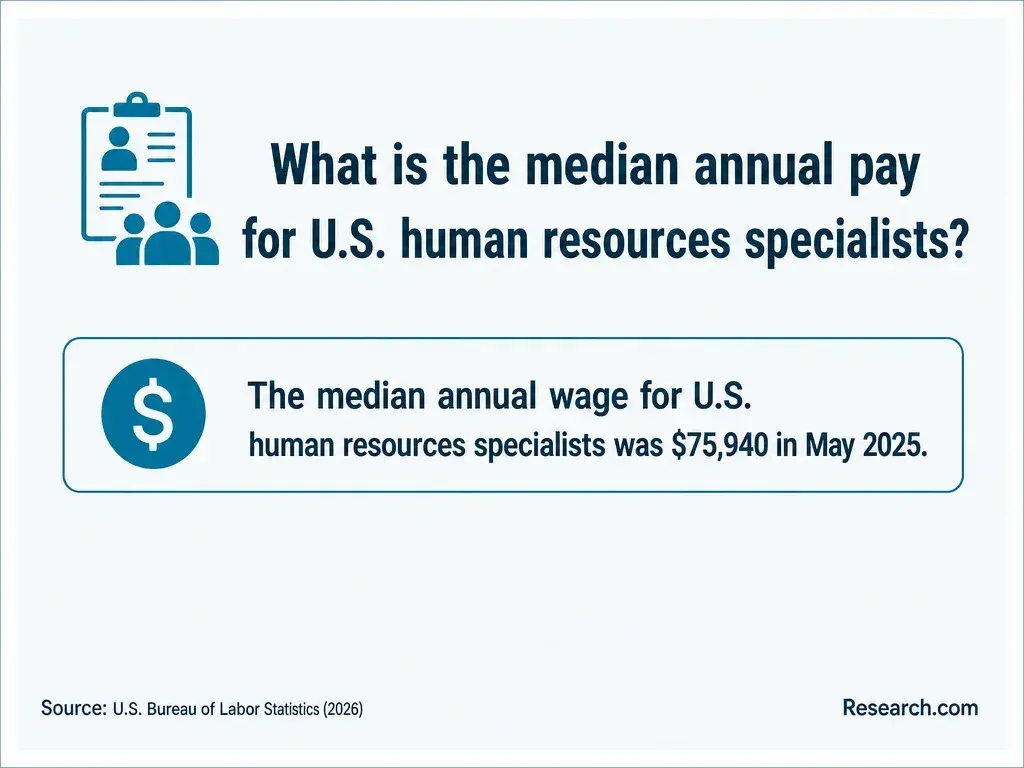
A psychology BA can support applications for nonclinical work such as human-services assistance, intake coordination, community outreach, research support, or recruiting. Employers may also require relevant experience, technical skills, background checks, or a specific credential.
Describe your existing workplace skills, documentation, communication, data handling, or training, alongside what you learned in psychology, rather than expecting the degree title to do all the work.
If the lost tuition benefit makes finishing difficult, review postings for your actual target job. Some roles may be reachable through your current experience plus targeted training; others require a completed bachelor's degree. A forensic interest, for instance, does not itself require an accelerated graduate credential for every victim-services or justice-support job.
Compare actual duties and requirements before investing in short-format forensic psychology graduate program choices. Such a program does not, by its name or speed, confer authority to conduct forensic evaluations.
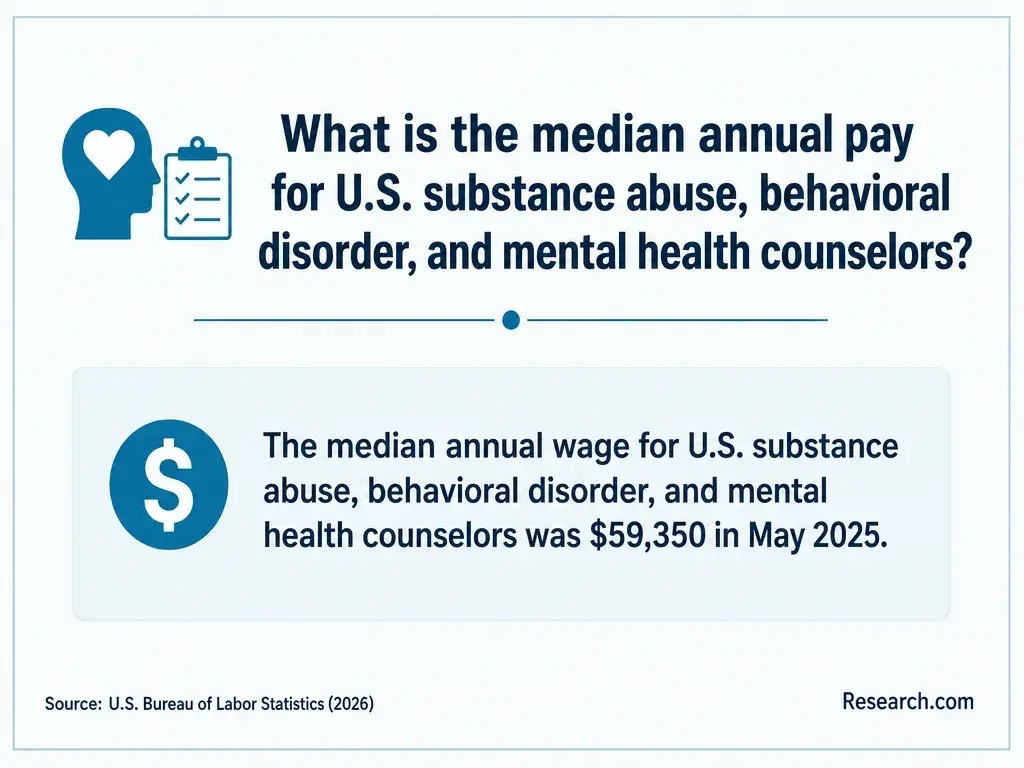
There is no single reliable salary for "a psychology BA graduate." Pay depends on the occupation, location, experience, employer, and duties. The U.S. Bureau of Labor Statistics' Occupational Outlook Handbook reports wages by occupation, so compare its entry requirements and pay data with the specific jobs you would pursue, not with the degree name. An occupation-wide median includes experienced workers and is not a starting-salary offer.
For a financial decision, compare plausible local job postings with your current compensation and the additional amount you would personally pay to finish. If advancement requires graduate training, model that as another investment rather than assuming a BA will deliver graduate-level pay.
The same caution applies when evaluating shorter graduate psychology degree options. A faster nonclinical master's does not guarantee a raise or qualify you for licensed psychologist work.
How Should You Choose a Psychology Program After Losing Tuition Benefits?
Begin with the written change to your employer's policy. A lower annual allowance, a new reimbursement requirement, and the complete loss of eligibility create different decisions.
Confirm the effective date, eligible schools and courses, grade requirements, payment timing, and any obligation to remain employed. Then compare continue, transfer, reduce pace, and pause using the same remaining-degree plan.
This sequence helps prevent an apparently inexpensive change from adding repeated courses or uncovered terms:
- Request an updated degree audit from your current school and an official transfer evaluation from each serious alternative; compare requirements satisfied, not just credits accepted.
- Obtain each school's itemized estimate for the remaining courses, required fees, and likely completion schedule.
- Ask each financial aid office how your proposed enrollment affects grants, loans, and satisfactory academic progress; apply for aid rather than assuming you are ineligible.
- Check course schedules, live attendance, leave and readmission rules, and any placement requirements against your work obligations.
- Choose the lowest-risk route that meets your actual career goal, even if that means targeted training instead of a new degree.
If addiction-service work is your goal, financial aid for substance abuse counseling bachelor's degrees offers a useful adjacent comparison. Verify the aid and credential rules for the specific program you would enter; funding available for one degree is not automatically available for another.
Stay if your remaining requirements and net cost remain manageable. Transfer only when an approved audit and funding estimate show a meaningful advantage after lost credits and delay.
Slow down or pause if it protects your finances, but obtain the consequences in writing first. If your intended job does not require a psychology BA, compare a narrower qualification or supervised experience before committing to more tuition.
Other Things You Should Know About Psychology Programs
Your employer's written policy controls. Ask benefits staff which effective date applies and whether a course already approved remains eligible; keep the approval and response.
Check the school's withdrawal deadline, tuition-refund policy, and financial aid consequences before acting. A withdrawal may save some charges but can also affect aid or academic progress.
A 529 plan can generally pay eligible education expenses at an eligible institution, subject to tax rules and the expenses involved. Confirm qualified expenses and avoid claiming the same expense for incompatible tax benefits.
It may spread payments, but it does not lower tuition. Review enrollment fees, due dates, and the risk of a registration hold if a payment is missed.
- General Requirements for Withdrawals and the Return of Title IV Funds | 2025-2026 Federal Student Aid Handbook https://fsapartners.ed.gov/knowledge-center/fsa-handbook/2025-2026/vol5/ch1-general-requirements-withdrawals-and-return-title-iv-funds
- Types of Financial Aid: Grants, Work-Study, and Loans | studentaid.gov https://studentaid.gov/understand-aid/types
- Frequently asked questions about educational assistance programs | Internal Revenue Service https://www.irs.gov/newsroom/frequently-asked-questions-about-educational-assistance-programs
- Undergraduate Program - UVA's Psychology Department https://psychology.as.virginia.edu/undergraduate-program
- What Degree Do I Need to Become a Counselor or Therapist? | Palo Alto University https://paloaltou.edu/resources/blog/what-degree-do-i-need-become-counselor-or-therapist
- Career Pathways in Psychological & Brain Sciences | Information Technology Services https://artsandsciences.louisville.edu/psychological-and-brain-sciences/career-pathways
- Billing and Refunds | Temple University Office of the University Registrar https://registrar.temple.edu/billing-and-refunds
- BA in Psychology | Cal State LA https://www.calstatela.edu/nss/psychology/ba-psychology
- Counseling & Therapy (Graduate Education Required) | ucdavis.edu https://yellowcluster.ucdavis.edu/psychology-career-pathways/helping-professions/counseling-and-therapy-careers