
2027 Online Communication Disorders Degree Master's Programs That Meet State Licensure Requirements

Co-Founder and Chief Data Scientist
An online master’s in communication disorders can be a practical route into licensed practice, but only if the program matches the rules of the state where you plan to work. The key decision is not simply whether a program is affordable, flexible, or well known. It is whether its accreditation, curriculum, supervised clinical training, exam preparation, and paperwork will satisfy your state licensing board.
This matters because communication disorders licensure is regulated at the state level. Boards may review graduate credits, required coursework, supervised practicum hours, supervisor qualifications, exam scores, background checks, official transcripts, and program verification forms. A program can be legitimate and rigorous yet still create problems if its clinical placement process or documentation does not fit your state’s requirements.
The risk is real for online students. According to a recent study, over 35% of online communication disorders graduates reported difficulties meeting state-specific clinical practicum standards. This guide explains how to evaluate online communication disorders master’s programs with licensure in mind, including accreditation, credit hours, coursework, supervised hours, exams, application documents, approval timelines, costs, and license transfer issues.
Key Things to Know About Online Communication Disorders Degree Master's Programs That Meet State Licensure Requirements
- Verify that the program adheres to your state's academic standards, as requirements vary widely and directly impact eligibility for licensure exams.
- Ensure supervised clinical training meets state guidelines to qualify for licensure and gain essential hands-on experience despite the program being online.
- Consider if the degree supports licensure portability, allowing future practice across multiple states to accommodate career mobility within the evolving U.S. healthcare system.
Can I Get Licensed With an Online Communication Disorders Master's Degree?
Yes, an online communication disorders master’s degree can lead to licensure in many states when it meets the same academic, clinical, and documentation standards required of campus-based programs. Licensing boards typically care less about course delivery format and more about whether the degree prepares graduates for safe, supervised, entry-level practice under state rules.
Approximately 75% of U.S. states recognize online graduate degrees from regionally accredited institutions that uphold criteria similar to traditional on-campus programs. Recognition does not mean automatic approval, however. A board may still examine the program’s accreditation, course sequence, clinical practicum model, supervisor credentials, and official verification materials before issuing a license.
What state licensing boards usually evaluate
- Institutional accreditation: The school generally must hold recognized accreditation accepted by the licensing authority.
- Program content: Graduate coursework should address the communication disorders knowledge, assessment skills, intervention methods, and ethical standards expected for professional practice.
- Supervised clinical experience: Practicum, internship, or fellowship hours must be completed in approved settings under qualified supervision.
- Official documentation: Boards may require transcripts, clinical hour logs, supervisor verification, exam scores, and program-completion forms.
- State-specific requirements: Some states add ethics training, jurisprudence exams, background checks, or proof that online coursework is equivalent to in-person preparation.
The practical question is not, “Is an online degree allowed?” It is, “Will this specific program qualify me in the state where I intend to apply?” Before enrolling, ask the program whether recent graduates have been licensed in your target state and verify the answer with the state board whenever possible.
Students comparing other licensed helping professions should use the same caution. For example, an online MSW degree may also require state-specific fieldwork, exam, and licensing documentation.
Do I Need an Accredited Online Communication Disorders Program for Licensure?
In most cases, yes. Accreditation is one of the first items licensing boards review because it helps establish that the institution and program meet accepted academic and professional standards. Most U.S. states require graduates of online communication disorders master's programs to earn their degree from an accredited institution to qualify for licensure, with nearly 90% mandating either regional or programmatic accreditation.
Accreditation should be verified before you apply, not after admission. A program may look flexible, affordable, and well marketed, but if it lacks the accreditation your state requires, you could face application delays, extra coursework, or licensure ineligibility.
Accreditation checks to complete before enrollment
- Regional Accreditation: Many boards require the university to be regionally accredited because this confirms institution-level oversight and degree legitimacy.
- Programmatic Accreditation: The Council on Academic Accreditation in Audiology and Speech-Language Pathology (CAA) provides specialized accreditation that many states recognize for communication disorders and speech-language pathology preparation. Many states specifically mandate CAA accreditation for master's degrees in communication disorders.
- State Board Recognition: Some boards publish approved-program lists, while others review out-of-state and online programs individually.
- Current Accreditation Status: Confirm that the accreditation is active and ask whether the program is under probation, teach-out, or formal review.
- Degree-Specific Coverage: Make sure accreditation applies to the exact master’s degree you plan to complete, not only to a related undergraduate program, certificate, doctoral program, or campus-based option.
Strong programs are direct about licensure alignment. They should be able to explain which states they are designed to serve, how clinical placements are approved, and what documents graduates usually submit to licensing boards.
Related online certification programs can support professional development or specialization, but they should not be treated as replacements for an accredited, licensure-eligible graduate degree.
How Many Credit Hours Are Required for Communication Disorders Licensure by State?
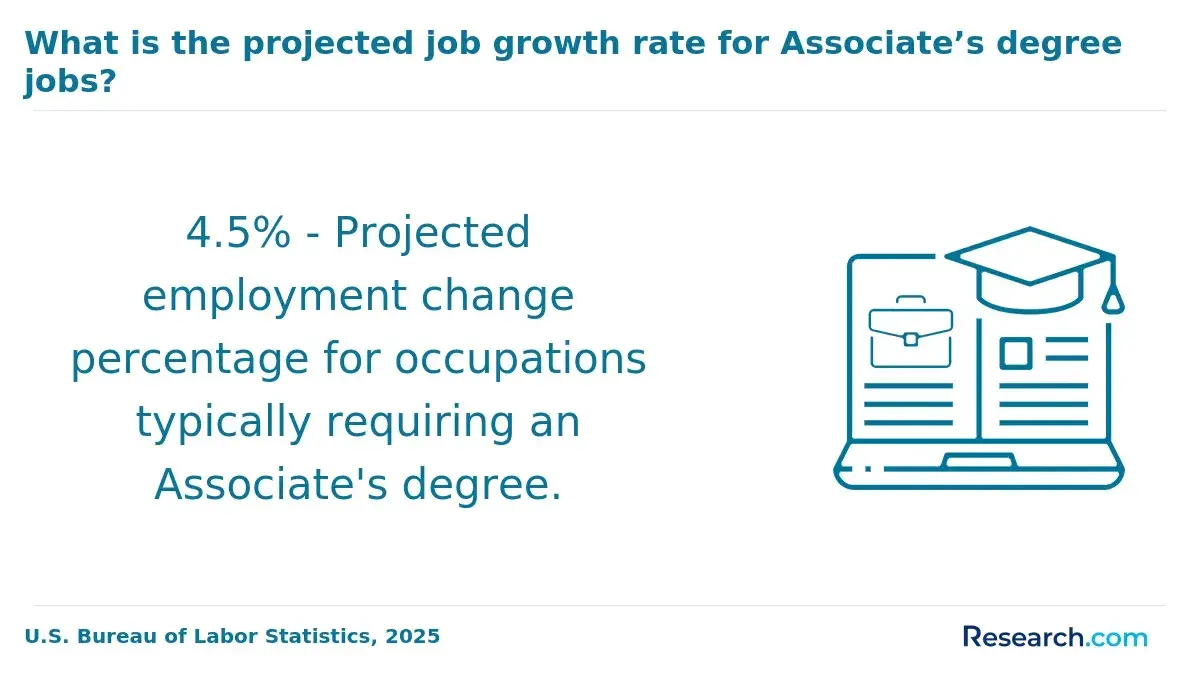
Credit-hour requirements are not uniform across states. Graduate credit hour requirements for Communication Disorders licensure differ widely by state, but most licensing boards require between 36 and 75 graduate credit hours. The typical standard falls near 60 credit hours, reflecting variable state regulations and professional benchmarks.
Total credits are only part of the review. Boards may also examine how credits are distributed across diagnostics, intervention, speech and language development, ethics, clinical methods, and supervised practicum. A degree can meet the overall credit count yet still miss a required subject area.
Credit-hour questions to ask before applying
- Does the degree meet your state minimum? Compare the program’s official curriculum with the graduate credit requirement in the state where you plan to seek licensure.
- Are credits distributed correctly? Some states require particular subject areas rather than accepting any collection of graduate credits.
- What if you relocate? A program that satisfies one state may not fully satisfy another state’s endorsement or reciprocity standards later.
- Do prerequisites or transfer credits count? Boards may treat undergraduate prerequisites, bridge courses, and transferred graduate credits differently.
- Can the school document the curriculum? You may need catalogs, syllabi, degree plans, or program verification forms for board review.
| What to compare | Why it matters for licensure | What to request |
| Total graduate credits | States may set minimum degree credit requirements. | Official degree plan or curriculum sheet. |
| Required subject areas | Boards may require specific academic content, not just total credits. | Course descriptions and syllabi. |
| Clinical credit structure | Some states review practicum separately from didactic coursework. | Clinical handbook and practicum requirements. |
| Transfer or prerequisite credits | Credits taken outside the program may or may not count. | Written transfer-credit policy. |
Broad career resources, including comparisons of high-paying college majors, can help with long-term planning. For licensure, the immediate priority is more specific: whether each required graduate credit will be accepted by the state board.
What Online Coursework Is Required for Communication Disorders Licensure in Different States?
Online communication disorders master’s programs designed for licensure usually combine academic coursework with structured clinical preparation. Although coursework requirements for communication disorders licensure differ across states, most licensing boards expect online master's programs to include essential subjects that prepare students for clinical work. Over 85% of states have explicit coursework criteria tied to licensure eligibility.
Do not rely on a program title or a broad claim that the curriculum is “licensure-focused.” Review the full course sequence against the requirements published by the licensing board in your target state, and ask the program to explain any gaps before you enroll.
Course areas commonly reviewed by licensing boards
- Speech and Language Development: Students typically study typical and atypical communication development across the lifespan.
- Assessment Techniques: Coursework should prepare students to select, administer, interpret, and document diagnostic tools appropriately.
- Intervention Strategies: Programs should cover evidence-based treatment planning and service delivery for varied populations and practice settings.
- Professional Ethics and Standards: Boards often expect formal preparation in ethics, confidentiality, documentation, professional boundaries, and standards of care.
- Neurological and Anatomical Foundations: Students generally need grounding in the biological, neurological, and anatomical bases of speech, language, swallowing, and hearing-related functions.
Students who specifically want to become speech-language pathologists should compare communication disorders curricula with masters in speech pathology programs, since licensure eligibility often depends on closely matched coursework and supervised clinical training.
How to verify that courses will count
- Request full course descriptions instead of relying on course titles alone.
- Ask whether syllabi are available if a board requires detailed course review.
- Confirm whether prerequisites must be completed before admission, clinical placement, graduation, or licensure.
- Find out whether online courses include live labs, simulations, campus visits, or supervised clinical components.
- Save syllabi, catalogs, clinical handbooks, practicum forms, and program verification documents.
One licensed professional who completed an online master's program in communication disorders said early research was essential because "the variability in coursework expectations was surprising." Before clinical placement began, he compared the program’s courses with his state board’s rules and requested detailed syllabi.
That preparation helped him avoid preventable setbacks. He described the process as "a challenge, but worth the effort to ensure my education fully aligned with professional requirements."
How Many Supervised Hours Are Required for Communication Disorders Licensure With an Online Master's Degree?
Supervised clinical experience is often the most complex part of earning licensure through an online communication disorders master’s program. Requirements differ significantly by state but generally range between 300 and 400 supervised clock hours for master's-level candidates.
Even when academic coursework is online, clinical preparation is typically hands-on and local. Students need approved placement sites, qualified supervisors, direct client contact, accurate logs, and evaluations that satisfy state documentation rules.
Supervised training components you may need
- Clinical Observation: Students observe licensed clinicians to understand assessment, treatment planning, client interaction, and professional documentation. Some states limit how many observation hours can count.
- Supervised Practicum: Practicum places students in direct service settings under licensed supervision so they can apply graduate coursework to real cases.
- Internship or Clinical Fellowship: Advanced clinical experiences may require more independence while still involving oversight. Some states require a separate number of internship or fellowship hours beyond practicum.
- Telepractice Training: Some programs include remote service delivery, but states differ in how they count telepractice hours, supervisor presence, and client eligibility.
- Documentation and Evaluation: Boards may require logs, supervisor signatures, performance evaluations, client-contact summaries, and verification forms.
Clinical placement questions to ask the program
- Does the school arrange and approve clinical sites, or are students responsible for finding placements?
- Are placements available in your state or within a reasonable commuting distance?
- What license or credential must a supervisor hold for hours to count?
- How are hours recorded, approved, audited, and reported to the board?
- What happens if a placement site closes, a supervisor leaves, or a board rejects a clinical site?
A strong online program should have a defined placement process and state-specific documentation procedures. Be cautious if a school offers general assurances but cannot explain how placements are approved, how supervisors are vetted, or how clinical hours are verified.
Do All States Require the Same Communication Disorders Licensing Exam for Online Master's Degree Graduates?
No. Licensing exams are required in all states for those seeking professional licensure in communication disorders, but the specific exams and passing criteria vary significantly. About 85% of states use the national Praxis Speech-Language Pathology exam as the primary licensing assessment, while others require supplemental or fully state-specific exams with unique content and scoring standards.
Exam planning should begin before graduation. Test dates, score reporting, retake rules, and state-specific exams can affect when your application becomes complete and when you are eligible to start a licensed position.
Exam requirements that may vary by state
- Exam type: Some states rely on the Praxis exam, while others add ethics, jurisprudence, rules, or state-practice exams.
- Passing score: Minimum scores can differ, so follow the score requirement published by the board where you plan to apply.
- Retake policy: Waiting periods or limits on attempts may delay licensure if you do not pass on the first attempt.
- Documentation for online graduates: Boards may request proof that online coursework and clinical training meet state standards.
- Score reporting process: Some boards require scores to be sent directly from the testing provider rather than uploaded by the applicant.
A graduate of an online communication disorders master's degree program said the exam process was more complex than expected. She explained, "I realized that even though the Praxis is common, my state required a state-specific ethics exam that wasn't mentioned during my program orientation." That extra exam changed her study schedule and application timeline.
She also discovered that the retake policy was stricter than she had expected, allowing fewer attempts than anticipated. Still, she said the added preparation improved her readiness for practice: "It made me feel confident that I understood local standards deeply, not just the national material."
What Documents Are Required for a Communication Disorders License Application?
A communication disorders license application depends on complete, accurate documentation. Research indicates that nearly 30% of applications experience delays because of missing or incomplete paperwork. Online master’s students should begin collecting records before graduation, while faculty, placement coordinators, and clinical supervisors are still easy to reach.
Requirements vary by state, but most boards ask applicants to prove that they completed an eligible graduate degree, required supervised clinical experience, licensing exams, background screening, and applicable fees.
Documents commonly required
- Official Academic Transcripts: Transcripts verify the institution, degree awarded, graduation date, and completed coursework. Wait until the master’s degree is officially posted before ordering final transcripts.
- Proof of Supervised Clinical Experience: Boards often require signed verification of practicum, internship, or clinical hours under qualified supervision. Use the state’s required form when one is available.
- Examination Scores: Praxis Speech-Language Pathology scores or state-specific exam results may need to be sent directly from the testing provider.
- Application Forms and Fees: Incorrect forms, missing signatures, outdated applications, or wrong payment amounts can delay review.
- Background Check and Fingerprints: Many states require criminal background screening and fingerprints through an approved process or vendor.
How to reduce application delays
- Use the current checklist from the state licensing board.
- Order official transcripts only after the degree has been posted.
- Confirm whether clinical supervisors must send verification directly to the board.
- Keep copies of syllabi, clinical logs, handbooks, evaluations, and submitted forms.
- Track each required item through the board portal or by written confirmation from board staff.
Treat documentation as part of your licensure plan, not a final administrative task. The best time to gather clinical hour logs, supervisor signatures, syllabi, and program verification forms is before you lose access to university systems or placement contacts.
How Long Does It Take to Get a Communication Disorders License Approved?
Approval time depends on the state board, application completeness, exam reporting, background checks, and verification of supervised clinical experience. On average, applicants can expect an approval process lasting roughly 8 to 12 weeks.
Some applications move faster. Others stall because the final transcript has not posted, fingerprints are pending, a supervisor form is incomplete, or exam scores have not arrived. Online graduates should include this waiting period in job-search plans and start-date discussions.
Factors that can affect approval time
- Application Completeness: Missing signatures, forms, fees, or clinical documentation can stop review until corrections are submitted.
- State Processing Speed: Boards differ in staffing, review procedures, meeting schedules, and backlog levels.
- Clinical Hour Verification: Inconsistent hour logs or unclear supervisor credentials may trigger additional review.
- Background Checks and Fingerprinting: These steps may depend on outside agencies, so early scheduling can help reduce delays.
- Exam Scheduling and Score Reporting: If a state requires an exam before licensure, testing and reporting timelines may determine when the file becomes complete.
| Stage | Common delay | Practical step |
| Before graduation | Unclear coursework or clinical documentation. | Request program verification and maintain copies of syllabi and hour logs. |
| Application submission | Missing forms, fees, or signatures. | Use the board checklist and submit only current forms. |
| Board review | Pending transcript, exam score, or background check. | Track receipt of each item through the board portal or staff contact. |
| Final approval | Additional questions from the board. | Respond quickly and keep written records of communication. |
Students comparing online education pathways should include licensure timing in their planning. Resources on affordable online EdD programs may support long-term academic goals, but communication disorders graduates should first make sure their license application is complete and moving through review.
How Much Does Communication Disorders Licensure Cost by State?
Communication disorders licensure costs vary by state and by the number of required steps. Licensure costs for communication disorders vary widely by state, typically totaling between $200 and $600. These costs may include application review, exams, background checks, initial license issuance, and renewals.
These expenses are separate from tuition, books, technology fees, clinical placement travel, and practicum-related costs. Budgeting for licensure before graduation can prevent delays caused by unexpected fees.
Common licensure cost categories
- Application Fee: This fee is paid when the license application is submitted and covers administrative processing. Depending on the state, it ranges from $50 to $200 and is a mandatory first step in the licensing process.
- Examination Fee: Most states require a national or state-specific exam, with fees typically between $200 and $300. Retakes, if allowed, may add costs.
- Initial Licensure Fee: After approval and exam completion, states may charge a separate fee to issue the license. This often falls between $100 and $250 and may include background checks or verifications as part of the process.
- Fingerprinting and Background Check Fees: Criminal background screening is common. These fees generally run from $40 to $100, covering national and state checks.
- Renewal Fees: Maintaining active licensure requires renewal every 1-3 years, with fees between $50 and $150 depending on the state.
Budgeting tips for online students
- Separate fees paid to the board, testing provider, fingerprinting vendor, and other agencies.
- Check whether your state charges separate temporary, provisional, or full-license fees.
- Include possible travel, parking, and site-related costs for supervised clinical work.
- Keep receipts in case an employer reimburses eligible licensure expenses.
Students comparing regulated career pathways can review a criminal justice degree guide to see how credentialing, licensing, and career preparation costs differ across fields.
How Do I Transfer My Communication Disorders License as an Online Master's Graduate to Another State?
Transferring a communication disorders license usually means applying through endorsement, reciprocity, or another state-specific process. A current license can help, but it does not guarantee automatic approval in a new state. About 60% of states have reciprocity agreements or simpler procedures for licensed communication disorders professionals.
Online master’s graduates should keep detailed records because the receiving state may review the original degree, accreditation, coursework, supervised hours, exam scores, and license history even if the applicant is already licensed elsewhere.
What to review before relocating
- State Licensure Requirements: Compare your education, exams, supervised hours, and current license status with the receiving state’s rules before accepting a position that depends on fast approval.
- Reciprocity and Endorsement Policies: Some states simplify review for licensed professionals, while others conduct a full evaluation of original training.
- Application Documentation: Common requirements include transcripts, license verification, clinical hour records, exam scores, and disciplinary history forms.
- Continuing Education Compliance: Some states require recent continuing education before granting a transferred license or before the first renewal.
- Processing Times and Fees: Transfer costs and timelines vary. The process can take weeks to months depending on the board and the completeness of the file.
Steps for a smoother license transfer
- Download the receiving state’s endorsement or reciprocity application.
- Request official license verification from your current state board.
- Order official transcripts from your graduate institution.
- Gather clinical hour logs and supervisor verification forms.
- Confirm whether additional exams, ethics modules, background checks, or fees are required.
If relocation is likely, choose an online master’s program with portability in mind. Accreditation, detailed syllabi, complete clinical records, and clear program verification can make future state-to-state review easier.
What Graduates Say About Online Communication Disorders Degree Master's Programs That Meet State Licensure Requirements
Graduate experiences often point to the same lesson: flexibility is valuable, but licensure planning must be intentional. Students who succeed in online communication disorders programs usually verify state requirements early, coordinate clinical placements carefully, and keep detailed records throughout the program.
- : "Choosing an online communication disorders master's degree program allowed me to balance my work and family responsibilities while pursuing licensure in California. Navigating the state-specific clinical hours and exam requirements was challenging, but the program's strong support network helped me stay on track. Completing this degree has significantly enhanced my confidence and opened doors to advanced professional opportunities in my field. — Marshall"
- : "Reflecting on my journey, the flexibility of an online communication disorders degree was essential as I managed a full-time job in Texas. Meeting licensure standards remotely required dedication, especially coordinating supervised clinical practice locally, but it was rewarding to overcome these hurdles. Earning my license post-graduation has allowed me to serve diverse communities, making a tangible difference, which is incredibly fulfilling. — Frank"
- : "From a professional standpoint, pursuing an online communication disorders master's program tailored for New York licensure was the right choice. I appreciated the comprehensive curriculum and the clear guidance on state-specific requirements, although balancing asynchronous coursework with practical experience demanded discipline. Ultimately, obtaining my license has advanced my career goals and solidified my commitment to improving speech and language services. — Alex"
Other Things You Should Know About Communication Disorders Degrees
State licensure requirements significantly guide the selection of an online communication disorders master's program. Prospective students must ensure their chosen program meets specific educational and clinical practicum standards imposed by their state. Compliance is essential for eligibility to practice legally as a licensed speech-language pathologist in 2027.
Yes, many online communication disorders master's programs are designed to accommodate working professionals through flexible scheduling and asynchronous coursework. These programs often offer part-time options and extended timelines, allowing students to balance work, clinical placements, and study. However, students must still fulfill all clinical practicum and supervised hours required for licensure, which may have specific scheduling demands.
Accreditation is crucial for online communication disorders master's programs as it ensures the program meets national educational standards, which are often required for state licensure. Accredited programs are typically recognized by professional licensure boards, making it easier for graduates to be eligible for state certification as licensed speech-language pathologists.
References
- Homepage https://speechpathologymastersprograms.com/
- Home https://speech.emerson.edu/
- Application Requirements https://onlinegrad.pepperdine.edu/health-science/admissions/application-requirements/
- Online Master’s in Speech-Language Pathology | NEIT https://www.neit.edu/academics/graduate-degrees/speech-language-pathology-ms
- Online Masters SLP Programs https://www.speechpathologydegrees.com/online/masters-slp
- Licensure for Online MS in Speech-Language Pathology Program https://healthscience.pepperdine.edu/online-masters-in-speech-language-pathology/licensure.htm
- Master's Degree (MS) in Communication Sciences and Disorders https://academics.uky.edu/programs/masters/communication-sciences-and-disorders
- Communication Disorders (M.A./M.S.C.D.) https://www.gradcollege.txst.edu/programs/cdis.html
- Best Online Speech-Language Pathology (SLP) Programs 2025 https://onlinespeechpathologyprograms.org/best-online-slp-programs/
- Master of Science in Communicative Disorders (CDS) https://tsengcollege.csun.edu/programs/CDS/curriculum


