
2027 Is a Communication Disorders Online Degree Worth It?

Co-Founder and Chief Data Scientist
Choosing an online communication disorders degree is usually a practical question: can the program move you toward speech-language pathology, audiology, education, healthcare, or support roles without forcing you to pause work, relocate, or overpay? The answer depends less on the online format itself and more on accreditation, clinical placement support, state requirements, total cost, and how much in-person training the program requires.
Communication disorders programs prepare students to understand speech, language, hearing, swallowing, and related developmental or neurological conditions. Online coursework can make that training more accessible, but students should not assume every program leads to the same outcome. Some degrees are best for preparation or career exploration, while others are designed for licensure-oriented graduate study.
This guide explains who benefits most from online study, what trade-offs to expect, how clinical placements and technology work, how long programs can take, what tuition and salary figures look like, and which industries hire graduates. Use it to compare programs with a clear checklist instead of relying on convenience alone.
Key Benefits of Online Communication Disorders Degree
- Online communication disorders programs offer flexible scheduling and remote access, accommodating working professionals and caregivers without compromising clinical training requirements.
- The degree aligns with growing demand for speech-language pathologists, projected to grow 21% by 2031, enhancing job security and career advancement.
- Accredited programs emphasize practical skills and evidence-based practices, preparing graduates for certification and diverse healthcare, education, or research roles.
Who Should Choose an Online Communication Disorders Degree Program?
An online communication disorders degree is a strong fit for students who need flexibility but are still prepared for structured coursework, clinical expectations, and frequent interaction with instructors or supervisors. The format works best when a student can study independently, manage deadlines, and confirm that any required fieldwork can be completed near home.
The following learners are often well matched to online communication disorders programs:
- Working professionals: Students who already work in education, healthcare, childcare, rehabilitation, or human services may prefer online coursework because it allows them to keep earning income while completing prerequisites or advancing toward a new credential. They should still check whether synchronous classes, exams, or clinical hours conflict with their work schedule.
- Parents and caregivers: Online study can reduce commuting time and make it easier to complete readings, lectures, and assignments around household responsibilities. However, caregiving students should build a realistic weekly schedule before enrolling, especially during practicum or internship periods.
- Students with disabilities or health challenges: For learners who face transportation, mobility, medical, or accessibility barriers, online delivery can make participation more manageable. Prospective students should ask about remote accessibility tools, testing accommodations, captioning, and whether any campus visits are mandatory.
- Transfer students: Students who began at a community college or another institution may use an online communication disorders program to finish a degree without relocating. The University of New Hampshire reports that approximately 89% of its online communication sciences and disorders enrollees are transfer students, showing how common this pathway can be.
- Students in areas without nearby programs: Online study can be especially useful for rural students or those in regions where campus-based communication disorders programs are limited. The key question is whether the school can support local clinical or observation requirements in the student’s state.
Who may be better served by an on-campus program?
Students who need daily face-to-face structure, prefer hands-on lab access, or want frequent in-person networking may find an on-campus program more supportive. Online programs can be rigorous and respected, but they require a higher level of self-direction.
What Are the Pros and Cons of an Online Communication Disorders Degree?
An online communication disorders degree can be worth it when the program is accredited or appropriately aligned with your career goal, offers strong clinical placement support, and fits your schedule and budget. The main advantage is flexibility; the main risk is enrolling in a program that looks convenient but does not meet licensure, practicum, or employer expectations.
Pros of an Online Communication Disorders Degree
- Greater scheduling flexibility: Many programs use evening, weekend, or asynchronous coursework, which helps students continue working or managing family responsibilities. This flexibility is especially valuable for students completing prerequisites or advancing from a related field.
- Access to programs beyond your local area: Online delivery allows students to compare universities across states instead of choosing only the nearest campus. This can expand access to specialized faculty, cohort models, or programs designed for working adults.
- Comparable academic expectations: Strong online programs cover the same core areas expected in communication sciences and disorders, including language development, speech sound disorders, anatomy and physiology, assessment, intervention planning, and professional ethics.
- Local clinical possibilities: Some programs help students complete observation, practicum, or internship experiences in their own communities through approved schools, hospitals, clinics, or private practices.
- Career advancement pathways: Graduates may be prepared for roles in education, healthcare support, rehabilitation services, or further graduate study, depending on degree level and state rules.
Cons of an Online Communication Disorders Degree
- Required in-person components: Online does not always mean fully remote. Many programs require campus visits, clinical intensives, regional exams, supervised fieldwork, or local practicums. Travel and time away from work can add real costs.
- Clinical scheduling can be difficult: Practicum hours may need to occur during standard school or clinic hours. Students who work full-time should ask whether they can realistically keep their job during these periods.
- Networking may require more effort: Online students do not automatically get the same informal contact with faculty, classmates, supervisors, and local employers. Students should actively attend virtual office hours, professional events, and placement meetings.
- Admission can be competitive: Some programs expect strong undergraduate performance, with competitive programs typically expecting GPAs of 3.8 or higher and many candidates averaging near 3.9. Students without prerequisite coursework may need extra time before entering a graduate sequence.
- Not every degree leads to licensure: Students planning to become speech-language pathologists should verify whether a program meets state licensing requirements and clinical standards before enrolling.
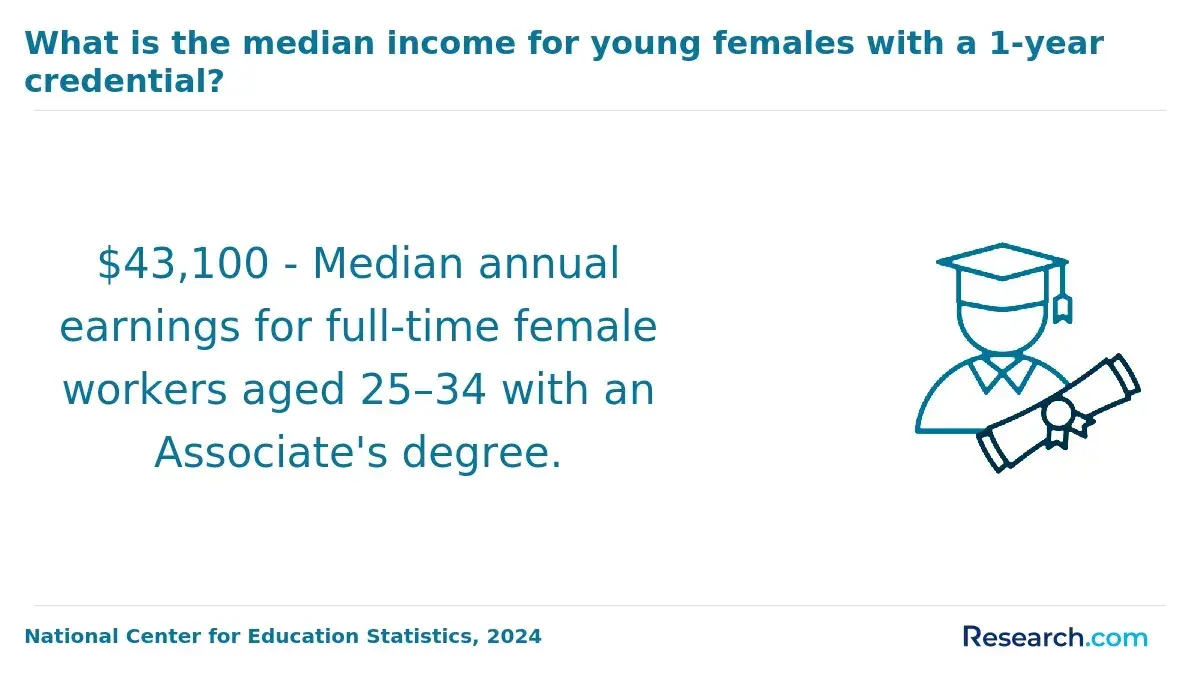
Students still exploring lower-cost or faster entry routes may compare prerequisite pathways with options to earn an associate degree online quickly, but communication disorders careers that require licensure typically involve additional study and supervised clinical preparation.
How Do AI-Enhanced Virtual Classrooms Work in Online Communication Disorders Programs?
AI-enhanced virtual classrooms are designed to make online communication disorders training more interactive, not to replace faculty supervision or clinical instruction. In well-designed programs, AI tools help students practice observation, receive faster feedback, review complex concepts, and prepare for live clinical decision-making.
These tools are most useful when they are tied to clear learning objectives and reviewed by qualified instructors. Students should be cautious of any program that presents AI simulation as a substitute for required supervised clinical experience.
- AI-driven video simulations: Students may practice identifying symptoms, selecting assessment steps, or planning interventions through realistic case scenarios. Some platforms use over 100 AI-generated video models, including examples such as children with articulation challenges or adults recovering from strokes.
- AI-powered speech therapy tools for remote learning: Automated feedback systems can review recorded practice sessions and flag areas such as clarity, pacing, therapy technique, or client interaction. This can help students improve between instructor reviews.
- Virtual teaching assistants for speech-language pathology students: AI assistants can answer routine questions, explain terminology, quiz students, and recommend study resources. They are useful for review, but students should still confirm clinical and academic questions with faculty.
- Collaboration and peer practice: Some systems match students with peers for role-play or skills practice based on learning goals. This can make online cohorts feel more connected and structured.
- Assessment and progress tracking: AI-supported platforms may help instructors monitor student performance, identify patterns, and provide targeted remediation before major exams or clinical evaluations.
Students comparing online options should ask whether AI tools are included in tuition, whether recordings are protected by privacy policies, and how simulated practice connects to supervised fieldwork. Those evaluating graduate pathways can also compare speech pathology online programs to understand how online clinical training models differ by school.
If you are still deciding where to begin your education, comparing general pathways such as accessible associate degree options can help clarify whether you need a stepping-stone credential before pursuing communication disorders coursework.
What Technology Do You Need for an Online Communication Disorders Degree?
Online communication disorders programs rely on video participation, recorded demonstrations, digital assessments, virtual simulations, and learning management systems. A weak technology setup can cause missed discussions, poor-quality clinical recordings, or exam problems, so students should check requirements before classes begin.
At minimum, students should prepare the following:
- Reliable computer or laptop: A current device with a modern operating system, such as Windows 10 or later or macOS 10.15 or later, is important for lectures, exams, assignments, video conferencing, and simulation tools. A tablet alone may not be enough for clinical documentation or testing software.
- High-speed internet connection: A stable broadband connection with at least 25 Mbps download speed helps prevent disruptions during live sessions, video uploads, and remote assessments. Students in shared households may need to plan around peak usage times.
- Webcam and microphone: Clear video and audio are essential for presentations, group work, instructor meetings, and clinical practice activities. An external microphone can improve sound quality if the built-in laptop microphone is weak.
- Headphones or earbuds: Headphones reduce background noise and help protect privacy when discussing case examples, feedback, or client-related training scenarios.
- Learning management system access: Students should be comfortable using platforms such as Blackboard or Canvas to review modules, submit assignments, check grades, join discussions, and track deadlines.
- Basic office software: Word processing, spreadsheet, and presentation tools are commonly needed for reports, data organization, case summaries, and class presentations.
- Secure storage and backup: Cloud storage or an external backup option can help protect assignments, recorded practice sessions, and clinical documentation from device failure.
- Optional mobile device: A smartphone or tablet can be useful for reviewing readings, checking announcements, or participating in mobile-friendly course activities, but it should not replace a full computer.
Technology questions to ask before enrolling
- Does the program require specific testing, simulation, or recording software?
- Are live sessions mandatory, and are they recorded?
- Are students responsible for purchasing clinical tools, assessment materials, or software subscriptions?
- What technical support is available during evenings, weekends, or exam periods?
Technology costs should be included in your budget along with tuition and fees. If you are comparing broader online affordability questions, this overview of associate degree costs may help you think through online education expenses more carefully.
How Long Does It Take to Finish an Online Communication Disorders in 2027?
The time required to finish an online communication disorders program depends on degree level, enrollment status, prerequisites, cohort structure, and clinical requirements. Students should not look only at the advertised timeline; they should also ask whether missing prerequisites, placement delays, or state authorization issues could extend completion.
| Program format | Typical timeline | Best fit |
| Standard full-time track | Between 20 months and just over 2 years | Students who can follow a structured schedule and prioritize coursework and clinical requirements |
| Accelerated option | About 1 year and 8 months across five semesters at Cleveland State University | Students who can handle an intensive pace with limited schedule flexibility |
| Quarter-based program | 8 to 10 quarters, or around 2.3 to 2.9 years, at Loma Linda University | Students who prefer a longer sequence but can meet regular milestones |
| Cohort or limited self-paced model | Varies by program | Students who want some flexibility but can still meet fixed clinical and academic deadlines |
Clinical practicum requirements are a major reason these programs cannot always be accelerated. Many programs require 375-400 hours, and those hours must usually be completed under approved supervision. Even when coursework is online, clinical availability can determine the actual pace.
What can slow down completion?
- Missing prerequisite courses before admission
- Limited local clinical placement availability
- Work schedules that conflict with daytime practicum hours
- Required campus visits or intensive sessions
- State authorization or site approval delays
Before enrolling, ask for a term-by-term plan that shows coursework, clinical expectations, and any in-person requirements. A clear plan is the best way to judge whether the timeline is realistic for your life.
Can You Work Full-Time While Completing an Online Communication Disorders Degree?
Some students can work full-time while completing an online communication disorders degree, especially during coursework-heavy terms. It becomes harder during clinical placements, intensive sessions, exams, or graduate-level practica. The safest assumption is that full-time work may be possible at first but may require adjustment later.
The feasibility depends on four main factors:
- Program structure: Asynchronous courses are easier to combine with employment than programs with required live sessions during work hours. Cohort programs may offer less scheduling freedom than self-paced formats.
- Weekly workload: Advanced courses, case assignments, group projects, and clinical documentation can create a heavy workload even before fieldwork begins.
- Clinical schedule: Practicum and internship experiences often follow school, clinic, or healthcare schedules. These hours may be difficult to complete outside normal business hours.
- Employer support: Flexible scheduling, reduced hours, remote work options, or leave during practicum weeks can make the difference between manageable and unsustainable.
Practical ways to make full-time work more manageable
- Ask the program for a realistic weekly time estimate by term.
- Tell your employer early about possible practicum conflicts.
- Use fixed study blocks instead of trying to study only when time is left over.
- Plan financially for terms when you may need fewer work hours.
- Avoid taking on major new work responsibilities during clinical-heavy periods.
One student who worked full-time while enrolled described the experience as "exhausting but rewarding." She often stayed late to complete assignments and negotiated lighter work shifts during practicum weeks.
Her experience points to the central trade-off: online delivery can reduce commuting and offer more control over study time, but it does not reduce the academic or clinical seriousness of the degree. Discipline, employer flexibility, and a realistic schedule are essential.
How Do Online Communication Disorders Degree Programs Help with Internships?
Internships and clinical placements are central to communication disorders training because they allow students to apply classroom knowledge with real clients, students, patients, or service teams. Online programs usually support internships through a combination of placement coordination, local site approval, faculty supervision, and digital tracking tools.
Strong programs do not simply tell students to “find their own site” without guidance. They explain the placement process early, identify what types of sites qualify, and help students understand state, accreditation, and supervision requirements.
- Local clinical placements: Many online programs try to place students in their own communities through schools, hospitals, rehabilitation centers, outpatient clinics, early intervention programs, or private practices. This can reduce relocation costs and help students build local professional contacts.
- Program-facilitated site agreements: Students may be allowed to recommend possible sites, but the program typically must approve the setting and establish a formal agreement. This step protects the student, the site, and the university.
- Mentorship and supervisor support: Online programs may connect students with faculty mentors, clinical coordinators, or site supervisors who provide feedback and help resolve placement concerns.
- Digital tracking systems: Students often use online platforms to log hours, document activities, collect supervisor evaluations, and confirm progress toward program requirements.
- Preparation before placement: Programs may require background checks, immunizations, training modules, liability coverage, or site-specific onboarding before a student can begin.
Questions to ask about internship support
- Does the program secure placements, or is the student responsible for finding sites?
- Can placements be completed in your state and local area?
- What happens if a placement site falls through?
- Are there additional fees, travel costs, or documentation requirements?
- How are supervisors trained and evaluated?
Placement support is one of the most important differences among online programs. A low-tuition program may become less attractive if students receive little help finding approved clinical sites.
What Is the Average Tuition Cost of an Online Communication Disorders Program?
Tuition for an online communication disorders program varies widely by school type, credit requirement, residency policy, and degree level. Students should compare total program cost rather than tuition per credit alone because required credits, fees, clinical expenses, and travel can change the real price.
- Average tuition per credit: Accredited online master's programs typically charge between $862 and $2,000 per credit. Public universities like California State University, Northridge offer rates on the lower end, while private schools such as Baylor University tend to be more expensive.
- Total program cost: Most programs require 54 to 63 credits, making the full tuition range from about $48,900 up to $80,700 depending on the institution's pricing and credit requirements.
- Annual tuition rates: Among the most affordable options, median yearly tuition is near $15,000. Public institutions usually charge under $20,000 annually, whereas private colleges may range from $24,000 to over $50,000 each year.
- In-state vs. out-of-state tuition: Some public universities offer reduced tuition for in-state residents, while many online programs use one tuition rate for all online students regardless of residency.
- Additional fees: Students may also pay technology fees, application fees, books, clinical materials, background checks, exam fees, travel expenses, and equipment costs. These are not always included in advertised tuition.
How to compare program affordability
| Cost item | Why it matters |
| Tuition per credit | Shows the base price, but only when compared with the required number of credits |
| Total credits | A lower per-credit price can still lead to a high total cost if the program requires more credits |
| Fees | Technology, clinical, and administrative fees can add meaningful cost |
| Travel | Campus visits, intensives, or distant placements may increase out-of-pocket expenses |
| Work reduction | Lost income during practicum periods can affect affordability as much as tuition |
When asked about tuition, one student pursuing an online communication disorders degree said, "Managing the tuition was definitely a balancing act. I had to carefully research scholarship options and set a realistic budget, especially since extra costs like tech fees weren't obvious at first."
He added that the online format helped him continue working while studying. "It wasn't easy, but knowing exactly what to expect with all the costs upfront helped me feel more confident about investing in my education."
What Is the Average Salary for Someone with an Online Communication Disorders Degree in 2027?
Salary depends on the role, degree level, licensure status, setting, location, and experience. The online format of the degree usually matters less than whether the program prepares graduates for the credential or job they want. Employers generally focus on training quality, supervised experience, licensure eligibility, and relevant skills.
- Average entry-level salary: Graduates entering the field as speech-language pathologists typically start with salaries near $88,789. Those with 1-3 years of experience can expect an increase to around $94,569.
- Mid- to late-career salary: Median annual wages reach approximately $95,410, with seasoned professionals earning near $98,000 after two decades in the industry.
- Salary by industry: SLPs working in nursing and residential care facilities report higher salaries, averaging $105,030 per year. Those in educational settings earn closer to $79,960 on average.
- Regional salary differences: The western U.S. offers the highest median annual salary at about $96,500, compared to approximately $85,160 in the Northeast, South, and Midwest. Top-paying states include California ($114,050), New York ($111,640), and New Jersey ($109,310), where metropolitan areas can see salaries surpass $119,000.
- Communication disorders degree earning potential by region: Professionals in cities like New York or San Jose may fall toward the upper end of the salary range, reflecting both demand and cost-of-living factors.
How to interpret these salary figures
These numbers should be used as planning benchmarks, not guarantees. A graduate working in a school district may have a different salary structure than someone in a hospital, skilled nursing facility, private practice, or telehealth role. Benefits, contract length, caseload, productivity expectations, and licensure requirements can also affect overall compensation.
Students should compare expected earnings with total program cost, loan amounts, local job openings, and the credential required in their state. For students who need aid-eligible options, researching online colleges that accept financial aid can help make the degree more financially realistic.
Which Industries Hire Graduates From Online Communication Disorders Programs?
Graduates of online communication disorders programs can work in several industries, but the exact job options depend on degree level and licensure. A bachelor’s-level graduate may qualify for support, assistant, education, or human services roles, while many speech-language pathologist positions require graduate education and licensure.
- Healthcare: Hospitals, outpatient clinics, rehabilitation centers, nursing facilities, and private practices hire professionals who support assessment, therapy, rehabilitation, and patient education. Telehealth roles have also expanded, especially for remote consultation and therapy services.
- Education: School districts hire professionals to support students with speech, language, communication, and learning needs. Roles may involve Individualized Education Plans, special education teams, early intervention, classroom consultation, or direct therapy when licensure requirements are met.
- Human services and administration: Graduates may work in community agencies, disability services, case coordination, program administration, behavioral support, or family services. Communication disorders training can be useful in roles that require understanding developmental, social, and communication barriers.
- Technology and digital services: Companies in teletherapy, assistive technology, accessibility tools, educational software, and customer training may value graduates who understand communication needs and can translate that knowledge into user support, product design, or client education.
- Research and graduate preparation: Some students use the degree as a foundation for graduate study, research assistantships, or specialization in speech-language pathology, audiology, neuroscience, education, or rehabilitation science.
How to choose the right industry path
If your goal is direct clinical practice, start with licensure rules and work backward to the degree required. If your goal is education, administration, technology, or human services, focus on internships, transferable skills, and employer expectations in your region.
Students still comparing affordable undergraduate routes can review options for the lowest-cost online bachelor's pathways before committing to a specialized communication disorders program.
What Graduates of Online Communication Disorders Programs Say About Their Degree
- : "Pursuing my online communication disorders degree was a game-changer for my career. The flexible learning pace allowed me to balance work and study, making the experience truly manageable. Considering the reasonable tuition costs compared to traditional programs, it was an investment that paid off quickly. — Aries"
- : "Reflecting on my time in the online communication disorders program, I appreciate the depth of the coursework and how it fit my busy schedule. The program's structure helped me gain relevant skills without overwhelming costs, which was a huge relief. It's opened doors I hadn't imagined possible before. — Massimo"
- : "The online communication disorders degree gave me the professional edge I needed in an affordable way. I found the balance of self-paced learning and comprehensive material ideal for my development. This degree has had a direct impact on the scope of my practice and client success. — Angel"
Other Things You Should Know About Communication Disorders Degrees
Yes, online degrees in communication disorders from accredited institutions are generally recognized by employers. Accreditation ensures the program meets industry standards, which is crucial for gaining licensure or certification in speech-language pathology or audiology. It is important to verify that the program is accredited by bodies such as the Council on Academic Accreditation in Audiology and Speech-Language Pathology (CAA) to maximize employment opportunities.
In 2027, online communication disorders programs are increasingly using virtual labs and telepractice sessions to offer hands-on experience. While not identical to in-person practice, these methods help students gain essential skills and interact with real clients in controlled environments, preparing them for clinical roles.
In 2027, online communication disorders programs incorporate advanced technology to simulate clinical environments, preparing students effectively for real-world practice. However, actual hands-on experience through clinical placements remains crucial and is usually coordinated in partnership with local healthcare facilities.
References
- What Can You Do with a Communication Disorders Degree? https://www.speechpathologygraduateprograms.org/2021/11/what-can-you-do-with-a-communication-disorders-degree/
- Career Opportunities for Speech-Language Graduates https://www.albizu.edu/blog/career-opportunities-for-speech-language-graduates/
- How AI in Assistive Technology Supports Students and Educators with Disabilities - Every Learner Everywhere® https://www.everylearnereverywhere.org/blog/how-ai-in-assistive-technology-supports-students-and-educators-with-disabilities/
- Communication Sciences and Disorders (A.S.) https://cps.unh.edu/online/program/as/communication-sciences-disorders
- Bachelor of Science in Communicative Disorders https://www.enmu.edu/academics/degrees-programs/undergraduate-degree/bachelor/communicative-disorders
- Online BS in Communication Sciences and Disorders | ACU https://acu.edu/academics/online/undergraduate/bachelor-of-science-in-communication-disorders/
- Planning Your Education in Communication Sciences and Disorders https://www.asha.org/students/planning-your-education-in-csd/
- Communication Sciences and Disorders, BS (Online) | Loma Linda University https://llu.edu/academics/programs/school-allied-health-professions/communication-sciences-and-disorders-bs-online
- Online Degrees: Pros and Cons https://www.smartkidswithld.org/getting-help/college-bound/online-degrees-pros-cons/


