
2027 Online Data Science Degree Programs Costs: Tuition & Fees

Co-Founder and Chief Data Scientist
Pursuing an online degree in Data Science involves significant financial investment, with tuition and fees often shaping students' educational decisions. Understanding these costs is crucial for effective financial planning, as expenses extend beyond tuition to include technology fees, course materials, and other ancillary charges. Data Science programs, known for their technical rigor, sometimes demand specialized software access, impacting overall expenses.
Tuition for these programs varies widely, influenced by factors such as institution type, program length, and accreditation. This article will explore typical tuition ranges, detailed cost components, affordability comparisons, and highlight financial aid options to help prospective students make informed choices.
Key Points About Online Data Science Degree Costs
- Average tuition for online Data Science degrees ranges from $15,000 to $60,000, influenced by institution type, program length, and residency status.
- Costs vary due to factors like technology fees, course materials, and optional certifications that enhance skills and employability.
- Investing in these programs often yields strong ROI through high demand for data science professionals and competitive starting salaries.
What Is the Average Cost of an Online Data Science Degree?
The average tuition for online Data Science degrees varies widely, typically ranging between $8,000 and $80,000 depending on the program and institution. Master's programs often fall between $16,000 and $30,000 in total cost at public universities, with some affordable options starting around $8,000. Per-credit prices for these degrees generally range from $498 to $933.
Costs differ based on the degree level and whether the school is public or private. Online bachelor's degrees usually have higher overall tuition, averaging about $66,700, and private institutions may charge over $129,000 for traditional on-campus studies, though online tuition tends to be lower. For online students, additional fees and residency status often have limited impact, as many universities apply flat-rate tuition regardless of location.
When compared to related fields, online master's degrees in Data Science tend to be more affordable than similar programs in artificial intelligence or analytics. Bachelor's degrees in Data Science generally align with costs seen across other STEM disciplines. This cost structure reflects the growing demand for flexible, accessible options in high-tech fields.
What Is Typically Included in the Tuition for an Online Data Science Degree?
Tuition for online Data Science programs generally covers more than just the core instruction. It typically includes various services and resources necessary for students to succeed in a remote learning environment.
Most tuition fees encompass access to course content, faculty support, and the digital platforms used to organize and submit coursework. These components form the foundation of the online educational experience.
- Instructional delivery: Access to live or recorded lectures, faculty interaction, and learning management systems for coursework management.
- Academic support services: Advising, career counseling, and technology help desks designed to assist students throughout their studies.
- Technology infrastructure: Platforms enabling virtual collaboration and software environments like Jupyter Notebooks and cloud data storage tailored for data science tasks.
- Basic technology fees: Charges that cover the use of essential digital tools and resources included in tuition.
- Digital instructional materials: Sometimes e-textbooks and datasets are integrated; however, physical textbooks and optional software licenses might require extra payment.
Additional expenses often fall outside the standard tuition. These can include required textbooks and supplementary materials, travel and lodging costs for any in-person sessions, hardware for specialized data analysis, and administrative fees like application deposits.
Applicants should review program specifics carefully to understand the full financial commitment beyond tuition and included fees.
What Factors Influence the Cost of Pursuing an Online Data Science Degree?
The cost of pursuing an online Data Science degree in the United States can vary significantly based on several important factors. Understanding these elements can help prospective students better plan their educational investment.
- Type of institution: Public universities generally offer lower tuition rates for in-state residents compared to private institutions or out-of-state students. For instance, UNC-Chapel Hill charges North Carolina residents $1,211.78 per credit, while non-residents pay $1,760.06 per credit. Some programs use a flat rate for all students regardless of residency, which can simplify budgeting.
- Credit-hour requirements and program length: Most online Data Science master's degrees require between 30 and 36 credits. Intensive or accelerated programs may be completed faster but could have higher per-credit costs. Longer or part-time formats increase cumulative expenses due to extended enrollment periods.
- Technology and distance learning fees: These fees, often ranging from $28 to $100 per credit, cover costs related to online platforms, software, or virtual lab access necessary for remote learning.
- Student support services, faculty expertise, and school reputation: Institutions offering robust career counseling, networking opportunities, and distinguished faculty may charge more. However, these benefits can add significant value for career advancement, reflecting factors affecting online data science degree cost beyond tuition alone.
- Scholarships, financial aid, and additional fees: Availability of financial aid varies and can significantly offset costs. Non-refundable deposits and miscellaneous fees, such as books or immersion experiences, can also impact total expenses.
For those seeking efficient paths, exploring 2 year certificate programs that pay well may offer a cost-effective alternative to full degree programs while boosting career prospects.
Are Online Data Science Programs Cheaper Than Traditional Programs?
When considering a data science degree, understanding the online data science degree cost comparison can help students make informed decisions, especially as tuition rates vary widely by delivery mode and institution. Cost differences often influence choices between online and traditional on-campus programs.
For the 2025-26 academic year, the average tuition per credit for online data science programs is around $509, compared to approximately $791 per credit for four-year traditional on-campus programs. This results in estimated annual tuition and fees of $12,216 for online students versus $18,981 for those attending in person. These figures highlight that online options generally offer a more affordable pathway to degree completion.
Several factors drive these cost disparities. Online students typically avoid housing and commuting expenses, which may add $10,000 to $15,000 or more annually. On-campus programs also often include extra fees for campus facilities and services, while some online programs might charge additional costs for technology and virtual support.
Prospective students interested in understanding which bachelor degree is easy and economical might find more insights on which bachelor degree is easy. Overall, the average tuition for online vs traditional data science programs reflects a trend favoring the affordability of online study without sacrificing program quality.
Are There In-state and Out-of-state Tuition for Online Data Science Programs?
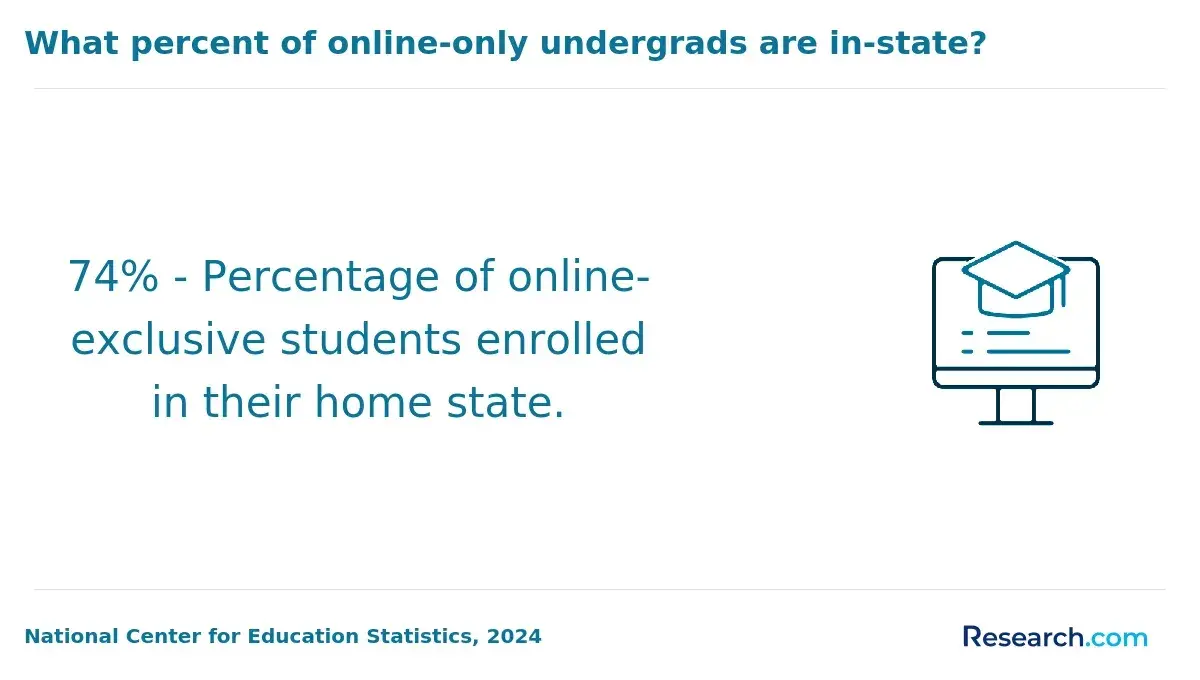
Tuition fees for online Data Science programs often depend on a student's residency status, but this practice varies widely across universities. Understanding how residency affects costs is crucial for prospective students budgeting for their education.
Some public universities offer a uniform tuition rate regardless of whether students live in-state or out-of-state. Institutions like the University of North Dakota and the University of Connecticut provide flat-rate tuition for their online Data Science degrees, making education more accessible by charging all students the same amount. This pricing strategy is becoming more common in fully online programs.
However, many schools still differentiate tuition based on residency. For instance, at UNC-Chapel Hill, North Carolina residents pay significantly less per credit for the online Master of Applied Data Science than students from other states.
There are also exceptions such as regional tuition agreements, which allow students from neighboring states to benefit from discounted rates. Some programs adopt a uniform tuition model for all enrollees, simplifying cost expectations regardless of location. It's essential for applicants to carefully review specific university policies and contact admissions for detailed tuition information before enrolling.
Which Schools Offer the Most Affordable Data Science Degree Programs?
Students seeking the most affordable options for online Data Science degrees will find several accredited institutions offering competitive tuition rates. These programs often provide flexible scheduling and industry-relevant curricula, making them a smart choice for working professionals. Exploring the cheapest accredited data science degree programs reveals a variety of pathways to earn an advanced degree without excessive financial burden.
Below are examples of some of the most affordable online data science master's programs 2025 candidates can consider, highlighting cost, program structure, and delivery format.
- Georgia Institute of Technology offers a master's in analytics fully online for just $5,346 annually. Designed for working professionals, this program features coursework in big data and machine learning, aligning closely with industry needs.
- Eastern University in Pennsylvania provides a 100% online, self-paced Master of Science in Data Science with a total tuition of $9,900. Its flat-rate pricing allows students to pay per course, enabling completion in as little as ten months with flexible scheduling to accommodate work or family commitments.
- University of West Florida delivers an online data science master's degree with an annual tuition of $6,375, representing another budget-friendly alternative for distance learners.
Additional options include programs like the University of Arizona's modular M.S. in Data Science at $650 per credit, which supports earning stackable certificates toward the full degree for enhanced flexibility. Many affordable programs also feature benefits such as flat-rate tuition and reduced fees for online-only students. For more information on cost-effective options, see cheap masters online.
Which Schools Offer the Most Expensive Data Science Degree Programs?
Several accredited universities offer some of the most expensive online Data Science master's degree programs in the US, reflecting their institutional prestige, advanced curricula, and extensive student resources. These programs typically have higher tuition due to factors such as faculty expertise and access to cutting-edge technology. Understanding the highest tuition data science master's programs can help prospective students weigh their options carefully.
Below are some of the top programs with notably high costs that illustrate the range of prices found among the most expensive online data science degree programs in the US.
- Loyola University Maryland: This online Master of Science in Data Science charges approximately $29,605 for 31 credits, which equals $955 per credit. Loyola's rigorous coursework and access to experienced faculty contribute significantly to the program's premium price.
- Saint Peter's University: Their online and hybrid M.S. in Data Science program costs about $30,600 for 36 credits at $850 per credit. This private institution offers smaller class sizes and individualized student support, factors that justify its tuition.
- Elmhurst University: The M.S. in Data Science and Analytics program is priced at $27,600 for 30 credits ($920 per credit). Elmhurst emphasizes hands-on learning and specialized tracks, which contribute to its higher tuition rates.
Additional elements influencing these tuition fees include the reputation of the institution, faculty with industry and research expertise, and advanced networking opportunities. Students paying a premium often benefit from enhanced career services and dedicated technical support. For those looking to balance cost and quality, exploring the best affordable online colleges that accept financial aid can provide valuable alternatives for pursuing an online Data Science degree.
How Long Does It Take to See a Return on an Online Data Science Degree?
When pursuing an online Data Science degree, understanding the financial return on investment (ROI) is essential. Graduates want to know how long it takes before their education pays off in higher earnings relative to the costs.
On average, the ROI for online Data Science degrees falls between five and seven years after entering the job market. For example, bachelor's degrees in fields closely related to data science, like computer and information sciences, tend to recover costs in about five years, thanks to entry-level salaries averaging around $85,000 and median mid-career salaries above $100,000. Business information systems and statistics bachelor's graduates usually see a payback closer to seven years.
The exact timeline depends on various factors, including starting salary, job demand, and tuition expenses. Data Science roles often offer competitive salaries, typically higher for those with master's degrees. Additionally, the cost of the program and personal situations, like student debt or financial aid, influence how fast graduates recoup their investment. Working during studies or receiving scholarships can shorten this period significantly.
Are Online Data Science Students Eligible for Financial Aid?
Online Data Science students at accredited U.S. institutions are generally eligible for financial aid, which can help reduce the overall cost of their degree programs. Eligibility for federal, state, and institutional financial aid typically depends on the Free Application for Federal Student Aid (FAFSA) eligibility for online data science students, which considers financial need and citizenship status. Students must enroll in an approved program and maintain satisfactory academic progress to remain qualified for aid.
Financial aid for online data science programs can come from various federal, institutional, and private sources that assist students with tuition and related expenses. Understanding the available options helps prospective students plan their education financing better and take advantage of scholarships and grants specific to Data Science programs. Many online students also seek out affordable degree options through lists of the cheapest nationally accredited online colleges.
- Federal Direct Loans: Most graduate Data Science students qualify for Direct Unsubsidized Loans and may apply for Direct Graduate PLUS Loans, which are credit-based. These loans can cover significant tuition costs but must be repaid with interest.
- Federal Work-Study: Some programs offer federal work-study jobs that provide up to $5,000 per year for graduate students, though availability for online students varies by institution and financial need.
- Federal and State Grants: Eligible students may receive grants such as the Pell Grant, which has a maximum award of $7,395 for 2025-26, though grants are less commonly awarded to graduate students in Data Science programs.
Additional support includes institutional scholarships targeted at online Data Science students, employer tuition assistance, and military education benefits like the Yellow Ribbon Program. Students are encouraged to apply early, search for Data Science-specific scholarships, and consult financial aid offices for personalized advice. For guidance on affordable options, refer to the cheapest nationally accredited online colleges.
Are Online Data Science Programs Expected to Increase in the Coming Years?
Online Data Science degrees have become increasingly popular, driven by the growing demand for data expertise across industries. Costs vary depending on the institution, program length, and the level of study but tend to be more affordable than traditional on-campus options.
Current tuition for online Data Science programs generally ranges from $10,000 to $25,000 for bachelor's degrees, while master's programs often cost between $15,000 and $40,000. Factors influencing pricing include program reputation, faculty expertise, and access to specialized resources or software. Many schools offer flexible payment plans or financial aid, which can help manage expenses.
Looking ahead, tuition fees for these programs are expected to grow moderately due to rising demand and improvements in curriculum and technology. However, competitive market pressures and the availability of online alternatives may help keep overall costs from escalating too rapidly. For students seeking a cost-effective route into Data Science, online degrees provide a valuable option, balancing quality and affordability.
What Students Say About The Cost of Pursuing Online Data Science Programs
- Mordechai: "Pursuing an online Data Science degree was one of the best investments I've made. Although the average cost can be around $15,000 to $25,000, the skills I gained have already landed me a higher-paying job in tech. For anyone weighing costs against career growth, this program is absolutely worth it."
- Casen: "Reflecting on my journey, the cost of an online Data Science degree initially felt daunting, but it turned out to be a manageable expense compared to the value I received. The flexibility allowed me to balance work and study, and the return on investment became clear when I transitioned into a data analyst role with a significant salary boost."
- Walker: "From a professional standpoint, the financial commitment for my online Data Science degree was justified by the direct impact it had on my career trajectory. While the tuition typically ranges between $20,000 and $30,000, completing the program enabled me to develop expertise that accelerated my promotion and salary increases."
Other Things You Should Know About Data Science Degree Program Costs
When enrolling in a 2027 online Data Science degree program, students might face additional fees beyond tuition, such as technology fees, registration fees, course materials costs, and potentially software licensing fees. These can vary by institution, so it's crucial for students to review all potential expenses when budgeting for their education.
Absolutely. Programs with shorter durations or accelerated formats may have higher per-credit costs but reduce total expenses by requiring fewer credits or less time enrolled. Conversely, part-time students spread out tuition payments but may take longer to pay off the degree. Cost differences often reflect how many credits are taken per semester and the total number required.
Choosing an accredited program can sometimes mean higher tuition fees compared to non-accredited offerings, but accreditation assures educational quality and is often required for financial aid eligibility. Accreditation influences how employers and graduate programs perceive the degree's value, making it a critical factor to consider alongside cost.
References
- Online Medical Billing and Coding Certification Prep | American University, Washington, DC https://www.american.edu/professional-and-lifelong-learning/Online-Medical-Billing-and-Coding-Certification-Prep.cfm
- Tuition & Financial Aid https://www.washington.edu/datasciencemasters/tuitionfinancialaid/
- Program Details https://www.eastern.edu/academics/graduate-programs/ms-data-science
- Master’s of Data Science (Online) https://www.bu.edu/cds-faculty/programs-admissions/online-msds/
- What is the cost of Data Science Programs - IABAC https://iabac.org/blog/what-is-the-cost-of-data-science-programs
- A Comprehensive Comparison Among Data Science Bootcamps vs Degree vs Online Courses https://www.analyticsvidhya.com/blog/2022/03/a-comprehensive-comparison-among-data-science-bootcamps-vs-degree-vs-online-course/
- Medical Billing And Coding Certification: How To Find Training https://www.forbes.com/advisor/education/certifications/medical-billing-and-coding-certification-guide/
- These are the best schools for you to get a master’s in data science on campus—but won’t break the bank | Fortune Education https://fortune.com/education/information-technology/most-affordable-masters-in-data-science/
- Master the Future with Applied Data Science Top-Ranked, Affordable, Online Master’s Degree Program https://www.kdnuggets.com/2025/08/baypath/master-the-future-with-applied-data-science-top-ranked-affordable-online-masters-degree-program
- The 25 Best Data Science Bootcamps of 2025 | Course Report https://www.coursereport.com/best-data-science-bootcamps


