
2027 Data Science Degree Programs for Career Changers

Co-Founder and Chief Data Scientist
Many working professionals face the challenge of acquiring new skills that align with the rapidly evolving job market, especially when switching to data science. Nearly 45% of adult learners pursuing data science degrees report difficulty balancing studies with full-time employment. This gap affects their confidence and speed of career transition in a field demanding both statistical expertise and technical proficiency. Understanding the structure, flexibility, and outcomes of data science degree programs is crucial for these individuals.
This article explores key program features and strategies to help prospective students navigate and choose the right pathway for a successful and efficient career change into data science.
Key Things to Know About Data Science Degree Programs for Career Changers
- Many programs offer flexible schedules and online or hybrid formats, accommodating working adults' time constraints while enabling continuous employment.
- Accelerated tracks allow career changers to complete degrees faster, with some programs finishing in 12-18 months versus traditional durations.
- Curricula often align with employer needs, incorporating real-world projects and certifications to enhance job market readiness in a competitive data science field.
What data science programs accept career changers?
Data science programs designed for working adults and professionals shifting careers often offer flexible entry requirements and practical coursework that ease the transition into this rapidly growing field. Over 40% of graduate students in STEM fields are career changers or adult learners, highlighting a strong demand for accessible learning options.
- Full-Time Bootcamps: These intensive, short-term programs focus on hands-on skills and real-world projects. Their condensed format is ideal for professionals eager to pivot quickly and often welcomes beginners who demonstrate motivation and aptitude.
- Part-Time Graduate Programs: With classes typically held outside traditional work hours, these programs cater to working adults by emphasizing applied learning and foundational courses. They help career changers build essential math and programming skills while managing existing job commitments.
- Online Master's Degrees: Offering geographic and time flexibility, these programs allow learners to progress at their own pace. They support career changers in applying previous professional experience to data-driven problem solving through asynchronous lectures and virtual collaboration.
- Post-Baccalaureate Certificates: Focused on core data science competencies without requiring a full degree, these certificates provide modular, practical content that quickly augments skills and boosts employability for professionals changing careers.
For those looking specifically for affordable options, exploring BCBA programs online can provide insight into budget-friendly pathways, which may be relevant for adult learners considering best data science degrees for professionals changing careers in the US.
What data science specializations are best for career changers?
Selecting the right data science specialization is essential for career changers to build on existing strengths and address skill gaps critical in today's technology-driven workforce. Recent projections show machine learning engineering roles will grow by more than 30% through 2030, highlighting the rising demand for focused expertise. The following are four top specializations that align well with diverse backgrounds and career goals.
- Machine Learning: Suited for individuals with programming or analytical experience, this track leverages transferable skills like coding and statistics to develop predictive models and intelligent systems. It offers strong growth potential and aligns with many tech career paths.
- Data Analytics: Accessible for beginners or those from business and research fields, this specialization emphasizes interpreting data insights to support decision-making. Its focus on practical skills makes it ideal for those seeking to switch careers smoothly.
- Business Intelligence: Designed for professionals with business acumen, this area concentrates on transforming data into meaningful strategies through visualization and reporting tools. It enhances the ability to influence key business decisions and leadership roles.
- Big Data Engineering: Best for those with IT or software development backgrounds, this specialization involves managing complex data infrastructure and systems. It provides high career mobility by addressing the needs of organizations handling large-scale data environments.
For adult learners exploring career changes outside of technology, pairing a data science program specialization with other fields can increase opportunities. For example, combining studies in data science with an accelerated psychology degree online may open doors in emerging interdisciplinary roles. Choosing among the best data science tracks to switch careers should consider both personal skills and market demand.
What are the admission requirements for career changers applying to a data science program?
Admission requirements are especially important for career changers seeking to enter a data science program because many programs expect a foundational background in quantitative skills. Nearly 40% of graduate students in STEM fields are considered nontraditional, emphasizing the need for flexible admission pathways. Below are key factors that applicants should consider when reviewing typical admission criteria.
- Bachelor's Degree: Most programs require a bachelor's degree, often in fields like mathematics, computer science, engineering, or statistics. However, some recognize transferable skills from other areas, making it possible for career changers to qualify despite differing academic backgrounds.
- Programming Proficiency: Demonstrated ability in languages such as Python or R is usually expected. Candidates can often meet this requirement through professional experience or targeted coursework, highlighting adaptability across disciplines.
- Relevant Experience: Analytical roles, problem-solving, and project management from prior careers can strengthen an application. Many programs value practical skills and may accept portfolios or professional certifications as evidence.
- Flexible Scheduling: Part-time, online, or evening classes support working professionals balancing job commitments. Alternative pathways, including prerequisite courses or post-baccalaureate certificates, help address any knowledge gaps.
- Admission Tests: Some programs ask for GRE scores, but others accept alternatives like professional certifications or detailed portfolios, ensuring diverse backgrounds are accommodated.
Career changers should carefully examine each program's policies about prerequisite coursework and nontraditional admissions to find those best suited to their unique qualifications. For additional information on related flexible degree options, consider exploring online marriage and family therapy programs as examples of adaptable learning paths.
What is the coursework for a data science degree for career changers?
For those shifting careers, knowing the coursework involved helps evaluate how the program fits with personal goals and busy schedules. It also clarifies what to expect, making it easier to balance studies with life's other obligations. Below are several key areas frequently included in data science degree programs, designed with flexibility and hands-on learning in mind.
- Mathematics and Statistics: Focuses on foundational theories like probability and linear algebra, which underpin data analysis and algorithm design. This component often allows learners to revisit or build essential concepts at their own pace.
- Programming and Data Management: Covers programming languages such as Python or R, along with database skills for organizing and cleaning large datasets. It typically emphasizes practical assignments to apply technical skills.
- Machine Learning and Modeling: Introduces various predictive algorithms while encouraging project-based learning to translate theory into real-world problem-solving.
- Data Visualization and Communication: Teaches crafting effective visual narratives and reports that clearly convey insights to diverse audiences, an important skill for professional impact.
- Capstone or Practicum Projects: Offers opportunities to engage with real or simulated industry problems, providing a bridge between academic work and career readiness, especially valuable for those new to the field.
A professional who recently completed an online data science degree to prepare for a career change shared that managing coursework alongside a full-time job was initially overwhelming. "Balancing deadlines and family took a lot of planning," he said. He appreciated the program's flexible structure, explaining, "Being able to access lectures anytime helped me study around my schedule."
Despite occasional feelings of self-doubt, he found that connecting with mentors and peers boosted his confidence. Reflecting on the journey, he noted it was "challenging but deeply rewarding, giving me a clearer path forward in this new career."
What data science program formats are available for career changers?
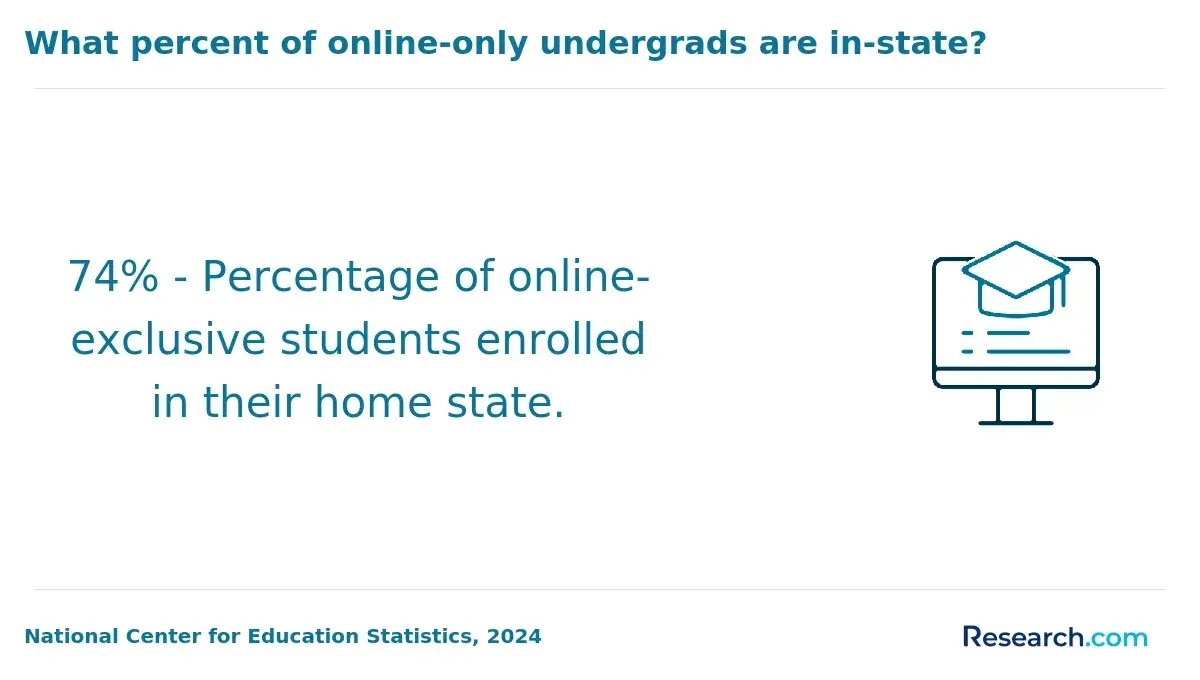
Choosing the right data science program format is essential for career changers balancing work and education. Nearly 40% of U.S. higher education students enroll exclusively in distance learning, reflecting a strong preference for adaptable study options. Here are common program formats designed to fit diverse schedules.
- Online Programs: These fully remote courses offer unmatched flexibility, enabling students to learn asynchronously from any location. This format suits professionals who need to integrate study time around irregular hours.
- Part-Time Evening or Weekend Classes: Offered on campuses or in hybrid settings, these classes accommodate working adults with schedules outside normal business hours, allowing learners to attend without interrupting daytime commitments.
- Hybrid Programs: Combining online lessons with occasional in-person sessions, hybrid programs provide both convenience and the benefit of direct interaction with instructors and peers, supporting a well-rounded learning experience.
- Certificate Programs: Focused and concise, these programs target core data science skills, helping students quickly gain credentials that can enhance job prospects or act as a foundation for advanced degrees without requiring a long-term enrollment.
What skills do career changers gain in a data science program?
For career changers, cultivating new skills is crucial to successfully pivot into data science, especially since 87% of global employees acknowledge the need for continuous reskilling to meet evolving job requirements. This emphasis on transferable expertise enables smoother transitions and better alignment with industry demands.
Below are five essential skills gained through data science programs that foster practical competence and career resilience:
- Statistical Analysis: Equips learners to decode complex data patterns, empowering them to make data-driven decisions that are valuable across various sectors.
- Programming Proficiency: Focused on languages like Python and R, this skill helps automate data tasks, boosting productivity and enabling adaptability to diverse technical roles.
- Data Visualization: Teaches how to translate data insights into clear, compelling visual formats, facilitating effective communication with audiences who may lack technical backgrounds.
- Machine Learning Fundamentals: Offers foundational knowledge of predictive modeling, allowing graduates to engage confidently with advanced analytics challenges and innovation.
- Problem-Solving and Critical Thinking: Developed through hands-on projects, these abilities sharpen the capacity to tackle business issues strategically, ensuring long-term career viability.
When I asked a career changer who completed a data science degree about her experience, she reflected on the initial hurdles of adapting to technical coursework after years in a non-quantitative field. She explained, "At first, the logic behind programming and statistical theories felt overwhelming, and I worried it wouldn't click."
However, the real turning point came through collaborative projects where she applied skills in real-world scenarios, saying, "Working through actual problems helped me internalize concepts and build confidence." Her journey highlighted the empowering nature of mastering these competencies and how they opened doors to new professional opportunities she hadn't imagined before.
How much does a data science degree cost for career changers?
Career changers face unique financial challenges when pursuing further education, making it essential to consider the total cost of a data science degree carefully. The National Center for Education Statistics reports that average graduate tuition and fees for master's programs in the U.S. hover around $19,792 per year. Balancing these costs alongside existing financial commitments requires a clear understanding of the key expenses involved. Below are the main components to consider when calculating the cost:
- Tuition: This is usually the largest expense, ranging from $15,000 to over $50,000 depending on the program and institution. For working professionals, some programs offer flexible payment plans that help spread out payments over time.
- Fees: Additional charges may cover technology use, lab access, or administrative costs. These fees typically add several hundred to a few thousand dollars annually and vary widely by school.
- Books and Software: Textbooks, software licenses, and data tools required for coursework can add up, sometimes costing several hundred dollars per semester. Online programs may provide bundled resources to reduce costs.
- Travel and Residency: If on-campus attendance or residency periods are part of the program, expenses such as commuting, housing, and meals must be factored in. Choosing part-time or fully online study options can significantly reduce these costs.
- Financial Support and Savings: Employer tuition reimbursement, scholarships aimed at adult learners, and certificate or stackable credentials can ease the financial burden. Such cost-saving pathways enable gradual skill building without the full upfront cost of a traditional degree.
Understanding the average tuition fees for data science degree programs for working professionals highlights the importance of exploring these options. For those interested in related fields, researching the highest paying bachelor degrees can also inform decisions about continuing education and career advancement.
How does a data science curriculum support career transitions?
A well-designed data science curriculum is vital for career changers because it recognizes the varied backgrounds and technical skills learners bring. Tailoring programs to build confidence and essential competencies helps working professionals transition efficiently into this growing field. Below are key curriculum features supporting career transitions.
- Applied Learning: Curricula often include modules that simulate real workplace challenges, allowing students to connect theoretical concepts with practical tasks. This approach helps career changers apply prior skills in relevant new contexts.
- Transferable Skills: Emphasis on critical thinking, data visualization, and communication equips learners with broadly applicable abilities. Developing these skills enhances adaptability and effectiveness across multiple industries.
- Flexible Pacing: Many programs offer course structures that accommodate the schedules of working adults. This flexibility enables learners to advance at a comfortable rate without compromising work or personal commitments.
- Real-World Projects: Hands-on experience with projects based on actual data sets builds practical skills and strengthens portfolios. These projects increase employability by demonstrating the ability to solve contemporary industry problems.
- Foundational Support: Programs integrate core topics that cater to learners with non-technical backgrounds. This inclusivity ensures all students acquire the essential knowledge needed to succeed in a data science degree program for career changers.
Structured data science curricula provide working professionals with the skills gained from data science degree programs while addressing common barriers such as unfamiliarity with analytics workflows or technical tools. Adult learners exploring new directions might also consider pursuing an associate's degree for accessible entry points into technology fields.
What careers can career changers pursue with a data science?
For professionals shifting careers, identifying realistic job prospects in data science is essential to effectively leverage existing expertise. The U.S. Bureau of Labor Statistics forecasts a 31% increase in data-centric jobs from 2020 to 2030, reflecting strong demand and promising stability. Below are common roles for data science graduates that align well with previous skills and experience.
- Data Analyst: Focuses on examining complex data to support business decisions. Prior experience with tools like Excel or a background in statistics helps ease the transition into interpreting datasets effectively.
- Business Intelligence Analyst: Combines data analysis with strategic insight to enhance business processes. Those with management or operational experience often find this role fits their skill set well.
- Machine Learning Engineer: Develops algorithms and predictive models to solve problems. This role suits individuals with prior knowledge in programming or engineering disciplines.
- Data Engineer: Responsible for constructing and maintaining data systems and architecture. Professionals familiar with IT infrastructure or software development can adapt quickly to this position.
- Quantitative Analyst: Uses mathematical techniques to analyze financial data and market trends. Candidates with finance, mathematics, or analytic backgrounds will find this role aligns closely with their expertise.
What is the average salary after earning a data science degree as a career changer?
Salary expectations play a significant role for professionals shifting careers into data science, as projected earnings help gauge the value of investing time and effort into new education. Research shows that 63% of adults who reskill through data science degrees or certifications report increased income within two years of program completion.
The following points highlight typical salary ranges and key factors influencing compensation in this evolving field.
- Entry-Level Data Analysts: Starting salaries usually fall between $65,000 and $85,000 annually, with variations based on geographic location and the employer's industry.
- Mid-Level Data Scientists: Professionals with several years of experience often earn from $90,000 up to $120,000, depending on mastery of relevant tools, certifications, and technical skills.
- Senior and Specialized Roles: Positions involving expertise in machine learning or advanced analytics may command salaries exceeding $130,000, reflecting the demand for specialized knowledge.
- Industry Differences: Sectors such as finance and technology typically offer higher compensation levels compared to academia or governmental organizations.
- Impact of Previous Experience: Transitioning professionals with backgrounds in quantitative or technical fields often secure higher starting salaries and faster pay growth because of transferable skills.
What Graduates Say About Their Data Science Degrees for Career Changers
- Billie: "Deciding to switch careers was daunting, but enrolling in a data science degree program gave me the structure I needed. Although the average cost hovered around $25,000, it felt like a worthwhile investment for the knowledge and opportunities it unlocked. After graduating, I quickly moved into a data analyst role, which completely reshaped my professional trajectory. "
- Kinsley: "Reflecting on my choice to pursue a data science degree, the financial commitment was significant-typically about $20,000-but manageable with a clear goal in mind. The program deepened my analytical skills and boosted my confidence in a new field. Now, I consult for tech startups, an exciting pivot I hadn't imagined before."
- Cameron: "I took the plunge into a data science degree to reinvent my career, knowing the cost, usually between $15,000 to $30,000, might be hefty but necessary. Completing the program was transformative, providing practical skills that employers sought and directly contributing to landing my current role in machine learning. This journey was demanding but utterly rewarding."
Other Things You Should Know About Data Science Degrees
Yes, prior non-technical experience can provide a valuable perspective in data science degree programs. Career changers often bring domain knowledge from fields like finance, healthcare, or marketing, which helps in interpreting data and generating relevant insights. Many programs encourage applying diverse professional backgrounds to real-world data problems.
In 2027, career changers should explore scholarships, fellowships, and employer-sponsored programs as financial assistance options for data science degrees. They should also consider program costs, potential salary increases, and available part-time job opportunities while budgeting for tuition and living expenses.
The duration varies by program format and prior preparation but typically ranges from one to two years for a master's degree. Accelerated or part-time options allow working professionals flexibility, with some programs offering online coursework designed to accommodate career changers' schedules.
References
- What You Need to Know Before Switching to a Data Science Career in 2024 | Towards Data Science https://towardsdatascience.com/what-you-need-to-know-before-switching-to-a-data-science-career-in-2024-9d6d623f1438/
- Post-Bacc Certificate in Data Science https://onlinesoe.tufts.edu/online-programs/post-bacc-certificate-data-science
- Your Guide to Data Science Careers: Opportunities, Growth & Resources | edX https://www.edx.org/become/data-scientist
- Switching to a STEM Career With a Master’s in Data Science https://online.nyit.edu/blog/switching-to-a-stem-career
- Best Data Analytics Courses for a Career Change in 2024 https://www.turingcollege.com/blog/best-data-analytics-courses
- Checking your browser https://www.kaggle.com/general/21644
- NaClhv https://naclhv.com/2016/10/questions-and-answers-my-career-change_17/
- Data Science Focus Areas | DiscoverDataScience.org https://www.discoverdatascience.org/articles/data-science-focus-areas/
- Junior Data Science salaries DOU https://dou.eu/en/salaries
- Specializations https://www.mastersindatascience.org/data-science/masters/specializations/


