2027 Online Marine Science Degree Master's Programs That Accept FAFSA

Co-Founder and Chief Data Scientist
Financial barriers often prevent qualified candidates from pursuing a master's degree in marine science. Despite a growing demand in this sector-with employment projected to increase by 12% over the next decade-many students struggle to access affordable graduate education. FAFSA plays a crucial role in making online marine science programs financially accessible by providing federal aid to eligible students.
However, understanding which programs accept FAFSA and offer comprehensive support remains challenging. This article examines accredited online marine science master's programs that accept FAFSA, detailing admission criteria, financial aid options, curriculum structure, and career prospects to guide prospective students toward informed decisions.
Key Things to Know About Online Marine Science Degree Master's Programs That Accept FAFSA
- Eligibility for FAFSA requires enrollment in an accredited graduate online marine science program; applicants must meet federal criteria, including U.S. citizenship or eligible non-citizen status, and satisfy admission standards like a relevant bachelor's degree.
- Application procedures often involve submitting transcripts, GRE scores if required, and FAFSA forms; carefully checking institutional deadlines and financial aid office requirements ensures timely processing.
- Programs vary by structure, with part-time options increasing flexibility; career outcomes include research and environmental roles; comparing costs and reputations helps select programs offering both value and academic rigor.
How Does FAFSA Work for Graduate Students Enrolling in an Online Marine Science Master's Program?
Institutional accreditation is essential for FAFSA eligibility because only schools recognized by the U.S. Department of Education's approved accrediting agencies can offer federal financial aid to their students.
Below is an overview of notable programs recognized for both academic quality and federal financial aid participation.
- University of Southern Mississippi: Offers a fully online marine science master's requiring approximately 30 credit hours, typically completed in two years. The program is regionally accredited and explicitly participates in federal student aid programs.
- Oregon State University: Features a flexible asynchronous 45-credit online program designed for working professionals, lasting two to three years. The university accepts FAFSA applications, making financial aid accessible for graduate students.
- Texas A&M University-Corpus Christi: Provides a 36-credit online master's in marine science over two years, with a commitment to federal financial aid availability for eligible students.
- University of Miami: Focused on marine biodiversity, this 32-credit online program is completed in about two years. The University of Miami participates fully in FAFSA programs.
- University of Florida: A 30-credit online master's, often finished in two years, with clear FAFSA support for graduate applicants.
To apply for federal financial aid for online Marine Science master's degrees, prospective students should verify accreditation and FAFSA eligibility through the Federal Student Aid school search tool. For a broader comparison of program lengths and flexibility, students may also explore the options featured in 1 year master's programs online.
What Types of Federal Financial Aid Are Available to Online Marine Science Master's Students Through FAFSA?
Knowing the types of federal student aid programs for online marine science graduate students is key to making informed financial decisions. These options, accessible through FAFSA, primarily include loans rather than grants, which differ from undergraduate aid. The U.S. Bureau of Labor Statistics projects marine scientist employment to grow 5% through 2031, underscoring the importance of sound financial planning.
Below are important elements to consider:
- Federal Direct Unsubsidized Loan: Allows borrowing up to $20,500 annually at a fixed 7.54% interest rate for 2023-24. Interest accrues while studying, increasing the overall amount to be repaid.
- Grad PLUS Loan: Offers additional funding based on a credit check, up to the total cost of attendance minus other aid, with a fixed 8.05% interest rate.
- Grant Availability: Graduate grants are limited; the TEACH Grant requires teaching in high-need schools, a condition rarely met by marine science students.
- Repayment Options: Income-driven repayment plans and Public Service Loan Forgiveness (PSLF) provide strategies to manage and reduce loan debt after graduation.
- Financial Aid for Program Selection: Evaluating types of financial aid available for marine science master's degrees through FAFSA helps applicants compare accredited institutions offering flexible and affordable options, especially for an online marine science master's degree. For those interested in related graduate studies, see accelerated MSW programs for insights on similar federal aid structures.
What Are the General Admission Requirements for an Online Marine Science Master's Program?
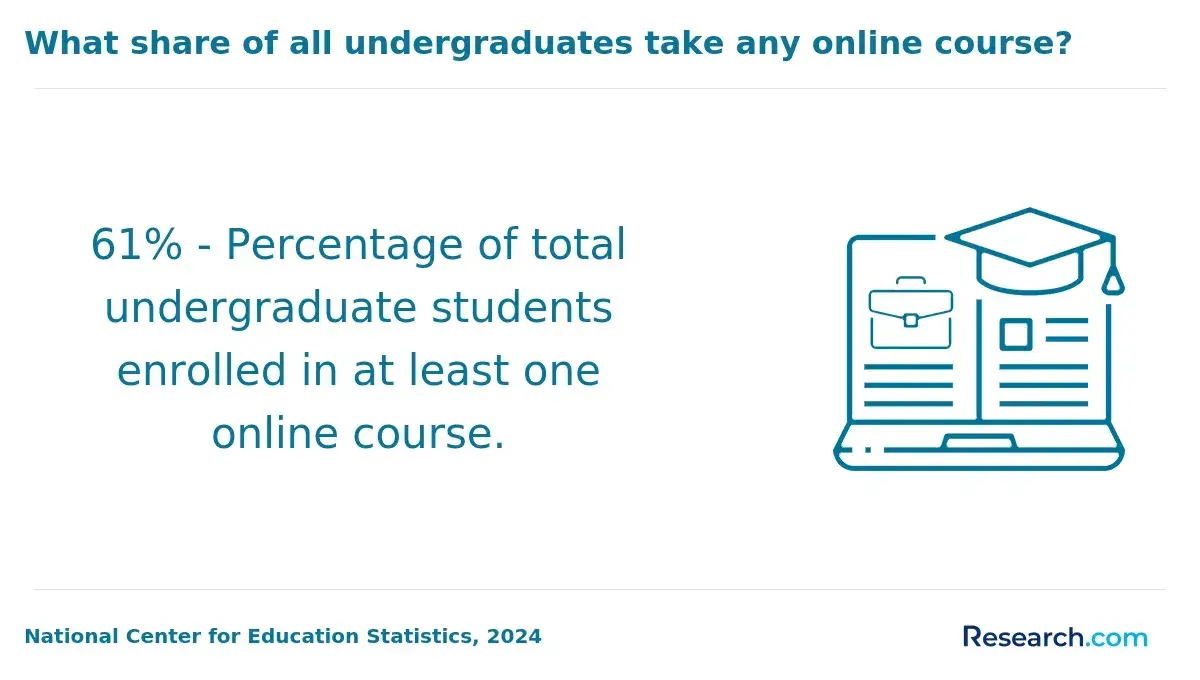
For prospective students aiming to enroll in online marine science master's programs that accept FAFSA, understanding typical admission criteria helps in crafting a strong application. Enrollment in these flexible graduate programs has increased by over 20% recently, reflecting growing interest and accessibility.
The following points outline common admission elements most accredited online marine science master's programs require.
- Bachelor's Degree From an Accredited Institution: Applicants usually need a relevant undergraduate degree, commonly in marine science, biology, or environmental science. Some programs also mandate prerequisite courses to ensure foundational knowledge.
- Official Transcripts: Institutions require official transcripts to evaluate academic performance, course rigor, and GPA, helping admissions teams assess readiness for graduate-level work.
- Letters of Recommendation: Typically, two or three letters from academic or professional sources are needed to vouch for the applicant's abilities, research potential, and commitment.
- Personal Statement or Statement of Purpose: This essay should clearly convey the applicant's goals, motivation, and engagement with marine science, reflecting sincerity and direction in their career path.
- Standardized Test Scores (GRE or GMAT): While some programs still request GRE or GMAT scores, many have eliminated this requirement post-2020 to improve accessibility. Checking each program's policy is essential.
- Professional Experience or Licensure: Certain programs, especially those focusing on applied science or management, may prefer candidates with relevant work experience or certifications, though it's less common for academic tracks.
Applicants should always review specific program admissions pages and consult advisors, as many institutions have adapted flexibility in their requirements after recent trends in higher education.
A graduate from a marine science master's program described the admissions process as initially daunting due to the varying expectations, especially around submitting equitable documentation like transcripts and recommendations. The support from FAFSA eased financial concerns, allowing a balanced focus on preparing a compelling personal statement that aligned with their career vision.
This applicant emphasized that thorough research and communication with admissions advisors were key to navigating different requirements smoothly and gaining confidence throughout the journey.
What Are the Steps to Apply for FAFSA and Enroll in an Online Marine Science Master's Program?
Prospective students seeking an online marine science master's degree with federal financial aid should understand the FAFSA application process alongside graduate program admissions. This knowledge supports a smooth and timely financial aid application that aligns with program deadlines.
Below are key steps involved in applying for FAFSA and enrolling in an accredited marine science graduate program with financial aid.
- Create a StudentAid.gov Account: Start by setting up an account at the official Federal Student Aid website to access FAFSA forms and manage your application securely.
- Gather Financial Documents: Collect necessary information including tax returns, income statements, and asset details. Accurate data ensures the FAFSA calculation reflects your financial need.
- Complete the FAFSA Application: Submit your FAFSA online, listing eligible schools where you intend to apply. This allows institutions to consider you for federal aid opportunities while reviewing your application.
- Request Academic Transcripts: Order official transcripts from previous institutions as part of your graduate program application, ensuring they arrive by admission deadlines.
- Secure Letters of Recommendation: Obtain strong references from supervisors or academic mentors to support your readiness for advanced marine science study and possibly influence GRE waiver considerations due to professional experience.
- Draft a Statement of Purpose: Write a focused essay detailing your goals in marine science and how the program fits your career path. Tailoring this statement improves admission chances and highlights your unique qualifications.
- Submit Supplemental Materials: If required, provide writing samples, portfolios, or certifications relevant to marine science to enhance your application profile.
- Coordinate FAFSA and Admissions Timing: Apply for FAFSA early to receive financial aid award letters after admission decisions arrive. Compare aid packages carefully before choosing a program, balancing cost, flexibility, and reputation.
In addition to these steps, applicants exploring pathways to enroll in an accredited marine science graduate program with financial aid often research options such as accelerated bachelors degrees as foundational preparation to enhance eligibility and career prospects. With careful planning and use of resources like studentaid.gov, CHEA's accreditation directory, and the BLS Occupational Outlook Handbook, earning an online marine science master's degree through FAFSA-eligible programs is an achievable goal for many applicants.
What Is the Minimum GPA Requirement for a Marine Science Master's Program?
When exploring qualifications for online marine science master's programs, understanding GPA expectations is one key aspect. While many accredited programs set a 3.0 GPA on a 4.0 scale as a baseline, this criterion often acts as a minimum standard rather than a strict cutoff. Various factors play a role in how GPA is assessed during admissions.
Consider these points about GPA requirements across programs:
- Minimum Thresholds: Most institutions prefer applicants with at least a 3.0 GPA, which indicates satisfactory academic readiness. However, exceeding this threshold is not an automatic guarantee of acceptance, as admissions committees evaluate candidates holistically.
- Conditional Admission Options: Some programs provide provisional acceptance to candidates with GPAs slightly below the minimum. Strong professional backgrounds, persuasive letters of recommendation, or notable personal statements can improve chances.
- Applicant Background and Curriculum: Admissions officers may consider an applicant's undergraduate major and the recency of academic work, especially for those transitioning from unrelated fields. This can influence how GPA metrics are weighed in admissions decisions.
- Proactive Strategies: Candidates with lower GPAs are encouraged to address academic weaknesses candidly in their personal statements. Researching programs offering bridge courses or provisional pathways can open doors that might otherwise seem closed.
One graduate shared that choosing an online marine science master's program helped ease concerns about previous academic performance. They explained, "My GPA was below some program minimums, but the flexibility to highlight my industry experience and compose a detailed personal statement made a difference."
They also appreciated how accessible bridge courses allowed them to strengthen foundational knowledge before fully enrolling, which helped build confidence and competence early in their studies.
How Long Does It Take to Complete an Online Marine Science Master's Degree?
The time needed to earn an online marine science master's degree typically ranges from 18 months to 3 years. This variation depends heavily on enrollment status, program design, and whether students complete a thesis or capstone project. Online programs often cater to working professionals by offering flexible part-time options that balance workload and schedule.
Below are key factors influencing how long students may take to complete their degree.
- Enrollment Status: Full-time students usually progress faster, often finishing within 18 to 24 months due to heavier credit loads each semester. Part-time students balance other commitments, which extends their completion timeline up to three years.
- Program Structure: Programs requiring a thesis generally take longer, as students must conduct original research and obtain faculty approval. Capstone projects or practicum experiences may also add time, especially if they involve fieldwork or external coordination.
- Accelerated Formats: Some institutions provide options to speed up completion by allowing additional credits or summer sessions. These accelerated paths might not be suitable for everyone, particularly those managing work or family responsibilities.
- Prerequisite Coursework: Students lacking sufficient undergraduate preparation may need to complete extra courses before starting graduate-level classes, increasing the time to graduation.
- Financial Aid Considerations: Over 60% of online master's students enroll less than full-time, according to the National Center for Education Statistics. Since federal aid eligibility and disbursement depend on enrollment status and satisfactory progress, careful planning is essential to coordinate academic and financial timelines.
What Core Courses and Specializations Are Typically Offered in an Online Marine Science Master's Program?
Online marine science master's programs typically balance foundational core courses with specialized electives and hands-on experiences like a thesis or practicum. Core courses are designed to provide essential knowledge in key areas, preparing students for both professional practice and advanced academic work.
Many programs structure their marine science core courses online to accommodate working professionals and international students.
Below is a snapshot of typical curriculum components and what they offer to students pursuing an online marine science master's degree:
- Foundational Core Courses: These often cover oceanography, marine ecology, and marine conservation. For example, oceanography courses focus on the physical and chemical properties of oceans, equipping students with a scientific framework to understand marine environments. Marine ecology explores interactions among marine organisms and their habitats, essential for assessing ecosystem health. Conservation classes address sustainable resource use and environmental policies affecting oceans.
- Specializations and Elective Tracks: Programs frequently allow students to choose from specializations such as marine biotechnology, coastal zone management, or marine pollution. Marine biotechnology applies biological methods to solve oceanic problems, suited for those interested in research or industry roles. Coastal zone management emphasizes protecting coastal areas and sustainable development, attracting students aiming for environmental planning careers. Marine pollution studies focus on analyzing and mitigating contaminant impacts, a vital area given ongoing ocean health threats.
- Culminating Projects: Most programs culminate with a research thesis, capstone project, or practicum that showcases mastery of a chosen niche within marine science. These applied experiences solidify student expertise and prepare them for either doctoral study or professional work.
Curriculum breadth and depth vary considerably by institution, so reviewing course catalogs, instructor expertise, and learning outcomes is essential before enrolling. According to the National Oceanic and Atmospheric Administration (NOAA), job growth in marine science is projected to increase by 9% from 2020 to 2030, highlighting the value of comprehensive graduate training.
Federal financial aid eligibility is a crucial consideration for many students. Online marine science master's programs at accredited institutions that participate in FAFSA offer access to grants, loans, and work-study options. Prospective students should confirm FAFSA eligibility when comparing cost and flexibility.
Those interested in advancing leadership skills alongside scientific training might consider an online doctorate leadership program as a complementary or follow-up degree to broaden career opportunities in academia, policy, or management.
What Is the Average Tuition Cost of an Online Marine Science Master's Program That Accepts FAFSA?
When planning to finance an online marine science master's degree using FAFSA, it's essential to grasp the full scope of tuition and related costs. These expenses vary considerably based on institution type, residency status, and program features.
The following points outline key factors influencing tuition and additional fees to help students evaluate their financial needs accurately.
- Variation by Institution and Residency: Public universities typically charge between $300 and $700 per credit hour for in-state students, while out-of-state learners may face higher rates. Some public schools offer flat online tuition or extend in-state pricing to all online students, which can substantially lower costs. Private institutions generally have higher charges, ranging from $800 to $1,500 per credit hour.
- Total Program Cost Range: Depending on credit requirements and program characteristics, total tuition frequently falls between $15,000 and $45,000. Programs with specialized research components or greater prestige may demand higher fees, reflecting their added value and resources.
- Additional Fees Beyond Tuition: Students should consider extra expenses such as technology fees, registration charges, course materials, and potential onsite residencies or immersion sessions. These costs can add significantly to the overall financial commitment but are often omitted from advertised tuition figures.
- FAFSA and True Cost of Attendance: Eligibility for FAFSA enables access to federal aid, but applicants need to calculate the complete cost of attendance. This includes living expenses like housing, food, and travel, especially if an on-campus component is required, ensuring financial planning covers all necessary outlays.
What Technology, Tools, or Clinical Requirements Are Expected of Online Marine Science Master's Students?
Online master's programs in Marine Science demand certain technology and practical commitments that can influence your study experience and overall success. Knowing these expectations upfront helps prevent unexpected challenges related to costs, time, or location.
Below is an overview of common technology and hands-on requirements you'll likely encounter.
- Reliable High-Speed Internet: Consistent broadband access is essential for attending live sessions, downloading large files, and running interactive software without interruptions.
- Hardware and Software Specifications: A modern computer with at least 8GB of RAM and ample storage is typically required. You may need statistical tools like R or MATLAB, GIS software, and lab simulators, some of which could entail license fees or subscription costs.
- Learning Management Systems (LMS): Programs commonly use platforms such as Canvas, Blackboard, or Moodle to deliver content and manage assignments. Basic digital skills and willingness to learn these systems are necessary for smooth participation.
- Specialized Tools and Simulations: Virtual labs, oceanographic models, and remote sensing software often replace physical fieldwork to teach applied skills. Students should anticipate using these digital tools for ecosystem analysis and water quality assessment.
- Fieldwork and In-Person Requirements: Despite online delivery, many programs mandate local internships, practicums, or research placements that must be completed onsite. Schools usually support students in arranging these with nearby marine labs or environmental agencies.
- Additional Expenses: Besides tuition, factor in costs for software licenses, specialized equipment, and travel related to any mandatory in-person activities, which vary by program.
- Assistance with Practical Arrangements: Dedicated coordinators often help secure local placements for hands-on components, easing logistical challenges outside campus areas.
Contact your chosen program directly to get updated, detailed information about all technical and practical requirements before committing, as these factors significantly influence your planning around cost, schedule, and location.
What Career Outcomes and Salary Expectations Follow an Online Marine Science Master's Degree?
This overview helps applicants understand the diverse career pathways available after completing an online marine science master's degree. It highlights key roles, salary potential, certification requirements, and growth trends based on data from the U.S. Bureau of Labor Statistics.
- Common Career Roles: Graduates often pursue positions such as marine biologist, environmental consultant, oceanographer, or marine policy analyst. These roles typically involve research, conservation, policy development, and aquaculture management within public and private sectors.
- Salary and Advancement: The average salary for marine science master's graduates in the US is around $63,000 annually, with experienced professionals in senior or specialized research roles earning over $100,000. A master's degree opens doors to higher earning potential and leadership opportunities compared to a bachelor's degree.
- Certification and Licensing: Certain advanced jobs require certifications like Certified Fisheries Professional or environmental licenses. Accredited online degree programs generally satisfy educational requirements for these credentials, enabling graduates to meet professional standards.
- Job Market Growth: The marine science field is projected to grow by approximately 6% over the next decade, driven by increasing demand for sustainable ocean resource management and climate impact studies. This trend supports strong long-term online marine science master's degree career prospects.
Prospective students should also compare programs based on cost, flexibility, and reputation. For those considering financial commitment, researching online accounting degree cost may provide useful insights into managing educational expenses and aid options.
How Do Employers and Licensing Boards View an Online Marine Science Master's Degree Compared to an On-Campus One?
Clarifying how online marine science master's degrees are regarded by employers and licensing authorities helps prospective students make well-informed choices about their education and future careers.
- Changing Employer Perspectives: Recent surveys and reports reveal growing acceptance of online degrees from regionally accredited institutions. Many employers now prioritize the quality of the program and the institution's reputation over whether the degree was earned online or on campus.
- Licensing Board Requirements: Accreditation status of the institution and specific program is generally the key factor for licensing boards rather than the format of study. For instance, state marine science licensing boards usually accept degrees from properly accredited online programs but policies differ, so it is important to confirm specifics with the relevant board.
- Reputation and Program Accreditation: An online marine science degree from a reputable, accredited program with rigorous academic standards is typically valued equally to an on-campus one. Employers and boards look for programmatic accreditation and consistent curriculum quality as indicators of candidate competence.
- Due Diligence and Verification: Prospective students should investigate employer policies and state licensing rules in their intended region or sector. Selecting programs transparent about the professional recognition of their online degrees can help avoid unexpected barriers and align with career objectives.
What Graduates Say About Getting Accepted in Online Marine Science Degree Master's Programs That Accept FAFSA
- Yana: "Applying to an online marine science master's program that accepted FAFSA truly eased my financial concerns. Researching accredited institutions was crucial, as I wanted to make sure my degree would hold weight in the field. Relying on official academic catalogs and federal education resources helped me understand the exact course requirements before committing, making the entire process much less stressful."
- Olive: "Searching for an accredited online marine science program that embraced FAFSA was a challenge, but it paid off in the end. Navigating through official academic catalogs gave me confidence in the curriculum's rigor and relevance. I found that having access to accrediting agency information and federal guidelines enabled me to tailor my studies effectively in an entirely remote environment."
- Emelie: "From the outset, I was drawn to online marine science master's programs that would accept FAFSA, which broadened my options significantly. The variety of accredited schools offering quality programs made me realize how important it is to cross-check every detail with official academic catalogs. Using federal education resources made it easier to manage my degree requirements while balancing work and family commitments."
Other Things You Should Know About Marine Science Degrees
Accredited universities offering online Marine Science master's degrees that accept FAFSA in 2027 include the University of Florida, Oregon State University, and Duke University. Each institution provides comprehensive programs and participates in federal student aid programs, helping students finance their education.
In 2027, several universities offer online Marine Science master's programs that accept FAFSA, including the University of Miami, Oregon State University, and Texas A&M University. These programs ensure academic quality through adherence to standardized accreditation processes set by recognized accrediting bodies.
Prospective students should evaluate programs based on accreditation status, curriculum relevance, faculty expertise, and cost. Program flexibility and support services for online learners are also important factors. Comparing financial aid packages, including FAFSA eligibility and other funding options, can help determine the best fit for individual needs and career goals.
References
- Cost & Financial Aid https://www.semesteratsea.org/financial-aid/
- How to Use FAFSA for Graduate School | National University https://www.nu.edu/blog/tips-for-using-fafsa-for-graduate-school/
- Master of Science in Marine Sciences Admissions https://www.une.edu/cas/marine/graduate/ms-marine-sciences/admissions
- Types of Financial Aid for Online Colleges https://www.umassglobal.edu/blog-news/types-financial-aid-online-colleges
- Does FAFSA Cover Grad School & Masters? | Ascent Funding https://www.ascentfunding.com/blog/does-fafsa-cover-graduate-school-programs/
- Can You Use FAFSA for Grad School? | The University of Olivet https://www.uolivet.edu/can-you-use-fafsa-for-grad-school/
- Programme structure Master's Programme in Marine Science https://www.gu.se/en/study-gothenburg/programme-structure-masters-programme-in-marine-science
- On-campus vs Online master's degree https://academia.stackexchange.com/questions/41211/on-campus-vs-online-masters-degree
- Study Marine Science - Experience, Job Opportunities, Salary + Survey https://jobtensor.com/uk/Studies/Marine-Science
- Master of Marine Studies MMarineSt https://www.auckland.ac.nz/en/study/study-options/find-a-study-option/master-of-marine-studies-mmarinest.html