2027 Online Nurse Educator Degree Master's Programs That Accept FAFSA

Co-Founder and Chief Data Scientist
Many nursing professionals face challenges when seeking affordable online nurse educator master's programs that accept FAFSA. With a projected 24% growth in nurse educator roles through 2031, demand for qualified instructors continues to rise. However, high tuition costs often deter prospective students from pursuing advanced degrees.
Only about 40% of accredited graduate nursing programs offer federal financial aid packages, limiting options for cost-conscious applicants. This article explores accredited online nurse educator master's programs that qualify for FAFSA, explains federal aid eligibility, and guides readers on admission criteria, program structures, and cost comparisons. It equips prospective students to make informed, financially sound decisions.
Key Things to Know About Online Nurse Educator Degree Master's Programs That Accept FAFSA
- Eligibility for FAFSA in online nurse educator master's programs requires U.S. citizenship or eligible non-citizen status, enrollment in an accredited program, and meeting satisfactory academic progress standards.
- Application procedures include submitting FAFSA annually, providing detailed financial information, and meeting each institution's admission requirements like RN licensure, bachelor's degree, and potentially clinical experience.
- Compare programs on cost, flexibility, and reputation; consider online formats that balance asynchronous coursework with practicums, and review graduate employment rates in educational and clinical roles.
How does FAFSA work for graduate students enrolling in an online nurse educator master's program?
Institutional accreditation is a prerequisite for FAFSA eligibility because it ensures that an accrediting agency meets the quality standards set by the U.S. Department of Education. This federal recognition allows institutions to offer federal financial aid to their students, including graduate nursing programs. Understanding how federal financial aid supports online nurse educator master's students clarifies which programs qualify for FAFSA funding.
Below is a list of notable regionally accredited universities offering online nurse educator master's programs that participate in federal financial aid.
- University of Central Florida: This program requires about 33 credit hours and is delivered fully online. It typically takes 18-24 months to complete, and the university clearly participates in federal aid programs.
- George Washington University: Offering a flexible online nurse educator master's with 36 credit hours, this program is designed for working nurses and accepts FAFSA.
- Walden University: Regionally accredited and fully online, students can customize their pace. The program consists of approximately 36 credit hours and is authorized for federal financial aid.
- University of Maryland Global Campus: This fully online program includes 34 credit hours with asynchronous coursework and is eligible for FAFSA funding.
- Grand Canyon University: Regionally accredited with a 36-credit online nurse educator master's program, this university participates in federal financial aid programs.
Prospective students should verify FAFSA eligibility independently using the Federal Student Aid website's school search tool at studentaid.gov.
For those seeking accelerated options, exploring a 12 month DNP program online might provide additional pathways within nursing education.
What types of federal financial aid are available to online nurse educator master's students through FAFSA?
Graduate students pursuing an online nurse educator master's program can benefit from understanding federal financial aid options early to make informed decisions about funding their education.
Prospective students should consider these key aspects of federal aid when assessing programs, including graduate student financial aid eligibility through FAFSA for nurse educator degrees:
- Federal Direct Unsubsidized Loan: Graduate students may borrow up to $20,500 annually with a fixed interest rate of 7.54% (as of July 2023). Repayment typically begins six months after graduation, offering a manageable loan amount for many students.
- Grad PLUS Loan: This loan covers additional costs up to the total cost of attendance. It has an 8.05% interest rate and requires a credit check, making it a useful option for covering expenses beyond unsubsidized loan limits.
- Grant Availability: Grants are rare at the graduate level. The TEACH Grant is available only if the nurse educator program meets strict education requirements and students commit to teaching in designated high-need areas.
- Work-Study Programs: Graduate work-study opportunities exist but are less frequent and usually limited, so students should not rely heavily on this form of aid.
- Repayment Strategies: Income-driven repayment plans adjust monthly payments based on income, while Public Service Loan Forgiveness (PSLF) offers loan forgiveness for graduates working in qualifying public service roles.
For those comparing options, it's helpful to examine cost and flexibility carefully-some may find it advantageous to explore the cheapest MSN to DNP programs as part of broader financial planning for advanced nursing education.
What are the general admission requirements for an online nurse educator master's program?
For those aiming to enroll in online nurse educator master's programs eligible for FAFSA, knowing typical admission elements is essential. Enrollment in these programs has risen by more than 15% over recent years, demonstrating growing interest. Here are common components that many programs expect:
- Bachelor's Degree from an Accredited Institution: Most schools require a nursing or related bachelor's degree from an accredited college, confirming foundational knowledge and eligibility for federal aid.
- Official Transcripts: Admissions review transcripts to assess GPA and relevant coursework, focusing on evidence of academic success related to nursing or education.
- Letters of Recommendation: Usually, programs ask for two or more recommendations from supervisors or educators familiar with the applicant's professional skills and potential as an educator.
- Personal Statement or Statement of Purpose: Applicants describe their career ambitions and motivations for becoming nurse educators, helping committees gauge fit and commitment.
- Standardized Test Scores (GRE or GMAT): Some programs still request these scores, but many have waived them since 2020 to increase accessibility.
- Professional Experience and Licensure: Active RN licensure and clinical experience are often required, along with prior education coursework in select programs.
Requirements vary considerably, so prospective students should review program websites and consult admissions advisors directly. Many programs have become more flexible with criteria, especially regarding test scores, reflecting recent shifts in graduate education.
When I asked a graduate of an online nurse educator master's program about their experience navigating admissions, they shared how daunting gathering transcripts and recommendation letters felt initially.
However, securing FAFSA funding eased financial strain, allowing them to focus fully on meeting these prerequisites without added stress. They emphasized that clear communication with admissions staff helped clarify uncertainties early on, making the process more manageable and encouraging ultimately successful enrollment.
What are the steps to apply for FAFSA and enroll in an online nurse educator master's program?
Prospective nurse educator master's candidates should carefully consider the financial aid application process alongside their academic preparation. Applying for FAFSA for online nurse educator master's programs is a crucial step to unlocking federal aid benefits, making advanced education more affordable. Below are key points to guide candidates through both the FAFSA and graduate program application processes.
- FAFSA Application Steps: Begin by creating a StudentAid.gov account using your personal information. Gather necessary financial documents like tax returns and bank statements to ensure accurate reporting. Complete the FAFSA application by listing all eligible schools you wish to apply to, making sure each offers an accredited online Nurse Educator master's program recognized for federal aid.
- Timing Coordination: Submit your FAFSA early in the admissions cycle to align with program deadlines. Financial aid award letters usually arrive after acceptance, so coordinating FAFSA submission and program applications helps you compare aid packages effectively across multiple institutions.
- Graduate Program Requirements: Prepare academic transcripts and request recommendation letters that highlight your nursing experience and teaching potential. Draft a strong statement of purpose tailored to Nurse Educator goals and submit any additional materials such as writing samples or portfolios as required by the school.
- Assessing Aid and Enrollment: Review financial aid offers carefully before making a decision. Consider tuition costs, program flexibility, and reputation alongside aid availability. Many accredited programs also participate in federal loan and grant programs accessible via FAFSA.
- Resources for Candidates: Use official sites like studentaid.gov for FAFSA guidance, the CHEA accreditation directory to verify programs, and the BLS Occupational Outlook Handbook to research career prospects. Exploring low cost nursing programs can also support budget-conscious planning.
This step-by-step understanding of financial aid and application requirements ensures prospective students are well-prepared to embark on their journey toward an online nurse educator master's degree with confidence and clarity.
What is the minimum GPA requirement for a nurse educator master's program?
When exploring eligibility for online nurse educator master's programs, understanding GPA expectations can help set realistic goals. While a baseline GPA of around 3.0 on a 4.0 scale is typical, this figure represents the minimum threshold rather than a guaranteed acceptance.
Consider these key factors regarding GPA requirements:
- Variability by Institution: Each school may set its own GPA standards based on program competitiveness and the strength of its applicant pool, making some programs more flexible than others.
- Conditional Admission Options: Programs may grant provisional acceptance to applicants with GPAs slightly below 3.0 if they bring strong professional backgrounds, excellent recommendations, or relevant certifications.
- Undergraduate Major and Academic Recency: Admissions committees often weigh the relevance of an applicant's prior degree and how recently they completed their studies, especially for career changers entering from unrelated fields.
- Addressing GPA Concerns: Applicants with lower GPAs are encouraged to openly discuss challenges or improvements in personal statements and to explore programs providing post-baccalaureate bridge courses or flexible entry pathways.
A graduate I spoke with shared how pursuing an online nurse educator master's degree eased the pressure of stringent GPA criteria. Coming from a non-nursing background, they appreciated that their professional experience and commitment mattered just as much as academic metrics. The flexibility to explain their unique path in the application helped them gain acceptance, making the online format an ideal option to balance work and study while advancing their career.
How long does it take to complete an online nurse educator master's degree?
Online programs for a nurse educator master's degree typically take between 18 months and 3 years to complete. This range depends on whether students attend full-time or part-time, the curriculum design, and requirements such as thesis or capstone projects. Full-time learners usually finish closer to 18-24 months by taking a heavier course load, while part-time enrollment is tailored to professionals balancing work and study and can extend the timeline up to 3 years or more.
Several factors affect how long it takes students to earn their degree. The following points highlight key considerations:
- Enrollment Status: Full-time students take more credits each term and often complete the program faster. Part-time students spread out courses to manage work and personal responsibilities but face a longer duration.
- Accelerated Options: Some institutions provide fast-track paths allowing qualified students to graduate sooner through summer courses or intensive modules.
- Program Requirements: Thesis projects, practicum hours, or clinical placements can add time, especially if delays occur during research or fieldwork.
- Prerequisite Coursework: Needing to complete additional foundational courses can also lengthen the program.
- Financial Aid and Academic Progress: Maintaining satisfactory academic performance is crucial for continuing eligibility for FAFSA funds. Full-time enrollment typically supports steady aid disbursement, whereas part-time students should plan carefully.
Enrollment trends from the American Association of Colleges of Nursing (AACN) show a 3-5% yearly growth in master's nursing education programs, reflecting increasing interest in advancing nurse educator careers through diverse formats.
What core courses and specializations are typically offered in an online nurse educator master's program?
Online nurse educator master's core courses are designed to build foundational knowledge and practical skills essential for effective teaching in nursing. Programs typically balance these core courses with elective specialization tracks and culminating experiences such as practicum, capstone projects, theses, or dissertations to deepen expertise and prepare students for diverse professional roles. Below are key components commonly found in these curricula:
- Curriculum Development and Evaluation: This core course teaches students how to design, implement, and assess nursing education curricula. It enables future educators to create effective learning plans that meet accreditation standards and address student needs.
- Teaching Strategies in Nursing Education: Focusing on instructional methods and adult learning theories, this course equips students with the skills to engage diverse learners and apply evidence-based teaching techniques in clinical and academic settings.
- Assessment and Measurement: Students learn to evaluate student performance and learning outcomes accurately through various assessment tools, ensuring competency and program quality.
- Practicum or Capstone Projects: Many programs require a supervised practicum or a capstone experience that immerses students in real-world teaching environments, allowing hands-on application of theory to practice.
- Research Paths: For those pursuing advanced scholarship, some programs offer thesis or dissertation options, often forming a foundation for doctoral study or nurse educator researcher roles.
- Specializations in Nurse Educator Master's Programs: Popular tracks include Simulation in Nursing Education, which uses technology to create immersive learning experiences; Leadership and Administration, preparing educators for managerial roles in healthcare and academia; and Curriculum and Instruction, emphasizing innovative program design tailored to evolving educational demands.
Curriculum depth and breadth differ significantly between institutions, so prospective students should review course content, faculty expertise, and learning outcomes carefully.
Those interested in advancing their careers may also consider pathways like an online doctorate in nursing to further enhance their qualifications and impact in the field.
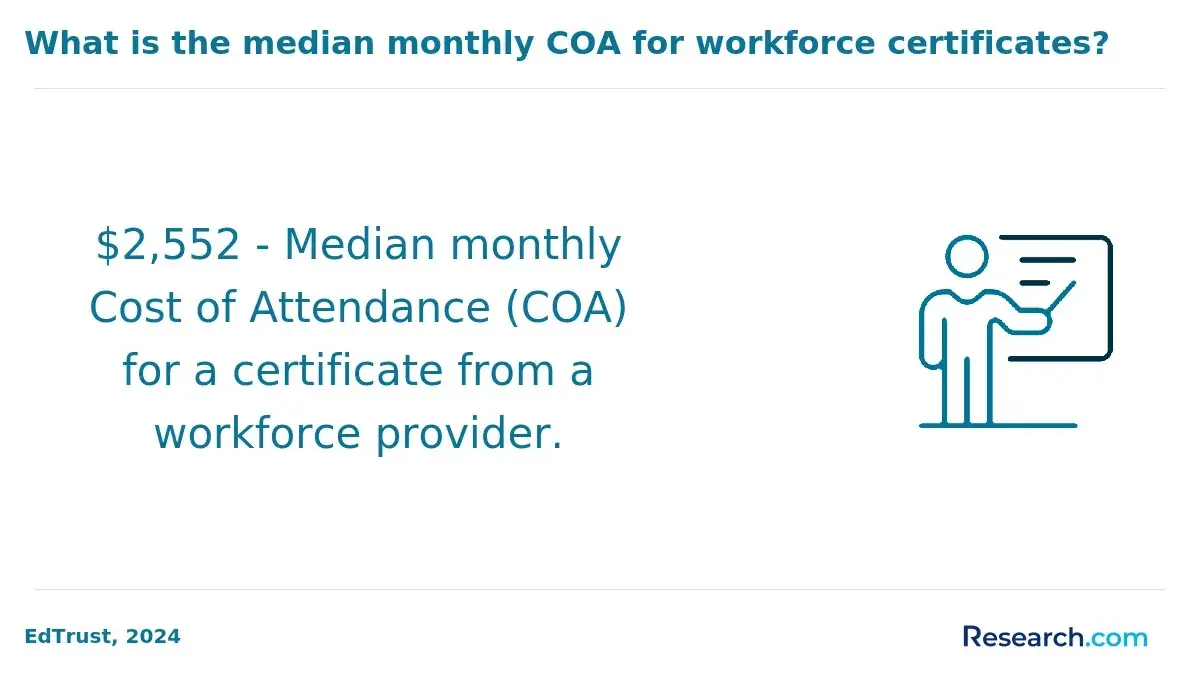
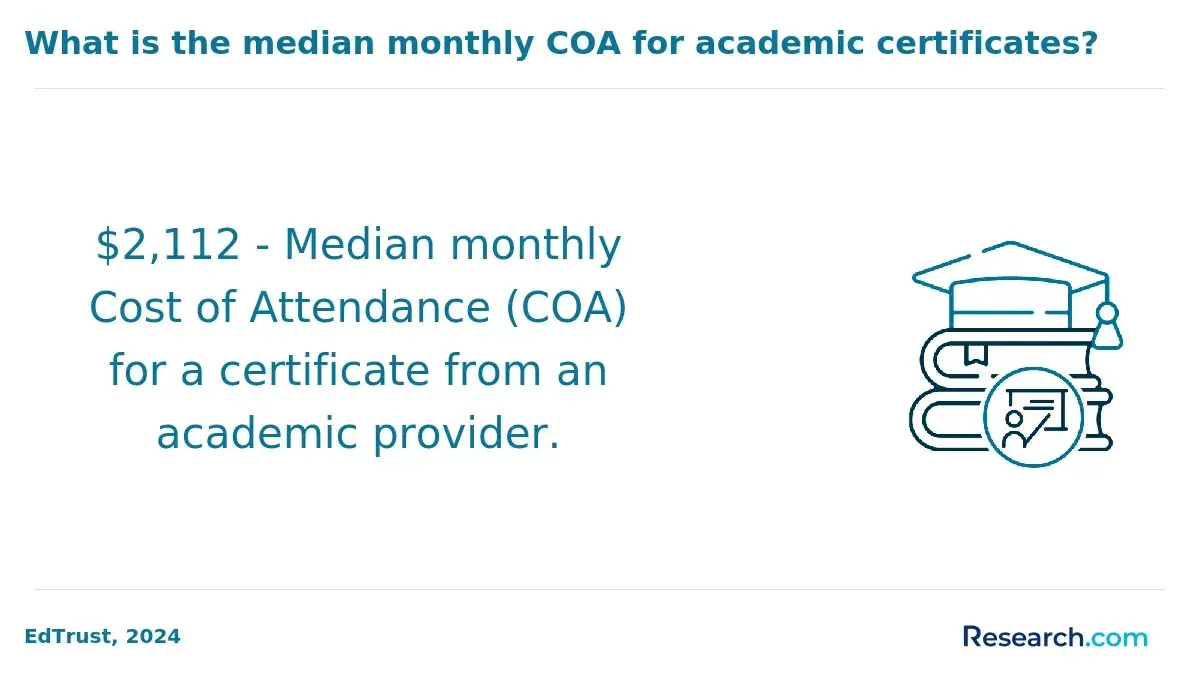
What is the average tuition cost of an online nurse educator master's program that accepts FAFSA?
Estimating tuition costs is essential for students seeking online nurse educator master's programs that accept FAFSA. Understanding the range of expenses helps applicants plan their finances effectively, especially since costs fluctuate based on institution type and residency status. Below are key points outlining tuition variations and additional fees to consider.
- Tuition Per Credit Hour Varies: Accredited online nurse educator programs typically charge between $400 and $1,200 per credit hour. Public universities usually offer lower rates for in-state students, often between $400 and $700 per credit hour, while private institutions or out-of-state rates at public schools can exceed $1,000.
- Total Program Costs Differ: Most programs require 30 to 42 credit hours, making total tuition range anywhere from around $12,000 to $50,000. Variations depend on program length, university prestige, and curriculum specialization.
- Residency and Tuition Models Matter: Whether a student qualifies for in-state tuition significantly impacts price. Some universities apply uniform rates for online students regardless of residency, benefiting out-of-state learners with consistent pricing.
- Additional Fees Add Up: Students often overlook technology fees, course materials, graduation costs, and occasional on-campus residencies or immersion sessions. These extras contribute substantially to overall expenses beyond tuition alone.
- FAFSA Covers More Than Tuition: Federal aid eligibility includes living expenses, books, and other education-related costs. Accurately estimating the entire cost of attendance informs the appropriate financial aid application and helps ensure sufficient support.
What technology, tools, or clinical requirements are expected of online nurse educator master's students?
Students pursuing an online master's degree in Nurse Educator must prepare for specific technology needs and program expectations to ensure a smooth learning experience. These requirements influence how effectively students participate in coursework and clinical training while managing expenses and scheduling. Below is a summary of common technical and practical mandates found in accredited programs.
- Reliable High-Speed Internet: A stable broadband connection is essential for streaming live lectures, accessing video materials, and participating in discussions. Many programs stress the need for consistent internet speeds to avoid disruptions during coursework submissions and virtual sessions.
- Hardware and Software Requirements: Most programs require a modern computer equipped with a webcam and microphone. Compatibility with Windows or Mac operating systems is commonly specified, along with essential software such as Microsoft Office, PDF readers, and antivirus programs. Specific video conferencing platforms like Zoom or Webex are often mandated.
- Learning Management Systems (LMS) Proficiency: Students should be comfortable using platforms like Canvas, Blackboard, or Moodle, as these systems handle course materials, assignments, grades, and communication with instructors.
- Discipline-Specific Tools and Simulations: Nurse Educator curricula frequently include virtual clinical simulations or specialized software to replicate real teaching environments. These tools support skill development in curriculum planning and student assessment and may require additional subscriptions or licensing fees that contribute to overall costs.
- In-Person Clinical and Practicum Components: Despite the online format, hands-on experiences such as clinical placements or internships remain mandatory. Programs commonly assist students in finding suitable local facilities to complete these requirements near their residence.
- Setup and Licensing Expenses: Beyond tuition, students should budget for technology upgrades, software licenses, and possible travel related to clinical training. Expenses vary by program and location.
- Confirming Current Requirements: Since technical and clinical expectations evolve, prospective students are advised to contact their chosen program directly to obtain accurate and updated information before enrollment. This helps prevent unforeseen challenges and enables better planning of time and financial resources.
What career outcomes and salary expectations follow an online nurse educator master's degree?
This section helps applicants explore the types of careers available after earning an online nurse educator master's degree, outlining key factors that influence job prospects and earning potential based on data from the U.S. Bureau of Labor Statistics.
- Career Roles: Graduates often become clinical nurse educators, academic faculty members, or nursing program coordinators. These positions focus on teaching future nurses, developing curricula, and leading training programs within healthcare or academic settings.
- Earning Potential: Nurse educators typically earn more than registered nurses holding only a bachelor's degree. Median salaries range from about $75,000 to over $90,000 annually, depending on experience, location, and specialization.
- Advanced Leadership Opportunities: Holding a master's degree opens access to leadership roles such as director of nursing education or continuing education coordinator, which are generally unavailable without this advanced credential.
- Licensure and Certification: Most states require nurse educators to maintain registered nurse licensure and often national certification like the Certified Nurse Educator (CNE). Accredited online master's programs usually meet the educational requirements for these credentials.
- Job Outlook: Employment in nursing education is projected to grow about 7% through 2031, driven by increasing demand for skilled instructors amid healthcare workforce shortages and expanded training programs.
Prospective students seeking flexible study options and federal financial aid can find accredited self paced online college courses that align with career advancement goals in nursing education.
How do employers and licensing boards view an online nurse educator master's degree compared to an on-campus one?
Clarifying how online nurse educator master's degrees are viewed by employers and licensing boards is essential for students making program decisions and planning their careers. Understanding current acceptance levels and regulatory standards can lead to more informed choices.
- Shifting Employer Attitudes: Recent studies and employer feedback indicate increasing trust in online degrees, especially those granted by regionally accredited institutions. The COVID-19 pandemic expedited this trend, normalizing online credentials in hiring practices.
- Licensing Board Priorities: Accreditation status of the institution and program remains the primary concern for licensing boards, rather than whether the degree was earned online or in person. Most state boards involved in nurse educator certification evaluate online and on-campus degrees similarly, although it is crucial to confirm rules specific to each state.
- Role of Institutional Reputation: Employers place significant value on the reputation and recognized accreditation of the issuing program. When academic rigor and curriculum align, an online nurse educator master's degree typically holds equal standing with an on-campus degree.
- Importance of Verifying Local Guidelines: Because policies can vary across states and employers, prospective students should research the requirements relevant to their targeted work location and sector. Selecting programs that openly disclose how their online credentials are professionally regarded helps ensure alignment with career goals.
What Graduates Say About Getting Accepted in Online Nurse Educator Degree Master's Programs That Accept FAFSA
- Shannon: "When I first considered pursuing an online nurse educator master's program, the fact that several schools accepted FAFSA made the admission process less stressful and more accessible financially. Researching through official academic catalogs helped me to understand each program's specific curriculum requirements thoroughly. I genuinely appreciated the blend of flexibility and legitimacy these accredited programs offered, which gave me confidence as I advanced my career."
- Kara: "Choosing the right online nurse educator master's degree was overwhelming, but focusing on accredited institutions that accepted FAFSA helped me narrow down my options efficiently. I often relied on federal education resources to clarify the financial aid details and admission timelines, which was essential for planning. Reflecting on my journey, I value how these trustworthy sources made navigating degree requirements clearer and kept me motivated throughout."
- Josephine: "Applying to nurse educator master's programs online was a professional challenge, but concentrating on schools recognized by accrediting agencies and that accepted FAFSA simplified the process. I made it a point to study official academic catalogs carefully to ensure I met all course prerequisites and understood graduation criteria. This approach not only streamlined my pathway but also deepened my respect for the academic rigor behind these programs."
Other Things You Should Know About Nurse Educator Degrees
In 2027, students should verify that their online nurse educator master's program is accredited by a recognized agency, such as the CCNE or ACEN. Accreditation ensures that the program meets high academic standards. Additionally, students should research faculty qualifications, curriculum rigor, and student support services to confirm academic quality.
Students should compare programs based on several factors including cost, accreditation status, curriculum content, faculty expertise, and program flexibility. It is important to review the total cost after factoring in financial aid like FAFSA and scholarships. Additionally, prospective students should assess course delivery formats and graduation timelines to find a program that fits their personal and professional needs.
Numerous accredited universities across the United States offer online nurse educator master's degrees eligible for FAFSA funding. Examples include public and private institutions with nationally recognized nursing schools. The eligibility for FAFSA depends on the school's federal financial aid participation, which most accredited online nursing programs maintain. Checking the school's official website or the FAFSA database can confirm program eligibility.
References
- How Do Online BSN Degree Programs Work? https://www.allnursingschools.com/msn/online-or-on-campus/
- Top Tips to Apply for FAFSA To Pursue a Nursing Course https://vervecollege.edu/how-to-apply-for-fafsa-to-pursue-a-nursing-course/
- Nurse Educator Tuition and fees https://online.missouri.edu/degrees-programs/mu/nursing/nurse-educator/ms/financial
- Best Online Nursing School Master's Programs for 2025 https://www.princetonreview.com/nursing-school-rankings
- Online Master in Nurse Educator (MSN) Degree | South University https://www.southuniversity.edu/online/degrees-programs/nursing/nurse-educator-msn
- Financial Aid: Unlocking Nursing Opportunities https://www.onlinenursingdegrees.org/financial-aid/
- What Can You Do With an MSN Degree? | Check 11 Career Options https://nursinglicensemap.com/nursing-degrees/masters-in-nursing/what-can-you-do-with-msn/
- How to Become a Nurse Educator: Online DNP Options | STU https://online.stu.edu/degrees/healthcare/dnp/become-nurse-educator/
- Mastering Financial Aid: A 2025 Guide to the New FAFSA for Your Nursing Education - College Money Tips https://collegemoneytips.com/financialaid/fafsa-for-nurses/
- What are the Online MSN Admissions Requirements? https://www.nursingcolleges.com/faq/online-msn-admissions-requirements