
2027 Philosophy Degree Programs for Career Changers

Co-Founder and Chief Data Scientist
Adult learners seeking a career shift often face challenges aligning their skills with evolving job market demands. Nearly 40% of U.S. students pursuing philosophy degrees are over 25, reflecting the subject's appeal to career changers aiming to enhance critical thinking and ethical reasoning. These competencies increasingly attract employers across diverse industries, from tech to healthcare.
However, many prospective students remain uncertain about how a philosophy degree can translate into practical career outcomes. This article examines how philosophy degree programs equip career changers with versatile skills and explores pathways to leverage this education for successful employment transitions in today's workforce.
Key Things to Know About Philosophy Degree Programs for Career Changers
- Many philosophy degree programs offer flexible scheduling and online or hybrid formats, accommodating working adults balancing careers and studies effectively.
- Accelerated pacing options let career changers complete degrees faster, enabling quicker workforce reentry or advancement.
- Programs often emphasize critical thinking and ethics, skills highly valued by employers across industries, enhancing career transition success.
What Philosophy Programs Accept Career Changers?
Philosophy programs designed for career changers offer flexibility and practical skills that fit well with the schedules and goals of working adults. Nearly 40% of U.S. graduate students are nontraditional, often balancing jobs and study, making programs that welcome this group increasingly important.
- Online Philosophy Master's: These programs provide flexible prerequisites and schedules that accommodate full-time work and family commitments, enabling students to advance their education without geographic limits or rigid timelines.
- Hybrid Philosophy Bachelor's: Blending in-person and online coursework, these programs allow career changers to benefit from direct interaction alongside adaptable learning formats suited to busy professionals.
- Accelerated Philosophy Degrees: Designed for fast completion, these programs offer concentrated coursework and focus on key competencies, helping adults enter new careers quickly with relevant philosophical skills.
- Philosophy Certificate Programs: Short, targeted curricula focus on essential topics like critical thinking and ethics, offering practical training that complements previous experience and aids smooth career transitions.
Philosophy programs welcoming nontraditional students often reduce rigid entry requirements while emphasizing skill transfer relevant to diverse professions. For those interested in complementary graduate studies, exploring BCBA masters programs online can provide additional career flexibility and options.
What Philosophy Specializations Are Best for Career Changers?
Choosing the right philosophy specialization directly impacts the skills you build and the career fields open to you. Labor statistics show that sectors valuing critical thinking and ethical reasoning have grown by 8% annually, reflecting rising demand for philosophy graduates with relevant, practical expertise.
Below are four leading specializations that offer flexibility and strong career mobility for career changers.
- Ethics and Applied Philosophy: This specialization centers on moral reasoning and decision-making, making it ideal for those aiming to enter healthcare, law, or corporate governance. It emphasizes transferable skills suited to sectors where ethical judgment is critical.
- Logic and Critical Thinking: Focused on analytical reasoning, this area prepares learners for roles in technology, data analysis, and consulting. Its accessibility helps adult learners develop widely applicable problem-solving skills.
- Political Philosophy: Exploring concepts of power, justice, and rights, it equips students for careers in policy-making, public administration, and advocacy. This path provides a strong foundation to support career transitions into public service and related fields.
- Philosophy of Mind and Cognitive Science: Bridging philosophy with psychology and AI, this specialization opens doors to emerging industries like human-computer interaction and behavioral science. It offers relevant interdisciplinary training for those changing careers toward innovative technology-driven roles.
These philosophy degree specializations for career changers cultivate foundational reasoning and communication abilities that smooth the path for career transitions while enhancing adaptability. For those considering professional shifts involving counseling or human services, exploring accredited online counseling programs can complement philosophical expertise with practical credentials.
What Are the Admission Requirements for Career Changers Applying to a Philosophy Program?
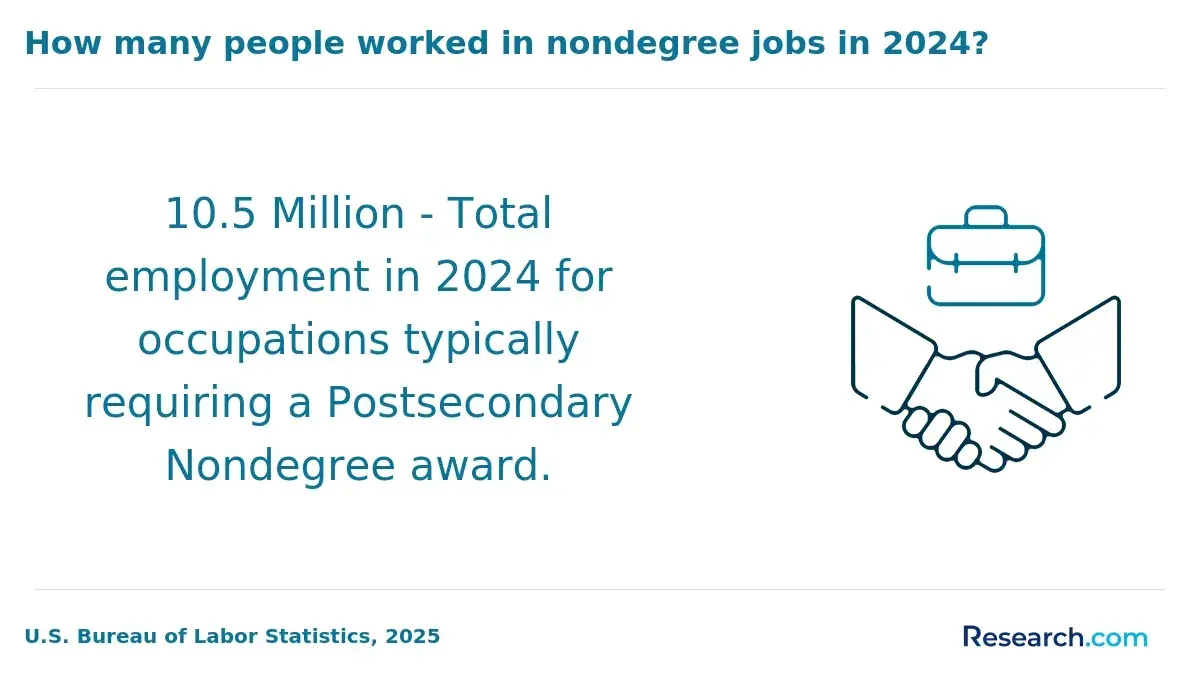
Admission criteria for career changers entering a philosophy program often differ significantly from traditional undergraduate pathways, making it essential to understand these nuances. Adult learner enrollment in higher education has increased by over 40% in the past decade, reflecting a rise in nontraditional students pursuing new academic directions.
Below are common admission requirements that reflect the prerequisites for nontraditional students in philosophy degree programs.
- Application and Transcripts: A completed application form along with relevant academic transcripts is usually required. Programs often look for evidence of prior postsecondary education, including community college or vocational credits, to assess eligibility.
- Test Scores: Standardized test scores may be requested, but many institutions waive this requirement for adult applicants to accommodate diverse educational backgrounds.
- Personal Statement: A personal essay is vital for explaining your motivation toward philosophy and illustrating how your previous work experience and skills apply to academic goals.
- Letters of Recommendation: These are commonly required, preferably from professional or academic sources familiar with your career and aptitude for philosophy studies.
- Alternative Assessments: Some programs offer portfolio reviews or interviews instead of traditional testing, recognizing the transferable skills career changers possess, such as critical thinking and ethical reasoning.
Working professionals should target programs providing flexibility like part-time or online options to balance education with existing commitments. For those exploring affordable paths to advanced studies, researching the cheapest psychology degree online may offer insights into cost-effective program structures that can be comparable in flexibility and accessibility.
What Is the Coursework for a Philosophy Degree for Career Changers?
For those changing careers, knowing what to expect from philosophy coursework is vital to making a strategic educational choice. The curriculum balances foundational knowledge with options tailored to individual professional interests.
Below are the key elements typically included in a philosophy degree designed to support career changers:
- Core Foundations: These courses cover essential topics like ethics, logic, epistemology, and metaphysics, introducing the fundamental principles and critical inquiry methods that underpin philosophical study.
- Historical Perspectives: Students examine influential philosophers and ideas from ancient to modern times, gaining insight into the evolution of thought that informs contemporary issues.
- Specialized Electives: Options such as political philosophy, philosophy of science, or aesthetics allow learners to align their studies with specific career goals or personal interests, enhancing practical relevance.
- Capstone Projects: Through seminars or thesis work, students undertake focused research, encouraging deep analysis and the application of philosophical theories to real-world scenarios.
One professional who earned a philosophy degree online shared that balancing coursework with full-time work was challenging but manageable with flexible scheduling. He described feeling uncertain at first about how the abstract nature of the classes would translate into career benefits, but found the opportunity to engage actively with diverse topics rewarding.
"I appreciated having choices in electives that connected to my interests," he said, adding that the final thesis project helped solidify his confidence in applying philosophical ideas outside academia. Despite initial doubts, the experience provided a clearer path for his career transition and affirmed the value of pursuing philosophy as a practical, adaptable field of study.
What Philosophy Program Formats Are Available for Career Changers?
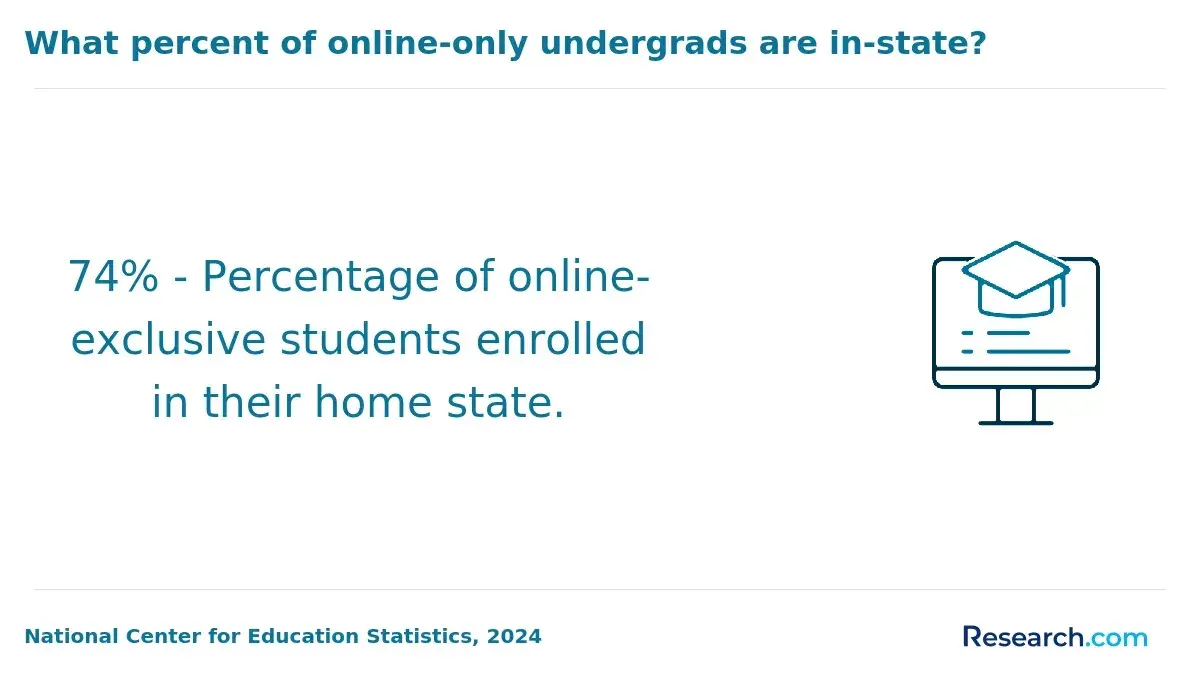
Flexible program structures are crucial for career changers balancing employment and personal commitments. Over 30% of postsecondary students study exclusively online, highlighting the growing preference for adaptable learning options.
Below are some of the primary philosophy degree formats that support busy adult learners.
- Fully Online: These programs enable students to complete all coursework remotely, offering high flexibility for scheduling and pacing. They are ideal for professionals needing to integrate study with work and family life.
- Part-Time Evening or Weekend: Geared toward individuals who seek some in-person experience but require class times outside traditional hours, this format accommodates full-time jobs and other obligations.
- Hybrid: Combining online learning with occasional on-campus sessions, hybrid programs provide a mix of convenience and direct interaction with faculty and peers, fostering engagement and networking.
- Self-Paced Online: These courses allow students to advance through material at their own pace, making them well-suited for those with unpredictable schedules or fluctuating availability.
What Skills Do Career Changers Gain in a Philosophy Program?
For adults switching careers, developing transferable skills is critical: a recent survey by Pew Research Center found that 87% of workers view reskilling as vital to staying competitive in today's evolving job market. A philosophy degree nurtures abilities that facilitate effective career shifts and ongoing employability.
Here are five essential skills gained in a philosophy program that support these goals:
- Critical Thinking: Philosophy trains students to dissect arguments with clarity and logic, enhancing problem-solving abilities that employers across sectors highly value.
- Effective Communication: Through writing and debate, learners develop the ability to convey complex ideas in a clear, persuasive manner, empowering collaboration and leadership.
- Ethical Reasoning: Understanding ethical principles equips graduates to handle dilemmas thoughtfully, an asset in roles demanding integrity and sound judgment.
- Research Proficiency: Philosophy cultivates rigorous investigation skills, enabling efficient gathering and evaluation of information crucial for data-informed decision-making.
- Creativity and Open-Mindedness: Encountering diverse viewpoints encourages innovative thinking and adaptability, helping professionals navigate new environments with confidence.
I recently spoke with a career changer who earned a philosophy degree, and she described how the experience transformed her outlook. Facing uncertainty about entering a new field, she found the analytical tools gained invaluable for breaking down complex problems and boosting confidence. "It wasn't just about gaining knowledge but learning how to think differently," she shared.
The emphasis on ethical reasoning also helped her align career choices with personal values, which she described as "essential when redefining my professional path." Despite initial doubts, she credits the discipline's focus on adaptable skills with making her transition smoother than expected and opening doors she hadn't anticipated.
How Much Does a Philosophy Degree Cost for Career Changers?
Balancing education expenses with existing financial responsibilities makes knowing the total cost of a philosophy degree critical for career changers. According to the National Center for Education Statistics, graduate tuition and fees for master's programs in the U.S. typically range from $11,000 to $30,000 annually, depending on the institution's public or private status.
Assessing program costs enables career changers to plan their transition effectively. The main cost components include:
- Tuition and Fees: This is the largest expense, varying widely based on program type, institution, and residency. Career changers should explore flexible payment options such as part-time enrollment or online courses that accommodate work schedules.
- Books and Materials: Costs for required textbooks and course materials can add several hundred dollars per semester. Utilizing digital resources or prior learning credits may reduce these expenses.
- Travel and Attendance: Some programs require in-person participation, which may involve travel costs. Online programs often serve as cost-effective alternatives, especially for working professionals.
- Employer Tuition Assistance: Many employers offer tuition reimbursement, significantly lowering out-of-pocket costs. Investigating such support before enrollment can be beneficial.
- Financial Aid and Scholarships: Numerous institutions provide scholarships and financial aid targeting adult learners and career changers, helping to offset tuition and fees.
- Credit Transfer and Accelerated Options: Transferring prior credits or opting for accelerated tracks can shorten program length, reducing total expenses and time to completion.
The average tuition fees for philosophy programs reflect these variables, so career changers should carefully evaluate affordable options. Exploring cheapest online EdD programs can offer insight into flexible, lower-cost degree pathways that align with a career transition while managing financial commitments.
How Does a Philosophy Curriculum Support Career Transitions?
Curriculum design is especially important for career changers pursuing a philosophy degree because it ensures coursework integrates practical skills while accommodating adult learners' unique needs. This approach supports efficient and confident career transitions by aligning learning with real-world professional demands.
Here are five ways a philosophy curriculum supports career transitions:
- Applied Learning: Philosophy programs incorporate methods that connect abstract theories to practical challenges, helping students see the relevance of their studies in everyday and professional contexts.
- Transferable Skills: The curriculum develops critical thinking, analytical reasoning, and persuasive communication-skills highly sought after in fields such as law, business, technology, and public service.
- Flexible Pacing: Coursework is designed to accommodate adult learners balancing education with work and family obligations, allowing pace adjustments that reduce burnout risk during a career transition.
- Real-World Projects: Many programs include case studies and experiential learning opportunities that enable students to apply philosophical concepts directly to career-related scenarios.
- Ethical Decision-Making: Emphasis on ethical reasoning prepares students to navigate complex leadership and management situations with integrity and sound judgment.
For working professionals exploring efficient pathways, exploring options like 1 year graduate programs may complement philosophy degree skills for career changers by accelerating the overall transition process while ensuring robust learning outcomes. Understanding how philosophy curriculum enhances career transitions highlights its value beyond academia.
What Careers Can Career Changers Pursue With a Philosophy?
For career changers, knowing which roles align with a philosophy degree is crucial to effectively leverage transferable skills and meet market demand. The U.S. Bureau of Labor Statistics anticipates a 7% growth in management, legal, and education sectors through 2031, highlighting strong opportunities for graduates adapting to new fields.
Here are five common careers where a philosophy background offers a distinct advantage.
- Legal Assistant or Paralegal: This role involves conducting legal research, drafting documents, and providing support to attorneys. Analytical thinking and careful evaluation, core to philosophy studies, ease the transition into these detail-oriented tasks.
- Human Resources Specialist: Responsibilities include talent acquisition, employee relations, and policy formulation. Ethical reasoning and strong interpersonal skills cultivated in philosophy prepare career changers to manage workplace dynamics effectively.
- Technical Writer: Writing clear manuals and guides requires the ability to communicate complicated ideas simply. Philosophy's focus on logical clarity and structured argument aids in producing precise technical content.
- Market Research Analyst: This job entails analyzing data and understanding consumer behavior patterns. Skills in critical thinking and logical analysis assist philosophy graduates in interpreting trends and informing decisions.
- Nonprofit Program Coordinator: Managing outreach efforts and coordinating projects with an ethical emphasis suits those trained in problem-solving and moral reasoning. Such roles benefit from the philosophy graduate's ability to balance practical needs with value-driven goals.
What Is the Average Salary After Earning a Philosophy Degree as a Career Changer?
Salary expectations play a key role for those switching careers with a philosophy degree, helping to gauge the return on investment in reskilling. Data from 2023 by the National Skills Coalition shows reskilled workers typically experience a 15% salary increase within two years of retraining.
Below are common compensation patterns and influencing factors for various career paths.
- Educators: Annual earnings usually fall between $45,000 and $70,000, with pay influenced by certification levels and teaching grade. Experience and credentials heavily impact salary scopes.
- Legal Support Roles: Philosophy graduates entering legal assistance positions may expect $50,000 to $80,000, where firm size and geographic location are significant determinants.
- Writers and Editors: Those shifting to media or content careers often earn $40,000 to $65,000; freelance work can cause income variability but also offer flexibility.
- Business Analysts and Consultants: Salaries range from $60,000 to $90,000, heavily shaped by prior industry experience and market demand for analytical skills.
- Experience Impact: Candidates with unrelated backgrounds may start at lower pay but often see faster salary growth once new competencies are demonstrated.
What Graduates Say About Their Philosophy Degrees for Career Changers
- Carolyn: "Choosing to switch careers after a decade in finance was daunting, but enrolling in a philosophy degree program was the best decision I made. Despite the average cost of around $20,000 to $30,000, the investment was worth every penny as it sharpened my critical thinking and ethical reasoning skills, invaluable assets in my new role in corporate ethics. This journey not only transformed my career but also my worldview. "
- Lauren: "Reflecting on my path, the decision to pursue a philosophy degree mid-career was both challenging and rewarding. It required balancing family, work, and tuition fees averaging roughly $25,000, which felt steep initially. However, completing the program deepened my analytical abilities and provided a solid foundation for transitioning into legal consultancy, proving that the cost and effort were justified. "
- Gemma: "My career change into academia was catalyzed by my choice to study philosophy, despite the financial burden being a significant concern, given the typical $20,000 to $30,000 expense. The several months of rigorous study greatly enhanced my argumentative skills and conceptual clarity, facilitating a smooth shift. Looking back, this program was a critical stepping stone in realizing my professional aspirations. "
Other Things You Should Know About Philosophy Degrees
Yes, philosophy degrees can be obtained online in 2027. Many universities offer flexible online philosophy degree programs specifically designed to accommodate career changers, providing a versatile and convenient option to integrate studies with existing commitments.
In 2027, philosophy degree programs may vary, but typically require a significant time commitment. Full-time study can demand 15-20 hours per week per course. Part-time options are available, allowing flexible pacing for work-life balance, but may extend program duration.
Many colleges and universities recognize the unique needs of adult learners and career changers by providing dedicated support services. These can include academic advising focused on balancing education with work and family responsibilities, flexible scheduling options, and career counseling aimed at leveraging philosophy skills for new professional paths.
References
- How Philosophy gives your career prospects a boost — Newham Sixth Form College https://www.newvic.ac.uk/careers-blog/2021/9/13/how-philosophy-and-religious-studies-can-boost-your-careernbspskills
- Changing Careers https://hrphilosopher.com/2022/06/20/changing-careers/
- What Can You Do With a Philosophy Degree? https://willamette.edu/academics/college/philosophy/career-options
- Transitioning into a career after your Humanities PhD - Or how to create an Alt-Ac Philosophical Company - Van Sijl | Coaching & training for academics https://vansijl.com/2017/03/transitioning-career-humanities-phd/
- Individual Career Planning and Career Transition program https://staff.ki.se/your-employment/careers-at-ki/career-planning-for-a-sustainable-working-life/program-for-individual-career-planning-and-career-change
- Launching a Non-Academic Career - The American Philosophical Association https://www.apaonline.org/members/group_content_view.asp
- Career Switch Programme: It’s Never Too Late to Change https://euroguidance.eu/hungarian-euroguidance-career-guidance-award-for-adults-2022-career-switch-programme-it-s-never-too-late-to-change
- 16+ Jobs for Philosophy Majors (No Existential Crisis Required) https://www.theforage.com/blog/careers/jobs-for-philosophy-majors
- Where can a philosophy degree take you? https://www.etsu.edu/cas/philosophy/careers.php


