2027 Public Health Degree Master's Programs You Can Get Into Right Now (Eligibility-Based Matches)

Co-Founder and Chief Data Scientist
Many professionals with unrelated undergraduate degrees face challenges in entering public health master's programs due to strict prerequisites and limited flexibility. This barrier delays career shifts into an expanding sector addressing critical health issues. Notably, enrollment in online public health master's programs grew by 35% in the past five years, reflecting rising demand for accessible education among career changers. These programs often offer adaptable schedules and foundational coursework to bridge eligibility gaps. This article identifies programs available right now based on eligibility and guides prospective students through options tailored to their backgrounds and career ambitions.
Key Benefits of Eligibility-Based Public Health Degree Master's Programs
- Eligibility-based programs often offer part-time, online, and evening options, enabling working professionals to balance career and education efficiently without sacrificing progress.
- Accelerated formats in these programs focus on core competencies, reducing time to graduate by up to 25%, ideal for those seeking rapid upskilling and timely career transitions.
- Applicants gain access to diverse, global alumni networks and virtual conferences, providing crucial professional connections and cross-cultural insights pivotal for modern public health challenges.
What Is the Minimum GPA Requirement for Public Health Master's Programs?
Applicants examining public health master's programs need to understand varying minimum GPA requirements to realistically gauge their chances of admission. This is a key step in building a strategic list focused on eligibility. The following points clarify how GPA standards differ and how to interpret them alongside other admissions factors.
Key considerations regarding minimum GPA requirement for public health master's programs include:
- Varied GPA Thresholds: Most programs set minimum GPA requirements between 2.75 and 3.0 on a 4.0 scale. Top-tier institutions commonly require a 3.0 minimum, while some regional universities accept 2.75 with strong supplemental materials like relevant experience or a compelling statement.
- Hard Minimum vs. Competitive Average: The hard minimum GPA marks the official lowest eligibility, but the competitive average tends to be higher-often around 3.5 at selective schools-reflecting a more competitive admissions environment.
- Holistic Admissions Practices: Several programs review applications holistically, allowing a lower GPA to be balanced by strong recommendations, professional achievements, or research. This broadens access for borderline academic records.
- Examples of GPA Policies: The University of Alabama at Birmingham accepts GPAs as low as 2.75 with supplemental materials, whereas Harvard T.H. Chan School of Public Health enforces a strict 3.0 cutoff.
- Using GPA Data Strategically: Early use of GPA thresholds helps applicants shortlist realistic public health master's admissions GPA criteria, focusing effort efficiently on schools matching their profile.
According to a survey by the Association of Schools and Programs of Public Health, nearly 65% of master's programs require a minimum GPA of 3.0 or higher, highlighting nationwide competition.
Applicants interested in related fields might also explore the shortest post masters DNP program options to complement their public health expertise.
Which Public Health Master's Programs Accept Students Without Direct Field Experience?
Applicants to master's programs in public health come from diverse backgrounds, including recent graduates, career changers, and professionals from related fields. Because of this variety, experience requirements vary widely across programs, making some more accessible than others. Below are key mechanisms programs use to welcome students without direct field experience.
- Bridge or Preparatory Courses: Many programs offer foundational courses that prepare students lacking prior experience. These courses cover essential public health concepts and methods, enabling newcomers to build necessary skills before tackling advanced topics.
- Prerequisite Waivers or Flexibility: Some schools waive strict prerequisites or allow applicants with strong academic records or relevant backgrounds, such as in biology or social sciences, to enroll without direct public health experience.
- Provisional or Conditional Admission: Certain programs admit students conditionally, requiring completion of specified coursework or assessments early in the program to demonstrate readiness.
- Emphasis on Transferable Skills: Admissions committees often recognize relevant skills from fields like education, healthcare, or policy as valuable even if applicants lack direct public health experience.
- Explicit Admissions Statements: Institutions like the University of North Carolina's Gillings School of Global Public Health and Johns Hopkins Bloomberg School of Public Health explicitly state that prior public health work is not mandatory, focusing instead on overall potential and motivation.
Applicants to master's programs in public health with no professional experience required should emphasize analytical abilities, leadership, community involvement, or interdisciplinary expertise in their personal statements and recommendations. According to 2023 data from the Association of Schools and Programs of Public Health, nearly 40% of incoming master's students had no traditional public health experience, reflecting a shift toward more inclusive admissions. For those considering alternatives, exploring a nursing school with high acceptance rate can also broaden healthcare opportunities.
Are There Public Health Master's Programs That Do Not Require the GRE or GMAT?
Graduate programs increasingly adopt test-optional policies, a shift accelerated by the COVID-19 pandemic and reflecting a broader move toward more inclusive, holistic admissions. Public health master's programs vary widely: some have removed GRE or GMAT requirements permanently, while others maintain more flexible policies. Here are key distinctions to keep in mind.
- Permanent Full Waivers: Certain programs no longer require GRE or GMAT scores for any applicant, signaling a long-term commitment to standardized test elimination beyond temporary pandemic measures.
- Optional Score Submission: Some schools leave score submission voluntary, encouraging applicants with strong results to include them but not imposing this as a requirement for admission.
- Waivers Based on Academic or Professional Criteria: Some institutions grant testing waivers only if candidates meet specific benchmarks such as a minimum GPA or substantial relevant work experience.
- Temporary or Pandemic-Related Policies: Many programs adapted quickly during the pandemic by suspending testing mandates but may reinstate them in the future; applicants should confirm each school's current stance.
- Strategic Submission Decisions: When submissions are optional, applicants should weigh their strengths and the competitiveness of the program carefully before deciding to include their scores.
Because policies fluctuate, it's critical to check each program's official admissions page or reach out directly for the latest updates.
When I spoke with a professional who recently pursued a master's in public health, he described the challenge of navigating these shifting requirements: "I wasn't sure if sending my GRE scores would help or hurt. Some programs said optional, some waived them outright. It felt overwhelming to interpret which policy applied, so I reached out to admissions offices myself. That direct contact helped clarify expectations and reduced anxiety. Ultimately, the opportunity to bypass the test lowered a big barrier and allowed me to focus more on my work experience and essays."
How Many Letters of Recommendation Do Public Health Master's Programs Typically Require?
Prospective students applying for a public health master's degree often need to meet specific recommendation letter requirements as part of their application package. Below is an overview of these expectations along with practical advice to help you navigate the process effectively.
- Typical Number of Letters: Most public health master's programs require two to three letters of recommendation. While two letters meet the standard, some programs prefer three to better understand your qualifications. A few may accept fewer if other application components are strong, highlighting variation across programs.
- Academic vs. Professional Recommenders: Academic references usually come from professors familiar with your research aptitude and intellectual capabilities. Professional recommenders can testify to your job-related skills and leadership qualities. Combining both types often boosts your application's strength.
- What Admissions Committees Value: Committees look for letters that include specific examples of your analytical abilities, dedication to public health values, and teamwork. Letters that are generic or vague tend to carry less influence during evaluations.
- Timing and Supporting Materials: Always request recommendation letters at least 4-6 weeks before the deadline. Providing your résumé, transcripts, and a brief personal statement helps recommenders write targeted and effective letters.
- Submission Requirements: Some schools require letters to be submitted through portals like SOPHAS or with precise formatting rules. Confirm these details early to avoid last-minute issues or application rejection.
For applicants balancing work and studies, consider programs like RN to BSN online programs that may offer flexible options alongside your public health graduate applications.
What Are the Typical Application Deadlines for Public Health Master's Programs?
Prospective public health master's students must carefully navigate various application deadlines, as these influence both admission chances and financial aid opportunities. Below are key deadline categories and their impacts to help streamline your application planning.
- Early Decision and Priority Deadlines: Typically falling between November and December for fall enrollment, these deadlines offer applicants a competitive advantage with earlier admission decisions and access to priority funding.
- Regular Deadlines: Most programs set final application cutoffs from January through February. Meeting these ensures full review, though some scholarships may no longer be available.
- Rolling Admissions: Programs with rolling admissions review applications as they arrive until slots fill. Applying early maximizes your chances, since later applicants face increased competition and limited financial aid.
- Document Versus Application Deadlines: It's common to confuse deadlines for recommendation letters or transcripts with the final submission date for the entire application. Missing the final deadline typically means your application won't be evaluated, regardless of supporting materials.
- Personal Deadline Tracker: Creating a tailored tracker that records each program's deadlines, required documents, notification dates, and aid timelines is crucial for staying organized and avoiding overlooked requirements.
A professional who advanced her career after completing an online public health master's program shared that managing multiple deadlines was initially overwhelming. She emphasized that consolidating all timelines into a single spreadsheet helped her maintain focus and reduce stress. "I learned that knowing exactly when each piece was due and planning ahead was key," she recalled. Her experience highlighted that early planning not only eased the process but also allowed her to seize priority aid opportunities that might have otherwise been missed.
Which Public Health Master's Programs Offer Part-Time or Online Enrollment Options?
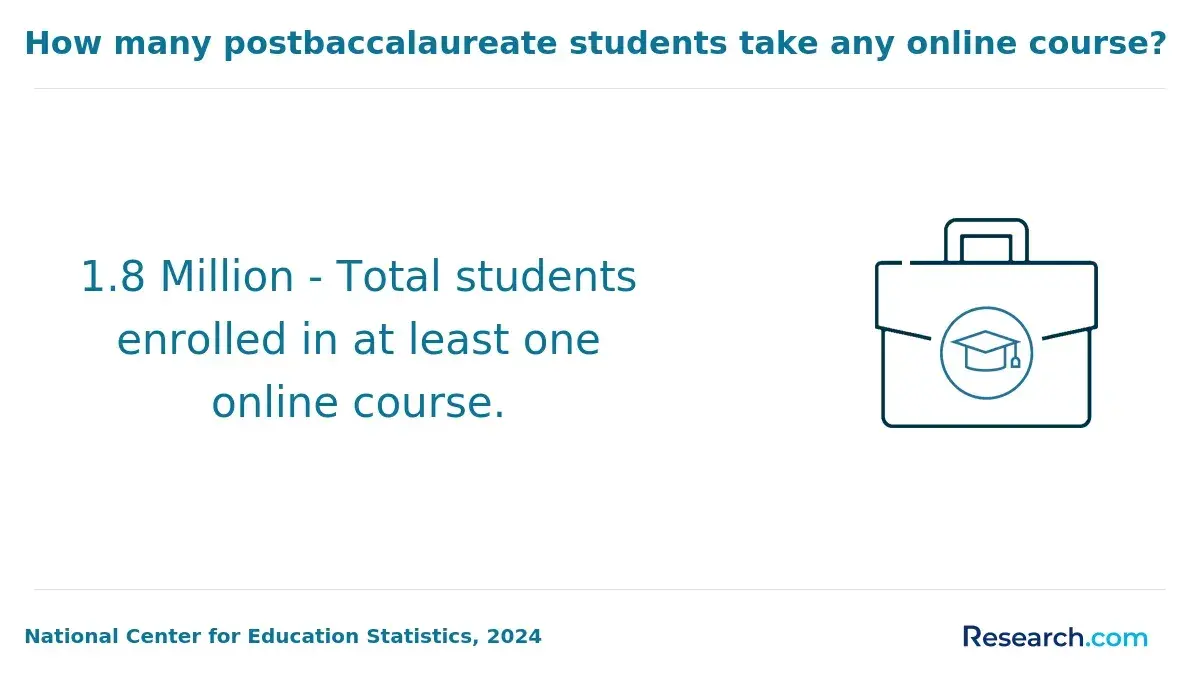
Graduate programs in public health increasingly offer flexible formats such as fully online, hybrid, part-time evening, and weekend cohorts to accommodate diverse student needs. These options make it easier for working professionals and those with personal commitments to pursue advanced degrees. Consider the following key aspects when evaluating these program types.
- Flexible Delivery Formats: Many accredited public health master's programs provide multiple enrollment options including part-time schedules, online study, and hybrid models combining virtual coursework with occasional campus visits. Each format varies in how it balances convenience with direct interaction.
- Accreditation and Degree Equivalency: Official program materials confirm that online and part-time degrees hold the same regional and CEPH accreditation as traditional on-campus degrees, ensuring equal recognition and credential value in the field.
- Employer Perspectives: Industry surveys reveal that most public health employers focus on accreditation status and practical experience rather than delivery format. While some advantages exist for in-person networking, online graduates remain competitive in the job market.
- Networking and Residency Requirements: Hybrid programs often require short-term residencies or seminars on campus, which can enhance professional connections. Fully online formats rely on virtual platforms, which may limit direct interaction but increase geographic flexibility.
- Cost and Time Considerations: Flexible tracks typically extend the length of study but allow students to maintain employment. Comparing tuition costs, financial aid options, and expected completion times is essential to find the best fit.
What Prerequisite Courses Are Required for Admission Into Public Health Master's Programs?
Applicants aiming for a master's degree in public health often encounter specific undergraduate prerequisite courses designed to ensure a solid foundation before tackling advanced topics. Identifying which courses are mandatory upfront and which can be completed alongside graduate study helps streamline preparation. Below are essential considerations for prospective students assessing their academic readiness:
- Hard Prerequisites: Foundational courses such as introductory statistics, biology, or epidemiology are typically required before enrollment. These ensure all candidates have baseline knowledge necessary for advanced public health subjects.
- Soft Prerequisites: Some programs allow courses like research methods or environmental health basics to be taken during the first semester, providing flexibility for those missing certain prerequisites.
- Remediation Options: To address coursework gaps, accessible pathways include community college classes, accredited online MOOCs, or certificate programs. These options enable applicants to fulfill requirements without significant delays.
- Program-Specific Variations: Requirements vary widely; some schools waive prerequisites based on relevant professional experience or equivalent coursework. Contacting graduate advisors directly is crucial to clarify these policies.
- Planning and Verification: Early transcript evaluation and consultation with admissions staff help confirm prerequisite status and avoid surprises, increasing the likelihood of a smooth application process.
What Financial Aid, Scholarships, or Assistantships Are Available for Public Health Master's Students?
Prospective public health master's degree students benefit greatly from understanding the various financial aid options available, which can ease the burden of tuition and living costs. Familiarity with these funding categories helps students make informed decisions and plan ahead. Below are key points outlining the main types of aid and factors to consider:
- Institutional Scholarships: Usually merit-based, these university-awarded scholarships may cover part or all of tuition, sometimes including stipends. Deadlines typically align closely with admissions cycles, so timely applications are vital.
- Departmental Fellowships: Offered by specific public health departments, these competitive awards emphasize academic excellence and research promise. Fellowships may be renewable across multiple years depending on satisfactory progress.
- Teaching and Research Assistantships: These assistantships provide tuition remission and stipends in exchange for teaching or research work. They require separate, often earlier, application processes than admissions and offer valuable practical experience.
- External Awards and Professional Associations: Numerous discipline-specific scholarships are available through organizations like the American Public Health Association (APHA), Society for Public Health Education (SOPHE), and Public Health Education and Promotion Scholarship Database. These awards usually require individual applications with deadlines set by each organization.
- Calculating Net Cost and Comparing Funding Packages: Beyond admissions criteria, carefully comparing total cost of attendance minus financial aid across programs uncovers true affordability. Evaluating assistantships, scholarships, and fellowships together ensures a balanced program list aligned with one's financial and academic profile.
Over 60% of public health graduate students receive some form of financial aid, highlighting the importance of proactive research and timely applications. Students looking for related healthcare funding opportunities might also explore programs like the fast track medical LPN to accelerate entry into the health workforce. Understanding scholarships and assistantships for public health graduate students can make the difference between manageable expenses and overwhelming debt.
How Do I Write a Strong Statement of Purpose for Public Health Master's Programs?
For prospective public health master's students, a strong statement of purpose is crucial for distinguishing yourself in a competitive admissions process. This section highlights essential elements to craft an effective statement that resonates with admissions committees. Consider these foundational components when writing:
- Compelling Opening: Start with a clear, engaging introduction that conveys your motivation for pursuing public health. Admissions committees value a narrative that links your background and aspirations.
- Clear Research or Professional Focus: Specify your interest within public health, such as epidemiology or environmental health, showing purposeful academic and career objectives. This clarity reflects an effective statement of purpose tip for public health graduate admissions.
- Evidence of Preparation: Illustrate your readiness with concrete examples of academic work, research, or relevant experience that supports your graduate study goals.
- Program Fit and Specificity: Move beyond generic praise by naming faculty, research labs, or unique program resources that align with your interests. This demonstrates that you have thoroughly researched the program.
- Revision and Feedback Process: Eliminate vague language and generic phrases; adopt an active, confident tone. Seek feedback from peers, mentors, or writing centers and expect to write at least three drafts for refinement.
Admissions readers evaluate intellectual focus, writing quality, self-awareness, and how well your goals correspond with the program's strengths. Writing strategically rather than broadly enhances admission prospects and reflects genuine commitment. When exploring financial aid options during your program search, you might also consider finding online medical billing and coding schools that accept FAFSA for additional pathways.
What Are the Career Outcomes for Graduates of Public Health Master's Programs?
Prospective master's students in public health benefit from examining detailed career outcome data to assess program value and alignment with their goals. Evaluating multiple data sources and understanding how different factors influence results can lead to a clearer picture of potential career paths. Key considerations include:
- Sources of Career Outcome Data: First-destination surveys, LinkedIn alumni analytics, and official graduate school outcome reports are primary repositories for career information. The reliability of these varies, so check how current and comprehensive the data sets are before relying on them.
- Important Outcome Metrics: Look for employment rates within six months after graduation, median starting salaries, typical job titles, and the sectors that employ graduates. These figures help reveal career trajectories and market demand.
- Program-Specific Variations: Career outcomes can differ widely based on the area of specialization (such as epidemiology versus health policy), geographical location, and program format, like thesis-based versus coursework-only degrees. These differences should shape your interpretation of the data.
- Industry and Role Distribution: Typical employers include government agencies, nonprofits, healthcare institutions, and research organizations. Common positions held by alumni include epidemiologist, health educator, policy analyst, and biostatistician.
- Connecting with Alumni: Engaging with graduates on LinkedIn or other professional networks provides practical insights into the job market and career progression that may not be fully reflected in official reports.
How Can You Use Eligibility-Based Matching Tools to Find the Right Public Health Master's Program?
Eligibility-based matching offers a targeted method for finding master's programs in public health, focusing on aligning an applicant's GPA, test scores, experience, and overall fit with schools where admission chances are realistic. This approach moves beyond prestige-driven rankings, enabling candidates to build a practical list tailored to their profile and success potential.
Several trusted platforms support this strategy. Peterson's uses publicly available admissions data such as GPA ranges and GRE requirements to filter programs, though it may not reflect the latest holistic review policies or test-optional options. Niche combines student reviews with statistics but can skew toward subjective opinions, so caution is needed. GradCafe collects peer-reported admissions outcomes, providing community insights, but lacks formal verification. Professional association directories, like those from the American Public Health Association, offer authoritative program and accreditation information but often omit detailed eligibility criteria.
Applicants should cross-check any tool's suggestions with official program admissions statistics and recent policy updates, since algorithms cannot account for nuances like GRE waivers or holistic considerations.
Using matching platforms is a useful first step, but confirming eligibility through direct communication with admissions offices is essential. This ensures applicants have accurate, up-to-date information and can refine their school list to include programs that best match their current qualifications and goals.
What Graduates Say About Eligibility-Based Public Health Degree Master's Programs
- Azai: "Choosing a master's degree in public health was a strategic move to align my career with my passion for community well-being. The affordability of the program was a significant factor, as it allowed me to pursue advanced education without incurring overwhelming debt. Today, this degree has not only expanded my professional opportunities but also empowered me to contribute meaningfully to public policy development."
- Russell: "Reflecting on my journey, the eligibility-based public health master's program fit perfectly with my background and career aspirations. While the investment was considerable, the quality of education and the networking opportunities made it worthwhile. Earning this degree has reshaped my life goals profoundly, enabling me to transition into leadership roles focused on disease prevention and health equity."
- Christian: "The decision to pursue a master's in public health stemmed from my desire to impact society at a systemic level. The cost was a hurdle I carefully weighed against future benefits, but the program's eligibility criteria made it accessible for someone with my prior experience. This education has been transformative, allowing me to advance in my healthcare career with a clearer vision and renewed purpose."
Other Things You Should Know About Public Health Degrees
Acceptance rates at top public health master's programs tend to be low due to high demand and limited enrollment capacity. These programs often admit between 10% and 30% of applicants, making competition intense. Prospective students should have strong academic records, relevant experience, and compelling statements of purpose to improve their chances.
Many universities now offer accelerated or combined bachelor's-to-master's programs in public health that reduce total study time by integrating undergraduate and graduate coursework. These pathways typically allow students to begin master's level classes during their senior year and finish both degrees in about five years. They are designed for high-achieving students who have a clear career focus early on.
Public Health master's programs for 2027 eligibility-based admissions are offered in a range of formats, including full-time, part-time, online, and evening programs. These flexible options accommodate different schedules and allow students to pursue their degree without compromising professional or personal commitments.
References
- MPH Programs that Don't Require a GRE: Application Tips and Guidance https://masterspublichealth.com/mph-programs-no-gre-required/
- Seven reasons to pursue a Master of Public Health https://gbs.edu.mt/blog/seven-reasons-to-pursue-a-master-of-public-health/
- What I wish I knew before I started my Master of Public Health (MPH) degree | PH SPOT https://phspot.org/what-i-wish-i-knew-before-i-started-my-master-of-public-health-mph-degree/
- Why you should pursue a master's in public health https://online.kcl.ac.uk/blog/why-you-should-pursue-a-masters-in-public-health
- Online MPH Programs No GRE Required or That Offer a GRE Waiver https://www.onlineeducation.com/healthcare/faqs/online-mph-programs-gre-requirements
- Where MPH Graduates Work: Careers Across Sectors https://medicine.tufts.edu/news-events/news/where-mph-graduates-work-careers-across-sectors
- Everything You Need to Know About Masters in Public Health Courses https://blog.iihmr.edu.in/everything-you-need-to-know-about-masters-in-public-health-courses/
- Accelerated MPH for Experienced Professionals https://phs.queensu.ca/programs-courses/degree-programs/master-public-health/accelerated-mph-experienced-professionals
- SPH Masters Scholarships https://www.imperial.ac.uk/medicine/departments/school-public-health/study/postgraduate/funding-and-scholarships/