2027 Regional vs Programmatic Accreditation for Health Informatics Master's Degrees

Co-Founder and Chief Data Scientist
Imagine a prospective student comparing master's programs in health informatics who must decide whether to prioritize regional accreditation or programmatic accreditation. With over 35% of employers reporting preference for graduates from regionally accredited institutions, understanding the distinctions is crucial. Regional accreditation often reflects broader institutional quality, while programmatic accreditation targets specific academic standards relevant to health informatics education.
This divergence can influence credit transferability, financial aid eligibility, and job market competitiveness. This article explores the key differences between regional and programmatic accreditation in health informatics master's programs and offers guidance to help students align their choices with academic and professional objectives.
Key Things to Know About Regional vs Programmatic Accreditation for Health Informatics Master's Degrees
- Regional accreditation is broadly recognized for academic quality, enhancing career advancement by facilitating credit transfer and graduate school admissions in Health Informatics.
- Programmatic accreditation focuses on specialized Health Informatics skills, ensuring curricula meet industry standards crucial for technical proficiency and job readiness.
- Graduates from regionally and programmatically accredited Health Informatics programs often report higher earning potential, with salaries averaging 10-20% more than unaccredited counterparts.
What Is Regional Accreditation for a Health Informatics Master's Degree?
Accreditation serves as a primary indicator of academic quality and institutional integrity in higher education. Over 90% of U.S. colleges and universities hold regional accreditation, which reinforces its role as the predominant standard for ensuring educational excellence. This widespread recognition underscores the importance of regional accreditation standards in health informatics graduate degrees.
The following are key benefits and requirements institutions must meet to earn this status.
- Academic Quality Assurance: Institutions undergo rigorous evaluation to verify that they have qualified faculty, current curricula, and effective administrative systems to deliver a high-quality education.
- Federal Aid Eligibility: Accreditation grants students access to federal financial aid and student loan programs, making graduate studies more accessible.
- Credit Transferability: Students benefit from smoother credit transfers between accredited schools, which aids in academic mobility and degree completion.
- Professional Recognition: Employers and professional bodies more readily acknowledge degrees from regionally accredited institutions, enhancing career opportunities.
- Continuous Improvement: Accredited institutions must regularly review and improve their programs, demonstrating ongoing commitment to educational standards.
Regional accreditation for health informatics master's programs differs from programmatic accreditation, which focuses specifically on individual programs rather than overall institutional quality. This distinction is crucial for students considering how their degree will be regarded academically and professionally. For those interested in accelerating their career path, exploring a reputable medical assistant training program can also be a complementary step in healthcare education.
What Is Programmatic Accreditation for Health Informatics Master's Programs?
Programmatic accreditation specifically evaluates the health informatics master's curriculum and its adherence to professional standards within the discipline. Unlike regional accreditation, which reviews the institution broadly, programmatic accreditation assesses factors such as curriculum relevance, faculty qualifications, and industry alignment. Approximately 70% of top-tier health informatics programs pursue this specialized accreditation to validate their commitment to excellence and to meet professional benchmarks.
This form of accreditation offers several critical benefits for students and programs alike.
- Curriculum Relevance: Ensures the program's curriculum stays current with evolving healthcare informatics practices and technologies, reflecting real-world needs for graduates.
- Faculty Credentials: Validates that faculty possess appropriate expertise and professional experience, which supports effective teaching and mentorship.
- Graduate Employability: Enhances job prospects by signaling to employers that graduates come from programs meeting rigorous quality and industry standards.
- Certification Eligibility: Facilitates students' eligibility for professional certifications, which often require graduation from accredited programs as a prerequisite.
- Continuous Improvement: Promotes ongoing program quality through scheduled reviews and updates aligned with changing industry and educational requirements.
Regional programmatic accreditation benefits for health informatics degrees extend beyond institutional recognition, providing students a competitive edge in the job market and ensuring that their education meets national professional criteria. For those considering accelerated paths, exploring options like the accelerated healthcare administration degree online can offer alternative routes within related healthcare fields while maintaining accreditation standards.
Do You Need Both Regional and Programmatic Accreditation for a Health Informatics Master's Degree?
Regional and programmatic accreditation often work together to provide a thorough assurance of educational quality for health informatics master's degrees. About 85% of highly ranked programs maintain both accreditations, reflecting a standard that prioritizes comprehensive oversight. This dual requirement helps students and employers trust that academic standards and industry expectations are both met.
Below are several important implications of holding both regional and programmatic accreditation for prospective students considering if their health informatics master's needs both regional and programmatic accreditation.
- Employer Recognition: Graduates from programs with dual accreditation are typically more valued in the job market, as employers recognize the institution's broad quality alongside the program's specialized rigor.
- Credit Transfer and Further Education: Regional accreditation supports smoother credit transfers and eases admission into advanced studies, ensuring your academic progress is widely acknowledged.
- Curriculum Quality: Programmatic accreditation focuses on curriculum relevance to health informatics competencies, giving students confidence in receiving industry-aligned training.
- Financial Aid Eligibility: Programs holding both accreditations often qualify for federal funding and student aid, reducing the financial burden for many learners.
- Certification Readiness: Dual accreditation enhances eligibility for certifications within the health informatics field, a key step for professional advancement.
Students researching advanced degrees might also consider exploring affordable RN to BSN options as part of their broader educational planning.
Which Accreditation Is Required for Health Informatics Licensure?
State regulatory boards primarily rely on accreditation to assess a candidate's clinical or technical readiness for licensure in health informatics. About 78% of these boards require applicants to have graduated from programs accredited by recognized programmatic agencies, highlighting the significant legal risks involved in enrolling in programs lacking proper accreditation. The following agencies are the main authorities ensuring these standards are met.
- Commission on Accreditation for Health Informatics and Information Management Education (CAHIIM): This agency offers programmatic accreditation focused specifically on health informatics and related disciplines. Graduating from CAHIIM-accredited programs is often essential for eligibility in professional certification and state licensure.
- Accreditation Council for Health Informatics and Information Management Education (ACHIIME): Another programmatic accreditor, ACHIIME evaluates curriculum and faculty specialized in health informatics. Its accreditation supports candidates seeking recognized certification and licensure pathways.
- Commission on Accreditation of Allied Health Education Programs (CAAHEP): Providing programmatic accreditation for various allied health professions, CAAHEP ensures that programs meet industry-specific training standards crucial for licensure in health informatics fields.
- Middle States Commission on Higher Education (MSCHE): As a regional accreditor, MSCHE assesses the overall institutional quality but does not guarantee that health informatics programs meet specialized professional criteria required for licensure.
- Higher Learning Commission (HLC): This regional accrediting body reviews general educational quality at institutions but lacks the program-specific focus necessary to satisfy many state licensure prerequisites in health informatics.
Programmatic accreditation, distinct from regional accreditation, concentrates on the specific curriculum, faculty expertise, and professional training required for health informatics practice, making it a crucial factor for advancing in certification and licensure processes.
Which Accreditation Is Required for Health Informatics Master's Financial Aid Eligibility?
Federal Title IV funding for master's degrees in health informatics requires regional accreditation as the key eligibility criterion, not programmatic accreditation. Annually, federally recognized regional accreditation enables over $150 billion in aid distribution, including Pell Grants and Direct Loans, to qualifying students. This accreditation also impacts the chance to receive private scholarships and employer tuition reimbursements in the health informatics sector, as many organizations recognize only regionally accredited institutions.
While programmatic accreditation enhances a program's reputation and professional acceptance, regional accreditation remains the financial gatekeeper. Together, these accreditations create vital standards that protect students' access to affordable education and maintain the degree's financial viability over time.
When asked about accreditation-related financial aid, a graduate of a health informatics master's degree shared that navigating financial aid initially felt overwhelming, especially distinguishing which accreditations mattered. "I remember being confused because some programs boasted specialized accreditation, but my financial aid advisor emphasized the importance of regional accreditation for loans and grants," he explained. He also recounted how confirming this helped him secure employer tuition assistance, alleviating concerns about debt. "Knowing that the school's accreditation met federal standards gave me peace of mind to focus on my studies without constantly worrying about funding."
Does Online Format Affect Regional vs Programmatic Accreditation Status?
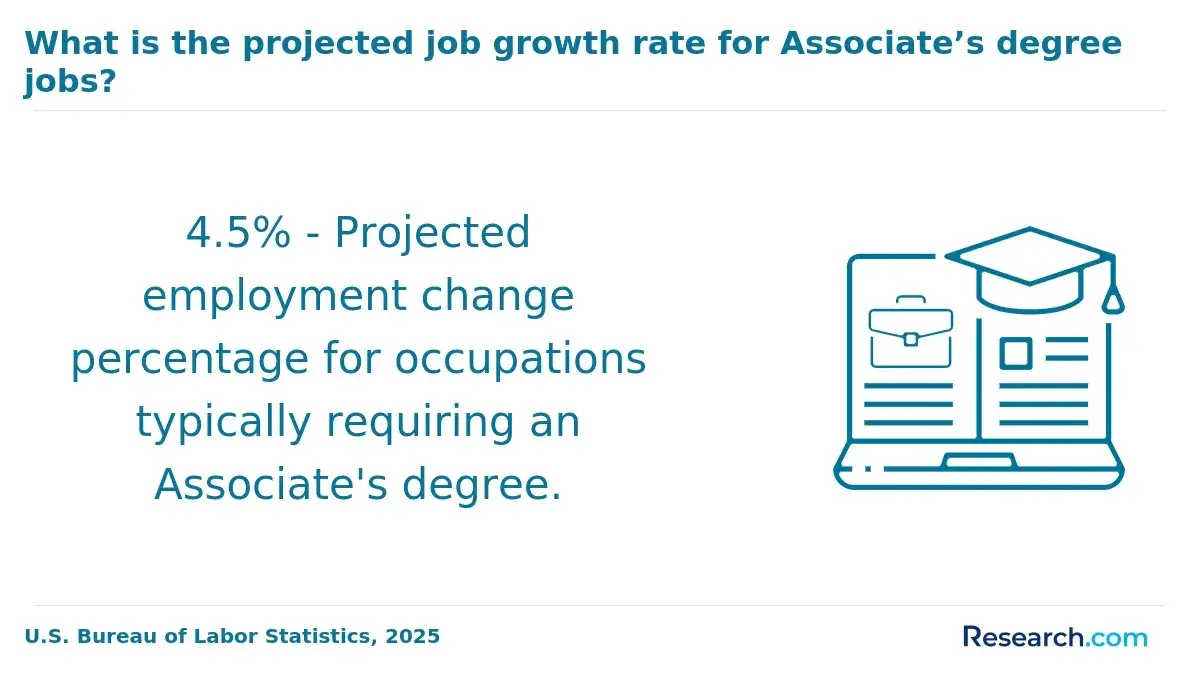
Accreditation standards remain consistent across both online and on-campus master's degree programs in health informatics at reputable universities. This ensures that the quality and credibility of the degree are maintained regardless of the delivery format. In fact, the National Center for Education Statistics reports that over 35% of graduate students in spring 2021 participated in distance education, reflecting its growing acceptance.
Key aspects of how accreditation applies to online health informatics programs include:
- Regional Accreditation: This type of accreditation assesses the entire institution, ensuring that all degrees, whether online or in person, meet comprehensive quality benchmarks set by recognized agencies.
- Programmatic Accreditation: Focused on specific fields, programmatic accreditation scrutinizes health informatics curricula to confirm that both online and traditional formats adhere to specialized standards.
- Faculty and Curriculum Equivalence: Online programs must demonstrate that their faculty qualifications and course content are on par with those of their campus-based counterparts, to uphold academic rigor.
- Learning Outcomes: Distance education methods are expected to deliver comparable student competencies and skills, ensuring graduates possess the same readiness for professional roles as those from onsite programs.
- Verification Importance: Prospective students should confirm that the university and the health informatics program hold the appropriate accreditations, as this impacts credit transfers, financial aid eligibility, and job market recognition.
Do Employers Care About Regional vs Programmatic Accreditation in Health Informatics Fields?
Institutional accreditation confirms a fundamental level of educational quality, but programmatic accreditation often serves as a specialized "seal of approval" that carries more weight with hiring managers in health informatics. A 2023 survey by the American Health Information Management Association (AHIMA) found that 68% of healthcare employers prefer candidates who graduated from programs accredited by bodies such as CAHIIM (Commission on Accreditation for Health Informatics and Information Management Education). This distinction highlights how accreditation influences employer expectations and the hiring process.
- Curriculum Alignment: Programmatic accreditation ensures the curriculum reflects current industry standards and best practices, giving employers confidence that graduates are well-prepared for the demands of the field.
- Skill Validation: It reassures employers that candidates possess relevant, specialized competencies required for health informatics roles, beyond general academic achievement.
- Certification Eligibility: Graduates from accredited programs may have enhanced opportunities to obtain professional certifications and licenses, which strengthen their credentials and employability.
- Career Advancement: Accreditation can influence salary offers and open doors to leadership or more specialized positions within healthcare organizations.
- Professional Development Support: Employers are more likely to sponsor continuing education initiatives when hiring from programs with recognized programmatic accreditation.
A professional who completed a master's degree in health informatics shared her experience regarding employer priorities. She recalled feeling uncertain about how much accreditation would matter until job interviews began. "I found that employers asked more detailed questions about my program's specific accreditation and how it prepared me for real-world challenges," she explained. This underscored the importance of programmatic accreditation as a practical indicator of readiness. She also noted that recruiters mentioned the reputation of CAHIIM accreditation positively, which reassured her that the time spent verifying program credentials was worthwhile. Ultimately, this validation helped her feel more confident and competitive during her job search, illustrating how accreditation nuances genuinely affect hiring outcomes.
Does Accreditation Type Influence Salary Potential in Health Informatics Careers?
Recognized academic quality has a direct correlation with long-term earning power for professionals in health informatics. One notable statistic from the Georgetown University Center on Education and the Workforce reveals that individuals with degrees from regionally accredited institutions earn approximately 20% more on average than those from non-accredited schools. This data highlights the financial benefits of enrolling in a vetted program and sets the stage for understanding regional vs programmatic accreditation salary differences in health informatics careers.
The impact of accreditation type on health informatics master's salary can be seen in several key areas:
- Employability: Graduates from regionally or programmatically accredited programs are preferred by employers, increasing the likelihood of better job offers and stronger salary negotiation positions.
- Licensing and Certification: Many certification organizations require applicants to have completed accredited programs, which often corresponds with eligibility for higher-paying roles in the field.
- Quality Assurance: Accreditation guarantees that the curriculum aligns with industry standards, equipping students with relevant skills that justify increased salaries.
- Financial Aid Access: Accreditation is typically required for access to federal financial aid, lowering student debt and enhancing return on investment (ROI) over time.
- Career Mobility: Credits earned at regionally accredited schools are broadly transferable, enabling easier access to advanced degrees that can lead to salary growth.
For prospective students exploring pathways in this sector, including those considering specific options like accelerated LPN programs, understanding these distinctions can clarify how the type of accreditation received may influence salary potential and career trajectories in health informatics.
How Do You Check If a Health Informatics Master's Program Has Legitimate Accreditations?
To avoid falling victim to accreditation mills, prospective students should rely on official government and nonprofit databases when verifying the legitimacy of a health informatics master's program accreditation. A 2023 Council for Higher Education Accreditation (CHEA) report highlighted that over 15% of inquiries relate to concerns about unrecognized or fraudulent accrediting bodies. The following steps outline a thorough process for accreditation verification.
- Use Official Databases: The U.S. Department of Education's Database of Accredited Postsecondary Institutions and Programs (DAPIP) provides authoritative information on regional accreditation. Checking this database confirms whether the institution holds recognized accreditation.
- Check CHEA Listings: CHEA's database lists recognized programmatic accreditors that specialize in health-related fields. This helps prospective students identify if the health informatics master's program has valid programmatic accreditation alongside regional accreditation.
- Verify Program Claims: Review the program's official website for accreditation information and cross-reference these claims with listings in the Department of Education and CHEA databases to ensure consistency and legitimacy.
- Contact Accrediting Agencies: Direct communication with the accrediting agency can confirm the program's current accreditation status and clarify whether the accreditation is regional or programmatic, which impacts its recognition.
- Beware of Accreditation Mills: Confirm that the agency is not self-established by the institution and does not offer accreditation with minimal standards to avoid falling for fraudulent credentials.
Regional accreditation applies to the entire institution and generally carries broader acceptance, while programmatic accreditation targets specific disciplines, such as health informatics. Understanding these differences is essential to align an accredited program with your academic and career goals. For students seeking flexible options, several top self paced online degrees include health informatics master's programs with appropriate accreditation practices to consider.
What Are the Pros and Cons of Regional vs Programmatic Accreditation for Health Informatics Master's Degrees?
Both regional and programmatic accreditation indicate educational quality but serve distinct roles: regional accreditation verifies an institution's overall reliability, while programmatic accreditation ensures the health informatics curriculum meets specific industry standards. Around 80% of U.S. colleges and universities possess regional accreditation, underscoring its broad acceptance and stringent evaluation.
Regional Accreditation
- Institutional Credibility: This accreditation confirms the school's financial health and academic stability, providing assurance that the institution operates with quality governance.
- Transfer and Aid Benefits: Credits earned are widely accepted by other institutions, and students typically qualify for federal financial aid, easing educational progression.
- Employer Recognition: Many employers value degrees from regionally accredited institutions, which can enhance job prospects beyond specific technical skills.
- Limited Specialization: It does not specifically guarantee that the health informatics program meets industry competencies or aligns with professional certification standards.
Programmatic Accreditation
- Curriculum Relevance: This accreditation focuses on whether the health informatics curriculum matches current professional requirements and industry benchmarks.
- Certification Eligibility: Graduates from accredited programs often have greater access to certifications, enhancing their credentials in the job market.
- Employer Confidence: It signals to employers that the program's training equips students with specialized skills required in health informatics roles.
- Institutional Risk: It may not reflect the overall financial or academic health of the institution, potentially impacting the student experience outside the curriculum.
What Graduates Say About Regional vs Programmatic Accreditation for Health Informatics Master's Degrees
- Arianne: "Choosing a master's program with regional and programmatic accreditation was essential for me because it assured the quality and relevance of the curriculum. The cost was reasonable compared to other programs I researched, especially considering the value accreditation brings to future employers. Since graduating, the credibility of my degree has opened doors to advanced roles that would have been harder to access otherwise."
- Daniel: "Reflecting on my graduate journey, I'm grateful that I prioritized accreditation status when selecting my Health Informatics master's degree program. Although it required a bigger investment upfront, the financial aspect was balanced by the extensive career support and recognition I received. Today, that accreditation continues to have a positive impact as I network with employers who respect its rigorous standards."
- Ian: "My professional life changed truly after completing an accredited Health Informatics master's program. The accreditation gave me confidence that the education met industry standards, and the cost was manageable with available scholarships. I now advise peers to focus on accreditation first because it significantly influences professional credibility and opportunities for advancement in this field."
Other Things You Should Know About Health Informatics Degrees
Programmatic accreditation ensures the specialized courses in a health informatics master’s program meet industry and academic standards. It often involves rigorous review processes, ensuring courses are relevant, comprehensive, and updated, fostering a solid educational foundation for students.
Regionally accredited institutions generally have higher acceptance rates for transfer credits, including those for health informatics courses. This is because regional accreditation is widely recognized across most U.S. institutions. However, transferability also depends on course content and similarity, so students should verify with the receiving school before transferring credits.
Some professional certifications in health informatics require graduation from programs with specific programmatic accreditations. While regional accreditation ensures institutional quality, programmatic accreditation confirms the program meets professional standards essential for certification bodies. Prospective students should identify certification requirements to determine which accreditation is relevant.
References
- What Is the Average Health Informatics Specialist Salary? https://www.nec.edu/news/what-is-the-average-health-informatics-specialist-salary
- Health Informatics Online Master's Degree https://www.brandeis.edu/online/academics/masters-degrees/health-informatics/index.html
- The Importance of CAHIIM Accreditation for Health Informatics Programs https://www.usfhealthonline.com/resources/health-informatics/the-importance-of-cahiim-accreditation-for-health-informatics-programs/
- The Benefits and Challenges of Programmatic Accreditation in Higher Education https://www.globalaccrediting.org/news-and-updates/the-benefits-and-challenges-of-programmatic-accreditation-in-higher-education
- Master of Science in Health Informatics https://www.kumc.edu/school-of-health-professions/academics/departments/health-information-management/academics/health-informatics/master-of-science-in-health-informatics.html
- Programmatic Accrediting Organizations | CHEA https://almanac.chea.org/programmatic-accrediting-organizations
- Steps to Finding the Right Accredited Institution https://www.ieac.org.uk/26-Steps-to-Finding-the-Right-Accredited-Institution-blog.php
- Key Differences Between Regional and National Accreditation of Nursing Schools https://studyonline.sjcme.edu/blog/key-differences-between-regional-and-national-accreditation-nursing-schools
- Health IT Jobs: Health Informatics vs Health Information Management https://www.rasmussen.edu/degrees/health-sciences/blog/health-it-jobs-health-informatics-vs-health-information-management/
- Health Science Degrees Online with Financial Aid https://www.edumed.org/online-schools/health-informatics-degrees/financial-aid/