2027 Respiratory Care Therapy Internship Requirements: Hours, Placements, and Supervision

Co-Founder and Chief Data Scientist
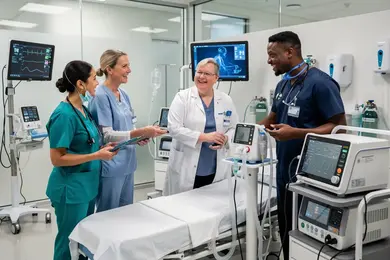
What do respiratory care therapy internship requirements typically involve for students navigating clinical education? Understanding mandated hours, appropriate placements, and supervision standards proves critical in meeting both academic and professional benchmarks. With the Bureau of Labor Statistics projecting a 23% employment growth for respiratory therapists over the next decade, meeting these internship obligations becomes increasingly vital.
Clinical sites often include hospitals and outpatient clinics, where direct patient care under qualified supervision is standard. This article outlines the specific expectations for internship hours, placement selection, and supervisory roles to help respiratory care therapy students effectively prepare for licensure and career entry.
Key Things to Know About Respiratory Care Therapy Internship Requirements
- Internship hours typically require 400-600 clinical hours, demanding careful scheduling to balance academic coursework and practical experience within program timelines.
- Placement availability varies by region; competitive site selection often involves applications and approvals months in advance, influencing where students complete internships.
- Supervision mandates direct oversight by licensed respiratory therapists, with evaluations based on clinical competencies, critical thinking, and professional behavior to ensure comprehensive training.
Do All Respiratory Care Therapy Degrees Require an Internship?
Internships play a crucial role in respiratory care therapy programs by providing essential hands-on training that complements theoretical learning. More than 90% of accredited respiratory care therapy degree internship requirements include some form of clinical practicum or internship to ensure students gain practical experience. Several factors influence whether an internship is required, which can vary significantly by program structure and accreditation standards.
- Program Type: Associate degree programs in respiratory care therapy often include mandatory clinical rotations or internships, while some certificate or bachelor's degree programs may offer alternative experiential learning options such as simulation labs that satisfy hands-on requirements without a traditional internship.
- Accreditation Expectations: The Commission on Accreditation for Respiratory Care (CoARC) sets standards that typically require clinical internship hours. Programs seeking accreditation must demonstrate sufficient clinical exposure, making internships a common requirement in meeting these standards.
- Specialization Tracks: Some respiratory care therapy specialization areas, like neonatal or pediatric care, might require additional internships tailored to those settings. Generalist programs usually have broader clinical opportunities without specific internship mandates for specialized fields.
- Alternative Experiential Learning: Certain programs provide options such as integrated clinical experiences combined with coursework or simulation-based training to meet hands-on requirements, which sometimes substitute the need for formal internships.
Prospective students should carefully consider these factors when exploring respiratory care therapy degree internship requirements. For those interested in advancing their education, exploring DNP online programs may offer flexible pathways beyond initial respiratory care credentials.
What Requirements Must Be Met Before Starting a Respiratory Care Therapy Internship?
Respiratory care therapy internship programs enforce specific prerequisites to ensure students are academically and professionally ready, which ultimately supports patient safety and effective clinical training. Research from the Commission on Accreditation for Respiratory Care (CoARC) highlights that students with a GPA of 2.5 or higher tend to perform better during clinical rotations. Below are key eligibility criteria commonly required before beginning an internship.
- Minimum GPA: Programs typically require students to maintain a cumulative GPA ranging from 2.5 to 3.0 on a 4.0 scale. This benchmark reflects consistent mastery of foundational respiratory care concepts and related sciences.
- Prerequisite Coursework: Completion of core classes such as anatomy and physiology, pharmacology, respiratory care principles, and clinical practices is essential. These courses provide the theoretical knowledge necessary for hands-on patient care.
- Application and Approval: Students must submit a formal application demonstrating their academic progress and readiness. Faculty or clinical coordinators review applications to ensure candidates meet all program requirements before granting approval.
- Background Checks and Immunizations: To comply with healthcare regulations and protect patients, students undergo criminal background screening and must provide proof of vaccinations, including influenza and tuberculosis tests.
These prerequisites are designed to prepare respiratory care therapy students for the clinical challenges ahead while maintaining high standards within internship programs.
How Many Internship Hours Are Required for Respiratory Care Therapy Degrees?
Internship hours form an essential part of respiratory care therapy degree programs to equip students with real-world clinical experience. Most programs require between 800 and 1,200 hours, with many using a conversion of roughly 45 clinical hours per academic credit. Below are key factors that influence these requirements and how they differ by program.
- Credit Hour Conversion: Clinical hours often translate from academic credits, with each credit representing about 45 hours in a healthcare setting. This system helps standardize requirements while allowing institutions to tailor workloads based on credit load.
- Program Level: Associate and bachelor's degrees generally call for similar hour ranges, but requirements vary slightly depending on degree focus and depth of clinical training expected by the institution.
- Accreditation Standards: Requirements fluctuate based on the guidelines set by accrediting bodies like the Commission on Accreditation for Respiratory Care (CoARC), ensuring clinical hours meet quality and professional readiness benchmarks.
- Enrollment Status: Full-time students usually complete clinical hours over a condensed period, whereas part-time enrollees spread their internship hours across more semesters, impacting total timelines but not the minimum hours needed.
When asking a respiratory care therapy degree graduate about their reflections on internship hour demands, they mentioned the challenge of balancing intense clinical rotations with academic studies. They recalled, "Completing those hours was exhausting but crucial-it really pushed me to develop confidence with patients and equipment." They also noted how some days felt overwhelming, yet the hands-on practice was invaluable for passing licensure exams and feeling prepared for professional responsibilities.
Where Do Respiratory Care Therapy Students Complete Internships?
Internship placement environments play a crucial role in shaping the practical skills of respiratory care therapy students. About 70% of these internships take place in hospitals, highlighting the emphasis on acute care training. However, varied settings enhance learning by reflecting the diverse roles respiratory care professionals fulfill. Below are common locations where respiratory care therapy students complete clinical internships.
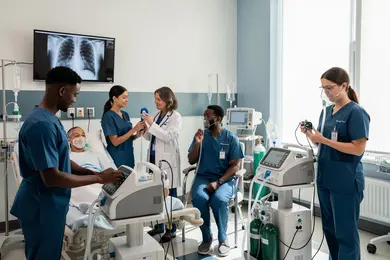
- Hospital Settings: Most respiratory care therapy internship placement locations are within hospitals. Students gain hands-on experience in intensive care units, emergency departments, and general wards, allowing them to develop critical respiratory management skills in fast-paced environments.
- Outpatient Clinics: These facilities focus on long-term care and education, providing students opportunities to assist with patient follow-up and chronic respiratory condition management outside of acute settings.
- Specialty Care Centers: Internship sites often include neonatal and pediatric care units, where students learn specialized respiratory techniques tailored for vulnerable populations, emphasizing adaptable clinical skills.
- Corporate and Government Organizations: Some students complete internships in healthcare corporations, government agencies, or nonprofit institutions. These environments broaden perspectives on administrative, policy, and community health aspects of respiratory care therapy.
- Research Facilities: Pulmonary function laboratories and dedicated research centers offer experience in diagnostic testing and advanced respiratory studies, complementing clinical knowledge with scientific inquiry.
Those seeking to explore varied educational opportunities may also consider programs highlighted among affordable online nursing programs, which sometimes overlap with respiratory care training pathways.
How Are Internship Placements Assigned in Respiratory Care Therapy Programs?
Internship placements in respiratory care therapy programs are carefully organized to ensure students gain meaningful clinical experience aligned with educational goals. These placements balance the needs of students and healthcare providers, with about 65% of programs reporting the use of structured coordination systems to streamline assignments. The following outlines common approaches institutions use to match students with internships.
- Faculty-Guided Matching: Program faculty actively coordinate with clinical partners, assigning students based on individual skills and learning needs to optimize site fit and educational value.
- Student-Driven Applications: Students submit preferences and applications to available clinical sites, sometimes participating in interviews or orientation to help secure placements that align with their interests.
- Centralized Placement Systems: Some institutions employ centralized platforms that consider multiple factors such as student preferences, location, and facility capacity to automatically assign placements efficiently.
- Partnership-Based Assignments: Established agreements between programs and specific healthcare facilities lead to pre-arranged placements, often guaranteeing spots for students within those organizations.
A respiratory care therapy degree student shared that navigating the placement process felt both exciting and uncertain. "I appreciated how my program helped guide me through the options, but it was still a bit nerve-wracking waiting to hear back from sites," she explained. She mentioned that flexibility and clear communication from the program alleviated much of the stress involved. Reflecting on the experience, she noted, "Having a say in where I went made me feel more invested, and the support from both faculty and clinical staff really made a difference in my confidence heading into the internship."
Are Virtual or Remote Internships Available?
Remote and virtual internships have become increasingly common in respiratory care therapy education, driven largely by the impact of the COVID-19 pandemic. Recent data from the National Association of Colleges and Employers reveals that about 40% of healthcare internships now feature some blend of virtual or hybrid components. This change reflects a growing trend of incorporating remote work into clinical training, offering new opportunities for students and healthcare facilities alike. The following discussion explores how these internship formats are integrated within respiratory care therapy programs.
Virtual or hybrid respiratory care therapy internships typically combine online coursework, telehealth observation, and digital teamwork tools with occasional in-person clinical sessions. This arrangement offers students flexibility to balance their schedules while gaining hands-on experience through video conferences, simulated electronic health records, and remote mentoring. Additionally, these options widen the geographical scope of potential placements, enabling students to connect with a broader variety of healthcare providers. However, the availability of such internships depends on the specific program's structure and accreditation rules, which may require a certain number of in-person clinical hours to meet licensure standards.
Are Part-Time Internships Allowed for Working Students?
Many students enrolled in respiratory care therapy programs balance academic commitments with part-time or full-time employment, making flexible internship options essential. National data shows that nearly half of health sciences students work while studying, underscoring the need for adaptable clinical training schedules. Part-time internships help address this demand by allowing students to complete clinical hours without interrupting their work responsibilities.
Key features of part-time internships include:
- Scheduling Flexibility: Students can arrange clinical shifts during mornings, evenings, or weekends based on availability and program policies, allowing them to accommodate work hours more easily.
- Employer Accommodations: Some healthcare facilities provide various shift options specifically to support working students, facilitating smoother integration of practical training and job duties.
- Academic Workload Balance: Part-time placements enable students to maintain steady progress in coursework while gradually fulfilling clinical requirements, reducing stress and burnout.
- Program-Specific Restrictions: Certain institutions may impose minimum consecutive weekly hours to meet accreditation standards, which can slightly limit part-time scheduling flexibility.
These arrangements allow respiratory care therapy students to successfully navigate both employment and clinical training. Prospective students should consult their programs for detailed information on available part-time internship options and related policies.
What Supervision Is Required During a Respiratory Care Therapy Internship?
Supervision plays a vital role in respiratory care therapy internships by ensuring both student safety and professional growth. Studies show that nearly 80% of health professions students regard mentorship as essential to their clinical education success. This supervision, structured through several key elements, supports learning while maintaining clinical accountability.
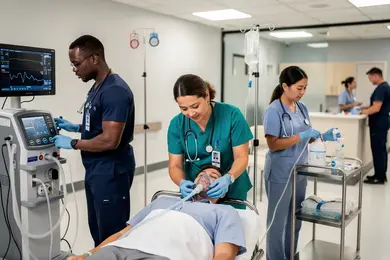
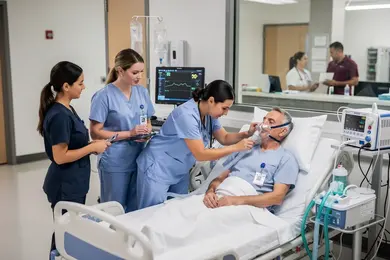
- Dual Supervision Model: Licensed respiratory therapists in clinical settings act as the primary mentors, providing hands-on instruction and overseeing daily activities. Simultaneously, faculty advisors from the educational institution maintain communication with both students and workplace mentors to monitor progress, addressing challenges as they arise.
- Clinical Accountability: Responsibilities of clinical supervisors in respiratory care therapy internship programs include ensuring adherence to safety protocols and clinical standards. This oversight safeguards patient care quality while allowing interns to gradually take on more responsibility under guidance.
- Performance Feedback: Regular evaluations from both clinical and academic supervisors enable ongoing reflection on strengths and areas for improvement. This continuous feedback fosters competency development in therapeutic interventions, equipment handling, and patient interactions.
- Professional Skill Development: The structured supervision bridges academic knowledge and real-world practice, helping students build confidence and readiness for certification exams and employment.
For students exploring ways to enhance their healthcare training, programs such as fast track LPN programs online offer additional pathways to gain clinical experience under supervision.
How Are Respiratory Care Therapy Internships Evaluated?
Effective evaluation of respiratory care therapy internships is essential to ensure students can successfully translate classroom knowledge into clinical practice. According to a 2022 CoARC survey, over 85% of programs employ multi-source assessments to thoroughly measure internship performance and learning outcomes. The following methods represent the most common approaches used to assess students during these clinical experiences.
- Supervisor Reviews: Clinical supervisors provide detailed feedback on a student's technical skills, decision-making abilities, communication, and professionalism. This direct observation helps gauge real-time competence in patient care environments.
- Reflective Assignments: Students complete written reflections analyzing their clinical experiences, challenges encountered, and lessons learned. These assignments encourage self-assessment and critical thinking, strengthening clinical reasoning and personal growth.
- Performance Benchmarks: Programs define specific clinical competencies and procedural goals that students must reach by internship completion. Progress is often tracked with checklists or scoring rubrics to ensure consistency in skill acquisition.
- Faculty Assessments: Academic instructors may visit clinical sites or review reports to confirm that learning objectives are met. This oversight adds an additional layer of evaluation to validate student readiness for independent practice.
Using a diverse set of evaluation tools helps programs identify strengths and areas for improvement, which enhances education quality and patient safety. These evaluation criteria for respiratory care therapy clinical internships also support curriculum refinements and maintain accreditation standards. Students pursuing an online masters degree in nutrition or related health fields can find similar structured experiential learning methods in their programs, emphasizing the growing importance of robust clinical assessment in healthcare education.
What Challenges Do Respiratory Care Therapy Students Face During Internships?
Internships offer respiratory care therapy students valuable hands-on experience but can also introduce significant stress. Studies show that clinical placements contribute notably to student workload and anxiety. Navigating these demands often means facing various common challenges that impact learning and performance.
- Schedule Balancing: Juggling internship hours alongside academic responsibilities and personal life can create intense time pressures. This struggle is amplified when placements require long or irregular shifts, making it hard for students to maintain a steady routine.
- Workplace Adaptation: Adjusting to the fast-paced, high-stakes clinical environment demands quick thinking and professionalism. Students frequently encounter challenges in managing patient care tasks while meeting hospital expectations, heightening stress during critical learning phases.
- Transportation and Costs: Securing reliable transport to clinical sites, often distant from campus, introduces logistical hurdles. Additionally, some students face financial strain from travel expenses and unpaid internship hours, affecting their overall internship experience.
- Professional Responsibility: For many, internships mark their first exposure to real patient care, creating pressure to perform competently under supervision. This can be daunting as students transition from theory to practice, encountering common supervision obstacles for respiratory care therapy students.
These difficulties highlight the realities of respiratory care therapy internship challenges in clinical placements. Students considering advanced roles might explore options like a fastest online master's in healthcare management to gain skills that alleviate such pressures while boosting career prospects.
What Graduates Say About Respiratory Care Therapy Internship Requirements
- Briar: "My Respiratory Care therapy internship was an eye-opener, especially with the required 1,200 clinical hours spread across diverse hospital settings. The variety of placements allowed me to experience real patient care under expert supervision, which truly boosted my confidence. I believe these hands-on hours were crucial in making my transition into a professional role smooth and rewarding."
- Jesse: "Reflecting on my internship, I appreciate the emphasis on supervised practical experience in Respiratory Care therapy. Having seasoned therapists guide me through complex procedures reinforced my skills and taught me the importance of precision and empathy. This experience has been foundational in how I approach patient care in my current professional practice."
- Josiah: "The Respiratory Care therapy internship profoundly shaped my career trajectory. The structured supervision and feedback I received helped me develop both technical proficiency and critical thinking. Looking back, those internships were indispensable for building the competence and confidence I rely on every day as a licensed therapist."
Other Things You Should Know About Respiratory Care Therapy Degrees
Preceptors are experienced respiratory therapists who mentor students during their internships. They provide guidance, assess clinical skills, and ensure that students apply theoretical knowledge in real healthcare settings appropriately and safely.
Internship programs require students to demonstrate competency in areas such as patient assessment, equipment management, and emergency response techniques. These competencies are usually evaluated through practical exams, direct observation, and performance reviews by supervisors.
In 2027, most institutions offering respiratory care therapy internships do allow students to earn academic credit. These internships are integrated into the curriculum, contributing credits required for graduation. Students are advised to check with their specific institution for detailed credit allocation and policies.
References
- Respiratory Therapist - Explore Healthcare Careers - Mayo Clinic College of Medicine & Science https://college.mayo.edu/academics/explore-health-care-careers/careers-a-z/respiratory-therapist/
- rtNOW Employment https://rtnow.net/rtnow-application-for-employment/
- Respiratory Care Services Department https://www.kfshrc.edu.sa/en/education/undergraduate-non-medical-education/internship-training-programs/respiratory-care-services-department
- Bridging Communication Gaps: A Study on Effective Patient Communication Among Respiratory Therapy Students and Interns https://www.cureus.com/articles/254097-bridging-communication-gaps-a-study-on-effective-patient-communication-among-respiratory-therapy-students-and-interns
- Search our Job Opportunities at NewYork-Presbyterian https://careers.nyp.org/category/respiratory-therapy-jobs/19715/8591296/1
- Respiratory Care Practitioner Internship - KP Allied Health Scholars Academy | Kaiser Permanente Northern California https://scholarsacademy.kaiserpermanente.org/alliedhealthscholars/career-pathways/respiratory-care-practitioner-internship/
- Respiratory Therapy Intern - Respiratory Therapy - PRN | WellSpan Careers https://www.joinwellspan.org/jobs/Respiratory_Therapy_Intern_-_Respiratory_Therapy_-_PRN/101/408333/
- Respiratory Care Intern - Respiratory Care Services - PRN in Richmond, Virginia, United States of America | Allied Health at VCU Health System https://careers.vcuhealth.org/us/en/job/R38132/Respiratory-Care-Intern-Respiratory-Care-Services-PRN
- Guide on How to Become A Respiratory Therapist | Host Healthcare https://www.hosthealthcare.com/blog/how-to-become-a-respiratory-therapist/
- Program Information https://orangecoastcollege.edu/academics/consumer-health/allied-health/respiratory-care/program-information.html