
2027 Is Respiratory Care Therapy a Hard Major? What Students Should Know

Co-Founder and Chief Data Scientist
Many students perceive respiratory care therapy as a particularly challenging major due to its demanding coursework and clinical components. In reality, enrollment in respiratory care programs has grown by over 15% in recent years, reflecting both increased interest and recognition of the field's importance in healthcare. This growth also highlights the need for a clear understanding of the program's academic expectations.
This article explores the rigor of respiratory care therapy courses, typical workload demands, essential skills such as critical thinking and patient interaction, and factors like individual learning styles that affect how difficult students find the major. These insights aim to help prospective students make informed decisions about pursuing this valuable healthcare career path.
Key Benefits of Respiratory Care Therapy as a Major
- Respiratory care therapy equips career changers with practical clinical skills, easing the transition through hands-on learning and real-world experience in healthcare environments.
- Full-time workers returning to school benefit from flexible program options and structured coursework designed to balance professional commitments and academic progress.
- Traditional undergraduates develop specialized knowledge while enhancing critical thinking and clinical decision-making, boosting confidence in managing rigorous, science-based coursework.
Where Does Respiratory Care Therapy Rank Among the Hardest College Majors?
Respiratory care therapy is generally considered a moderately challenging major within health sciences, often ranking below nursing and medicine but alongside fields like radiologic technology and clinical laboratory science. Its difficulty is mainly due to an intense workload that combines mastering complex subjects such as pulmonary physiology, pharmacology, and equipment troubleshooting within a condensed timeframe.
Many associate degree programs require students to complete demanding coursework alongside extensive clinical rotations, often in high-pressure hospital settings. For example, students frequently navigate a two-year curriculum while adapting quickly to hands-on patient care, which adds to the overall time and effort needed to succeed.
The difficulty of respiratory care therapy can vary significantly depending on the institution and the student's background. Some community college programs have long waitlists, with admission delays of two or more years, which can affect students' preparation and pacing.
Those with strong science foundations and mechanical skills may find the technical content easier to manage, while others might struggle without prior knowledge. Compared to majors like biomedical engineering or pharmacy, respiratory care therapy typically demands less cumulative coursework but requires meticulous attention to detail during clinical practice.
Ultimately, its challenge is subjective and closely tied to individual aptitude and academic readiness.
What Factors Make Respiratory Care Therapy a Hard Major?
The demanding nature of respiratory care therapy stems from its combination of rigorous academics and complex technical skills. Many students find the workload and required competencies challenging as they progress through the curriculum.
- Academic rigor: Respiratory care major academic requirements include intensive foundational science courses like anatomy and physiology, chemistry, physics, biology, and statistics. For instance, programs such as Stony Brook University mandate completing at least 57 credits of prerequisites before advancing to specialized respiratory care coursework.
- Technical complexity: The field requires mastery of advanced cardiopulmonary physiology, clinical diagnostics, and therapeutic interventions, often performed in critical care settings. Students must develop both theoretical understanding and practical skills to manage patients with complex respiratory conditions effectively.
- Time commitment: These programs are highly structured, involving demanding course sequences and clinical rotations. Typically, bachelor's degrees require four years, while associate programs need at least two years of focused study, limiting flexibility to accommodate outside work or activities.
- Field-specific demands: Besides coursework, students must maintain competitive GPAs (usually 2.5-2.8 or higher), pass standardized entry exams like the TEAS or HESI, and complete essential certifications such as Basic Life Support before clinical practice. Additionally, critical thinking and effective communication under pressure are crucial skills evaluated throughout training.
Competitive admissions for respiratory therapy programs amplify the challenge, as many applicants must demonstrate strong academic performance and technical readiness. Prospective students seeking to expedite their education may explore one year graduate programs available in related health fields to build complementary skills efficiently.
Who Is a Good Fit for a Respiratory Care Therapy Major?
Identifying the personality traits of successful respiratory therapists helps students assess if they are suited for the intensity and focus required in respiratory care therapy majors. Knowing the skills needed to become a respiratory therapist also guides learners toward academic and clinical success.
Here are five key traits of students who typically thrive in respiratory care therapy programs:
- Scientific Aptitude: Students with strong backgrounds in anatomy, physiology, and math find it easier to grasp the technical coursework, making complex concepts like patient monitoring and respiratory mechanics more manageable.
- Attention to Detail: A critical trait for managing multiple treatments and medications, this precision reduces errors and improves patient outcomes during intense clinical scenarios.
- Compassion and Emotional Intelligence: The ability to support vulnerable patients emotionally enhances practical care, making these students better advocates and communicators.
- Problem-Solving and Critical Thinking: Rapid assessment and treatment decisions under pressure distinguish students who excel both academically and in clinical rotations.
- Strong Communication Skills: Explaining medical procedures clearly and collaborating with healthcare teams are essential skills that support effective patient care and teamwork.
For those seeking the easiest associates degree options as a starting point, respiratory care therapy combines these essential skills with a rewarding healthcare focus.
How Can You Make a Respiratory Care Therapy Major Easier?
Respiratory care therapy is demanding due to its complex medical content and extensive clinical hours, often making it challenging to navigate. With the right techniques, students can lighten the workload and improve comprehension throughout the program.
- Build foundational knowledge early: Prioritize mastering anatomy and medical terminology using interactive tools which form the essential base for more advanced respiratory care concepts.
- Plan your study time effectively: Utilize calendars and time-blocking methods to balance coursework and clinical practicum, reducing stress from last-minute preparation.
- Divide complex topics: Break down difficult areas like respiratory pathology into smaller, digestible parts to enhance understanding and retention.
- Use diverse learning materials: Incorporate various resources-visual aids, practice tests, and guides-to accommodate different learning styles and reinforce key ideas.
- Participate and seek mentorship: Engage actively in classes and clinical experiences while building relationships with instructors or professionals to gain practical insights and academic support.
When I asked a graduate who majored in respiratory care therapy about making the major easier, she reflected on her early struggles with balancing studying and clinical hours. She described relying heavily on creating personalized study guides and scheduling weekly reviews that helped transform overwhelming subjects into achievable goals.
Mentorship proved pivotal; having a trusted clinician to turn to clarified doubts and boosted her confidence. She said, "The program felt intense, but breaking it down step-by-step and asking for help when I needed it made all the difference." Her experience highlights how perseverance combined with strategic study practices can turn challenges into manageable milestones.
Are Admissions to Respiratory Care Therapy Programs Competitive?
Admission to respiratory care therapy programs in the United States is indeed competitive. This is largely due to limited enrollment spots and a consistent or growing number of applicants each cycle.
Many programs require students to meet strict prerequisites, including minimum GPA standards and coursework completion, which further narrows the pool. These factors combined make acceptance challenging for prospective students.
Selectivity varies by institution but commonly includes requirements such as a GPA between 2.5 and 3.0 and foundational courses in biology, chemistry, and math. Some programs also consider standardized tests like the TEAS or GRE for advanced tracks.
Additionally, relevant healthcare experience or completion of extra prerequisites can improve an applicant's chances. With increasing demand for respiratory therapists driven by public health needs, these entry requirements continue to be an important gatekeeper.
When I spoke with a professional who graduated from a respiratory care therapy program, he shared that the application process was "intense and very detailed." He recalled how he dedicated months to preparing prerequisite classes and improving his GPA before applying.
"The waiting period was nerve-wracking," he said, especially knowing the limited spots meant competition was steep. Despite the challenges, he described feeling "proud and relieved" when accepted, emphasizing that strong preparation made all the difference in overcoming the program's competitiveness.
Is an Online Respiratory Care Therapy Major Harder Than an On-Campus Program?
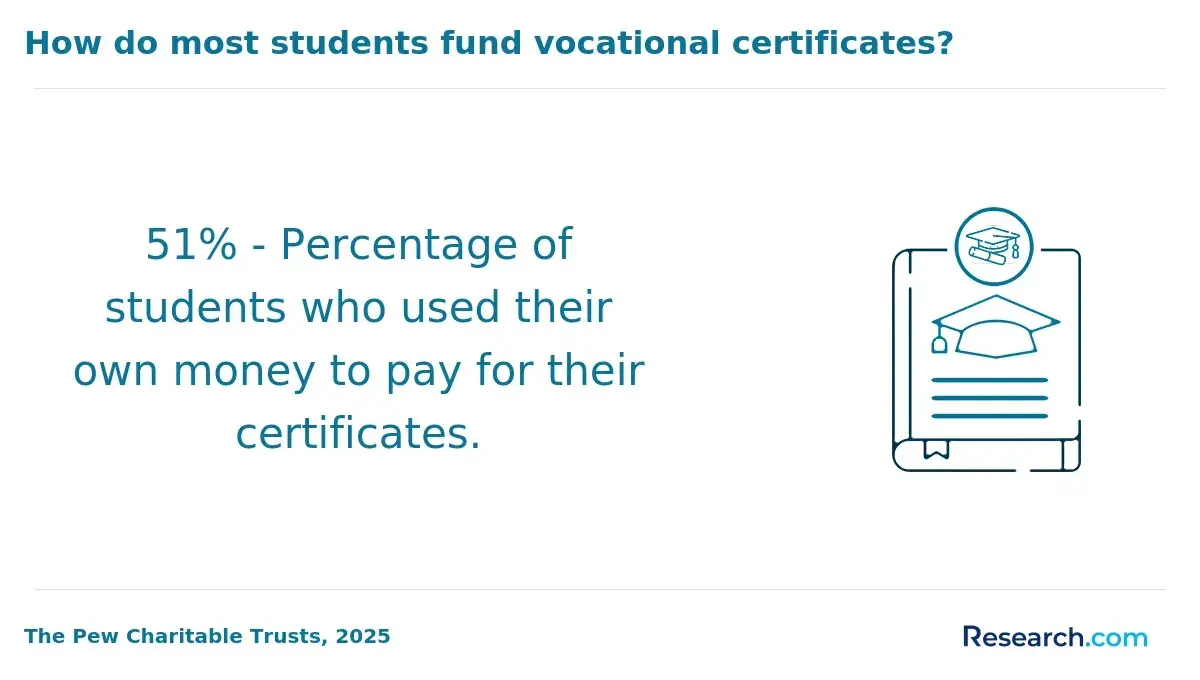
Online respiratory care therapy programs are neither inherently harder nor easier than on-campus ones; their difficulty depends on a variety of factors related to individual learning preferences and program design. Both formats uphold similar academic standards and graduation requirements.
Key differences in the experience of studying online versus on-campus respiratory care therapy include:
- Academic expectations: Both online and on-campus programs maintain rigorous coursework and competency standards to ensure qualified graduates.
- Workload and pacing: Online respiratory therapy degree difficulty often stems from its flexible schedule, which demands strong time-management skills, while on-campus programs follow a fixed timetable that can feel restrictive but supports consistent pacing.
- Interaction and support: On-campus students benefit from direct face-to-face feedback and collaboration; online students rely on virtual communication, which may challenge relationship-building and timely help.
- Learning environment: Online formats require adaptation to virtual instruction and simulation, which may limit hands-on practice unless supplemented by in-person clinical training essential for skill mastery.
- Unique challenges: The challenges of online respiratory care programs often include isolation and less supervision, whereas on-campus students may face inflexible schedules and commuting demands.
Ultimately, the challenges of online respiratory care programs are shaped by personal habits, program resources, and self-discipline rather than the inherent difficulty of the format. For those exploring options, reviewing detailed program structures and support systems is key.
Additionally, individuals seeking more affordable advanced degrees might explore the cheapest PhD online options available to complement their education goals.
Are Accelerated Respiratory Care Therapy Programs Harder Than Traditional Formats?
Accelerated respiratory care therapy programs are generally harder than traditional formats due to their condensed timelines, faster course pacing, and more intense workload. Students in accelerated tracks must rapidly assimilate complex material while managing a schedule that often mimics full-time employment. Understanding the differences in structure and demands helps clarify the accelerated respiratory therapy program vs traditional question for prospective students.
Here are key distinctions between accelerated and traditional respiratory care therapy programs:
- Course pacing and content density: Accelerated programs deliver the same core curriculum in 12 to 20 months, significantly compressing content and requiring quicker mastery compared to the two to four years typical in traditional formats.
- Workload management: Students in accelerated programs often dedicate 40+ hours per week to academics and clinicals, demanding strong time management, while traditional program students experience a more balanced pace.
- Academic expectations and skill demands: Both formats require high competency, but accelerated students must demonstrate skills faster, favoring those with prior credits or strong study habits.
- Learning retention and stress levels: The rapid pace of accelerated formats can lead to elevated stress and challenges in retention, whereas traditional programs offer more time for review and reflection, reducing academic pressure.
- Flexibility and scheduling: Traditional programs provide structured schedules that better accommodate work, family, and study balance, while accelerated formats demand full-time commitment without much flexibility.
For students weighing options, deciding if is accelerated respiratory therapy harder depends largely on individual learning styles and life circumstances. Those seeking a faster path but who struggle with intense pacing may prefer the traditional route. Applicants exploring program options can find helpful resources at best cheap online universities that accept FAFSA.
Can You Manage a Part-Time Job While Majoring in Respiratory Care Therapy?
Balancing a part-time job while majoring in respiratory care therapy is possible but depends largely on course rigor, clinical obligations, and personal study routines. The program's demanding schedule, which often includes extensive lab hours and clinical shifts, can total 30-40 hours weekly, aside from study time.
Flexible work hours and fewer shifts tend to improve feasibility. Ultimately, individual time management and the ability to adjust workloads influence whether students can maintain both roles effectively.
Students who succeed in juggling part-time jobs usually opt for positions with evening or weekend hours or campus-based roles to accommodate clinical schedules. Respiratory care therapy involves technical assignments and intense project cycles that require consistent attention and adaptability.
Selecting lighter course loads during heavy clinical semesters and leveraging academic support, such as tutoring or online study resources, contribute to maintaining balance. While some students find this combination manageable, others may find it challenging due to the program's workload and scheduling demands.
What Jobs Do Respiratory Care Therapy Majors Get, and Are They as Hard as the Degree Itself?
Career paths for respiratory care therapy graduates vary significantly in difficulty, responsibility, and required skills. While some roles closely match the rigor of the major, others may be less demanding or challenging in different ways.
These types of jobs for respiratory therapy majors reflect a range of clinical and non-clinical settings, each with unique demands that influence respiratory therapist job difficulty compared to degree expectations.
- Respiratory Therapist (Hospital/ICU): Provides critical care for patients with severe respiratory problems, operates ventilators, and manages life-support devices. This role is generally as demanding as the major itself, requiring rapid problem-solving, strong physiology knowledge, and emotional stability under pressure.
- Pulmonary Function Technologist: Conducts diagnostic tests assessing lung capacity and function, typically in outpatient or lab settings. The position is less physically demanding than bedside therapy but requires technical accuracy and attention to detail, making it somewhat less intense than the broad clinical workload of the major.
- Neonatal/Pediatric Respiratory Therapist: Supports infants and children with respiratory disorders in intensive care units, adjusting equipment and delivering specialized interventions. This specialty demands advanced knowledge and the ability to manage high-stress, emotionally charged environments, posing different challenges than the general major.
- Home Care Respiratory Therapist: Delivers treatments and education to patients in their homes, focusing on chronic disease management and patient independence. It is generally less demanding than acute hospital care but requires excellent communication skills and adaptability to varied home environments.
- Respiratory Care Educator or Researcher: Teaches future therapists, conducts research, and develops new technologies. Although less clinically intense, these positions demand expertise and strong analytical or educational skills, presenting challenges distinct from the clinical focus of the degree.
Respiratory care therapy is established as a challenging major with coursework in anatomy, physiology, and clinical practice reflecting its rigor. For students evaluating their career options, understanding the diversity of roles-including the less clinically intense-and their associated difficulty is vital.
For insight into related career opportunities, explore high paying trade jobs.
Do Respiratory Care Therapy Graduates Earn Higher Salaries Because the Major Is Harder?
There is no clear evidence that respiratory care therapy graduates earn higher salaries simply because their major is more difficult. While the program involves demanding coursework and practical clinical experience, salary variations are more strongly influenced by market demand, specific skills, and professional certifications.
Developing advanced competencies and obtaining credentials can improve earning potential, but the academic challenge alone does not guarantee higher pay. In healthcare, wages generally reflect job responsibilities and specialized expertise rather than the difficulty of the major.
Several factors impact the earnings of respiratory care therapy graduates. The field is growing rapidly, with a projected 13% increase in jobs from 2023 to 2033, which supports competitive compensation. Location matters; for instance, beginners in the Bay
Area often start around $90,000 annually, with seasoned therapists earning up to $120,000. Work environment influences pay, as hospital-based respiratory therapists tend to earn more than those in home care. Experience and leadership roles can further increase salaries, with median wages nationwide ranging from about $78,000 to $80,450 and hourly rates spanning $27.34 to over $43 in 2025.
What Graduates Say About Respiratory Care Therapy as Their Major
- Benny: "Studying respiratory care therapy was definitely challenging, especially with the complex anatomy and physiology involved. However, the hands-on clinical experience made it incredibly rewarding and gave me confidence in my skills. Though the cost of attendance was around $20,000 per year, I believe the investment was worth it for the career opportunities it opened up. "
- Greyson: "I never expected respiratory care therapy to be this demanding, but the challenging coursework pushed me to develop critical thinking and patient care skills that I now use daily. Reflecting on the cost, which averaged about $18,500 annually, I feel grateful that scholarships helped ease the financial burden. This major has truly shaped my professional growth in ways I hadn't imagined. "
- Cooper: "Respiratory care therapy is not an easy major due to its rigorous scientific and clinical requirements, but it prepared me well for my role as a therapist. The upfront cost, close to $22,000 per academic year, made me weigh my commitment carefully, yet the impact it's had on my career and ability to help patients has been invaluable. Professionally, it was a smart, albeit demanding, path to take. "
Other Things You Should Know About Respiratory Care Therapy Degrees
In 2027, respiratory care therapy graduates typically need to take the Certified Respiratory Therapist (CRT) exam, which is the entry-level certification offered by the National Board for Respiratory Care (NBRC). Additionally, many graduates aim for the Registered Respiratory Therapist (RRT) certification for advanced credentials.
Clinical experience is crucial in respiratory care therapy education because it allows students to apply theoretical knowledge in real healthcare settings. These placements provide exposure to various respiratory conditions and treatment techniques under supervision. Gaining confidence and competence during clinicals is essential for certification and professional practice.
To enroll in a respiratory care therapy program in 2027, students typically need a high school diploma or GED, completion of specific science courses such as biology and chemistry, and may need to pass entrance exams like the TEAS (Test of Essential Academic Skills).
References
- Which Respiratory Therapy Degree is Right For You? | NMC https://blog.methodistcollege.edu/associate-vs-bachelors-choosing-a-respiratory-degree
- Students’ perceived self-efficacy, expectations, barriers, and support in enrolling in a master’s degree program in respiratory care https://pmc.ncbi.nlm.nih.gov/articles/PMC8629374/
- Top 10 Respiratory Therapy Programs https://nurse.org/healthcare/respiratory-therapy-programs/
- Respiratory Therapist Jobs, Training, Programs, and More: The Complete Guide https://www.sjvc.edu/guides/guide-to-becoming-a-respiratory-therapist/
- Respiratory Care | Associate | BGSU Firelands https://www.bgsu.edu/firelands/majors-and-programs/respiratory-care-technology1.html
- Respiratory Therapist Salary Guide & 5 Pay Factors - Advantis https://advantismed.com/blog/respiratory-therapist-salary
- Educational technology integration and distance learning in respiratory care: practices and attitudes - PubMed https://pubmed.ncbi.nlm.nih.gov/17971255/
- Prospective Students https://www.boisestate.edu/respiratorycare/bsrt/prospective-students/
- Is Respiratory Therapy School Hard? https://www.staugustine.edu/2024/01/11/is-respiratory-therapist-school-hard/
- Why Respiratory Therapy is a Great Career Choice - SHC https://shccares.com/blog/allied-health/why-respiratory-therapy-career/


