
2027 Part-Time vs. Full-Time Agriculture Degree Programs

Co-Founder and Chief Data Scientist
Students often face a difficult choice between part-time and full-time agriculture degree programs, especially when balancing work commitments, financial needs, and academic goals. Recent data shows that nearly 40% of agriculture students opt for flexible learning options to better manage their schedules, highlighting a significant shift toward accommodating diverse student lifestyles in this field.
This article clarifies the core differences between part-time and full-time agriculture programs, focusing on workload, duration, and career impact. Understanding these distinctions is crucial for students and working professionals seeking the best fit for their education and future in agriculture.
Key Benefits of Part-Time vs. Full-Time Agriculture Degree Programs
- Part-time agriculture programs enable working students to gain practical experience simultaneously, enhancing career growth through applied learning alongside studies.
- Flexible scheduling in part-time studies supports better financial planning by allowing students to maintain employment and reduce debt.
- Part-time enrollment promotes improved work-life balance, reducing burnout and increasing retention compared to full-time intensive course loads.
How Are Part-Time Agriculture Programs Structured Compared to Full-Time Programs?
Choosing between part-time vs full-time agriculture degree structure is essential for students deciding how to balance their education with other commitments. Scheduling differences can influence the learning pace and overall academic experience, shaping how students engage with coursework and campus resources.
Part-Time Program
- Course Load: Students typically enroll in fewer than 9 credit hours per semester, easing academic pressure.
- Weekly Time Commitment: Weekly classroom time usually ranges from 10 to 15 hours, allowing flexibility.
- Scheduling Flexibility: Evening and weekend classes accommodate working professionals' schedules.
- Online Options: Over half of the courses are often offered online or in hybrid formats to support asynchronous learning.
Full-Time Program
- Course Load: Requires 12 to 18 credit hours each semester, making for a more rigorous academic workload.
- Weekly Time Commitment: Students devote 30 to 40 hours weekly to class time, labs, and fieldwork.
- Scheduling: Primarily daytime classes with a structured timetable including hands-on labs and group projects.
- Immersive Learning: Full-time students engage in more intensive, in-person practical experiences.
Those exploring flexible study options might also consider accelerated programs, such as associate degrees in 6 months online, which further diversify how agricultural education can fit varied lifestyles.
How Long Does It Take to Earn a Part-Time vs Full-Time Agriculture Degree?
Understanding the duration of agriculture degrees is essential for students planning their academic and career timelines. The duration of part-time agriculture degrees typically extends beyond that of full-time studies due to differences in course load and scheduling flexibility.
Here are more insights:
- Full-time study: Most full-time students complete an agriculture bachelor's degree in about four years, taking 12-15 credit hours per semester. This pace benefits from continuous enrollment and structured curriculum progression, leading to standard completion times.
- Part-time study: Students studying part-time usually take 6-9 credit hours per semester, resulting in completion times between six to eight years. Work commitments, course availability, and flexible scheduling contribute to this extended timeframe.
- Transfer credits: Both part-time and full-time students can accelerate their progress by applying transfer credits from previous coursework, potentially shortening their degree duration.
- Accelerated options: Summer sessions and accelerated programs offer opportunities to reduce overall time to degree completion.
- Program structure: Elective requirements and course sequencing can affect how quickly students finish their studies.
Students interested in alternatives might also explore options like the easiest associates degree to obtain as a pathway toward their goals.
Are Admission Requirements Different for Part-Time vs Full-Time Agriculture Programs?
Admission requirements for part-time and full-time agriculture degree programs differ in several ways, reflecting the distinct needs of students in each format. These differences help applicants decide which program best suits their academic background and professional commitments.
- GPA Expectations: Full-time agriculture programs generally require a minimum GPA between 2.5 and 3.0 on a 4.0 scale, emphasizing sustained academic performance. Part-time programs often offer more flexibility, recognizing that many students balance work and study.
- Prerequisite Coursework: Both part-time and full-time formats usually expect completion of foundational courses in biology, chemistry, and mathematics. However, part-time students may have extended timelines to fulfill these prerequisites, accommodating their schedules.
- Professional Experience: Part-time agriculture degree applicants typically benefit from relevant work experience, which can sometimes offset lower academic scores. Full-time programs focus more on recent academic achievements rather than professional background.
- Standardized Tests: Full-time applicants are often required to submit SAT or ACT scores, whereas part-time programs are increasingly waiving these requirements, prioritizing practical experience and prior college credits.
- Supporting Documents: Both formats require letters of recommendation and personal statements. Part-time applicants may highlight professional accomplishments and career goals more prominently in their application materials.
When exploring admission criteria for part-time agriculture degrees compared to full-time agriculture program entry requirements, it is clear that part-time programs tend to be more accommodating to non-traditional students.
Students interested in flexible study options can also explore online doctoral degrees without dissertation, which offer alternative paths for advancing academic qualifications while managing other responsibilities.
Distribution of Agricultural Jobs by Region

How Do Tuition Fees Differ for Part-Time vs Full-Time Agriculture Programs?
Tuition costs for part-time and full-time agriculture degree students differ primarily due to how institutions charge for credit hours versus flat-rate semesters.
Full-time students typically pay a fixed tuition amount covering a standard credit load per term, which results in higher upfront costs. Conversely, part-time students pay per credit, offering more flexibility but often spreading expenses over a longer period.
Here is a breakdown of how the two formats compare:
- Per-credit versus Flat Rate: Full-time enrollment usually involves a set tuition fee covering 12 to 15 credits each semester. Part-time students pay individually for credits, which can be slightly more expensive per credit, though their semester bills tend to be lower.
- Total Program Cost: Part-time study may extend program length, sometimes increasing cumulative costs despite lower term payments. Full-time paths often finish quicker but require more substantial semester payments.
- Financial Aid Availability: Full-time students are generally eligible for a wider range of grants and scholarships. Part-time learners frequently face restrictions on federal aid, affecting net tuition expenses.
- Additional Fees: Fees for labs, technology, and student services apply to all, but flat-rate billing can make these fees a bigger chunk of full-time students' payments.
When I spoke with a graduate of a part-time agriculture degree program, she noted the financial balancing act involved. "Paying per credit meant I could manage costs month-to-month, which was crucial while working full-time," she said.
However, she also reflected on how the slower pace extended her overall expenses and sometimes felt like a heavy load to carry alongside other commitments. Yet, she valued the ability to continue working and studying flexibly, appreciating the trade-offs in both tuition and time.
Her experience highlights that while part-time enrollment may stretch out the financial impact, it offers accessibility that can be essential for many students juggling education and livelihood."
Which Agriculture Degree Program Format Offers More Online or Hybrid Course Options?
Part-time agriculture degree programs generally provide more online and hybrid course options than full-time programs. These formats are often structured to support working students balancing careers and family, resulting in more flexible scheduling.
Below is an overview of how each format typically handles course delivery:
- Part-time agriculture programs: Designed primarily for working adults, these programs emphasize evening, weekend, and online classes to enhance accessibility. They cater to students needing flexibility and often include a higher percentage of hybrid or fully online coursework.
- Full-time agriculture programs: Usually centered on campus attendance, these feature more in-person labs, fieldwork, and hands-on experiences. Although some hybrid courses are offered, traditional schedules limit the extent of online learning.
- Institutional policies: Many universities aim to increase enrollment and retention by expanding online options in part-time formats. This trend aligns with efforts to accommodate non-traditional students who require adaptable learning environments.
- Student demographics: Part-time enrollees often juggle jobs or family commitments, driving demand for flexible course delivery. Full-time students are frequently younger and able to commit to structured, in-person learning experiences.
Can Agriculture Students Switch Between Part-Time and Full-Time Enrollment?
Most institutions offering agriculture degrees do allow students to switch between part-time and full-time enrollment, though the rules vary by school.
Generally, students must notify their registrar's office before a set deadline, often prior to a semester's start. This usually requires approval from an academic advisor to confirm it fits the student's academic plan.
Before making the switch, it's important to weigh several factors, such as how the change will affect academic progress and finances. Being informed helps students choose the best path for their individual circumstances.
Common conditions for switching include maintaining good academic standing and obtaining necessary permissions. Financial aid eligibility may be affected, as some grants or loans require full-time enrollment.
Part-time students can face limited course options that slow degree completion. Additionally, changing enrollment status might extend the time needed to graduate due to a reduced course load.
When I spoke with a graduate who transitioned from part-time to full-time in an agriculture program, he reflected on the adjustment period. "It was challenging managing my schedule and committing fully at first," he shared, "but gaining a clearer focus helped me progress faster."
He noted that receiving advisor support eased the process. Overall, moving to full-time allowed him to immerse himself more deeply in his studies and complete the degree sooner than expected.
How Do Online, Hybrid, and Campus Agriculture Program Delivery Formats Affect Part-time vs. full-time learning?
Delivery format plays a major role in shaping students' learning experience and affects how flexibility suits part-time or full-time study goals. The varying demands of online, hybrid, and on-campus agriculture degree program formats influence scheduling, workload management, accessibility, and student support.
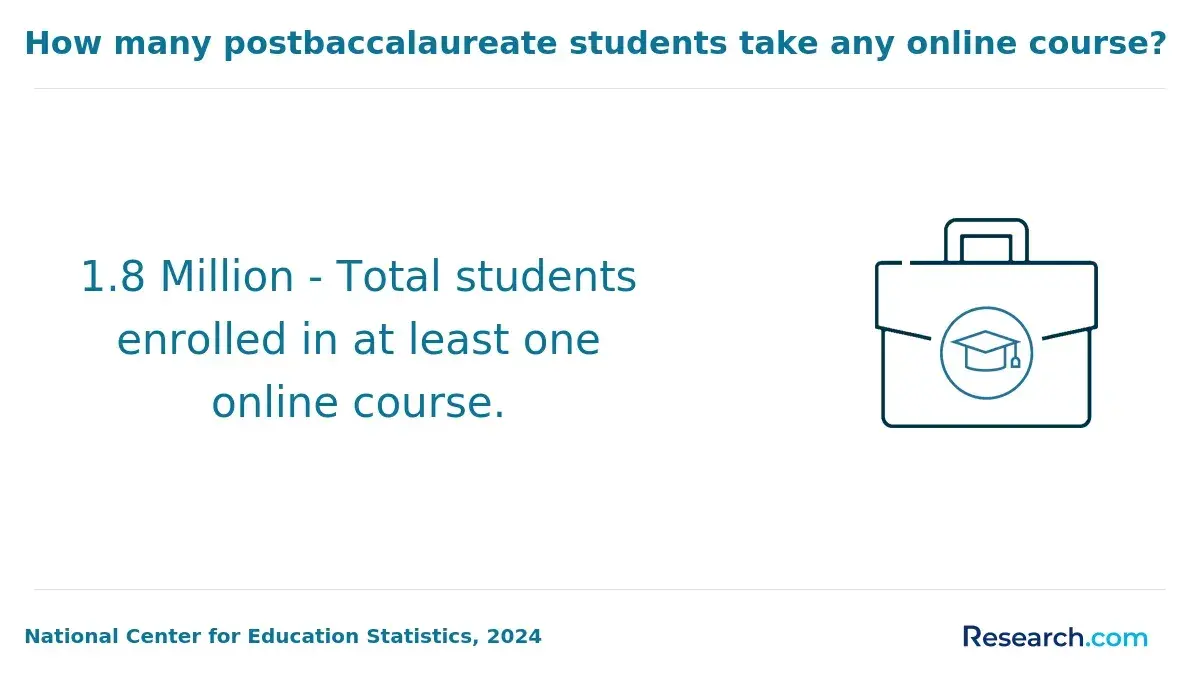
- Online Learning Flexibility: Online agriculture programs offer significant scheduling freedom, allowing part-time students to balance work and family while progressing at their own pace. Full-time learners can accelerate study but must maintain strong self-discipline. This format especially appeals to nontraditional students, with nearly 45% enrolling part-time according to national statistics.
- Hybrid Format Balance: Hybrid programs mix online coursework with on-campus labs or fieldwork, catering to both flexibility and hands-on learning. Part-time students can manage theoretical classes remotely and attend scheduled practical sessions, while full-time students gain deeper immersion and interaction with faculty and peers on campus. This balance is a key factor when comparing hybrid vs campus agriculture learning.
- On-Campus Immersion: Traditional full-time, on-campus agriculture programs emphasize intensive field training and collaboration. Part-time options are rare and often extend graduation timelines. Access to research facilities and internships enhances hands-on experience, benefiting those engaged full-time more substantially.
- Workload and Time Management: Part-time students across all formats often face challenges juggling academic and external commitments, resulting in longer program durations. Full-time learners handle heavier workloads, completing degrees approximately 20% faster, according to research by the Association of Public and Land-grant Universities.
- Student Support Services: Virtual tutoring and advising are increasingly available in online and hybrid programs, though part-time students may experience limited access during off-hours. Full-time, on-campus learners usually benefit from immediate faculty interaction and peer networking essential for agriculture disciplines.
For those exploring options, reviewing the list of best online universities can provide insight into reputable programs offering flexible learning pathways suited to various study formats.
Do Employers Prefer Full-Time Agriculture Degrees Over Part-Time Degrees?
Employers generally do not show a strict preference for full-time agriculture degrees over part-time ones, but several factors shape their perceptions. Full-time programs are often valued for their perceived rigor and continuity of study, highlighting a student's ability to manage time effectively and stay committed.
According to the 2025 NACE Job Outlook report, approximately 95% of employers indicate that relevant work experience is a significant factor in hiring decisions, with an increasing premium placed on internships and co-op programs. While continuous education remains a foundational expectation, candidates who successfully integrate professional experience with their academic studies demonstrate the practical competencies and adaptability that modern recruiters prioritize.
These factors contribute to nuanced employer preferences for full-time agriculture degrees based on individual candidate profiles.
Industry-specific trends further influence these employer preferences for full-time agriculture degrees. Agribusiness sectors focused on innovation and technical skill development might prioritize candidates from full-time programs for their concentrated study approach.
Conversely, family-owned farms and agricultural extension services often respect the real-world competencies part-time students develop while juggling work and education. Part-time degrees thus remain a valuable pathway, especially when combined with relevant experience and career readiness.
For those weighing their options, exploring what are all the trade school jobs can provide additional career insights tied to practical learning and part-time arrangements.
Is a Part-Time or Full-Time Agriculture Degree More Worth It for ROI?
Return on investment (ROI) plays a vital role when deciding between part-time and full-time agriculture degree programs. It reflects the balance between the expenses incurred-such as tuition fees and time committed-and the financial rewards gained through improved salary and career growth after graduation.
Key elements influencing ROI include program costs, duration, income lost while studying, and future earning potential.
Full-time studies often require a higher initial financial outlay but allow students to complete their education more quickly. This reduces the period without wage increases and accelerates entry into the workforce.
Statistics show full-time agriculture graduates typically finish in four years and begin earning salaries ranging from $50,000 to $55,000 in related roles, supporting faster career progression.
In a nutshell, the two formats are described as follows:
- Full-time programs: Involve greater upfront costs but shorten time to degree, leading to earlier workforce integration and quicker salary growth.
- Part-time programs: Spread tuition expenses over an extended period and allow students to work while studying, easing immediate financial burdens but delaying some income gains and promotions.
How Do You Decide Between a Part-Time and Full-Time Agriculture Degree Program?
Selecting the appropriate study format is essential for aligning academic achievements with career ambitions and personal life. Balancing these elements helps ensure a successful and manageable education journey.
- Time Availability: Full-time programs demand a daily commitment, often requiring 12-18 credit hours per semester. Part-time study offers fewer credits per term, which suits those managing work or family duties.
- Financial Resources: Full-time students may face higher immediate expenses but can finish sooner, potentially reducing overall costs. Part-time learners spread tuition over a longer period, easing short-term financial pressure.
- Career Goals: For quicker workforce entry or advancement in agriculture fields, full-time study is advantageous. Part-time options allow professionals to enhance skills without pausing their careers.
- Learning Style: Full-time students benefit from immersive, interactive experiences and peer engagement. Part-time learners need strong self-discipline and excellent organization to keep pace.
- Program Duration: Full-time paths usually take about four years, whereas part-time may extend to six years or beyond, offering greater flexibility.
- Flexibility: Part-time programs accommodate varying schedules, enabling learners to balance education with other responsibilities effectively.
What Graduates Say About Their Part-Time vs. Full-Time Agriculture Degree
- Jonas: "Choosing the full-time agriculture degree was one of the best decisions I've made. The immersive curriculum and hands-on labs transformed my understanding of sustainable farming. Despite the average cost of attendance being around $20,000 per year, the return on investment is undeniable with my new role in agricultural management. "
- Martha: "Pursuing a part-time agriculture degree allowed me to balance work and study, which was crucial for me. The flexible schedule meant I could apply what I learned immediately on my family farm while keeping expenses manageable, as part-time tuition typically costs less upfront. This experience changed how I approach crop production and boosted my confidence. "
- Ulrich: "Completing a full-time agriculture degree has been a pivotal professional milestone. Though the tuition fees averaged near $18,000 annually, the comprehensive coursework and network opportunities justified the expense. It opened doors to advanced roles in agribusiness, and I find myself applying technical knowledge daily. "
Other Things You Should Know About Agriculture Degrees
In 2027, part-time agriculture students may face limited financial aid options compared to full-time students. While federal aid is often available, the amount may differ. It is crucial for students to check specific program requirements and consult financial aid offices for tailored guidance.
In 2027, networking opportunities for agriculture students differ based on program type. Full-time students often access more university-sponsored events and industry connections due to a larger on-campus presence, while part-time students might find limited in-person events but can benefit from flexible, online networking opportunities geared toward working professionals.
References
- Careers in Agriculture https://www.agricultureforlife.ca/post/careers-in-agriculture
- Agricultural Courses: Your Guide to Kickstart Your Career https://basis-reg.co.uk/news/article/best-courses-in-agriculture
- Agriculture Courses - What are the Options? - Teagasc | Agriculture and Food Development Authority https://teagasc.ie/news--events/daily/agriculture-courses-what-are-the-options/
- BSc (Hons) Agriculture (with placement) Degree | Undergraduate https://www.harper-adams.ac.uk/courses/undergraduate/1/agriculture-with-placement
- Agriculture and Technology courses | TAFE NSW https://www.tafensw.edu.au/course-areas/farming-and-primary-production/agriculture-and-technology
- Agriculture https://www.aru.ac.uk/study/undergraduate/agriculture
- Not just a hobby! Part time farming for a more resilient future - Agricology https://agricology.co.uk/blog/not-just-a-hobby-part-time-farming/
- Introductory Agriculture - Admissions https://admissions.usask.ca/introductory-agriculture.php
- Part-time study: University of Hohenheim https://www.uni-hohenheim.de/en/part-time-study
- BSc Agriculture https://www.reading.ac.uk/ready-to-study/study/subject-area/agriculture-ug/bsc-agriculture


