
2027 Accelerated vs. Traditional Financial Technology Degrees: Pros & Cons

Co-Founder and Chief Data Scientist
Choosing between accelerated and traditional financial technology degrees involves weighing the benefits of speed against depth. Accelerated programs attract working adults and career changers by offering faster completion times, while traditional degrees provide a more flexible schedule and comprehensive learning. Notably, 45% of financial technology students in the U.S. now prefer accelerated courses, reflecting a shift towards intensive, time-efficient education.
This article explores time commitment, learning experience, and career outcomes for both paths. It will highlight key factors prospective students should consider, such as program intensity and long-term professional goals, to make an informed decision about their financial technology education.
Key Points About Accelerated vs. Traditional Financial Technology Degrees
- Accelerated programs offer flexibility for working professionals, enabling faster entry into fintech roles, often reducing time-to-degree by up to 50%, which supports cost-effective career advancement.
- Traditional degrees promote deeper academic exploration and critical thinking, fostering stronger peer networks critical for fintech innovation and collaboration over a longer study period.
- Students preferring a balanced learning pace benefit from traditional paths, allowing comprehensive mastery of fintech concepts, while accelerated formats suit goal-driven learners prioritizing rapid skill application.
What Are the Differences Between Accelerated vs. Traditional Financial Technology Programs?
Accelerated and traditional Financial Technology degree formats differ notably in pacing, scheduling, and learning intensity. Accelerated programs move at a faster tempo with flexible scheduling options, while traditional formats typically follow more structured academic calendars with a broader pace.
Below is a comparison of key structural elements illustrating the differences between accelerated and traditional fintech degrees.
- Internship Requirement: Traditional programs frequently mandate internships to provide students with practical experience, particularly benefiting those with limited work history. Accelerated financial technology program requirements often waive this for applicants who already possess relevant professional experience, streamlining entry for early-career professionals.
- Elective and Seminar Access: Both formats generally offer access to a wide range of electives and seminar series, ensuring students stay informed on contemporary fintech topics and diverse viewpoints.
- Networking Opportunities: While networking events occur in both programs, accelerated formats often attract seasoned professionals, creating peer cohorts with more extensive industry experience. This fosters richer peer discussions compared to the more varied backgrounds in traditional programs.
- Instructor Profile: Accelerated and bootcamp-style programs tend to feature instructors who are active industry practitioners, incorporating real-world case studies and current challenges. Traditional programs more commonly employ career academics focused on theoretical foundations.
- Peer Cohort Composition: Traditional programs usually admit students from diverse educational and professional backgrounds, supporting a general learning environment. Conversely, accelerated programs target professionals with existing fintech or financial services experience, encouraging advanced peer learning.
- Scheduling and Flexibility: Accelerated formats offer evening, weekend, or fully online options tailored to working professionals' needs, unlike traditional programs that generally require more rigid, in-person attendance and fixed academic calendars.
Understanding these structural contrasts is essential for prospective students comparing accelerated and traditional fintech degrees, especially when considering specific application and eligibility differences embedded in accelerated financial technology program requirements. For those exploring career advancement options, related certifications for high paying jobs may also be valuable to consider during their educational planning.
How Fast Can You Finish an Accelerated vs. Traditional Financial Technology Program?
Program length varies significantly between accelerated and traditional financial technology degree programs. Accelerated formats condense coursework into shorter terms, allowing faster completion, while traditional paths follow a standard academic pace with longer durations. Understanding these timelines can help prospective students choose the best fit for their goals.
A comparison of accelerated financial technology degree program duration versus traditional FinTech master's completion time reveals notable differences: accelerated master's programs can finish in as little as 10 to 12 months, while traditional options often require 17 to 22 months for on-campus study and 24 to 29 months for part-time online formats.
- Transfer Credits: Students with relevant prior coursework or professional experience may receive credit, which shortens their overall timeline. Accelerated programs particularly benefit those leveraging transfer credits to reduce course load.
- Full-Time vs. Part-Time Enrollment: Full-time students typically complete their studies much faster than part-time students who may balance work and other commitments, especially in traditional FinTech master's programs where part-time options can extend duration significantly.
- Course Intensity: Accelerated tracks often require heavier course loads per term and may waive certain requirements such as internships for experienced professionals, enabling a faster path to graduation.
- Work Experience: Some accelerated programs admit only candidates with substantial professional experience, allowing them to bypass projects or internships, further reducing completion time.
- Program Format: Online and hybrid formats provide flexibility that might extend timelines for part-time students but appeal to those needing adaptable schedules. For more information on related opportunities, see certificate programs that pay well.
What Are the Admission Requirements for Accelerated vs. Traditional Financial Technology Programs?
Admission requirements for accelerated and traditional financial technology programs often share common standards such as GPA, test scores, and prerequisite coursework. However, they may differ significantly in how they evaluate a student's academic readiness and prior professional experience. Understanding these differences can help applicants choose the right path to fit their background and goals.
Below are key distinctions in the admission requirements for accelerated Financial Technology program admission requirements compared to traditional financial technology degree entry criteria:
- Academic Performance: Accelerated programs typically require a higher minimum GPA, often 3.0 or above, with emphasis on quantitative coursework like calculus or statistics. Traditional programs may accept a wider GPA range and place less weight on prior math courses, attracting students with diverse academic profiles.
- Work Experience: Accelerated formats, especially at the graduate level, frequently require or strongly prefer candidates with relevant professional or internship experience in business, technology, or quantitative fields, sometimes demanding two or more years of work history. Traditional programs, particularly undergraduate ones, usually focus more on academic achievement and do not require work experience.
- Readiness Assessment: Many accelerated programs include supplemental components such as interviews or detailed essays designed to assess a candidate's capacity to handle an intensive, fast-paced curriculum. Traditional admissions typically rely on transcripts and standardized test scores without additional readiness evaluations.
- Application Materials: Accelerated applicants often must submit additional documentation like proof of prerequisite coursework, comprehensive resumes, or specific recommendation letters addressing their readiness for accelerated study. Both formats require transcripts and essays, but the accelerated route demands more detailed evidence of preparation.
For those seeking flexible options, some may explore programs offering the cheapest online associates degree as a stepping stone before entering a traditional bachelor's program in financial technology.
How Are Accelerated Financial Technology Courses Structured Compared to Traditional Ones?
Accelerated financial technology courses condense the standard curriculum into a significantly shorter duration, allowing students to complete their studies more quickly. These programs differ from traditional degrees mainly in their pace, workload, and mode of delivery, offering distinct advantages depending on individual needs and career goals.
Here are the key structural differences between accelerated and traditional financial technology courses:
- Course Length: Accelerated programs typically take between 6 and 12 months, focusing on rapid progression through the material. In contrast, traditional degrees span 2 to 4 years, providing a more gradual and thorough exploration that suits students seeking a deep dive into the field.
- Weekly Workload: Students in accelerated courses often dedicate 20 to 25 hours per week, facing intensive projects and assignments that demand strong time management. Traditional programs distribute work over semesters, allowing for better balance with personal commitments and a steadier learning pace.
- Instruction Style: Accelerated courses are mainly offered online or in hybrid formats, designed for working professionals or those needing flexible schedules. Traditional degrees tend to be campus-based, fostering face-to-face interaction and networking, although some online options are available.
Both formats ensure academic rigor and relevance, with accelerated paths ideal for career changers seeking quick entry and traditional paths catering to those valuing a broader educational experience and professional connections.
How Much Do Accelerated Financial Technology Programs Cost Compared to Traditional Programs?
Tuition and overall expenses for financial technology degree programs can vary significantly between accelerated and traditional formats. While the per-credit cost often remains comparable, accelerated programs reduce total costs through shorter durations and fewer credits. These differences can make a meaningful impact on students' financial commitments.
Below are key cost-related factors that distinguish accelerated and traditional financial technology degrees:
- Tuition Rate per Credit: Typically, both program types charge similar rates per credit hour. However, accelerated programs require fewer total credits or concentrate them into less time, resulting in lower total tuition expenses.
- Program Duration and Total Cost: Traditional degrees, which extend over longer periods, incur more living expenses and ancillary fees. For example, a four-year finance degree might cost around $40,000 at public schools, whereas accelerated paths lasting two to three years cut these costs substantially.
- Opportunity Cost: Accelerated programs shorten the period students spend out of the workforce. This reduces lost income and allows earlier entry into career advancement compared to longer traditional programs.
- Financial Aid Availability: Access to scholarships and financial aid is generally similar in both formats. However, the condensed timeline in accelerated options may limit the total aid a student can receive during their studies.
What Financial Aid Is Available for Accelerated vs. Traditional Financial Technology Degrees?
Students pursuing accelerated or traditional financial technology degrees in the US may both qualify for financial aid, but eligibility criteria and disbursement timing often differ due to program length and enrollment status. Understanding these distinctions helps students navigate funding more effectively.
Below is a comparison of how financial aid options vary between the two formats:
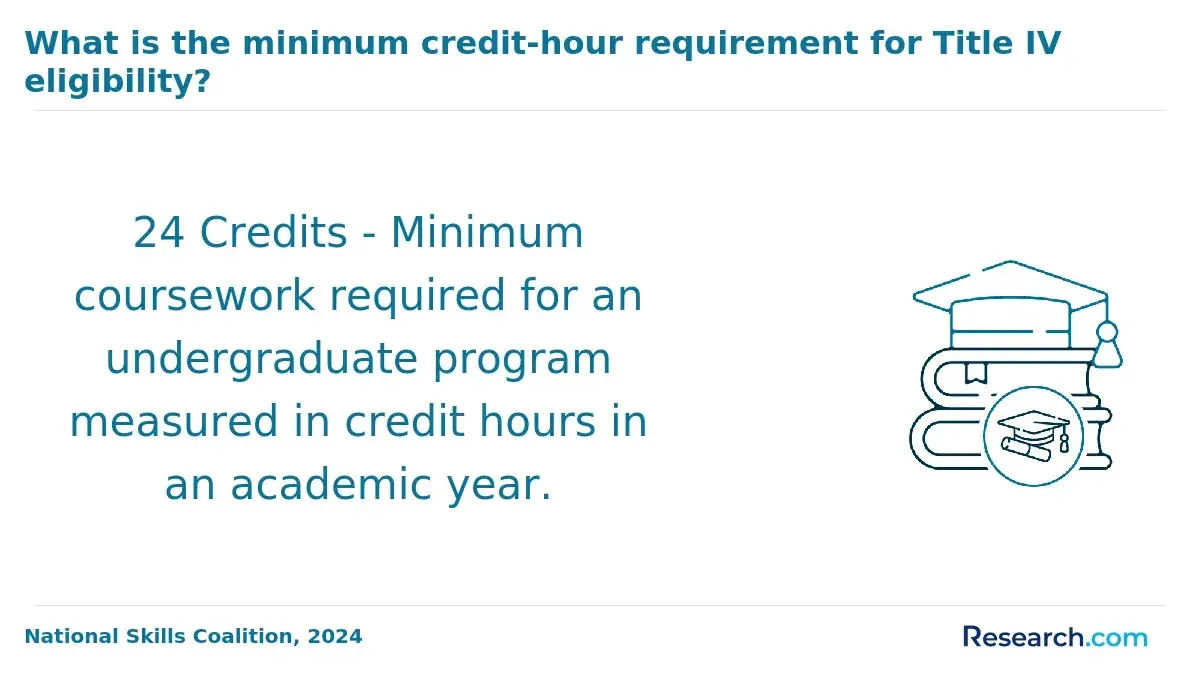
- Federal Aid Eligibility: Accredited programs support federal loans and grants for both formats. Accelerated students, however, might face more frequent application cycles and must align FAFSA submissions with multiple start dates, unlike traditional students with standard academic calendars.
- Scholarship Timelines: Merit-based scholarships exist for all, yet accelerated programs may have smaller or rolling scholarship pools requiring earlier applications to improve chances.
- Employer Tuition Assistance: Many employers reimburse tuition regardless of format, but some insist on traditional semester schedules, making it essential for accelerated students to confirm eligibility in advance.
- Impact of Pace on Aid: Compressed term structures can influence aid disbursement timing and renewals, sometimes limiting part-time accelerated students' access to work-study or institutional aid compared to full-time traditional peers.
A professional who chose an accelerated financial technology degree shared that securing financial aid involved careful planning and persistence. "I had to stay on top of FAFSA deadlines since every term began sooner than expected," he explained.
Navigating employer reimbursement also required proactive discussions to confirm support for the unique schedule. Despite the challenges, he appreciated how receiving assistance made the intensive program manageable.
"It was stressful balancing coursework and applications, but the financial aid resources truly made a difference in staying focused and completing the degree on time." This experience highlights the importance of flexibility and attention to financial aid details when pursuing an accelerated path.
What Kind of Student Support Do Accelerated vs. Traditional Financial Technology Programs Offer?
Student support is essential for academic achievement, and accelerated and traditional financial technology programs often vary in how, when, and where these services are provided.
Below is a comparison of key support services typically available in both program types.
- Academic Advising: Accelerated programs generally offer prompt, online advising focused on personalized, streamlined degree paths and maximizing transfer options. Traditional programs tend to rely on scheduled, in-person advising, which some students find more engaging but less flexible.
- Tutoring: Students in accelerated programs usually have access to virtual tutoring and online writing help 24/7, accommodating those with busy or irregular schedules. In contrast, traditional programs provide on-campus tutoring with fixed hours, offering direct face-to-face assistance but less convenience.
- Career Counseling: Accelerated programs emphasize digital resources, virtual workshops, and asynchronous coaching suitable for students needing support beyond typical business hours. Traditional programs often host on-site career fairs and networking events, promoting face-to-face connections but less accessible for remote learners.
- Peer Interaction: Accelerated options frequently use online forums and group chats for flexible collaboration, while traditional programs encourage in-person study groups and campus activities that foster deeper social bonds.
Do Graduates from Accelerated vs. Traditional Financial Technology Programs Get Hired More Quickly?
Employment outcomes are often a central factor for students choosing between accelerated and traditional financial technology programs. While both can pave the way to solid careers, the speed at which graduates secure jobs varies based on multiple factors.
Here is a comparison of job placement trends and key influences affecting graduates from these two types of programs.
- Employer Perception: Employers may favor traditional programs for comprehensive knowledge, but accelerated graduates are valued for adaptability and readiness in fast-paced fintech startups and tech companies.
- Career Readiness: Those completing accelerated programs usually have contemporary technical skills honed through focused training, whereas traditional graduates offer broader theoretical insights favored by larger financial institutions.
- Job Placement Speed: Accelerated graduates often land roles 15-25% faster in emerging fintech sectors emphasizing agility, while traditional alumni find quicker success in established banks and regulated firms.
- Industry Demand: With fintech markets expected to nearly double by 2030, online and accelerated programs are increasingly favored for their alignment with current digital skill needs, raising placement rates broadly.
Reflecting on this, a professional who earned a traditional financial technology degree shared her experience about finding employment. She noted that despite the robust curriculum, securing a suitable role involved navigating a lengthy process of interviews and assessments, often feeling the pressure to demonstrate both deep knowledge and adaptability.
Her persistence paid off when a leading bank recognized the value of her comprehensive training. "The journey wasn't quick, but the preparation gave me confidence to handle complex challenges in the interview and on the job," she said.
This personal insight highlights how traditional program alumni may encounter slower hiring timelines but benefit from strong foundational skills that appeal to established employers.
Are Accelerated Financial Technology Degrees Accredited the Same Way as Traditional Programs?
Accreditation ensures academic quality and legitimacy for both accelerated and traditional financial technology programs, regardless of pacing or delivery format. This validation impacts key student considerations such as financial aid eligibility, credit transferability, and employer recognition.
Both formats, when properly accredited, meet rigorous educational standards set by recognized agencies, assuring students that their degree holds value in the professional marketplace. For example, AACSB accreditation for accelerated financial technology degrees guarantees that accelerated tracks maintain the same academic integrity as traditional offerings.
Ensuring institutional accreditation is critical, as it affects federal aid and post-graduate opportunities.
The accreditation process typically applies equally to accelerated and traditional financial technology programs but involves some differences in course design to meet consistent standards. Accelerated programs often condense coursework into shorter timeframes while maintaining quality, which may influence practical experiences or elective options.
Regional or programmatic accrediting bodies evaluate these programs based on educational objectives, regardless of format. Students should verify the institution's accreditation before enrollment to ensure the degree is widely accepted. This is especially important given the accreditation differences between accelerated and traditional FinTech programs.
To explore options, prospective students can review the list of best universities online to find accredited institutions offering financial technology degrees tailored to their goals.
How Do You Choose Between an Accelerated vs. Traditional Financial Technology Degree?
Choosing between an accelerated and a traditional financial technology degree depends largely on your career goals, schedule flexibility, and preferred learning pace. Both options offer distinct advantages based on personal circumstances, making it important to carefully assess which format aligns best with your needs.
Consider these key factors when deciding between programs, as they highlight important differences and help you evaluate the best accelerated financial technology degree program for your objectives.
Here are the main factors to consider:
- Time Commitment: Accelerated degrees typically last 12-15 months, allowing students to finish quickly and return to work or advance their careers sooner. In contrast, traditional programs often span 18-24 months, offering more time to absorb material and potentially complete internships.
- Learning Style: Accelerated formats suit self-directed learners comfortable with fast-paced coursework and condensed schedules. Traditional degrees provide a more gradual learning experience, fostering reflection, interaction, and deeper academic engagement.
- Career Goals: If your aim is rapid upskilling and minimizing opportunity costs, accelerated programs support swift career transitions with less time out of the workforce. For students seeking broader industry exposure and networking through internships, traditional vs accelerated FinTech degree career outcomes may differ significantly.
- Flexibility: Traditional financial technology programs often offer more flexible scheduling options, including part-time or online courses, which can enhance work-life balance. Accelerated degrees tend to be more rigid, demanding greater time intensity.
Both program formats cater to different professional lifestyles and priorities, so choosing the right path should also factor in your ability to manage intensive study and desire for practical experience. For those exploring further credentials, consider following online certification programs that pay well to complement your degree.
What Students of Accelerated vs. Traditional Financial Technology Programs Say About Their Degree
- Raul: "Enrolling in a traditional financial technology program provided me with a solid foundation over a more extended period, which really helped me absorb complex concepts deeply. However, the length of the program meant higher overall costs, which was a significant consideration for me. Despite this, securing an internship through the university's industry connections made the investment worthwhile. "
- Elisha: "The fast pace of an accelerated financial technology degree was intense but extremely motivating; I appreciated being able to enter the workforce sooner. One downside was the limited time for deep exploration of some topics, but the cost savings and quicker career impact outweighed this for me. Overall, it gave me a competitive edge when job hunting. "
- Michael: "The traditional financial technology program I attended was comprehensive and well-structured, but I often found the slower pace frustrating as I wanted to move faster into my career. The cost was manageable with scholarships, and the networking opportunities were a major advantage. Looking back, the program balanced theory and practical skills effectively, though it might not suit everyone's learning speed. "
Other Things You Should Know About Traditional vs. Accelerated Financial Technology Degrees
In 2027, accelerated financial technology programs may offer fewer networking opportunities compared to traditional programs. This is due to the compressed timeframe, which limits time for extracurricular activities, industry events, and student clubs, where networking typically occurs.
Because accelerated programs follow tightly packed curricula, students usually have less flexibility to switch concentrations or take diverse electives. Traditional financial technology degrees often provide more room for academic exploration and specialization over multiple semesters. Prospective students should consider their career goals carefully before committing to an accelerated path.
References
- Why Everyone Wants to Work in FinTech (And How You Can Too!) https://www.esilv.fr/en/why-everyone-wants-to-work-in-fintech-and-how-you-can-too/
- FinTech: The Future of Finance https://www.hec.edu/en/summer-school/summer-programs/fintech-future-finance
- The future of fintech careers: trends and opportunities in 2023 | Volante Technologies https://www.volantetech.com/the-future-of-fintech-careers-trends-and-opportunities-in-2023/
- 5 Essential Fintech Bootcamps to Accelerate Your Career in 2025 https://www.verifyed.io/blog/fintech-bootcamps
- A Preliminary Evaluation of Students' Learning and Performance Outcomes in an Accelerated 3-Year MD Pathway Program https://pmc.ncbi.nlm.nih.gov/articles/PMC8848877/
- Shape the future of the digital economy with Australia's #1 University for Engineering and Technology https://studyonline.unsw.edu.au/online-courses/financial-technology-programs
- The Advantages of Accelerated MBA Programs: Online vs. In-Person https://online.champlain.edu/blog/accelerated-online-mba-programs
- FinTech vs Traditional Banking: What’s the Difference? https://medium.com/@Railwaymen_org/fintech-vs-traditional-banking-whats-the-difference-2781e7a46806
- Comparison of NCLEX-RN Pass Rates between Accelerated and Traditional Prelicensure BSN Programs https://www.gavinpublishers.com/article/view/comparison-of-nclex-rn-pass-rates-between-accelerated-and-traditional-prelicensure-bsn-programs
- 20 Pros and Cons of a Career in Fintech [2025] https://digitaldefynd.com/IQ/career-in-fintech-pros-cons/


