
2027 Can You Complete an Online Adult Gerontology Acute Care Nurse Practitioner Degree Program While Working Full-Time?

Co-Founder and Chief Data Scientist
For many full-time professionals, pursuing an online adult gerontology acute care nurse practitioner degree often feels overwhelming due to demanding work schedules and family responsibilities. According to recent studies, nearly 60% of online adult learners in health-related fields juggle full-time employment alongside coursework. This reality poses significant challenges, especially in a rigorous discipline requiring clinical practice and advanced studies.
This article offers practical insights to help busy nurses assess if an online adult gerontology acute care nurse practitioner program can fit their lifestyle. By exploring time management strategies, program structures, and support resources, professionals can make informed decisions about balancing work, education, and personal commitments effectively.
Key Benefits of Completing an Online Adult Gerontology Acute Care Nurse Practitioner Degree Program While Working Full-Time
- Flexible online schedules allow full-time workers to attend coursework during off-hours, essential for managing demanding adult gerontology acute care nurse practitioner clinical rotations.
- Access to recorded lectures and virtual simulations supports varied learning paces, helping to balance work stress with mastering acute care skills for complex adult patients.
- Many programs offer part-time pathways and remote practicums, enabling steady progress without career interruption-critical for advancing in acute care nursing amid workforce shortages.
How Long Does It Take to Complete an Online Adult Gerontology Acute Care Nurse Practitioner Degree While Working Full-Time?
The time to complete online Adult Gerontology Acute Care Nurse Practitioner degree programs while working full-time varies widely, typically ranging from 20 to 32 months. This duration depends on factors such as enrollment status, course format, transfer credits, and specific program requirements.
Several key factors influence the total online AGACNP program duration for full-time working nurses:
- Enrollment Status: Full-time students at universities like Maryville or South University may finish in as few as 20-21 months by dedicating significant weekly study hours and managing clinical responsibilities alongside work. Part-time enrollment extends completion to 28-32 months or more for those balancing demanding job schedules.
- Course Format: Asynchronous courses allow self-paced study, providing flexibility to full-time workers. In contrast, synchronous and accelerated tracks often require more frequent interaction and faster progression, which can impact scheduling around work.
- Transfer Credits: Students with previous relevant coursework or advanced standing may reduce their overall time by applying transfer credits, thus shortening the degree completion timeline.
- Work Schedule and Weekly Study Hours: The ability to consistently allocate study time each week can speed up or delay progress, with working nurses needing to find a balance between professional and academic demands.
- Program Requirements: Completion includes 600-780 clinical hours along with capstone projects and practicums, which generally offer flexible scheduling but sometimes require weekend or evening commitments that may conflict with full-time work.
Overall, students working full-time should expect to complete their degree in about 2-3 years. To explore further educational opportunities that accommodate busy schedules, consider pursuing an accredited accelerated bachelor degree online for foundational coursework before advanced practice nursing degrees.
Is an Asynchronous or Synchronous Online Adult Gerontology Acute Care Nurse Practitioner Program Easier for Students Working Full-Time?
For students working full-time, an asynchronous online adult gerontology acute care nurse practitioner program is generally easier to manage than a synchronous format. The flexibility to access lectures and assignments at any time allows full-time workers to balance demanding schedules, such as shift work, more effectively.
Course format significantly impacts a student's ability to juggle professional duties and personal life, making asynchronous programs a preferred choice for many. Choosing a program that fits one's work hours can improve both retention and academic success.
In comparing asynchronous and synchronous online adult gerontology acute care nurse practitioner programs, the asynchronous format offers greater flexibility, letting students study during off-hours without set class times. For instance, nurses working 12-hour night shifts can review pre-recorded materials when it suits them.
On the other hand, synchronous programs provide real-time interaction and structured learning, which some find motivating despite the scheduling challenges. Hybrid models combine these benefits by offering recorded sessions with occasional live discussions. Students interested in universities with open admission might find hybrid options helpful to tailor their education around variable work commitments.
Ultimately, the decision depends on individual learning preferences and work-life balance needs.
What Time Management Strategies Help Online Adult Gerontology Acute Care Nurse Practitioner Students Working Full-Time?
Balancing full-time work with an online adult gerontology acute care nurse practitioner program demands exceptional time management to avoid burnout and lagging behind in coursework. Effective strategies can help students maintain both professional duties and academic progress.
Key approaches include:
- Consistent daily routine: Setting fixed study periods around work hours creates structure, reducing stress and helping maintain steady progress in coursework.
- Task prioritization: Ranking assignments and clinical responsibilities by urgency ensures critical deadlines are met without neglecting less time-sensitive tasks.
- Task grouping: Combining similar activities like chart reviews, study, or communication minimizes switching mental gears and improves workflow efficiency.
- Use of productivity tools: Digital planners, reminders, and time-tracking apps support scheduling, deadline monitoring, and overall organization.
- Realistic time limits: Allocating specific durations to activities, such as readings or emails, sharpens focus and prevents procrastination during busy periods.
One student who juggled this demanding program alongside a full-time job reflected that "creating strict daily blocks of study while blocking out distractions was crucial." She found that "using apps to track assignments and grouping similar tasks saved me from feeling overwhelmed."
Though challenging, she said these tactics "helped me stay on track, manage stress, and finish my degree successfully despite a hectic schedule."
What Are the Biggest Challenges Full-Time Workers Face in Online Adult Gerontology Acute Care Nurse Practitioner Programs?
Balancing a full-time job with the demanding coursework of an online adult gerontology acute care nurse practitioner program can be overwhelming for many professionals. Juggling work responsibilities alongside clinical and academic requirements often results in significant stress.
The main challenges faced by full-time students in these programs include:
- Time management pressure: These programs demand completion of extensive coursework, clinical practicum hours, and exam preparation, often totaling over 45 credit hours across multiple semesters. Full-time employees must carefully allocate limited personal time, which can lead to exhaustion and increased risk of burnout, ultimately affecting both academic success and work performance.
- Clinical placement difficulties: Mandatory clinical hours must be completed while maintaining a full-time job, complicating scheduling. Many clinical sites require attendance during daytime or irregular hours, making it challenging for working students to fulfill clinical requirements within expected timeframes and potentially delaying graduation.
- Maintaining academic rigor: The curriculum covers complex subjects such as advanced pathophysiology, pharmacology, and diagnostic reasoning. Under the pressure of full-time work, students may struggle to sustain high academic standards, risking lower grades or extended program duration if unable to keep pace with course demands.
How Do Online Adult Gerontology Acute Care Nurse Practitioner Programs Handle Internships for Full-Time Workers?
Balancing internships with full-time employment can be particularly demanding for students in online adult gerontology acute care nurse practitioner programs, where hands-on clinical experience is mandatory for certification. Despite these challenges, programs have developed strategies to support working professionals through their clinical rotations.
Here are common approaches used to accommodate full-time learners:
- Flexible clinical scheduling: Students can often complete required clinical hours during evenings or weekends, making it easier to fulfill 500-750 hours without disrupting their jobs. This flexibility is essential for those maintaining professional responsibilities while meeting clinical demands.
- Local placement assistance: Institutions frequently help arrange clinical sites close to a student's home or workplace, minimizing commute times. This localized support helps integrate clinical work into daily schedules with less strain.
- Part-time enrollment options: Many programs offer part-time tracks, allowing students to extend their coursework and practical hours over multiple semesters. This pacing benefits professionals who need a manageable balance between work and study commitments.
- On-site intensives: Some schools require brief on-campus sessions focusing on essential skills, limiting the time away from work but ensuring practical competency development. These intensives typically last a few days each semester.
- Supportive faculty and advising: Advisors provide personalized guidance to help students juggle work, study, and clinical obligations. Regular communication ensures students stay on track and receive tailored solutions when challenges arise.
A student pursuing an online adult gerontology acute care nurse practitioner degree while working full-time shared that the greatest hurdle was syncing clinical hours with an unpredictable nursing schedule. He appreciated that his program's coordinators actively communicated to find compatible local sites and allowed him to choose flexible hours that fit his shifts.
"Knowing they understood the complexity of my job made a huge difference," he noted. He also found the brief on-site intensives useful because they concentrated hands-on learning into a short timeframe, preventing extended time off work. Despite occasional fatigue, he felt supported at every step, which kept him motivated to complete the demanding internship alongside a full-time career.
What Technology Do You Need for an Online Adult Gerontology Acute Care Nurse Practitioner Degree While Working Full-Time?
Balancing a demanding job while enrolled in an online adult gerontology acute care nurse practitioner program requires not only time management but also having the right technology. Efficient and reliable digital tools enable full-time professionals to engage with coursework, clinical activities, and live sessions without disruption. To meet these challenges, specific technology is essential for success.
Here are the core technology requirements for online adult gerontology acute care nurse practitioner students who work full-time:
- High-Performance Computer: A modern laptop or desktop with updated operating systems and sufficient processing power is critical for running video conferencing platforms and healthcare simulation software. Programs often include weekly live classes and complex clinical scenario simulations, so the best laptops for online adult gerontology acute care nurse practitioner students must handle streaming and multitasking with ease.
- Stable High-Speed Internet: Consistent, broadband-level internet access is indispensable for uninterrupted participation in synchronous lectures, timely submission of assignments, and seamless access to digital course materials. This technology requirement ensures full-time workers can actively join interactive sessions without technical delays.
- Webcam and Microphone: Quality audio and video devices are necessary for clear communication during telehealth simulations, oral presentations, and faculty discussions. These tools help replicate real clinical interactions, supporting skills development that mirrors workplace demands.
- Secure Clinical Documentation and EHR Access: Familiarity with electronic health record systems and secure documentation platforms is essential as coursework includes charting patient data and simulated care management. Access to industry-standard EHR training modules prepares students for documentation tasks they will face in acute care settings.
- Learning Management System (LMS) Proficiency: Comfort with platforms like Canvas or Blackboard is vital since these systems organize coursework and facilitate collaboration. Features such as video transcripts and adjustable content help students working irregular hours remain engaged and manage coursework effectively.
For those exploring further educational options or financial planning, understanding how much is an associate's degree can provide helpful context when comparing pathways or considering additional certifications during or before enrolling in an AGACNP program.
Can You Qualify for Financial Aid If You Study Online and Work Full-Time?
Financial aid is a crucial consideration for full-time professionals balancing work while pursuing an online adult gerontology acute care nurse practitioner degree. Managing tuition costs can significantly impact the feasibility of continuing education alongside a demanding job.
Here are five important factors affecting financial aid eligibility for working students.
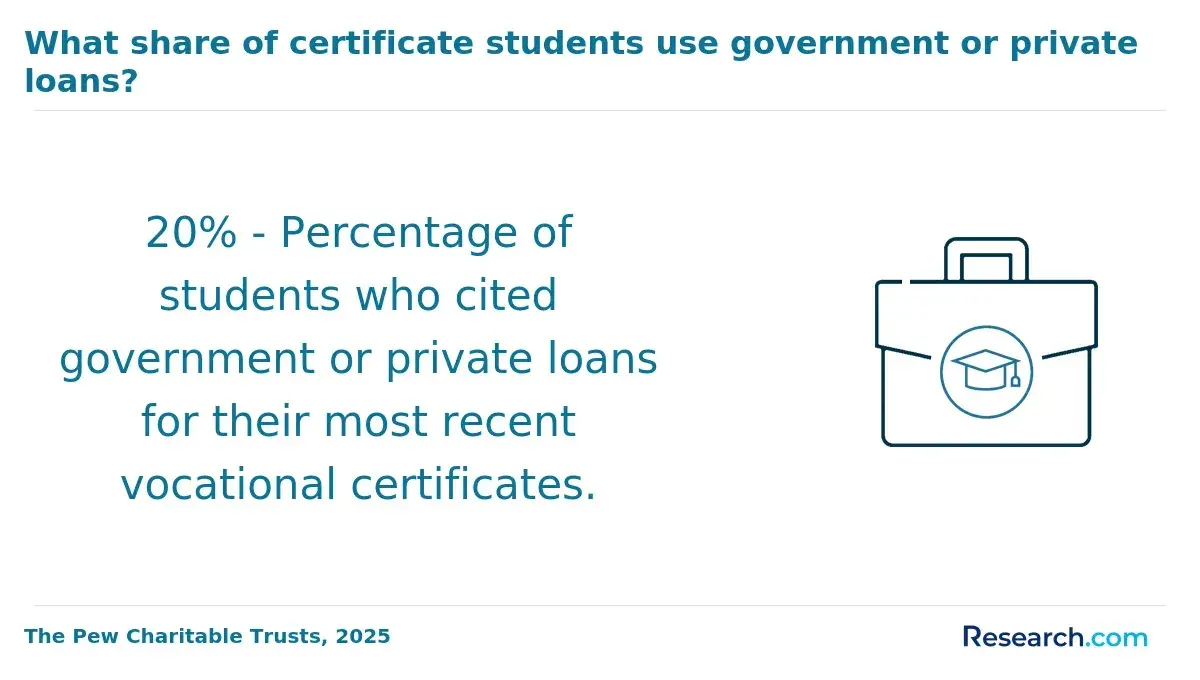
- FAFSA Eligibility: Completing the Free Application for Federal Student Aid (FAFSA) is the foundational step for most financial aid programs. Even full-time workers can qualify for federal loans, grants, and work-study opportunities if they meet income and enrollment criteria. Many online adult gerontology acute care nurse practitioner programs support federal aid regardless of employment status.
- Employer Tuition Assistance: Numerous employers, especially in healthcare, offer tuition reimbursement or assistance for nurses advancing their education. Check with your HR department about benefits available for online programs. Hospitals and healthcare systems often subsidize tuition for employees enrolled in nurse practitioner degrees.
- Part-Time Enrollment Considerations: Federal and state aid programs typically require at least half-time enrollment to qualify. Many online adult gerontology acute care nurse practitioner options allow part-time study, which helps full-time workers maintain eligibility for financial aid. Always confirm enrollment requirements with your program's financial aid office.
- Scholarships and Grants: Several organizations provide scholarships specifically for nurses, including those enrolled in online degrees. For example, the Nurses Educational Funds, Inc. and the American Association of Nurse Practitioners offer awards that do not need repayment, easing the financial burden.
- Loan Repayment Programs: Initiatives such as the Nurse Corps Loan Repayment Program assist nurses employed in critical shortage areas by repaying up to 60% of student loans over two years. This option is particularly valuable for those balancing full-time work and education.
For prospective students considering financial aid for online AGACNP students, exploring all available resources is key. To identify affordable degrees that fit your schedule and budget, visit affordable degrees.
Do Employers Support Employees Pursuing Online Adult Gerontology Acute Care Nurse Practitioner Degrees in 2027?
Employer support is a crucial consideration for full-time professionals pursuing an online Adult Gerontology Acute Care Nurse Practitioner program. Workplace policies that offer flexibility and financial aid can significantly impact a student's ability to balance academic demands with job responsibilities.
Understanding how employers support or limit nurses in this pursuit sheds light on the practical challenges and benefits experienced by working students.
Common employer approaches include:
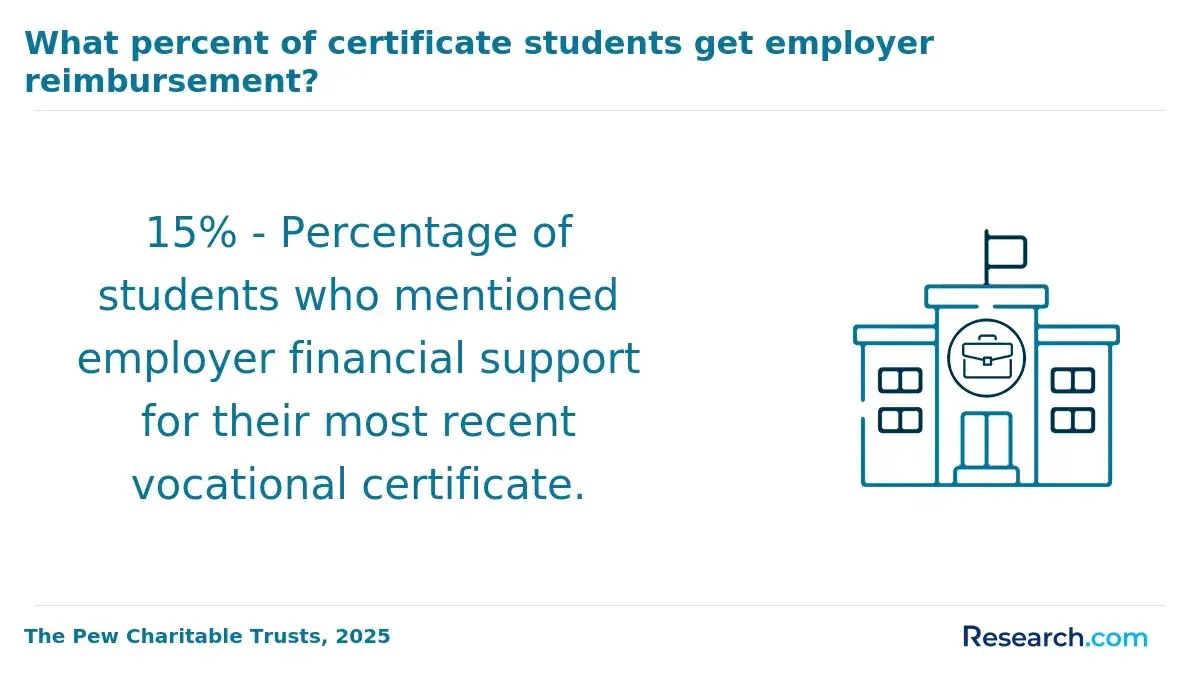
- Tuition reimbursement: Many employers provide partial or full tuition assistance to reduce financial barriers for nurses pursuing advanced degrees. This form of employer tuition reimbursement for online Adult Gerontology Acute Care Nurse Practitioner programs often requires working in key roles or committing to stay with the employer after graduation.
- Flexible scheduling: Adjustments to work hours or shifts help employees attend clinical rotations and manage coursework. Such flexibility is essential for balancing rigorous academic requirements alongside full-time nursing duties.
- Study leave or paid time off: Some organizations offer dedicated time off for exam preparation or clinical placement, though this is less common. When available, it eases the pressure for nurses during intensive program phases.
- Career advancement incentives: Employers sometimes promise promotions or salary increases for nurses earning advanced degrees, motivating students to complete programs. The availability of these incentives varies and can influence decisions to pursue further education.
- Concerns about performance impact: Certain employers hesitate to support enrollment due to worries about absenteeism or burnout, leaving nurses reliant on personal resources. This cautious stance may hinder degree completion for working professionals.
For nurses seeking affordable educational pathways alongside work, exploring the cheapest online bachelor's degree options can be a strategic first step before advancing to graduate studies.
Does Completing an Online Adult Gerontology Acute Care Nurse Practitioner Degree While Working Full-Time Improve Your Salary?
Completing an online adult gerontology acute care nurse practitioner degree can lead to higher earnings, influenced by factors such as industry demand, education level, and employer preferences. The national median salary for this role is around $118,644, with acute care specialists and professionals in high-demand regions earning upwards of $150,000. Those holding doctoral degrees typically receive higher compensation compared to master's degree holders.
Employers often value advanced credentials alongside relevant clinical experience in acute care settings, resulting in starting salaries between $95,000 and $110,000 for new graduates. Additional certifications, such as in palliative or wound care, can further boost annual income by $10,000 to $20,000.
Continuing full-time employment while enrolled in an online program can enhance career advancement opportunities by enabling immediate application of new skills and demonstrating commitment to employers. This approach may improve job security and support promotion chances before graduation.
However, the extent of these benefits depends on the healthcare specialty, employer policies regarding tuition support or professional development, and broader economic conditions. Some organizations offer incentives or tuition reimbursement, while others emphasize workplace experience over formal credentials.
What Should Full-Time Workers Look for When Choosing an Online Adult Gerontology Acute Care Nurse Practitioner Program?
Selecting the right online adult gerontology acute care nurse practitioner program is crucial for full-time workers balancing study, work, and personal commitments. Programs designed with flexible structures can significantly impact students' ability to manage their responsibilities without burnout.
Here are essential aspects to consider when making this choice:
- Flexible Course Delivery: Programs that offer asynchronous classes let students access lectures and complete assignments on their own time, accommodating irregular work shifts typical for nurses.
- Clinical Placement Support: Strong assistance in securing local clinical placements with adaptable scheduling helps working students fulfill hands-on requirements without compromising their job hours.
- Accreditation and Certification Preparation: Choosing an accredited program with the required supervised clinical hours ensures graduates meet standards for national certification exams, enhancing career prospects.
- Part-Time or Extended Tracks: Availability of part-time enrollment or longer completion options enables students to spread coursework over months or years, reducing stress and maintaining work-life balance.
- Track Record with Working Adults: Investigate programs with proven high graduation rates and exam success specifically among employed nurses to find those catering effectively to working professionals.
What Graduates Say About Completing an Online Adult Gerontology Acute Care Nurse Practitioner Degree While Working Full-Time
- Devin: "Balancing a full-time job while pursuing an online adult gerontology acute care nurse practitioner degree was challenging but incredibly rewarding. The flexible pacing allowed me to manage my workload and studies effectively, and the cost was reasonable compared to traditional programs. This degree has opened new doors in my career, and I feel more confident in providing specialized patient care. "
- Zion: "Enrolling in an online adult gerontology acute care nurse practitioner program while working full-time gave me a unique perspective on time management and dedication. The comprehensive curriculum was well-structured, allowing me to absorb the material without feeling overwhelmed. Although the financial investment was significant, the career advancement opportunities have made it worthwhile. "
- Jack: "The online adult gerontology acute care nurse practitioner degree program fit perfectly into my busy schedule as a full-time professional. The ability to learn at my own pace made the experience less stressful, and the program's cost was competitive with other options I researched. This journey has enhanced my clinical skills and given me a deep sense of personal achievement. "
Other Things You Should Know About Adult Gerontology Acute Care Nurse Practitioner Degrees
Clinical placements are a mandatory component of adult gerontology acute care nurse practitioner programs and often require in-person attendance. Many programs offer flexible scheduling of clinical hours, including evenings or weekends, to accommodate working students. It is essential to coordinate with clinical sites and program advisors early to align clinical experiences with work commitments.
Most accredited online programs provide support services such as academic advising, tutoring, and career counseling tailored to adult learners. These services are often accessible remotely and can assist full-time workers in managing workload, meeting deadlines, and preparing for certification exams. Utilizing these support systems can improve student success and retention.
Balancing full-time work with an online adult gerontology acute care nurse practitioner program in 2027 can be challenging. The quality of education could be impacted if time management skills are not effectively employed, as coursework and clinical responsibilities may be demanding. However, many programs offer flexible options to help manage these challenges.
References
- Adult Gerontology Acute Care Nurse Practitioner (AG-ACNP) https://nursinglicensemap.com/advanced-practice-nursing/nurse-practitioner/adult-gerontology-acute-care-np/
- Nurse Practitioner Post-Master's Certificate: Benefits, Career Paths & ROI | Advanced Nursing Education | NursePractitionerOnline.com https://www.nursepractitioneronline.com/articles/why-pursue-np-post-masters-certificate/
- Home https://www.husson.edu/online/online-degrees/adult-gerontology-acute-care-nurse-practitioner
- About the AGACNP Field | Adult Gerontology Acute Care Nurse Practitioner Master's Degree https://acutecare-nursing.online.uconn.edu/about/
- MSN Adult-Gerontology Acute Care Nurse Practitioner https://www.ttuhsc.edu/nursing/masters/adult-gero-acute-care-np/default.aspx
- Everything You Need to Know About Becoming an AGACNP https://onlinedegrees.rockhurst.edu/blog/adult-gerontology-acute-care-nurse-practitioner
- Top 10 Online Acute Care Nurse Practitioner (ACNP) Programs https://nurse.org/education/online-acnp-programs/
- Tuition and Financial Aid | MSN in Adult-Gerontology Acute Care Nurse Practitioner https://grad.qu.edu/programs/masters-degree/msn-adult-gerontology-acute-care-nurse-practitioner/tuition-and-financial-aid/
- Adult Gerontology Acute Care Nurse Practitioner: Online (M.S.) https://chhs.unh.edu/school-nursing/program/ms/adult-gerontology-acute-care-nurse-practitioner-online
- AGACNP Programs | Acute Care Nurse Practitioner | Graceland https://www.graceland.edu/programs/msn-agacnp/


