
2027 Return on Investment (ROI) of a Behavioral Health Leadership Degree Program

Co-Founder and Chief Data Scientist
Many healthcare professionals struggle to advance into leadership roles within behavioral health without formal training in management. This gap often limits earning potential and career growth despite the demand for qualified leaders. According to industry reports, employment of behavioral health managers is projected to grow 12% until 2032, faster than the average for all occupations.
This article examines the return on investment of a behavioral health leadership degree program by analyzing costs, career outcomes, and industry trends, helping prospective students make informed decisions about pursuing this specialized education.
Key Things to Know About Behavioral Health Leadership Degree ROI
- Graduates experience an average 15% higher earning potential compared to non-leadership roles within behavioral health fields, according to recent workforce studies.
- Behavioral health leadership degrees facilitate access to managerial positions, increasing career advancement opportunities in hospitals, clinics, and community organizations.
- This degree offers long-term job stability and salary growth, benefiting from expanding industry demand due to rising mental health awareness and services.
How is ROI calculated for a behavioral health leadership degree program?
Return on investment (ROI) in higher education measures the financial benefits gained from completing a degree compared to the costs and time invested. For students exploring behavioral health leadership degree ROI factors, understanding ROI helps evaluate if the program will enhance earnings and career opportunities over time.
Several key factors are used when calculating return on investment for behavioral health leadership degrees:
- Tuition and Fees: This covers the total enrollment cost, including tuition, books, and additional fees. Accurately accounting for these expenses clarifies the initial financial commitment required to pursue the degree.
- Opportunity Cost: Time dedicated to completing the degree represents income lost from full-time work or other professional activities. Considering this helps assess the true economic sacrifice during the education period.
- Time to Completion: The duration of the program affects both direct expenses and opportunity costs. Shorter programs can decrease total costs and lost wages, positively impacting the overall ROI.
- Post-Graduation Salary Outcomes: Anticipated increases in salary or earning potential after graduation form a major component. This reflects the added value the degree brings to qualifications and marketability.
- Career Advancement Potential: Beyond immediate salary boosts, the degree may unlock leadership roles or promotions within behavioral health fields, improving long-term earning power and job security.
For those interested in related healthcare degrees, various RN to BSN online programs without clinicals offer flexible paths that can complement or lead into behavioral health leadership roles.
How much does a behavioral health leadership degree program cost?
Calculating the full cost of a behavioral health leadership degree is vital to judge its true return on investment, especially when the average graduate student debt in the U.S. surpasses $66,000. Tuition alone, often between $15,000 and $50,000, doesn't capture the complete financial picture.
Several additional expenses influence the overall cost and ROI of such programs, including:
- Tuition and Fees: This includes base tuition costs plus mandatory university fees, which vary widely depending on delivery format and institution type.
- Books and Materials: Required textbooks, specialized software, and course resources can add anywhere from several hundred to a few thousand dollars annually, depending on program demands.
- Living or Relocation Expenses: Students attending on-campus classes often incur costs for housing, transportation, and daily essentials; these expenses can sometimes exceed tuition, especially if relocating.
- Opportunity Cost: Time devoted to coursework may lead to decreased earnings, particularly for those who reduce work hours or leave employment to study full-time.
- Hidden or Indirect Costs: Additional fees such as application charges, technology upgrades, and certification exams frequently go unnoticed but impact total spending.
A graduate of a behavioral health leadership program shared that balancing work, family, and school was his biggest hurdle. He mentioned, "I underestimated how much time studying required outside of class, which meant fewer hours at my job and tighter finances."
Managing relocation and living costs compounded stress, making it clear that the sticker price didn't reflect the full commitment. His reflections underline the importance of planning for all expenses, not just tuition, when considering the true cost of this degree.
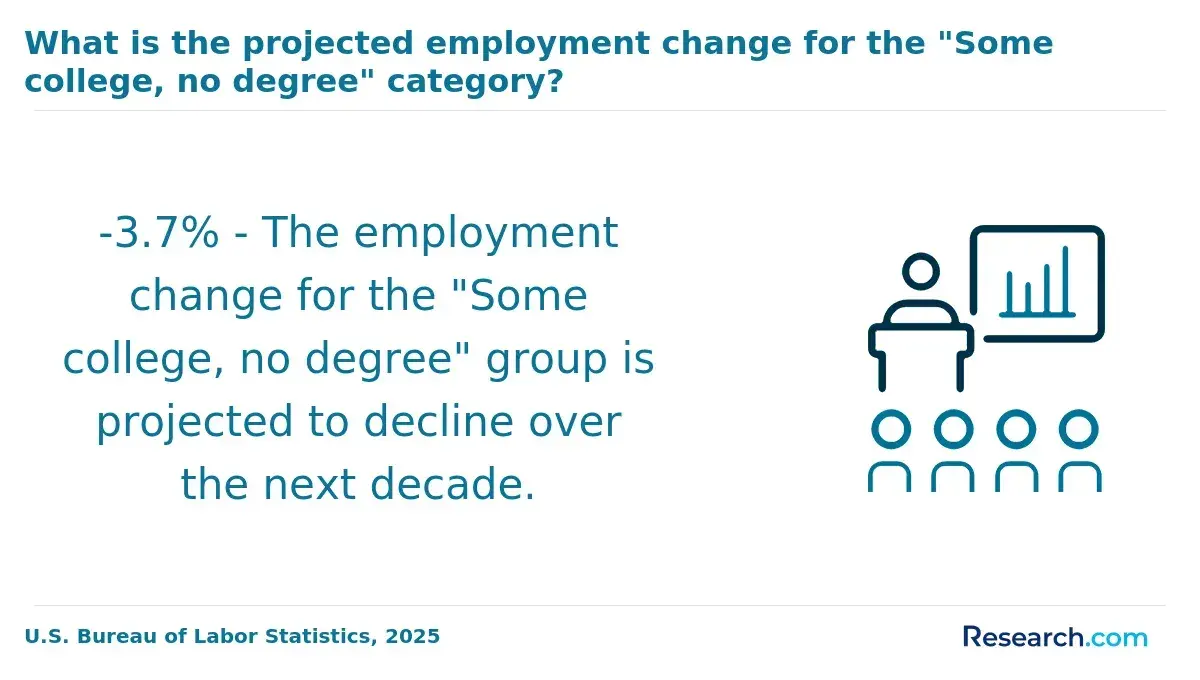
What financial aid is available for behavioral health leadership degree programs?
Financial aid can substantially reduce the initial expenses associated with earning a behavioral health leadership degree, thereby enhancing the long-term return on investment by limiting debt accumulation. Research shows that nearly 85% of U.S. graduate students rely on some form of financial support, highlighting its vital role in making advanced education affordable.
Here are common types of financial aid that can influence the overall cost and financial outcomes of behavioral health leadership programs:
- Scholarships: Awarded based on merit or financial need, scholarships reduce tuition costs without requiring repayment, which minimizes loan dependence and improves net ROI.
- Grants: These need-based funds do not have to be repaid, helping to lower the total amount borrowed and future debt obligations.
- Fellowships: Given for academic or research excellence, fellowships can cover tuition and living expenses, easing financial pressure during study and enhancing investment value.
- Employer Tuition Assistance: Many employers offer partial or full tuition reimbursement, decreasing out-of-pocket costs while allowing students to maintain their income, effectively accelerating ROI.
- Federal Student Loans: While repayment with interest is required, federal loans often come with lower rates and flexible terms, enabling manageable borrowing that supports career investment without excessive financial strain.
Breakdown of Private Fully Online For-profit Schools (In Percentage)

How long does it take to complete a behavioral health leadership degree?
The length of time needed to complete a behavioral health leadership degree significantly affects its return on investment by impacting opportunity costs, potential earnings, and overall expenses. Finishing the program faster enables graduates to enter or progress in their careers sooner, thereby increasing lifetime income and reducing educational costs. Several important factors affect how long the degree takes and how each impacts ROI.
Key considerations include:
- Enrollment Status: Students enrolled full-time usually complete their degree in one to two years, which accelerates career advancement. Part-time learners, while taking longer, maintain steady income streams by balancing work and study, lessening financial strain during their education.
- Program Format: Online or accelerated options can significantly shorten completion time, allowing students to minimize time away from paid employment and enhance ROI.
- Credit Transfers: Applying credits from prior coursework can reduce the number of required classes, resulting in earlier graduation and lower overall costs.
- Practical Requirements: Completing internships or thesis projects can extend the timeline but adds invaluable skills and experience that may lead to higher earnings after graduation.
- Scheduling Flexibility: Programs offering adaptable course times support working professionals in managing education alongside employment, affecting how quickly the degree can be completed without sacrificing income.
When I spoke with a recent graduate of a behavioral health leadership degree, she shared that managing her coursework alongside a full-time job was the biggest challenge. "It wasn't just about juggling assignments," she explained, "but also keeping up with real-world demands while progressing steadily."
She appreciated the flexibility of her program's evening classes and the option to transfer previous credits, which helped shorten her path. Reflecting on her journey, she said, "Though it took closer to three years, the experience taught me resilience, and the hands-on internship opened doors I hadn't expected." Her story underscores how individual circumstances shape the timeline but also reveal rewarding outcomes beyond just speed.
Is ROI higher for online or on-campus behavioral health leadership programs?
The return on investment (ROI) for behavioral health leadership degree programs depends significantly on whether the program is completed online or on campus, largely due to differences in cost, flexibility, and career outcomes.
Online education continues to grow in popularity, with a National Student Clearinghouse report showing a 23% increase in online enrollment, reflecting broader acceptance of remote learning options. This trend influences how students evaluate the financial and career benefits of these degrees in a comparison of ROI for online behavioral health leadership degrees.
Below are key factors to consider when comparing the ROI between online and on-campus options:
- Tuition and Fees: Online programs generally have lower tuition and reduced expenses such as commuting and housing, decreasing overall upfront costs and making education more accessible.
- Opportunity Cost: Flexible online schedules allow students to maintain employment while studying, reducing lost income compared to typically more rigid on-campus schedules.
- Time to Completion: Both formats offer similar average durations to complete degrees, though some online programs provide accelerated pathways that can shorten timeframes.
- Networking and Career Services: On-campus programs often provide stronger face-to-face networking opportunities and more immediate access to career support services, which can boost long-term earning potential.
- Employer Perception: Although traditionally favoring on-campus degrees, employer acceptance of accredited online degrees is increasingly positive, affecting job prospects and advancement.
Students pursuing a behavioral health leadership degree should weigh these factors carefully, especially when considering on-campus versus online behavioral health leadership program ROI. For those exploring related educational options, resources about easy DNP programs may also provide helpful insights into online degree flexibility and accessibility.
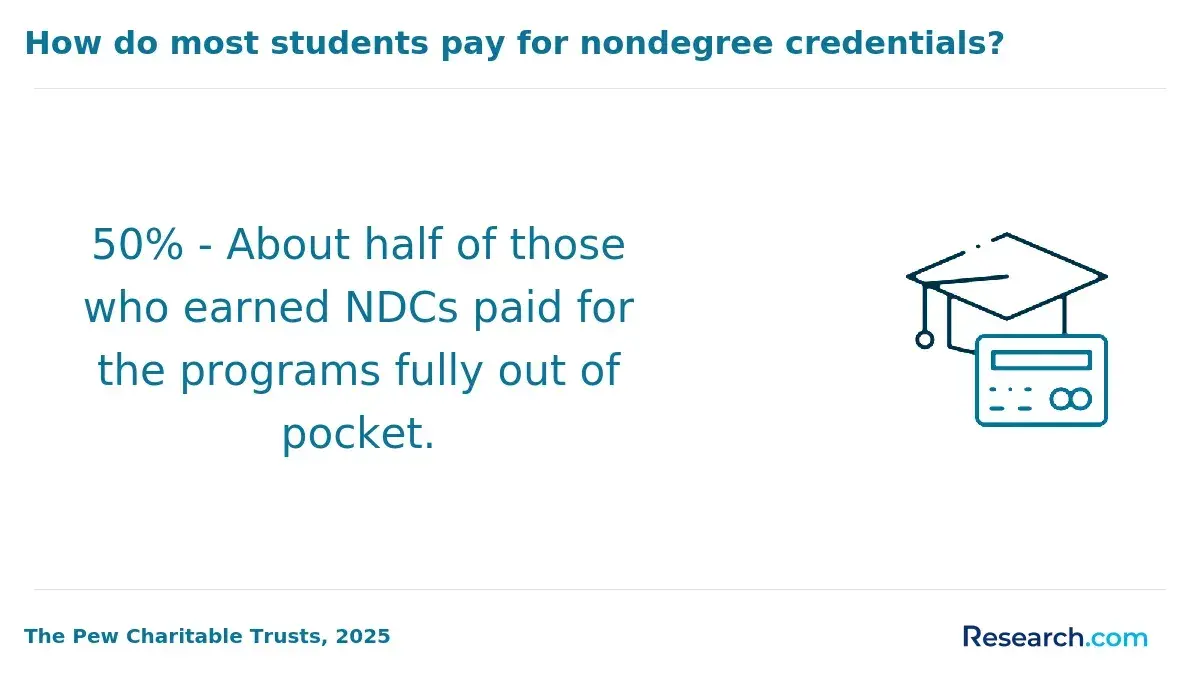
What is the average salary after earning a behavioral health leadership degree?
Post-graduation salary is a critical factor in measuring the return on investment (ROI) of a behavioral health leadership degree, as higher earnings help balance tuition costs and time invested. Average behavioral health leadership salaries range from $60,000 to $110,000 annually, with entry-level roles near the lower end and seasoned leaders in specialized areas earning at or above the higher range.
Several factors influence these salary outcomes and, consequently, the degree's ROI:
- Industry: Salaries differ widely across healthcare organizations, government agencies, and private practices due to variances in budgets and pay scales, impacting overall earning potential.
- Geographic Location: Urban centers and regions with a higher cost of living usually offer greater compensation, which can significantly affect behavioral health management degree salary.
- Prior Experience: Those with relevant clinical or management backgrounds tend to secure higher salaries after graduation, enhancing the financial returns on their degree investment.
- Specialization: Leadership roles focused on mental health policy, substance abuse, or program development often come with increased earning prospects.
- Career Level: Advancing from mid-level management to senior leadership commonly results in substantial salary growth, improving ROI over time.
Prospective students might also consider complementary training, such as medical billing and coding classes online, to diversify skills and boost employability in behavioral health fields.
Does a behavioral health leadership degree lead to promotions?
Promotions play a critical role in enhancing the return on investment (ROI) of a behavioral health leadership degree by providing salary increases, expanded responsibilities, and improved career mobility. These advancements not only boost financial rewards but also open doors to higher-level positions within healthcare organizations.
One key workforce trend influencing this dynamic is the growing emphasis on credential-based promotion, as many organizations now require formal leadership credentials for managerial roles, reflecting stricter regulatory standards and specialized skill demands.
Below are several ways a behavioral health leadership degree influences promotion opportunities and strengthens ROI:
- Credential Requirements: Meeting these is essential for supervisory and executive roles. Holding a formal behavioral health leadership credential often enhances eligibility for raises and career advancement.
- Leadership Preparation: The degree equips graduates with skills to effectively manage teams, budgets, and programs, preparing them for complex leadership positions.
- Employer Tuition Support: Many employers offer tuition assistance for advanced education, which can offset costs and encourage professionals to pursue further behavioral health leadership career advancement.
- Internal Promotion Policies: Organizations often favor candidates with recognized leadership academics and credentials when considering promotions, aligning with their internal staffing strategies.
- Experience Synergy: Combining a behavioral health leadership degree with professional work experience increases promotion likelihood by demonstrating both theoretical knowledge and practical expertise.
For those exploring educational options, comparing accredited programs can be valuable, especially if balancing work and study. Candidates interested in healthcare fields might also consider exploring online nursing programs as part of broader career development strategies. Integrating advanced education with experience is often a key driver of promotions after behavioral health degree completion, supporting long-term career success.
Which industries offer the best ROI for behavioral health leadership graduates?
Return on investment (ROI) for behavioral health leadership graduates varies considerably across industries due to differences in salary levels, career advancement opportunities, and the demand for specialized skills. Industries that demonstrate consistent compensation growth and clear promotion pathways typically provide stronger financial returns. The following sectors are known for offering some of the highest paying industries for behavioral health leadership careers.
Industries that commonly provide high ROI for behavioral health leadership graduates include:
- Healthcare Organizations: Hospitals and integrated health systems frequently provide competitive salaries alongside well-defined leadership tracks, allowing professionals to influence clinical and operational practices significantly.
- Government Agencies: Employment at local, state, or federal government levels often ensures job stability and clear career ladders, supplemented by comprehensive benefits that contribute to long-term ROI.
- Behavioral Health Clinics and Specialty Providers: These settings utilize advanced leadership skills daily, creating opportunities for professional growth and compensation linked directly to specialized expertise.
- Insurance and Managed Care: Leadership roles typically focus on policy implementation and quality improvement, offering financial rewards and advancement paths tied to organizational impact.
- Nonprofit Organizations: Although salary levels may be moderate in this sector, nonprofits provide valuable leadership experience and networking prospects, enhancing ROI by fostering career mobility.
When evaluating top sectors with best ROI for behavioral health leaders, it is essential to consider not only immediate pay but the stability of demand and potential for upward career movement in each industry. For those exploring affordable educational options to enter these fields, resources like cheapest online DNP programs can provide valuable pathways to gain relevant credentials.
Does accreditation affect ROI for a behavioral health leadership degree?
Accreditation in behavioral health leadership degree programs signifies that the curriculum and faculty meet stringent quality standards set by authorized agencies. This validation often translates into stronger employer confidence, as many organizations seek candidates with credentials from accredited programs.
Accreditation can be critical for eligibility in required licensure and certification processes, which remain essential in the behavioral health sector. With an increasing focus on verified credentials among employers, accredited degrees typically enhance graduates' competitive positioning in the job market.
The long-term return on investment improves when a degree is accredited because it often permits access to federal financial aid and scholarships, reducing initial education costs. Additionally, credits earned through accredited programs are more easily transferred, facilitating further education or career advancement.
Having an accredited degree also increases career mobility by broadening acceptance among employers and institutions, while supporting licensure and certification requirements vital for leadership roles. These factors collectively contribute to improved job prospects and potentially higher earnings over time.
Is a behavioral health leadership degree worth it?
The return on investment (ROI) for a behavioral health leadership degree largely hinges on factors like program cost, length, and the career benefits post-graduation. Programs usually span one to two years, with tuition fees ranging from $20,000 up to $60,000 depending on the institution and delivery format.
Graduates often see salary increases between 10% and 30% compared to roles without leadership qualifications, with median earnings for behavioral health managers around $70,000 annually. Advancement into supervisory or administrative positions can further enhance earning potential and job responsibilities, making the financial outlay more justifiable.
Whether pursuing this degree is a sound investment varies with individual circumstances and broader industry trends. Growing demand for mental health services supports a positive job outlook, yet extended part-time programs or lack of financial support may reduce ROI.
Access to scholarships or employer assistance can significantly ease the cost burden, while alignment with personal career objectives is essential for maximizing benefits. Weighing these elements carefully helps determine if the degree will meet both financial needs and professional goals.
What Graduates Say About The ROI of Their Behavioral Health Leadership Degree
- Julianne: "Choosing to pursue a behavioral health leadership degree as a traditional student was one of the best investments I've made. The average cost of attendance was significant, but knowing the potential for career advancement and long-term ROI made it worth every dollar. Since graduating, I've stepped into a management role that offers both fulfillment and financial stability. "
- Clarisse: "As an online student, I carefully weighed the cost of the behavioral health leadership program against its benefits. The tuition was reasonable compared to similar programs, and the flexibility allowed me to continue working while studying. Reflecting back, completing this degree has opened doors to leadership positions that I wouldn't have accessed otherwise, making the financial and time commitments truly worthwhile. "
- Maria: "The decision to enroll in a part-time behavioral health leadership program was driven by my desire to grow professionally without stepping away from my current job. The program's cost was clear upfront, and I considered it an investment in my future rather than an expense. Earning this degree has elevated my credibility, increased my responsibilities at work, and boosted my confidence in leading teams effectively. It definitely paid off. "
Other Things You Should Know About Behavioral Health Leadership Degrees
While financial ROI is essential, non-financial benefits like improved leadership skills, increased personal fulfillment, and enhanced societal impact significantly contribute to the overall value of a Behavioral Health Leadership Degree Program in 2027. These elements offer long-term career satisfaction and the opportunity to make a meaningful difference.
Regional demand for behavioral health leaders varies by location and affects salary potential and employment opportunities. Urban areas and regions with growing healthcare sectors generally offer higher salaries and more leadership roles. Conversely, rural areas may have fewer job openings but can provide unique leadership challenges and community impact, which may influence an individual's personal and professional ROI.
References
- Doctor of Behavioral Health - Cummings Graduate Institute for Behavioral Health Studies https://cgi.edu/dbh/
- How to Measure Mental Health ROI in Leadership | Technical Leaders https://www.technical-leaders.com/post/how-to-measure-mental-health-roi-in-leadership
- Behavioral Health Specialist Salary and Job Description https://www.warnerpacific.edu/blog/behavioral-health-specialist/
- What does a Behavioral Health Director do? Career Overview, Roles, Jobs | APOS https://careers.apos-society.org/career/behavioral-health-director
- Weighing the Cost of Caring: Evaluating ROI in Healthcare Ed. https://coreframework.org/f/weighing-the-cost-of-caring-evaluating-roi-in-healthcare-ed
- How to Measure Mental Health ROI in Leadership | Technical Leaders https://technical-leaders.com/post/how-to-measure-mental-health-roi-in-leadership
- The 23 Highest Paying Jobs with a Psychology Master's Degree - Psych Degree Starter https://psychdegreestarter.com/resources/highest-paying-jobs-with-psychology-masters/
- Beyond Salary: Compensation Strategies for Behavioral Health Talent - Leading Consultants for Home Health, Hospice & Behavioral Health Providers https://simitreehc.com/simitree-blog/beyond-salary-compensation-strategies-for-behavioral-health-talent/
- Career Paths With a Certificate in Behavioral Health | Carson-Newman University https://www.cn.edu/cps-blog/careers-in-behavioral-health/
- Healthcare Administrator ROI Guide https://www.healthadministrationdegrees.com/articles/healthcare-administrator-roi-guide/


