
2027 Return on Investment (ROI) of a Communication Management Degree Program

Co-Founder and Chief Data Scientist
Many professionals face uncertainty when deciding whether to invest in a communication management degree amid rising tuition costs and competitive job markets. A 2023 report from the Bureau of Labor Statistics highlights that employment in communication-related fields is projected to grow 10% over the next decade, faster than the average for all occupations. This growth underlines the demand for skilled communicators in diverse industries. This article explores the return on investment of a communication management degree program, offering a clear analysis of costs, career outcomes, and salary potential to help readers make informed decisions about their education and career path.
Key Things to Know About Communication Management Degree ROI
- Graduates with a communication management degree earn a median salary 20% higher than those with only a bachelor's degree in general communications.
- Skills gained enable progression into leadership roles, with 60% of alumni reporting promotions within five years.
- Versatility across sectors like marketing, public relations, and corporate communications enhances job stability amid shifting economic conditions.
How Is ROI Calculated for a Communication Management Degree Program?
Return on investment (ROI) in higher education compares the financial benefits of earning a degree to the costs and time invested. For prospective students, ROI helps determine if a communication management degree offers sufficient career and earning advantages relative to its expense and effort.
Key factors involved in calculating ROI for communication management degrees include:
- Tuition and fees: This comprises all direct expenses such as tuition, textbooks, and additional program fees. These upfront costs form the baseline financial investment necessary to complete the degree.
- Opportunity cost: Time spent studying limits income opportunities since students may forgo employment or promotions during their education. Accounting for this lost earnings potential is critical in ROI calculations.
- Time to completion: The length of the program influences both tuition paid and income delayed. Longer durations increase costs and defer entry into full-time career roles, impacting overall ROI negatively.
- Post-graduation salary outcomes: Expected starting salaries and wage growth for graduates in communication roles are vital for projecting financial returns. A favorable salary path significantly enhances ROI by offsetting educational costs.
- Career advancement potential: Beyond initial wages, the degree's ability to unlock promotions and leadership roles contributes to sustained earning growth and long-term financial benefits.
Students conducting a communication management degree program cost vs salary analysis may also explore related options such as MBA programs to broaden career opportunities and ROI potential.
How Much Does a Communication Management Degree Program Cost?
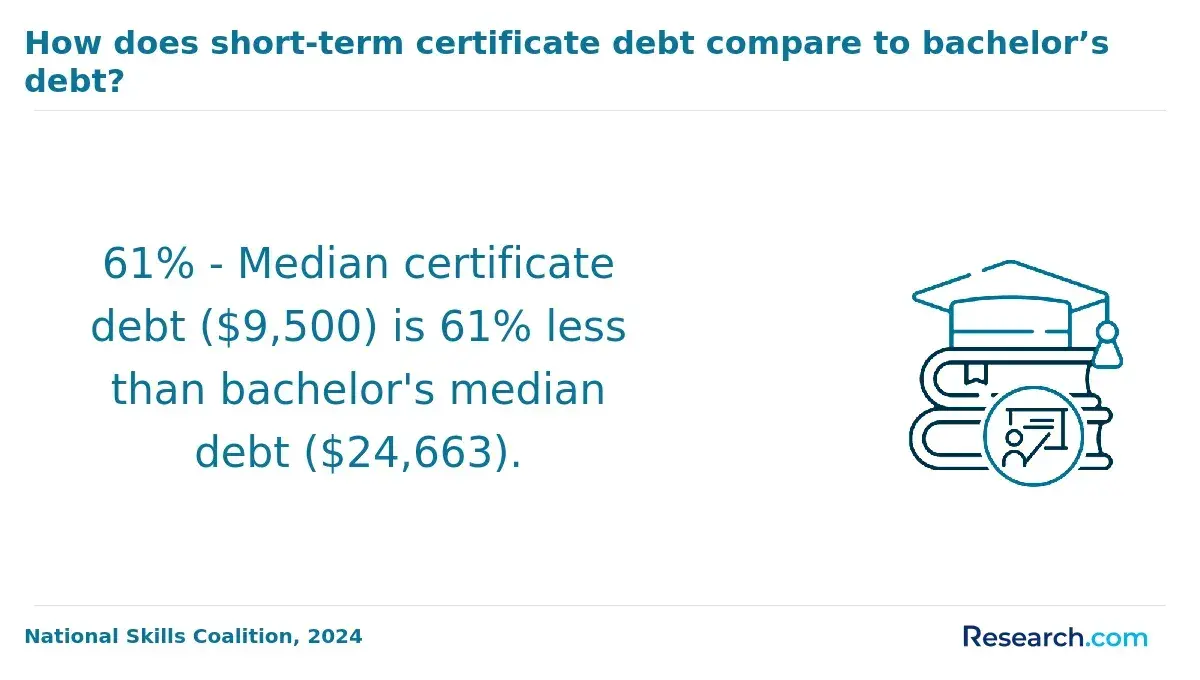
Accurately calculating the total expenses of a communication management degree is vital to realistically evaluate its return on investment, especially as graduate tuition in the U.S. has grown approximately 3% annually over the last ten years. This steady rise contributes to the fact that many graduate students hold nearly $70,000 in loan debt by program completion. Below are several significant factors that influence the overall cost and consequently the ROI of such a degree.
- Tuition and fees: This remains the largest financial commitment and fluctuates notably depending on whether the program is online or in-person, as well as the institution's reputation and resources.
- Books and materials: Instructional costs can vary widely, ranging from a few hundred to over a thousand dollars each year based on required readings, software, and other learning tools.
- Living or relocation expenses: Attending a program far from home or in costly urban centers often leads to substantial housing, transportation, and daily expense increases that must be factored in.
- Opportunity cost: Enrolling full- or part-time may mean sacrificing income or career advancement opportunities during the study period, impacting overall financial outcomes.
- Additional charges: Expenses such as technology fees, commuting costs, and professional development activities can accumulate but are frequently overlooked in initial budgeting.
A graduate of a communication management degree shared his experience, emphasizing how budgeting was more complex than he initially expected. He explained that "balancing coursework with part-time work was stressful, and the hidden expenses like software upgrades and occasional travel for networking events caught me off guard." He also noted that "the time commitment meant putting some career opportunities on hold, which made me constantly reassess whether the investment was worth it." This firsthand perspective highlights the layered financial challenges students face beyond tuition alone.
What Financial Aid Is Available for Communication Management Degree Programs?
Financial aid can significantly reduce initial expenses for communication management degrees, which helps improve long-term return on investment by lowering debt. Recent data shows that approximately 85% of U.S. graduate students depend on some form of financial support to fund their education. Below are common types of aid that impact the overall cost and value of these programs:
- Scholarships: These awards, based on merit or financial need, do not require repayment and directly decrease the amount students must borrow, enhancing ROI by easing debt burdens.
- Grants: Provided by government entities, grants cover tuition or related fees without creating debt, making graduate education more accessible and affordable.
- Fellowships: Competitive funding that often includes stipends or tuition relief, fellowships allow students to concentrate on their studies and professional growth without financial stress.
- Employer tuition assistance: Many employers offer partial or full course reimbursements, reducing personal costs and aligning educational expenses with career development benefits.
- Federal student loans: Although repayment is required, these loans generally offer lower interest rates and flexible repayment terms than private loans, helping students manage debt while maintaining positive ROI over time.
How Long Does It Take to Complete a Communication Management Degree?
The time needed to complete a communication management degree directly influences its return on investment (ROI) by affecting opportunity costs, allowing earlier entry into the workforce, and impacting overall expenses such as tuition and living costs. A shorter study duration means reduced financial strain and faster income generation, making time-to-completion an essential consideration.
Several elements shape how long it takes to earn this degree and affect the value received for time and money invested:
- Enrollment status: Pursuing the degree full-time tends to speed up graduation, enabling students to start earning sooner and improving ROI by limiting years without salary.
- Program format: Online and accelerated tracks provide flexibility that often shortens the path to completion compared to traditional campus programs, benefiting those balancing work or other commitments.
- Transfer credits: Applying previous college credits can trim the total time needed and decrease tuition fees, allowing students to advance more quickly.
- Experiential requirements: Completing internships or theses may increase program length but often enhances practical skills and employability, potentially boosting long-term financial returns.
- Scheduling flexibility: Evening and weekend class options cater to working learners but might extend degree duration due to part-time pacing, delaying full-time career advancement.
In an interview, a recent communication management graduate described balancing full-time work with evening courses as her biggest challenge. She recalled, "Juggling deadlines at my job while attending classes after hours demanded a lot of discipline and patience." Her program stretched over three years instead of two, but she noted the extended timeline allowed her to apply what she learned immediately in her role, which "helped me gain promotions faster than I expected." Reflecting on the process, she emphasized that while finishing quickly is ideal, the ability to integrate studies with professional growth made her investment worthwhile in the end.
Is ROI Higher for Online or On-Campus Communication Management Programs?
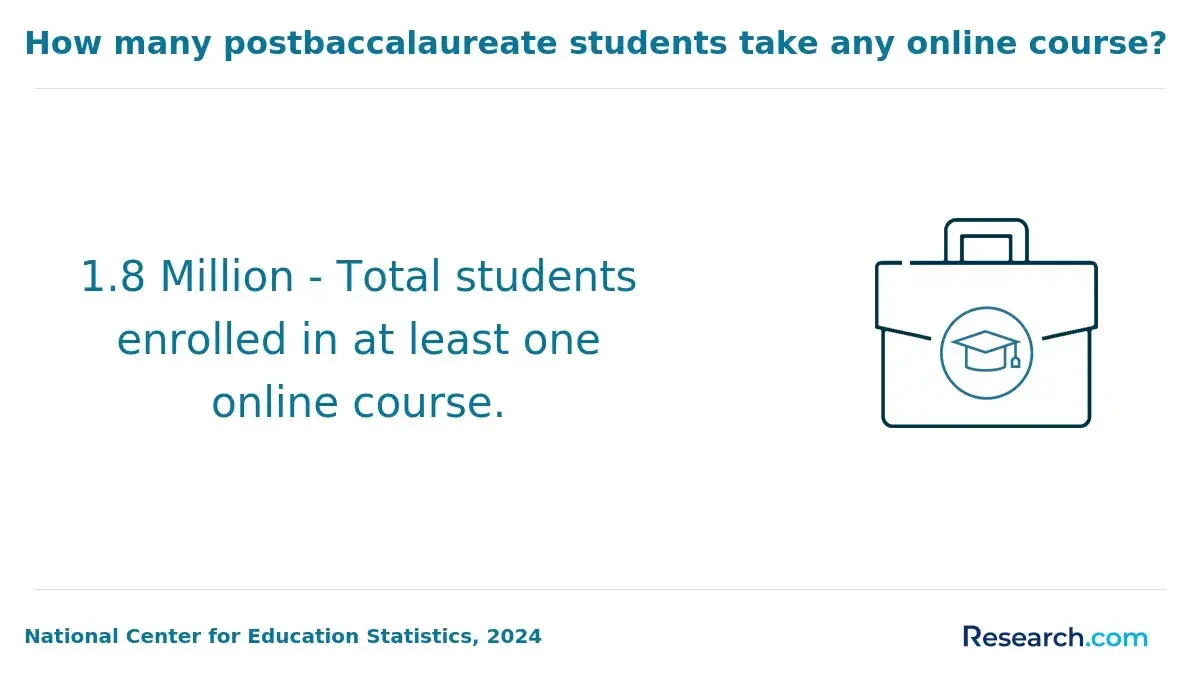
Delivery format plays a significant role in the return on investment (ROI) for communication management degrees by affecting cost, flexibility, and career outcomes. Online enrollment in graduate programs rose by 12% in 2023, highlighting increasing demand for flexible learning options that can impact financial and time commitments. Comparing the ROI of online versus on-campus programs reveals important distinctions prospective students should consider.
Here are key comparison points between online and on-campus communication management programs:
- Tuition and fees: Online programs generally have lower tuition and fewer associated fees, which can reduce upfront expenses and improve overall affordability.
- Opportunity cost: The flexibility of online programs allows students to maintain employment or adjust their pace, minimizing lost income and potentially enhancing the return on investment for communication management degrees.
- Networking and career support: On-campus programs often provide more direct access to faculty, peers, and career services, potentially leading to stronger professional connections and job placement opportunities.
- Employer perception: Some industries may prefer traditional, on-campus degrees when evaluating candidates, though this is gradually shifting as online education continues to grow in popularity.
- Time to completion: Online learners can accelerate or slow their course load based on personal circumstances, which may shorten time to degree and reduce opportunity costs compared to fixed on-campus schedules.
For individuals seeking accelerated options in related fields, programs such as a social work degree fast track demonstrate how flexible, fast-paced online formats are becoming more prevalent across disciplines.
What Is the Average Salary After Earning a Communication Management Degree?
Post-graduation salary is a crucial factor when assessing the return on investment (ROI) of a communication management degree, as it directly impacts how quickly education costs can be recouped and long-term financial benefits. The average salary for communication management graduates in the United States typically ranges between $50,000 and $85,000 annually, reflecting the diversity of roles and career stages within the field.
Several key factors influence these salary outcomes and consequently affect the overall ROI:
- Industry: Technology, healthcare, and corporate communications sectors generally offer higher salaries compared to nonprofit or public sector roles, impacting earning potential and ROI.
- Geographic location: Salaries tend to be higher in metropolitan areas with increased living costs, which can balance out financial gains after expenses are considered.
- Prior experience: Graduates with internships or relevant work history often command better initial pay, boosting the average salary for communication management graduates.
- Specialization: Expertise in areas like digital communications, crisis management, or strategic planning tends to result in stronger earning potential and improved career trajectories.
- Career level: Progression into management and executive roles significantly increases compensation, enhancing ROI over time.
For students exploring affordable ways to boost their credentials in this field, programs like the cheapest MLIS degree online may offer additional opportunities to complement communication management skills.
Does a Communication Management Degree Lead to Promotions?
Promotions often increase return on investment (ROI) in education by providing salary raises, expanded responsibilities, and improved career mobility. Earning a communication management degree is increasingly seen as a catalyst for such advancement, especially in workplaces valuing formal credentials alongside experience. A notable trend in workforce development is the rise of credential-based promotion, where having a relevant degree is a key factor in eligibility for higher-level roles.
Several factors highlight how a communication management degree can impact career advancement and ROI:
- Credential Requirements: Many employers set formal education standards for leadership or specialized communication roles, making this degree a valuable qualification for promotion within such frameworks.
- Leadership Preparation: The degree provides essential training in management and strategic communication, skills that are crucial for supervisory and decision-making positions.
- Employer Support: Tuition reimbursement programs often encourage employees to complete degrees, helping offset costs and improve financial returns.
- Strategic Skills Development: Coursework enhances critical thinking and problem-solving abilities, important attributes for career progression.
- Experience Complement: While experience remains vital, this degree can formally qualify candidates for advancement roles in organizations prioritizing educational credentials.
For individuals considering the financial and career benefits of a communication management degree, exploring options such as the cheapest online bachelor's degree programs may be a strategic starting point. This approach aligns well with trends favoring accessible, affordable education that supports career advancement. Overall, a communication management degree career advancement potential is significant when aligned with employer expectations and internal promotion policies.
The correlation between promotions after communication management degree completion and improved ROI makes it a practical investment for those aiming to escalate their career trajectory in communication-focused roles.
Which Industries Offer the Best ROI for Communication Management Graduates?
Return on investment (ROI) for communication management graduates varies significantly by industry due to differences in salary levels, career progression opportunities, and demand for specialized communication skills. Industries with strong compensation growth and clear promotion paths tend to provide the best financial returns for graduates.
Several industries stand out for offering the highest ROI industries for communication management graduates:
- Technology: Rapid innovation and expansion drive high demand for communicators who can effectively manage both internal and external messaging. Competitive salaries and advancement opportunities contribute to strong financial returns.
- Healthcare: Communication professionals in healthcare navigate complex regulatory environments and patient relations, ensuring job stability and steady salary increases over time.
- Financial services: This sector emphasizes transparent communication for regulatory compliance and client trust, often paired with high compensation and career growth potential.
- Public relations and advertising: These fields extensively utilize communication management expertise, with prospects for quick upward mobility and entrepreneurship, although earnings can be variable.
- Manufacturing and industrial services: Growing corporate communication needs and stakeholder engagement create steady demand and reliable salary progression.
The best career fields for communication management degree ROI depend on a graduate's ability to leverage their skills in areas with strong demand and growth potential. For those exploring options, researching online schools that accept fafsa can be a practical step toward affordable education paths in communication management.
Does Accreditation Affect ROI for a Communication Management Degree?
Accreditation in communication management degree programs signifies that the curriculum, faculty, and resources meet established quality standards set by an independent agency. This recognition reassures employers that graduates have received rigorous training aligned with industry requirements, an important factor as many employers increasingly prioritize accredited degrees when hiring. Accreditation also plays a role in meeting licensure or certification prerequisites in related fields, affecting graduates' ability to pursue certain professional credentials. Such validation helps ensure that graduates are better prepared for the workforce, enhancing the value of their education.
Beyond immediate employment outcomes, accreditation can significantly impact long-term ROI by fostering employer trust and expanding career opportunities. Accredited programs often qualify students for federal financial aid, reducing the overall cost of education and improving financial returns. Transferability of credits between accredited institutions allows students greater flexibility to advance their studies without losing progress. Moreover, holding a degree from an accredited program supports eligibility for certification and licensure, which are critical for career mobility and higher earning potential in many communication-related professions.
Is a Communication Management Degree Worth It?
The return on investment for a communication management degree hinges on several factors including tuition costs, program length, and potential earnings after graduation. Programs can vary widely in price, especially between online and in-person formats, with completion times ranging from one to three years. Graduates typically earn median salaries between $50,000 and $70,000 annually, with higher pay linked to experience and leadership roles. Career growth in communication fields often depends on the ability to leverage skills in strategic messaging, public relations, and organizational leadership.
Whether pursuing a communication management degree is financially worthwhile depends on individual circumstances and broader market trends. Strong industry demand in areas like marketing and digital media supports steady job prospects, but costs can be a barrier without financial aid or employer support. Flexible program options may reduce opportunity costs for working professionals. Ultimately, the degree offers the most value when aligned with clear career ambitions, especially for roles requiring specialized communication expertise and managerial responsibilities.
What Graduates Say About The ROI of Their Communication Management Degree
- Gary: "Choosing to pursue a communication management degree as a traditional student was a strategic move for me. Although the average cost hovered around $30,000, I viewed it as an investment that significantly increased my earning potential. Now, with a solid foundation in communication strategies, I've advanced into leadership roles much faster than I expected. "
- Cyndy: "As an online student balancing work and studies, the cost of a communication management program was a major consideration. Given that the total expense was roughly $20,000, I evaluated the long-term ROI carefully and found it more than justified. This degree has opened doors in digital marketing and corporate communications, proving its worth in real-world applications. "
- Neil: "Pursuing a part-time communication management degree required careful budgeting, especially since the program cost around $25,000 over time. Reflecting on this choice, I can confidently say the flexibility combined with quality education has been invaluable for my career progression. The skills I gained have directly impacted my ability to manage complex communication projects professionally. "
Other Things You Should Know About Communication Management Degrees
Graduates of communication management programs typically gain skills in strategic communication, media management, and digital marketing. These skills enhance their 2027 ROI, as they are in high demand across industries that prioritize effective communication strategies and engagement, thereby broadening professional opportunities.
Networking is crucial in enhancing the 2027 ROI of a Communication Management degree. Strong industry connections can lead to better job opportunities, mentorships, and industry insights, directly impacting earnings and career advancement. Building a robust professional network adds significant value beyond the traditional curriculum.
Yes, certifications such as the Certified Communication Professional (CCP) or digital marketing certificates can complement a communication management degree. These credentials demonstrate specialized expertise and commitment to the field, often leading to higher salaries and better job prospects. Adding certifications can be a cost-effective way to enhance the degree's value and expand career options.
Gaining work experience through internships or part-time roles while studying communication management significantly improves ROI. Practical experience allows students to apply classroom knowledge, build a professional portfolio, and develop employer-relevant skills. This experience often leads to quicker job placement and higher starting salaries, translating into stronger financial returns after graduation.
References
- Frequently Asked Questions about Communications Degrees and Careers - Best Communications Degrees https://www.bestcommunicationsdegrees.com/faq/
- International Communication Management | bachelor full-time | Fontys https://www.fontys.nl/en/Programmes/Communication-International-Communication-Management-bachelor-full-time.htm
- What’s the Difference Between Online vs. On-Campus Digital Marketing Master’s Programs? | Digital Marketing Institute https://digitalmarketinginstitute.com/blog/whats-the-difference-between-online-vs-on-campus-digital-marketing-masters-programs
- The ROI of your University Degree https://www.swinburneonline.edu.au/roi-your-university-degree/
- What is the average salary of a communications officer? - Sup de Pub https://www.supdepub.com/en/average-salary-communications-manager/
- Community College Accreditor Adopts ROI Metric | Council for Higher Education Accreditation https://www.chea.org/community-college-accreditor-adopts-roi-metric
- Where Communications Majors Earn the Most (and Least) https://www.mastersincommunications.org/where-communications-majors-earn-most-least/
- Continuing Education Registration Software: Streamlining Enrollment to Maximize ROI https://moderncampus.com/blog/continuing-education-registration.html
- Accreditation and financial ROI | Woolf News & Updates https://woolf.university/news/accreditation-and-financial-roi
- How to track communications ROI https://www.themarketingcloud.com/blog/how-to-measure-communications-roi


