
2027 Return on Investment (ROI) of a Counselor Education Degree Program

Co-Founder and Chief Data Scientist
Many prospective students face uncertainty when considering a counselor education degree: Is the investment in tuition and time justified by future earnings and job stability? The U. S. Bureau of Labor Statistics projects a 22% growth in employment for mental health counselors from 2022 to 2032, well above the average for all occupations. This indicates strong demand in the counseling workforce but raises questions about salary outcomes and career advancement. This article examines the financial benefits and career prospects of counselor education degrees, helping readers weigh costs against potential long-term returns to make an informed decision.
Key Things to Know About Counselor Education Degree ROI
- Graduates with a counselor education degree see a median salary increase of 15% compared to those without specialized credentials, enhancing long-term earning potential.
- The degree opens doors to advanced roles in mental health, school counseling, and rehabilitation, fostering career growth and professional development.
- Job stability remains strong, with a projected employment growth of 23% through 2031 in counseling-related fields, reflecting broad industry demand and cross-sector flexibility.
How Is ROI Calculated for a Counselor Education Degree Program?
Return on investment (ROI) in higher education quantifies the financial benefits a graduate gains relative to the costs and time invested in earning a degree. For students exploring career paths, a clear ROI analysis helps compare the value of a counselor education degree against its expense and duration.
Several key factors play a role in calculating ROI for counselor education degree programs:
- Tuition and fees: This encompasses all direct expenses such as tuition, textbooks, and program-related fees. Accurately accounting for these costs is essential when calculating the initial investment required.
- Opportunity cost: Enrolling in a program usually means sacrificing income and work experience. The forgone earnings during study contribute significantly to the total cost of education.
- Time to completion: The length of the program impacts both educational expenses and the delay before entering the workforce. Shorter programs can enhance ROI by reducing these opportunity costs and enabling earlier salary earnings.
- Post-graduation salary outcomes: Average salaries for counseling roles after licensure or certification affect the speed at which the educational investment is recovered. Higher earnings boost ROI by offsetting initial costs sooner.
- Career advancement and long-term earnings: The potential for promotion, salary growth, and job stability increases financial returns over time, often exceeding the initial salary estimates.
Those interested in comparing the affordability of graduate programs may also consider researching accredited online mba programs, which can offer alternative perspectives on investment and career outcomes.
Prospective students should incorporate these roi factors for counselor education degree programs to make informed decisions based on their career goals and financial situations. Calculating return on investment for counselor education degrees requires balancing these variables to understand the full value of the commitment.
How Much Does a Counselor Education Degree Program Cost?
Accurately estimating the return on investment for a counselor education degree requires a clear picture of the total cost, which can be significant. Over the past decade, master's degree tuition in the U.S. has risen by nearly 3% annually, intensifying the need to carefully consider all financial factors involved. Several expenses contribute to the overall price tag of these programs:
- Tuition and fees: This comprises the main portion of costs, covering classroom instruction and administrative charges associated with enrollment.
- Books and materials: Required textbooks, specialized software, and other educational resources often add unexpected expenses.
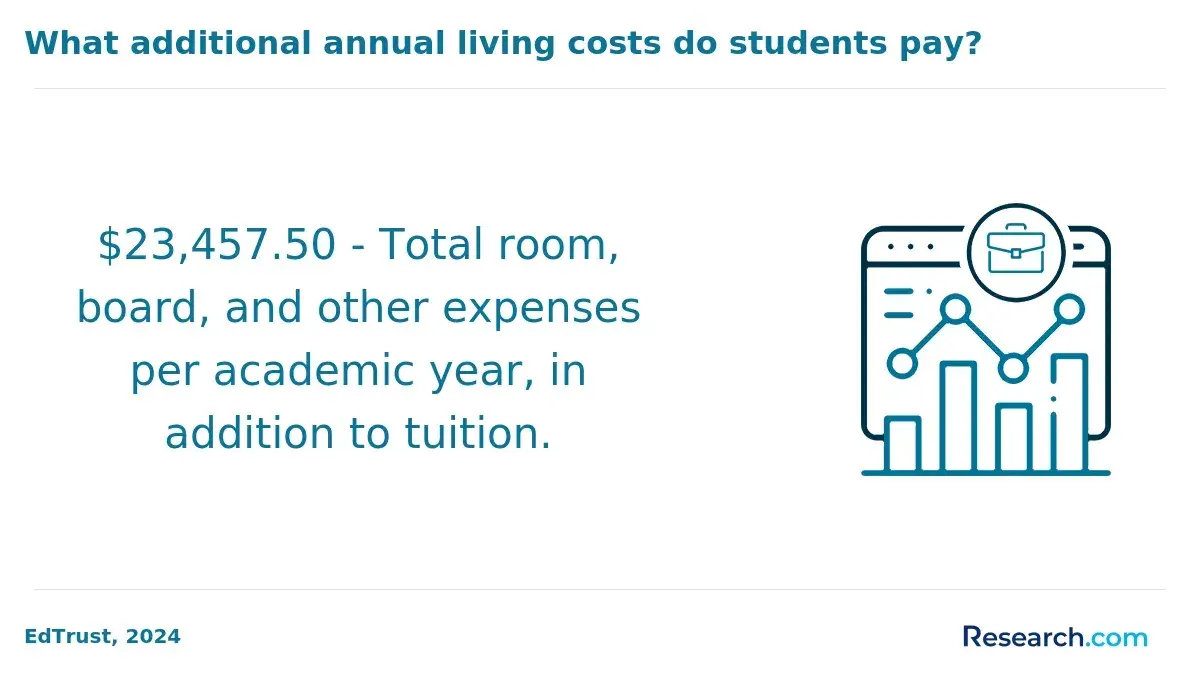
- Living or relocation expenses: Full-time students or those relocating face additional costs for housing, transportation, and daily necessities, which can substantially increase total spending.
- Opportunity cost: Time devoted to full-time study may reduce or eliminate wages from employment, a crucial factor in calculating true financial impact.
- Hidden or indirect costs: Additional fees for licensing exams, background checks, or certification requirements can create surprise charges not always included in initial estimates.
I spoke with a recent graduate of a counselor education program who shared candid reflections on the financial commitment. He described how juggling part-time jobs while studying felt like walking a financial tightrope, noting, "The tuition wasn't the only hurdle-I underestimated how much relocating and daily expenses would add up."
He added that indirect costs, like several mandatory background checks and exam fees, took what felt like a "smaller bite" out of his budget each time but collectively became significant. His experience underscored that truly knowing the cost means accounting for both visible charges and these less obvious financial demands, making the ROI clearer and more realistic to assess.
What Financial Aid Is Available for Counselor Education Degree Programs?
Financial aid can significantly reduce the initial expenses of a counselor education degree, enhancing the program's long-term return on investment by lowering debt and out-of-pocket costs. Studies reveal that approximately 85% of graduate students receive some form of financial aid to help manage their education expenses. Below are several common financial aid options that can impact both costs and ROI for students pursuing this field.
- Scholarships: These awards, based on merit or financial need, do not require repayment and directly reduce the overall cost of the degree, thereby decreasing debt and improving ROI.
- Grants: Typically need-based, grants provide non-repayable funds that lessen the need for borrowing, helping students avoid accumulating high-interest debt.
- Fellowships: Offered in return for research or teaching contributions, fellowships include stipends that offset tuition or living expenses, effectively lowering financial burdens while supporting academic growth.
- Employer Tuition Assistance: Many working professionals receive partial or full tuition coverage from employers, which minimizes personal spending and boosts ROI by decreasing direct educational costs.
- Federal Loans: Although loans require repayment, federal options often feature lower interest rates and flexible terms, allowing borrowers to manage debt responsibly without heavily undermining their financial returns.
Using these financial aid sources strategically enables students to control educational expenses and reduce reliance on costly borrowing, thereby enhancing the economic benefits of earning a counselor education degree.
How Long Does It Take to Complete a Counselor Education Degree?
Time to complete a counselor education degree influences its return on investment (ROI) by impacting opportunity costs, total expenses, and the point at which graduates can start earning professionally. Finishing sooner reduces income lost during study and accelerates financial gains. Several factors shape how quickly students finish, affecting both costs and earnings.
Key considerations include:
- Enrollment status: Full-time students often complete their degrees faster, limiting opportunity costs, but may face higher immediate tuition and living expenses. Part-time study provides flexibility but extends completion time and accumulates additional costs.
- Program format: Online or accelerated programs can shorten the duration by offering flexible pacing and condensed coursework, reducing both time and financial burdens.
- Transfer credits: Bringing in relevant graduate credits from previous studies can significantly cut down the time required to graduate, improving overall ROI.
- Practical requirements: Internships, theses, or comprehensive projects might lengthen the program depending on scheduling, which can delay entering the workforce.
- Scheduling flexibility: Options like evening or weekend classes help working students maintain income while studying but may prolong the degree timeline, sometimes balancing out total expenses.
I spoke with a recent graduate of a counselor education degree to hear about her experience with timing and ROI. She recalled that juggling evening classes with a full-time job extended her program beyond the typical schedule. "It was challenging managing both, especially during the internship," she said, reflecting on the intense workload and occasional sacrifices of personal time.
However, she also noted that the ability to keep earning paid off in the long run, easing financial strain. She appreciated how the program's practical components deepened her skills, even if they added time. "In the end, completing the degree at my own pace without rushing helped me build confidence and prepared me better for the profession," she added, highlighting how the balance she struck ultimately enhanced her return on investment despite a longer timeline.
Is ROI Higher for Online or On-Campus Counselor Education Programs?
The delivery format of counselor education degree programs significantly impacts return on investment (ROI) through differences in cost, flexibility, and career outcomes. Recent higher-education trends show that online enrollment has increased by more than 30% over the past decade, reflecting growing demand for remote learning options. Prospective students evaluating online vs on-campus counselor education ROI should consider several factors affecting cost and long-term benefits.
Key distinctions between online and on-campus formats include:
- Tuition and fees: Online programs generally feature lower tuition and fees, making them more accessible for many students seeking affordable education.
- Opportunity cost: Flexible online schedules reduce opportunity costs for working professionals by allowing them to balance employment and study more effectively.
- Time to completion: Accelerated course formats available online often enable students to complete their degrees faster, potentially entering the workforce sooner and improving early ROI.
- Networking and career services: On-campus programs typically offer stronger networking opportunities, internships, and comprehensive career resources that can influence job prospects.
- Employer perception and long-term earnings: Many employers still prioritize graduates of on-campus programs for subtle professional skills and internships, which may affect earning potential and career advancement.
When considering return on investment counselor education programs, it's essential to balance these factors based on individual circumstances and career goals. For those interested in exploring accredited online counseling programs, this resource offers valuable information about affordable options tailored to remote learners.
What Is the Average Salary After Earning a Counselor Education Degree?
Post-graduation earnings are a primary factor when assessing the return on investment (ROI) of a counselor education degree, as higher salaries help graduates offset education costs and build long-term financial security. In the United States, average counselor education degree salary ranges from $40,000 to $65,000 annually, varying by role and work environment. For many, post-graduation earnings for counselor graduates can influence career decisions and ROI expectations.
Several key factors affect these salary outcomes and ultimately impact ROI:
- Industry: Counselors working in healthcare or private practice generally earn more than those in community organizations or educational settings, which can boost long-term earning potential.
- Geographic location: Salaries fluctuate based on region, with urban areas or states with higher living costs offering better pay, significantly influencing financial returns.
- Prior experience: Counselors with more experience typically command higher salaries, enhancing ROI compared to those entering entry-level roles.
- Specialization: Focusing on areas like mental health or substance abuse counseling often leads to increased salary opportunities within the field.
- Career level: Advanced positions such as supervisors or program directors provide greater compensation, improving ROI over time.
Prospective students interested in expanding their qualifications might also explore options like a masters in psychology online programs to complement their counselor education degree and potentially enhance their earnings further.
Does a Counselor Education Degree Lead to Promotions?
Promotions enhance the return on investment (ROI) of a counselor education degree by often bringing salary increases, expanded responsibilities, and greater career mobility. These advances collectively improve both the financial and professional benefits of pursuing advanced education. A growing workforce trend emphasizes credential-based promotions, where many organizations require advanced degrees for leadership and specialized roles, creating clearer pathways for career advancement.
Key factors illustrating how a counselor education degree supports promotional opportunities and career advancement with a counselor education degree include:
- Credential requirements: Many supervisory or administrative roles increasingly demand formal qualifications. Earning a counselor education degree helps meet these requirements, positioning graduates for higher-level positions.
- Leadership preparation: This degree equips individuals with essential leadership and counseling skills needed to excel in expanded responsibilities, making candidates more competitive for promotions.
- Employer tuition assistance: Access to tuition reimbursement programs can reduce education costs, encouraging degree completion and enhancing ROI by lowering financial barriers.
- Promotion policies: Internal company practices often favor candidates with advanced degrees for career advancement, aligning education with organizational goals.
- Experience synergy: Combining professional experience with a counselor education degree enhances a candidate's qualifications and strengthens promotional prospects.
Promotional opportunities for counselors with advanced degrees are increasingly influenced by these factors, reinforcing the value of further education. Considering career growth, this makes counselor education a strategic choice compared to other degrees that make the most money.
Which Industries Offer the Best ROI for Counselor Education Graduates?
The return on investment (ROI) for graduates with a counselor education degree varies significantly across industries due to differences in salary levels, career progression opportunities, and the demand for specialized counseling skills. Graduates looking for the highest paying industries for counselor education graduates should consider how these factors influence their potential earnings and job stability. Below are several industries known for providing some of the best ROI careers in counseling education.
Industries with strong financial and career returns often feature competitive salaries, clear paths for advancement, and steady demand for specific counseling expertise. These attributes help graduates recover educational costs more rapidly while building rewarding long-term careers.
- Healthcare: This sector offers competitive pay and a consistent need for mental health counselors, fueled by growing mental health awareness and integration of counseling within medical care. The steady demand supports job stability and opportunities for specialization that enhance career growth.
- Education: Roles in school and academic counseling provide reliable employment with benefits, while promotion potential and tenure opportunities further boost long-term career gains. This environment supports graduates seeking steady advancement.
- Government and Social Services: Public sector jobs provide strong job security and benefits, with options to specialize in areas such as substance abuse or family counseling. Community program funding maintains stable demand for these roles.
- Corporate Counseling and Employee Assistance: This emerging field offers competitive salaries linked to improving workplace mental health and productivity. Counselors here can benefit from career growth tied directly to organizational development initiatives.
Students or professionals exploring cost-effective educational paths may also want to consider pursuing fast online degrees to maximize ROI in counseling careers.
Does Accreditation Affect ROI for a Counselor Education Degree?
Accreditation in counselor education degree programs signifies that an external organization has reviewed and verified the program meets established quality standards specific to counseling and mental health training. This certification is vital for students because it directly impacts the return on investment by validating the program's credibility in the job market.
As licensure requirements tighten nationwide, employers are placing greater emphasis on hiring graduates from accredited programs, recognizing these credentials as reliable indicators of professional readiness. This shift has made accreditation essential not only for immediate employment prospects but also for meeting state licensure standards required to practice professionally.
Accredited counselor education programs often yield stronger long-term ROI by fostering employer confidence and facilitating career advancement. They also increase access to federal financial aid, reducing the financial burden of education while ensuring that completed coursework is transferable to other institutions if students choose to continue their studies.
Moreover, accreditation ensures graduates meet the prerequisites for state licensure, which is crucial for securing roles in counseling fields and achieving career mobility. These combined factors help graduates maximize the value of their education investment throughout their professional lives.
Is a Counselor Education Degree Worth It?
The return on investment for a counselor education degree largely depends on several financial and career factors. Tuition fees and the duration of the program, often ranging from two to three years, affect overall costs and opportunity costs due to time away from full-time employment.
Graduates typically earn between $40,000 and $60,000 annually, with potential increases through licensure, specialization, and experience. Career advancement is common, as higher-level counseling roles often require advanced degrees and credentials, which can lead to increased earnings and leadership opportunities.
Whether this degree is a good investment varies based on individual and market conditions. Strong industry demand and projected employment growth around 23% over the next decade support favorable outcomes in many cases. Programs offering flexible formats, such as online or part-time study, can reduce opportunity costs.
However, the availability of financial aid and alignment with clear career objectives are critical; without adequate funding or demand in a chosen specialization, the financial benefits may be limited despite the upfront investment.
What Graduates Say About The ROI of Their Counselor Education Degree
- Jireh: "Pursuing a counselor education degree as a traditional student was a big financial commitment, especially with the average cost hovering around $30,000. However, knowing the long-term ROI in terms of job stability and personal fulfillment made it worth every penny. Now, as a licensed counselor, I see how this degree opened doors I hadn't imagined."
- Henrik: "Choosing an online counselor education program was a practical decision, balancing cost and flexibility. With expenses often lower than on-campus alternatives, I found the investment justified given the career advancement opportunities it unlocked. Completing the program has transformed my ability to support clients effectively while managing my work schedule."
- Weston: "Opting for the part-time counselor education route allowed me to work while studying, which made the cost manageable despite the degree's average price tag. Reflecting back, the initial financial strain was definitely worth it considering the professional credibility and growth I've achieved. This degree truly enhanced my counseling career and confidence."
Other Things You Should Know About Counselor Education Degrees
In 2027, job placement for counselor education graduates largely hinges on state licensure. While demand in certain regions is high, some areas may face saturation, leading to competitive job markets that can delay return on investment.
Yes, most states require graduates to obtain licensure or certification to practice as professional counselors. This often involves completing supervised clinical hours and passing a state-recognized exam. Licensure requirements vary by state and specialty, so graduates should check their regional regulations early in their education.
In 2027, counselor education graduates can expect salaries ranging from $45,000 to $65,000 annually, depending on location and specialization. Areas like school counseling may have lower starting salaries than clinical roles. Salary can increase with experience and additional certifications.
References
- Counseling Degree Salary Guide: Can You Make Good Money? https://careersinpsychology.org/can-counseling-degree-make-rich/
- College ROI | Understanding Return on Investment for College Degrees https://www.collegeflightpath.com/cfp-blog/understanding-the-roi-of-college-majors-financial-considerations
- How Long Does It Take to Become a Licensed Counselor? https://onlinecounselingprograms.com/become-a-counselor/how-long-does-it-take/
- Counseling Degrees Admissions and Program FAQs - Counseling Degree https://counselingdegree.org/admissions-and-program-faqs/
- Teaching Degree ROI Guide: The Return on Investment You Can Expect with a Degree in Education https://www.educationdegree.com/articles/return-on-investment-guide-to-education-degrees/
- Online Education vs. On-Campus Tuition: How ACE Online Degree Programs Help Keep Your Costs Down | ACE Blog https://ace.edu/blog/online-education-vs-on-campus-tuition-how-ace-online-degree-programs-help-keep-your-costs-down/
- What You Can Do with a PhD in Counselor Education & Supervision | Palo Alto University https://paloaltou.edu/resources/blog/what-you-can-do-phd-counselor-education-supervision
- 25 Counseling Scholarships for Graduate Students https://teach.com/online-ed/counseling-degrees/best-online-counseling-programs/scholarships/
- Counselor Education (M.A., Ph.D.) - Graduate Degrees - Adams State University https://www.adams.edu/academics/graduate/counselor-education/
- Career Pathways and ROI: Which Courses Are Worth Investing In 2026–2030 https://www.invest4edu.com/blog/career-pathways-roi-courses


