
2027 Return on Investment (ROI) of a Fine Arts Degree Program

Co-Founder and Chief Data Scientist
Many prospective students worry about the financial viability of pursuing a fine arts degree amid rising tuition costs and uncertain career prospects. For example, recent studies show that only 56% of fine arts graduates secure full-time work in their field within five years, highlighting a gap between education and employment. This raises critical questions about the return on investment (ROI) of such programs.
This article explores the economic outcomes of fine arts degrees, examining tuition expenses, employment rates, earnings potential, and career advancement opportunities to help readers make informed decisions about their education and financial future.
Key Things to Know About Fine Arts Degree ROI
- Fine arts graduates may start with lower average salaries than STEM fields, but many experience consistent salary growth of 3-5% annually through portfolio expansion and reputation building.
- Career advancement is often tied to skill diversification, with fine arts professionals branching into design, media, and education sectors, enhancing job stability and earning potential.
- Flexibility across industries allows fine arts graduates to adapt to freelance, corporate, or academic roles, improving long-term job resilience amid market fluctuations.
How Is ROI Calculated for a Fine Arts Degree Program?
Return on investment (ROI) in higher education quantifies the financial benefits a student gains from a degree relative to the costs and time invested. This metric helps students weigh the economic value of a fine arts degree, balancing educational expenses against future career earnings and opportunities.
Several important factors are considered when calculating the ROI for fine arts programs. These include:
- Tuition and fees: This covers the full cost of enrollment, including tuition, required materials, and academic fees. Accurately understanding these expenses is essential for evaluating the upfront investment.
- Opportunity cost: The income foregone by studying instead of working is a crucial consideration. Time spent earning elsewhere represents lost wages that affect the overall economic impact.
- Time to completion: The length of the degree program influences ROI since longer programs delay workforce entry. Shorter completion times generally improve returns by reducing years without earned income.
- Post-graduation salary outcomes: Expected earnings immediately after graduation strongly affect ROI. Examining typical salaries and employment rates for fine arts graduates helps estimate financial returns accurately.
- Long-term earning potential: Career growth in creative fields or related areas often leads to higher earnings over time. This potential advancement is key to calculating the overall value of a fine arts degree.
Prospective students should carefully consider these variables when calculating return on investment for fine arts degree programs. For those exploring broader educational options, comparing fine arts to other fields-such as AI degrees online-can provide additional context. Calculating costs and earnings for fine arts programs requires balancing immediate expenses against future financial opportunities to make informed decisions.
How Much Does a Fine Arts Degree Program Cost?
Accurately gauging the total cost of a fine arts degree is vital when evaluating its return on investment, especially as graduate tuition fees have risen by approximately 3% annually over the past ten years. This increase contributes to an average student loan debt of over $66,000 for graduate borrowers, underscoring the importance of a comprehensive cost analysis.
The following factors typically influence the overall expense and ROI of a fine arts program:
- Tuition and fees: These constitute the largest direct expense but can vary significantly based on the school and duration of study.
- Books and materials: Specialized art supplies, software licenses, and equipment are often necessary, adding to the financial burden.
- Living and relocation expenses: Costs related to housing, transportation, and daily necessities depend heavily on the program's geographic location, potentially increasing total budget requirements.
- Opportunity cost: Time invested in the degree often means income loss and fewer opportunities for career advancement during those years.
- Hidden or indirect costs: Additional fees for portfolio development, exhibitions, and workshops may arise unexpectedly, influencing overall affordability.
When I spoke with a graduate of a fine arts degree, he shared how the financial strain extended beyond tuition. "Managing the cost of materials was tough-high-quality canvases and professional software licenses quickly added up," he explained.
He also emphasized how relocating to attend a prestigious program meant higher living expenses than expected, which felt overwhelming at times. "Balancing part-time work with studio time was exhausting but necessary," he reflected, illustrating how much the total cost can exceed initial estimations and impact the student experience significantly.
What Financial Aid Is Available for Fine Arts Degree Programs?
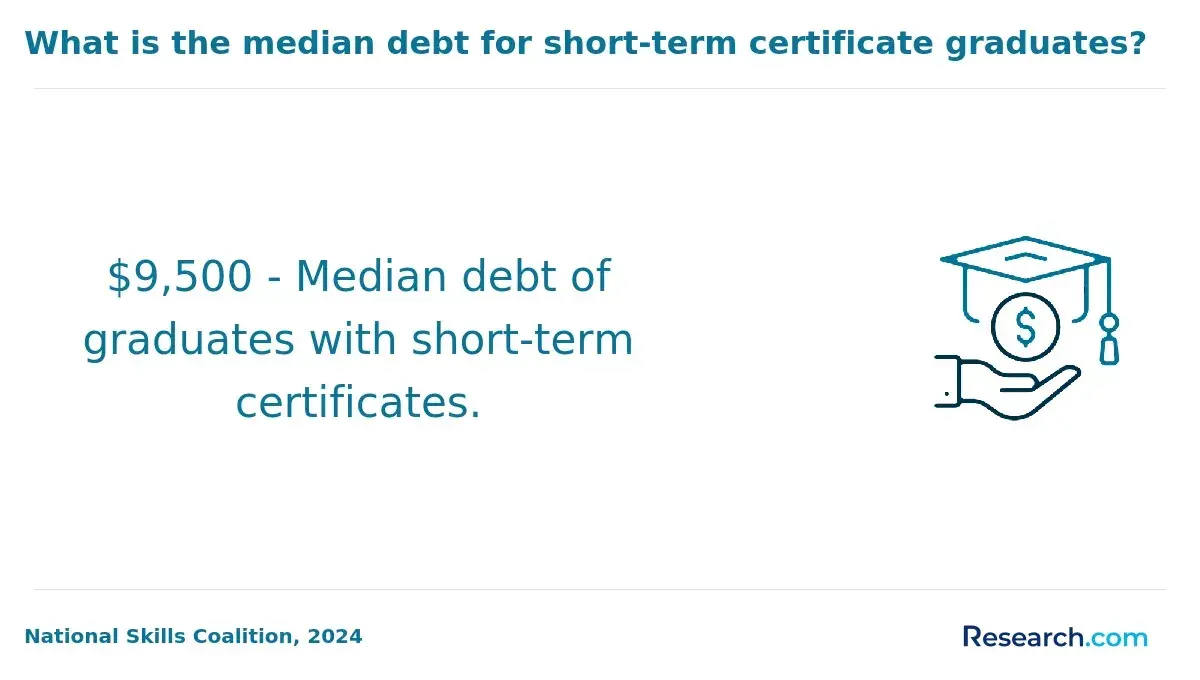
Financial aid can significantly reduce the initial expenses of pursuing a fine arts degree, which in turn enhances the overall return on investment by lowering the total cost and easing debt repayment. Recent data from the National Center for Education Statistics shows that approximately 62% of bachelor's graduates have student loan debt, underlining the role of financial aid in managing education costs.
Several financial aid types can help improve the ROI of fine arts programs by making education more affordable and reducing reliance on loans. Common options include:
- Scholarships: Typically awarded based on merit, these funds do not require repayment and directly reduce tuition fees, improving affordability and net ROI.
- Grants: Need-based and non-repayable, grants provide vital financial support to students, which can decrease the need for borrowing and associated debt.
- Fellowships: Usually for graduate students, fellowships offer stipends or tuition coverage, helping cover living expenses and tuition, thereby increasing financial support during studies.
- Employer Tuition Assistance: Some working students benefit from employer programs that reimburse tuition costs, lowering out-of-pocket spending and boosting ROI by reducing loan dependency.
- Federal Student Loans: While adding to debt, these loans generally have lower interest rates and flexible repayment plans that make financing education manageable and protect long-term financial health.
How Long Does It Take to Complete a Fine Arts Degree?
The duration required to finish a fine arts degree significantly influences its return on investment (ROI) by affecting both opportunity costs and total expenses. The longer a student spends pursuing the degree, the more tuition and living costs accumulate, while income-earning potential is delayed. Balancing time spent in school against earlier entry into the workforce is crucial for maximizing financial outcomes.
Several important factors shape how quickly a fine arts degree can be completed and ultimately impact ROI:
- Enrollment status: Attending full-time typically leads to finishing in about four years, but part-time students often extend their studies, which increases overall costs and postpones earning a full-time income.
- Program format: Online or accelerated programs offer flexible pacing and can reduce the length of study, helping students decrease living expenses and opportunity costs.
- Transfer credits: Students who bring in applicable credits from prior education may shorten their degree pathway, saving time and money.
- Internship or thesis obligations: These components might add months to complete but can significantly enhance professional skills and competitiveness in the job market.
- Scheduling flexibility: Options like evening or weekend classes assist working students but often extend time to graduation, potentially raising total expenses.
When I spoke with a recent fine arts graduate about her experience, she described balancing part-time enrollment with a demanding internship as a "challenging juggling act." She shared that spreading out courses allowed her to maintain a modest income but also meant the degree took longer than planned. "It was tough waiting to start my career full-time," she said, "yet the hands-on experience during the internship proved invaluable."
Reflecting on her journey, she emphasized how the time investment shaped not only her financial situation but also her professional confidence and network, making the extended timeline ultimately worthwhile.
Is ROI Higher for Online or On-Campus Fine Arts Programs?
The delivery format of fine arts degree programs significantly affects their return on investment (ROI) through differences in cost, flexibility, and career outcomes. In 2023, over 40% of graduate students chose online education, highlighting the increasing acceptance and accessibility of remote learning options. This trend is particularly relevant when examining online vs on-campus fine arts degree ROI.
Key factors influencing this comparison include:
- Tuition and Fees: Online programs generally offer lower tuition and fees, reducing upfront expenses. This affordability can make a fine arts program more accessible to a wider range of students and lessen financial strain.
- Opportunity Cost: Online flexibility allows students to maintain employment while studying, which decreases the opportunity cost often associated with full-time, on-campus attendance. This factor contributes to a more favorable fine arts program return on investment comparison.
- Networking and Career Services: Traditional on-campus programs typically provide more robust networking opportunities and career support, which can improve long-term earning potential and job placement.
- Employer Perception: Degrees earned on-campus may be viewed by employers as more rigorous or prestigious, potentially enhancing job prospects relative to online credentials.
- Time to Completion: Both formats generally offer similar completion times; however, online programs provide flexible pacing that benefits working professionals balancing multiple commitments.
Prospective students should consider these aspects carefully and explore options that align with their career goals and financial situation. For those researching further options in flexible learning pathways, resources like counseling degrees online accredited can provide additional insights into affordable online programs with solid outcomes.
What Is the Average Salary After Earning a Fine Arts Degree?
Post-graduation salary is a crucial factor in evaluating the return on investment (ROI) of a fine arts degree, as it directly impacts how quickly graduates repay educational expenses and attain financial stability. On average, fine arts degree holders in the United States earn between $40,000 and $60,000 annually, with entry-level roles typically near the lower end and experienced professionals commanding higher wages.
Several factors influence these salary outcomes and ultimately affect ROI:
- Industry: Earnings vary significantly depending on whether graduates work in entertainment, education, design, or gallery management, with commercial sectors often offering higher pay.
- Geographic location: Urban areas known for vibrant art communities usually provide better salaries but come with increased living costs, which can influence actual take-home pay and overall ROI.
- Prior experience: Internships and freelance opportunities during studies often boost starting salaries by demonstrating practical skills and professionalism.
- Specialization: Disciplines such as graphic design or digital media often yield stronger financial outcomes than traditional or theoretical fine arts fields.
- Career level: Advanced or leadership roles typically come with greater compensation, positively impacting long-term financial returns.
Prospective students comparing fine arts graduate income statistics may also consider exploring more affordable educational paths, such as cheap psychology masters programs, to balance costs and potential earnings.
Breakdown of All Fully Online Title IV Institutions

Does a Fine Arts Degree Lead to Promotions?
Promotions play a crucial role in increasing the return on investment (ROI) of a fine arts degree by boosting salary, expanding responsibilities, and enhancing career mobility. As organizations place more emphasis on credential-based advancement, the value of formal education for higher-level positions continues to grow.
Several factors illustrate how a fine arts degree can influence promotion opportunities and support career advancement with a fine arts degree:
- Credential requirements: Many creative industries and organizations prioritize candidates who meet formal education standards for promotion. A fine arts degree often satisfies these essential criteria, making graduates more competitive for advancement.
- Leadership preparation: The degree equips students with critical thinking, communication, and leadership skills vital for managing broader roles, which enhances their promotion prospects.
- Employer tuition support: Some companies encourage internal promotion by offering tuition assistance for employees pursuing fine arts studies, reducing educational costs and fostering career growth.
- Promotion policies: Internal advancement frequently considers a combination of relevant experience and educational qualifications. Holding a fine arts degree alongside work experience can improve chances of moving up the career ladder.
- Managerial opportunities: The degree can open doors to leadership positions requiring both artistic expertise and business understanding, potentially accelerating promotions and overall career trajectory.
While a fine arts degree alone does not guarantee promotions after fine arts degree completion, it strengthens one's candidacy by fulfilling educational requirements and honing skills valued by employers. For those considering cost-effective options to maximize ROI, exploring cheap online degrees in related fields may offer additional pathways to career advancement.
Which Industries Offer the Best ROI for Fine Arts Graduates?
The return on investment (ROI) for fine arts graduates differs significantly across industries due to variations in salary levels, career advancement opportunities, and demand for specialized skills. These factors shape the financial and professional benefits that graduates can expect from their educational investment.
Several industries are known to provide some of the highest ROI for fine arts graduates:
- Entertainment and Media: This field highly values creative expertise in visual effects, animation, and design. Graduates often experience salary growth and promotions linked directly to project success and accumulated experience.
- Advertising and Marketing: Skills in branding, illustration, and visual communication are in strong demand, leading to stable career paths with leadership opportunities and competitive salary increases.
- Architecture and Interior Design: These professions blend artistic talent with technical proficiency, offering long-term job stability and progressive pay increases as professionals advance.
- Technology and Video Game Development: Combining fine arts with technical capabilities, roles in game design and user experience command lucrative salaries and benefit from growing market demand.
- Education and Museums: Although compensation tends to be moderate, these sectors provide steady employment and clear avenues for career progression within cultural institutions.
For those exploring higher education options, some may find that pursuing one year masters programs online offers an efficient path to enhance skills and increase ROI in these industries. Fine arts career ROI comparison consistently shows that sectors balancing creativity with technical proficiency and offering structured advancement tend to deliver the greatest financial and professional returns.
Does Accreditation Affect ROI for a Fine Arts Degree?
Accreditation in fine arts degree programs signifies official approval by a recognized agency that the curriculum, faculty, and facilities meet defined quality standards. This validation is crucial because it affects how employers perceive a graduate's training and skills, often influencing hiring decisions. A notable trend is that employers increasingly prioritize candidates from accredited programs, especially when roles demand verified expertise or professional credentials.
As a result, accreditation can enhance the value of a degree by assuring its relevance and rigor in the job market. Beyond immediate job prospects, accreditation also plays a vital role in long-term return on investment. It can increase access to financial aid, helping students manage costs and reduce loan burdens.
Additionally, accreditation ensures credits are transferable between schools and supports eligibility for professional licenses or certifications, which are often prerequisites for advanced career opportunities. These factors collectively improve career flexibility and earning potential, making an accredited fine arts degree a strategic choice for sustainable career growth.
Is a Fine Arts Degree Worth It?
The return on investment for a fine arts degree depends on several financial and career-related factors. Tuition and material costs, along with the typical two to four years needed to complete the program, contribute to the overall expense. Salaries for fine arts graduates tend to be lower than those in STEM fields, often ranging between $40,000 and $50,000 annually.
Career progression usually relies more on building a strong portfolio, networking, and personal branding than on traditional corporate advancement paths. A fine arts degree can be worthwhile when students take advantage of financial aid, flexible study options like part-time or online programs, and align their goals with creative industries in demand. For those motivated by passion and artistic fulfillment, the degree may offer value beyond monetary returns.
However, individuals prioritizing higher salaries or faster employment may find the financial benefits less appealing. Overall, the decision hinges on balancing costs, career prospects, and personal aspirations within the arts sector.
What Graduates Say About The ROI of Their Fine Arts Degree
- Michael: "Choosing a traditional fine arts degree was a big commitment, especially given the average cost of attendance hovering around $30,000 per year. But looking back, I genuinely believe the investment paid off - my wide network and rigorous training opened doors in galleries and museums that wouldn't have been possible otherwise."
- Nica: "As an online fine arts student, I appreciated the flexibility and comparatively lower tuition fees, which made the decision easier when considering the long-term ROI. Although the hands-on experience felt different, completing my program boosted my professional credibility, leading to freelance and contract opportunities I'd only dreamed of before."
- Kent: "Balancing a part-time fine arts degree with work was challenging but necessary to manage costs that average around $20,000 yearly. In retrospect, the program's focused curriculum and industry connections significantly impacted my career trajectory, transforming my passion into sustainable professional practice."
Other Things You Should Know About Fine Arts Degrees
In 2027, the job market significantly impacts the ROI of a Fine Arts degree. Career opportunities in design, multimedia, and education show moderate growth, enhancing potential earnings. However, competition remains high, affecting initial salaries. An adaptable skill set can improve marketability, potentially boosting ROI.
The skills gained from a fine arts degree are highly adaptable for various industries beyond the arts. In 2027, skills such as creative problem-solving, project management, and visual communication are valuable in fields like marketing, education, and tech. This adaptability enhances the degree's ROI by opening diverse career paths.
Beyond financial returns, a fine arts degree can enhance personal fulfillment, creative expression, and critical cultural understanding. Graduates often gain confidence, resilience, and problem-solving skills that contribute to long-term career satisfaction, which factors into the overall intangible ROI of the program.
References
- College ROI | Understanding Return on Investment for College Degrees https://www.collegeflightpath.com/cfp-blog/understanding-the-roi-of-college-majors-financial-considerations
- College Accreditation Does Not Guarantee Good Student Outcomes - FREOPP https://freopp.org/whitepapers/college-accreditation-does-not-guarantee-good-student-outcomes/
- What can you do with a fine art degree? - University of Sunderland https://www.sunderland.ac.uk/study/explore/arts-creative-industries/why-fine-art-degree-worth-it/
- The Most Popular College Degrees Ranked by Return on Investment (ROI) After 5 Years in the Workforce - StudentChoice.org https://www.studentchoice.org/news/the-most-popular-college-degrees-ranked-by-return-on-investment-roi-after-5-years-in-the-workforce/
- Bachelor of fine arts (what to expect at university and life after) https://www.immerse.education/university-preparation/choosing-a-degree/bachelor-of-fine-arts/
- 5Ways a Bachelor of Fine Arts Can Skyrocket Your Career https://bseduworld.com/blogs-bachelor-of-fine-arts-degree-benefits/
- Bachelor in Fine Art - Oslo National Academy of the Arts https://khio.no/en/study-programmes/babk
- Discover the Highest Paid Jobs in the Art Field https://rossettiart.com/blogs/news/what-is-the-highest-paid-job-in-art


