
2027 Return on Investment (ROI) of a Food Industry Management Degree Program

Co-Founder and Chief Data Scientist
Many prospective students worry whether investing in a food industry management degree will yield sufficient career advancement and salary growth. With rising tuition costs and evolving industry demands, understanding job prospects is crucial. Recent data shows the food service management sector expects a 10% employment growth through 2030, faster than the average for all occupations.
This article examines the return on investment of a food industry management degree by analyzing salary trends, employment rates, and career pathways. It aims to help readers determine if the degree's benefits justify the financial and time commitments involved.
Key Things to Know About Food Industry Management Degree ROI
- Graduates with a food industry management degree see a 15% higher average starting salary compared to those with general business degrees, reflecting strong earning potential.
- This degree opens career advancement opportunities in supply chain, quality assurance, and product development roles within diverse food sectors.
- Job stability is high due to consistent demand for food production and safety experts, with projected industry employment growth of 5% over the next decade.
How Is ROI Calculated for a Food Industry Management Degree Program?
Return on investment (ROI) in higher education measures the financial value gained from earning a degree relative to the costs and time invested. For those considering a food industry management degree program, ROI helps evaluate whether the benefits outweigh the expenses and effort needed to complete the course.
Several key factors contribute to calculating ROI for this type of degree. These include:
- Tuition and Fees: This includes all direct costs such as tuition, books, supplies, and additional fees. These expenses represent the initial financial investment that must be recovered through future earnings.
- Opportunity Cost: Time spent studying means foregone income or career advancement opportunities. Accounting for lost wages during the program is essential to assess the actual financial sacrifice.
- Time to Completion: The duration of the program impacts both direct and opportunity costs. Faster completion generally lowers total costs and reduces lost income.
- Post-Graduation Salary: Expected salary increases after graduation are critical for ROI. Higher starting salaries or rapid wage growth can accelerate recovery of educational investments.
- Career Advancement and Long-Term Earnings: The degree may provide access to promotions, leadership roles, or other salary increases that enhance lifetime earnings and improve ROI.
Prospective students conducting a food industry management degree program cost versus earnings analysis should also explore related options such as MBA programs that may complement or enhance career prospects.
How Much Does a Food Industry Management Degree Program Cost?
Accurately assessing the total cost of a food industry management degree is vital to determine its true return on investment, especially since graduate student debt in the U.S. averages around $66,000. Tuition alone doesn't reflect the full financial commitment required for these programs.
Several cost factors play a role in shaping the overall investment:
- Tuition and fees: These are the main expenses encompassing course delivery and institutional support, typically ranging widely based on program format and school.
- Books and materials: Students often face additional costs for textbooks, software, and educational supplies, which can add up to a substantial yearly amount.
- Living and relocation expenses: For those attending on-campus classes, housing, food, and transportation costs depend heavily on the program's location and personal circumstances.
- Opportunity cost: Time spent studying full-time may mean lost income or career opportunities, a critical but sometimes overlooked financial consideration.
- Indirect costs: Expenses such as technology upgrades, exam fees, and participation in professional networking events also factor into the total investment.
When asked about the cost, a food industry management graduate shared, "Balancing expenses was tougher than I expected-between tuition, relocating, and the hours I had to take off work, I felt stretched financially." He mentioned spending extra on specialized software and how attending a few key industry events added unexpected bills. "I questioned if it was worth it during the program, but gaining the skills and connections gradually made me confident the investment would pay off."
What Financial Aid Is Available for Food Industry Management Degree Programs?
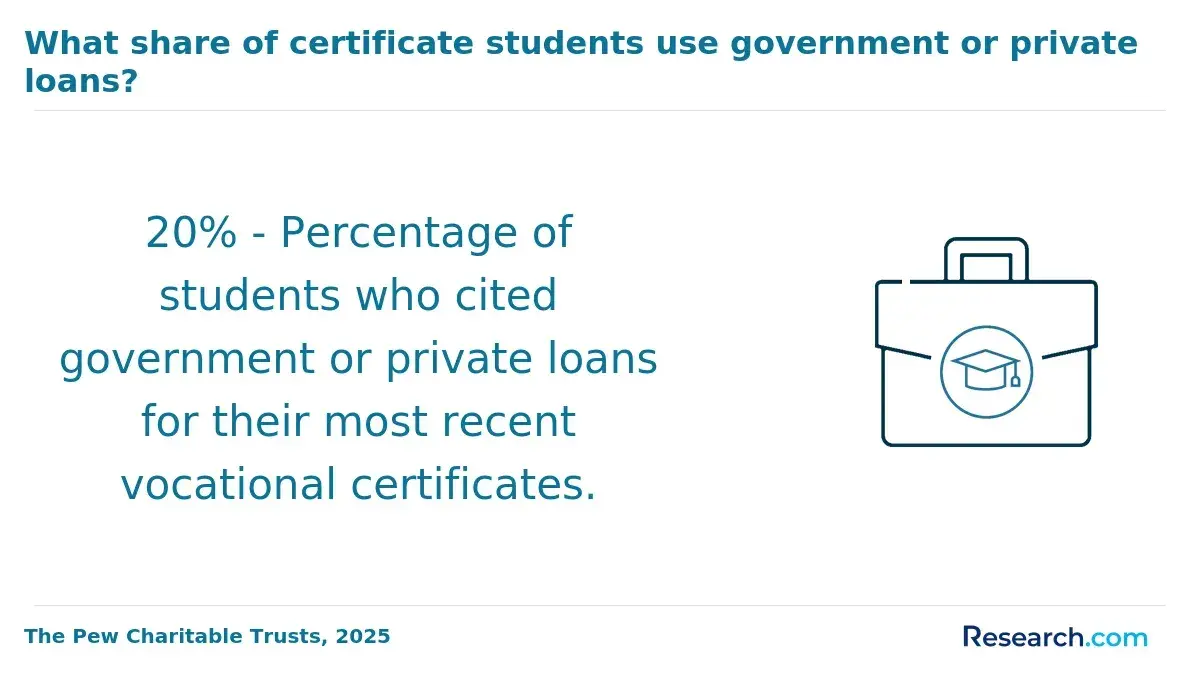
Reducing upfront education costs through financial aid can significantly enhance the long-term return on investment for students pursuing a food industry management degree. Data shows that more than 60% of graduate students in the U.S. use some form of financial assistance to help manage expenses and limit borrowing.
Common financial aid options available for food industry management programs include:
- Scholarships: These awards, based on merit or financial need, do not require repayment and help reduce overall education costs, decreasing the amount of debt students need to take on.
- Grants: Provided by government agencies or private organizations, grants also do not require repayment and can substantially lower tuition expenses, improving the net benefit of the degree.
- Fellowships: Aimed primarily at graduate students, fellowships may provide stipends or cover tuition, supporting academic or professional growth while minimizing financial pressures.
- Employer tuition assistance: Many employers offer programs that reimburse tuition fees partially or fully, allowing students to advance their education without increasing personal debt and often encouraging career progression.
- Federal student loans: Although these loans must be repaid, they usually offer lower interest rates and more flexible repayment options than private loans, making them a more manageable way to finance education while preserving cash flow.
How Long Does It Take to Complete a Food Industry Management Degree?
The time required to complete a food industry management degree directly affects its return on investment because it influences opportunity costs, the timing of entering the workforce, and the total expenses incurred. Faster completion means less income forgone and reduced overall costs, which can boost financial gains earlier in a career. Several variables determine how long it typically takes to finish this degree, shaping how soon graduates can benefit monetarily.
Key aspects that impact duration and ROI include:
- Enrollment status: Full-time students often complete their studies more quickly, minimizing lost income and accelerating career entry, while part-time students balance work with longer programs.
- Program format: Accelerated and online courses provide flexibility and can shorten degree timelines, especially for working professionals seeking faster progression.
- Transfer credits: Students entering with relevant prior coursework or certifications can reduce required classes, cutting both time and tuition expenses.
- Internships or thesis requirements: While these enhance hands-on experience and employability, they usually add months to the program duration, affecting time before earning full-time wages.
- Scheduling flexibility: Availability of evening, weekend, or self-paced classes allows students to tailor their study pace, influencing how quickly they finish.
I spoke with a graduate of a food industry management degree about her journey to completion. She recalled the challenge of juggling family responsibilities while attending mostly evening classes, which extended her program beyond the traditional timeline. "It felt like a careful balancing act every semester," she said, emphasizing how the part-time schedule enabled her to keep working but delayed her official graduation.
Despite the longer path, she appreciated the chance to apply course concepts directly to her current job, describing the experience as "a steady investment that blended learning with real-world application." Her story highlights that while shorter completion times improve ROI on paper, practical considerations and personalized pacing play a key role in how students navigate this degree's timeline.
Is ROI Higher for Online or On-Campus Food Industry Management Programs?
The format of a food industry management degree-online versus on-campus-can significantly affect the overall return on investment (ROI) due to differences in cost, flexibility, and career outcomes. With over 40% of higher education students now enrolled in some form of online learning, many prospective students consider how delivery method impacts both expense and professional advancement.
Key factors to examine when comparing online versus on-campus food industry management program ROI include:
- Tuition and fees: Online courses generally carry lower tuition and fees, making them more affordable upfront compared to traditional campus programs.
- Opportunity cost: An online format allows students to maintain employment while studying, reducing lost income and increasing overall cost-effectiveness.
- Time to completion: Many online food industry management degree programs offer accelerated options that can shorten the time needed to graduate.
- Networking and career services: On-campus programs often provide more robust face-to-face networking opportunities and personalized career support, which can influence long-term earning potential.
- Employer perception: While acceptance of online degrees is steadily growing, some employers may still favor candidates with traditional campus experience, potentially affecting job prospects.
When weighing food industry management degree ROI comparison, students should also explore options such as accredited online counseling programs to understand quality benchmarks for online education and make informed decisions that align with their career goals.
What Is the Average Salary After Earning a Food Industry Management Degree?
Post-graduation salary is a key driver of the return on investment (ROI) for a food industry management degree because it determines how quickly graduates can recover education costs and build financial stability. In the U.S., the average salary for graduates typically ranges from $50,000 to $85,000 annually, varying based on key influencing factors. These factors help shape realistic food industry management degree salary expectations and their impact on ROI.
Several important elements influence salary outcomes and thus affect the ROI of this degree:
- Industry sector: Salaries differ depending on whether graduates work in food manufacturing, supply chain management, retail, or quality control, which impacts earning potential.
- Geographic location: Higher wages are often found in urban centers or regions with a strong food production industry, positively influencing ROI.
- Prior experience: Having relevant internships or work history can increase starting salaries, shortening the time to financial return.
- Specialization: Concentrations like food safety, product development, or logistics have varied demand, affecting salary prospects.
- Career level: Advancement from entry-level to managerial roles significantly increases earning capability and long-term ROI.
Prospective students considering a food industry management degree alongside options like a library science degree online should weigh these salary factors carefully to assess cost versus benefit before enrollment.
Breakdown of All 4-Year Online Title IV Institutions

Does a Food Industry Management Degree Lead to Promotions?
Promotions serve as a major driver of return on investment (ROI) for those pursuing a food industry management degree by offering salary increases, broader responsibilities, and enhanced career mobility. These advancements help justify the time and financial commitment involved in earning the credential. A notable workforce trend is the increasing emphasis on credential-based promotion, where formal education plays a critical role in career advancement decisions.
Several key factors illustrate how a food industry management degree enhances promotion opportunities and overall ROI:
- Credential Requirements: Many employers now require formal education credentials for leadership roles, making a food industry management degree a crucial qualification for promotion.
- Leadership Preparation: The degree curriculum focuses on developing supervisory and managerial skills, equipping graduates to take on expanded responsibilities with confidence.
- Employer Tuition Support: Access to tuition assistance programs reduces the out-of-pocket cost of education, improving the financial return when promotions are achieved.
- Internal Promotion Policies: Organizations often align promotion decisions with educational attainment, favoring employees who hold relevant degrees when considering advancement.
- Experience and Education Synergy: Combining practical work experience with advanced education strengthens a candidate's competitiveness for higher-level positions in the food industry.
For professionals seeking career advancement with food industry management degree credentials, these factors collectively enhance the likelihood of upward mobility. Ultimately, this increases compensation potential and career stability, key elements in maximizing ROI. Prospective students can also explore complementary paths such as an online doctorate in organizational leadership to further boost their leadership and promotion prospects in related fields.
Which Industries Offer the Best ROI for Food Industry Management Graduates?
The return on investment (ROI) for food industry management graduates varies widely across industries due to differences in salary levels, career progression opportunities, and demand for specialized skills. Industries offering higher starting salaries combined with rapid promotion potential typically deliver the highest ROI. The best-paying food industry sectors after graduation often align with those supporting long-term job stability and ongoing management needs.
Key industries that tend to provide the strongest ROI for food industry management graduates include:
- Food manufacturing and processing: This sector offers competitive salaries and allows graduates to apply expertise in operational efficiency and supply chain management. Consistent demand fosters steady career advancement and income growth.
- Food retail and distribution: With its large scale and complex logistics, this industry offers plentiful management roles and rapid promotion, enhancing overall financial returns for graduates.
- Foodservice and hospitality: Rising consumer demand and innovation in dining create openings for management professionals, resulting in meaningful salary increases and career growth over time.
- Agriculture and food production: Emphasizing sustainability and technology, this field provides job stability and values food industry management skills for long-term career success.
- Consulting and food safety compliance: Specialized knowledge is highly prized here, often leading to premium compensation and leadership roles that boost ROI significantly.
Prospective students and professionals interested in maximizing the highest ROI careers for food industry management graduates should consider how industry trends align with their skills and goals. Exploring options such as the best online certificate programs can also complement a degree and enhance marketability in these lucrative sectors.
Does Accreditation Affect ROI for a Food Industry Management Degree?
Accreditation is a formal evaluation process conducted by independent agencies to verify that a food industry management degree program meets established academic and industry standards. This validation signals to employers that graduates possess the skills and knowledge needed for the workforce, which often increases job prospects and earning potential. Additionally, accreditation is becoming more critical as employers increasingly scrutinize the credentials of candidates, favoring those from recognized programs to ensure readiness for licensure and compliance with industry regulations.
Consequently, accreditation directly impacts the perceived value and return on investment of the degree. Over time, accreditation enhances ROI by building employer confidence in a graduate's qualifications, which can lead to better job opportunities and career advancement. It also plays a key role in qualifying students for federal financial aid, reducing financial barriers and easing upfront costs.
Accredited programs are more likely to offer credits that transfer to other institutions, supporting continuous education and skill development. Furthermore, accredited degrees facilitate eligibility for professional licensure in related fields, expanding career mobility within the food industry sector.
Is a Food Industry Management Degree Worth It?
The return on investment for a food industry management degree depends largely on program expenses, duration, and the earning potential after graduation. Tuition fees vary significantly by institution and course format, with programs typically taking two to four years to complete. Graduates often earn a median salary near $60,000 annually, though this fluctuates based on experience and location.
Opportunities for advancement within areas like production, quality assurance, or supply chain management can further enhance financial returns over time. Whether pursuing this degree is worthwhile hinges on multiple factors including steady demand in the food sector and the flexibility of program delivery, such as part-time or online options. Access to scholarships, grants, or employer tuition reimbursement can also ease upfront costs.
Individual goals play a pivotal role-those seeking a career shift, promotion, or specialized skills may find greater value. However, candidates needing immediate income or facing limited resources might explore alternative qualifications or certifications instead.
What Graduates Say About The ROI of Their Food Industry Management Degree
- Ria: "Choosing the food industry management degree program was a game changer for me. Although the average cost was around $30,000, the return on investment has been remarkable with my career advancing faster than I expected. The real-world skills and networking opportunities I gained have made every dollar absolutely worth it."
- Seth: "Reflecting on my decision to pursue a food industry management degree, the balance between cost and future benefits was a major factor. The program's tuition was a significant investment, but the flexibility and comprehensive curriculum allowed me to enhance my expertise while working. Completing the degree truly broadened my professional horizons and opened doors I hadn't imagined. "
- Melissa: "The food industry management degree was a strategic step for my career advancement. Despite the upfront costs averaging near $30,000, the credential's value quickly became evident as I secured leadership roles in a competitive market. This program equipped me with knowledge and confidence that continue to propel my professional growth."
Other Things You Should Know About Food Industry Management Degrees
In 2027, continued education and certification can enhance the Return on Investment (ROI) for a Food Industry Management Degree. Graduates with advanced skills and certifications often secure higher-paying positions and are more attractive to employers, leading to better career growth prospects and higher ROI.
Geographic location plays a significant role in determining the ROI of a food industry management degree because salaries and job availability vary widely across regions. Urban areas with a strong food production or distribution presence generally offer higher wages and more opportunities for management roles. Conversely, rural or less industry-centric locations may present fewer job openings and lower salary prospects, which can reduce the overall financial benefit of the degree.
Yes, networking is a critical factor in boosting the ROI of a food industry management degree. Programs that provide access to industry events, internships, and alumni networks enhance graduates' chances of securing desirable positions and partnerships. Strong professional connections can lead to higher-paying roles and open doors to leadership positions, which improve long-term financial returns from the degree.
References
- Grants, Loans, and Work-Study https://www.ciachef.edu/additional-financial-aid-options/
- Food Industry Management, B.S. https://catalog.niagara.edu/undergraduate/programs-az/business-administration/management/management-bs-food-industry-management/
- What To Consider When Choosing a Masters Degree Course? https://www.innopharmaeducation.com/blog/wondering-which-masters-degree-is-the-right-fit-for-you-ask-yourself-these-key-questions
- ROI Undergraduate - FREOPP https://freopp.org/roi-in-higher-education/roi-undergraduate/
- Where Food & Beverage Manufacturers See Real ROI from AI https://consumergoods.com/where-food-beverage-manufacturers-see-real-roi-ai
- Hospitality Jobs Prospects with a Hospitality Management Degree https://hrc-international.com/value-hospitality-management-degree-career-salary/
- Key Success Factors for Food Manufacturing Businesses https://dealstream.com/industry-guides/food-manufacturing-businesses/key-success-factors
- Food Industry Management - Admissions https://admissions.usask.ca/food-industry-management.php
- Career Advancement Opportunities for Food Service Workers https://medixcollege.ca/Home/NewsArticle/career-advancement-opportunities-for-food-service-workers/
- How to pick the best culinary programs for your career https://www.ecoleducasse.com/en/blog/how-pick-best-culinary-programs-your-career


