
2027 Return on Investment (ROI) of a Geoscience Degree Program

Co-Founder and Chief Data Scientist
Many prospective students hesitate to pursue a geoscience degree due to uncertainty about job availability and salary prospects. The U. S. Bureau of Labor Statistics projects a 7% employment growth in geoscience occupations from 2022 to 2032, indicating steady demand. However, diverse specializations and industry volatility can affect individual outcomes, complicating decision-making. This article will explore the return on investment (ROI) of geoscience degree programs by comparing education costs, employment rates, and salary potential. Readers will gain clear insights to evaluate whether investing in a geoscience degree aligns with their career and financial goals.
Key Things to Know About Geoscience Degree ROI
- Geoscience graduates earn a median salary 15% higher than the national average, reflecting strong earning potential in resource management and environmental sectors.
- Career advancement is robust, with 70% of professionals securing senior roles within ten years due to specialized skills and industry demand.
- Job stability is high as geoscientists support essential sectors like energy and environmental consulting, ensuring consistent long-term salary growth and cross-industry flexibility.
How Is ROI Calculated for a Geoscience Degree Program?
Return on investment (ROI) in higher education measures the financial benefits gained from earning a degree relative to the time and costs involved. For students considering a geoscience degree program, ROI helps compare the program's value by balancing educational expenses against long-term career earnings.
Key factors used when calculating ROI of geoscience degree programs include the following:
- Tuition and Fees: This encompasses all direct educational costs such as tuition, textbooks, and other fees. Understanding these expenses is crucial for assessing the initial financial outlay required.
- Opportunity Cost: Time spent studying often means lost income from working. Factoring in these foregone wages gives a fuller picture of the program's economic impact.
- Time to Completion: The duration of the program affects how soon graduates can start earning and advancing their careers. Shorter programs often reduce both costs and opportunity losses.
- Post-Graduation Salary: Expected starting salaries and projected income growth in geoscience fields help estimate the financial gains that will eventually offset educational investments.
- Career Advancement: A geoscience degree can open doors to promotions and specialized roles, increasing long-term earning potential. Evaluating this growth is vital when comparing geoscience degree program cost versus earnings.
For individuals exploring further education options, it can also be helpful to compare other fields such as msw online programs to see how ROI outcomes vary by discipline.
How Much Does a Geoscience Degree Program Cost?
Accurately evaluating the return on investment of a geoscience degree requires factoring in the full cost of the program, not just tuition. Graduate tuition in the U.S. has increased by about 3% annually over the last ten years, adding to the financial burden many students face. To understand the real investment, several cost elements must be considered.
Key expenses impacting the total cost include:
- Tuition and fees: These encompass the price per credit hour, charges for labs, and any technology fees, all of which vary depending on the school and program format.
- Books and materials: Buying specialized textbooks, software licenses, and field equipment can substantially add to the semester costs.
- Living or relocation costs: Housing, transportation, and daily expenses must be budgeted for, particularly when attending an institution away from one's hometown.
- Opportunity cost: Time invested in full-time study can mean lost income, a major consideration for those switching careers or studying without working.
- Hidden expenses: These might include exam fees, costs related to required internships, and fees for additional certifications that enhance career prospects.
A graduate I spoke with described the financial challenge as "a constant balancing act." He shared that beyond tuition, managing costs for specialized field gear and juggling part-time work increased stress. "I didn't fully appreciate how indirect costs could pile up," he said, noting that reassessing his budget every semester was crucial. This experience highlights that the total cost often goes beyond initial expectations, influencing how one views the degree's ultimate value.
What Financial Aid Is Available for Geoscience Degree Programs?
Financial aid reduces the initial expenses of pursuing a geoscience degree, enhancing the overall return on investment by lessening the need for costly borrowing. Nearly 85% of graduate students in the U.S. depend on financial support to help cover education costs. Below are common aid options that improve affordability and long-term financial outcomes.
- Scholarships: Awarded based on merit or financial need, scholarships lower tuition without requiring repayment, which helps graduates avoid extra debt and retain more earnings after school.
- Grants: These need-based funds provide non-repayable assistance, effectively reducing the total cost of attendance and balancing the investment versus reward.
- Fellowships: Typically granted for research or academic achievement, fellowships often include funding plus stipends, easing the burden of both tuition and living costs, thereby improving net ROI.
- Employer tuition assistance: Many employers support continuing education by reimbursing tuition fees, which can significantly decrease out-of-pocket expenses and shorten the timeline to recoup educational investments.
- Federal student loans: Despite adding to debt, federal loans generally offer lower interest rates and flexible repayment plans compared to private loans, making them a more manageable financing choice.
How Long Does It Take to Complete a Geoscience Degree?
The length of time it takes to finish a geoscience degree influences its return on investment by affecting opportunity costs, the ability to start earning sooner, and the cumulative expenses during study. A quicker path to graduation often leads to earlier income and reduced educational spending, enhancing overall financial benefits. Several factors shape how long this process may take and thus impact the economic payoff.
Key influences on the duration and ROI of a geoscience degree include:
- Enrollment status: Students attending full-time typically complete their degree faster, which helps minimize lost income and total costs, though it requires managing a heavier workload and potentially higher short-term expenses. Part-time learners spread out costs and academic demands but face longer delays before entering the workforce.
- Program format: Online or accelerated options can significantly shorten the time spent in school by offering more flexible pacing, often improving return by reducing time away from employment. These formats can suit those balancing jobs or other commitments.
- Transfer credits: Bringing prior college credits into the program reduces the number of required courses, which lowers both time and tuition outlays, boosting financial efficiency over traditional starting points.
- Academic requirements: Includes internships or thesis projects that may extend degree length but often increase employability and future salary potential, adding value despite longer completion periods.
- Scheduling flexibility: Flexible class times help students work while studying but can lengthen the path to graduation, balancing immediate earnings with extended study duration.
When I spoke with a graduate of a geoscience degree program about how long it took her to finish, she reflected on the challenges and rewards. Balancing weekend thesis deadlines with a part-time job meant progress wasn't always steady, but each completed milestone built confidence. She emphasized, "It wasn't just about the years spent but about making each step count toward my future." Her experience showed that while the timeline varied, focusing on adaptability and perseverance led to a rewarding payoff both personally and financially.
Is ROI Higher for Online or On-Campus Geoscience Programs?
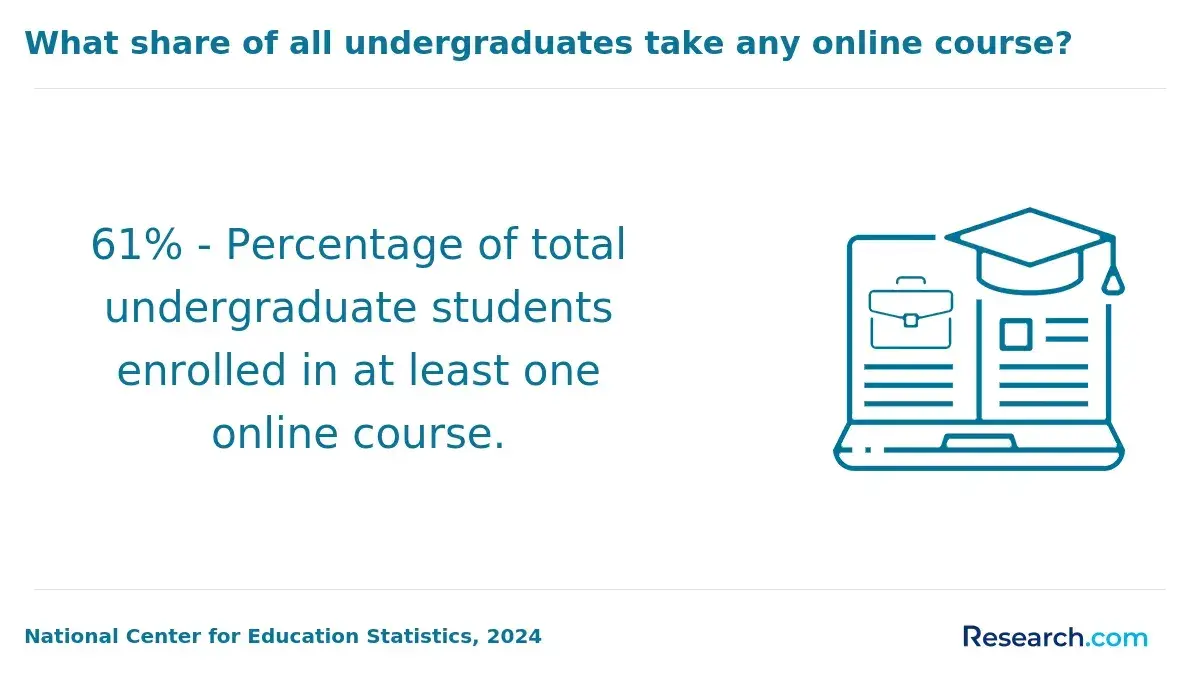
Delivery format significantly influences the return on investment (ROI) for geoscience programs due to differences in cost, flexibility, and career outcomes. Notably, online enrollment in higher education grew by over 10% annually before 2020, signaling a shift in how students pursue degrees. These trends highlight considerations for those evaluating the cost effectiveness of geoscience programs online and campus.
Several factors differentiate the ROI of online versus on-campus geoscience degrees:
- Tuition and fees: Online programs generally have lower tuition and fees, reducing upfront expenses. This cost savings can make pursuing a degree more accessible without compromising quality.
- Opportunity cost: The flexibility of online study enables students to maintain employment while earning their degree. This allows them to offset education expenses and reduces income loss compared to on-campus formats.
- Time to completion: Flexible scheduling in online programs may either shorten or extend graduation time depending on the student's pace, affecting overall investment returns.
- Networking and career services: On-campus programs often provide more direct access to networking events and career support, potentially improving job placement and advancement.
- Employer perception and long-term earnings: While on-campus degrees traditionally command higher employer preference and earnings, this gap is narrowing as online education quality improves.
Those interested in cost-effective online options might explore programs such as an online counseling degree, which demonstrates how affordable online pathways are expanding across disciplines. Evaluating the ROI comparison of online versus on-campus geoscience degrees requires balancing these factors to fit individual career goals and financial situations.
What Is the Average Salary After Earning a Geoscience Degree?
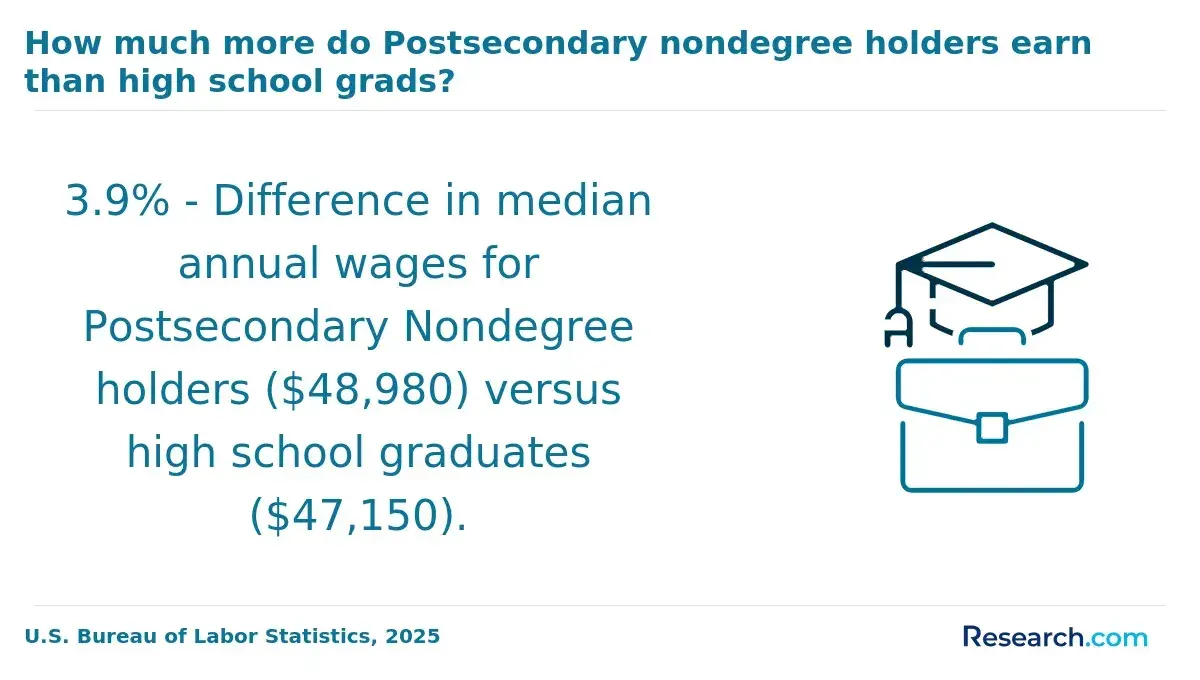
Post-graduation salary is a key driver of return on investment (ROI) for those earning a geoscience degree because it determines how quickly graduates can repay educational costs and achieve financial stability. In the United States, the average geoscience degree salary typically ranges from $50,000 to $100,000 annually, with starting positions near the lower end and experienced professionals reaching higher earnings. Understanding these geoscience graduate earnings in the United States is essential for evaluating the degree's value.
Several factors influence salary outcomes and thus impact ROI for graduates:
- Industry: Sectors like oil and gas generally provide higher salaries compared to environmental consulting or mining, affecting earning potential significantly.
- Geographic location: Regions with active resource extraction such as Texas, California, or Alaska tend to offer better pay due to demand and local economic conditions.
- Prior experience: Internships, research projects, and relevant work history can increase starting salaries and accelerate career advancement.
- Specialization: Expertise in fields like hydrogeology or geophysics can lead to higher-paying opportunities and improved ROI.
- Career level: Progressing into management or technical leadership roles greatly enhances salary over time.
Students looking for affordable degree options may also explore related fields like psychology degree online programs.
Does a Geoscience Degree Lead to Promotions?
Promotions are a crucial factor in measuring the return on investment (ROI) of earning a geoscience degree, as they often lead to higher salaries, increased responsibilities, and enhanced career mobility. These advancements contribute significantly to both the financial and professional benefits of the degree, reinforcing its value for those seeking career growth.
One key workforce trend is the rising emphasis on formal credentials for mid- and upper-level roles, which increases the importance of a geoscience degree for promotion eligibility. Many organizations now link educational attainment with advancement, often providing tuition assistance programs to encourage degree completion.
Below are several key ways a geoscience degree can impact promotional opportunities and overall ROI:
- Credential Requirement: Many supervisory and specialized roles require relevant degrees, positioning geoscience graduates favorably for these opportunities.
- Leadership Preparation: The curriculum and internships included in geoscience programs develop skills in leadership and project management, preparing graduates for higher-level positions.
- Employer Support: Tuition assistance programs frequently encourage employees to earn degrees like geoscience, directly connecting education with career advancement.
- Internal Promotion Policies: Organizations often prioritize candidates with formal education and professional development, aligning with promotion frameworks that favor degree holders.
- Experience Synergy: Combining hands-on experience with a geoscience degree enhances competitiveness for promotions compared to candidates lacking either component.
For those evaluating career advancement with a geoscience degree, it's important to note that strong promotional opportunities for geoscience graduates can significantly increase ROI. Additionally, degrees in geoscience rank among the highest paying degrees, further underscoring the financial benefits linked to career progression in this field.
Which Industries Offer the Best ROI for Geoscience Graduates?
The return on investment (ROI) for geoscience graduates varies significantly by industry due to differences in salary levels, career advancement opportunities, demand for specialized skills, and job stability. These factors influence which sectors provide the highest financial and professional rewards over time.
Industries that typically offer some of the highest ROI for geoscience graduates include the following:
- Oil and gas extraction: This industry provides high initial pay and substantial bonuses linked to project achievements, resulting in strong compensation growth. Career progression is often clear, rewarding expertise in exploration and resource management.
- Mining and mineral exploration: Steady demand for geoscience skills drives consistent employment and promotion opportunities. As global mineral demand grows, this sector remains a solid choice for good financial outcomes.
- Environmental consulting: Offering stable positions, this field benefits from increasing regulatory and sustainability requirements. It allows geoscientists to develop specialized skills while enjoying secure job prospects.
- Renewable energy development: An emerging industry that integrates geoscience for site assessments and resource evaluation. Its growth promises long-term career stability and expanding compensation potential.
For those considering an educational path in geoscience, evaluating these highest ROI industries for geoscience graduates can guide career decisions. Those looking for an accessible starting point might explore the easiest associate degree programs, which can serve as a stepping stone to a lucrative geoscience career.
Understanding the best paying careers in geoscience helps prospective students and career changers weigh their options effectively when investing in education and professional development.
Does Accreditation Affect ROI for a Geoscience Degree?
Accreditation in geoscience degree programs signifies that the curriculum and faculty meet rigorous standards set by an authorized agency. This endorsement ensures that the program maintains academic quality and aligns with industry expectations, which can directly impact the value of the degree.
One significant trend is that many employers prioritize candidates from accredited programs, viewing accreditation as proof of relevant skills and knowledge. This preference can affect job prospects and overall returns on investment for graduates entering the geoscience workforce.
Accreditation also enhances long-term ROI by increasing employer confidence and expanding opportunities for graduates. Accredited programs often provide better access to financial aid and facilitate smoother credit transfers, reducing costs and time to degree completion.
Moreover, many professional geoscience certifications require degrees from accredited institutions, which affects licensure eligibility and career advancement. These factors combined support greater career mobility and earning potential over time.
Is a Geoscience Degree Worth It?
The return on investment (ROI) for a geoscience degree depends largely on several financial and career factors. Program costs and the typical four-year duration of a bachelor's degree represent upfront commitments that vary significantly by school and format.
Graduates can expect a median annual salary around $93,000, though earnings may be higher in sectors like oil, gas, and environmental consulting. The potential for career growth also plays a crucial role, as advanced qualifications and certifications often lead to stronger earning power over time.
Whether a geoscience degree delivers strong ROI depends on multiple considerations. Industry demand fluctuates with energy markets and environmental policies, affecting job availability.
Flexible educational options such as online or part-time study can help reduce opportunity costs, while scholarships and financial aid may ease financial burdens. Ultimately, the degree's value aligns closely with personal career objectives and how well the program supports those goals within the evolving job landscape.
What Graduates Say About The ROI of Their Geoscience Degree
- Louie: "Choosing to pursue a traditional geoscience degree was one of the best decisions I've ever made. Although the average cost of attendance was quite high, around $30,000 per year, the long-term ROI in job opportunities and salary growth has more than justified it. Completing the program opened doors to exciting research roles and a rewarding career in environmental consulting. "
- Zamir: "As an online geoscience student, I was initially concerned about the value of a virtual degree given the costs involved, which averaged near $20,000 annually. Reflecting back, the flexibility and affordability made it a smart investment, especially as I balance work and studies. The credentials significantly boosted my career, allowing me to transition into a leadership position within the energy sector. "
- Matthew: "Opting for a part-time geoscience degree program was a practical choice considering the financial commitment, which is roughly $25,000 per year. Although it took longer to complete, the cost spread out eased the burden. Professionally, this path has been instrumental in advancing my skills and securing higher-paying roles in geotechnical engineering, proving it was a worthwhile endeavor. "
Other Things You Should Know About Geoscience Degrees
In 2027, pursuing further education such as master's or doctorate degrees can enhance the ROI of a geoscience degree by opening doors to higher-paying positions, especially in research or academia, though it may initially increase the investment before yielding returns.
The ROI of a geoscience degree is closely linked to labor market demand for experts in areas like climate research, mining, and petroleum extraction. Strong demand in these fields can lead to higher starting salaries and job stability. Conversely, fluctuations in industries reliant on natural resources may impact employment opportunities but typically do not negate overall positive ROI.
Yes, internships and co-op placements provide hands-on experience critical to employability and salary potential in geoscience careers. They help students build professional networks and gain applicable skills that employers seek. Such experience often accelerates job placement, thereby improving the financial return of completing a geoscience degree.
References
- Geoscience https://www.durham.ac.uk/study/courses/geoscience-f643/
- High-Earning Careers in Geology | Rangefront Geological https://rangefront.com/blog/high-earning-jobs-geology/
- Bachelor's Degree Programme Geosciences https://www.tugraz.at/en/studying-and-teaching/degree-and-certificate-programmes/bachelors-degree-programmes/geosciences
- The Value of Undergraduate Geoscience Courses and Programs https://nagt.org/nagt/policy/ps-valuegeo.html
- Salary Information https://www.geolsoc.org.uk/Geology-Career-Pathways/Careers/Salary-Information.html
- How Mining Companies Attract Geology & Engineering Students https://tpd.com/blog/how-mining-companies-can-attract-geology-engineering-students-for-summer-field-work/
- Earth and Space Sciences https://www.wcupa.edu/sciences-mathematics/earthSpaceSciences/degree.aspx
- Exploring Career Paths With a Geoscience Degree - Oreate AI Blog https://www.oreateai.com/blog/exploring-career-paths-with-a-geoscience-degree/a4b1b3fa36403ec78ca8016eb9ee0420
- Scholarships & Financial Aid https://geos.louisiana.edu/current-students/scholarships-financial-aid
- Examining the Effect of Accreditation Challenges on Educational Quality and Global Recognition https://www.ieac.org.uk/53-Examining-the-Effect-of-Accreditation-Challenges-on-Educational-Quality-and-Global-Recognition-blog.php


