
2027 Geoscience Degree Programs for Career Changers

Co-Founder and Chief Data Scientist
Career changers often face uncertainty when entering geoscience after years in unrelated fields, especially given the technical knowledge required. Many adult learners worry about balancing education with work and family while gaining relevant skills. Recent data show that over 40% of geoscience students in the U. S. are nontraditional learners aged 25 or older, reflecting growing industry demand for experienced professionals.
This article explores tailored geoscience degree programs that support career changers, highlighting flexible options and practical pathways to enter the field confidently and efficiently, enabling informed decisions on education and career transitions.
Key Things to Know About Geoscience Degree Programs for Career Changers
- Many geoscience degree programs offer flexible scheduling and online or hybrid formats, enabling working adults to balance studies with professional and personal commitments effectively.
- Accelerated pacing options allow career changers to complete degrees faster, often within 18-24 months, meeting the growing demand for skilled professionals in earth sciences.
- Programs emphasize employer relevance by integrating practical skills and internships, improving graduates' job placement rates amid a 7% projected industry employment growth through 2032.
What Geoscience Programs Accept Career Changers?
Many geoscience programs accommodate working adults and professionals changing careers by offering flexible admissions and curricula tailored to adult learners. Nearly 40% of graduate students in STEM fields are over 30, reflecting the increasing number of career changers pursuing advanced education. These programs aim to provide accessible and practical routes for re-skilling effectively.
Four common types of geoscience degree programs for nontraditional students include:
- Master's In Geoscience: These programs often feature flexible prerequisites, allowing students from unrelated or related fields to fill gaps with preparatory courses or foundational modules, making them suitable for career changers.
- Graduate Certificates In Geoscience: With a short-term focus on practical skills, these certificates can be completed part-time, providing working adults a quick way to gain expertise without a full degree commitment.
- Bachelor's Completion Programs: Designed for students with some college credits or degrees in other fields, these programs enable completion of a geoscience degree with flexible schedules and an emphasis on relevant applications.
- Hybrid Learning Geoscience Programs: Combining online and in-person instruction, these programs offer busy professionals the flexibility to balance work with hands-on labs and field experiences essential for skill transfer.
Each program type supports career changers by integrating practical projects and accommodating existing life responsibilities. For those exploring educational options, examining online SLP degrees may provide insight into flexible program formats that work well for adult learners.
What Geoscience Specializations Are Best for Career Changers?
Selecting the right geoscience specialization is essential for career changers aiming to leverage their existing skills while entering a field with steady growth. Employment of geoscientists is projected to grow 5% from 2022 to 2032, reflecting consistent demand in several subfields. Below are four top geoscience specializations well suited for professionals transitioning into this industry.
- Environmental Geoscience: This specialization is ideal for those with backgrounds in biology or chemistry, focusing on sustainable resource management and environmental protection. It offers practical skills that transfer easily across industries, enhancing career mobility.
- Hydrogeology: Professionals with experience in engineering or water resources find this field accessible, as it combines groundwater assessment with data analysis. Its balance of fieldwork and technical study makes it a natural fit for career changers.
- Remote Sensing and GIS: Suited for those with expertise in IT or data analysis, this area leverages geospatial technologies crucial in urban planning and disaster management. The growing use of these tools creates strong opportunities for career transitions.
- Paleontology: This path attracts individuals passionate about history and biology, emphasizing research and analytical skills. Accessible through interdisciplinary study, it provides a unique route for those interested in science careers.
Adult learners exploring the best geoscience specializations for career changers can also benefit from understanding related fields and educational resources. For instance, professionals interested in counseling might consult CACREP-accredited online counseling programs to complement their career development. Considering these options supports a well-rounded approach to professional career transition in the sciences.
What Are the Admission Requirements for Career Changers Applying to a Geoscience Program?
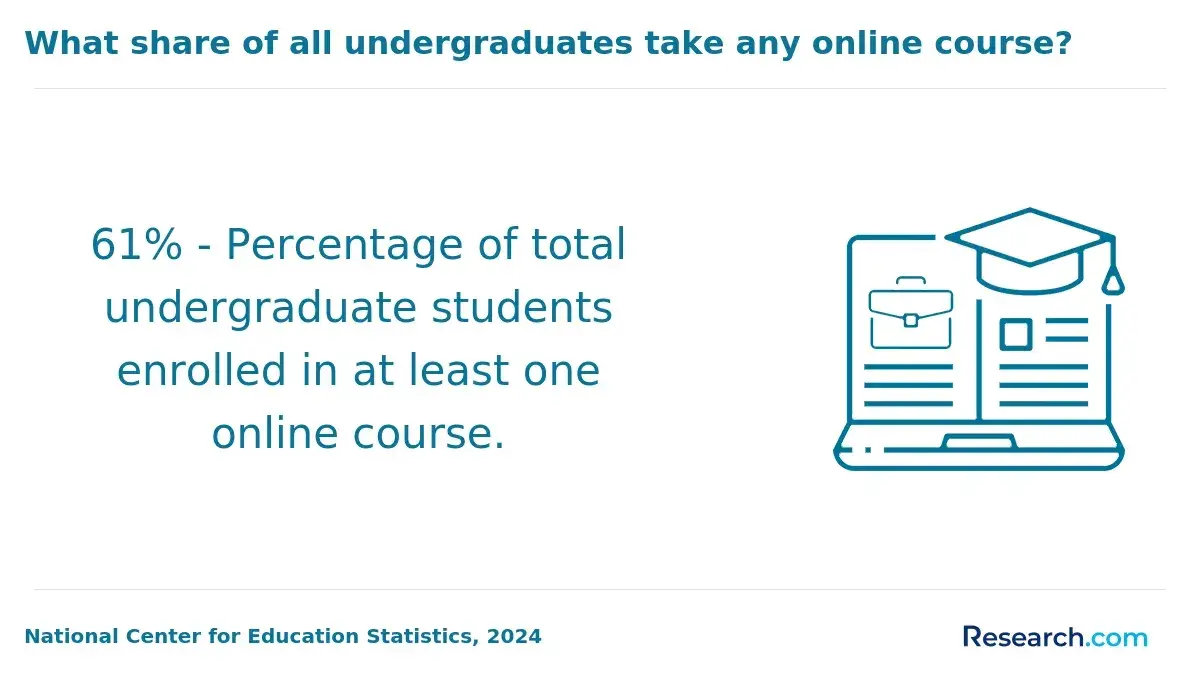
Adult learners constitute nearly 40% of undergraduate enrollment in the U.S., making tailored admission requirements essential for career changers entering geoscience programs. These requirements reflect the need for flexibility and recognition of diverse professional backgrounds. Below are common criteria that address the unique needs of nontraditional students pursuing a geoscience degree.
- Completed Application: Most programs require a formal application with personal and academic details to assess a candidate's readiness and motivation for a career shift within geoscience.
- Official Transcripts: Submission of transcripts from all prior educational institutions is standard, although some programs may offer flexibility for recognizing relevant work experience or certifications.
- Personal Statement: Career changers should clearly articulate their reasons for transitioning and how their background aligns with geoscience, helping admissions committees appreciate transferable skills.
- Standardized Tests: While some programs still require scores, many waive these for adult learners or provide alternative assessments tailored to nontraditional applicants.
- Flexible Scheduling: Evening, weekend, or online coursework options are often available to accommodate working professionals balancing studies and jobs.
- Alternative Qualifications: Professional certifications or portfolios demonstrating relevant experience can sometimes substitute for certain prerequisites, enhancing admission chances for career changers.
Applicants exploring requirements for nontraditional students in geoscience programs are advised to research supportive offerings carefully to ensure a smooth transition. For insights into affordable advanced degrees that complement career shifts, consider reviewing options like the MLIS, which highlight flexible pathways in higher education.
What Is the Coursework for a Geoscience Degree for Career Changers?
For career changers, knowing the coursework involved in a geoscience degree helps tailor study plans to fit existing responsibilities and career objectives. This clarity supports smoother adjustment to the new discipline. Key areas of study commonly include:
- Earth Sciences: Focuses on subjects like geology, mineralogy, and petrology, exploring the Earth's materials and structural characteristics.
- Environmental Science: Examines ecosystems, sustainability, and human impact on the environment, linking scientific knowledge with practical concerns.
- Geospatial Technology: Covers GIS and remote sensing techniques, enabling the analysis of spatial data critical for many geoscience roles.
- Physics and Chemistry: Provides a scientific base through the study of natural laws and chemical processes relevant to earth systems.
- Fieldwork and Laboratory Skills: Emphasizes hands-on experience with data collection and experimentation, essential for real-world application.
Programs designed for adults changing careers frequently offer flexible scheduling such as evening or online classes and provide academic support like advising and tutoring to accommodate diverse learning needs.
Speaking with a professional who completed an online degree in geoscience to prepare for a career shift revealed some valuable insights. He shared, "Balancing coursework with my job was tough at times, especially when challenging topics came up." He appreciated the flexibility, adding, "Having access to online resources and tutors helped me stay on track."
The transition wasn't without moments of doubt, but he noted, "Being able to apply what I learned immediately to real-life situations boosted my confidence." His experience highlights how course structure and support systems can make a significant difference for career changers navigating this path.
What Geoscience Program Formats Are Available for Career Changers?
Flexible and accessible program formats are essential for career changers pursuing a geoscience degree, especially since adult learners now represent over 40% of the U.S. postsecondary student population. These options help balance education with existing work and personal commitments. Below are common formats designed to accommodate such needs:
- Online Programs: These fully remote courses allow students to learn from any location and typically on their own timetable, making them ideal for those juggling professional responsibilities.
- Part-Time Degree Programs: Spreading coursework over a longer period reduces weekly demands, enabling students to continue working while steadily progressing toward their degree.
- Evening and Weekend Classes: Offering in-person instruction outside traditional hours, these classes provide hands-on experience without conflicting with daytime job schedules.
- Hybrid Programs: Combining online learning with occasional on-campus sessions, hybrids offer a balance of flexibility and direct interaction, including valuable fieldwork opportunities.
What Skills Do Career Changers Gain in a Geoscience Program?
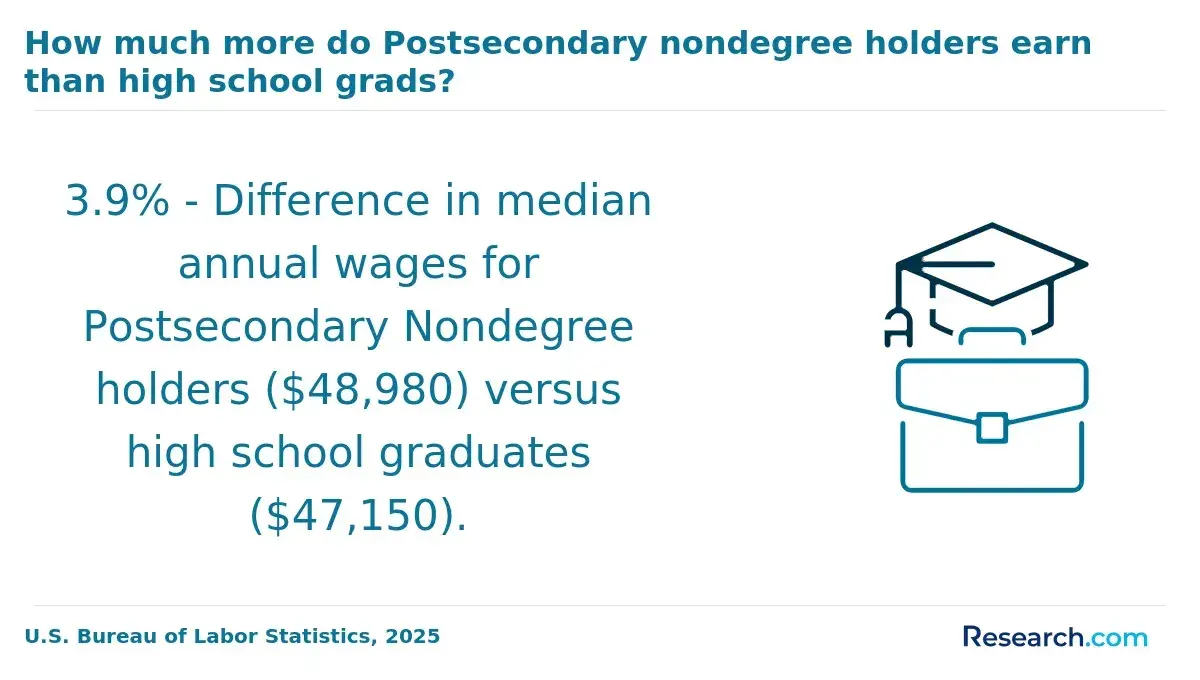
For adults shifting careers, cultivating new skills is essential; the Bureau of Labor Statistics reveals that nearly 40% of working adults participate in reskilling to stay relevant in today's fast-changing employment landscape. Acquiring a mix of technical and analytical abilities equips career changers to thrive in fresh professional environments. The following outlines five fundamental skills gained through a geoscience program.
- Data Analysis: Interpreting and making decisions from complex data sets is a core focus, preparing learners to tackle problems in fields like environmental assessment and resource exploration.
- Technical Proficiency: Familiarity with specialized software and field equipment readies students for hands-on roles across scientific and engineering disciplines.
- Critical Thinking: Analyzing geological challenges hones reasoning and adaptability, qualities that support effective problem-solving in new career paths.
- Communication Skills: Developing clear report writing and presentation techniques enables graduates to convey complex information confidently to diverse audiences.
- Project Management: Coordinating research and field activities fosters planning and leadership skills valuable across industries.
One career changer who earned a geoscience degree shared her experience, emphasizing the emotional and intellectual shifts she faced. "I wasn't just learning facts; it was about reshaping how I approach problems and projects," she reflected. The transition involved balancing studies with previous work habits, often requiring patience and persistence.
She noted, "Applying new technical tools alongside soft skills like communication made me more confident navigating unfamiliar professional settings." Her journey highlights how the program's skills extend beyond academics, empowering learners to reinvent their careers with assurance and flexibility.
How Much Does a Geoscience Degree Cost for Career Changers?
Career changers need to carefully consider the total cost of pursuing a geoscience degree, as adult learners often manage financial responsibilities alongside education. The average graduate education debt in the U.S. has reached nearly $66,000, highlighting the importance of evaluating expenses relative to career goals. Several key cost components shape the overall investment in such a degree, including:
- Tuition and Fees: Tuition varies widely, generally between $10,000 and $40,000 per year depending on the institution type and residency status. Public programs often cost less for in-state students, while private or out-of-state tuition can increase expenses significantly.
- Textbooks and Supplies: Required readings, lab manuals, and specialized geoscience supplies can add several hundred dollars each semester. These costs are essential but sometimes overlooked and should be budgeted accordingly.
- Lab and Fieldwork Costs: Some courses require lab materials or mandatory field trips, which might include equipment rental or travel expenses. These variable costs contribute to the overall financial commitment and can differ by program.
- Flexible Payment Options: Working professionals benefit from installment plans, employer tuition reimbursement, and scholarships designed specifically for adult learners. Evening, weekend, and online classes also help minimize lost income by allowing students to maintain employment while studying.
- Credit for Experience: Some programs recognize professional experience or prior learning assessments, potentially reducing the time and money needed to complete the degree. This can be a valuable route for career changers seeking to earn an affordable geoscience degree program for working professionals.
When balancing these factors, it's important to also consider potential long-term earnings to justify the investment. For insights on financial outcomes by field, see what degrees make the most money.
How Does a Geoscience Curriculum Support Career Transitions?
Curriculum design is especially important for career changers pursuing a geoscience degree, as it creates an accessible pathway for developing essential knowledge and abilities aligned with current job market demands. Such thoughtful design not only eases the transition but also enhances engagement and successful completion. Below are key ways a geoscience curriculum supports career changers effectively.
- Applied Learning: Curriculums incorporate laboratory work and field studies, offering hands-on experience that bridges theoretical concepts with practical applications. This approach prepares students for the real demands of geoscience careers and related fields.
- Transferable Skills: Programs emphasize critical thinking, data interpretation, and problem-solving skills, which are highly sought after beyond traditional earth sciences. These capabilities allow learners to apply their expertise in diverse roles and industries.
- Flexible Pacing: Designed to accommodate adult learners balancing work and study, course schedules can be adjusted for manageable progress. This flexibility reduces stress and helps maintain motivation during career transitions.
- Real-World Projects: Assignments simulate professional challenges, fostering teamwork and communication skills essential for collaboration with multidisciplinary teams and stakeholders.
- Interdisciplinary Approach: Curriculums integrate knowledge relevant to sectors such as environmental consulting and energy, making transitions into these areas more feasible and appealing.
Adult learners interested in this path often seek affordable options to minimize financial burden. Resources like cheapest online colleges that accept FAFSA can provide valuable guidance on cost-effective programs supporting career changers in earning a geoscience degree.
What Careers Can Career Changers Pursue With a Geoscience?
For professionals considering a career change, knowing the potential job outcomes of earning a geoscience degree can greatly ease the transition and help align existing skills with new career demands. The U.S. Bureau of Labor Statistics forecasts an 8% growth in geoscience-related employment from 2022 to 2032, indicating a robust market for qualified candidates. Below are common career paths well suited to career changers with a geoscience background.
- Environmental Consultant: Evaluate environmental effects and guide organizations in regulatory compliance. Transferable skills in analysis and problem-solving support effective assessment and recommendation in this role.
- Hydrogeologist: Investigate groundwater systems critical for managing water resources. Prior experience in scientific research or technical fields helps career changers excel in field studies and data interpretation.
- Geotechnical Engineer: Examine soil and rock properties to inform construction decisions. Understanding scientific principles and technical methods aids in making sound engineering recommendations.
- Mining Geologist: Analyze mineral deposits and contribute to resource extraction planning. Skills in data analysis and fieldwork enable career changers to evaluate geological formations successfully.
- Geospatial Analyst: Process geographic data to support development and planning efforts. Expertise in data interpretation and technology equips career changers to deliver actionable insights for mapping and project mapping.
What Is the Average Salary After Earning a Geoscience Degree as a Career Changer?
Salary expectations play a vital role for career changers pursuing a geoscience degree, guiding decisions about education investment versus future compensation. Research shows that 72% of professionals who reskilled reported higher salaries after transitioning fields. Below are key salary insights for those entering geoscience careers.
- Entry-Level Geoscientists: Typically earn $50,000-$70,000 annually, reflecting the initial stage of career development and the need to build practical experience.
- Mid-Career Professionals: Those with 5-10 years' experience often see increases to $80,000-$110,000, benefiting from skill refinement and expanded responsibilities.
- Senior Specialists: Experts or senior geoscientists can command salaries above $120,000, driven by advanced knowledge and leadership roles.
- Industry Impact: Sectors such as energy and environmental consulting tend to offer higher wages than academia or government positions, reflecting market demand and specialized skill needs.
- Geographic Variation: Regions rich in natural resources or with high geoscience demand often provide premium pay, while prior professional experience can further influence starting salaries and promotion speeds.
What Graduates Say About Their Geoscience Degrees for Career Changers
- Louie: "Choosing to switch careers was daunting, but enrolling in a geoscience degree program felt like the right step toward a more fulfilling path. The cost, around $20,000 on average, was a significant investment, yet it opened doors I hadn't imagined before. Today, I'm thriving in an entirely new industry, grateful for the knowledge and confidence the program gave me."
- Yvette: "Reflecting on my decision to pursue a geoscience degree, I see it as a strategic move to bridge my past experience with new opportunities. Although the financial commitment was considerable, roughly $18,000, it was justified by the career advancement I gained. The program offered both rigorous training and practical skills, making the transition smoother than expected."
- Matthew: "I pursued a geoscience degree to reinvent myself professionally, knowing full well the typical cost could be upwards of $22,000. The investment was daunting at first, but completing the program profoundly impacted my career trajectory. It's empowering to say that the decision reshaped not just my expertise but my confidence as a professional."
Other Things You Should Know About Geoscience Degrees
The job outlook for career changers entering the geoscience field in 2027 is positive, with increasing demand for environmental scientists and geoscientists. Industries such as renewable energy, environmental consulting, and natural resource management are actively seeking professionals with diverse skill sets.
Licensing or certification requirements depend on the geoscience career path chosen. For example, becoming a Professional Geologist (PG) requires passing the Fundamentals of Geology (FG) exam and obtaining work experience under a licensed geologist. Other specializations may have separate certifications, so it is important for career changers to research requirements specific to their field and state.
Career changers can access various financial aid options, such as federal student loans, grants, and scholarships specifically aimed at returning students or those entering STEM fields. Some employers offer tuition reimbursement programs, and some schools have dedicated funds for nontraditional students. It is advisable to explore all possible resources early in the application process.
References
- 8. Recruiting, Retaining, and Promoting Success of Undergraduate Students with Emphasis on Students Underrepresented in the Geosciences https://www.americangeosciences.org/change/sections/recruitment/
- Supporting Geoscience Students https://www.grow-geocareers.com/forgeodepartments
- Geoscientists: Salary, career path, job outlook, education and more - RaiseMe https://www.raise.me/careers/life-physical-and-social-science/geoscientists/
- Qualifications https://www.geolsoc.org.uk/Geology-Career-Pathways/School/Qualifications-and-University-Applications/Qualifications-and-University-Applications.html
- Master programme in Exploration Geoscience, Program, Exploration Geoscience Economic Geology Ore Geology Mineral Exploration Mining Geology Raw materials Mineral resources https://www.ltu.se/en/education/programme/tmgpa-master-programme-in-exploration-geoscience
- Exploring Career Paths With a Geoscience Degree - Oreate AI Blog https://www.oreateai.com/blog/exploring-career-paths-with-a-geoscience-degree/a4b1b3fa36403ec78ca8016eb9ee0420
- Earth and Environmental Science https://ees.acadiau.ca/faqs.html
- Online Geosciences Degree https://www.snhu.edu/online-degrees/bachelors/bs-in-geosciences
- Major to Career: Geosciences https://www.dickinson.edu/info/20107/geosciences/3969/major_to_career_geosciences
- Section 4. Skills Framework https://graduate.americangeosciences.org/report/section-4/


