
2027 Geoscience Degree vs. Certificate: Which Should You Choose?

Co-Founder and Chief Data Scientist
Today's students and professionals face important decisions when choosing between earning a degree or a certificate in geoscience. Both paths can advance a career in fields like environmental consulting or natural resource management but differ in time commitment, depth of study, and cost. A geoscience degree typically offers comprehensive knowledge while a certificate focuses on specific skills.
According to industry data, about 35% of geoscience job openings prefer candidates with degrees, though certificates can boost employability for niche roles. This article compares key differences in curriculum, career impact, and flexibility to help readers select the best option for their professional goals and lifestyle.
Key Points About Geoscience Degree vs. Certificate Programs
- Geoscience degrees typically offer comprehensive training, enabling deeper analytical skills and higher salary potential-median pay is around $93,000 annually compared to lower earnings with certificates.
- Certificate programs focus on specialized, practical skills and shorter completion times, ideal for career changers or professionals seeking targeted knowledge without extensive commitment.
- Degrees provide broader professional growth and eligibility for advanced roles, while certificates support immediate upskilling and technical proficiency in niche geoscience areas.
What Are the Differences Between Geoscience Degree and Certificate Programs?
Both geoscience degrees and certificate programs offer valuable paths to careers in earth sciences, but they differ in several important respects. Recognizing these differences can help prospective students decide which educational route aligns best with their career goals and available time. Below is a comparison of the main distinctions between pursuing a geoscience degree versus a certificate program.
Key differences include:
- Depth of Learning: Degree programs provide comprehensive and in-depth study of geoscience principles, making them ideal for those seeking a broad and detailed understanding. Certificates focus on specific skills or knowledge areas, suitable for professionals looking for targeted skill enhancement or quick entry into the field.
- Time Commitment: Degrees generally require a longer time investment, often several years, while certificates can be completed more quickly. Individuals with limited time or those wanting to upskill rapidly may prefer certificate options.
- Career Advancement: Degree holders often have greater access to higher-level positions and research opportunities, while certificates may support professionals aiming to enhance qualifications without changing jobs immediately.
- Cost and Accessibility: Certificates typically cost less and may offer more flexible scheduling, appealing to working adults or those balancing other responsibilities. Degrees usually involve higher tuition and a more structured academic schedule.
How Long Does It Take to Complete a Geoscience Degree vs. a Certificate Program?
Completion time is a critical factor for students deciding between a geoscience degree vs. certificate program. Understanding typical duration and pacing flexibility helps candidates choose the best educational path for their goals and schedules.
- Typical Duration: A geoscience degree program duration at most US universities is about four years for a bachelor's degree, while associate degrees take around two years. In contrast, the geoscience certificate completion time is much shorter-most certificate programs can be finished in a few months to under one year, with some intensive tracks extending up to two years, though this is uncommon.
- Flexibility: Degree programs usually follow a structured, semester-based curriculum requiring consistent progress, mostly full-time, although part-time study is possible but extends the timeline considerably. Certificate programs are designed for working professionals, often offering part-time, evening, or online formats that allow faster completion by fitting courses into existing schedules.
- Factors Affecting Timeline: Transfer credits and prior experience can reduce the length of both programs, but more so for certificates that may waive requirements for proven skills. Accelerated options are more typical in certificate tracks. For those seeking a quicker entry or career shift, certificates offer faster options, while degrees provide more comprehensive training and advancement potential.
For students interested in accelerated graduate studies, exploring online 1 year masters programs can complement their background.
Can You Complete a Geoscience Degree or Certificate Entirely Online?
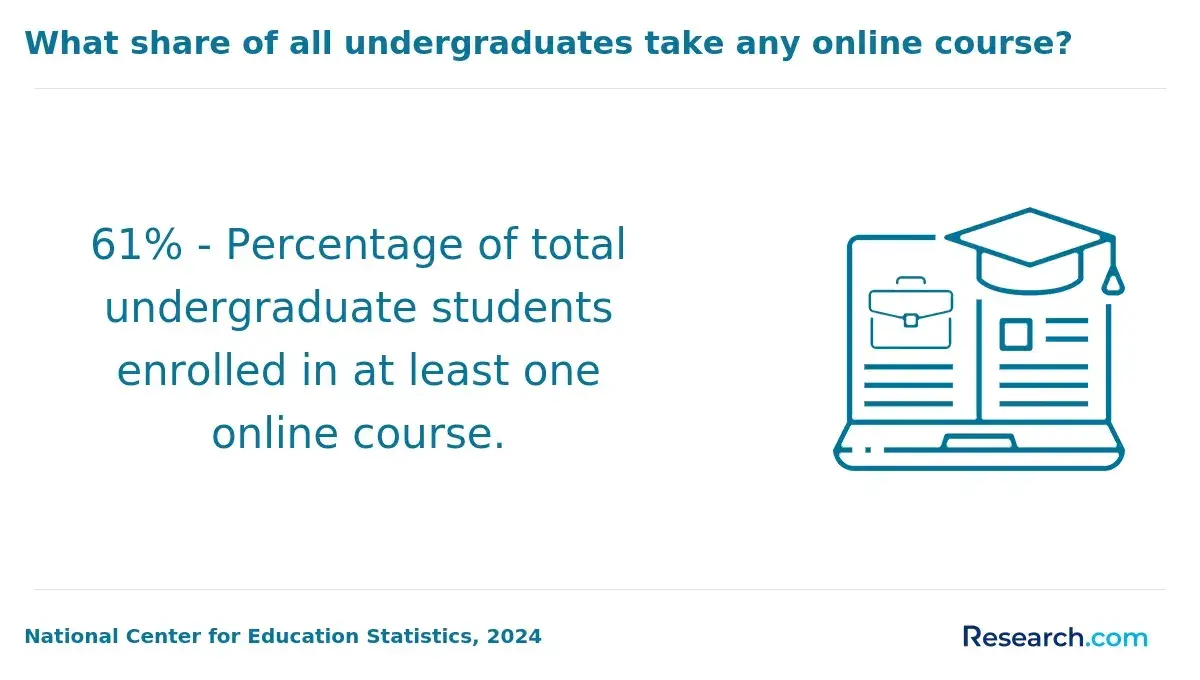
The growth of online education has made it increasingly possible to pursue an online geoscience degree program in the US entirely remotely. Many universities now offer fully online options for geoscience degrees, including bachelor's and master's programs, as well as specialized certificates. Institutions such as Mississippi State University provide a 100% online geology certificate, while the University of Florida offers a fully online Bachelor of Arts in Geology.
Southern New Hampshire University and Ohio University also have online bachelor's and master's geoscience programs designed to accommodate working professionals nationwide. Most of these programs deliver coursework, assessments, and even some lab experiences through virtual formats, minimizing or eliminating on-campus requirements for many students.
However, prospective students should carefully consider additional factors like hands-on training, internships, or licensure requirements, which may necessitate some in-person participation. Some programs might require brief on-campus fieldwork or multi-day field methods courses, especially for careers requiring professional certification or practical skills.
Students seeking licensure or extensive field experience may benefit from hybrid or campus-based options, while others can gain flexibility through fully online geoscience certificate courses. Always review program accreditation and state licensing rules before enrolling, and consider your career goals to decide which format fits best. For reference on degree options, see this list of easiest bachelors degree programs.
What Are the Admission Requirements for a Geoscience Degree vs. a Certificate Program?
Admission requirements are a key consideration when choosing between a geoscience degree and a certificate program, as they impact eligibility and the time needed to begin studies. Comparing these requirements side by side can help prospective students align their academic background and career goals effectively.
Admission Requirements for Geoscience Degree Programs
- Educational Background: Applicants generally must hold a bachelor's degree, typically in geology, geophysics, physics, chemistry, mathematics, engineering, or a closely related field. Some programs even allow direct application to a Ph.D. for those with a B.S. degree.
- Academic Performance: Most graduate programs require a minimum undergraduate GPA, usually around 3.0-3.4. More competitive programs may set higher standards depending on applicant pools.
- Prerequisite Coursework: Completion of foundational courses such as one year of college-level chemistry, calculus-based physics, and mathematics through calculus or statistics is often expected.
- Application Materials: Candidates must submit transcripts, a resume or CV, a personal statement, and usually three letters of recommendation.
- English Proficiency: International applicants typically must provide TOEFL scores with a minimum of 80 or IELTS scores of at least 6.5 unless they qualify for exemption based on prior English study.
- Standardized Tests: The GRE test is increasingly optional and is often not required by many current programs.
Admission Requirements for Geoscience Certificate Programs
- Educational Background: Most certificate programs require only a high school diploma or its equivalent. Some programs accept current undergraduates or those with some college coursework.
- Prerequisite Knowledge: Prior coursework in geology or related sciences is usually not required, making these programs accessible to career changers or professionals seeking additional skills.
- Application Materials: Requirements are minimal, generally limited to a basic application and proof of education.
- English Proficiency: Proof of English proficiency may be needed for non-native speakers, though standards tend to be less rigorous than those for degree programs.
- Professional Experience: Some certificate programs targeted at working professionals may request a resume or evidence of relevant work experience, but this is not always mandatory.
Understanding these geoscience degree admission requirements in the US and the more flexible geoscience certificate program eligibility criteria is essential for choosing the right educational pathway. For individuals interested in exploring lucrative career opportunities after graduation, reviewing masters degrees that pay well in related fields can provide valuable insight.
How Many Credits Do You Need to Complete a Geoscience Degree vs. a Certificate?
Knowing the number of credits required to complete geoscience programs helps students effectively plan their education and manage their time. Understanding these requirements offers clarity on the length and depth of study involved.
Here's a comparison of credit expectations for geoscience degrees versus certificate programs:
- Degree: Typically requires between 120 and 126 credits, which usually translates to about four years of full-time study. These credits cover a broad range of coursework, including core sciences, math, specialized geology topics, electives, and general education.
- Certificate: Requires significantly fewer credits, commonly between 12 and 21. Certificate programs focus on core geoscience subjects without general education classes and can often be completed within months to a year of part-time study.
A student who opted for a geoscience certificate shared that the smaller credit requirement was both a relief and a challenge. He said, "It felt manageable not having to juggle general education courses, focusing directly on the core material I was passionate about."
However, he also reflected on the intensity of the condensed schedule, mentioning "balancing work and study with such a tight credit load pushed me to stay disciplined." This shorter, targeted path allowed him to gain valuable skills quickly, confirming that understanding credit requirements was key to choosing the right program for his goals.
What Is the Average Tuition for a Geoscience Degree vs. a Certificate?
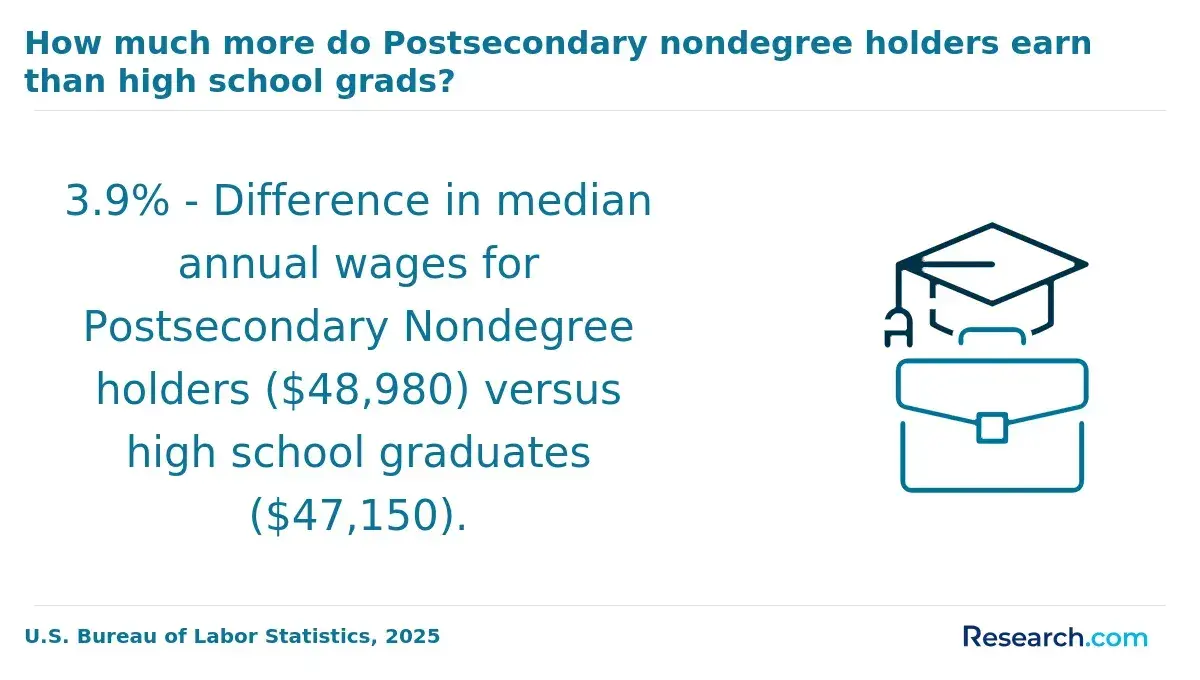
Tuition costs are a critical consideration when deciding between pursuing a geoscience degree or a certificate, as they affect both the upfront financial commitment and the long-term value of your education. Evaluating these costs helps students and professionals make informed choices aligned with their career goals.
Below is a comparison of average tuition ranges for each option.
Average Tuition for Geoscience Degree Programs
- Undergraduate Tuition Range: The average tuition for a bachelor's degree in geology or earth science is about $33,322 per year, with in-state students paying around $10,438 and out-of-state students up to $32,661 annually.
- Graduate Tuition Range: Master's degree tuition averages approximately $29,730 per year, with in-state costs near $12,360 and out-of-state rates reaching $29,730.
- Public vs. Private Schools: Private universities generally charge more than $40,000 annually, whereas public institutions are more affordable, especially for in-state attendees.
- Online vs. On-Campus: Accredited online programs often offer more competitive rates, with some undergraduate online tuition around $19,172.
- Degree Duration: Since bachelor's programs typically require four years of study, total tuition expenses accumulate significantly more compared to shorter certificate programs.
Average Tuition for Geoscience Certificate Programs
- Certificate Tuition Range: Typical total costs range from $7,000 to $10,000, based on per-credit rates of $450-$590 and required credits between 12 and 21.
- Program Length: Most certificates can be completed in about one year, representing a shorter, more affordable investment than degree programs.
- Online Options: Many certificates are available online, often with uniform tuition rates regardless of residency, simplifying budgeting.
- Standalone vs. Add-On: When pursued alongside a degree, certificate credits often cost the same as regular tuition; otherwise, full certificate tuition applies.
- Vocational Programs: Some vocational geoscience certificates have higher costs, averaging $12,353 for in-state and $23,191 for out-of-state students.
Considering the average tuition for geoscience degree programs in the United States versus geoscience certificate program tuition costs allows prospective students to choose the best path for their financial and career objectives. For additional guidance on affordable education options, explore the list of top accredited non profit online colleges.
Can You Transfer Certificate Credits Toward a Geoscience Degree Later On?
Yes, transferring certificate credits toward a geoscience degree is often possible, but it varies by institution and program. Many universities accept certificate coursework if it aligns closely with degree requirements and comes from regionally accredited schools.
Institutional policies differ; some may allow the full certificate to count, while others limit transferred credits or require most degree credits to be earned on campus. Course relevance and accreditation status are crucial, as only courses matching the degree's scope and rigor are typically accepted.
Key considerations include checking for transfer limits, residency rules, and minimum grade requirements-often at least a C or equivalent. Confirming credit transferability with both the certificate and degree-granting institutions before enrolling helps prevent surprises.
Not all certificate courses may apply, so verifying which credits count is essential. Overall, students should communicate with academic advisors early and thoroughly to protect their educational investment and ensure credits apply toward their goals.
When I asked a student who completed a geoscience certificate and then pursued a degree about her experience, she recalled an initial uncertainty about which credits would transfer. "It was a bit stressful not knowing how much of my certificate would count," she said.
After consulting with advisors and reviewing course equivalencies, she was pleasantly surprised to have over half her certificate count toward her major requirements. "That made the whole process feel worthwhile and saved me time," she reflected. Her journey highlights the value of persistence and clear communication in navigating credit transfers within geoscience education.
Are Certificate Programs Accredited the Same Way as Geoscience Degrees?
Certificate programs in geoscience are generally accredited differently from degree programs. Most geoscience degrees, particularly in geology, receive accreditation from the Applied and Natural Science Accreditation Commission (ANSAC) of ABET, which is a nationally recognized authority in the U.S. for science and engineering programs.
In contrast, geoscience certificate programs typically gain accreditation from regional accrediting bodies such as the Northwest Commission on Colleges and Universities (NWCCU) or the Higher Learning Commission (HLC). While degrees often hold ABET accreditation, focusing on professional standards and outcomes-based education, certificate programs seldom undergo ABET review and may instead hold specialized recognitions, like those from the United States Geospatial Intelligence Foundation (USGIF).
Both degrees and certificates usually have institutional regional accreditation, ensuring a baseline of academic quality, but only degrees commonly impact licensure eligibility in many states.
Accreditation is important because it guarantees that a program meets established educational standards, which can affect credit transferability, employer trust, and qualification for professional licensure. Graduating from an ABET-accredited geoscience degree, for instance, is often required for licensure in states such as California.
Certificates with specialized accreditations may enhance career opportunities in niche fields but do not usually qualify graduates for licensure. When choosing a program, students should prioritize verifying regional accreditation for institutional legitimacy and check for ABET or relevant specialized accreditations depending on their goals.
Always confirm accreditation status through recognized accrediting organizations before enrolling to ensure program quality and professional value.
What Jobs Can You Get with a Geoscience Degree vs. a Certificate?
Both geoscience degrees and certificates provide pathways to employment in related fields, though they generally prepare candidates for different roles and levels of responsibility. Understanding the distinctions can help you choose the credential that aligns best with your career goals.
Below is a comparison of common job opportunities associated with each credential.
Jobs You Can Get with a geoscience Degree
- Geoscientist: Studies Earth's processes and materials, often conducting field research and data analysis to support resource management or environmental projects.
- Environmental Scientist: Investigates environmental problems and develops strategies to mitigate pollution or preserve natural resources in government or private sectors.
- Geologist: Examines rock formations and earth structures to assess natural hazards or guide mining and construction activities.
- GIS Analyst: Uses geographic information systems to collect, analyze, and visualize spatial data for planning and environmental assessment purposes.
- Water Resources Engineer: Designs and manages systems for the sustainable use and protection of water in urban or rural environments.
Jobs You Can Get with a geoscience Certificate
- GIS Technician: Supports professionals by maintaining spatial databases and producing maps for environmental or urban planning projects.
- Planning Technician: Assists in developing land-use plans and permits by gathering data and preparing reports under supervision.
- Mobile Mapping Technician: Operates equipment to capture geospatial data in the field to aid in mapping and analysis activities.
- Field or Lab Assistant: Provides hands-on support in collecting samples and conducting tests in outdoor or laboratory settings.
- Water GIS Specialist: Focuses on managing water-related geographic data to assist with resource management and regulatory compliance.
What Is the Average Starting Salary for a Certificate vs. Geoscience Degree Graduates?
Salary potential often varies considerably between graduates of geoscience certificate programs and those holding a geoscience degree. While both paths lead to employment in the field, the level of education strongly impacts starting compensation and career opportunities. Here is a comparison highlighting typical starting salaries and key factors affecting earnings.
Understanding this difference is important for those deciding between pursuing a certificate or a full degree in geoscience.
- Typical Salary Range for Degree Graduates: The average starting salary for geoscience degree graduates in the US typically ranges from $80,000 to $100,000 annually, with the median wage reported at $99,240 as of May 2024. Specialized roles such as petroleum or environmental geologists generally require a bachelor's degree and offer salaries at the higher end of this scale.
- Typical Salary Range for Certificate Graduates: Geoscience certificate program graduate salary comparison shows starting salaries usually fall between $40,000 and $55,000 per year. These roles often involve technician-level positions like field assistants or lab technicians, with less earning potential and advancement without further education.
- Influencing Factors: Salaries are affected by industry sector (oil and gas, environmental consulting, government), geographic location (regions with active energy or mining industries pay more), and relevant experience and technical skills held by the individual.
- Career Outlook: Degree holders benefit from broader job prospects, higher salary ceilings, and more advancement opportunities. Certificate holders can enter the field more quickly but may face limited upward mobility without additional qualifications.
- Educational Pathways: Some students consider universities that offer dual degrees to enhance their credentials by combining geoscience studies with other disciplines, potentially improving salary and career options.
Here's What Graduates of Geoscience Programs Say About Their Degree or Certificate
- Louie: "Choosing the geoscience certificate program was perfect for me since I needed a faster pace and a focused curriculum to enhance my skills without committing to a full degree. The learning experience was intensive but manageable, allowing me to balance work and study. Plus, the cost was much more affordable compared to a degree, making it a practical investment. It definitely gave me a career boost without the extra years or expenses. "
- Zamir: "Opting for the geoscience degree program was an eye-opening experience that offered a comprehensive learning journey. While the longer duration and higher cost-often over $30,000 on average-were significant factors, the depth of knowledge and research opportunities truly shaped my professional outlook. For anyone serious about a long-term career in geoscience, the degree's breadth and credibility are invaluable. "
- Matthew: "Completing both the geoscience certificate and degree programs gave me a unique perspective on how the two paths complement each other. The certificate's quick, targeted courses were ideal for immediate skill-building, while the degree provided a thorough understanding and opened doors to advanced roles. Balancing cost against career goals was essential; investing in both expanded my opportunities without excessive financial strain. This blend was the best choice for my professional growth. "
Other Things You Should Know About Geoscience Degrees
In 2027, a geoscience degree often leads to more diverse job prospects compared to a certificate. Degree holders can pursue roles such as geologists or environmental scientists, while certificate holders might qualify for technical or assistant positions. Employers typically offer higher-level responsibilities and advancement opportunities to degree holders.
Most geoscience degree programs include substantial hands-on fieldwork and laboratory components as part of the curriculum. Certificate programs may offer limited or optional practical experience focused on particular skills but typically lack the extensive field training found in degree programs.
In 2027, geoscience degree holders typically have broader career advancement opportunities compared to certificate holders, especially for positions requiring advanced knowledge, research capabilities, or leadership roles. Degree programs often provide a more comprehensive education, preparing graduates for diverse roles in research, academia, and industry leadership.
References
- ABET Accreditation a Clear Pathway to Professional Geologist and Geologist in Training Licensure Under New California Regulations - ABET https://www.abet.org/abet-accreditation-a-clear-pathway-to-professional-geologist-and-geologist-in-training-licensure-under-new-california-regulations/
- Environmental Geoscience Undergraduate Certificate https://geosciences.missouristate.edu/EGCertificate/default.htm
- Education Requirements https://www.americangeosciences.org/licensure/education/
- Geosciences, B.S. https://bulletins.psu.edu/undergraduate/colleges/earth-mineral-sciences/geosciences-bs/
- Degree vs. Certificate Programs: What’s the Difference? https://bachelors-completion.northeastern.edu/knowledge-hub/degree-vs-certificate/
- Top 10 Highest Paying Geology Jobs 2025 (Inc Salaries) | Nexford University https://www.nexford.edu/insights/highest-paying-geology-jobs
- Transferring in Credits https://geology.pitt.edu/undergraduate/geology-bs/transferring-credits
- Geoscientists : Occupational Outlook Handbook: : U.S. Bureau of Labor Statistics https://www.bls.gov/ooh/life-physical-and-social-science/geoscientists.htm
- Online Degree Tracks & Certificates https://geosonline.tamu.edu/tracks-certificates/overview/index.html
- GIS Degrees vs. Certificates | Choose the Right Path for You https://bootcampgis.com/comparing-gis-degrees-to-gis-certificates/


