
2027 Return on Investment (ROI) of a Gerontology Degree Program

Co-Founder and Chief Data Scientist
Many prospective students question whether investing in a gerontology degree translates into tangible career and financial benefits. For example, a mid-career professional considering a shift into elder care may worry about the degree's value given the time and expense involved. The U.S. Bureau of Labor Statistics projects a 17% growth in employment for healthcare social workers, a common career path for gerontology graduates.
This article examines the return on investment of gerontology degree programs by analyzing costs, job market trends, and salary outcomes, aiding readers in making informed education and career decisions.
Key Things to Know About Gerontology Degree ROI
- Graduates with a gerontology degree often see a median salary increase of 15% compared to related fields, reflecting strong earning potential tied to specialized knowledge.
- Career advancement is supported by growing demand in healthcare and social services, with a 23% job growth projected over the next decade.
- The degree offers job stability and long-term salary growth due to an aging population, ensuring opportunities across diverse industries like healthcare, policy, and education.
How is ROI calculated for a gerontology degree program?
Return on investment (ROI) in higher education quantifies the financial benefits a student gains by completing a degree relative to the costs and time invested. It provides a critical framework for prospective students to compare a gerontology degree program cost versus salary analysis, helping make informed decisions about its value.
Several key factors contribute to calculating ROI for a gerontology degree program, including the following:
- Tuition and Fees: This covers the total enrollment costs such as tuition, textbooks, and other academic expenses. Counting these upfront costs accurately is crucial to understanding the financial commitment required.
- Opportunity Cost: Time spent studying means lost wages and professional experience that could have been gained otherwise. Calculating this helps estimate income and career growth sacrifices during the program.
- Time to Completion: The length of the program directly impacts total costs and delays workforce entry, affecting both direct and indirect financial outcomes.
- Post-Graduation Salary Outcomes: Expected earnings immediately after graduation and early career can illustrate the program's effect on income potential in gerontology-related fields.
- Career Advancement and Long-Term Earning Potential: The degree's role in unlocking promotions or higher salaries over time significantly influences cumulative ROI.
For those exploring related healthcare education options, consider reviewing RN to BSN programs as a complementary pathway to enhance career prospects.
How much does a gerontology degree program cost?
Accurately assessing the return on investment for a gerontology degree requires a full understanding of all related expenses. With graduate tuition costs rising steadily in recent years, the average master's degree graduate carries close to $40,000 in student loan debt, emphasizing the need to consider every financial factor before enrolling.
Several primary costs influence the overall affordability and value of a gerontology program:
- Tuition and Fees: These represent the largest portion of expenses and differ significantly depending on whether the program is public, private, or online.
- Books and Materials: Essential textbooks, software, and specialized resources can quickly add up throughout the duration of the program.
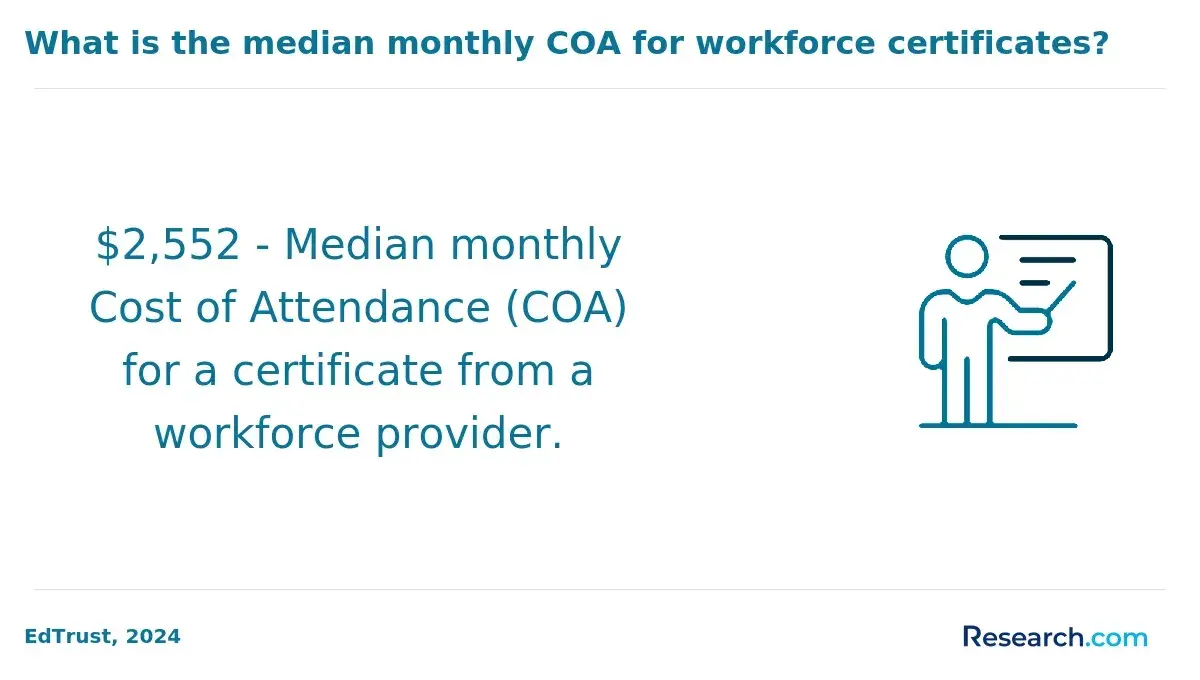
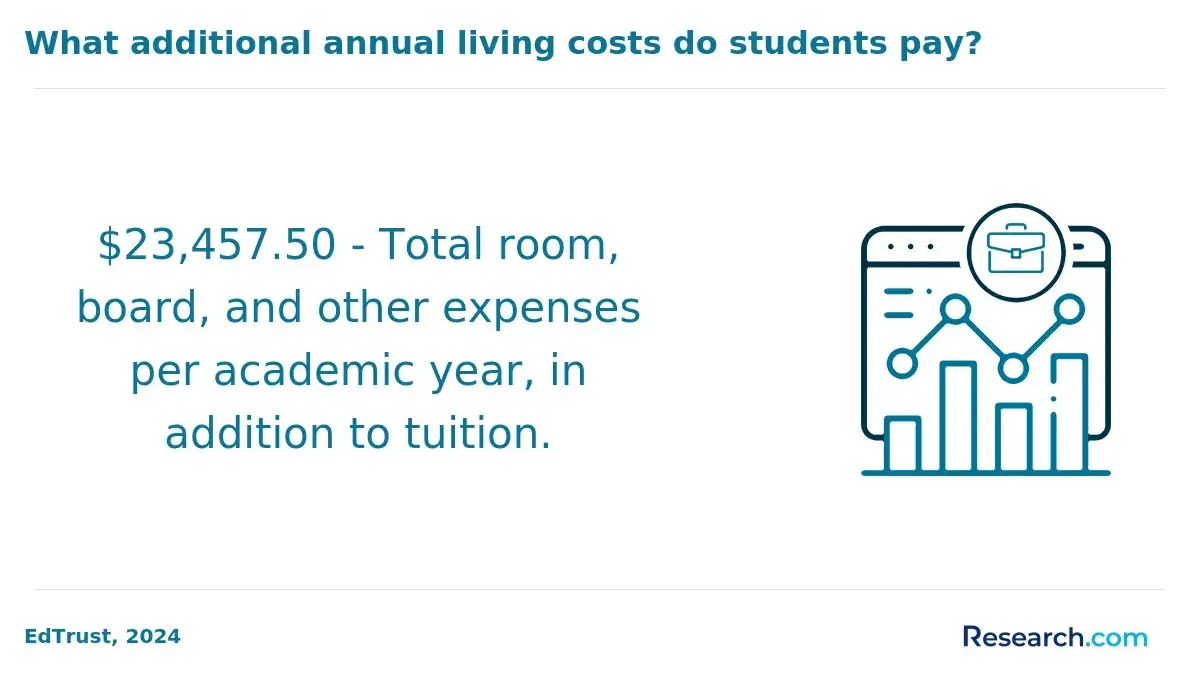
- Living and Relocation: Students often face added costs from moving closer to campus or maintaining housing while attending classes.
- Opportunity Cost: Time dedicated to coursework usually reduces potential earnings, especially for those changing careers or shifting focus.
- Indirect Expenses: Additional charges can include transportation costs, technology upgrades, and fees for exams or certifications.
A graduate of a gerontology degree shared that managing these costs was a balancing act. "My tuition was just the starting point," he explained. "I underestimated how much relocating and daily expenses would add up." He also noted the challenge of juggling part-time work while studying and how the delayed full-time income affected his budget.
This experience highlighted for him that calculating the total cost involves much more than just the price of classes-it's about understanding the broader financial impact throughout the program's timeline.
What financial aid is available for gerontology degree programs?
Financial aid significantly reduces the initial expenses of gerontology degree programs, which can enhance the overall return on investment by lowering reliance on costly loans. Over 85% of graduate students receive some form of financial support, highlighting its critical role in managing education costs and debt.
Several key types of aid can help improve affordability and long-term financial benefits for gerontology students:
- Scholarships: Awarded based on merit or financial need, scholarships do not require repayment, helping students minimize debt and increase their net ROI.
- Grants: Typically funded by federal or state entities, grants reduce out-of-pocket costs without adding to loan burdens, thereby improving cost efficiency.
- Fellowships: These provide financial backing alongside academic or research opportunities, which can boost credentials and future earning potential.
- Employer Tuition Assistance: Many employers reimburse tuition expenses for relevant fields, lowering education costs without increasing student debt.
- Federal Student Loans: While borrowing increases future obligations, federal loans often feature lower interest rates and flexible repayment plans, allowing manageable financing of education investments.
How long does it take to complete a gerontology degree?
The time spent earning a gerontology degree directly affects its return on investment by influencing opportunity costs, total educational expenses, and the timing of entering the workforce. Finishing earlier reduces lost income and allows graduates to start earning sooner, which can improve lifetime financial gains. Several important factors shape how long it takes to complete the degree and thus impact overall ROI.
Key influences on degree duration include:
- Enrollment Status: Full-time students typically finish sooner, minimizing opportunity costs, while part-time learners juggle work and studies but extend their completion time.
- Program Format: Online or accelerated courses can shorten the timeline by offering more flexible or intensive study options, allowing faster graduation and earlier career entry.
- Transfer Credits: Using previously earned college credits can decrease required coursework, reducing time in school and associated expenses.
- Experiential Requirements: Internships or thesis projects may add months to graduation but often enhance employability and earning potential post-degree.
- Class Scheduling: Evening and weekend classes offer flexibility for working students but can lengthen overall time to completion due to reduced course loads per term.
When I spoke with a graduate of a gerontology program, she reflected on her extended journey balancing a part-time schedule with family responsibilities. "It wasn't easy managing work shifts, courses, and my kids' needs, but I valued the flexibility to proceed without quitting my job," she said.
Though it took longer than the standard four years, she appreciated how internships deepened her practical skills and helped secure a rewarding role soon after graduating. Her experience underscored that while the degree's timeline varies greatly, thoughtful navigation of these factors can maximize both personal and financial benefits over time.
Is ROI higher for online or on-campus gerontology programs?
The return on investment for gerontology degree programs can vary significantly based on whether students choose online or on-campus formats. This variation is driven by differences in cost structures, flexibility, and career outcomes. With over 40% of graduate students now enrolled in online programs, many find online learning offers accessible options that align with their personal and professional lives. Assessing the return on investment for online gerontology degree programs requires careful consideration of several factors.
Key aspects to compare include the following:
- Tuition and Fees: Online programs generally have lower tuition and fees, which reduces the initial financial burden. This can make the total cost more manageable, especially for working professionals balancing other expenses.
- Opportunity Cost: The flexibility of online schedules allows students to maintain employment while studying, thereby reducing lost wages and other opportunity costs. This factor often leads to a faster overall time to completion.
- Networking and Career Services: On-campus programs often offer stronger direct access to networking events and career services, which can be important for job placement. However, this advantage is gradually diminishing as online programs expand their virtual career support.
- Employer Perception: While some employers have traditionally viewed on-campus degrees more favorably, perceptions of online qualifications are improving, especially when programs are accredited and reputable.
Long-term earning potential tends to be comparable between formats if the gerontology program is well-regarded. For students interested in financial aid options related to healthcare education, exploring resources such as medical billing and coding online schools financial aid can offer additional support.
What is the average salary after earning a gerontology degree?
Post-graduation salary plays a crucial role in determining the return on investment (ROI) of a gerontology degree, as it affects how quickly graduates can recoup their educational costs and achieve financial stability. Generally, the average salary for gerontology degree graduates in the U.S. ranges from $45,000 to $75,000 annually, with entry-level positions near the lower end and experienced professionals earning toward the higher range.
Several factors influence the gerontology degree salary outlook and can impact overall ROI:
- Industry: Salaries vary across healthcare, social services, research, and policy development sectors, with healthcare often offering higher pay.
- Geographic Location: Graduates working in urban areas or states with a higher cost of living tend to earn more compared to those in rural or lower-cost regions.
- Prior Experience: Relevant work experience before or during the degree can boost starting salaries and accelerate career progression.
- Specialization: Focusing on clinical gerontology or geriatrics consultation typically commands higher salaries than generalist roles.
- Career Level: Advanced positions, such as program directors or senior researchers, provide greater compensation than entry-level jobs.
Prospective students may also explore easy nursing programs to get into as an alternative pathway within healthcare education.
Does a gerontology degree lead to promotions?
Promotions enhance the ROI of a gerontology degree by delivering salary increases, expanded responsibilities, and greater career mobility. These factors collectively improve the financial and professional rewards of pursuing advanced education. A notable workforce trend emphasizes credential-based promotions, where many organizations increasingly require formal degrees like gerontology for advancing into leadership or specialized roles.
Several key ways a gerontology degree may impact promotion opportunities and ROI include:
- Credential Requirements: Many supervisory or managerial positions in aging-related fields mandate formal education credentials. Holding a gerontology degree fulfills these requirements, opening doors for career advancement.
- Leadership Preparation: The degree equips graduates with essential leadership, policy, and clinical knowledge that supports success in advanced roles. This preparation sets candidates apart when competing for promotions.
- Tuition Reimbursement Eligibility: Graduates often become eligible for employer tuition reimbursement programs, which can lower overall education costs and improve ROI through employer-supported financial aid.
- Promotion Policies Alignment: Organizations may prioritize candidates with formal education in their internal promotion criteria. A gerontology degree complements experience, enabling graduates to meet or exceed these policies.
- Experience and Education Synergy: Combining practical work experience with academic training strengthens a candidate's competitiveness. This enhanced profile increases opportunities for career advancement with a gerontology degree.
While practical experience remains crucial, a gerontology degree is frequently viewed by employers as evidence of both expertise and commitment to the field. This distinction can accelerate career progression and improve long-term earnings potential.
For individuals interested in healthcare, it's also worth exploring options such as an affordable healthcare administration degree online, which may complement gerontology studies and broaden career advancement with a Gerontology degree pathways.
Which industries offer the best ROI for gerontology graduates?
The return on investment for graduates with a gerontology degree varies significantly across industries due to differences in salary levels, career progression opportunities, and demand for specialized skills. These factors influence how well a gerontology career return on investment matches the time and cost of education.
Below are key industries that tend to offer some of the strongest ROI for gerontology graduates:
- Healthcare Administration: This industry offers robust ROI because of steady demand driven by an aging population. Roles in elder care management and policy development provide competitive compensation, career advancement opportunities, and long-term job stability.
- Social Services: Graduates can help design and manage community programs that support seniors. While salaries may be moderate, advancement into supervisory or administrative positions enhances career value over time.
- Research and Academia: Specializing in aging studies creates opportunities for grant-funded projects and tenure-track positions, delivering high ROI through intellectual growth and potential long-term financial rewards.
- Government Policy: Involvement in aging-related services enables professionals to impact public programs while benefiting from solid employment security and clear promotion pathways.
- Senior Living Management: Managing assisted care facilities combines operational skills with gerontology expertise, resulting in competitive compensation and sustained demand as the senior population grows.
These industries leverage gerontology expertise differently but share common traits such as steady demand from demographic trends and chances to develop specialized skills that bolster overall ROI for graduates. For those considering further education to enhance their career prospects, options like the cheapest DNP program online may offer affordable pathways to advance.
Does accreditation affect ROI for a gerontology degree?
Accreditation in gerontology degree programs signifies formal approval from recognized educational bodies that the curriculum, faculty expertise, and resources meet established quality standards. This assurance adds value to the degree by confirming it aligns with industry requirements, which is crucial for return on investment.
Employers increasingly prefer graduates from accredited programs because such credentials indicate a higher level of preparedness and professionalism. Additionally, accreditation often supports eligibility for licensure or certification, a growing trend as specialized care for aging populations becomes a key workforce focus.
Accredited programs enhance long-term financial and career returns by fostering employer confidence, which can translate into better job opportunities and faster career advancement. Students may also benefit from access to federal financial aid and smoother credit transfers between schools, reducing educational costs and time.
Meeting accreditation standards frequently affects licensure qualification, which is essential for roles in healthcare and social work. Overall, graduates from accredited gerontology degrees often enjoy greater career flexibility and mobility, improving their lifetime earning potential and professional growth.
Is a gerontology degree worth it?
The return on investment of a gerontology degree depends heavily on factors like program expenses, duration, and expected earnings after graduation. Typically, these programs last between two to four years, impacting both tuition fees and time away from full-time employment.
Entry-level salaries for graduates generally range from $40,000 to $60,000 annually, with higher earnings possible through advanced degrees or specialized certifications. Career growth opportunities can significantly improve income over time, making the initial cost and effort more worthwhile.
According to labor projections, employment in healthcare social assistance-common among gerontology graduates-is expected to grow 13% from 2022 to 2032, indicating strong job prospects.
Whether investing in a gerontology degree is advantageous depends on individual circumstances, including career goals and financial situation. Demand for professionals in aging-related fields continues to rise due to demographic changes, supporting job stability. Flexible program formats like online or part-time options allow learners to maintain employment, reducing opportunity costs.
Additionally, availability of scholarships and grants can lessen financial strain. Ultimately, those who align their education with personal aspirations and market needs are more likely to see a positive return on their gerontology degree investment.
What Graduates Say About The ROI of Their Gerontology Degree
- Lillian: "Choosing a gerontology degree was a strategic move for me, especially considering the growing aging population and the steady demand for specialists. Although the average cost hovered around $20,000 per year, I view it as a valuable investment given the lifetime career opportunities it provides. Since graduating, I've seen a remarkable impact on my role as a healthcare coordinator, where my expertise directly improves patient outcomes. "
- Carlie: "Opting for an online gerontology program allowed me to balance work and study without incurring the higher costs of traditional college attendance, typically around $15,000 annually. Reflecting on the expenses, the flexibility and applicability of the coursework more than justify the price, advancing my capabilities in senior care management. This degree has been pivotal in securing promotions and expanding my professional network."
- Madison: "As a part-time student, I carefully weighed the ROI of pursuing a gerontology degree alongside maintaining my job. At roughly $18,000 per year, the program was a significant financial commitment, but the specialized knowledge has elevated my career in social work, opening doors to leadership opportunities. The expertise gained has truly transformed my professional trajectory. "
Other Things You Should Know About Gerontology Degrees
Work experience significantly enhances the ROI of a gerontology degree in 2027 by increasing employability and potential earnings. Experienced professionals in gerontology are often preferred for higher-paying roles, leading to a faster recoupment of educational expenses and a better return on investment.
Additional certifications can enhance a gerontology graduate's employability and earning potential but are not always required. Certifications like Certified Senior Advisor (CSA) or credentials in healthcare management may open more specialized job opportunities and lead to higher salaries. The need for certifications depends on the specific career path chosen.
In 2027, job opportunities for gerontology degree holders have expanded due to the aging population and increased demand for professionals skilled in elderly care. Roles in policy-making, research, and direct care have seen growth, offering diverse career paths with varying levels of financial return and investment potential.
References
- Is College Still Worth It? Why Nursing and Teaching Degrees Matter https://www.graceland.edu/blog/is-a-college-degree-still-worth-it/
- Gerontology Salary & Income Expectations https://gero.cuchicago.edu/gerontology-careers/gerontology-salary-expectations-and-considerations/
- Gerontology Degree Salary and Job Outlook | CUNE https://www.cune.edu/news/gerontology-salary
- Gerontology careers: What can you do with a master’s degree? | University of Idaho https://www.uidaho.edu/newsroom/gerontology-degree-careers
- Gerontology Careers: Outlook, Opportunities, and Salary https://online.maryville.edu/online-bachelors-degrees/general-studies-healthcare/careers/gerontology-careers/
- Is a Master's Degree Worth It? 5 Ways to Measure the ROI of a Grad Degree https://learn.neumann.edu/neuperspectives/whats-the-roi-of-a-graduate-degree-and-what-does-that-mean-for-your-professional-future
- Gerontology https://www.fastweb.com/directory/scholarships-for-gerontology-majors
- What You Can Do With a Degree in Gerontology | Polygence https://www.polygence.org/blog/what-can-i-do-with-a-degree-in-gerontology
- ROI Undergraduate - FREOPP https://freopp.org/roi-in-higher-education/roi-undergraduate/
- Is a Medical Fellowship Worth It? [ROI Calculations] | White Coat Investor https://www.whitecoatinvestor.com/opportunity-cost-roi-fellowships/


