
2027 Return on Investment (ROI) of a Gifted Education Degree Program

Co-Founder and Chief Data Scientist
Many educators face uncertainty when deciding whether to pursue a gifted education degree due to concerns about salary growth and job availability. Recent data shows that employment for gifted education specialists is projected to grow by 5% over the next decade, slightly faster than the average for all occupations.
However, the upfront costs and time required for advanced study can deter potential candidates. This article examines the return on investment of a gifted education degree program by analyzing career outcomes, salary trends, and industry demand to help readers make informed decisions about this educational path.
Key Things to Know About Gifted Education Degree ROI
- Graduates with a gifted education degree often earn 15% more than general education teachers, reflecting higher specialization demand and expertise.
- Career advancement opportunities include leadership roles and curriculum development, fostering professional growth and increased earning potential.
- The field offers job stability due to consistent demand for specialized educators and flexibility to work across public, private, and nonprofit sectors.
How Is ROI Calculated for a Gifted Education Degree Program?
Return on investment (ROI) in higher education assesses the financial benefits of completing a degree relative to the total costs and time involved. This metric helps students evaluate whether pursuing a gifted education degree program is a financially worthwhile decision.
Several factors influence calculating return on investment for gifted education degrees, including the immediate expenses and the long-term financial returns. Key considerations include:
- Tuition and fees: This covers all direct program costs such as tuition, textbooks, and other academic expenses. Accurately estimating these expenses establishes the initial financial outlay.
- Opportunity cost: Time spent studying could be used to work and earn income, so lost wages during the degree program must be accounted for when evaluating gifted education degree program cost versus earnings.
- Time to completion: The length of the program affects both tuition paid and income forgone. Programs that take less time, such as an EdD degree, may offer improved ROI by reducing these costs.
- Post-graduation salary outcomes: The salaries earned after graduation are crucial to recovering the investment. Higher pay in gifted education roles increases the financial return over time.
- Career advancement potential: A gifted education degree can open doors to higher-level positions with better compensation and benefits, enhancing long-term earning potential.
How Much Does a Gifted Education Degree Program Cost?
Accurately assessing the total cost of a gifted education degree program is vital when evaluating its return on investment, especially as graduate tuition fees in the U.S. continue to climb, with many students accumulating over $66,000 in debt. To better understand these expenses, consider the following key financial factors that influence ROI:
- Tuition and fees: Representing the largest portion of expenses, these costs cover course credits, registration, and administrative charges that vary by program and institution.
- Books and materials: Essential textbooks, software licenses, and specialized resources add to the overall financial outlay, often underestimated by many students.
- Living or relocation expenses: Depending on program format and location, some learners may face increased housing costs or moving expenses that impact their budget.
- Opportunity cost: Time devoted to coursework can reduce income, particularly for full-time students who pause or reduce employment during their studies.
- Hidden or indirect costs: Additional expenditures such as commuting, technology upgrades, and exam or certification fees can accumulate and contribute to the final price.
When I spoke with a graduate of a gifted education degree, he shared how the financial demands extended beyond tuition alone. He recounted balancing night classes with a part-time job, feeling overwhelmed by additional expenses like software subscriptions and frequent trips to the campus library.
Reflecting on the experience, he said, "The costs weren't just what I paid upfront. The time commitment and side expenses caught me off guard, making me think twice about whether the salary bump would really be worth it in the long run." His insight underscores how the full scope of costs influences the perceived value of earning this degree.
What Financial Aid Is Available for Gifted Education Degree Programs?
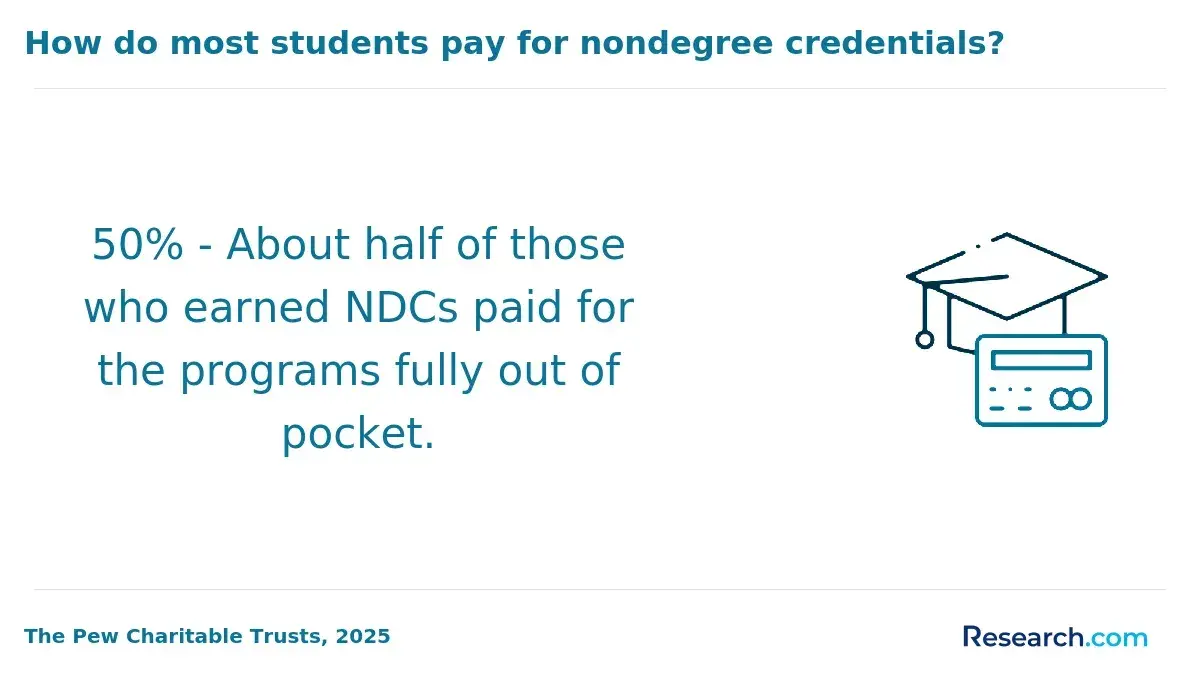
Reducing upfront expenses through financial aid can significantly enhance the long-term return on investment for gifted education degree programs by lowering debt and improving affordability. Nearly 85% of graduate students benefit from some form of financial assistance, underscoring its role in managing education costs effectively.
Key types of financial aid that help optimize ROI for gifted education students include:
- Scholarships: Awarded based on merit, these do not require repayment and effectively reduce both tuition costs and overall debt, making the program more financially accessible.
- Grants: Typically need-based and sourced from federal or state programs, grants lower the cost burden by directly decreasing tuition expenses, which aids in maintaining manageable debt.
- Fellowships: Provided by universities or professional bodies, fellowships often cover tuition or provide stipends, easing financial strain and increasing the economic benefits of the degree.
- Employer tuition assistance: Many education professionals receive partial or full tuition reimbursement from their employers, which cuts out-of-pocket costs and can speed up the timeline to recoup educational investments.
- Federal loans: Although they increase debt, federal loans generally come with lower interest rates and flexible repayment terms, allowing graduates to balance repayments alongside growing earnings.
Utilizing these financial aid options strategically helps gifted education candidates minimize borrowing, align expenses with anticipated salary gains, and strengthen the financial outcomes of their degree.
How Long Does It Take to Complete a Gifted Education Degree?
The length of time required to complete a gifted education degree directly impacts its return on investment by influencing opportunity costs, potential earnings, and total educational expenses. Finishing sooner allows graduates to start or progress in their careers earlier, which can enhance lifetime income and reduce overall costs.
Several important factors shape how long completing this degree might take and affect its financial benefits:
- Enrollment status: Students attending full time typically complete their programs more quickly than part-time learners, accelerating access to career advancement and salary gains.
- Program format: Options like online or accelerated courses offer greater flexibility, enabling some to finish earlier by fitting studies around other commitments.
- Transfer credits: Applying previously earned credits can shorten degree duration and decrease tuition expenses, improving the economic value of the program.
- Internship or thesis: Requirements involving practical experience or research might extend completion time but often provide valuable skills and job market advantages.
- Scheduling flexibility: Evening and weekend classes help working adults continue education without quitting their jobs, though such schedules may prolong overall program length.
When I asked a graduate of a gifted education degree about her experience with time to completion, she reflected thoughtfully on the balance between speed and learning. "Starting as a full-time student helped me finish in just under two years," she shared, "but I chose to take a thesis project that added a semester because it deepened my understanding and opened new career doors."
She described the challenges of managing coursework alongside part-time teaching work, acknowledging the sometimes slow progress but appreciating the practical knowledge gained. Her story highlights how individual choices and commitments influence both the timeline and ultimate payoff of a gifted education degree.
Is ROI Higher for Online or On-Campus Gifted Education Programs?
The delivery format of gifted education degree programs directly influences their return on investment (ROI) by affecting cost, flexibility, and career outcomes. With over 40% of U.S. higher education students enrolled in some form of online learning, the increasing acceptance of digital education offers students alternative routes that can better fit their schedules and budgets. Exploring the ROI differences between online and on-campus gifted education programs highlights important factors for prospective students.
Consider these key aspects when comparing formats:
- Tuition and fees: Online programs generally come with lower tuition and fewer associated costs, which can make them more affordable upfront.
- Opportunity cost: The flexibility of online learning allows students to maintain employment or other commitments, reducing the indirect costs of lost income during study.
- Time to completion: Online gifted education degree programs often enable faster completion times, helping students enter or re-enter the workforce sooner.
- Networking and career services: On-campus programs tend to offer stronger networking opportunities and more comprehensive career support, which some students find valuable for long-term career growth.
- Employer perception and earning potential: Although employers have traditionally favored on-campus degrees for their perceived rigor, this gap is narrowing as accredited online degrees gain recognition, impacting earning potential.
Prospective students evaluating the return on investment gifted education degree online or on campus should weigh these factors carefully. For those considering expedited career paths in education, resources such as the social work degree fast track provide insights into accelerated online program benefits that may also apply to gifted education degrees.
What Is the Average Salary After Earning a Gifted Education Degree?
Post-graduation salary is a critical factor in determining the return on investment (ROI) for gifted education degree programs because it influences how quickly graduates can recover their educational expenses. Typically, average gifted education degree salary in the United States ranges from $50,000 to $75,000 annually, reflecting entry-level to more experienced positions within the field.
Several factors influence typical earnings after gifted education degree completion and consequently impact ROI:
- Industry: Salaries vary between public school systems and private or specialized educational settings, with some sectors offering more competitive pay scales.
- Geographic location: Urban areas or regions with a higher cost of living generally provide higher salaries, improving the overall financial return of the degree.
- Prior experience: Experienced educators who transition into gifted education roles often command higher salaries, which can shorten the payback period on their degree investment.
- Specialization: Additional certifications or focused areas within gifted education often lead to enhanced compensation and better career prospects.
- Career level: Advancement into administrative or leadership roles typically results in significantly higher earnings, boosting the degree's ROI.
Prospective students balancing cost and potential income may also want to explore related fields, such as an online psychology masters, which sometimes overlap with gifted education topics and offer alternative career pathways.
Does a Gifted Education Degree Lead to Promotions?
Promotions play a crucial role in enhancing the return on investment (ROI) of earning a gifted education degree by often bringing salary increases, greater responsibilities, and expanded career mobility. These factors combine to improve both financial outcomes and professional growth for degree holders. One significant workforce trend is the growing emphasis on credential-based promotions in schools and educational institutions, where educators with specialized qualifications tend to be favored for advancement.
Key ways a gifted education degree may influence promotion opportunities and ROI include:
- Credential requirements: Many leadership or specialized roles, such as curriculum coordinator or educational specialist, require advanced degrees, making a gifted education degree essential for meeting promotion eligibility.
- Leadership preparation: The degree often provides training that equips graduates to take on administrative or program management positions, thus broadening career pathways.
- Tuition reimbursement: Employer tuition assistance programs may offset the cost of earning the degree, effectively increasing net ROI by reducing out-of-pocket expenses.
- Promotion policies: Internal hiring and promotion guidelines frequently prioritize candidates with advanced qualifications, giving degree holders a competitive advantage.
- Experience and education synergy: Combining professional experience with a gifted education degree strengthens a candidate's profile for leadership roles, enhancing promotion prospects.
For those considering advancing their careers through education, researching options among the most affordable online colleges may help balance the cost and benefits of obtaining a gifted education degree. This approach is particularly relevant for working professionals aiming to optimize gifted education degree career advancement. Overall, promotions with a gifted education degree can represent a meaningful step toward greater financial and professional rewards.
Which Industries Offer the Best ROI for Gifted Education Graduates?
The return on investment (ROI) for graduates with a gifted education degree varies significantly across industries due to differences in salary levels, career progression opportunities, and demand for specialized skills. This variation impacts how quickly graduates can recoup their educational costs and advance professionally.
The following industries commonly provide high ROI for gifted education graduates:
- Public Education Administration: These roles blend teaching expertise with leadership duties, often resulting in higher salaries and greater promotion potential compared to traditional classroom roles, making them an attractive option for sustained career growth.
- Educational Consulting: Leveraging specialized gifted education knowledge, consultants benefit from lucrative contracts and diverse projects that can rapidly boost earnings and build a varied professional network.
- Private and Charter Schools: These institutions frequently provide better compensation and access to innovative programs for gifted learners, fostering career advancement through resource availability and progressive educational approaches.
- Educational Technology: As a growing industry, it values expertise in gifted education to develop adaptive learning tools, offering competitive salaries and opportunities to apply specialized skills in product design and implementation.
- Nonprofit and Research Organizations: Focused on policy and program evaluation, these roles often provide job stability and the chance to impact educational systems broadly, attracting graduates interested in long-term influence and consistent career paths.
Prospective students should weigh these industry factors carefully when assessing the best industries for gifted education degree ROI. For those exploring foundational options before advancing, researching associate degrees can provide insights into educational pathways that build toward gifted education careers.
Does Accreditation Affect ROI for a Gifted Education Degree?
Accreditation in the context of a gifted education degree program signifies that the curriculum meets the quality benchmarks set by reputable educational authorities. This validation ensures the program adheres to rigorous academic and professional standards, which can greatly influence the overall return on investment. A current trend in the workforce is that employers and school districts increasingly seek candidates from accredited programs, often making such accreditation a prerequisite for licensure and employment in gifted education roles.
As a result, completing an accredited program can lead to stronger job prospects and higher employer confidence. Accreditation affects long-term ROI through various important channels. It builds employer trust, which enhances job placement opportunities and potential career advancement.
Accredited programs also often qualify students for federal and state financial aid, helping to offset educational expenses. Additionally, accreditation supports smoother transfer of credits for those pursuing further education and is frequently essential for meeting certification and licensure requirements in gifted education. This recognition ultimately broadens career options, making it easier to move across different districts or states.
Is a Gifted Education Degree Worth It?
The return on investment for a gifted education degree hinges on factors like tuition costs, duration of study, and career prospects after graduation. Programs usually take between one and three years to complete, which can mean sacrificing potential income during that period. Graduates often earn about 5-10% more than general educators, reflecting a modest salary increase for specialization.
However, opportunities beyond classroom teaching-such as curriculum design, consulting, or administrative roles-can offer higher salaries and advancement possibilities. Whether pursuing a gifted education degree is worthwhile depends on variables such as industry demand, learning format, and available financial support. Growing interest in customized learning environments boosts demand for specialists, while online programs may provide greater flexibility and sometimes lower costs.
Access to scholarships or employer reimbursement can reduce expenses substantially. Ultimately, alignment with personal career ambitions and financial feasibility plays a crucial role in determining if this degree delivers a meaningful return on investment.
What Graduates Say About The ROI of Their Gifted Education Degree
- Landen: "Choosing a Gifted education degree program felt like a strategic investment for my future. While the average cost hovered around $25,000, the specialized skills I gained opened doors to advanced teaching roles and leadership positions that more than justify the price. I'm genuinely enthusiastic about how this degree elevated my career and expanded my impact on gifted learners."
- Natalie: "Pursuing a Gifted education degree online gave me the flexibility I needed without losing the rigor of traditional studies. The program's cost, which averaged near $20,000, seemed steep at first, but reflecting on the professional growth and the opportunities for curriculum innovation it brought me, I'm convinced it was money well spent. It truly reshaped how I approach teaching gifted students."
- Marvin: "Balancing work and study as a part-time Gifted education student was challenging but rewarding. Considering the typical $22,000 investment, I viewed this degree as a key to long-term career advancement rather than just an expense. Completing the program enhanced my qualifications significantly, allowing me to advocate effectively for gifted education programs within my district. The professional payoff has been substantial."
Other Things You Should Know About Gifted Education Degrees
Programs emphasize skills such as differentiated instruction, assessment techniques for advanced learners, and development of enrichment programs. These skills enable graduates to effectively support gifted students' unique learning needs, increasing their value to school districts and educational organizations. Mastery of these skills often leads to higher job performance, which can enhance salary growth and career advancement opportunities.
The geographic location significantly impacts the ROI of a gifted education degree. In urban areas with higher concentrations of specialized schools and educational initiatives, the demand for gifted education professionals is often higher, potentially leading to better salary prospects compared to rural regions.
Yes, non-monetary benefits include job satisfaction from working with intellectually advanced students and contributing to educational equity. Graduates may gain professional recognition and personal fulfillment, which can positively affect long-term career stability and motivation. These factors, while harder to quantify, are important when considering the overall return on investment in a gifted education degree.
References
- Gifted Education Tuition and fees https://online.missouri.edu/degrees-programs/mu/education/gifted-education/m-ed/financial
- College Degrees With Best Financial Return Revealed - Newsweek https://www.newsweek.com/college-degrees-best-financial-return-revealed-2089869
- Top 20 Gifted And Talented (G&T) Education Master’s Online https://www.topeducationdegrees.org/rankings/online-masters-gifted-talented/
- Frequently Asked Questions about Gifted Education https://www.nagc.org/frequently-asked-questions-about-gifted-education
- Master of Education in Gifted Education | Cleveland State University https://online.csuohio.edu/online-programs-and-courses-online-graduate-programs/gifted-education
- Is Retention More Profitable Than Enrollment? - Watermark Insights https://www.watermarkinsights.com/resources/blog/is-retention-more-profitable-than-enrollment/
- Learn About Teaching Gifted and Talented Kids | All Education Schools https://www.alleducationschools.com/teaching-careers/gifted-education-teacher/
- Gifted Education, Graduate Certificate Online https://louisiana.edu/online/majors-minors/gifted-education-graduate-certificate-online
- Examining the Effect of Accreditation Challenges on Educational Quality and Global Recognition https://www.ieac.org.uk/53-Examining-the-Effect-of-Accreditation-Challenges-on-Educational-Quality-and-Global-Recognition-blog.php
- FAQs Gifted Education FAQs https://www.infinityschool.org/infinity/FAQs/Gifted%20Education%20FAQs/


