
2027 Return on Investment (ROI) of a Global Studies Degree Program

Co-Founder and Chief Data Scientist
Many prospective students wonder if investing in a global studies degree will translate into substantial career and financial benefits. With 62% of graduates entering roles in international organizations, government agencies, or global nonprofits, the demand for such expertise is significant but competitive. Graduates often face uncertainty about salary prospects versus student debt and time spent studying. This article examines the return on investment of global studies programs, analyzing employment trends, earning potential, and career growth to help readers determine if this degree aligns with their professional and financial goals.
Key Things to Know About Global Studies Degree ROI
- Graduates with a global studies degree see a median starting salary 12% higher than social science peers, reflecting competitive earning potential.
- Career advancement is common, with 65% of alumni moving into management roles within five years.
- Flexibility across sectors enhances job stability, as global studies skills apply in government, NGOs, and multinational corporations.
How Is ROI Calculated for a Global Studies Degree Program?
Return on investment (ROI) in higher education measures the financial benefits a student gains compared to the costs and time spent earning a degree. For global studies degree programs, ROI helps students compare the overall value of the education against the required investment of resources and time.
Several key factors play a role when calculating ROI for global studies degrees, assisting prospective students in making informed decisions:
- Tuition and Fees: This includes all program costs such as tuition, books, and other educational expenses. Accurately accounting for these fees establishes the baseline financial commitment required.
- Opportunity Cost: The income a student foregoes while studying, including lost wages from part-time or full-time employment, impacts overall ROI. This cost reflects earnings that could have been made during the time spent completing the degree.
- Time to Completion: The duration of the program can significantly affect ROI by increasing tuition costs and prolonging opportunity costs, making shorter completion times more financially advantageous.
- Post-graduation Salary Outcomes: Typical starting salaries and earning potential after graduation provide measurable returns. Higher salaries associated with global studies programs improve the return on investment over time.
- Career Advancement Potential: This encompasses long-term job stability and salary growth in areas like international relations or global issues, which can elevate lifetime earning capacity and strengthen ROI.
For students seeking cost-effective options, exploring the cheapest online SLP programs alongside global studies may offer insights into affordable pathways in higher education. When considering calculating ROI for global studies degrees, these factors help clarify whether the financial and time commitments align with career and salary goals.
How Much Does a Global Studies Degree Program Cost?
Accurately gauging the total expenses of a global studies program is crucial for assessing its return on investment, especially as graduate tuition in the U.S. has risen nearly 3% annually over the past ten years. This increase intensifies concerns about balancing costs with potential career gains.
Key factors influencing the cost and ROI of pursuing a global studies degree include:
- Tuition and fees: These are the primary charges covering instruction and administrative expenses, with rates differing substantially between public and private institutions.
- Books and materials: Required textbooks, software licenses, and other learning tools can cumulatively add hundreds or even thousands of dollars throughout the program.
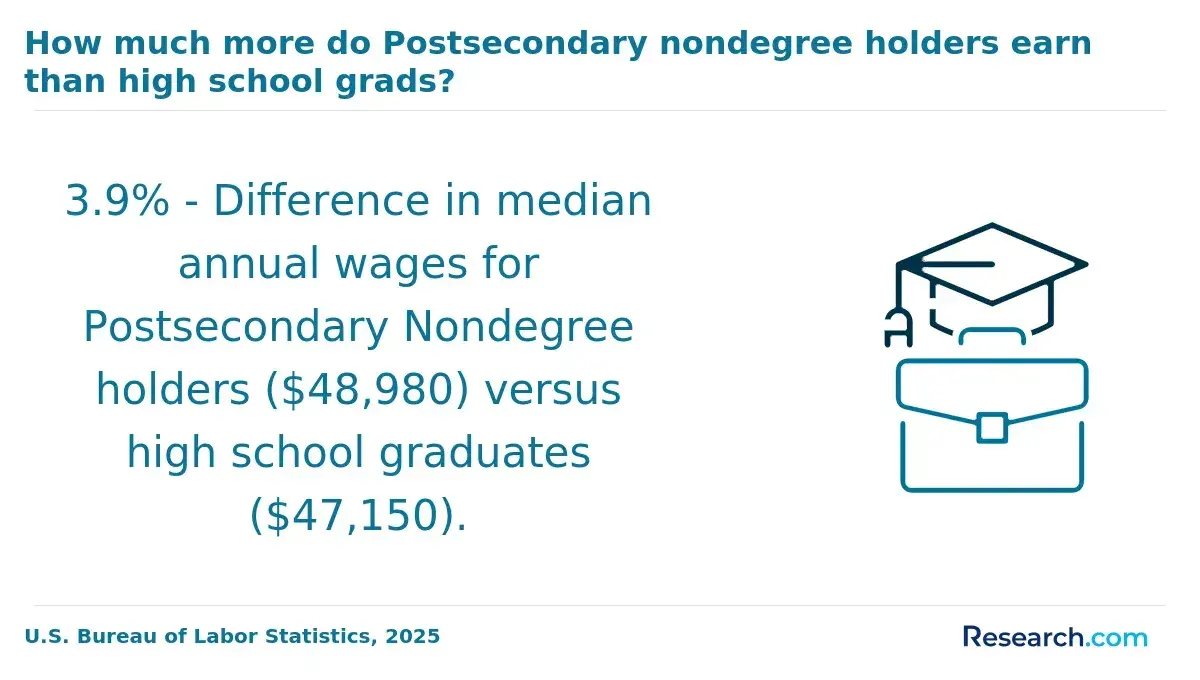
- Living and relocation expenses: Housing, meals, transport, and the potential necessity to move to a new city all contribute notably to overall costs.
- Opportunity cost: Time dedicated to study often means forgoing full-time employment income, a critical consideration for working adults contemplating the degree.
- Hidden or indirect costs: Additional fees such as technology charges, health insurance premiums, or networking activities can further inflate total spending without always being obvious upfront.
A graduate of a global studies program shared insight after reflecting on his investment. He recounted the financial juggling act of funding tuition while minimizing debt, noting that "balancing part-time work with demanding coursework made budgeting tight." He emphasized the unexpected burden of incidental expenses like software subscriptions and travel to conferences. His experience underscored that while the degree holds promise, understanding the full financial commitment and maintaining flexibility were essential strategies to manage the overall cost effectively.
What Financial Aid Is Available for Global Studies Degree Programs?
Reducing upfront expenses through financial aid can greatly enhance the long-term return on investment (ROI) of a global studies degree by lowering debt burdens after graduation. In fact, about 85% of U.S. graduate students receive some form of financial support, underscoring its critical role in financing advanced degrees.
Multiple types of financial aid are available, each influencing overall cost and ROI in unique ways:
- Scholarships: These grants require no repayment and effectively decrease total costs, boosting ROI by cutting the amount students need to borrow.
- Grants: Typically awarded based on financial need, grants lower the amount of money students must pay or borrow, thereby reducing future debt and interest payments.
- Fellowships: Aimed at academic or research merit, fellowships often cover tuition and provide stipends, lessening living expenses and easing financial pressure during study.
- Employer Tuition Assistance: For working individuals, employer contributions toward tuition can alleviate education costs without increasing personal debt, improving financial outcomes.
- Federal Loans: While repayment is required, federal loans usually offer lower interest rates and flexible terms compared to private options, helping maintain manageable debt levels.
How Long Does It Take to Complete a Global Studies Degree?
The duration needed to complete a global studies degree directly affects its return on investment by influencing opportunity costs, earnings onset, and overall expenses. Graduating sooner often means entering the workforce earlier, increasing lifetime income, while prolonged study can raise costs and delay financial benefits.
Several factors shape how long it takes to finish a global studies degree and thereby impact ROI:
- Enrollment status: Students enrolled full-time generally finish the program faster, reducing living costs and allowing earlier workforce entry. Part-time attendance can extend the timeframe, leading to more cumulative expenses.
- Program format: Online and accelerated tracks tend to shorten degree completion times by offering flexible pacing and eliminating commuting, making them attractive for improving financial efficiency.
- Transfer credits: Incoming students carrying credits from previous coursework can bypass certain classes, shortening their study period and minimizing tuition payments.
- Internship or thesis requirements: These practical or research components often add time to the program but may enhance employability and future earning potential through valuable experience.
- Scheduling flexibility: Programs designed for working professionals allow course-taking at varied times; while helpful for balancing responsibilities, this flexibility can prolong time to graduation.
When I spoke with a global studies graduate about her journey, she reflected on the balancing act between academic demands and personal responsibilities. She shared that maintaining a part-time schedule while working full-time stretched her degree completion to nearly six years, which felt daunting at times. Yet, she emphasized how the experience sharpened her time management skills and deepened her commitment to her field. "Taking longer was challenging but also meaningful," she said, highlighting that the extended timeframe allowed her to engage more deeply in internships and network extensively. This fuller experience, she believes, enriched her job prospects and ultimately justified the extra time invested.
Is ROI Higher for Online or On-Campus Global Studies Programs?
The delivery format of global studies degree programs significantly impacts return on investment (ROI) through differences in cost, flexibility, and career outcomes. Online learning is becoming increasingly popular, with over 40% of higher-education students enrolled in at least one online course as of 2023, reflecting a major shift in education preferences.
Key comparison points to consider when evaluating the cost effectiveness of global studies degrees by learning format include:
- Tuition and fees: Online programs generally have lower tuition and fees, reducing upfront expenses and making them more accessible for many students compared to on-campus options.
- Opportunity cost: The flexibility of online studies allows students to often work while studying, minimizing the income lost during the degree completion period, which can enhance overall ROI.
- Time to completion: Online formats sometimes offer accelerated or self-paced options, enabling students to finish sooner and enter or reenter the workforce faster.
- Networking and career services: On-campus programs typically provide stronger in-person networking opportunities and access to career services that may benefit job placement and long-term career growth.
- Employer perception and earnings: While some employers have traditionally preferred on-campus degrees, this gap is narrowing. Graduates of online programs, including those from online engineering programs, are increasingly recognized for their skills, enhancing earning potential over time.
What Is the Average Salary After Earning a Global Studies Degree?
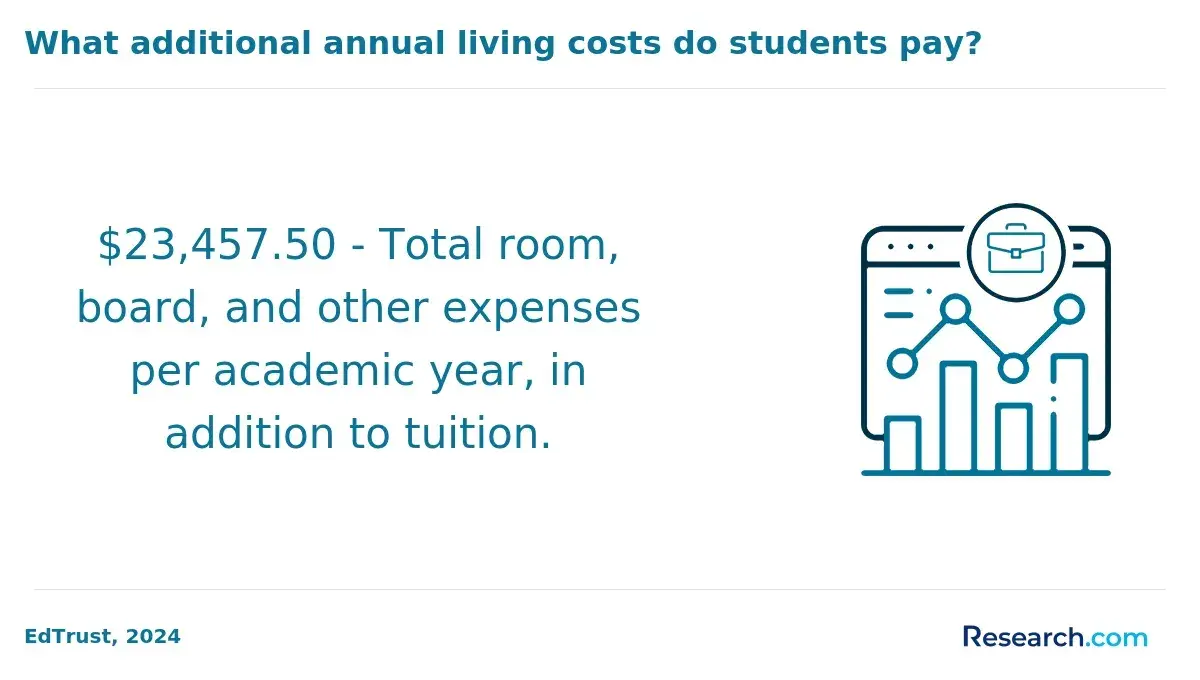
Post-graduation salary is a crucial factor in measuring the return on investment (ROI) of a global studies degree because it directly impacts how quickly graduates can recover education expenses and achieve financial stability. In the United States, the average global studies graduate salary generally ranges from $45,000 to $70,000 annually, reflecting employment in sectors such as nonprofit organizations, government agencies, and international development.
Several key factors influence this salary potential and overall ROI for global studies graduates:
- Industry: Salary levels vary significantly across sectors, with private companies typically offering higher pay than nonprofits or public organizations, though responsibilities may differ accordingly.
- Geographic location: Urban centers and cities with strong international presences provide more lucrative opportunities compared to rural or less economically active regions, affecting earning potential.
- Prior experience: Internships, volunteer roles, and relevant work experience can increase starting salaries and accelerate career advancement, enhancing salary potential.
- Specialization: Focusing on niches like international economics, security studies, or mastering additional languages can open doors to higher-paying positions aligned with those expertise areas.
- Career level: While entry-level roles offer lower salaries, progressing into management or advisory positions typically results in substantial salary growth over time.
For professionals interested in combining their global studies degree with advanced business skills, exploring executive MBA programs online can further enhance earning potential and career trajectories.
Does a Global Studies Degree Lead to Promotions?
Promotions play a crucial role in increasing the return on investment (ROI) of a global studies degree by boosting salary potential, expanding job responsibilities, and enhancing career mobility. These advancements not only offer financial benefits but also elevate professional recognition and leadership opportunities.
A notable trend in the workforce is the growing preference for credential-based promotions. Employers are increasingly advancing those with advanced degrees or specialized qualifications, reflecting the rising demand for expertise in global issues, cross-cultural communication, and international business-key areas emphasized in global studies programs.
Key ways a global studies degree may influence promotion opportunities and ROI include:
- Credential Requirements: Many leadership and specialized roles require formal qualifications. Holding a global studies degree helps meet these criteria, making candidates more competitive for promotions aligned with career advancement with a global studies degree.
- Leadership Preparation: The degree develops critical thinking and global awareness needed for management positions, empowering graduates to take on increased responsibilities and complex challenges.
- Employer Tuition Support: Some employers offer tuition reimbursement or financial support for employees pursuing relevant degrees, which reduces net education costs and enhances financial ROI.
- Internal Promotion Policies: Companies often favor candidates with formal education in their promotion guidelines, increasing the chances for those with global studies degrees to move up within organizations.
- Experience and Education Synergy: Combining practical work experience with academic insights positions graduates for more advanced roles, effectively leveraging their educational investment.
For those considering further education to maximize career advancement, options like earning a doctorate in organizational leadership online can build on a global studies foundation, enhancing promotion opportunities after international studies degree completion.
Which Industries Offer the Best ROI for Global Studies Graduates?
The return on investment (ROI) for graduates with a global studies degree varies significantly across industries due to differences in salary levels, career progression, and demand for specialized skills. Industries that emphasize international relations, cultural dynamics, and global markets generally offer stronger financial returns. This variability highlights why selecting a career path aligned with these factors is crucial for maximizing long-term benefits.
Industries commonly offering high ROI for global studies graduates include:
- International Development and Nonprofits: These sectors highly value cross-cultural communication and policy analysis. While starting salaries may be moderate, steady demand and opportunities for advancement and leadership roles enhance ROI over time.
- Government and Public Policy: Careers in diplomacy, foreign service, and policy advising leverage global studies expertise with competitive salaries and structured promotion paths, which contribute to a superior ROI.
- Consulting and Market Research: Firms in this area seek professionals proficient in global market trends and cultural insights. This demand translates into higher starting pay, performance bonuses, and robust career growth.
- Multinational Corporations: Functions involving global business strategy and international relations offer generous compensation packages and benefits, boosting long-term financial returns.
- Education and Academia: Positions in teaching and research provide intellectual fulfillment and job stability but may offer variable financial returns depending on institution and location.
For those exploring pathways with strong financial outcomes, understanding the top career fields ROI global studies degree offers can clarify where to focus efforts. Additionally, prospective students should consider cost-effective degree options such as online colleges that accept FAFSA to balance educational investments with earning potential. Evaluating the highest paying industries for global studies graduates in this context supports informed decisions about education and career trajectories.
Does Accreditation Affect ROI for a Global Studies Degree?
Accreditation in global studies programs involves a thorough evaluation process that ensures these degrees meet established educational standards. This validation is crucial because it signals to both students and employers that the curriculum maintains quality and relevance. A growing trend shows employers increasingly favor graduates from accredited programs, recognizing their skills as credible and trustworthy. Moreover, accreditation often determines whether graduates qualify for necessary professional licensure, which can be a decisive factor for career advancement in certain global studies-related fields.
Accredited status also bolsters long-term return on investment by building stronger employer confidence, which can improve hiring prospects. It facilitates access to federal financial aid and scholarship opportunities, helping to offset educational costs. Accredited programs generally provide better credit transfer options, allowing students to continue their education without losing progress. In addition, accreditation supports eligibility for professional certifications and enhances career flexibility by broadening geographic and sectoral job mobility.
Is a Global Studies Degree Worth It?
The return on investment for a global studies degree depends largely on factors like program expenses, duration, and future earnings potential. Costs can differ significantly between online and on-campus formats, while most students complete their studies within two to four years. Graduates typically earn between $45,000 and $60,000 annually, a range that is moderate compared to sectors such as business or engineering. Despite this, many find opportunities for advancement in fields like international relations and government where specialized global expertise is highly valued. Employment rates are encouraging, with about 85% of graduates finding work within a year in areas like policy, education, or cultural affairs.
Whether the degree is a worthwhile investment depends on several personal and market factors. High demand for skills in cross-cultural communication and international affairs can enhance ROI, especially if the program offers flexible learning options that reduce lost income during study. Financial aid availability also plays a critical role in lowering overall costs. However, for students whose primary goal is immediate high earnings, other degrees may provide quicker financial returns, whereas those targeting diplomacy or nonprofit careers might accept lower initial pay for long-term qualitative benefits.
What Graduates Say About The ROI of Their Global Studies Degree
- Orlando: "Choosing a global studies degree was a strategic move for me, especially after researching the long-term ROI. Although the average tuition can hover around $30,000 per year, I found the comprehensive understanding of international relations invaluable in securing a role at a multinational firm. The investment truly paid off when I saw my career prospects expand globally."
- Zion: "As an online student, I debated heavily about the cost of a global studies program, which can be quite high, but ultimately decided it was a worthy investment. Balancing work and study from home allowed me to gain practical skills while minimizing additional expenses. Graduating has opened doors to diverse roles in NGOs, confirming that the degree's impact goes beyond just finances."
- Wales: "Pursuing a part-time global studies degree was a calculated choice considering the price tag and the time commitment, which can extend beyond four years. The cost, comparable to traditional programs, felt justified by the networking and expertise I gained, which accelerated my advancement into policy analysis. Reflecting on it, this degree helped me confidently navigate and influence international policy environments."
Other Things You Should Know About Global Studies Degrees
The 2027 ROI of a Global Studies Degree is influenced by factors such as the global job market, demand for cultural and international expertise, regional economic conditions, and the specific industries students enter. Career opportunities in diplomacy, international business, and non-profit sectors significantly impact ROI.
Key skills gained from a global studies degree that improve ROI include cultural competency, critical thinking, and communication skills. These skills enhance employability in diverse sectors, such as international business and diplomacy, which can lead to higher salary prospects and better investment returns by2027.
Domestic programs may have lower tuition and better access to local job networks, affecting ROI positively. International programs often offer unique cultural experiences but can involve higher costs and visa complexities. Prospective students should weigh these factors carefully to assess which option offers a better ROI for their personal career goals.
References
- How Much Does it Cost to Study Abroad in 2025? | Go Overseas https://www.gooverseas.com/blog/cost-to-study-abroad
- Tuition fee https://hello.uni.opole.pl/global-studies/
- Bachelor Program International Relations Global Studies - Instytut Studiów Międzynarodowych i Bezpieczeństwa https://ismb.uwr.edu.pl/en/bachelor-program-international-relations-global-studies/
- The ROI of Your Business Degree: Why Your Education Matters https://www.sbs.edu/blog/roi-of-your-business-degree-education-matters/
- Top High-Paying Courses Abroad For International Students 2025 https://uniplanet.co.in/high-paying-courses-for-international-students/
- Examining the Effect of Accreditation Challenges on Educational Quality and Global Recognition https://www.ieac.org.uk/53-Examining-the-Effect-of-Accreditation-Challenges-on-Educational-Quality-and-Global-Recognition-blog.php
- What Can You Do With a Global Studies Degree? https://www.northcentralcollege.edu/news/2023/04/28/what-can-you-do-global-studies-degree
- Other Funding Opportunities | European Master in Global Studies https://globalstudies-masters.eu/admission/fees-support/other-funding-opportunities/
- In-demand jobs for students with a Global Studies degree https://www.avanse.com/blog/in-demand-jobs-for-students-with-a-global-studies-degree
- Funding https://www.globalstudies.uci.edu/grad/funding.php


