
2027 How Much Does a Global Studies Degree Program Cost? Tuition, Fees & Total Expense Breakdown

Co-Founder and Chief Data Scientist
Estimating the true cost of a global studies degree program can be challenging due to rising tuition and hidden fees. Over the past five years, tuition rates for these programs have increased by approximately 12%, complicating financial planning for many students. Understanding all related expenses is crucial to avoid unexpected financial burdens during your studies.
This article, prepared by career planning experts, breaks down tuition, mandatory fees, and additional costs associated with global studies degree programs. By providing clear cost components, it aims to help prospective students budget accurately, compare schools effectively, and make informed decisions tailored to their financial situation and academic goals.
Key Benefits of Knowing the Global Studies Degree Program Cost in 2026
- Knowing the total cost enables accurate financial planning, helping students secure adequate funding for tuition, fees, and living expenses in global studies programs.
- A detailed expense breakdown clarifies which fees-such as materials or study abroad-most impact overall costs, allowing targeted budgeting and scholarship applications.
- Awareness of average global studies tuition nationwide-ranging from $10,000 to $40,000 annually-helps compare programs and assess return on investment effectively.
What Expenses Are Included in the Full Cost of a Global Studies Degree?
Accurately planning the full cost breakdown of a Global Studies degree requires understanding all expense categories beyond tuition. Each component contributes to the total financial commitment students must prepare for when comparing programs.
- Tuition and mandatory fees: Tuition represents the largest expense, with annual costs at public universities ranging from $10,000 to $25,000 for in-state students, and higher for out-of-state or private institutions. Mandatory fees cover essentials like student activities, health services, and technology access, typically adding $1,000 to $2,500 annually.
- Books, supplies, and technology: Students often spend between $800 and $1,200 per year on textbooks, research materials, and course-specific software. Technology needs may require additional investments in laptops or subscriptions, costing $500 to over $1,000.
- Additional program or travel fees: While traditional lab fees are uncommon in global studies, costs related to internships, study abroad, or research-such as visas and travel expenses-can increase the total cost.
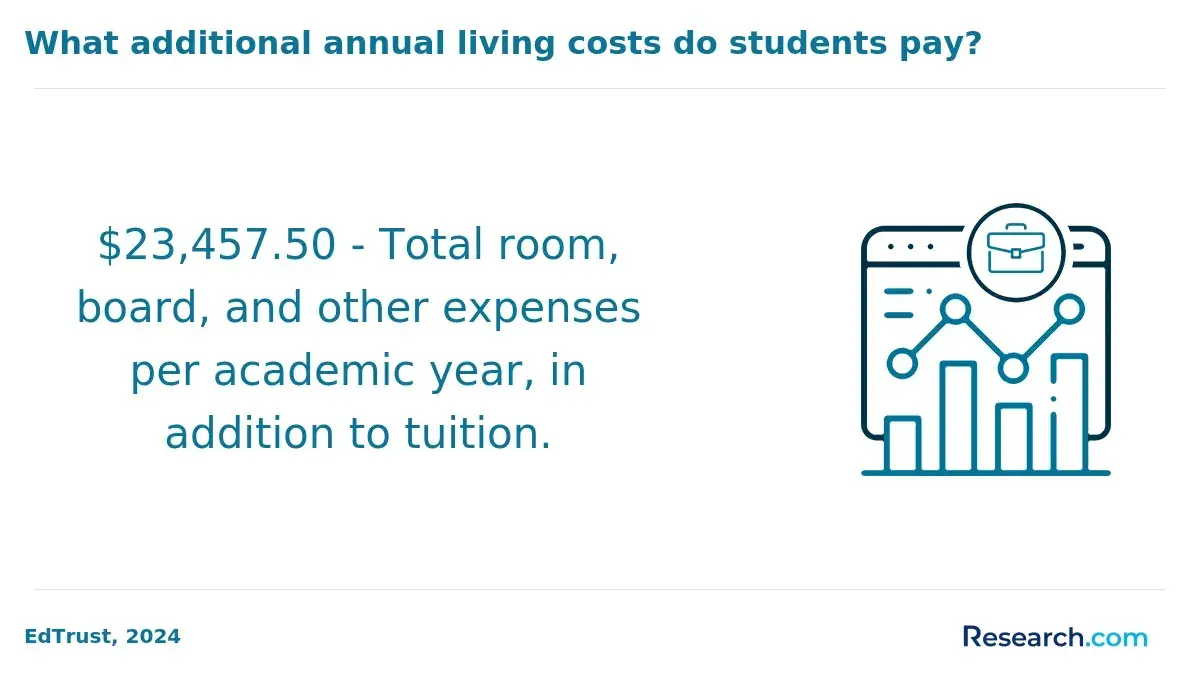
- Living expenses (housing, food, transportation): Room and board, transportation, and personal expenses add approximately $10,000 to $15,000 yearly, with variations based on location and lifestyle.
Students researching the tuition and fees for global studies programs should also consider the long-term financial implications of these expenses. For those interested in career outcomes and financial returns, exploring the highest paying certificate programs can provide insight into paths that complement a global studies degree and improve earning potential.
What Is the Average Total Cost of a Global Studies Degree Program in 2026?
The average total cost of a global studies degree program ranges widely, typically between $40,000 and $65,000 for four-year programs at public universities for in-state students. Private institutions have higher costs, often falling between $90,000 and over $120,000 for the entire curriculum. The total cost includes tuition, fees, supplies, and living expenses, all essential components for prospective students planning their academic and financial future.
Key factors influencing the global studies degree tuition and fees breakdown include institution type, program format, and geographic location. Public versus private schools display significant tuition differences, while online programs-which may reduce living costs but add technology fees-offer alternatives for cost savings.
Regional price variations also exist, with coastal states generally being more expensive than central U.S. regions. Additionally, study abroad components, common in global studies, can add $5,000 to $15,000 in expenses. Students interested in flexible admissions might consider online colleges with open admission policies to potentially manage costs more effectively.
What Mandatory Fees Do Schools Charge for a Global Studies Program in 2026?
Mandatory fees are additional charges required by colleges and universities that cover various campus services and resources beyond tuition costs. These fees help maintain essential academic and student support systems crucial for global studies students. The mandatory fees for Global Studies programs typically include the following categories:
- Technology fees: These fees, usually between $100 and $400 per semester, fund crucial resources like campus Wi-Fi, learning management systems, and software licenses necessary for global studies courses.
- Student services fees: Often ranging from $150 to $300 per term, this fee supports access to counseling, career centers, student organizations, and health services.
- Assessment or testing fees: Some programs require payment for placement tests, language proficiency exams, or other assessments, typically costing $50 to $150.
- Campus facilities fees: These fees, generally $200 or more per semester, help maintain and upgrade classrooms, libraries, and study spaces used by global studies students.
- Lab or specialized course fees: While global studies focuses mostly on classroom learning, some programs include fieldwork or specialized software use, resulting in additional fees usually under $300 per semester.
Typical school fees for a global studies degree add a substantial amount to the overall education expenses. According to the College Board, average mandatory fees at public universities are around $1,300 annually, with private institutions charging upwards of $1,700.
Properly planning for these costs is vital for students exploring global studies programs. For those interested in finding affordable options to manage total expenses, researching the cheapest online masters degrees can provide valuable insights.
Are There Additional Program Fees for the Global Studies Major in 2026?
Students pursuing a global studies degree should anticipate program-specific fees beyond regular tuition and standard university charges. These additional costs vary by institution and often relate to specialized courses and practical experiences. Common extra fees include the following:
- Specialized Lab Fees: Applied when courses involve geographic information systems (GIS) or data analysis tools, these fees cover access to required software and equipment, typically ranging from $100 to $500 per semester.
- Program-Specific Software Costs: Some programs require proprietary applications for areas such as international relations or language learning, with fees averaging between $50 and $300 annually.
- Licensing and Certification Fees: Optional preparation for certifications in diplomacy or conflict resolution incurs exam and registration costs, which may vary widely.
- Required Equipment or Supplies: Certain courses demand materials or technology purchases pertinent to global studies coursework, adding to the overall expenses.
- Fieldwork and Practicum Costs: Internships, study-abroad experiences, or practica often involve travel, housing, and insurance fees, sometimes totaling several thousand dollars depending on the program.
How Much Do Required Supplies or Equipment Cost for a Global Studies Major?
Accurately estimating the cost of supplies and equipment is essential for students planning their total expenses in a global studies program. These costs, while generally moderate, contribute significantly to the overall budget.
Below is a list of typical items required for a global studies major, along with their usual purposes and price ranges:
- Textbooks and academic journals: Necessary for course material and research, these often amount to $500-$800 annually depending on the curriculum.
- Personal computing devices: A laptop or tablet is essential for assignments and research, with an initial purchase price usually between $600 and $1,200.
- Specialized software: Includes language learning applications and data analysis tools that support coursework, costing approximately $50-$200 per year.
- Fieldwork materials and travel expenses: Optional costs related to international study or research, varying widely based on specific course requirements.
Unlike STEM fields, global studies majors typically avoid costly lab equipment or specialized technical gear. Annual supply budgets commonly range from $1,000 to $1,500 based on institutional data.
What Are the Typical Living, Food, and Travel Expenses for Global Studies Students?
Living, food, and travel expenses are significant components of the total cost for global studies students, fluctuating greatly based on location, lifestyle choices, and program requirements. These costs require careful budgeting, as they can vary widely across different university settings.
Below are common expense categories that students typically encounter:
- Housing and utilities: Annual rent and utility costs generally range from $8,000 to $12,000, influenced by whether students live on-campus, rent apartments nearby, or share housing.
- Groceries and dining: Students often allocate $3,000 to $4,500 yearly for food, balancing home-cooked meals, campus meal plans, and dining out according to their preferences and budgets.
- Local transportation: Expenses for public transit passes or other daily travel options can total $600 to $1,200 annually, depending on the city's infrastructure and student mobility.
- Travel for internships or study abroad: Given the international focus of global studies, students may spend $300 to $1,500 per trip on domestic and international flights, along with additional costs related to accommodation and local transport abroad.
Do Global Studies Programs Require Internships or Residencies that Add Cost?
Many global studies programs include internships or residencies, which can be either required or optional depending on the institution. These experiential elements are designed to enhance practical understanding of international relations, development agencies, or cultural organizations.
Typically, internships may involve a semester-long placement abroad or participation in a study residency, both of which can substantially increase the overall cost of the degree. Because these components provide valuable real-world experience, they are often regarded as essential parts of the curriculum rather than optional add-ons.
Additional expenses linked to internships or residencies often cover travel, accommodation, local transportation, insurance, and sometimes program-specific fees. Costs can vary widely-students might expect to spend anywhere from $3,000 to $10,000 extra depending on factors like destination, duration, and housing arrangements.
Equipment purchases and visa fees may also contribute to the total. To manage these costs, prospective students should thoroughly review program requirements well in advance, explore scholarships or grants aimed at experiential learning, and budget carefully for these necessary but sometimes overlooked expenditures.
Are Online Global Studies Programs Cheaper Than On-Campus Programs in 2026?
Most institutions offering global studies degrees permit students to switch between part-time and full-time enrollment to suit changing needs. This process usually involves submitting a formal request and receiving approval from academic advisors or program coordinators.
Students must weigh factors such as their academic standing, course availability, and financial aid eligibility before making the switch. Additionally, some programs have specific guidelines to ensure that enrollment changes align with degree progress requirements.
Academic performance often influences approval decisions, and shifting enrollment can affect financial aid, since certain scholarships or loans require full-time status. Course schedules-especially for required seminars or study-abroad components-may limit the flexibility to change status mid-program.
Furthermore, changing from part-time to full-time or vice versa may extend the time needed to graduate, impacting personal and professional plans. Regular advising ensures that students maintain consistent progress toward their degree goals.
How Much Does a Full-Time Global Studies Program Cost Compared to Part-Time?
When planning to pursue a global studies degree, it is essential to consider the differences in costs between full-time and part-time enrollment. These differences influence financial planning and can affect how you balance education with work or personal obligations.
Below is a detailed comparison highlighting the key expense areas for each enrollment format.
Full-time Enrollment
- Tuition per Credit: Full-time students typically take 12 to 18 credit hours per semester, benefiting from annual tuition rates averaging between $15,000 and $25,000 at public universities according to 2026 tuition comparison for global studies programs.
- Total Program Cost: The degree is usually completed in about four years, which may result in a higher total cost due to the concentrated course load and shorter duration.
- Mandatory Fees: Technology, activity, and other fees commonly add $1,000 to $2,000 annually regardless of enrollment status.
- Supply and Equipment Costs: Expenses such as textbooks and software essential for global studies research tools typically total around $800 per year.
- Living and Travel Expenses: Full-time students often live on or near campus, which can increase costs related to housing, meals, and travel, especially when participating in internships or study-abroad programs.
Part-time Enrollment
- Tuition per Credit: Part-time students enroll in fewer credits per semester, often 6 to 9, with tuition per credit ranging from $500 to $1,200 depending on the institution, which lowers semester costs but may extend overall financial commitment.
- Total Program Cost: Extended program length due to reduced course load often spreads tuition payments over more semesters, potentially increasing the total amount paid in the long run as shown in full-time vs part-time global studies degree cost 2026 analyses.
- Mandatory Fees: Similar to full-time students, part-timers incur technology and activity fees generally between $1,000 and $2,000 per year.
- Supply and Equipment Costs: Annual costs for materials remain consistent regardless of enrollment status, generally around $800.
- Living and Travel Expenses: Many part-time students maintain residence and employment, leading to potentially lower living costs; however, limited course scheduling to evenings or weekends may reduce access to certain experiential opportunities.
Deciding between part-time and full-time enrollment also involves weighing how program duration, credit load, and course scheduling impact not only total expenses but also educational and career prospects. For those curious about accelerating their education path, exploring what is the shortest PhD program might provide insight into alternative options within related academic areas.
What Hidden Fees Increase the Cost of a Global Studies Program in 2026?
Students enrolling in a global studies degree program often encounter hidden fees that significantly raise the total expense beyond tuition and mandatory charges. Accounting for these unexpected costs of global studies degrees is essential for accurate budgeting and to avoid financial surprises during the program.
Several common hidden fees can impact the overall cost. These are often overlooked but critical to consider:
- Late registration fees: Charged when students miss course enrollment deadlines, these fees typically range from $50 to $150 per occurrence and can accumulate if schedules are frequently changed.
- Library or printing fees: Covering access to specialized academic materials and the cost of printing, these fees may total $100-$300 per year depending on usage.
- Lab consumables: Required for practical assignments or research, these materials can cost between $50 and $200 per semester.
- Exam or certification fees: Some global studies courses require external tests such as language proficiency exams, with fees ranging from $100 to $400.
- Parking or transportation costs: Commuter permits and transportation fees can add $200 to $500 annually, increasing expenses for students who travel to campus.
Recognizing these hidden fees in Global Studies programs enables students to develop a more realistic financial plan. For those considering cost-effective options, finding a cheap online bachelors degree in global studies may reduce some expenses related to commuting and campus-based charges.
What Graduates Say About the Cost of Their Global Studies Degree
- Orlando: "Pursuing my global studies degree was surprisingly affordable compared to other programs, especially since I carefully managed my living expenses by choosing shared housing and cooking at home. The depth of knowledge I gained and the practical experience through internships made every dollar well worth it. I feel confident that the return on investment will continue to grow as I advance in my career. "
- Zion: "The overall cost of attending a global studies program was a significant consideration for me, but it taught me valuable skills in budgeting and financial planning during my time at university. Balancing part-time work with studies wasn't easy, but it made the learning experience richer and more realistic. Reflecting now, the degree's broad perspective and networking opportunities provide a great ROI in a competitive job market. "
- Wyatt: "While the tuition and living expenses for global studies can be substantial, I found the comprehensive curriculum and supportive faculty justified the investment. By prioritizing my expenses and seeking scholarships, I managed to lessen financial stress, which enhanced my learning experience. The ROI is clear, as the degree opened doors to international roles and high-impact projects. "
Other Things You Should Know About Global Studies Degrees
Yes, financial aid can substantially reduce the overall cost of a Global Studies degree. Many students qualify for federal grants, scholarships, or institutional aid that directly lower tuition and fees. However, the availability and amount of aid vary by institution and individual eligibility, so it's important to research and apply early.
Public universities generally charge lower tuition for Global Studies programs, especially for in-state residents, compared to private institutions. Private schools tend to have higher sticker prices but may offer more scholarship opportunities. Prospective students should compare net costs after financial aid for a clearer picture.
Completing a Global Studies degree in fewer semesters can reduce overall tuition and living expenses, but this depends on the course load and availability of required classes. Accelerated programs or summer courses may help shorten time to completion but could increase short-term costs. Students should weigh the financial and academic implications before deciding.
References
- Complete Cost Breakdown of Studying In Europe https://gradright.com/complete-cost-breakdown-of-studying-in-europe/
- How Much Does It Cost to Study Abroad? Find Out Here! https://metaapply.io/blogs/how-much-does-it-cost-to-study-abroad/
- Fees & Support | European Master in Global Studies https://globalstudies-masters.eu/admission/fees-support/
- How Much Does It Really Cost to Study Abroad in 2026? https://helpstudyabroad.com/study-abroad/how-much-does-it-really-cost-to-study-abroad/
- International Center University of Florida https://internationalcenter.ufl.edu/start-up
- The True Financial Cost of an International Education - ISBSS https://isbss-edu.org/international-education-cost/
- How Much Does It Cost To Study Abroad? - NerdWallet https://www.nerdwallet.com/student-loans/learn/how-much-does-it-cost-to-study-abroad
- How to Study Abroad for Free or Cheap in 2026 | Go Overseas https://www.gooverseas.com/blog/study-abroad-free-cheap


