
2027 Types of Mental Health Professionals: Careers to Consider

Co-Founder and Chief Data Scientist
More than one in five US adults live with a mental illness, according to 2022 data. This is equivalent to 23.1% of the population. This growing demand for support highlights the essential role of the types of mental health professionals who provide care, guidance, and treatment.
Understanding these roles is not only critical for those seeking help but also for students and professionals exploring mental health careers, as each pathway offers distinct responsibilities, training requirements, and opportunities to make an impact.
In this article, I will discuss how different mental health careers compare, what qualifications are needed, and the environments where each professional can work. I will also guide graduates in identifying the right path for building a meaningful and sustainable mental health career.
Key Things to Know About the Types of Mental Health Professionals
- The demand for mental health professionals continues to grow as more people seek support for emotional, behavioral, and psychological challenges.
- Graduates can pursue careers in diverse settings, including hospitals, private practice, schools, community agencies, or specialized treatment centers.
- Mental health professionals typically work in roles that include psychiatrists, psychologists, counselors, social workers, and nurse practitioners, each offering unique contributions and long-term growth potential within the mental health field.
- What are the main types of mental health professionals? Main Types
- What academic requirements differ among mental health professionals? Academic Requirements
- How does pay differ among mental health professionals? Average Salaries
- What skills are essential for different mental health professionals? Essential Skills
- What work settings do mental health professionals commonly practice in? Work Settings
- What career advancement opportunities exist for mental health professionals? Career Advancement
- What challenges do mental health professionals face in practice? What challenges do mental health professionals face in practice?
- What ethical standards guide mental health professionals? What ethical standards guide mental health professionals?
- What impact do mental health professionals have on community well-being? What impact do mental health professionals have on community well-being?
- How can you choose the right mental health profession? Choosing a Specialization
- How is technology transforming mental health services and education? How is technology transforming mental health services and education?
What are the main types of mental health professionals?
The mental health workforce includes a diverse range of professionals who address emotional, behavioral, and psychological needs through therapy, assessment, case management, medication management, and holistic support. These professionals work in varied settings such as hospitals, community clinics, schools, private practices, and faith-based environments. Understanding the distinct roles and expertise of each type of mental health professional is essential for anyone exploring careers in this field or seeking appropriate care.
The main types of mental health professionals include:
- Psychologists: Provide specialized psychological assessments and evidence-based therapy to help individuals understand and manage mental health conditions.
- Counselors and Therapists: Deliver individualized and group therapy to support emotional well-being and address behavioral or relational challenges.
- Social Workers: Offer therapeutic support and connect clients to essential resources to address both mental health needs and life challenges.
- Psychiatric Mental Health Nurses: Deliver mental health care by providing therapy, monitoring treatment progress, and supporting clients’ recovery plans.
- Pastoral Counselors: Combine counseling techniques with spiritual guidance to help individuals explore meaning, resilience, and coping strategies.
What academic requirements differ among mental health professionals?
Academic requirements differ markedly among mental health professions, shaped by the specific expertise and responsibilities each role entails. Understanding psychology degree accreditation is key to ensuring your education meets professional and licensure standards. With mental and behavioral problems accounting for nearly 12% of the global disease burden, the demand for well-prepared professionals is urgent.
The distinct educational pathways of the different types of mental health professionals, highlighted below, ensure practitioners are rigorously equipped with the necessary knowledge and therapeutic skills. This foundation enables them to address the diverse and complex mental health needs of the communities they serve, as described in the following roles.
- Psychologists: Require a doctoral degree, typically a Doctor of Philosophy (Ph.D.) or Doctor of Psychology (Psy.D.), in clinical psychology or a related specialty, which involves years of graduate coursework, supervised clinical training, and research, making it important to understand how to become a clinical psychologist.
- Counselors and Therapists: Hold master’s degrees (M.S. or M.A.) in mental health-related fields such as counseling psychology, marriage and family therapy, or clinical mental health counseling, with supervised practicum and internship experiences.
- Social Workers: Obtain a Master of Social Work (MSW) degree, which combines clinical training, fieldwork, and coursework in mental health, advocacy, and case management.
- Psychiatric Mental Health Nurse Practitioners: Earn a Master of Science (M.S.) or Doctor of Philosophy (Ph.D.) in nursing with a specialization in psychiatric mental health, including advanced clinical training and supervised practice.
- Pastoral Counselors: These types of mental health professionals are clergy members who complete specialized training in clinical pastoral education and counseling, with some earning advanced degrees equivalent to a doctorate in counseling or theology.
How does pay differ among mental health professionals?
Pay structures vary widely across mental health professions, shaped by factors such as education, licensure, specialty, experience, and work setting. These differences reflect the scope of practice and level of responsibility inherent to each role, influencing both career choices and workforce distribution in the mental health field. Salary variations also reflect the demand for specific expertise and the complexity of the services provided.
Understanding these pay differences is essential for those considering mental health careers, as compensation often reflects education, work complexity, and professional impact. Below is an overview of average annual salaries for the main types of mental health professionals:
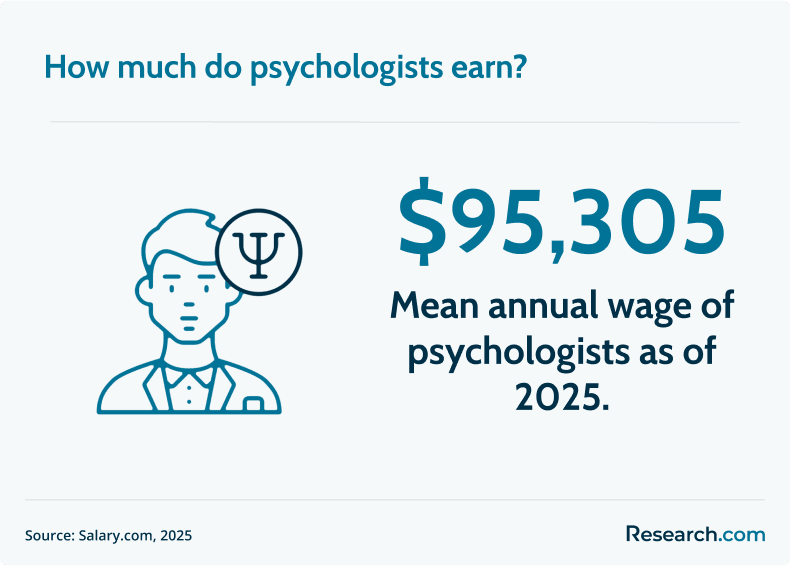
- Psychologists: Earn an average of $95,305 per year, reflecting their advanced doctoral training and expertise in psychological assessment, therapy, and research.
- Counselors and Therapists: Counselors earn around $64,434 annually, while therapists average $60,939 per year, with variations influenced by specialty and setting. These roles focus on delivering targeted counseling and therapeutic services to address emotional and behavioral needs.
- Social Workers: Average $63,118 annually, offering a combination of therapeutic support, case management, and community advocacy to meet clients’ mental health needs.
- Psychiatric Mental Health Nurses: Earn approximately $89,100 per year, reflecting their advanced practice training in assessment, therapy, and medication management.
- Pastoral Counselors: Have an average annual income of $109,520, reflecting their unique integration of clinical pastoral care and mental health counseling, often within faith-based or specialized therapeutic settings.
What skills are essential for different mental health professionals?
Each mental health profession demands a unique combination of skills tailored to its scope of practice, yet all require a foundation in clinical assessment, therapeutic communication, crisis intervention, cultural competence, and ethical decision-making. These core abilities ensure professionals deliver effective, compassionate, and individualized care that meets diverse client needs.
Having specialized skills reflect the diverse approaches within the mental health profession, enabling practitioners to address mental health challenges effectively in varied clinical, community, and spiritual contexts. Below are the skills for specific types of mental health professionals:
- Psychologists: Possess advanced skills in psychological evaluation and testing, evidence-based therapy, and research-informed treatment planning to address complex mental health conditions.
- Counselors and Therapists: Excel in active listening, empathy, and therapeutic communication, applying tailored interventions to support emotional well-being and behavior change, which is essential when exploring the fastest way to become a licensed counselor.
- Social Workers: Combine strong case management skills with advocacy, resource coordination, and culturally informed counseling to support holistic client care.
- Psychiatric Mental Health Nurses: Demonstrate expertise in clinical assessment, medication management, therapeutic communication, and interdisciplinary collaboration to optimize treatment outcomes.
- Pastoral Counselors: Integrate counseling skills with spiritual guidance, employing empathy, reflective listening, and meaning-centered approaches to support emotional and spiritual healing.
In addition to the abovementioned, cultural competence is also an increasingly in-demand skill in recent years. Given that 9.1% of Non-Hispanic White adults and 6.5% of Non-Hispanic Black adults experienced a major depressive episode in the past year, this underscores the need for culturally informed approaches.
This chart from the US Department of Health and Human Services Office of Minority Health shows the incidence of major depressive episodes among those aged 18 and older.
What work settings do mental health professionals commonly practice in?
Mental health professionals work in diverse settings that shape the type and scope of care they provide. These environments offer distinct opportunities and challenges, allowing professionals to adapt their approaches to meet a wide spectrum of mental health needs, from crisis intervention and ongoing therapy to prevention and advocacy.
The importance of accessible mental health care is underscored by the findings of the World Health Organization that depression affects about 5% of adults worldwide, with women disproportionately impacted. This global prevalence highlights the need for mental health professionals to operate in multiple environments to ensure broad and equitable access to care.
Below are the common work settings for the different types of mental health professionals:
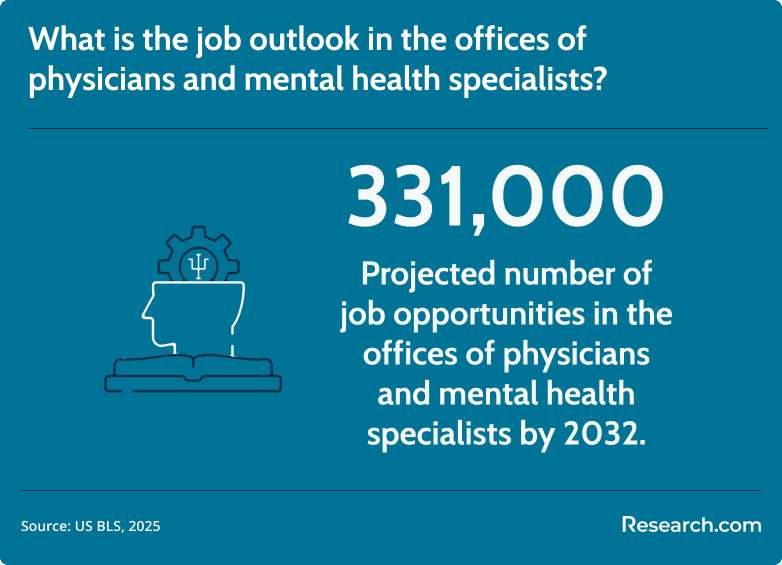
- Offices of Physicians and Mental Health Specialists: These are the top settings for mental health professionals. Projected to employ 331,000 by 2032, these settings specialize in diagnostic evaluations, treatment planning, and coordinating care for individuals with complex mental health needs.
- Offices of Mental Health Practitioners: Offer individual and group therapy sessions in outpatient settings, providing consistent, ongoing mental health support.
- Outpatient Mental Health and Substance Abuse Centers: Offer counseling, case management, and specialized programs designed to address a range of mental health and addiction concerns.
- Psychiatric and Substance Abuse Hospitals: Deliver intensive inpatient care, crisis stabilization, and medication management for individuals experiencing acute mental health episodes.
- Residential Mental Health and Substance Abuse Facilities: Provide structured, long-term treatment and support, helping individuals build skills for recovery and daily living.
What career advancement opportunities exist for mental health professionals?
Career advancement in mental health depends on continued education, specialized training, leadership development, and professional certification. For those considering graduate study, understanding how much is a master’s in mental health counseling can help in planning both academic and financial goals. These pathways allow professionals to deepen their expertise, expand their scope of practice, assume leadership roles, and influence mental health policy and service delivery.
Given the growing demand for mental health services, career progression is both a personal and systemic priority, enabling professionals to expand their expertise while strengthening the mental health system. These opportunities allow practitioners to enhance their careers and play a vital role in improving access to care, elevating service quality, and advancing outcomes for individuals and communities.
Advancement opportunities vary by profession and may include the following for the different types of mental health professionals:
- Psychologists: Can specialize in areas such as neuropsychology, child and adolescent psychology, or forensic psychology, and pursue leadership roles in research, academia, or clinical administration.
- Counselors and Therapists: May obtain advanced certifications in specialized therapeutic approaches, supervision credentials, or leadership positions in community agencies or private practices.
- Social Workers: Can progress to clinical social work, obtain advanced licensure (LICSW/LCSW), and assume leadership roles in program management, policy development, or advocacy organizations, addressing the question what can I do with a social worker degree.
- Psychiatric Mental Health Nurses: May pursue doctoral-level training, certifications in advanced practice, or leadership roles in healthcare administration and policy.
- Pastoral Counselors: Can advance through clinical pastoral education, spiritual direction certification, or leadership roles within religious and healthcare institutions.
What challenges do mental health professionals face in practice?
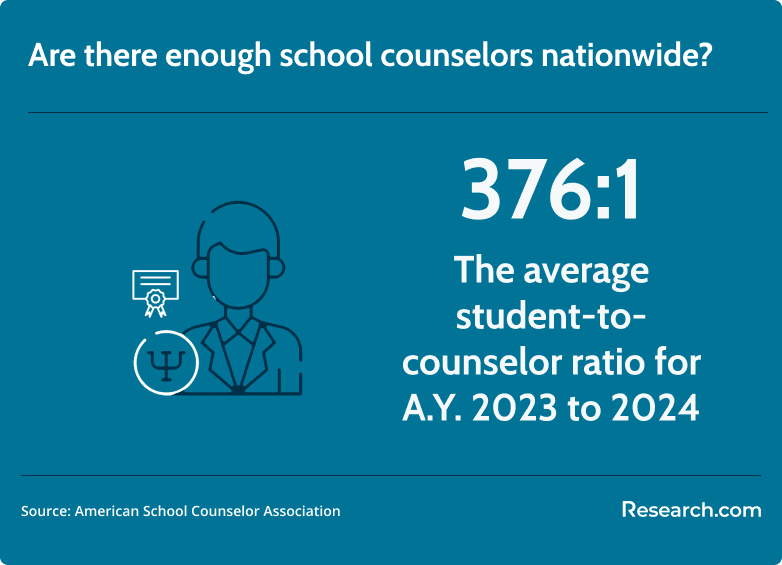
Mental health professionals face a range of challenges that affect service delivery and professional well-being. The impact of these challenges is evident in education settings, where the recommended student-to-counselor ratio is 250 to 1, yet the national average for 2023 to 2024 stands at 376 to 1, placing significant strain on school counselors and limiting the availability of individualized support for students.
Challenges also extend to treatment settings for substance use disorders, where relapse rates are high; according to the National Institute on Drug Abuse. Relapse rates for these disorders are estimated between 40 to 60%, highlighting the ongoing need for consistent, structured support.
Addressing challenges such as this requires resilience, ongoing education, adequate resources, and collaborative problem-solving across disciplines. These challenges highlight the urgent need for systemic solutions that support mental health professionals while enhancing accessibility, equity, and quality of care for the communities they serve.
The following outlines the specific challenges experienced by various types of mental health professionals:
- Psychologists: Manage increasing demand for services while ensuring sufficient time for comprehensive assessments and evidence-based interventions.
- Counselors and Therapists: Navigate high caseloads and administrative demands while maintaining quality therapeutic relationships.
- Social Workers: Balance direct clinical work with advocacy, case management, and navigating complex social service systems.
- Psychiatric Mental Health Nurses: Address workforce shortages while meeting the growing need for integrated physical and mental health care, with many pursuing accelerated online MSN PMHNP programs to advance their qualifications.
- Pastoral Counselors: Integrate spiritual care with clinical practice while addressing diverse cultural and ethical considerations.
What ethical standards guide mental health professionals?
Ethical standards form the foundation of professional practice in mental health, guiding practitioners in safeguarding client welfare, maintaining confidentiality, and upholding integrity. These principles ensure care is delivered responsibly, respectfully, and in alignment with established codes of ethics set by professional organizations. Similar to how professionals pursuing careers in business law must adhere to strict ethical frameworks, mental health practitioners rely on these standards to maintain trust and accountability.
Ethical practice also involves setting clear boundaries, obtaining informed consent, and applying culturally competent approaches to meet the needs of diverse populations.
Ethical considerations influence treatment planning, as seen in the average length of therapy: marital or couples therapy typically involves 11.5 sessions, while family therapy averages 9 sessions, reflecting intentional structuring to meet client needs effectively. These commitments unify the diverse roles of mental health professionals, ensuring interventions are effective, respectful, and aligned with the highest standards of practice.
Ethical standards across the various types of mental health professionals generally include:
- Respect for Client Autonomy: Ensure clients are active participants in treatment decisions through informed consent and collaborative goal-setting.
- Confidentiality: Safeguard private information while balancing legal and ethical obligations to disclose when necessary for safety.
- Competence: Maintain professional expertise through ongoing education, licensure renewal, and adherence to evidence-based practices.
- Integrity: Deliver services honestly, avoiding conflicts of interest, and maintaining transparency with clients.
- Cultural Competence: Recognize and respect cultural, racial, and socioeconomic diversity in the therapeutic process.
This chart from the American Association for Marriage and Family Therapy illustrates the average duration of therapy provided by marriage and family therapists.
How is technology transforming mental health services and education?
Technology integration is reshaping both service delivery and educational pathways in mental health. Digital platforms enable remote therapy sessions and virtual consultations, broadening access to care and facilitating interdisciplinary collaboration across regions. Simultaneously, online learning environments offer flexible, rigorous training options that equip professionals with up-to-date digital competencies. In some instances, candidates can pursue the cheapest online counseling degree, which eases financial barriers while maintaining quality standards. These technological advancements not only improve clinical outcomes but also streamline continuous professional development and practical skill acquisition in real-world settings.
What impact do mental health professionals have on community well-being?
Mental health professionals are enhancing community well-being by improving access to care, fostering resilience, and reducing the overall burden of mental illness. Their work extends beyond individual treatment to strengthen families and communities by promoting emotional health, supporting recovery, and enhancing quality of life. Just as students use the best online 8-week college courses to quickly build essential skills, mental health practitioners rely on flexible, high-quality training to expand their expertise and deliver effective care.
By addressing both individual needs and broader systemic issues, mental health professionals sustain healthier, more resilient communities and contribute to long-term improvements in public mental health. Their impact includes:
- Psychologists: Improve community mental health through evidence-based therapy, research-informed interventions, and public education initiatives that promote emotional wellness.
- Counselors and Therapists: Provide accessible, ongoing support that helps individuals manage stress, build coping strategies, and enhance interpersonal relationships.
- Social Workers: Strengthen community resilience by coordinating services, advocating for systemic change, and addressing social determinants of mental health.
- Psychiatric Mental Health Nurses: Enhance well-being through integrated care approaches, crisis intervention, and medication management for complex mental health conditions.
- Pastoral Counselors: Foster holistic well-being by integrating spiritual guidance with mental health care, supporting emotional and moral resilience within communities, and often following the steps to become a pastoral counselor.
How can you choose the right mental health profession?
Choosing the right mental health profession is a personal and professional journey that requires self-awareness and careful reflection. The field is broad and diverse, offering pathways that range from clinical practice to community advocacy and from research to creative or spiritual approaches to healing. Because mental health work touches lives in complex ways, select a career that resonates with one’s values, skills, and vision for impact.
To select the right mental health profession, find the balance between passion and practicality. By integrating self-reflection with real-world exploration, individuals can identify a career that not only fits their skills but also sustains their commitment to improving lives. To make an informed decision, aspiring professionals should consider the following factors:
- Assess Personal Strengths and Interests: Reflect on whether your abilities lean toward scientific analysis, empathic listening, problem-solving, or creative expression.
- Clarify Long-Term Goals: Decide if you want to provide direct therapy, conduct research, shape policy, or support communities through advocacy.
- Understand Educational Requirements: Research the training, licensure, and advanced degrees needed for roles such as psychiatrist, psychologist, or licensed counselor.
- Evaluate Preferred Practice Settings: Consider if you are more comfortable in hospitals, schools, private practice, correctional facilities, or nonprofit organizations.
- Examine Alignment with Values: Choose a path that reflects your beliefs about healing, whether rooted in medical treatment, counseling, social justice, or holistic practices.
- Seek Exposure and Mentorship: Shadow professionals, volunteer in mental health settings, or engage in internships to gain practical insights into daily responsibilities.
- Consider Lifestyle and Flexibility: Explore the work-life balance, income potential, and career stability each profession can realistically offer.
What Mental Health Professionals Say About Their Careers
- Maia: "As a clinical counselor, I’ve had the privilege of guiding clients through some of their toughest moments. The progress I witness, even in small steps, reminds me daily why this work is so meaningful. Knowing that I can provide a safe space for healing is what keeps me motivated. "
- Denise: "Working in school psychology has shown me how early intervention can transform a student’s academic and personal life. Helping children build resilience and confidence is the highlight of my career."
- Alvera: "My role in psychiatric nursing allows me to combine medical care with emotional support for patients. It’s incredibly rewarding to see how compassionate interventions can restore hope and stability. Each day reminds me that mental health care is just as vital as physical health care. "
Key Findings
- Psychologists earn a mean annual wage of $95,305, reflecting their advanced expertise and specialized training.
- Offices of physicians and mental health specialists are projected to employ 331,000 by 2032, making them among the largest providers of mental health care.
- Major depressive episodes affect 9.1% of non-Hispanic white adults, highlighting significant public health concerns.
- Student-to-counselor ratio averages 376 to 1 nationwide for the 2023 to 2024 school year, exceeding recommended levels and increasing demands on school counselors.
- Marital or couples therapy averages 11.5 sessions with marriage and family therapists, reflecting structured approaches to relationship-focused care.
References:
- American Association for Marriage and Family Therapy (n.d.). About Marriage and Family Therapists. Retrieved from https://www.aamft.org/AAMFT/About_AAMFT/About_Marriage_and_Family_Therapists.aspx
- American School Counselor Association (n.d.). School Counselor Roles & Ratios. Retrieved from https://www.schoolcounselor.org/About-School-Counseling/School-Counselor-Roles-Ratios
- Salary.com (2025). Counselor Salary in the United States. Retrieved from https://www.salary.com/research/salary/benchmark/counselor-salary
- Salary.com (2025). Pastoral Counselor Salary in the United States. Retrieved from https://www.salary.com/research/salary/position/pastoral-counselor-salary
- Salary.com (2025). Psychiatric Nurse Salary in the United States. Retrieved from https://www.salary.com/research/salary/alternate/psychiatric-nurse-salary
- Salary.com (2025). Psychologist - M.A. Retrieved from https://www.salary.com/tools/salary-calculator/psychologist
- Salary.com (2025). Social Worker Salary in the United States. Retrieved from https://www.salary.com/research/salary/position/social-worker-salary
- Salary.com (2025). Therapist Salary in the United States. Retrieved from https://www.salary.com/research/salary/position/therapist-salary
- Sayers, J. (2001). The World Health Report 2001 — Mental health: New Understanding, New Hope. Bulletin of the World Health Organization, 79(11), 1085. Retrieved from https://pmc.ncbi.nlm.nih.gov/articles/PMC2566704/
- US BLS (2023). Careers in Mental Health Services. Retrieved from https://www.bls.gov/careeroutlook/2023/article/careers-in-mental-health-services.htm
- US Department of Health and Human Services Office of Minority Health (2025). Mental and Behavioral Health – Black/African Americans. Retrieved from https://minorityhealth.hhs.gov/mental-and-behavioral-health-blackafrican-americans
- US BLS (2025). Fastest Growing Occupations. Retrieved from https://www.bls.gov/ooh/fastest-growing.htm
Other Things You Should Know About the Types of Mental Health Professionals
In 2027, hospitals employ a variety of mental health professionals. Psychiatrists, clinical psychologists, psychiatric nurses, and licensed clinical social workers often work in hospital settings. These professionals provide critical mental health services, participate in multidisciplinary teams, and support patients with diverse psychological needs.
To become a clinical psychologist in 2027, you typically need a doctoral degree in psychology, completion of an internship, and licensure. The exact requirements can vary by state, but most states require passing the Examination for Professional Practice in Psychology (EPPP).


