
2027 Return on Investment (ROI) of a Management Information Systems Degree Program

Co-Founder and Chief Data Scientist
Many prospective students hesitate to invest in a management information systems degree without clear evidence of its financial payoff. For instance, a working professional considering the shift to tech management may question whether the time and tuition costs will translate into meaningful salary growth. Recent data shows that employment in management information systems roles is projected to grow 11% from 2022 to 2032, faster than the average for all occupations. This article examines the return on investment of a management information systems degree, helping readers weigh education expenses against long-term career earnings and advancement opportunities.
Key Things to Know About Management Information Systems Degree ROI
- Graduates with a management information systems degree earn a median salary 15% higher than those with general business degrees, reflecting strong earning potential in tech-driven roles.
- Career advancement is accelerated by MIS skills, with 40% of professionals moving into leadership positions within five years, enhancing long-term occupational growth.
- The degree offers job stability and versatility across industries, with a projected 10% employment growth in information systems through 2030, suggesting sustained demand.
How Is ROI Calculated for a Management Information Systems Degree Program?
Return on investment (ROI) in higher education measures the financial benefits gained from earning a degree compared to the total costs and time spent acquiring it. This helps students compare the value of their degree against tuition costs, lost income, and the time required for completion.
Key factors involved in calculating ROI for a management information systems degree program include:
- Tuition and fees: Direct educational costs such as tuition, books, and supplies are totaled to establish the initial financial outlay necessary to earn the degree. Accurately accounting for these expenses is essential in comparing costs versus earnings.
- Opportunity cost: The income students forego while attending school, either by reducing work hours or leaving jobs temporarily. This lost income represents a significant factor in the total cost of the degree and impacts overall ROI.
- Time to completion: The length of the program affects not only tuition costs but also the duration of lost earnings and delayed workforce entry. Shorter programs may provide faster financial returns.
- Post-graduation salary outcomes: Starting salaries and expected growth in management information systems careers contribute heavily to the calculation of financial benefits. Understanding typical earnings trajectories helps assess the true value of the degree over time.
- Career advancement potential: A degree's ability to improve job stability, increase chances for promotion, and boost long-term earning power enhances the overall return on investment and financial trajectory.
Those evaluating management information systems degree cost versus earnings should also consider related technology fields. For instance, exploring artificial intelligence degree programs can provide insight into evolving market demands and potential career growth opportunities.
Calculating ROI for management information systems degree programs empowers prospective students, working professionals, and career changers to make informed financial decisions based on clear data and realistic expectations.
How Much Does a Management Information Systems Degree Program Cost?
Accurately gauging the total cost of a management information systems degree is vital for assessing its financial return, especially as graduate tuition fees have risen consistently, contributing to the U.S. student debt topping $1.7 trillion. Considering all expenses beyond tuition creates a clearer picture of the program's economic impact.
Key cost factors influencing the ROI of a management information systems degree include:
- Tuition and fees: This is the largest upfront expense, varying widely depending on whether the program is public, private, in-person, or online, and forms the bulk of the financial commitment.
- Books and materials: Students must budget for textbooks, specialized software licenses, and technology tools that can cumulatively add a significant amount over the duration of the program.
- Living and relocation: For those attending campus full-time, housing and daily living expenses can substantially increase costs, especially in higher-cost cities or when moving from another region.
- Opportunity cost: Time dedicated to coursework often means reduced earnings or missed career advancement opportunities, an investment in time that many underestimate when calculating total cost.
- Hidden or indirect expenses: Fees for parking, campus facilities, or technology support may seem minor individually but accumulate over semesters and add to the overall financial burden.
A graduate of a management information systems degree program shared with me how managing these costs was often intense. He recalled juggling part-time work alongside a full course load and feeling the pressure of stretching every dollar, especially when unexpected expenses like updated software requirements surfaced late in the semester. "Sometimes it felt like no matter how carefully I budgeted, there was always something that pushed my costs higher," he explained. His experience illustrates that beyond tuition, the financial demands of the program require ongoing attention and adaptability to complete successfully.
What Financial Aid Is Available for Management Information Systems Degree Programs?
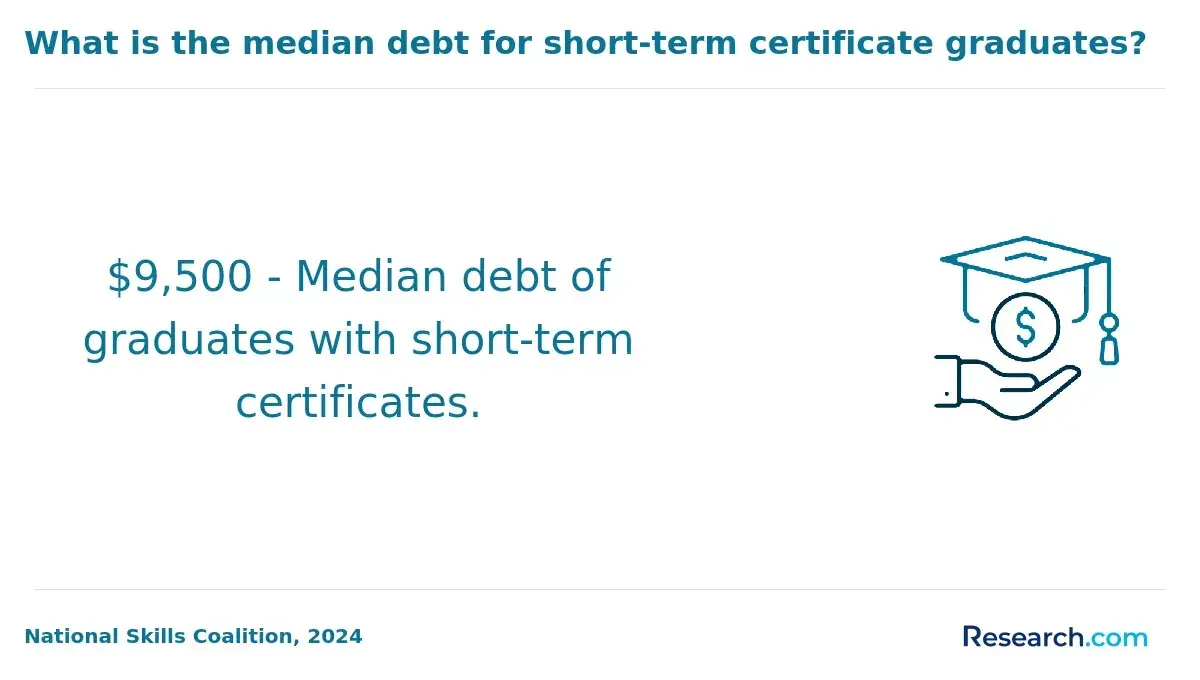
Reducing upfront education expenses through financial aid significantly boosts the long-term return on investment for management information systems degrees by lowering debt and accelerating financial recovery. Nearly 85% of graduate students depend on some form of financial assistance, underscoring its vital role in managing the total cost of advanced education.
Common financial aid opportunities that can enhance ROI include:
- Scholarships: These awards do not require repayment, directly decreasing overall costs and minimizing the need for loans, which improves financial outcomes after graduation.
- Grants: Usually awarded based on financial need, grants reduce out-of-pocket expenses without adding to debt, helping graduates repay education costs faster.
- Fellowships: Designed for graduate students, fellowships often cover tuition and living expenses, relieving financial pressure and allowing greater focus on studies.
- Employer tuition assistance: Some employers offer tuition reimbursement programs that help lower education expenses, making degree completion more affordable while supporting career growth.
- Federal student loans: Although loans increase debt, federal options typically come with lower interest rates and flexible repayment plans, enabling students to invest in their earning potential responsibly.
How Long Does It Take to Complete a Management Information Systems Degree?
Completing a management information systems degree within a shorter timeframe can greatly enhance return on investment (ROI) by minimizing opportunity costs, enabling earlier entry into the workforce, and reducing overall expenses like tuition and living costs. How quickly students finish their program often translates directly to financial benefits. The following factors play important roles in shaping the duration and subsequent ROI of this degree:
- Enrollment status: Full-time students usually complete coursework sooner, which allows them to start earning and gaining experience earlier. Part-time enrollment may help balance work and study but commonly extends the total time and related costs.
- Program format: Online or accelerated options offer flexibility and faster pacing, helping learners reduce both the duration of study and income lost from time away from work.
- Transfer credits: Applying previously earned college credits often shortens degree requirements, promoting quicker graduation and faster career advancement.
- Internship/thesis demands: While these additions can lengthen the course timeline, they often provide valuable hands-on experience that improves employability and long-term earnings potential.
- Scheduling flexibility: Programs that offer evening, weekend, or asynchronous classes enable working students to progress steadily without significantly disrupting their income streams.
When I spoke with a graduate of a management information systems degree about her journey, she shared how balancing a full-time job with evening classes unexpectedly extended her studies beyond the typical four years. She explained, "It wasn't just about classroom hours; juggling work projects and family demands made pacing tricky, but the flexibility of the program really helped me keep moving forward." She also noted that completing an internship delayed her graduation slightly but gave her "the practical skills employers value, which made the extra time investment worthwhile." Reflecting on her experience, she emphasized that while the length of study felt frustrating at times, the combination of flexible scheduling and real-world exposure ultimately strengthened her career prospects and justified the extended timeframe.
Is ROI Higher for Online or On-Campus Management Information Systems Programs?
The delivery format of management information systems degree programs can significantly influence return on investment (ROI) due to differences in cost, flexibility, and career outcomes. Over 40% of higher education students now take at least some courses online, highlighting a growing preference for accessible education options that can fit various lifestyles. These trends directly impact how students weigh online versus on-campus programs when considering the return on investment for MIS degree programs.
Several key factors contribute to differences in ROI between online and on-campus formats:
- Tuition and fees: Online programs generally have lower tuition and fees, reducing upfront costs and making them more affordable for many students, including those exploring engineering degrees online.
- Opportunity cost: Students pursuing online degrees often have the flexibility to maintain full-time employment, which minimizes income loss and enhances overall ROI compared to traditional on-campus attendance.
- Time to completion: Both formats may offer accelerated options, but online learners frequently balance study with work more effectively, potentially shortening completion times without sacrificing income.
- Networking and career services: On-campus programs typically provide stronger in-person networking opportunities and direct access to career resources, which can influence long-term earning potential and career advancement.
- Employer perception: While acceptance of online degrees continues to grow, some employers still prefer candidates with on-campus credentials, affecting perceived value and ROI in certain industries.
Ultimately, the decision between online vs on-campus management information systems ROI depends on individual priorities such as career goals, financial circumstances, and preferred learning styles.
What Is the Average Salary After Earning a Management Information Systems Degree?
Post-graduation salary plays a vital role in determining the return on investment (ROI) of a management information systems degree, as higher earnings accelerate the recovery of tuition, fees, and lost income during study. On average, management information systems graduates in the U.S. earn between $65,000 and $95,000 annually, reflecting various influencing factors.
Several key variables shape these salary outcomes and thus affect the overall ROI of the degree:
- Industry: Finance, healthcare, and technology sectors often offer higher salaries due to the critical demand for management information systems skills, enhancing graduates' earning potential.
- Geographic location: Graduates working in metropolitan areas or tech hubs typically receive greater compensation reflecting cost of living and competitive markets, impacting the degree's financial benefits.
- Prior experience: Relevant work experience before or during the program tends to lead to higher starting salaries and faster career advancement, improving ROI.
- Specialization: Focusing on in-demand fields such as cybersecurity, data analytics, or enterprise systems can significantly increase salary outcomes, making the degree more valuable.
- Career level: Entry-level roles command lower salaries initially, but progression to mid- and senior-level positions greatly boosts total compensation and financial return.
Prospective students evaluating the average salary for management information systems graduates may also consider flexible options, including programs like psychology degree online, to balance education cost and career goals.
Does a Management Information Systems Degree Lead to Promotions?
Promotions significantly drive the return on investment (ROI) of a management information systems degree by bringing salary increases, expanded responsibilities, and greater career mobility. These factors collectively enhance the financial and professional benefits of earning the degree. A notable workforce trend is credential-based promotion, where employers increasingly prioritize candidates with formal education alongside relevant experience for advancement.
Several key factors highlight how a management information systems degree can boost promotion opportunities and ROI:
- Credential requirements: Many organizations set a degree as the minimum qualification for advancing to technical or managerial roles, making a management information systems degree essential for career progression.
- Leadership preparation: The curriculum often emphasizes managing information systems teams and projects, equipping graduates with skills that directly translate into leadership positions.
- Employer tuition support: Companies frequently offer tuition reimbursement programs that reduce the cost of education, encouraging employees to earn degrees that support their career growth.
- Internal promotion policies: Firms may favor degree holders during promotion cycles, especially for roles requiring technical expertise and strategic oversight in IT environments.
- Experience and education interaction: Holding a management information systems degree complements work experience, enabling candidates to meet the combined criteria for higher-level roles more effectively.
For working professionals and career changers considering how a management information systems degree career advancement can improve their trajectory, pursuing formal education offers a path to unlock increased promotion opportunities with MIS degree credentials. Prospective students exploring further education options might also consider an EdD degree online as an alternative for leadership growth in educational technology and administration sectors.
Which Industries Offer the Best ROI for Management Information Systems Graduates?
The return on investment (ROI) for graduates with a management information systems degree varies by industry due to differences in salary levels, career progression, and demand for specialized technical and business skills. These factors significantly shape the financial and professional outcomes for graduates across various sectors.
Industries offering the highest ROI for management information systems graduates typically combine competitive compensation, clear advancement opportunities, and sustained demand for expertise. Below are some key sectors known for delivering strong returns on this degree:
- Technology: This sector offers top-paying opportunities fueled by rapid innovation and a critical need for MIS professionals to oversee complex systems and data infrastructure, ensuring strong salary growth and long-term career stability.
- Financial services: With robust career ladders and substantial compensation growth, this industry values MIS graduates who support digital banking, risk management, and regulatory compliance, making it one of the highest ROI industries for MIS graduates.
- Healthcare: Ongoing digitization of patient records and compliance demands create steady job stability and growing opportunities, complemented by above-average pay for MIS experts managing these transitions.
- Consulting: MIS professionals in consulting acquire diverse project experiences and often advance quickly, utilizing their skills across different sectors to sustain strong earning potential and career growth.
For those exploring cost-effective educational paths toward these rewarding industries, options like cheap online colleges can provide valuable access to quality management information systems programs. Evaluating the top-paying sectors for management information systems degrees alongside educational costs is essential to maximizing overall ROI.
Does Accreditation Affect ROI for a Management Information Systems Degree?
Accreditation for management information systems degree programs involves an external review process that ensures the curriculum meets established educational standards. This validation signals to employers that graduates have acquired essential skills through a quality program. Increasingly, employers prioritize candidates from accredited degrees, reflecting a wider trend toward valuing formal accreditation as a baseline for hiring in technical roles. Such recognition also affects eligibility for certain professional certifications, which can be key for career advancement.
Accreditation plays a vital role in enhancing long-term return on investment by fostering employer confidence and expanding access to financial aid options that help reduce upfront educational costs. It also facilitates credit transfer between institutions, offering greater flexibility for students who may change programs or pursue further education. Beyond tuition savings, accredited status can influence licensure qualifications and improve career mobility by validating credentials across regions and industries. Together, these factors contribute to stronger employment prospects and a more favorable ROI over time.
Is a Management Information Systems Degree Worth It?
The return on investment (ROI) of a management information systems degree hinges on several financial and career factors. Program costs, which vary widely depending on the format and school, often require a two- to four-year commitment, potentially affecting earnings during study.
Graduates typically land roles like systems analysts or IT managers, with median salaries ranging from $70,000 to $100,000 annually. Employment projections for related fields show a growth rate of about 15% over the next decade, indicating strong job prospects. Additionally, this degree can enhance career progression by opening pathways to leadership and specialized technical positions, improving long-term earning potential.
Whether the degree is worth the investment depends on individual circumstances and external factors. Robust demand for IT professionals supports favorable job opportunities, while flexible program options such as online learning can lessen opportunity costs.
Financial aid and employer tuition support further improve affordability, making the degree accessible to more students. However, without clear career objectives, the financial and time investment may not yield the expected benefits, underscoring the importance of aligning educational pursuits with personal goals and industry needs.
What Graduates Say About The ROI of Their Management Information Systems Degree
- Liam: "Choosing to pursue a management information systems degree in a traditional campus setting was one of the best decisions I ever made. Although the average cost of attendance was around $30,000 per year, the investment paid off quickly as I secured a well-paying job in IT management shortly after graduation. The hands-on learning experience and networking opportunities made the return on investment undeniable."
- Chandler: "Opting for an online management information systems program allowed me to balance my work and studies efficiently without breaking the bank-costs were significantly lower than traditional routes, averaging closer to $15,000 annually. In hindsight, the flexibility and affordability truly made it worth the commitment, and I've noticed a direct positive impact on my career advancement in data analytics roles. It was a strategic move that combined value with convenience."
- Aranya: "As a part-time student, investing roughly $20,000 over the course of my management information systems degree felt like a substantial commitment, especially while working full-time. However, the professional growth that followed exceeded my expectations, opening doors to project management positions and substantial salary increases. Looking back, the program's practical curriculum was aligned perfectly with industry demands, so the long-term benefits justified every dollar spent."
Other Things You Should Know About Management Information Systems Degrees
Yes, soft skills significantly impact the ROI of a management information systems degree in 2027. Employers value communication, problem-solving, and teamwork, which enhance employability and career progression opportunities, ultimately maximizing salary potential and improving the overall ROI of an MIS program.
In 2027, the choice of specialization within a Management Information Systems program can significantly influence ROI. Specializations such as cybersecurity, data analytics, and IT project management are particularly valued in the current job market, leading to higher salaries and better job prospects, thus improving ROI.
Internships and hands-on experience play a critical role in maximizing ROI for management information systems students. Practical exposure helps build relevant skills, expand professional networks, and enhance resumes. Graduates with real-world experience often secure better positions more quickly, which translates into a faster payback of their educational investment.
References
- MIS Degree Online https://www.snhu.edu/online-degrees/bachelors/bs-in-business-administration/management-information-systems
- What Jobs Can I Get With a Bachelor's Degree in MIS? | CSU Global https://csuglobal.edu/blog/what-jobs-can-i-get-bachelors-degree-management-information-systems
- Job opportunities and average starting salaries after MIS degrees - MBA Crystal Ball https://www.mbacrystalball.com/blog/2018/08/10/mis-salaries-job-opportunities/
- The Most Popular College Degrees Ranked by Return on Investment (ROI) After 5 Years in the Workforce - StudentChoice.org https://www.studentchoice.org/news/the-most-popular-college-degrees-ranked-by-return-on-investment-roi-after-5-years-in-the-workforce/
- Is College Worth it? | Return on Investment Analysis of College Degree https://educationdata.org/college-degree-roi
- Is Management Information Systems a Good Major? | UMGC https://www.umgc.edu/blog/management-information-systems-good-major
- BBA (Hons) in Management Information Systems | SLIIT https://www.sliit.lk/business/programmes/management-information-systems/
- What Can You Do With an Information Systems Degree? https://www.park.edu/blog/what-can-you-do-with-an-information-systems-degree/
- Master's Degree in Information Systems | Open Medscience https://openmedscience.com/the-benefits-of-pursuing-a-masters-degree-in-information-systems/
- 2025 Management Information Systems Tuition https://www.collegetuitioncompare.com/majors/52.1201/management-information-systems/


