
2027 Return on Investment (ROI) of a Mathematics Degree Program

Co-Founder and Chief Data Scientist
Choosing to pursue a mathematics degree often raises questions about the balance between educational costs and career benefits. Graduates might face uncertainty about job availability and salary potential in comparison to the time and money invested. Recent data shows that the U. S. Bureau of Labor Statistics projects a 28% growth in mathematician and statistician jobs from 2020 to 2030, significantly higher than the average for all occupations. This article examines the return on investment of a mathematics degree, analyzing employment trends, earning potential, and cost factors to help readers make informed decisions about their educational paths.
Key Things to Know About Mathematics Degree ROI
- Mathematics graduates earn a median salary 20% higher than the national average, reflecting strong earning potential in diverse fields.
- Advanced analytical skills lead to rapid career advancement in finance, technology, and research sectors, with many professionals reaching management roles within five years.
- Job stability is high, with a 95% employment rate among mathematics degree holders, supported by demand in emerging industries like data science and cybersecurity.
How Is ROI Calculated for a Mathematics Degree Program?
Return on investment (ROI) in higher education quantifies the financial benefits gained from earning a degree relative to the total costs and time invested. It assists students in comparing the value of a mathematics degree program against its tuition expenses, time commitment, and potential earnings.
Calculating ROI for a mathematics degree involves several key factors:
- Tuition and fees: This includes all direct costs such as tuition, textbooks, and mandatory fees. Knowing the complete amount paid throughout the program is essential for accurate ROI assessment.
- Opportunity cost: During study, students often miss out on full-time employment or other income-generating opportunities. The lost wages over the program's duration significantly impact the true cost of earning the degree.
- Time to completion: Program length influences both opportunity cost and expenses. While longer programs may increase costs, they might also enhance skill development and improve career readiness.
- Post-graduation salary: Expected starting salaries and potential growth in mathematics-related careers contribute heavily to the ROI. Higher earning power raises the financial returns from the degree.
- Career advancement: A mathematics degree can open doors to specialized roles or promotions, boosting long-term income and job security, which strengthens the degree's value.
Students should conduct a careful mathematics degree program cost versus earnings analysis before committing. For those exploring related educational pathways, online MSW programs also offer unique considerations worth evaluating.
How Much Does a Mathematics Degree Program Cost?
Accurately assessing the full cost of a mathematics degree program is vital for determining its return on investment, especially as graduate tuition rose roughly 3% in 2023 and U.S. student debt climbed beyond $1.7 trillion. Knowing all expenses helps evaluate if future earnings outweigh these upfront financial commitments.
Several major cost factors influence the ROI of a mathematics degree program:
- Tuition and fees: This represents the largest financial burden and varies significantly based on whether the institution is public or private, and if the student qualifies for in-state tuition or must pay higher out-of-state rates.
- Books and materials: Required textbooks, software tools, and lab supplies can add several hundred dollars each year, often overlooked when calculating costs.
- Living and relocation expenses: Housing, meals, transportation, and potential moving costs affect the total budget, particularly for students attending schools far from home.
- Opportunity cost: Time dedicated to studies may mean forfeiting a full-time salary, a sacrifice especially notable for those returning to education partway through their careers.
- Hidden or indirect costs: These include miscellaneous campus fees, access to technology resources, and travel expenses for internships or academic events not always accounted for.
When I spoke with a recent mathematics graduate about the financial side of the degree, he described the process as "a balancing act between ambition and reality." He shared how juggling part-time work and coursework required careful budgeting, especially because "unexpected costs like software updates and occasional conference travel added pressure." He reflected that while tuition was predictable, the less visible expenses and lost income often felt like the real hurdle. He said, "It wasn't just about paying for classes; it was managing all the small, scattered costs that stretched my resources thin." This perspective highlights how comprehensive financial planning is essential for anyone considering this educational path.
What Financial Aid Is Available for Mathematics Degree Programs?
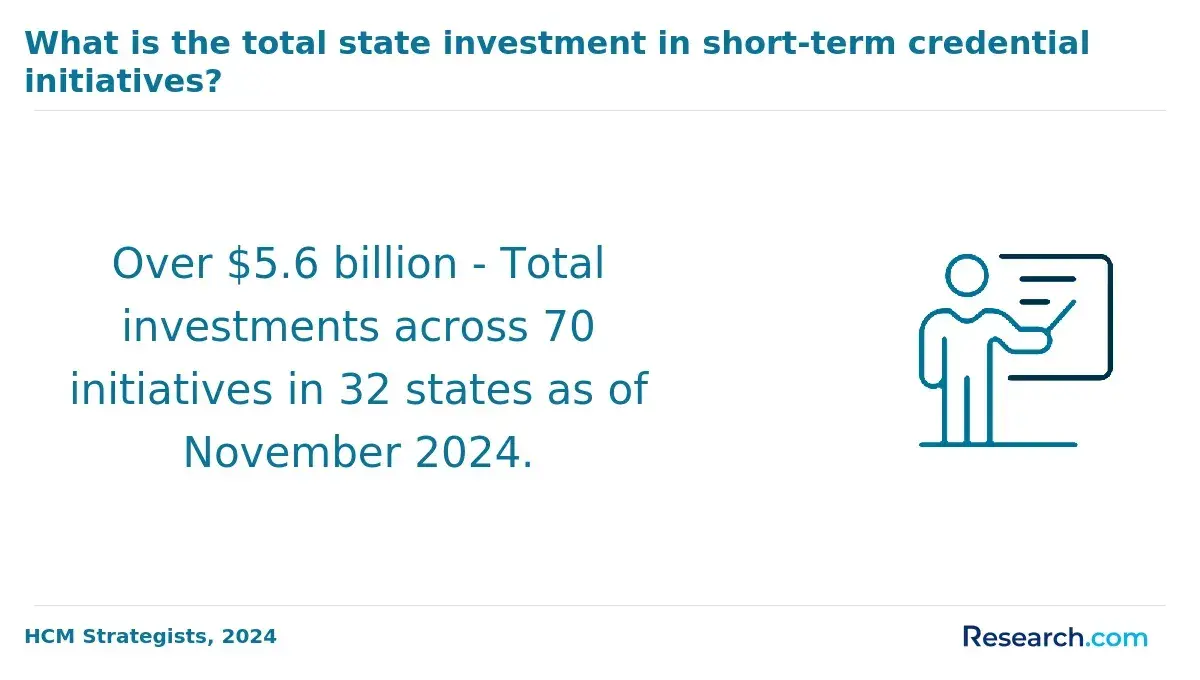
Reducing upfront expenses with financial aid can significantly boost the long-term return on investment (ROI) for mathematics degree programs by lowering both direct costs and reliance on high-interest debt. Nearly 85% of graduate students use some form of financial aid, highlighting its importance in managing education-related expenses.
Several types of financial assistance can improve the cost-effectiveness of pursuing a mathematics degree:
- Scholarships: Awarded based on merit, scholarships reduce tuition without requiring repayment, which directly lowers the overall cost and increases ROI.
- Grants: Often need-based and free to students, grants help minimize out-of-pocket expenses and reduce the debt burden after graduation.
- Fellowships: Usually offered to graduate students, fellowships provide stipends or tuition waivers, allowing recipients to concentrate on academics or research without financial stress, enhancing earning potential after completing the program.
- Employer Tuition Assistance: Many professionals benefit from employer programs that cover tuition partly or fully, decreasing personal costs and associated loan needs.
- Federal Loans: Although these increase debt, federal loans typically offer lower interest rates and flexible repayment options compared to private loans, making them a more manageable financing tool during study.
How Long Does It Take to Complete a Mathematics Degree?
The duration of completing a mathematics degree significantly influences its return on investment (ROI) due to opportunity costs, total expenses, and earlier earning potential. Finishing the degree more quickly allows for a faster transition into the workforce, while longer study periods increase costs and delay income generation. Several factors contribute to how long students take to complete their mathematics education and thereby affect financial outcomes.
Important elements that impact time to completion and the resulting ROI include:
- Enrollment status: Full-time students generally complete their degrees sooner than part-time students, reducing tuition and living costs while allowing an earlier start to their careers, which enhances financial returns.
- Program format: Choosing accelerated or online courses can shorten the time required and provide flexibility for balancing work and study, which benefits overall ROI.
- Transfer credits: Accepting previously earned credits can lessen course load and time, helping students save money and enter the job market faster.
- Internships and theses: Though these requirements may extend program length, they often improve employability and salary potential, contributing positively to long-term ROI.
- Scheduling flexibility: Availability of evening or summer classes can speed up degree completion by enabling students to take more courses throughout the year.
When I spoke with a graduate of a mathematics degree, she recalled how managing a full course load alongside part-time work made her timeline challenging but rewarding. "Balancing work and study wasn't easy; some semesters felt overwhelming," she said, reflecting on the emotional strain and the importance of perseverance. She explained that taking summer courses helped her graduate earlier than expected, which made a noticeable difference in her early career earnings. Her experience highlighted that while obstacles exist, strategic choices in course scheduling and work commitments can successfully reduce time to degree completion and improve financial outcomes.
Is ROI Higher for Online or On-Campus Mathematics Programs?
The return on investment (ROI) for mathematics degree programs can vary significantly depending on whether the program is delivered online or on-campus. This variation often arises from differences in cost, flexibility, and career outcomes. In 2023, nearly 40% of U.S. higher education students enrolled in at least one online course, reflecting the increasing acceptance of online learning formats.
Key factors to consider when comparing ROI in online vs. on-campus mathematics programs include:
- Tuition and fees: Online programs generally have lower tuition and fees, which reduces upfront costs. They also eliminate commuting and housing expenses associated with traditional campus attendance.
- Opportunity cost: Online learning offers scheduling flexibility that allows many students to maintain employment during their studies, minimizing lost income and enhancing the overall ROI.
- Time to completion: Some online degree options provide accelerated or part-time pathways, enabling students to tailor their pace and potentially enter the workforce quicker.
- Networking and career services: While on-campus programs often offer richer in-person networking and access to career support, many online programs now enhance these services virtually to bridge the gap.
- Employer perception: Though some employers still regard traditional degrees more favorably, acceptance of online credentials is growing, improving career prospects for online graduates.
Evaluating the return on investment for online mathematics degrees involves balancing these factors against personal circumstances and career goals. For those seeking cost-effective options, exploring the most affordable online business degree programs can also provide insights into broad trends in pricing and value in higher education, as detailed in this online business degree resource.
What Is the Average Salary After Earning a Mathematics Degree?
Post-graduation salary is a key factor in determining the return on investment (ROI) of a mathematics degree because higher earnings enable graduates to recover their educational costs more quickly and achieve better long-term financial outcomes. The average salary for mathematics degree graduates in the United States ranges from $60,000 to $100,000 annually, with entry-level roles near the lower end and experienced or specialized professionals earning well above $100,000. Typical earnings after a math degree vary significantly based on several important factors:
- Industry: Careers in finance, technology, and engineering generally offer higher salaries than roles focused on education or academic research, boosting overall ROI potential.
- Geographic location: Urban centers and regions with a higher cost of living often provide increased compensation to offset expenses, enhancing salary prospects.
- Prior experience: Internships, co-op programs, or relevant work experience can raise starting salaries and improve the financial benefit of a math degree.
- Specialization: Fields such as data science, cryptography, and actuarial science typically command premium wages due to specialized skill demands.
- Career level: Advancement into senior technical or managerial positions significantly increases earning potential over time.
These factors collectively influence how quickly graduates realize the financial gains of their investment in a mathematics degree. Those evaluating options should also consider educational choices like an executive MBA online to complement or advance their careers.
Does a Mathematics Degree Lead to Promotions?
Promotions contribute significantly to the return on investment (ROI) of a mathematics degree by offering higher salaries, increased responsibilities, and enhanced career mobility. As more organizations adopt credential-based promotion policies, having a formal degree often becomes essential to qualify for advanced roles.
This workforce trend underscores how a mathematics degree can pave the way for career advancement. The following points highlight key ways this degree influences promotion opportunities and ROI:
- Credential Requirements: Many advanced positions require formal education credentials that a mathematics degree fulfills, making graduates eligible for roles that are otherwise inaccessible.
- Leadership Preparation: The analytical and problem-solving skills gained through a mathematics degree provide a strong foundation for leadership development in technical and management tracks.
- Tuition Support: Holding a mathematics degree often aligns with employer tuition reimbursement or support programs, encouraging ongoing education and smoother career progression.
- Promotion Policies: Internal company policies frequently prioritize candidates with degrees in quantitative fields, such as mathematics, when considering promotions to specialized or senior roles.
- Experience Synergy: Combining professional experience with a mathematics degree bolsters a candidate's profile, demonstrating both competence and commitment to growth, which enhances promotion potential.
For working professionals and career changers evaluating mathematics degree career advancement, these factors collectively emphasize the impact of a math degree on job promotions and career trajectory. Those interested in accelerating their education timeline might explore options like an online bachelor's degree in mathematics to achieve these benefits more efficiently.
Which Industries Offer the Best ROI for Mathematics Graduates?
Return on investment (ROI) for mathematics graduates varies significantly across industries due to differences in salary levels, career progression opportunities, and demand for specialized skills. These factors influence how quickly graduates can realize financial and professional gains relative to their education costs and time commitment.
Several industries consistently provide some of the highest ROI industries for mathematics graduates. Key sectors include:
- Finance and Investment Banking: This sector offers strong compensation growth and rewards analytical expertise with lucrative salaries and bonuses. Professionals skilled in quantitative analysis and risk modeling often experience rapid career advancement, maximizing their ROI.
- Technology and Software Development: With a high demand for problem-solving and mathematical modeling skills, the tech industry provides competitive pay and stock options. Job stability and ongoing innovation fuel long-term growth for math degree holders.
- Data Science and Analytics: As organizations increasingly rely on data-driven decisions, mathematics graduates with skills in statistics and machine learning find frequent opportunities for advancement and high earning potential. This field represents some of the best-paying careers for math degree holders.
- Actuarial Science and Insurance: Combining math and statistics to assess risk, this field offers strong job security and steady salary increases. Obtaining actuarial credentials can significantly boost career prospects and ROI.
- Engineering and Research: Industries like aerospace and pharmaceuticals demand advanced mathematics for innovation, providing solid compensation alongside opportunities for specialization and leadership roles.
For those exploring educational paths, many turn to online degree programs to gain these valuable skills flexibly, often improving access to high-ROI career options.
Does Accreditation Affect ROI for a Mathematics Degree?
Accreditation is a formal evaluation process that mathematics degree programs undergo to confirm they meet defined quality standards, including curriculum depth, instructor qualifications, and measurable student achievements. This validation is important because it signals to employers and academic institutions that the program adheres to recognized benchmarks, which can enhance a graduate's marketability. Current hiring trends show a preference for candidates holding degrees from accredited programs, often resulting in stronger job placement and higher starting salaries. Additionally, accreditation may be a prerequisite for pursuing licensure in specialized fields linked to mathematics.
Over time, accreditation can significantly improve the return on investment of a mathematics degree by fostering employer confidence and expanding career options. It also enables students to qualify for federal financial aid, reducing immediate educational costs, and makes it easier to transfer credits when continuing education or shifting career paths. Accredited degrees often meet the requirements necessary for professional licensure, further enhancing long-term earnings potential. In essence, accreditation supports greater career flexibility and advancement possibilities, which contribute to the overall financial and professional benefits of earning a mathematics degree.
Is a Mathematics Degree Worth It?
The return on investment for a mathematics degree depends on several financial and career-related factors. These include the total cost of tuition, which varies between public and private institutions, and the typical duration of about four years to complete the degree. Graduates generally start with a median salary near $60,000 in the U.S., with increased earning potential in specialized areas like data science, technology, and finance. Career growth prospects are often strong, reflecting high demand for analytical and quantitative skills in various industries.
Whether pursuing a mathematics degree is worthwhile depends on individual circumstances and market conditions. Industry demand for problem-solving abilities can enhance ROI, especially if students align their careers with high-paying sectors. Flexible program formats, such as online or part-time options, may allow working while studying, improving cost-effectiveness. Access to financial aid or scholarships also plays a crucial role, as does personal motivation to enter fields where mathematical expertise commands competitive compensation and career stability.
What Graduates Say About The ROI of Their Mathematics Degree
- Anya: "Choosing a mathematics degree felt like a serious investment, especially given the average cost hovering around $30,000 per year. For me, the long-term ROI is undeniable; the analytical skills I've gained have opened doors in finance and data science that I couldn't have imagined. Looking back, despite the upfront costs, the degree was absolutely worth it."
- Geraldine: "My decision to pursue an online mathematics degree was driven by flexibility more than just costs, but the tuition-often less than traditional programs-made the risk feel manageable. Reflecting on the journey, the affordability combined with the quality education gave me confidence that I made a sound investment. Today, as a software developer, I truly appreciate the impact this degree has had on my day-to-day problem-solving abilities. "
- Stan: "Balancing work with a part-time mathematics degree posed challenges, especially given the cumulative expenses that average out to be substantial. Still, the career benefits have been rewarding: my promotion to a senior analyst role speaks volumes about the degree's value. With a pragmatic view on cost and professional growth, I consider this pursuit to be a worthwhile path. "
Other Things You Should Know About Mathematics Degrees
In 2027, work experience can significantly enhance the ROI of a mathematics degree. It provides practical skills that make candidates more attractive to employers, leading to better job offers and potentially higher salaries. Gaining experience through internships or part-time work during studies can improve career prospects and earnings.
Graduates of a mathematics degree program in 2027 can expect robust job prospects, particularly in data analysis, finance, and technology sectors. The demand for mathematical skills ensures opportunities with competitive salaries, contributing positively to the program's ROI.
References
- Mathematics Degree | Careers & Salaries in Mathematics https://mwcc.edu/academics/degree/mathematics/
- Math Salary Statistics in 2025 | Mathematical Sciences | Michigan Tech https://www.mtu.edu/math/salaries/
- Does College Pay Off? A Comprehensive Return On Investment Analysis - FREOPP https://freopp.org/whitepapers/does-college-pay-off-a-comprehensive-return-on-investment-analysis/
- What is the ROI of a College Degree? | The Milford Bank https://www.milfordbank.com/what-is-the-roi-of-a-college-degree/
- 10 High-Paying Careers For Math Majors https://www.affordablecollegesonline.org/college-resource-center/math-degree-best-careers/
- University of Lodz https://study.gov.pl/university-lodz-11
- What Can You Do With a Mathematics Degree? 15 Career Paths https://www.park.edu/blog/what-can-you-do-with-a-mathematics-degree-15-career-paths/
- How to Calculate the ROI of Your College Degree - The College Funding Coach https://www.thecollegefundingcoach.org/how-to-calculate-the-roi-of-your-college-degree/
- What is a Math Major and is it Right for Me? | Career Advice & Interview Tips | WayUp Guide https://www.wayup.com/guide/math-major-right/
- Is College Worth it? | Return on Investment Analysis of College Degree https://educationdata.org/college-degree-roi


