
2027 Return on Investment (ROI) of a Paralegal Degree Program

Co-Founder and Chief Data Scientist
Choosing a paralegal degree is ultimately a cost-versus-career decision: will the program help you qualify for better legal support roles, earn more, and move faster into the workforce than you could without it? The answer depends on tuition, program length, accreditation, local hiring demand, and whether you can keep working while enrolled.
The outlook gives students a useful starting point. According to the U.S. Bureau of Labor Statistics, paralegal employment is projected to grow 10% through 2032, faster than the average for all occupations. That does not guarantee a job or a specific salary, but it does suggest continued demand for trained legal support professionals in law firms, corporate legal departments, government agencies, healthcare organizations, and financial services.
This guide explains how to evaluate the return on investment of a paralegal degree program. It covers cost, financial aid, completion time, online versus on-campus study, salary expectations, promotion potential, accreditation, and the industries where paralegal graduates may see the strongest payoff.
Key Things to Know About Paralegal Degree ROI
- Paralegal degree holders earn a median annual wage of $56,230, surpassing many entry-level legal roles, with steady salary growth projected at 10% through 2032.
- The degree unlocks advanced career options, including specialize roles in corporate law, litigation support, and compliance, enhancing job security and income potential.
- Paralegals benefit from flexible employment across industries like healthcare, finance, and government, allowing diverse career pathways and adapting to market demands.
How Is ROI Calculated for a Paralegal Degree Program?
ROI for a paralegal degree compares what you spend to earn the credential with the financial and career benefits you gain after completing it. A strong ROI usually means the program is affordable, can be completed without excessive lost income, and helps you qualify for jobs or advancement that would otherwise be harder to reach.
A practical ROI estimate starts with this question: how long will it take for the salary gains from the degree to outweigh tuition, fees, lost wages, and other costs? The answer will vary by student, especially for career changers, working adults, and those who already have some legal office experience.
- Tuition and fees: Include tuition, required fees, textbooks, legal research tools, technology, and graduation-related charges. Lower cost improves ROI only if the program still meets employer expectations.
- Opportunity cost: If school reduces your work hours, the wages you give up are part of the real cost. This matters most for full-time programs that make steady employment difficult.
- Time to completion: Shorter programs may get you into the workforce faster, while longer programs may provide broader training, internships, or stronger transfer options.
- Post-graduation salary outcomes: Compare realistic entry-level pay in your area with what you earn now. Avoid assuming top salaries unless you already have relevant experience or a specialized skill set.
- Career advancement potential: ROI improves if the degree helps you move into senior paralegal, litigation support, compliance, contract management, or specialized legal roles.
The best ROI calculation is personal. A low-cost program may be a poor investment if it lacks credibility with employers, while a more expensive program may be worthwhile if it offers strong placement support, internship access, and a recognized credential.
How Much Does a Paralegal Degree Program Cost?
The total cost of a paralegal degree is more than the price listed on a tuition page. To understand ROI, students need to calculate the full cost of attendance and the income they may lose while enrolled. This is especially important in a higher education market where graduate tuition has increased nearly 3% yearly over the last decade and student debt in the U.S. exceeds $1.7 trillion.
When comparing programs, build a budget that includes both direct and indirect expenses:
- Tuition and fees: This is usually the largest cost and can vary by institution type, residency status, course load, and delivery format.
- Books and materials: Legal textbooks, style manuals, case materials, research platform access, and software can add hundreds of dollars per semester.
- Living or relocation costs: On-campus study may require commuting, parking, housing, childcare, or relocation expenses that are not reflected in tuition alone.
- Opportunity cost: Reduced work hours can be expensive. A program that appears affordable may become less attractive if it forces you to give up steady income.
- Hidden expenses: Application fees, transcript requests, technology upgrades, printing, professional association fees, and graduation costs can add up.
A recent graduate described the budgeting process as more complicated than expected: “I didn’t fully grasp how quickly the smaller expenses—like software subscriptions and commuting—added up on top of tuition.”
He also noted that the schedule affected his finances: “Losing even a few hours of paid work each week felt like a major financial sacrifice.” His experience points to a common mistake: evaluating only tuition instead of the full cost of completing the program.
What Financial Aid Is Available for Paralegal Degree Programs?
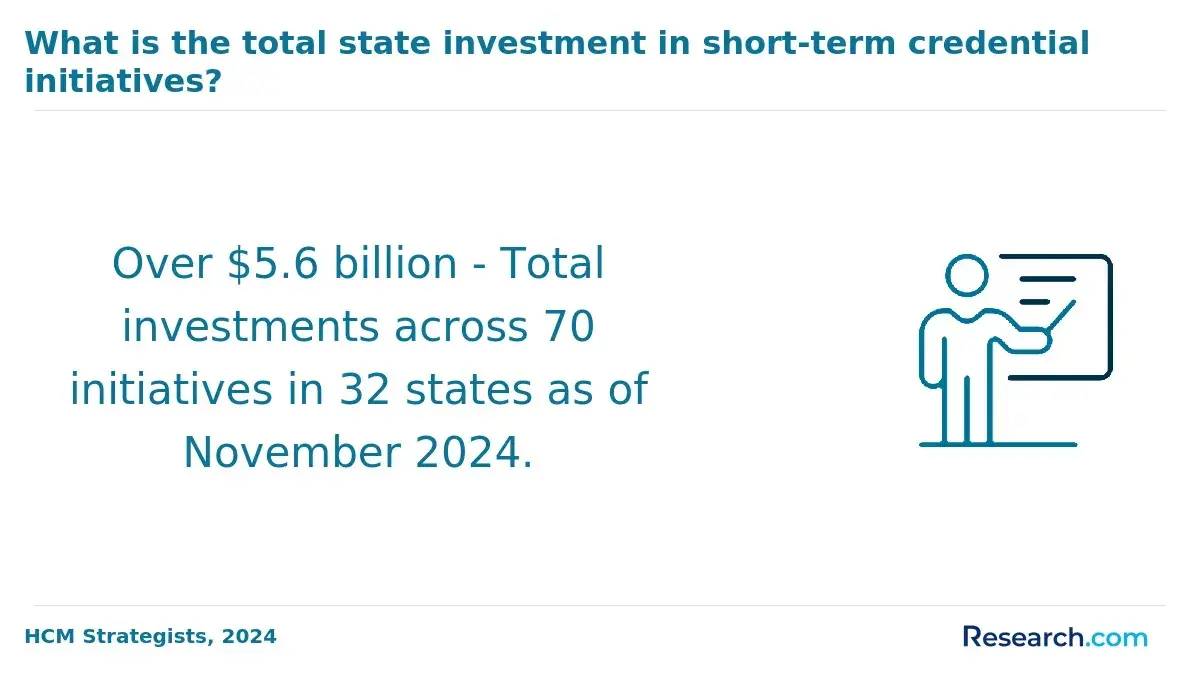
Financial aid can improve ROI by reducing the amount you pay out of pocket or borrow. Recent studies show that nearly 85% of college students utilize some form of financial assistance, so paralegal students should compare aid options before assuming a program is unaffordable.
Availability depends on the school, program type, enrollment status, and student eligibility. Start by confirming whether the institution is eligible for federal aid and whether the specific paralegal program qualifies.
- Scholarships: Scholarships may be based on academic achievement, financial need, community service, legal career goals, or membership in professional organizations. Because they do not require repayment, they directly reduce total cost.
- Grants: Grants are often need-based and may come from federal, state, institutional, or private sources. Like scholarships, they can lower borrowing and improve ROI.
- Federal student loans: Federal loans must be repaid with interest, but they may offer repayment protections and predictable terms compared with some private borrowing options.
- Employer tuition assistance: Legal employers, government agencies, and corporate legal departments may help pay for coursework if the training supports your current or future role.
- Fellowships or stipends: These are less common in paralegal education but may be available through select institutions, workforce development programs, or legal service organizations.
Before enrolling, ask the financial aid office for a written estimate of your net cost after grants and scholarships. Then compare that figure with expected earnings in your local legal market, not just national averages.
How Long Does It Take to Complete a Paralegal Degree?
Completion time affects ROI because it determines how soon you can use the credential in the job market. A shorter program may reduce tuition and opportunity cost, while a longer program may offer deeper coursework, more general education, or better transfer value.
The right timeline depends on your starting point. Students with prior college credit, legal office experience, or the ability to study full time may finish faster than students balancing school with work and family responsibilities.
- Enrollment status: Full-time study generally shortens the timeline, but it may reduce your ability to earn while enrolled. Part-time study can protect income but delays completion.
- Program format: Online and accelerated formats can provide flexibility for working adults, though they require strong time management and self-direction.
- Transfer credits: Prior coursework may reduce the number of classes required, lowering both time and tuition.
- Internship or thesis requirements: Practical experiences can extend the program, but they may also improve job readiness and employer connections.
- Scheduling flexibility: Evening, weekend, and asynchronous classes can make completion more realistic for working students, even if the overall path takes longer.
One graduate said her program took longer than expected because she was working part time and studying late at night. The delay was frustrating, but she found that hands-on internship experience made her more confident when applying for legal roles.
Her takeaway was simple: “It wasn’t the quickest path, but feeling prepared made the extra time worthwhile.” For ROI, speed matters—but only if the program still prepares you for the work employers expect paralegals to do.
Is ROI Higher for Online or On-Campus Paralegal Programs?
Online programs can offer a higher ROI for students who need flexibility, want to keep working, or can avoid commuting and relocation costs. On-campus programs may offer stronger in-person networking, structured support, and local employer relationships. The better choice depends on how each format affects your total cost, schedule, and access to legal work experience.
Nearly 40% of all U.S. higher education students enrolled in at least one online course, showing that online study is now a mainstream option. Still, students should evaluate online paralegal programs carefully because quality, accreditation, faculty access, and career support can vary widely.
- Tuition and fees: Online programs may reduce certain costs, but not all online programs are cheaper. Compare the full program price, not just per-credit tuition. Do not rely on affordability lists from unrelated fields, such as low-cost counseling program rankings, when judging paralegal education.
- Opportunity cost: Online study often allows students to maintain employment, which can improve ROI by reducing lost income.
- Time to completion: Some online programs offer accelerated pacing, while on-campus programs may follow a more traditional calendar. Faster is useful only if you can handle the workload.
- Networking and career services: On-campus programs may make it easier to meet faculty, alumni, and local employers. Online students should ask about virtual career advising, internship placement, and employer partnerships.
- Employer perception and long-term earnings: Employers increasingly accept online credentials, but reputation, accreditation, and practical training still matter. Students comparing online options should review aba-approved online paralegal programs if ABA approval is important in their target market.
For many working adults, online study produces a stronger ROI because it limits disruption to income. For students who benefit from structure, local networking, and face-to-face support, an on-campus program may be worth the additional time or expense.
What Is the Average Salary After Earning a Paralegal Degree?
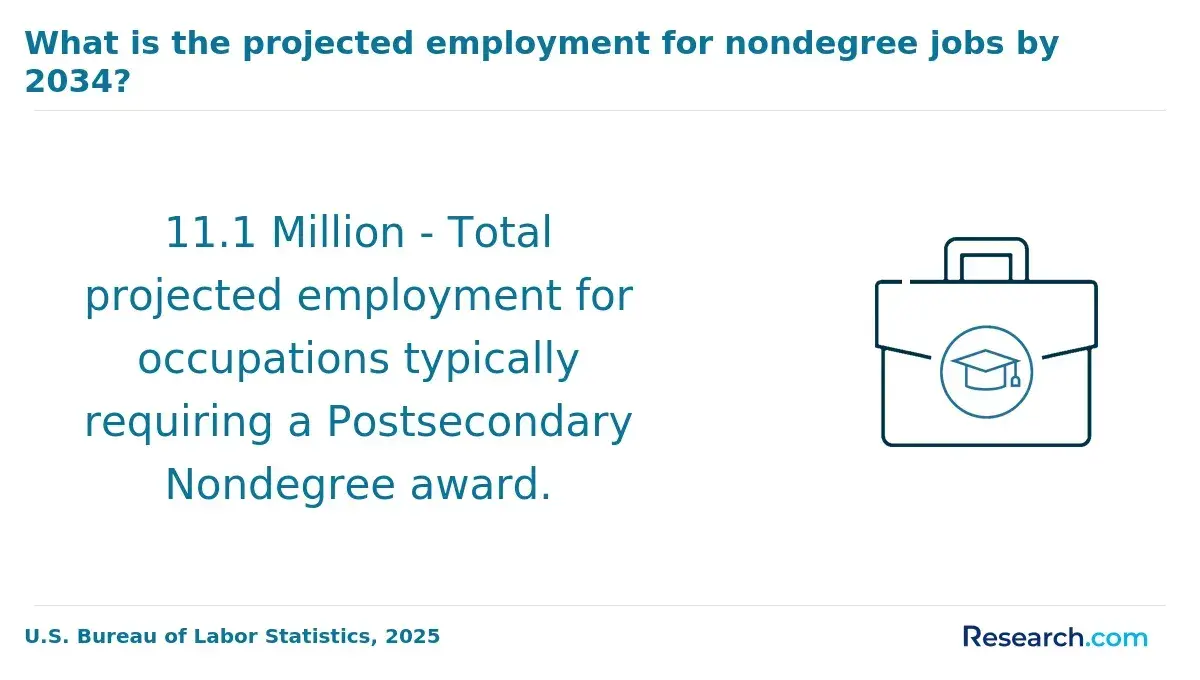
Salary is one of the biggest drivers of ROI because it affects how quickly graduates can recover education costs. The average paralegal degree salary in the US typically ranges from $45,000 to $70,000 annually, with entry-level roles starting around $40,000 and experienced paralegals earning upwards of $80,000 depending on skills and specialization.
Students should treat those figures as planning ranges, not guarantees. Actual earnings depend on the local market, employer type, legal specialty, work experience, and whether the role requires advanced technical or regulatory knowledge.
- Industry: Large law firms, corporate legal departments, and specialized legal sectors may pay more than some government or nonprofit roles.
- Geographic location: Pay often varies by region, especially between major legal markets and smaller communities.
- Prior experience: Internships, legal assistant work, administrative experience, and strong writing or research skills can improve starting salary prospects.
- Specialization: Areas such as intellectual property, litigation support, compliance, contracts, and healthcare law may support higher earnings when paired with relevant experience.
- Career level: Senior paralegal, case manager, legal operations, and supervisory roles can increase long-term earning potential.
Students comparing legal support roles with broader business leadership paths should recognize that the career outcomes are different. For example, an online executive MBA is designed for management advancement, while a paralegal degree is more directly tied to legal services, litigation support, contracts, and compliance work.
Does a Paralegal Degree Lead to Promotions?
A paralegal degree can support promotion, especially for legal assistants, administrative staff, or entry-level paralegals who want to qualify for more complex legal work. It does not automatically lead to advancement, but it can make a candidate more competitive when paired with strong performance, experience, and specialized skills.
Promotions improve ROI because they may bring higher pay, more responsibility, and better long-term mobility. The degree is most valuable when it aligns with an employer’s internal advancement criteria or fills a skill gap in the legal team.
- Credential requirements: Some senior paralegal or specialized roles prefer candidates with formal paralegal education, especially where the work involves research, drafting, compliance, or case management.
- Leadership preparation: Degree programs may strengthen writing, legal analysis, organization, communication, and professional judgment—skills that matter in supervisory roles.
- Employer tuition support: If an employer reimburses part of the cost, the degree can produce a faster positive ROI.
- Internal promotion policies: Some organizations use education as one factor when deciding who qualifies for advancement.
- Experience and education synergy: A degree is more powerful when combined with practical legal experience, strong references, and demonstrated reliability.
Students who eventually want broader career mobility may also compare paralegal study with completing a bachelor’s degree. Reviewing affordable online bachelor's degree options can help clarify whether a focused paralegal credential or a broader undergraduate path better fits long-term goals.
Which Industries Offer the Best ROI for Paralegal Graduates?
ROI for paralegal graduates varies by industry because compensation, advancement paths, and skill demand are not the same across legal settings. Some industries offer higher earning potential through specialization, while others provide stability, mission-driven work, or valuable experience that can lead to future advancement.
Industries that commonly provide strong ROI for paralegal graduates include:
- Corporate Law: Corporate legal departments and business law practices often need paralegals who can support contracts, entity management, governance, and regulatory documentation.
- Healthcare: Healthcare organizations rely on legal support for compliance, insurance, privacy, patient confidentiality, and regulatory matters.
- Intellectual Property: Patent, trademark, and copyright work can be highly specialized, and paralegals with technical accuracy and filing experience may be especially valuable.
- Real Estate Law: Real estate paralegals support transactions, title review, closings, leases, development matters, and property documentation.
- Financial Services: Banks, investment firms, and financial institutions may need paralegal support for compliance, securities, litigation, and regulatory filings.
The best industry for ROI depends on your strengths. Detail-oriented students may fit compliance or intellectual property work, while students who enjoy fast deadlines may prefer litigation support. Those seeking an entry point into legal education may compare paralegal pathways with an associate degree program, depending on their current education level and career goals.
Does Accreditation Affect ROI for a Paralegal Degree?
Accreditation can affect ROI because it influences financial aid access, credit transfer, employer confidence, and the perceived quality of the credential. A low-cost program may not be a good investment if it lacks recognition or makes it harder to qualify for jobs, certifications, or further education.
Students should distinguish between institutional accreditation and program-level approval or recognition. Institutional accreditation applies to the school as a whole and is often tied to federal financial aid eligibility. Program-level recognition may signal that the paralegal curriculum meets standards expected by parts of the legal profession.
Accreditation may improve ROI in several ways:
- Financial aid access: Accredited institutions are more likely to offer eligible students access to federal aid, which can reduce immediate out-of-pocket costs.
- Employer trust: Employers may view accredited programs as more reliable because they have been reviewed against external standards.
- Transfer flexibility: Credits from accredited institutions are generally easier to evaluate if a student later pursues additional education.
- Certification alignment: Some professional credentials or employer requirements may consider the type and quality of paralegal education completed.
- Career mobility: A recognized credential can help graduates compete for roles across different legal settings, not just with one local employer.
Before enrolling, ask the program to identify its accreditation status, approval status, and the organization responsible for review. Also ask local employers whether they prefer graduates from specific programs. That employer feedback can be as important as the school’s marketing materials.
Is a Paralegal Degree Worth It?
A paralegal degree can be worth it for students who choose an affordable, credible program and use it to enter or advance in legal support work. It is less likely to pay off if the program is expensive, poorly recognized, weak in career support, or disconnected from the student’s local job market.
The value depends on cost, time, salary, and career goals. Program costs range significantly, with shorter certificate options generally less expensive than associate degrees, and completion times span from a few months to two years. The median annual salary for paralegals is approximately $56,000, according to recent data from the U.S. Bureau of Labor Statistics, reflecting stable job growth fueled by consistent demand for legal services.
A paralegal degree may be a strong investment if you:
- want a structured path into legal support work;
- can complete the program without taking on excessive debt;
- live in or can access a market with steady paralegal hiring;
- want to qualify for promotions or specialized legal roles;
- can gain internship, clinic, or practical experience while enrolled.
A shorter certificate may be more cost-effective for students who already have a degree or legal experience. An associate degree may be better for students who want broader education, transfer options, or a more comprehensive credential. The best choice is the one that matches your budget, timeline, and target job—not simply the program with the lowest advertised tuition.
What Graduates Say About The ROI of Their Paralegal Degree
- : "Choosing a traditional paralegal program was a turning point for me. The investment, though averaging around $6,000 to $10,000 in many schools, felt justified because it gave me practical experience and in-person networking that I would have struggled to build on my own. I can see the long-term ROI in the opportunities I have now. Deanna"
- : "When I started the online paralegal degree, I looked closely at the cost because the average tuition hovered near $7,000. The flexible schedule made the difference for me. I could keep working, finish the coursework, and move into better career opportunities without putting my income on hold. Laurie"
- : "As a part-time student, I had to think carefully about both money and time. Given that average program costs are often under $10,000, I found the price reasonable for the credibility it added to my resume. Completing the degree improved my career prospects and made the sacrifice worthwhile. Kristi"
Other Things You Should Know About Paralegal Degrees
In 2027, work experience significantly influences the ROI of a paralegal degree. Individuals with relevant experience find it easier to secure higher-paying roles. This practical exposure boosts competencies, enhancing employability and mitigating potentially high education costs by rapidly improving income potential after graduation.
The type of paralegal degree program, such as associate degree, bachelor's degree, or certificate, affects the ROI based on the program's duration, cost, and perceived value in the job market. For example, certificate programs are shorter and less expensive but may offer fewer advancement opportunities compared to degree programs that provide broader legal education and credentials.
References
- Paralegal Program Length: Is your paralegal program comprehensive enough? https://paralegal.edu/blog/paralegal-program-length-is-your-program-comprehensive-enough/
- How Much Does it Cost to Become a Paralegal? https://legalcareerpath.com/cost-to-become-a-paralegal/
- How Long Does it Take to Become a Paralegal? What to know! https://www.paralegaledu.org/blog/how-long-does-it-take-to-become-a-paralegal/
- The ROI of Accredited Learning for Business Advisors https://project-equity.org/news/employee-ownership-insider/roi-accredited-learning-business-advisors/
- Should I Get a Paralegal Certificate or Two-Year Degree? https://www.online-paralegal-degree.org/certificate-or-two-year-degree/
- Paralegal Career Development - Tips for Asking Your Firm to Invest in You https://paralegal-bootcamp.com/paralegal-career-development-investment/
- How Long Does It Take to Become a Paralegal? https://onlinegrad.pepperdine.edu/law/online-mls/how-long-to-become-paralegal/
- Paralegal Program Tuition https://www.meredith.edu/accounting-department/paralegal-program-tuition/
- Paralegal Studies: Financial Assistance https://cpage.sfsu.edu/paralegal/financial-assistance
- How to Advance on your Paralegal Career Path - Brown & Crouppen https://www.brownandcrouppen.com/blog/how-to-advance-on-your-paralegal-career-path/


