
2027 Return on Investment (ROI) of a Radiology Technician Degree Program

Co-Founder and Chief Data Scientist
A prospective student uncertain about committing time and money to a radiology technician degree may wonder if the investment pays off in stable employment and salary growth. The Bureau of Labor Statistics projects a 9% growth rate for radiologic technologists through 2032, outpacing the average for all occupations. This demand is driven by an aging population requiring more diagnostic imaging services.
Understanding the return on investment (ROI) of radiology technician programs, including costs, earnings, and job prospects, helps prospective students make informed decisions about their education and career path.
Key Things to Know About Radiology Technician Degree ROI
- Radiology technician graduates earn a median annual salary of approximately $63,000, reflecting strong earning potential relative to other healthcare support roles.
- The profession offers consistent job growth, projected at 9% from 2022 to 2032, enhancing long-term employment stability.
- Skills acquired provide flexibility across hospitals, outpatient centers, and research institutions, supporting diverse career advancement opportunities.
How is ROI calculated for a radiology technician degree program?
Return on investment (ROI) in higher education measures the financial gain a student can expect from completing a degree compared to the costs and time invested. For those considering a radiology technician program, understanding ROI helps assess whether the program's value aligns with tuition, living expenses, and time away from the workforce.
Several key factors are important when calculating ROI for a radiology technician degree program:
- Tuition and Fees: This includes all direct costs such as tuition, books, and supplies. Accurately accounting for these expenses is critical as they represent the upfront financial commitment before earning an income.
- Opportunity Cost: Time spent studying and attending classes often means foregoing full-time wages. Evaluating lost income during the program helps reveal the true cost of pursuing this degree.
- Time to Completion: The duration of the program impacts opportunity cost and delays entry into the workforce. Shorter programs reduce overall costs and hasten the return on investment.
- Post-Graduation Salary Outcomes: The average starting salary and expected wage growth for radiology technicians significantly affect ROI. Higher initial salaries and steady increases accelerate cost recovery.
- Long-Term Earning Potential: Career advancement and ongoing salary growth improve total financial returns, enhancing the ultimate value of the degree relative to its initial cost.
Prospective students evaluating Radiology Technician degree ROI calculation or calculating return on investment in radiology programs may also consider alternative pathways like online RN to BSN programs without clinical requirements to compare options based on their career goals and financial situation.
How much does a radiology technician degree program cost?
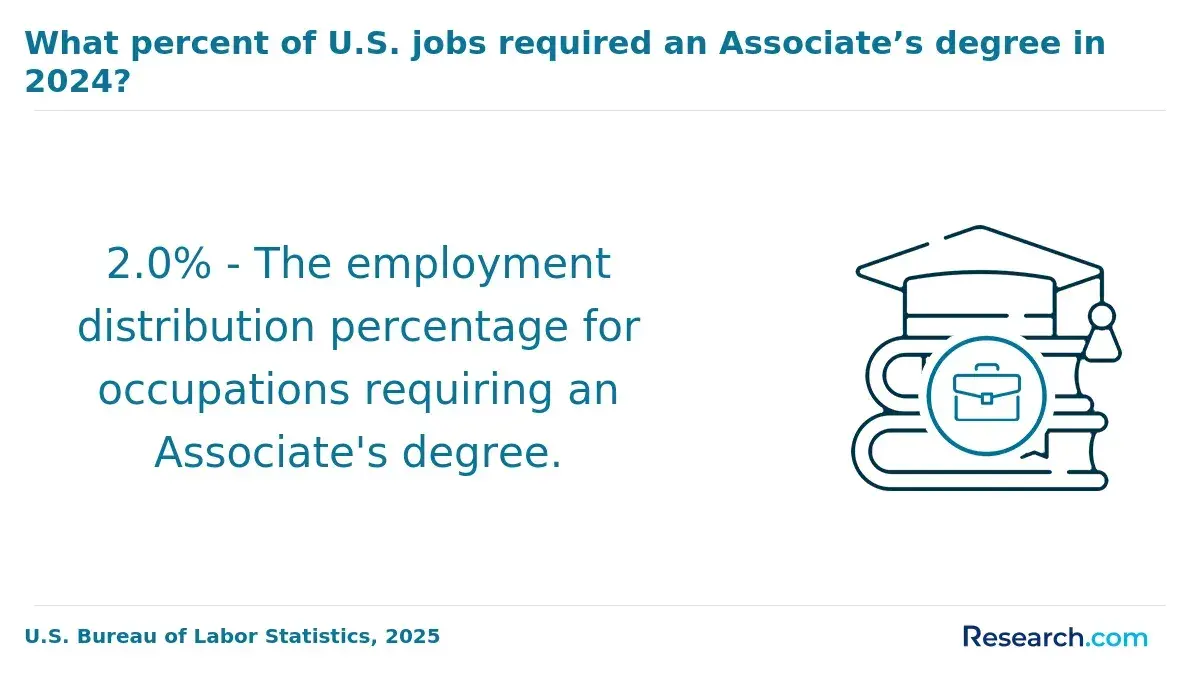
Accurately gauging the total expenses of a radiology technician degree program is vital for assessing its return on investment, given that average student loan debt for health-related associate degrees in recent years was about $21,000. Knowing the full financial commitment helps students forecast when their career earnings will surpass their education costs.
Key cost factors that influence the ROI of a radiology technician program include:
- Tuition and Fees: This is often the most significant expense, varying widely based on whether the program is at a public or private institution and whether the student qualifies for in-state tuition.
- Books and Materials: Expenses here cover textbooks, uniforms, and specialized equipment, which can amount to several hundred or even a few thousand dollars throughout the program.
- Living and Relocation Costs: Students who must move or commute may face substantial costs for housing, transportation, and daily essentials, which fluctuate depending on the region's cost of living.
- Opportunity Cost: Time dedicated to coursework may reduce available hours for paid employment, affecting income during the program.
- Indirect Expenses: These include application fees, certification testing charges, and possible travel for clinical rotations, all of which add to the overall cost.
When I asked a graduate of a radiology technician degree about his perspective on how much the program cost him, he emphasized the hidden challenges beyond tuition. "I didn't fully anticipate how exhausting the clinical hours would be or how much it limited my ability to work traditional hours," he shared.
"Even though tuition wasn't astronomical, balancing study, lab work, and living expenses stretched my budget more than I initially expected." His experience underscores that financial planning for such a program requires looking beyond just the sticker price to include less visible but impactful factors.
What financial aid is available for radiology technician degree programs?
Financial aid helps reduce the initial expenses of radiology technician programs and lessens the financial burden students face after graduation, enhancing their long-term return on investment. Data shows that more than 85% of undergraduates use student loans, emphasizing the need to consider various funding options carefully.
Common types of financial aid available to radiology technician students include:
- Scholarships: These funds do not require repayment and directly reduce tuition costs, which can lead to less debt and a higher ROI by easing post-graduation financial pressure.
- Grants: Typically awarded based on financial need, grants cover tuition without adding to student debt, improving financial outcomes by limiting loan reliance.
- Federal Student Loans: Offering lower interest rates and flexible repayment plans, these loans provide essential funds while helping students manage debt responsibly.
- Employer Tuition Assistance: Some healthcare employers support education costs or reimburse tuition, which can lower out-of-pocket expenses and speed up the path to positive ROI through employment connections.
- Fellowships or Stipends: Though less frequent for this level, these awards can provide financial support that frees students from additional borrowing, aiding focus on studies and future earnings.
How long does it take to complete a radiology technician degree?
Time to finish a radiology technician degree significantly impacts its return on investment due to opportunity costs, earlier income, and overall expenses. Completing the program faster allows students to enter the workforce sooner, reducing lost wages and total education-related costs.
Several important factors determine how long it takes to earn this degree and thus influence the financial benefits:
- Enrollment Status: Full-time students typically graduate more quickly by dedicating more hours per semester, which shortens the duration but requires greater time commitment and focus.
- Program Format: Traditional, online, and accelerated tracks differ in length and flexibility. Online and accelerated programs can shorten completion time, offering convenience and earlier entry into the job market.
- Transfer Credits: Students with prior relevant coursework may reduce the number of required classes, effectively cutting down tuition fees and study period.
- Clinical Requirements: Hands-on internships or practicums are mandatory but can extend the timeline since they often follow scheduled rotations and involve external placements.
- Scheduling Flexibility: Programs designed for working students might allow part-time study over a longer span, balancing employment with education but potentially delaying earnings growth.
A graduate of a radiology technician degree shared her experience when asked about the time investment. She explained that balancing a busy work schedule with evening classes forced her to stretch the program longer than she had anticipated. "It was challenging," she said, "but the clinical rotations were where I truly grew confident."
She also mentioned that the option to take some courses online helped her maintain steady progress without sacrificing job responsibilities. Reflecting on the process, she noted, "Though it took a bit longer, finishing meant I could start applying for better-paying roles sooner. That made all the effort worthwhile." Her story highlights how timing varies with individual circumstances yet directly affects both personal and financial outcomes.
Is ROI higher for online or on-campus radiology technician programs?
The choice between online and on-campus radiology technician programs significantly affects the return on investment (ROI) due to differences in tuition, flexibility, and career prospects.
Recent data from the National Center for Education Statistics shows that over 40% of U.S. higher education students take at least one online course, highlighting the growing appeal of flexible learning options. Evaluating the cost comparison of radiology technician degree formats is essential for prospective students facing varying financial and time commitments.
Key factors influencing ROI include the following:
- Tuition and Fees: Online programs generally offer lower tuition and associated fees, reducing initial financial burdens. By comparison, on-campus programs tend to be more costly but may include additional resources and facilities.
- Opportunity Cost: Online formats allow students to continue working while studying, minimizing income loss. On-campus programs often require full-time attendance, potentially increasing opportunity costs for working professionals.
- Time to Completion: This varies depending on the delivery format and the student's pace. Some online programs may take longer to finish, which can affect overall cost efficiency.
- Networking and Career Services: On-campus programs typically provide stronger in-person networking opportunities, clinical experiences, and direct access to career services, which may improve job placement and employer favorability.
- Employer Perception and Long-Term Earning: Employers often value the hands-on experience gained from on-campus programs, which can influence long-term earning potential and career advancement.
Prospective students comparing online versus on-campus radiology technician program ROI should also consider accelerated pathways, such as a fast track medical assistant program, which may offer faster entry into healthcare careers and enhanced financial outcomes.
What is the average salary after earning a radiology technician degree?
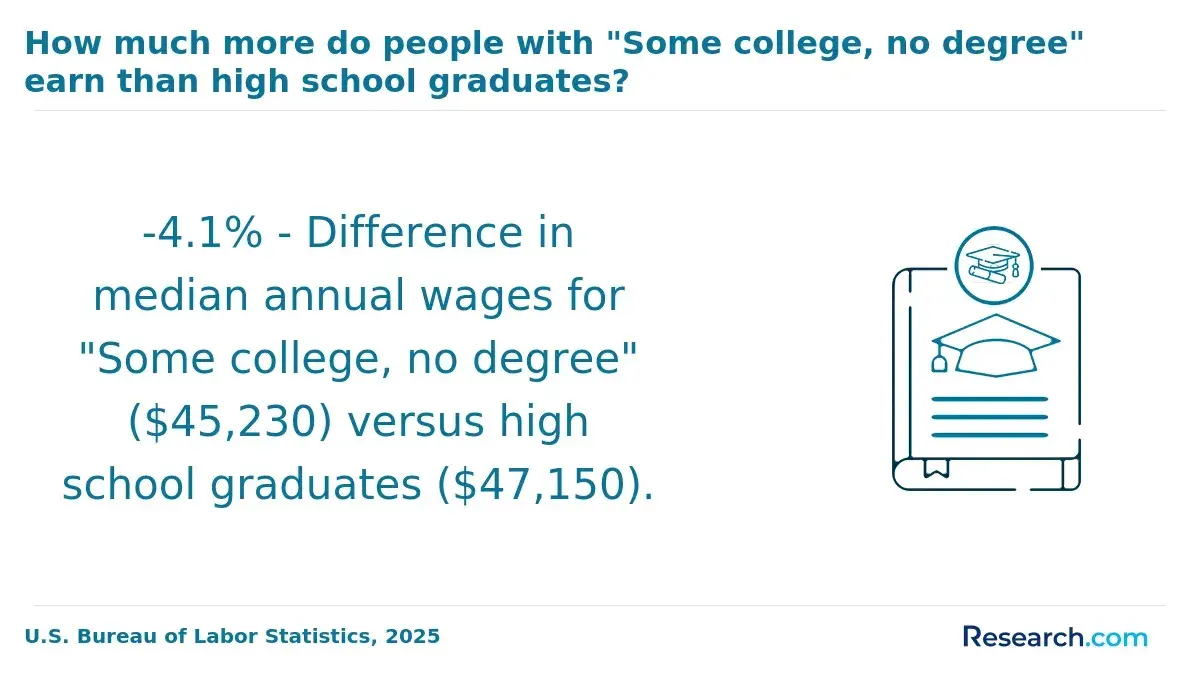
Post-graduation salary is a crucial factor in the return on investment for those earning a radiology technician degree, since higher earnings accelerate the recovery of educational costs and boost long-term financial gains. The average salary for radiology technicians in the United States typically ranges from $50,000 to $75,000 annually, varying by experience and other factors.
Several key factors influence this salary range and, consequently, impact the radiology technician salary by experience and overall ROI:
- Industry: Technicians employed in hospitals or specialized imaging centers generally earn more than those working in outpatient clinics, reflecting differences in procedure complexity and workload.
- Geographic Location: Salaries fluctuate widely depending on region, with urban areas and states that have higher living costs offering above-average compensation.
- Prior Experience: Those with healthcare backgrounds or relevant internships often begin with higher salaries and can expect faster career progression.
- Specialization: Certifications in advanced imaging areas like MRI or CT can open access to better-paying roles within the field.
- Career Level: As radiology technicians gain more years of experience, promotions and increased responsibilities typically drive salary growth.
For individuals exploring how a radiology technician degree fits into their career plans, combining salary expectations with educational commitments can aid decision-making. Those interested in expanding their healthcare credentials might also consider a healthcare administration online degree as a complementary or alternative path.
Does a radiology technician degree lead to promotions?
Promotions play a significant role in calculating the ROI for a radiology technician degree by offering higher salaries, increased responsibilities, and expanded career mobility. Current workforce trends indicate that credential-based promotions, especially those requiring formal degrees, are becoming increasingly common in healthcare, making education essential for advancement.
The following points highlight how a radiology technician degree can enhance promotion opportunities and overall ROI:
- Credential Requirements: Many healthcare employers mandate formal education credentials, such as a radiology technician degree, to qualify for advanced clinical or supervisory roles. This ensures candidates meet established standards for promotion.
- Leadership Preparation: The degree provides specialized knowledge and skill development that prepare graduates for leadership and specialized responsibilities, positioning them for roles beyond entry-level tasks.
- Employer Tuition Support: Tuition assistance programs offered by employers can reduce financial barriers while encouraging employees to pursue career advancement within the same organization, positively impacting the ROI of the degree.
- Internal Promotion Policies: Organizations often favor candidates who combine relevant work experience with formal education. Holding a radiologic technologist degree aligns well with these policies and improves prospects for internal advancement.
- Experience and Education Synergy: Career advancement with radiologic technologist degree is typically more achievable when coupled with practical experience, creating a strong foundation for mobility and higher-level positions.
Prospective students and professionals interested in related healthcare fields might also explore the cheapest online nurse practitioner programs as an alternative path for career enhancement.
Which industries offer the best ROI for radiology technician graduates?
Return on investment (ROI) for radiology technician graduates varies widely across industries due to differences in salary levels, career progression opportunities, and the demand for specialized skills. Industries offering the strongest ROI typically feature steady compensation growth, stable employment, and pathways for professional advancement.
Below are some of the top industries for radiology technician ROI, highlighting where graduates may find the highest paying jobs for radiology technician graduates:
- Healthcare Facilities: Hospitals, outpatient clinics, and diagnostic imaging centers provide consistent job demand driven by an aging population and advances in imaging technology. These workplaces often offer opportunities for promotion into supervisory or specialized roles, contributing to strong long-term financial returns.
- Research and Development: Institutions focused on medical imaging innovation employ technicians with advanced technical skills. This sector values expertise that supports new imaging equipment and techniques, often resulting in higher pay and significant career growth potential.
- Specialty Medical Practices: Facilities specializing in areas like oncology or cardiology require skilled imaging technicians for complex diagnostics. These practices offer competitive salaries and job stability due to the specialized nature of their needs.
Prospective students evaluating radiology technician programs should also consider how the cost of education impacts ROI. For those interested in building upon their qualifications, programs such as the cheapest RN to BSN options may provide valuable pathways to expand career opportunities within healthcare while managing expenses effectively.
Does accreditation affect ROI for a radiology technician degree?
Accreditation in radiology technician degree programs signifies that the curriculum adheres to rigorous standards established by recognized healthcare education authorities. This validation ensures that students receive training aligned with current industry needs, which directly impacts the program's value.
A notable workforce trend is the increasing preference among employers for candidates graduating from accredited programs, as accreditation often correlates with stronger competency and readiness. Additionally, completing an accredited program is usually a prerequisite for taking state licensure exams, which are essential for professional practice in most regions.
The long-term return on investment linked to accredited radiology technician programs comes from several advantages. Graduates from these programs tend to earn greater employer trust, which typically leads to enhanced job opportunities and higher salaries.
Accreditation also opens eligibility for federal financial aid, helping to manage educational expenses more effectively. Furthermore, it facilitates credit transfers for those pursuing further education and supports licensure requirements, allowing smoother career mobility across states and healthcare environments.
Is a radiology technician degree worth it?
Costs and duration play significant roles in evaluating the return on investment for a radiology technician degree. Most programs require one to two years, allowing students to enter the workforce relatively quickly.
Graduates typically earn a median salary near $63,000 annually, offering a competitive income given the shorter training period. Opportunities for career growth, such as specialization or leadership roles, can further enhance long-term earnings and job satisfaction.
The value of this degree depends heavily on regional job demand and individual circumstances. Programs with high tuition or limited local employment opportunities may result in lower returns.
Flexible formats like online or hybrid courses can reduce expenses and accommodate working students, improving affordability. Financial aid availability and alignment with personal career objectives are crucial when assessing the true worth of this educational path.
What Graduates Say About The ROI of Their Radiology Technician Degree
- Katrina: "Choosing to pursue a radiology technician degree as a traditional student was one of the best decisions I've made. The average cost of attendance, which was around $20,000 for my program, felt like a worthwhile investment given the steady demand for skilled radiology professionals. Now, with a solid foundation and hands-on experience, I'm confident that the long-term benefits will far exceed the initial cost."
- Emma: "The flexibility of an online radiology technician program made it possible for me to balance work and study, and though the costs were similar to traditional programs, around $18,000 to $22,000, it was worth every penny. I often reflected on how this degree would open doors to stable employment and career growth, and since graduating, I've seen those opportunities manifest in ways I never expected. "
- Marcy: "As a part-time student, I had to carefully weigh the financial and time commitment of the radiology technician degree program, which typically costs between $15,000 and $25,000. Considering the long-term return on investment, especially in healthcare sectors with increasing demand, I found it a prudent decision. Completing the program has accelerated my professional path significantly, allowing me to advance with confidence and credibility. "
Other Things You Should Know About Radiology Technician Degrees
The projected growth of the radiology technician job market affects ROI by influencing long-term employment stability and earning potential. According to labor statistics, demand for radiology technicians is expected to grow faster than the average for all occupations, suggesting strong future job prospects and steady wage growth. This positive outlook tends to enhance the ROI of investing in education and training.
In 2027, geographic location significantly affects the ROI of a radiology technician degree. Urban areas typically offer higher salaries, thus enhancing ROI, while rural areas might provide fewer opportunities. Cost of living also plays a role; higher living expenses in certain areas may impact the overall financial return from the degree.
References
- Career Progression Guide for Radiologic Technologists: What to Expect https://www.incrediblehealth.com/tech/career-progression-guide-for-radiologic-technologists-what-to-expect/
- ACR Learning Network ROI https://www.acr.org/Clinical-Resources/Clinical-Tools-and-Reference/Learning-Network/roi
- Questions and Answers (FAQ) - School of Radiologic Technology - UF Health Jacksonville https://ufhealthjax.org/radiologic-technology/questions-and-answers
- Tuition and Aid - Radiography Program (Florida) - Mayo Clinic College of Medicine & Science https://college.mayo.edu/academics/health-sciences-education/radiography-program-florida/tuition-and-aid/
- Radiology Tech School: Is It Worth Your Investment? https://vault.nimc.gov.ng/blog/radiology-tech-school-is-it-worth-your-investment-1767646891
- RADIOLOGIC TECHNOLOGY: ASSOCIATE IN APPLIED SCIENCE https://www.tcl.edu/academics/pathways/health-sciences/radiologic-technology-associate-in-applied-science/
- Five Ways Radiologic Technologists Can Advance Their Careers https://www.gurnick.edu/5-ways-radiologic-technologists-can-advancement-their-careers/
- Diagnostic Radiology Accreditation From X Rays to ROI: Leveraging Radiology Accreditation for Business Success - FasterCapital https://fastercapital.com/content/Diagnostic-Radiology-Accreditation-From-X-Rays-to-ROI--Leveraging-Radiology-Accreditation-for-Business-Success.html
- Unlocking the Value: Quantifying the Return on Investment of Hospital Artificial Intelligence - Journal of the American College of Radiology https://www.jacr.org/article/S1546-1440(24)00292-8/fulltext


