
2027 Radiology Technician Degrees Explained: Are They Classified as Professional Degrees?

Co-Founder and Chief Data Scientist
Many prospective radiology technicians mistakenly believe that all degrees in this field qualify as professional degrees required for licensure. However, this is not always the case, causing confusion about the educational path needed for career advancement. According to the U. S. Bureau of Labor Statistics, employment of radiologic technologists is projected to grow 9% in the next decade, highlighting increased demand for qualified professionals with recognized credentials.
This article clarifies the distinction between professional and non-professional degrees in radiology technician education, guiding readers on accreditation, licensing requirements, costs, and career outcomes for informed decisions.
Key Benefits of Professional Radiology Technician Degrees
- Obtaining a professional radiology technician degree enhances eligibility for leadership roles, supporting career advancement within healthcare settings and improving responsibilities beyond entry-level positions.
- Graduates with professional degrees generally experience higher earning potential, offering a strong return on investment compared to certifications or associate degrees alone.
- Such degrees often fulfill regulatory requirements for advanced certifications, enabling practice in specialized or regulated areas with increased job security and long-term stability.
What Is Considered a Professional Radiology Technician Degree?
Students evaluating career-focused and licensure-oriented education pathways must recognize what qualifies as a professional radiology technician degree. This understanding is essential for ensuring proper preparation and eligibility for certification and employment in the healthcare field.
The demand for radiologic technologists is projected to grow by 9% in the coming years, emphasizing the need for accredited, skill-based education.
Below is a myth-versus-fact structure to clarify common misconceptions about professional radiology technician degree requirements.
Professional Recognition
- Myth: Any degree labeled "radiology technician" automatically meets licensure and employment standards.
- Fact: Only programs specifically designed as professional radiology technician degrees prepare students for certification exams and state licensure.
Program Content
- Myth: All radiology technician curricula include the necessary applied clinical training for professional competency.
- Fact: Professional radiology technician degree programs combine clinical experience with coursework aligned to licensure requirements, unlike some certificate or associate degrees.
Credentialing Importance
- Myth: Completing any radiology technician program ensures eligibility for certification by professional bodies.
- Fact: Only accredited degrees fulfilling licensure prerequisites prepare graduates for credentials like the American Registry of Radiologic Technologists (ARRT) certification.
Prospective students should carefully investigate professional radiology technician degree requirements and consider programs with proven career outcomes. Those seeking flexible options may also explore RN to BSN online no clinicals pathways that reflect evolving educational trends.
Who Should Pursue a Professional Radiology Technician Degree?
Identifying who should pursue a professional radiology technician degree is crucial for students seeking career-focused, practice-oriented education. This clarity helps prospective radiology technicians align their educational investments with licensure, specialization, and career growth goals.
Enrollment in radiology technician programs has increased by over 15% in recent years, reflecting growing demand for formally trained professionals.
A series of common misconceptions can cloud decisions; the following myth-versus-fact pairs clarify who benefits most from these degrees.
Early Career
- Myth: Only those with prior healthcare experience benefit from a professional radiology technician degree.
- Fact: Early-career individuals and those entering healthcare for the first time often gain the most from formal training through a professional degree. Such programs provide essential clinical skills and prepare students for licensure exams.
Specialized Roles
- Myth: A professional radiology technician degree is unnecessary if you want to advance in specialized or regulated roles.
- Fact: Specialized fields within radiology typically require accredited degrees that meet state and national certification standards, making the degree essential for career advancement and specialization.
Career Changers
- Myth: Career changers cannot successfully transition without a full professional degree.
- Fact: Many professional radiology technician programs specifically cater to career changers, offering structured learning to meet licensing and practical requirements.
A best professional radiology technician degrees program supports diverse learners, including those who want to become radiology technicians and those changing careers. For additional educational pathways, individuals might explore online dnp programs without dissertation to compare flexible advanced healthcare education options.
What Are the Most Common Professional Radiology Technician Degree Programs?
Choosing the right professional radiology technician program is crucial for aligning education with career objectives and licensure requirements. Demand in the medical imaging field is expected to grow by approximately 9% in the next decade, emphasizing the need for well-prepared graduates.
Below is a breakdown of common radiology technician degree options.
- Certificate Programs: These short-term programs typically last less than a year and focus on foundational imaging techniques and patient care. They are designed for quick entry into the field but may have limited scope compared to degree paths.
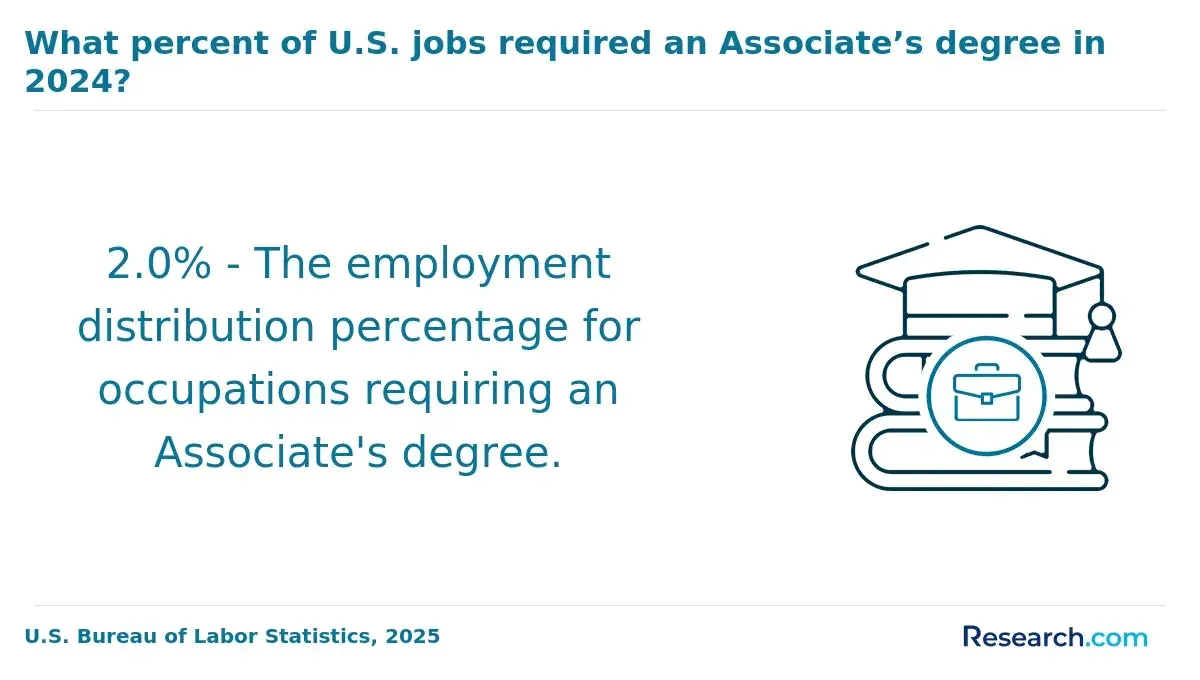
- Associate Degree Programs: The most common pathway, usually spanning two years, combines classroom learning with clinical practice. Accredited by bodies like the JRCERT, these programs cover anatomy, radiation safety, and imaging procedures, preparing students for certification and licensure exams.
- Bachelor's Degree Programs: Offering a more comprehensive education, bachelor's degrees integrate advanced imaging technology and management courses. They can open doors to specialized clinical roles and leadership positions within the field.
Are Professional Radiology Technician Degree Programs Accredited?
Accreditation is a critical factor for students evaluating professional radiology technician degree programs because it guarantees program quality and legitimacy. Without proper accreditation, students risk enrolling in programs that do not meet industry standards, potentially affecting their eligibility for licensure, financial aid, and future employment opportunities.
More than 90% of employers prefer or require graduates from accredited radiology technician programs, highlighting the importance of recognized oversight. This makes understanding accrediting bodies for radiology technician degrees essential when choosing a program.
A myth-versus-fact approach clarifies common misunderstandings about accreditation.
Program Accreditation
- Myth: All radiology technician degree programs are equally accredited and recognized.
- Fact: Only programs accredited by recognized bodies meet strict standards that prepare students for certification and licensure. The Joint Review Committee on Education in Radiologic Technology (JRCERT) is the primary programmatic accreditor for professional radiologic technology program accreditation.
Accreditation Types
- Myth: Institutional accreditation is the same as programmatic accreditation.
- Fact: Institutional accreditation evaluates entire colleges or universities, while programmatic accreditation specifically assesses radiology technician degree programs. Both matter, but programmatic accreditation is critical for specialized fields like radiology technology.
Licensure and Aid
- Myth: Accreditation does not affect licensure or financial aid eligibility.
- Fact: Graduating from an accredited program is often required for state licensure and certification exams. Accreditation also determines access to federal financial aid, making it essential to consider when selecting a program.
For students exploring healthcare fields, it's also helpful to compare related options such as the easiest nursing schools to get into, which can provide alternative career pathways and insights into accreditation impacts across healthcare professions.
What Are the Admission Requirements for a Professional Radiology Technician Degree?
Knowing the admission requirements helps prospective students determine if they are ready to handle the demands of a radiology technician program and increase their chances of acceptance. With rising interest in this healthcare field, competition for spots in accredited programs has intensified, leading to more selective admission standards.
The following key criteria typically shape the application process.
- Educational Background: Applicants usually need a high school diploma or equivalent with coursework in biology, chemistry, and math. This foundation supports understanding complex scientific principles essential in radiologic technology.
- Academic Performance: Programs commonly set a minimum GPA requirement, often between 2.5 and 3.0, to ensure students can keep pace with challenging classes and clinical work.
- Standardized Testing: Some schools require test scores to evaluate a candidate's preparedness and critical thinking skills, adding an objective measure to the selection process.
- Communication and Critical Thinking Skills: Demonstrated through essays or interviews, these skills are crucial for patient care and safety in clinical settings.
- Background Checks and Immunizations: Because of close patient contact, many programs mandate health clearances and background screenings to maintain a safe learning environment.
- Clinical Exposure: Volunteering or shadowing healthcare professionals shows familiarity with medical environments and a genuine commitment to the field.
When I asked a graduate of a professional radiology technician degree about his experience with admissions, he described the process as both "challenging and validating." He recalled carefully preparing his application essay to convey not only his academic readiness but also his passion for patient care. The background check and immunizations were straightforward but underscored the program's seriousness.
He admitted feeling nervous before the interview but appreciated how it allowed him to explain his motivation and critical thinking skills beyond grades and test scores. "Meeting all those requirements wasn't just a hurdle-it was a confidence booster," he said, emphasizing how the thorough admission process prepared him to succeed in the demanding program ahead.
What Courses and Practical Training Are Required in a Professional Radiology Technician Degree?
Knowing the curriculum and practical training components is essential for prospective students considering professional radiology technician programs. These elements directly impact eligibility for licensure, skill development, and career readiness.
Here is an overview to guide evaluation of radiology technician courses and clinical training requirements.
- Core theoretical courses: Programs typically cover anatomy and physiology, radiation physics, and medical ethics. These courses build foundational knowledge critical for understanding human biology, safe radiation use, and healthcare ethical standards.
- Radiographic imaging techniques: This coursework focuses on proper operation of imaging equipment, including X-ray, CT, and MRI machines. Students learn the technical skills needed to produce high-quality diagnostic images.
- Patient care procedures: Training in patient positioning, communication, and safety is integral. Developing professionalism and effective interaction skills prepares students for clinical environments.
- Clinical rotations and hands-on training: Practical experience gained through hospital or imaging center internships is a core requirement. These rotations emphasize real-world application of skills, critical thinking, and patient management.
- Accreditation and program standards: Meeting educational and clinical criteria by recognized bodies is necessary for licensure eligibility. Selecting accredited programs ensures compliance with professional radiologic technologist program requirements.
Choosing the right program involves balancing course rigor, clinical exposure, and cost considerations. For those comparing healthcare education options, resources like the cheapest online healthcare management degree listings may provide helpful insights into affordable pathways.
Ultimately, thorough evaluation of radiology technician courses and clinical training prepares students for successful certification and career advancement.
How Much Do Professional Radiology Technician Degrees Cost?
Understanding the cost of professional radiology technician degrees is crucial for prospective students evaluating their educational options and financial commitments. The average tuition for radiology technician programs generally falls between $10,000 and $30,000, with the median total cost around $20,000 including tuition and fees.
These figures are important when considering the affordability and overall return on investment of such programs. Below are the key expenses to consider when calculating the professional radiology technician degree cost:
- Tuition and fees: This is the largest single expense and varies widely depending on whether the program is offered by community colleges, private institutions, or universities. The average tuition for radiology technician programs can significantly affect total costs.
- Books and supplies: Required textbooks, protective gear, and specialized equipment add several hundred to a few thousand dollars, depending on program requirements. These materials are essential for both coursework and clinical practice.
- Clinical training expenses: Many programs require clinical hours or externships that might be unpaid and could include costs for travel, lodging, or additional fees. This is a critical hands-on component but can increase the overall financial burden.
- Certification and licensing fees: After completing the program, graduates must pass certification exams and obtain state licenses, which involve additional fees necessary for legal employment in the field.
Prospective students should weigh these costs carefully alongside potential salary outcomes to make informed decisions. For those exploring advanced healthcare degrees, it might be helpful to also review options such as the most affordable BSN to DNP programs online as part of long-term career planning.
Do Professional Radiology Technician Degrees Qualify for Financial Aid?
Financial aid eligibility is often a major concern for those exploring professional radiology technician programs, mainly due to the diversity in program types and accreditation. Recent studies show that more than 60% of students in healthcare technician fields receive financial support such as federal loans and grants.
A common misunderstanding about aid availability leads to many questions. Below is a clarification using a myth-and-fact format.
Federal Aid Eligibility
- Myth: Professional radiology technician degrees are not eligible for federal financial aid.
- Fact: Accredited radiology technician programs, including professional degrees, frequently qualify for federal student aid such as Pell Grants and federal loans, depending on the institution's accreditation and the student's enrollment status.
Alternative Funding
- Myth: There are no other financial support options besides federal aid for radiology technician students.
- Fact: Many students gain access to scholarships targeted toward radiologic technology, employer tuition reimbursement programs, and public service loan forgiveness options for careers in healthcare.
Program Impact
- Myth: Financial aid availability does not vary with the program's degree type or accreditation level.
- Fact: Aid eligibility often depends on whether programs carry appropriate accreditation and the classification of the degree awarded, affecting students' financial assistance opportunities.
I spoke with a graduate of a professional radiology technician degree to understand how financial aid shaped her educational journey. She shared that navigating the financial aid process initially felt overwhelming due to unclear information on her program's eligibility.
"I wasn't sure if the loans and grants applied to my degree, so I spent a lot of time verifying accreditation and talking with financial aid offices." Her persistence paid off, as she secured a mix of federal loans and a specialized scholarship, easing the burden significantly. She reflected, "Knowing that aid was available made me less anxious about costs and more focused on completing the program successfully."
This experience highlights how, despite initial uncertainties, professional radiology technician degrees can indeed qualify for meaningful financial support when students proactively seek guidance and verify their program's standing.
Are Professional Radiology Technician Degrees Required for Certain Careers?
Clarifying the educational requirements for careers in radiologic technology helps students select suitable programs and avoid unexpected hurdles in certification or employment. With the U.S. Bureau of Labor Statistics projecting an employment increase for radiologic technologists, awareness of licensing and credentialing is critical.
Below is a myth-versus-fact breakdown explaining when a professional radiology technician degree is necessary.
Degree necessity
- Myth: Every radiology technician role requires an associate or bachelor's degree in radiologic technology.
- Fact: Not all positions mandate a degree; some employers accept certificate programs if accompanied by state licensure, mainly for entry-level jobs.
Licensure importance
- Myth: Licensure can be obtained without completing an accredited program.
- Fact: Most states require graduation from an accredited radiologic technology program and passing a certification exam for licensure.
Specialized roles
- Myth: Specialized radiology careers like MRI technologist don't need additional credentials beyond initial training.
- Fact: Advanced roles typically require further education and certifications beyond a standard radiology technician degree.
Career eligibility
- Myth: Completing any radiology-related program guarantees career advancement.
- Fact: Only programs with proper accreditation and licensure eligibility enable graduates to qualify for most clinical positions and growth opportunities.
Do Professional Radiology Technician Degrees Lead to Higher Salaries?
Weighing the financial advantages of professional radiology technician degrees is vital for students deciding to pursue advanced education. Such insight helps ensure that the investment of time and resources aligns with career and salary goals.
Below is a myth-versus-fact review clarifying common beliefs about earnings and degree levels.
Salary Guarantee
- Myth: Holding a professional radiology technician degree automatically results in significantly higher pay than an associate degree or certificate.
- Fact: While a bachelor's or higher degree can deepen expertise and open doors, salary differences are influenced by experience, location, and employer type rather than degree alone.
Entry-Level Pay
- Myth: Entry-level job salaries are equal regardless of education, making professional degrees unnecessary.
- Fact: Initial pay for certificate or associate degree holders often matches that of professional degree graduates, but advanced degrees can qualify individuals for specialized or supervisory roles with greater compensation.
Long-Term Impact
- Myth: Advanced degrees don't influence financial outcomes over a career.
- Fact: Over time, higher credentials contribute to career growth, certification eligibility, and leadership opportunities that tend to yield better financial rewards despite modest starting salary differences.
Evaluating these factors alongside cost and time commitments empowers prospective radiology technicians to make better-informed decisions that support long-term career success.
What Graduates Say About Their Professional Radiology Technician Degree
- Cleo: "I was initially worried about balancing work and study, but the flexibility of the professional radiology technician degree program made it completely manageable. Considering the average cost of attendance was reasonable, I knew this was the right investment. Earning this degree has opened doors to numerous career opportunities that I hadn't imagined before. "
- Yvette: "Choosing to pursue a professional radiology technician degree was a reflective decision I made after weighing the program's benefits and costs. The option to study on my own schedule allowed me to excel without sacrificing my personal life. Today, I confidently apply my skills in a clinical setting, thanks to the comprehensive training I received. "
- Nell: "The professional radiology technician program's flexible learning environment was a major factor in my decision to enroll, especially as the cost of attendance aligned with my budget. This degree has significantly advanced my professional status and expertise, positioning me well for career growth within healthcare. I'm proud to be part of such a vital field. "
Other Things You Should Know About Radiology Technician Degrees
To become a radiology technician in 2027, you typically need an associate degree from an accredited institution. This education provides the necessary training in imaging techniques and patient care essential for the role. Completion of this degree can lead to certification and licensing, depending on state requirements.
Radiology technician programs typically mandate around 1,000 clinical hours by 2027, as determined by accrediting bodies like the Joint Review Committee on Education in Radiologic Technology (JRCERT), to ensure practical experience and competence in handling radiologic equipment and patient care.
References
- How to become a radiologic technologist | NWHSU https://www.nwhealth.edu/blog/how-to-become-a-radiologic-technologist/
- Dispelling MARCA and RA Myths https://www.asrt.org/promotions/campaigns/RAFacts
- Tuition and Aid - Radiography Program (Florida) - Mayo Clinic College of Medicine & Science https://college.mayo.edu/academics/health-sciences-education/radiography-program-florida/tuition-and-aid/
- Top 8 Reasons to Become a Rad Tech | Prolink https://prolinkworks.com/perspectives/top-8-reasons-to-become-rad-tech
- Myth: Radiation Exposure a High Risk for Imaging Techs https://www.ahu.edu/blog/myth-radiation-exposure-a-high-risk-imaging-techs
- Radiologic Technology Myths vs. Facts - RIVERSIDE COLLEGE https://riverside.edu.ph/radiologic-technology-myths-vs-facts/
- Top 10 Medical Technology Career Myths Debunked: Key Facts for Aspiring Professionals https://medicaltechnologyjobs.co.uk/career-advice/top-10-medical-technology-career-myths-debunked-key-facts-for-aspiring-professionals
- Radiologic Technology Admissions Requirements https://www.aacc.edu/apply-and-register/credit-application/health-science-applicants/radiologic-technology-admissions-requirements/
- SIIM chair takes on certification ?myths? https://radiologybusiness.com/topics/medical-imaging/diagnostic-screening/ahra-2008/siim-chair-takes-certification-myths


